
The House Came With A Surprise
You finally get the keys, start unpacking, and discover jewelry the listing never mentioned. Then the guy who flipped the house calls and says it belongs to him. Awkward. Before handing over anything valuable, it helps to know that buying the house and owning everything discovered inside it are not necessarily the same thing.
First, Who Actually Owned The Jewelry?
The most important question may be surprisingly simple: whose jewelry was it? A flipper saying “that’s mine” does not automatically settle anything. It could belong to him, the homeowner before him, a relative, a former tenant, or someone whose connection to the property disappeared decades ago.

The House And The Jewelry Are Different
A house is real property. A necklace sitting in an old dresser, wall cavity, or attic box is personal property. That distinction matters because transferring ownership of the real estate does not necessarily transfer ownership of every forgotten movable object associated with the property.

Forgotten Doesn't Automatically Mean Abandoned
This is where common sense and legal terminology occasionally part company. Something is generally considered abandoned when its owner intentionally gives it up, not simply when the owner forgets it. Leaving Grandma's ring behind during a frantic move is very different from deliberately tossing an unwanted chair at the curb.
Lost Property Is Different Too
Under traditional American common-law rules, property is “lost” when its owner accidentally parts with it. A finder can sometimes obtain rights against everyone except the true owner, although modern state statutes frequently change those old rules. In other words, “finders keepers” was never quite as simple as the playground suggested.

Then There's Mislaid Property
Property deliberately put somewhere and later forgotten has historically been called “mislaid.” Think cash tucked behind a panel rather than a ring accidentally dropped through a floorboard. Courts have treated mislaid property differently because the circumstances suggest somebody meant to return for it.
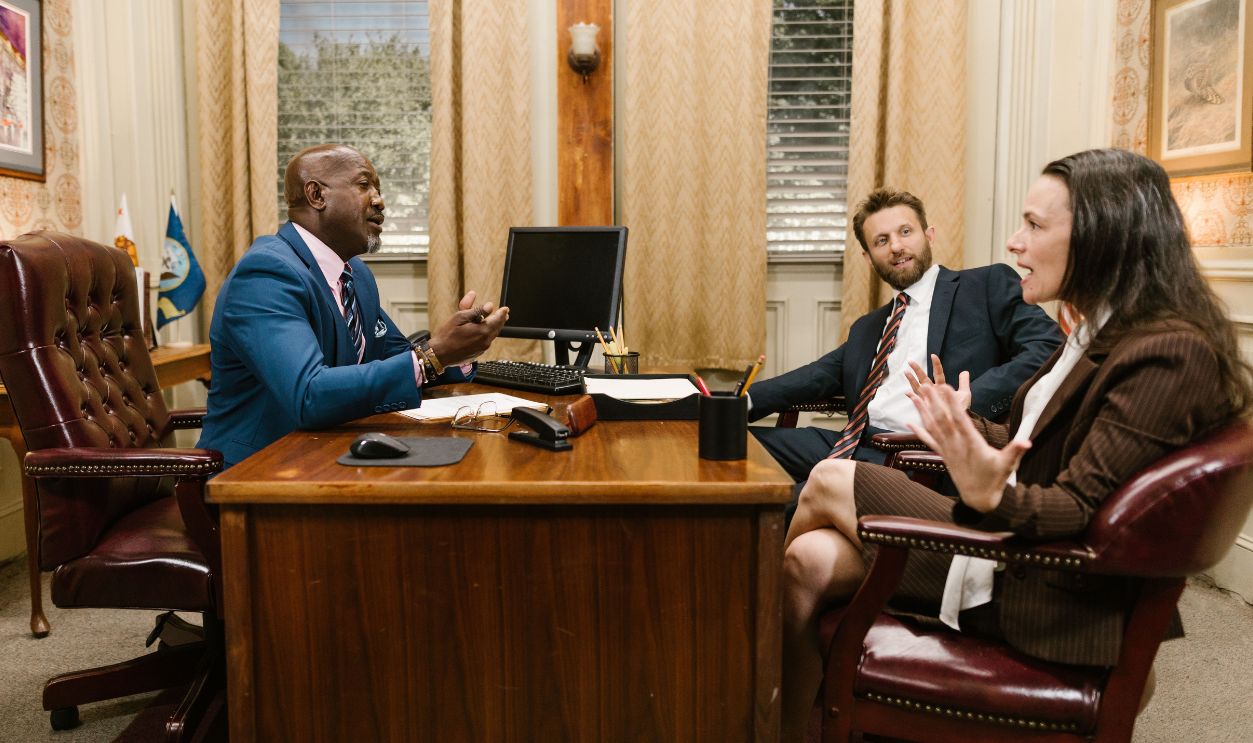
 https://kaboompics.com/, Pexels
Where You Found It Matters
A bracelet lying beneath the refrigerator tells a different story from gold coins sealed inside a wall. The item's location can provide clues about whether it was accidentally lost, deliberately hidden, or intentionally abandoned. That can influence who has the strongest claim when ownership becomes disputed.

Hidden Treasure Gets Complicated Fast
Yes, American law really does have a concept called “treasure trove,” traditionally involving long-hidden valuables such as gold, silver, or coins. But don't start practicing your pirate laugh yet. Modern states do not all follow the doctrine, and some courts have preferred other found-property rules.

The Current Homeowner May Have An Advantage
Some courts give significant weight to ownership of the property where hidden valuables are discovered. An Idaho court, for example, awarded possession of buried gold coins to the landowner rather than the workers who uncovered them, subject to the rights of the actual original owner.

But The True Owner Is Still Important
Even where a finder has substantial rights, the true owner's claim is often stronger. If the flipper genuinely owned the jewelry before selling the house and can convincingly prove it, your position may look considerably different from a situation where he merely heard you discovered something valuable.

State Law Can Change Everything
There isn't one nationwide “jewelry found in a new house” rule. States have enacted very different found-property statutes, reporting requirements, waiting periods, and procedures. That means advice from a cousin in Florida may be useless if your newly purchased bungalow happens to be in New York.

Some States Expect You To Report Finds
Depending on the jurisdiction and the item's value, simply putting the jewelry into your safe and declaring victory could be a mistake. Some states require valuable found property to be reported or surrendered temporarily while authorities attempt to locate the rightful owner.

New York Sets A Low Threshold
New York provides a useful example. Its law generally requires someone finding property worth $20 or more to return it to the owner or report and deposit it with police within ten days. Its statutory definition of lost property is also broader than many people might expect.

California Uses A Different Rule
California illustrates why location matters so much. There, a finder generally must turn property worth $100 or more over to local police or the county sheriff within a reasonable time when the owner is unknown or has not claimed it. Different state, different process.

The Flipper Can't Simply Demand Entry
Whatever the ownership question becomes, you don't have to turn the situation into an impromptu home inspection. Someone claiming property does not need to wander through your new house searching for valuables. Keep control of the conversation and deal with the ownership issue separately.

Ask Him To Describe The Jewelry
Before revealing photographs or every detail, ask the claimant to describe what he supposedly owns. What type of jewelry? What material? How many pieces? Any distinctive engraving, stone, clasp, or damaged section? Someone who truly owned an item may know details that a hopeful claimant would not.

Ask Where He Left It
Location can be revealing too. If he immediately says, “I hid my mother's ring behind the loose panel above the basement stairs,” and that's exactly where you found it, his story suddenly becomes much more persuasive. Vague statements such as “there was some jewelry somewhere” deserve more scrutiny.

Proof Is Better Than Confidence
Receipts, photographs, insurance schedules, appraisal documents, estate records, family pictures, or distinctive markings can support a claim. Somebody sounding extremely certain on the telephone is not the same thing as somebody producing a photograph of themselves wearing the exact necklace ten years earlier.

Check Your Purchase Agreement
Now retrieve the mountain of paperwork from closing. Real-estate contracts sometimes address personal property left at the property after possession changes. A clause saying leftover belongings are deemed abandoned or become the buyer's property could become important, although its effect depends on your state's law and the circumstances.

Check Who Actually Sold You The House
Was the flipper personally the seller? Did an LLC own the property? Was he only the contractor? Those details matter. A renovation worker claiming jewelry left by somebody else has a very different story from the person who personally owned both the house and the jewelry until closing day.

Don't Sell Anything Yet
This is not the moment for a celebratory trip to the jewelry store. Selling, altering, melting, gifting, or wearing disputed valuables could make an easily manageable situation much messier. Secure the items and leave them in substantially the condition in which you discovered them.

Photograph The Discovery
Take clear photographs of the jewelry and, if possible, the location where it was discovered. Save relevant texts, emails, closing documents, and photographs from the move. You aren't building a Hollywood evidence board. You're simply preserving details that everyone may remember differently six months from now.

Keep The Conversation In Writing
If the flipper calls repeatedly, move the discussion to text or email. A written conversation reduces misunderstandings and creates a record of exactly what he claims. It also gives you time to think instead of making a decision while somebody is standing impatiently on your front porch.

Consider An Independent Appraisal
A costume brooch and a diamond heirloom deserve very different levels of effort. If the item could be valuable, an independent jeweler or appraiser can help establish what you actually found. Avoid unnecessary restoration beforehand, particularly if unusual markings could help identify its history.

Don't Forget Insurance
Once valuables are sitting in your home, protecting them becomes another question. Standard homeowners policies often limit coverage for jewelry and other high-value categories. If the ownership dispute eventually resolves in your favor, ask your insurer whether the pieces need scheduled or additional coverage.

Know When To Get Local Advice
If you're talking about a $40 trinket, common sense may resolve things quickly. If you've discovered a diamond necklace worth thousands, antique jewelry hidden inside the structure, or several competing claimants, spending a little money on a local property lawyer can prevent a much more expensive mistake.

The Safest Practical Approach
Don't assume the jewelry became yours with the house, but don't surrender it simply because someone demands it either. Document the discovery, review the purchase agreement, make the claimant prove the connection, and check your state's found-property rules before taking irreversible action.

The Bottom Line
Forgotten valuables can create one strange housewarming present. In American law, the answer usually depends on who truly owned the item, whether it was lost, mislaid, or abandoned, where it was found, your purchase documents, and your state's rules. Until those pieces fit together, keep the jewelry safe—and keep the flipper's claims documented.

You May Also Like: