That Checkout Discount Could Cost You A Fortune
You're standing at the register when the cashier offers you 20% off your purchase just for opening a store credit card. It sounds like free money, especially if you're already spending hundreds of dollars. But that tempting discount could eventually cost you far more than it saves, thanks to some surprisingly expensive strings attached. And one particularly nasty financing trick can leave shoppers owing hundreds of dollars even after they've paid off almost everything they bought.
Stores Have A Very Good Reason To Offer Them
Retailers aren't pushing credit cards simply because they want to reward loyal shoppers. Many have financial agreements with banks that allow them to share in the profits generated by their cards. According to a 2024 investigation by the Consumer Financial Protection Bureau (CFPB), credit card income represented an average of 8% of gross profits for a sample of major retailers between 2018 and 2023. In other words, the card you're offered at checkout can be a surprisingly valuable business for the store.

The Interest Rates Are Eye-Watering
Here's where that seemingly harmless discount starts looking a lot less attractive. The CFPB found that 90% of retail credit cards in its survey reported maximum interest rates above 30%, compared with just 38% of general-purpose cards. In December 2024, private-label cards offered by leading retailers had an average advertised APR of 32.66% for new accounts. That's an extraordinarily expensive way to borrow money if you don't pay off your purchases.
 Korawat photo shoot, Shutterstock
The Problem Goes Beyond A Few Expensive Cards
The CFPB's December 2025 report revealed just how widespread the problem had become. In 2024, the average APR was 31.3% for private-label store cards, compared with 25.2% for general-purpose credit cards. These figures describe the market at that time, not necessarily the rate a shopper would receive today. Still, they illustrate why the interest charges on a store card can quickly become more important than the discount that attracted you.

Your $100 Discount Can Disappear Surprisingly Fast
Imagine buying a $500 appliance and receiving a 20% discount for opening a store credit card. You immediately save $100, bringing the purchase price down to $400. But if you carry that $400 balance for a full year at a hypothetical 32% APR without reducing the principal, the interest alone could exceed your original savings. And that's before considering what might happen if your purchase comes with a special financing offer.

The Most Dangerous Offers Sound Like Free Money
Furniture stores, electronics retailers, and other major chains sometimes advertise financing that promises no interest for a year or longer. That sounds like an excellent deal, especially when you're buying something expensive. But some of these promotions use a system called deferred interest, which works very differently from a regular zero-interest credit card offer. The distinction is easy to miss, and the consequences can be enormous.

One Shopper Could Owe $1,439 In Interest
The CFPB documented a startling example involving a $4,500 furniture purchase with a two-year deferred-interest promotion. Imagine paying off $4,320 during those two years, leaving just $180 outstanding when the offer expires. At a 31.99% interest rate, the CFPB calculated that the customer could suddenly face $1,439.55 in deferred interest charges. That's a staggering extra expense for someone who managed to repay 96% of the original purchase.

The Secret Is Hidden In Four Little Words
The phrase to watch for is "if paid in full." When a promotion promises no interest if paid in full within a certain period, interest may actually be accumulating behind the scenes. If you fail to eliminate the entire promotional balance before the deadline, the lender can charge interest dating back to the original purchase. That's how a tiny remaining balance can trigger a bill that's anything but tiny.
Not Every Zero-Interest Offer Is The Same
Fortunately, a genuine 0% introductory APR promotion generally works differently. If you still owe money when that promotional period ends, interest typically begins accumulating on the remaining balance from that point forward. With deferred interest, however, failing to meet the deadline can bring back charges accumulated throughout the promotion. Knowing which arrangement you're accepting could be the difference between a helpful financing deal and a very expensive surprise.
The Minimum Payment Can Be A Trap
One of the most frustrating parts of deferred-interest financing is that making every required minimum payment may not be enough. The CFPB warns that those minimum payments generally won't eliminate the promotional balance before the deadline. For example, a $1,200 purchase with a 12-month deadline would require $100 in monthly payments to clear the principal, assuming no additional charges or interest. If the required minimum is lower, following it alone could leave you with a costly remaining balance.
 Srdjan Randjelovic, Shutterstock
Millions Of Shoppers Are Paying The Minimum
Minimum payments aren't just a theoretical concern. The CFPB's 2025 credit card market report found that 20% of private-label card accounts made only the minimum payment in 2024, up from 17% in 2022. Making the minimum keeps an account current, but it can also stretch repayment over a much longer period. With the high interest rates associated with store cards, that can turn an ordinary purchase into a surprisingly expensive obligation.

One Card Can Have Several Different Interest Rates
Things can get even more confusing when you use the same store card for multiple purchases. One transaction might have deferred-interest financing, while another carries the card's regular purchase APR. Federal rules generally require payments above the minimum to go toward balances with the highest interest rates first, with special rules for deferred-interest promotions near their expiration. That means paying extra each month doesn't always reduce the promotional balance in the way you might expect.

The Checkout Pitch Doesn't Always Tell The Whole Story
Store credit card applications are often presented while shoppers are trying to finish a purchase. The CFPB found that approximately half of retail card applications were submitted at the point of sale. The agency also documented consumer complaints about aggressive sales tactics and confusion surrounding promotional offers. That's hardly the ideal situation for making a financial decision that could affect you for years.

Some Shoppers Didn't Know They Were Applying For Credit
One of the more troubling findings involved customers who thought they were signing up for a store loyalty program. According to complaints documented by the CFPB, some consumers instead discovered they had applied for an actual credit card. Others reported confusion about the financial product they received. Although these complaints don't describe every retailer, they demonstrate why it's important to ask exactly what you're signing before providing your information.

The Discount Might Not Work As Promised
Imagine agreeing to open a credit card because the cashier promises a substantial discount, only to discover that the offer doesn't apply to your purchase. The CFPB documented complaints from consumers who signed up for retail cards but couldn't redeem the advertised promotions. Sometimes the problem involved confusion over promotional terms or eligibility. That's why it's worth asking to see the complete offer before applying, rather than relying entirely on a verbal promise.

The Fees Can Make Things Even Worse
High interest rates aren't the only potential expense associated with store credit cards. In 2024, the CFPB found that some major retail card issuers had introduced paper statement fees and increased interest rates. Consumer complaints also highlighted frustration over late fees and other unexpected charges. A card that initially appeared free could therefore become more expensive than you anticipated, even without another shopping trip.

Your Credit Score Can Take A Hit
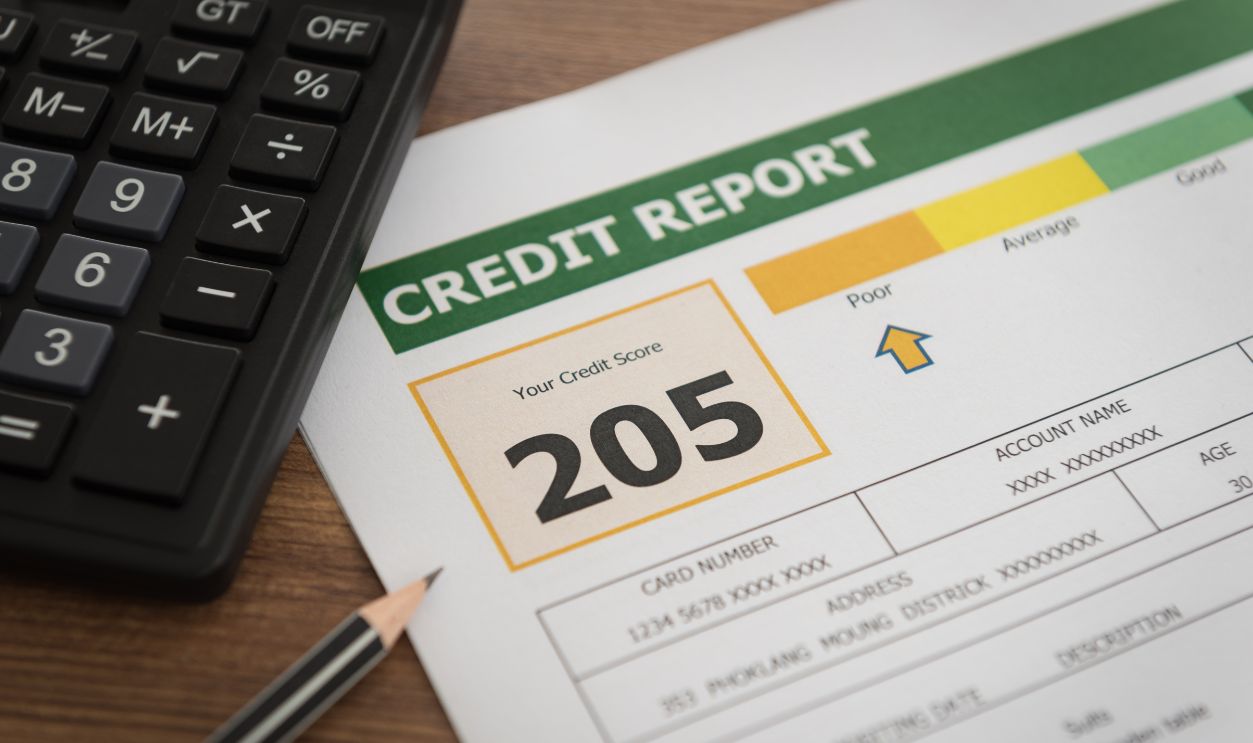
Applying for a store credit card usually results in a hard inquiry, which means the lender checks your credit report before deciding whether to approve you. According to the CFPB, these inquiries can affect your credit score, although the impact of a single application is generally limited. Repeatedly applying for new cards can become more concerning because scoring models consider how frequently you've sought credit. That makes opening several store cards for one-time discounts a potentially poor trade.
A Small Credit Limit Can Create A Big Problem
Store cards can also affect your credit score through something called credit utilization, which measures how much of your available credit you're using. Imagine receiving a card with a $500 limit and immediately charging a $400 purchase, leaving you using 80% of that card's available credit. Credit scoring models consider these balances, and using a large percentage of your available credit can work against you. Even if you plan to repay the purchase quickly, a high balance reported to the credit bureaus can temporarily affect your score.

Missing One Payment Can Have Lasting Consequences
A store credit card might seem less serious than the card you use for groceries, gas, or monthly bills. But the payment history associated with that store account can still affect your credit, just like other credit cards. The CFPB identifies on-time payments as one of the most important factors in maintaining a healthy credit score. Missing payments to save a little money on clothing or furniture is a trade nobody wants to make.
 https://kaboompics.com/, Pexels
Rewards Can Encourage You To Spend More
Store cards frequently offer exclusive shopping events, additional discounts, or rewards that can be redeemed on future purchases. Those benefits sound appealing, but they aren't automatically valuable if they encourage you to buy things you hadn't planned to purchase. Spending an unnecessary $200 to earn $20 in rewards still leaves you $180 worse off than buying nothing. The real question is whether the rewards save you money on purchases you genuinely needed.

The Store Might Not Even Have The Best Price
A special cardholder discount can make a retailer's prices seem unbeatable, even when they aren't. Suppose one store offers a $100 appliance for $90 after applying your new-card discount, while another retailer sells a comparable model for $85 without requiring an application. You haven't actually found the best deal just because the first store offered a dramatic-sounding promotion. Comparing the final prices before signing up for credit can reveal whether that exclusive discount is worth anything.
 Anatoliy Cherkas, Shutterstock
Your New Card Might Only Work At One Store
Not all retail credit cards are accepted wherever ordinary credit cards are used. Private-label cards generally work only at the retailer or related stores, while co-branded cards operating on major payment networks can be used more widely. The CFPB also documented complaints from consumers who expected to receive a co-branded card but were instead issued a more restricted store card. Before applying, make sure you understand exactly which product you're getting and where it can be used.

Closing The Card Isn't Always A Simple Solution
You might assume the smartest strategy is to collect the introductory discount, pay off your purchase, and immediately close the account. However, the CFPB warns that closing a credit card can reduce your available credit and potentially lower your credit score. Keeping an unwanted account open isn't necessarily ideal either, particularly if it has fees or encourages unnecessary spending. That makes it worth considering whether you want another credit account before opening one for a single purchase.

Sometimes A Store Card Really Is Worthwhile
Despite these warnings, store credit cards aren't automatically bad financial products. A shopper who frequently buys necessities from the same retailer, receives worthwhile discounts, and pays the full statement balance every month may come out ahead. Some cards can also help establish a positive credit history when used responsibly, while promotional financing can be useful when its conditions are fully understood. The important difference is whether you're using the card to save money or depending on it to afford something outside your budget.

Ask These Questions Before Signing Up
Before accepting a store card, find out its regular APR, whether it has fees, and exactly how the advertised discount works. If financing is involved, ask whether the offer is a genuine 0% introductory APR or a deferred-interest arrangement. You should also know where the card can be used and whether opening it will trigger a hard credit inquiry. Taking a few minutes to read the terms can prevent a rushed checkout decision from becoming an expensive commitment.

There's A Simple Way To Protect Your Savings
If you decide to open a store card, make sure you have a realistic plan to repay the purchase. Paying your full statement balance by the due date generally allows you to avoid purchase interest when the card has a grace period and you've met its conditions. For deferred-interest promotions, calculate the payments needed to eliminate the entire promotional balance before the deadline and consider setting up reminders. Most importantly, don't let a tempting discount convince you to borrow more than you can comfortably repay.

The Best Discount Might Be The One You Refuse
That 20% checkout discount can be a genuine money-saver, but only when the benefits outweigh the potential costs. High interest rates, confusing financing arrangements, unexpected fees, and possible credit score consequences can turn an ordinary shopping trip into a lasting financial headache. Before applying, compare the offer with your existing payment options and ask yourself whether you'd still want the card without the introductory promotion. Sometimes the smartest financial decision is walking away with your purchase and leaving the credit card application behind.
 Unai Huizi Photography, Shutterstock
You May Also Like:
Best Credit Cards For Improving Your Credit Score