
Charge it to Memory
Today, nearly every card seems to have Visa, Mastercard, or American Express stamped across the front. In the 60s and 70s, however, there were dozens of other names fighting for space in your wallet.
Some of these cards were once common enough that nobody thought twice about them. Now, they have vanished so completely that remembering even five may be harder than getting approved for one.

The Everything Card
Calling your product the Everything Card takes confidence. First National City Bank—now Citibank—launched it in the summer of 1967 as a challenger to BankAmericard. The card quickly ran into losses and other problems, and by 1969 its brief attempt at conquering everything was already over.
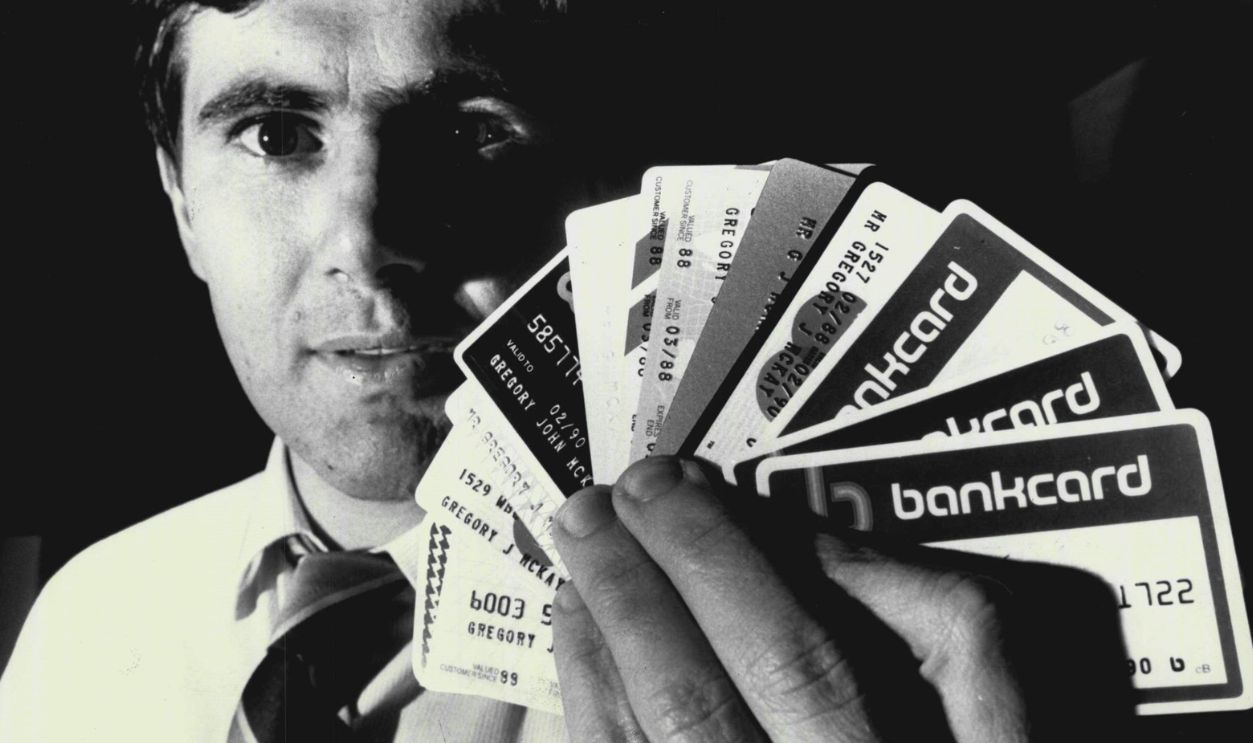
BankAmericard
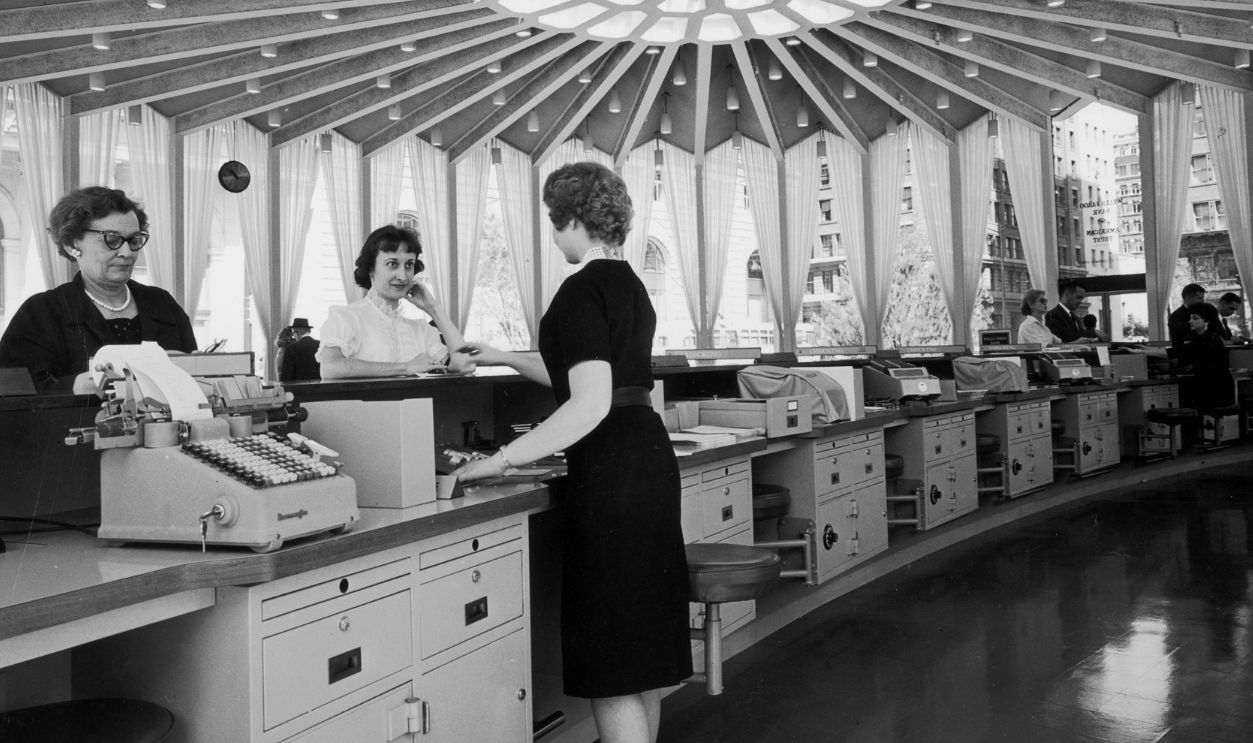
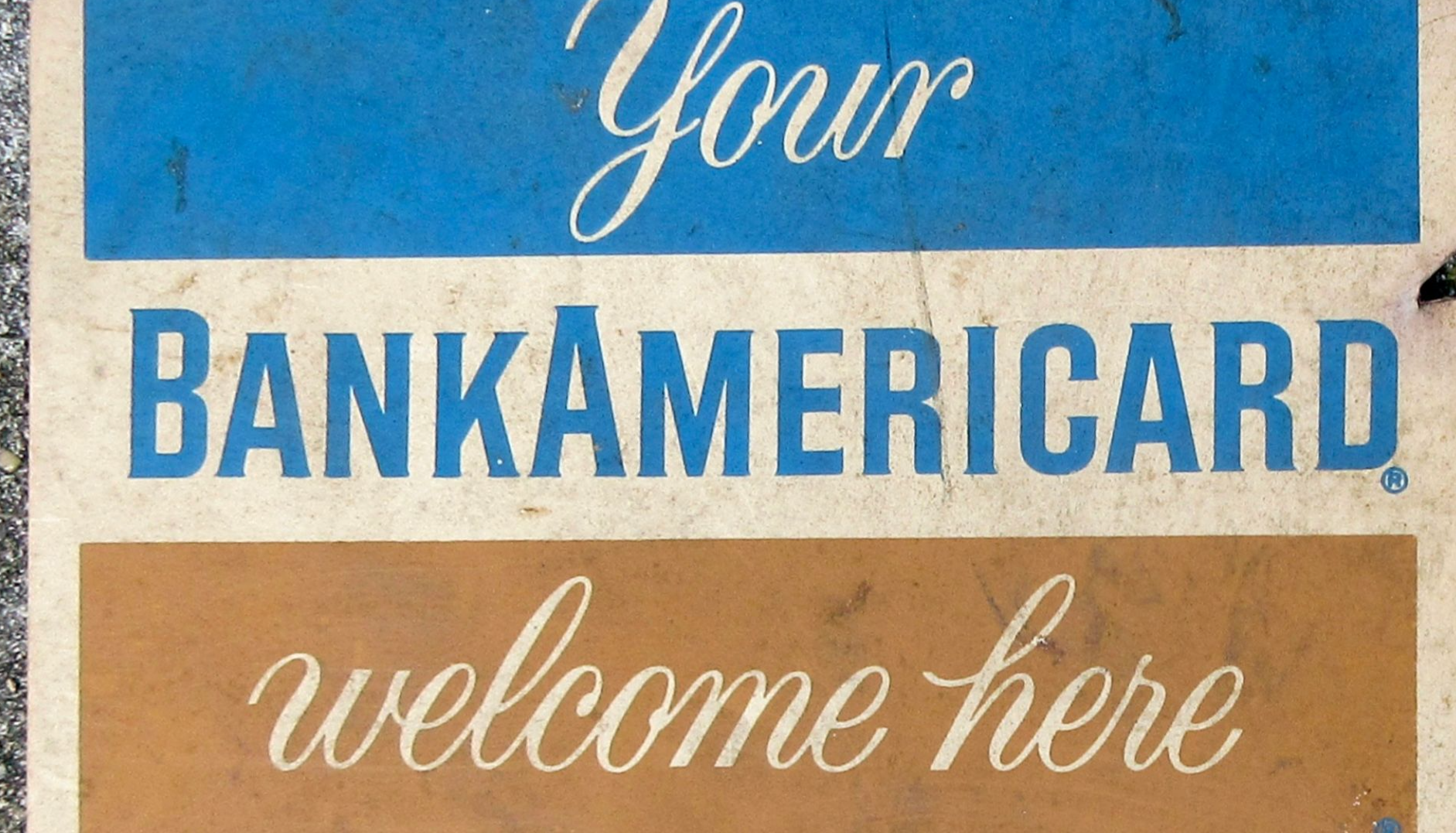
The Everything Card may have had the bigger name, but BankAmericard was the one that actually conquered the country. Bank of America introduced it in 1958 as a general-purpose card with revolving credit. In 1976, BankAmericard received the much shorter name still printed on wallets today: Visa.
 Infrogmation of New Orleans, Wikimedia Commons
Washington Shopping Plate
The Washington Shopping Plate began in 1950 as an embossed metal plate accepted by six Washington, D.C., department stores. It later became a blue plastic card, but the arrival of national cards changed everything. By 1974, a major local retailer was accepting American Express—and the end was near.
 John C. Gordon (Life time: 1966), Wikimedia Commons
American Torch Club
The American Torch Club was the kind of card that made a wallet look like a secret society membership kit. Introduced in 1968 by American Oil and Diners Club, it worked at Standard, American, and Esso stations and could also be used wherever Diners Club was accepted.
 Nenea hartia, Wikimedia Commons
Choice
Citibank announced Choice in 1977 and began issuing it in 1978 as another attempt to build a card network of its own. It charged no annual fee and was among the early cards to offer cash refunds. The features sound modern. The name sounds like supermarket aluminum foil.
Uni-Card
Uni-Card sounds like something that should have offered discounts at a college bookstore. It was actually a Chase Manhattan credit-card plan. Trademark records show the name was in use by 1962 and formally registered in 1966, yet it has vanished almost completely from the banking vocabulary.
Carte Blanche
Carte Blanche was made for travelers who wanted the card in their wallet to sound expensive. Hilton introduced the travel-and-entertainment card in 1958, and it competed through the 60s and 70s. It was generally a charge card, so the bill was expected to be settled rather than carried indefinitely.
Michigan Bankard
Michigan Bankard began appearing around 1966 with a distinctive red-and-blue design that looked nothing like today’s standardized cards. Around 1971, it joined the BankAmericard system. For a short time, the old Michigan logo shared space with the national one before disappearing from later versions.
 Michael Ochs Archives, Getty Images
Illinois BankCharge
Illinois BankCharge borrowed the red-and-blue flag look used by Michigan Bankard. Illinois banks were issuing the design in 1966, then joined the Midwest Bank Card group in 1967. By the early 70s, the regional name was being replaced by cards tied to the much larger Master Charge network.
Midwest Bank Card
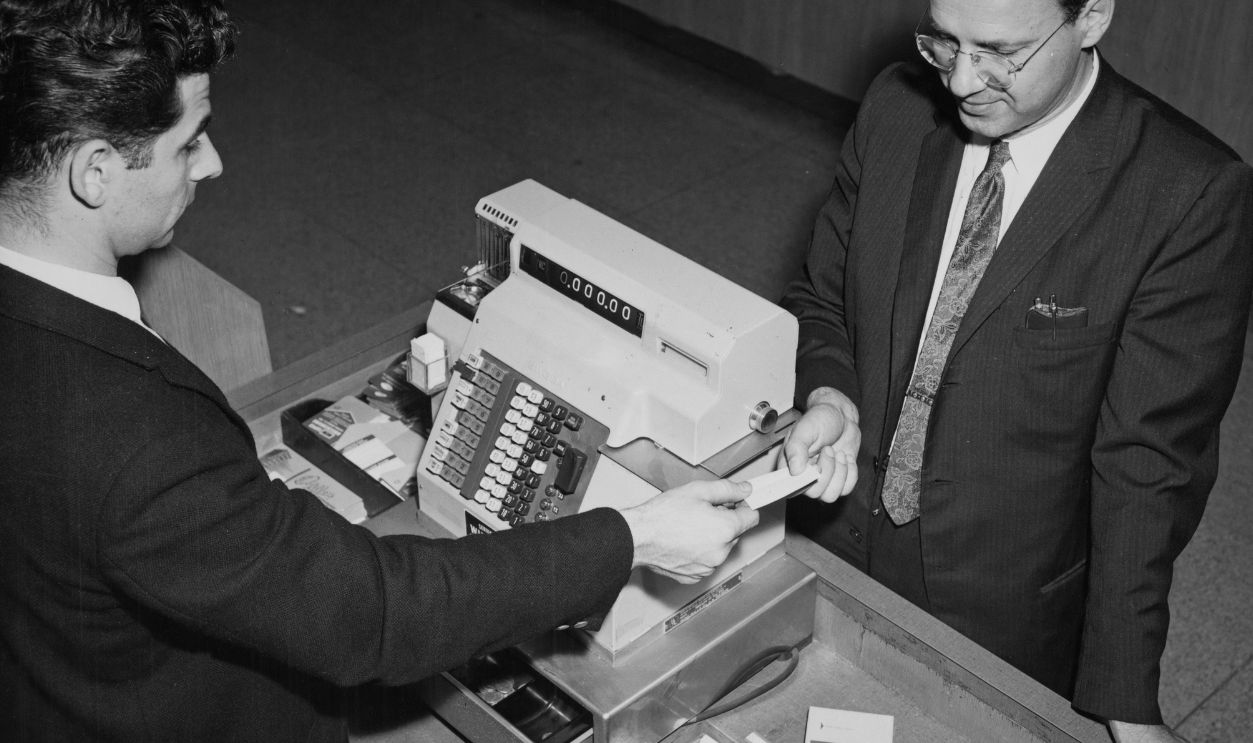
Midwest Bank Card sounds less like a financial revolution and more like something handed out with a prize-winning pie. However, it brought regional bankcard programs together during the late 60s. Those issuers later became part of the Interbank system and began putting Master Charge on their cards.
 Harold M. Lambert, Getty Images
Central Charge Service
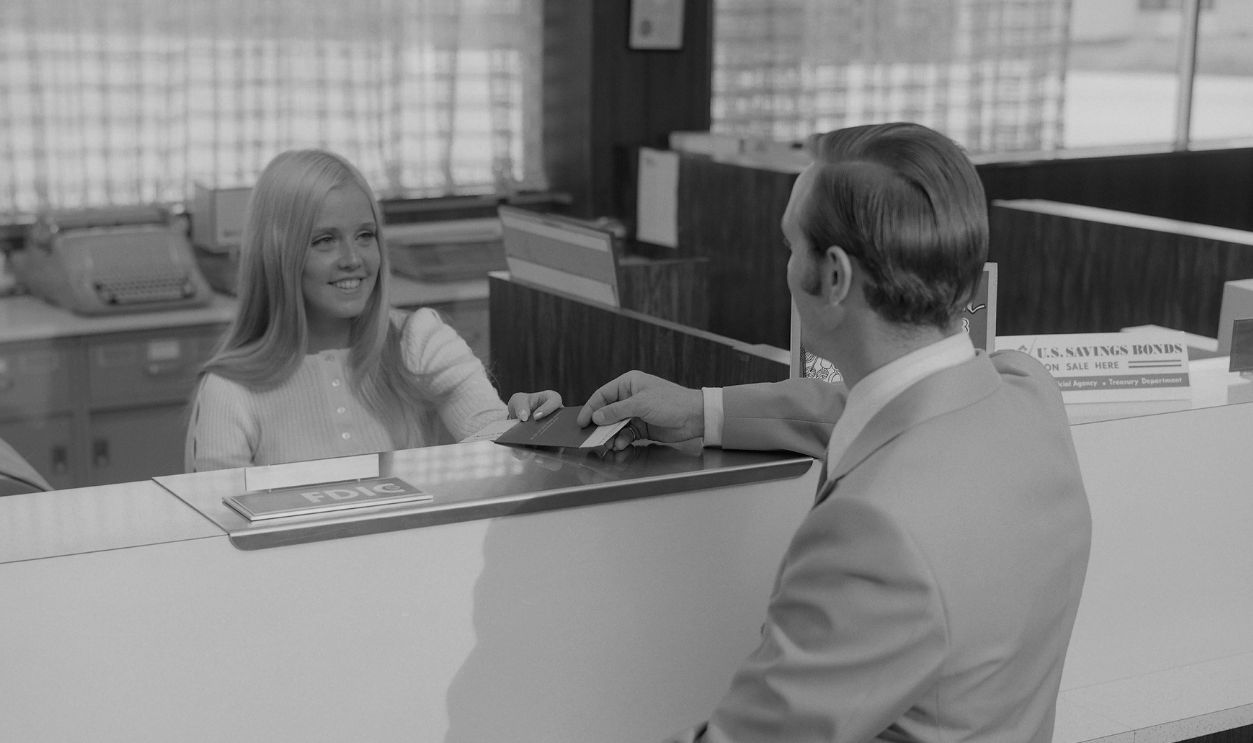
The Smithsonian preserves a Central Charge Service card issued through Riggs National Bank and effective January 20, 1972. That proves this extremely official-sounding card really existed. It does not make the name sound any less like a basement office that stopped answering the telephone at 4:30.
 AgnosticPreachersKid, Wikimedia Commons
Master Charge
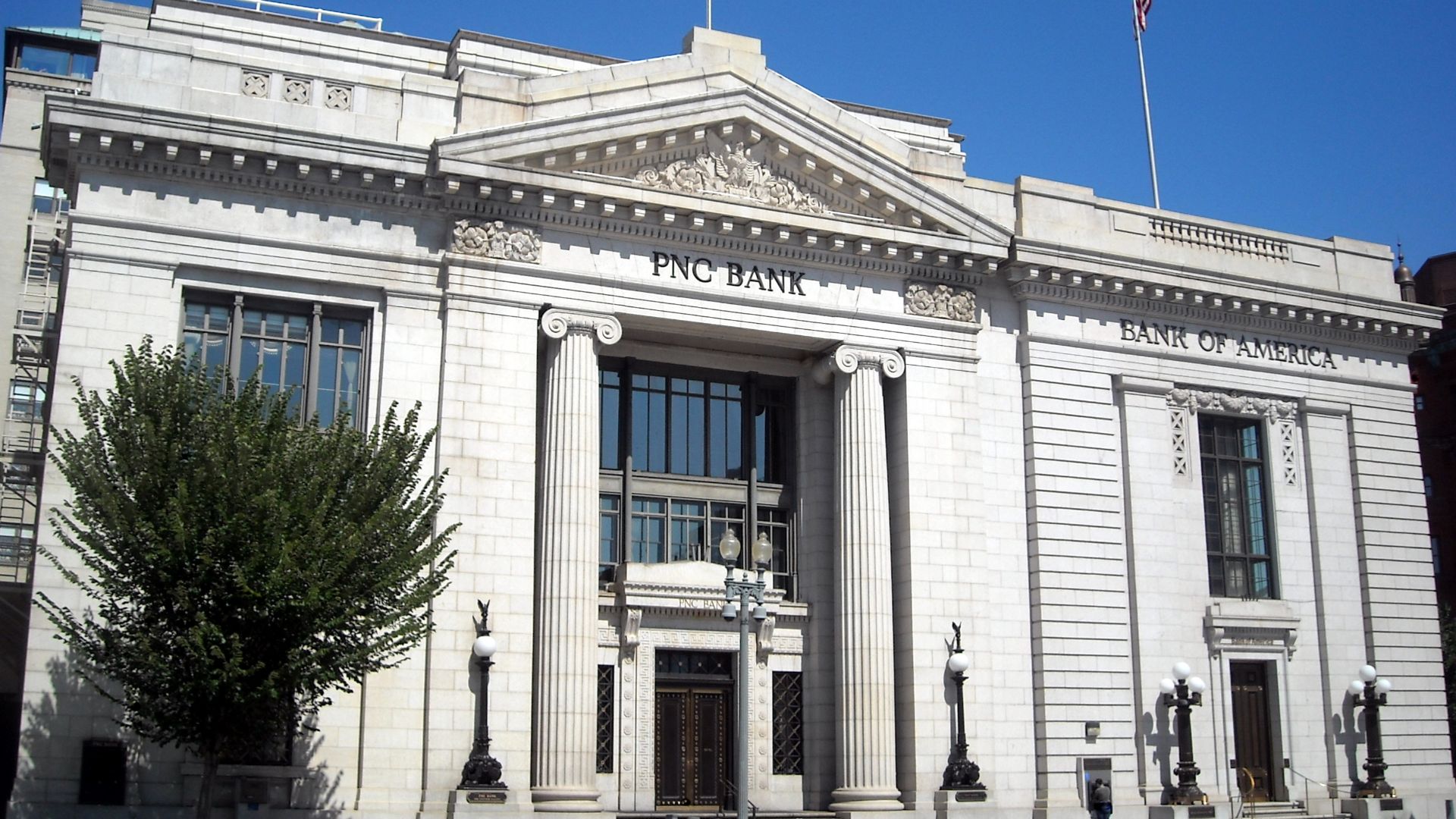
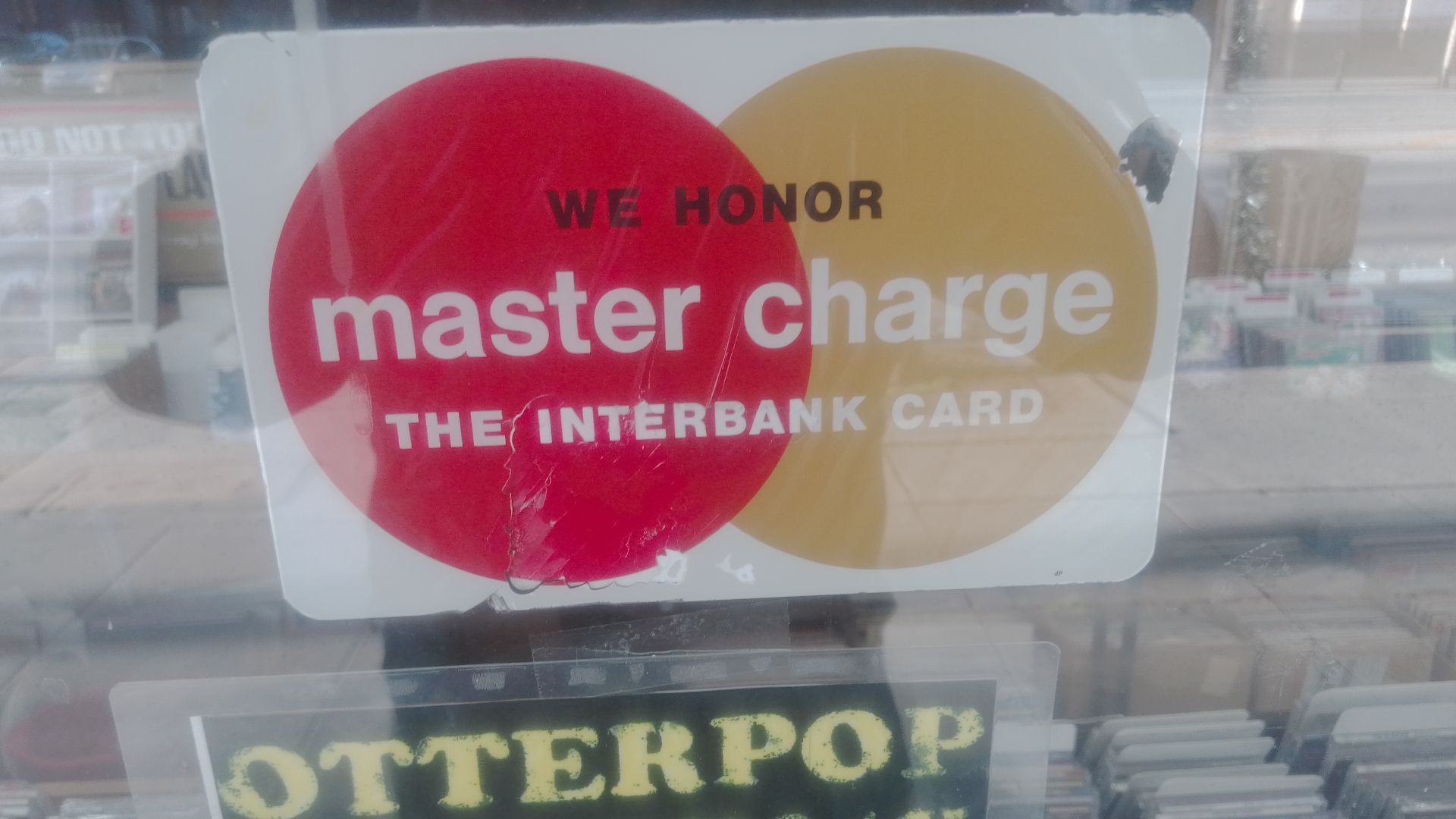
Before Mastercard became Mastercard, it was Master Charge: The Interbank Card. The Interbank Card Association formed in 1966, and the Master Charge name and overlapping circles arrived in 1969. Ten years later, “Charge” was dropped, leaving the far more familiar Mastercard name behind.
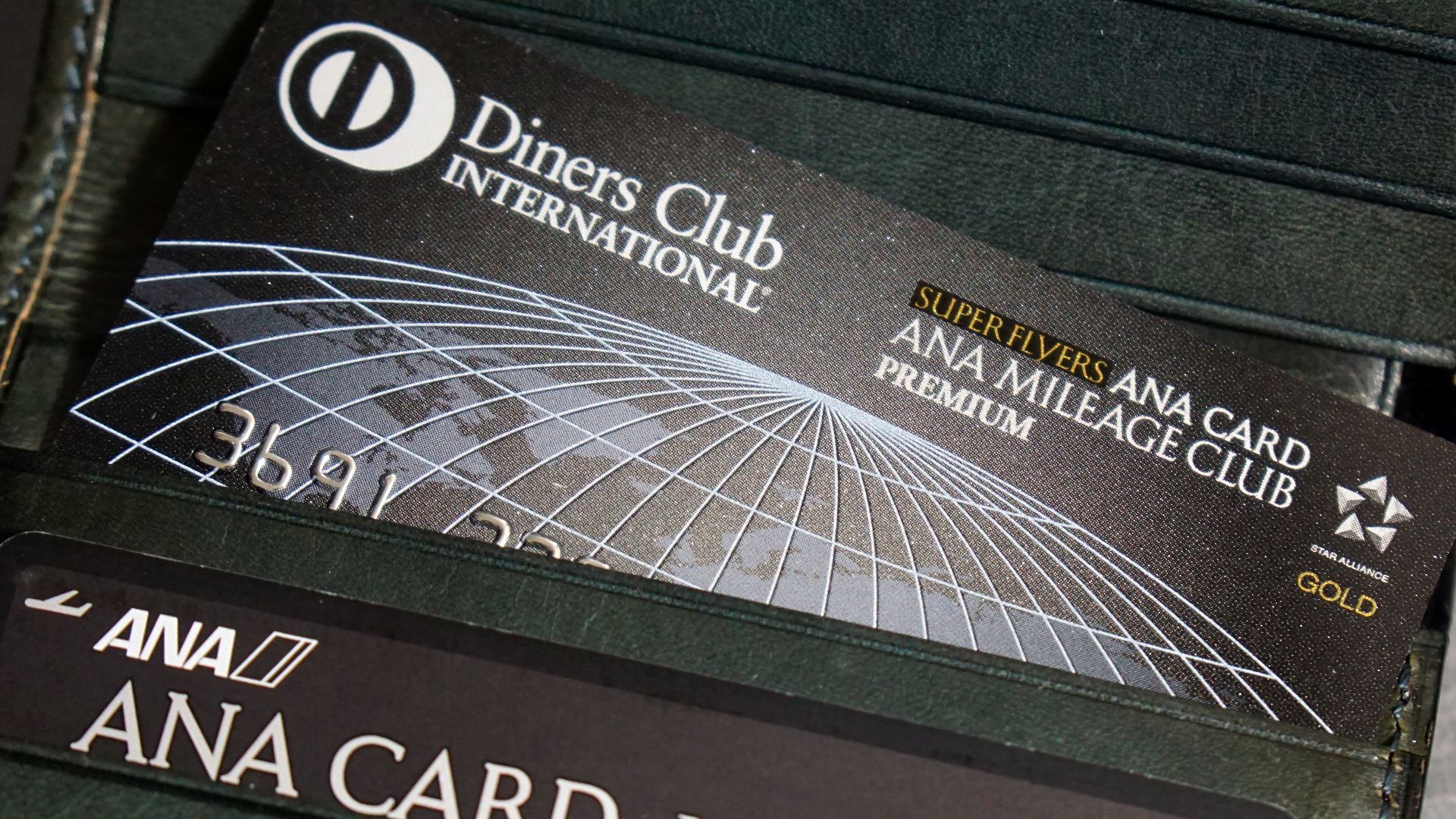
Diners Club
Diners Club began in 1950 and remained a recognizable travel-and-entertainment card through the 60s and 70s. It was a charge card, meaning members received a monthly bill rather than carrying a revolving balance. Early versions were paper; later generations finally received something sturdier for the wallet.
 663highland, Wikimedia Commons
Air Travel Card
The Air Travel Card was built for people whose expense accounts spent more time in the air than they did. Created by the airline industry in 1936, it became internationally accepted in 1948. Decades later, business travelers were still using it to purchase flights without reaching for an ordinary bankcard.
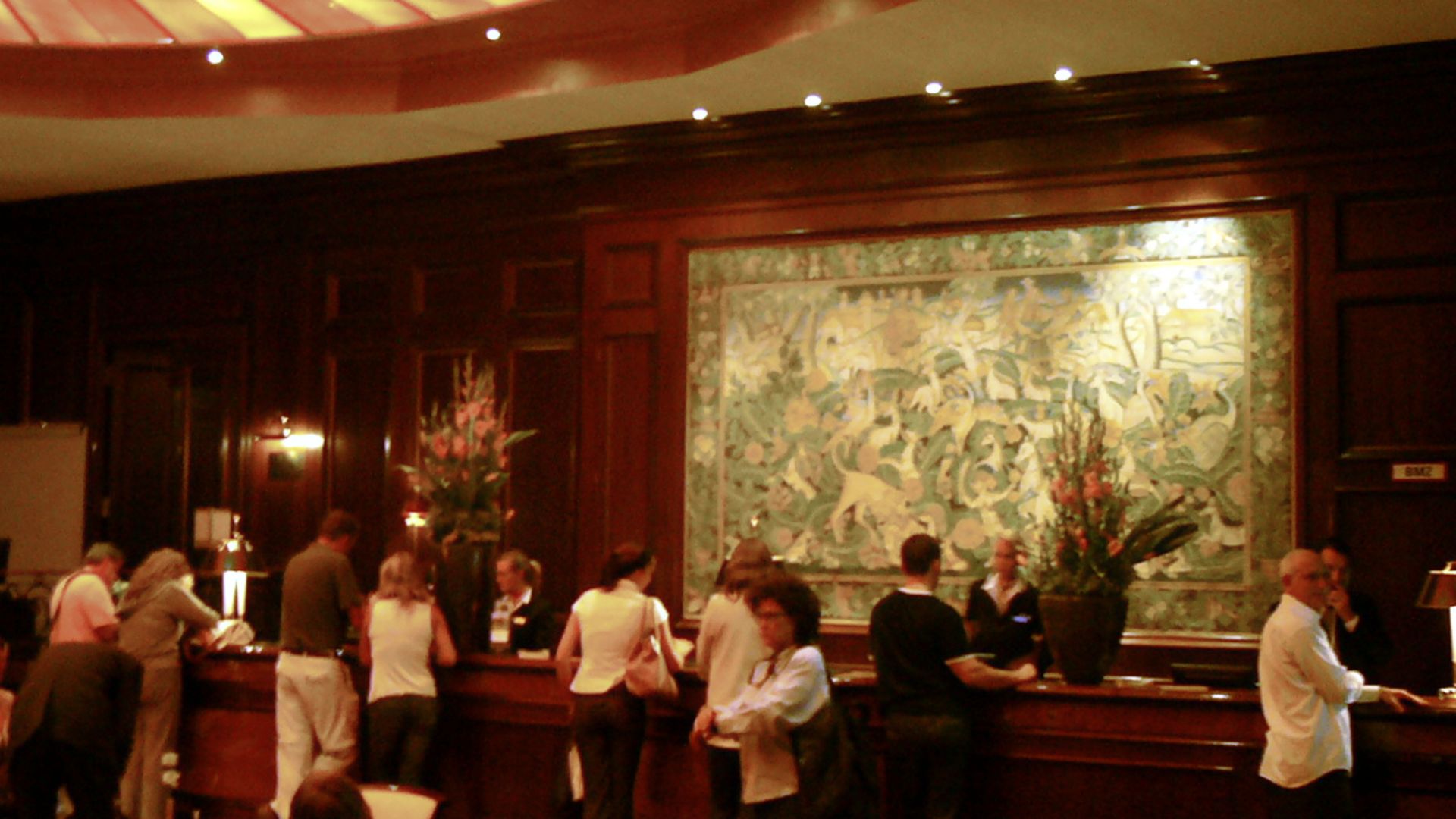
Sun Diners Club Card
In 1977, Sun Oil and Diners Club launched the Sun Diners Club Card. It combined a fuel-company account with the broader Diners Club travel-and-entertainment network. That meant one account could potentially cover the gasoline, the hotel, and the steak dinner after a very long day on the road.
 User:Mattes, Wikimedia Commons
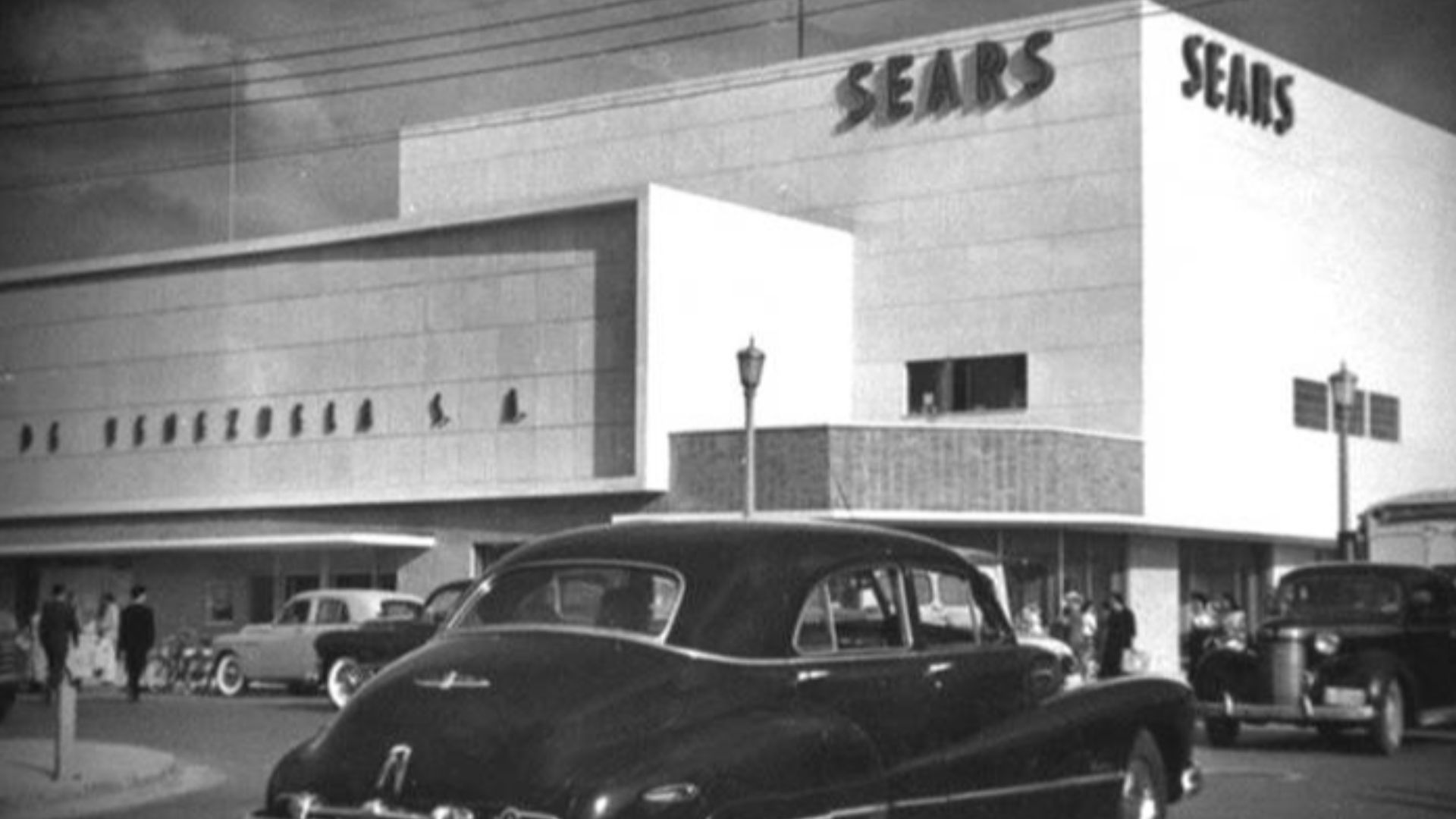
Sears Credit Card
Sears sold nearly everything an American household could need, which made its private store card remarkably powerful. A surviving Smithsonian example dates to the mid-20th century, and Sears reported that purchases made on credit were still increasing in 1959. That was a lot of appliances waiting to be paid off.
Montgomery Ward National Charg-All
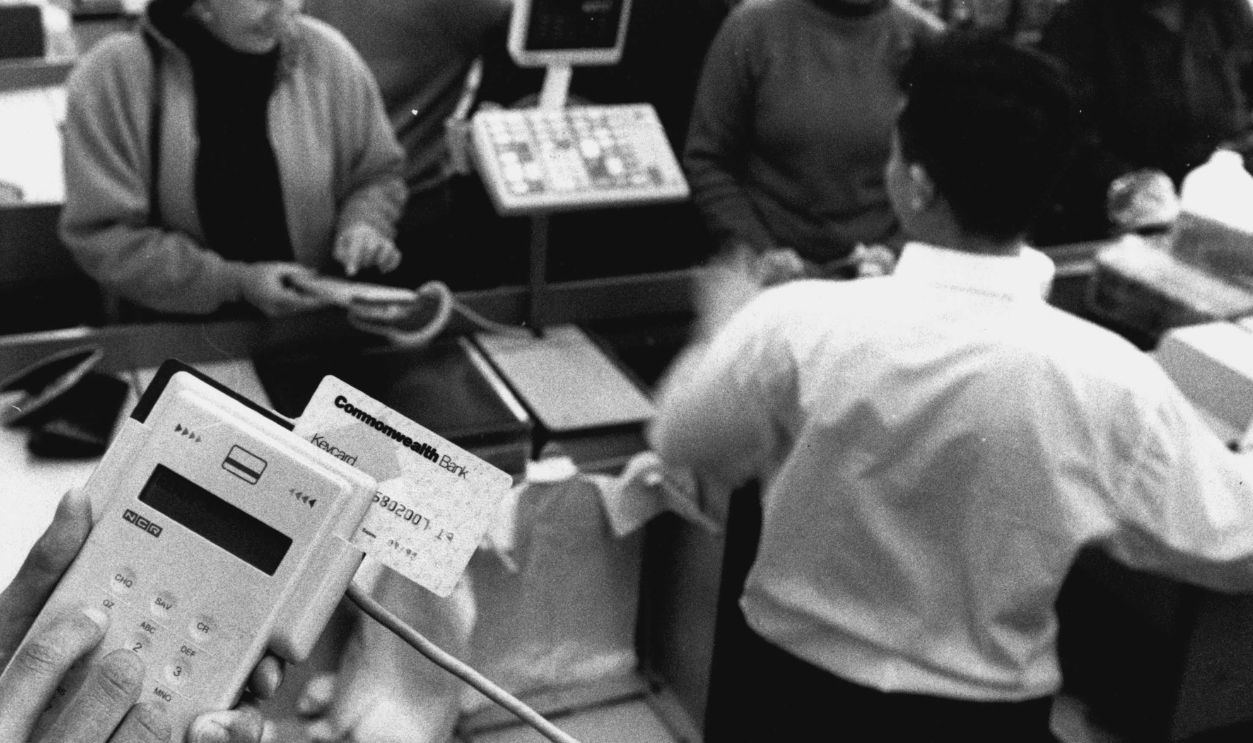
Montgomery Ward called its account Charg-All—and sometimes National Charg-All—which may be the most wonderfully direct credit-card name ever printed. Newspaper advertising from 1968 invited shoppers to open a Ward’s Charg-All account, while surviving cards prove customers really did carry the name around in their wallets.
 Fairfax Media Archives, Getty Images
J.C. Penney Credit Card
J.C. Penney issued its first company card in 1958 as it moved beyond its old cash-only approach. The card became especially useful because Penney’s did not begin accepting Visa until 1979, with Mastercard following in 1980. For most of the 60s and 70s, Penney’s own plastic mattered.
 South China Morning Post, Getty Images
Stack’s Charge/Credit Identification Card
Stack’s did not waste time finding a catchy name. Its card literally said “Charge/Credit Identification Card.” The Smithsonian preserves paper examples expiring at the end of 1968 and 1969. It may not have looked futuristic, but at least nobody could accuse the card of being unclear about its purpose.
W.T. Grant Credit Card
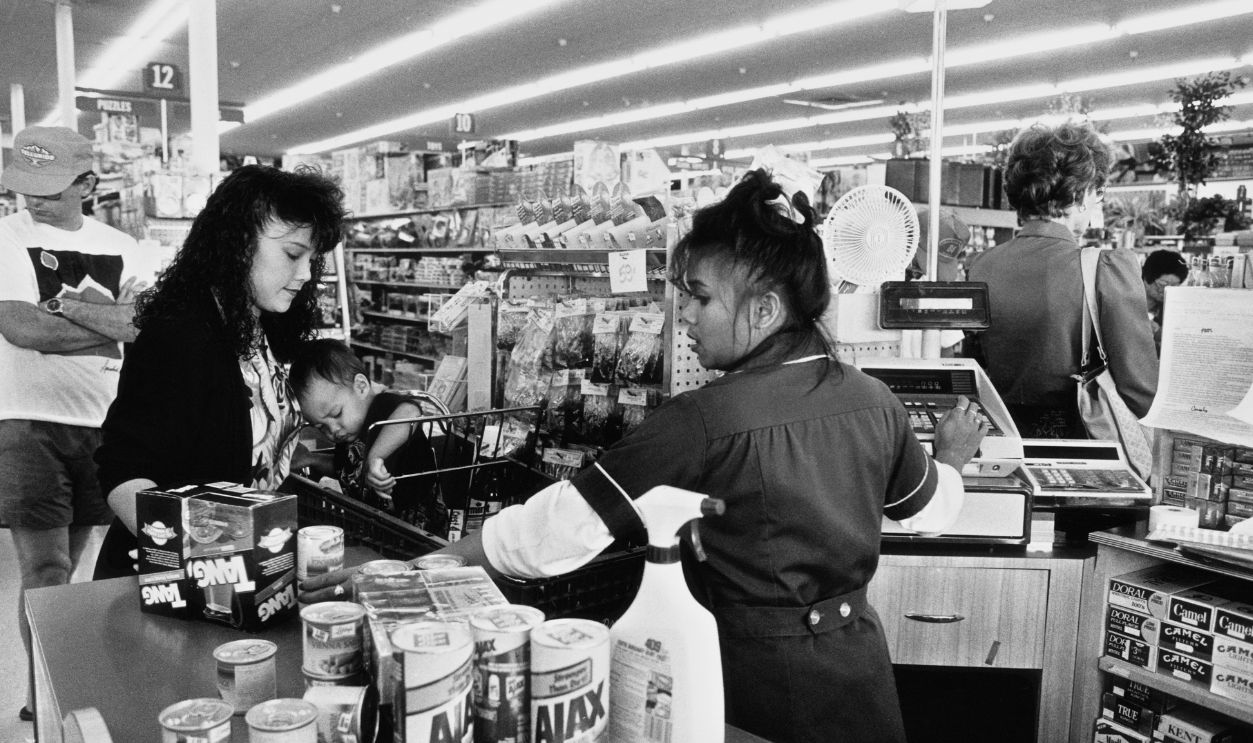
W.T. Grant formed a credit corporation in 1966 and later pushed revolving credit because its own figures showed those customers bought more. The strategy also required heavy financing of receivables. The card did not single-handedly destroy Grant, but it became part of the cash-hungry business that collapsed in 1975 and 1976.
Chargex
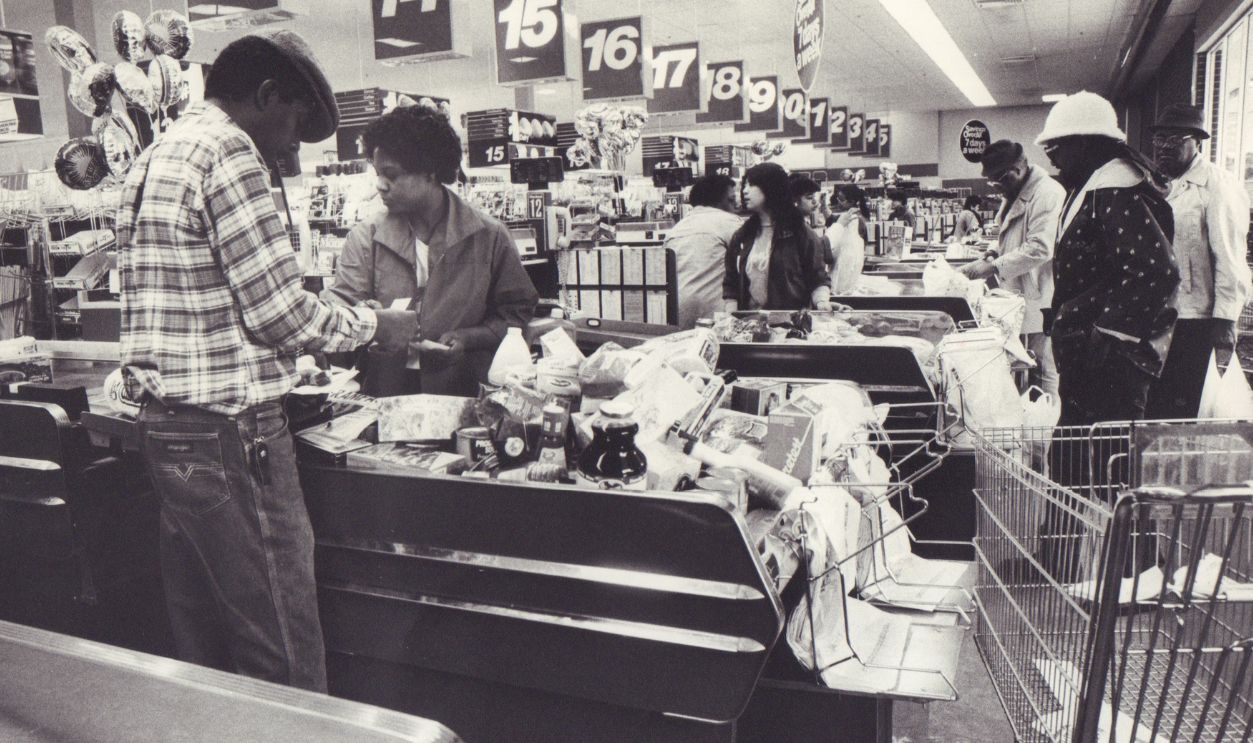
Canada entered the bankcard age with a name that now sounds almost aggressively retro. Chargex launched on August 19, 1968, as TD’s first Canadian credit card and was also issued by other major banks. The Chargex name disappeared when the Canadian network moved to the global Visa brand.
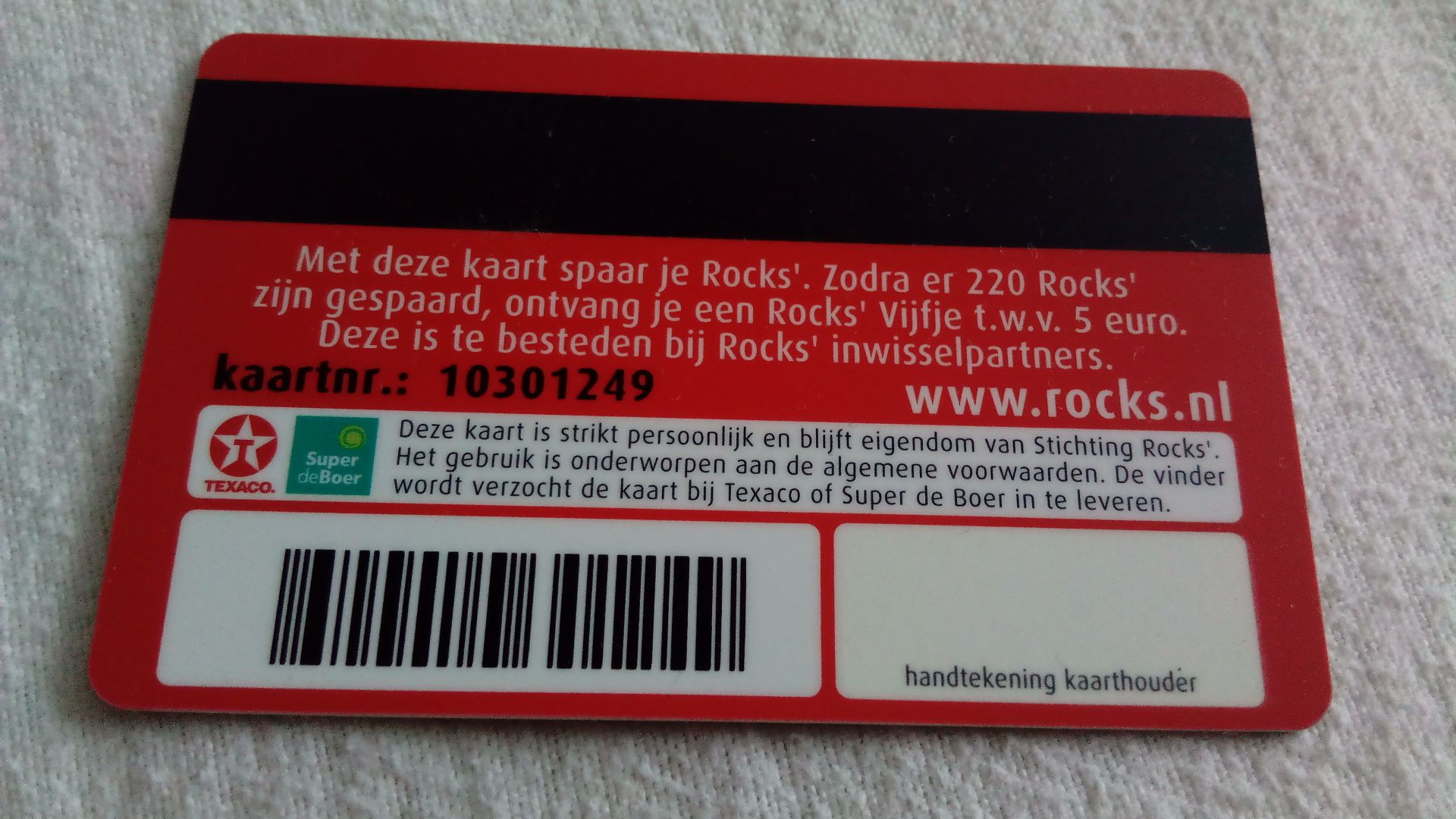
Texaco Travel Card
Texaco had been issuing gasoline cards for decades, and its credit card was still being advertised throughout the 60s and 70s. The catch was simple: an empty tank was much less stressful when the next station displayed a Texaco star—and potentially much more stressful when it did not.
 Donald Trung Quoc Don, Wikimedia Commons
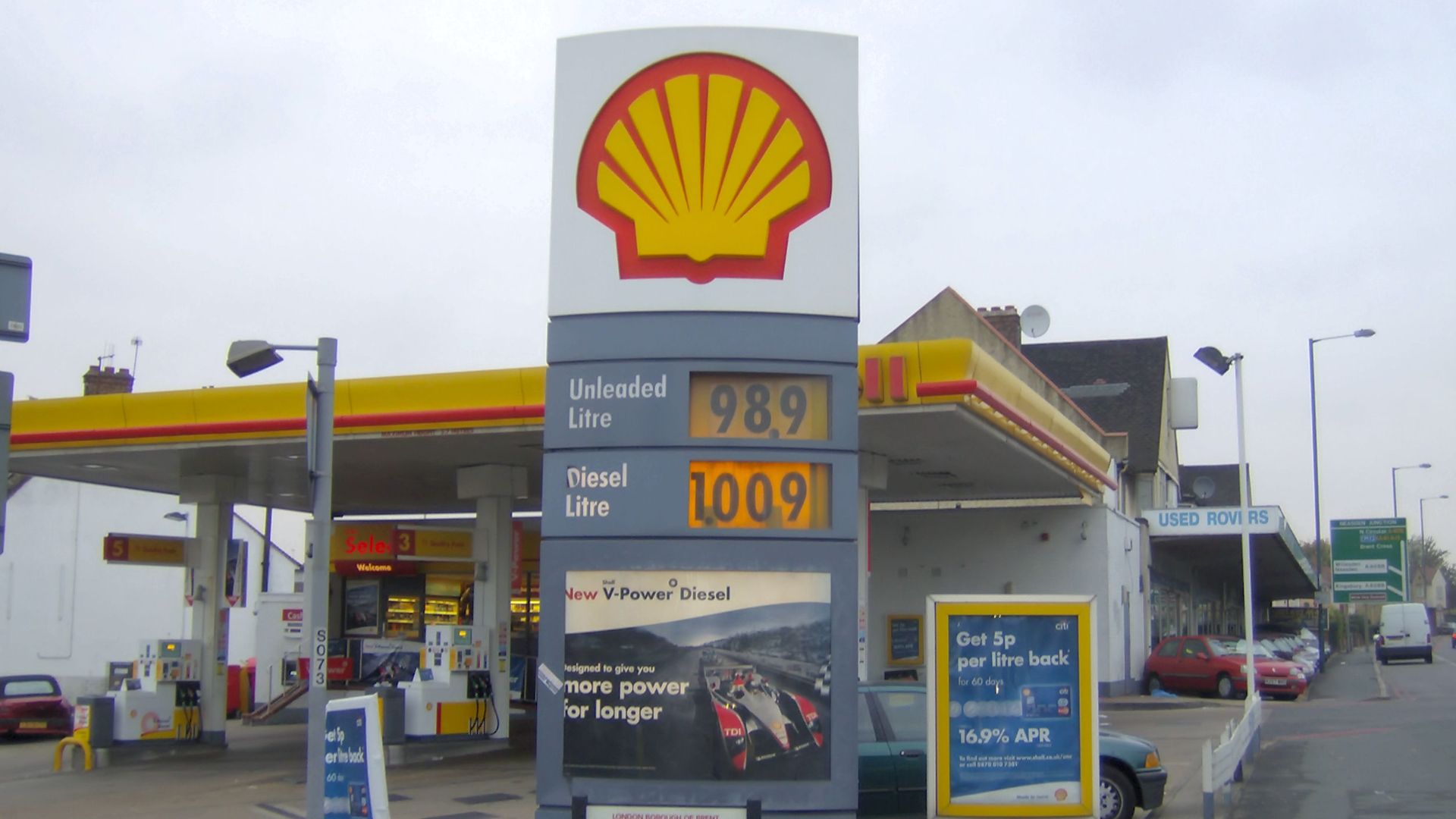
Shell Credit Card
Shell had operated its own gasoline-card program since long before the 60s, and surviving cards, receipts, and advertising show it remained active throughout the era. The card gave customers a dedicated Shell account. It also gave every family road trip another reason to keep scanning the horizon for the correct logo.
 Billy Hicks, Wikimedia Commons
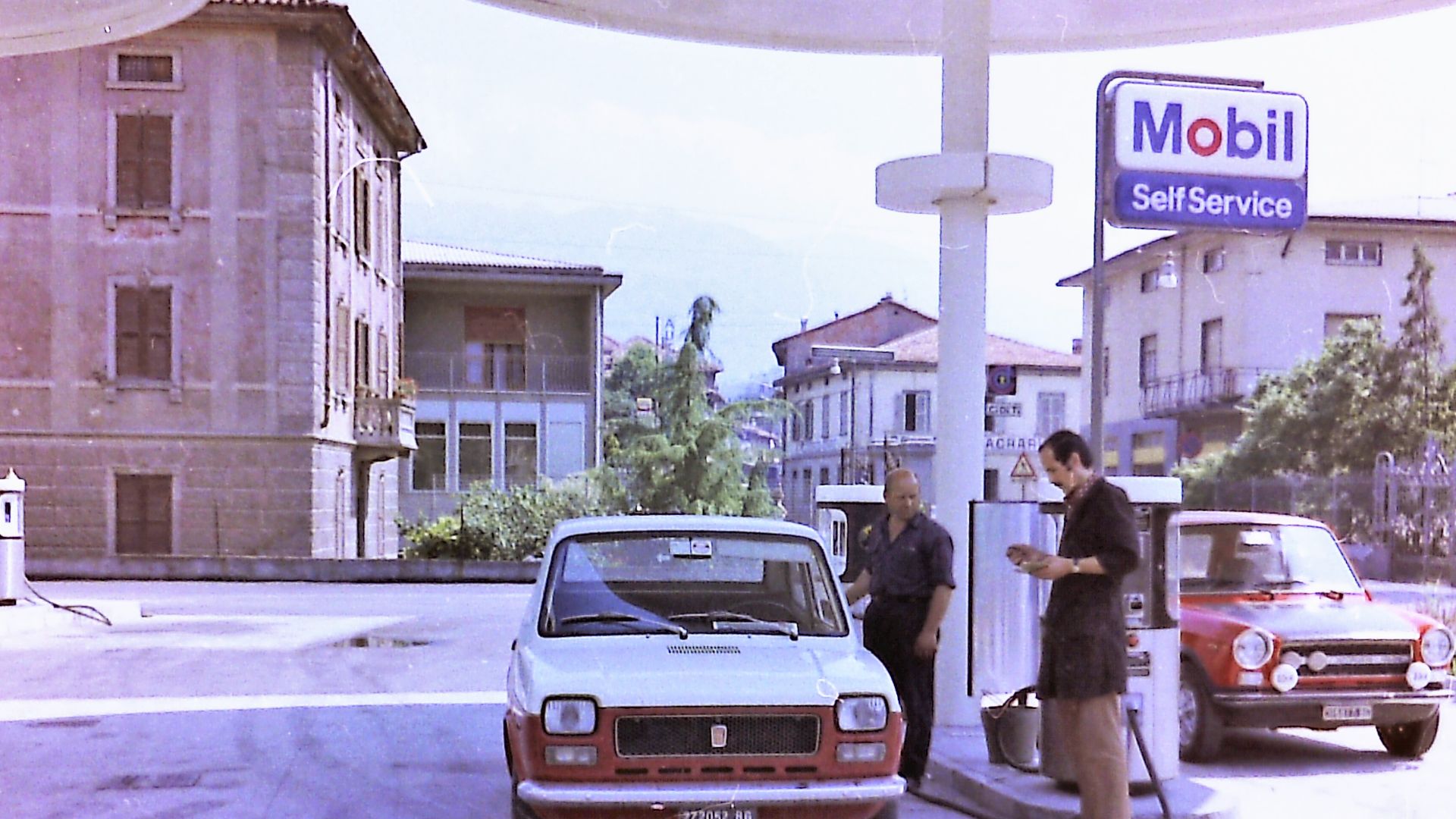
Mobil Credit Card
Mobil’s private card was common enough to receive its own advertising campaigns in the 60s, including the promise that it could do more than fill the gas tank. Smithsonian collections preserve Mobil cards from the period. National bankcards were spreading, but company plastic still had plenty of mileage left.
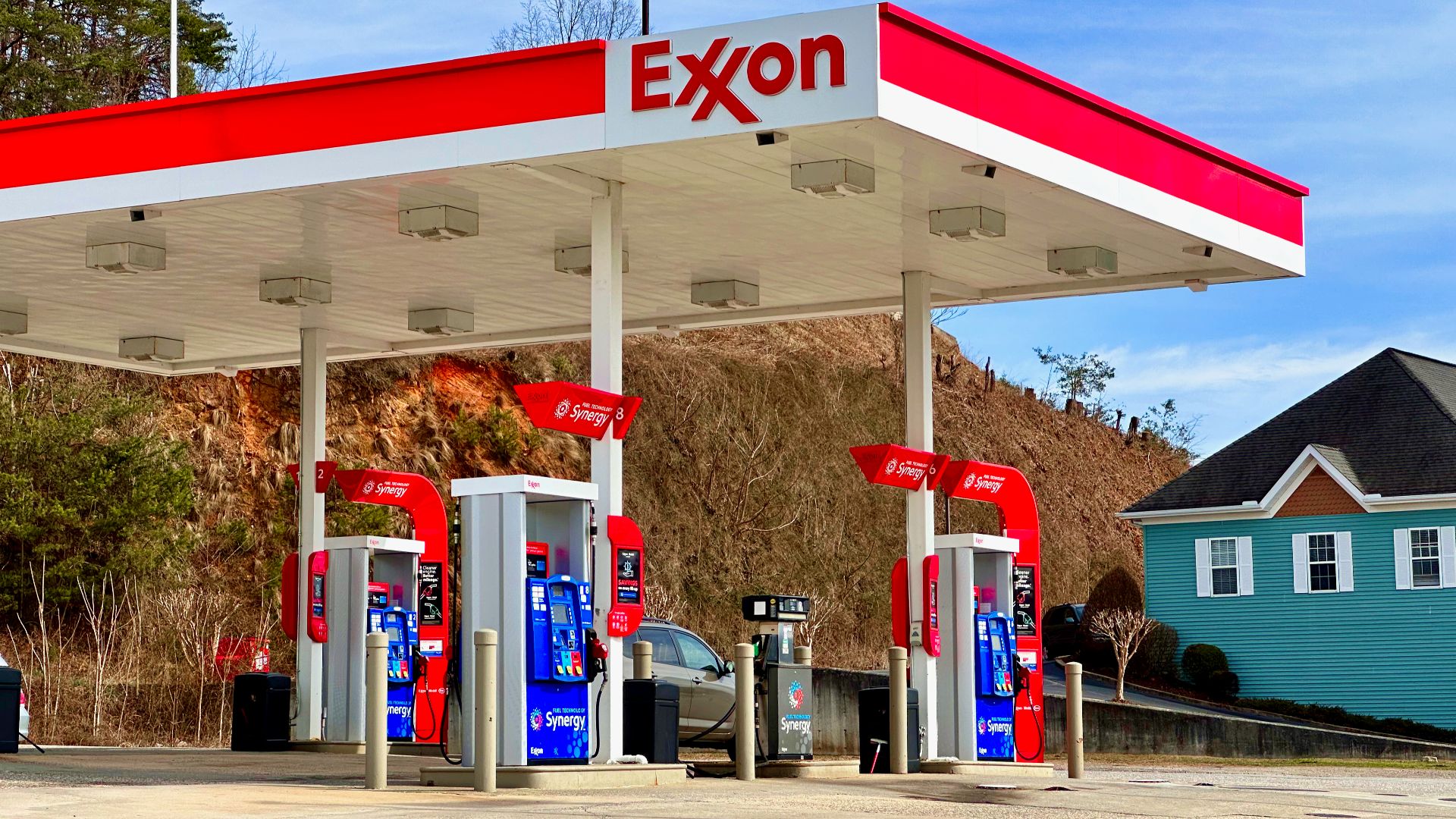
Esso, Enco, and Humble Cards
Depending on where they lived, Americans might carry cards marked Esso, Enco, or Humble even though the brands belonged to the same corporate family. In 1972, the company consolidated those names under Exxon and had to replace millions of old cards. An entire collection of wallet-sized brands disappeared almost overnight.
 Harrison Keely, Wikimedia Commons
How Many Did You Remember?
BankAmericard and Master Charge survived by becoming Visa and Mastercard. Others were absorbed, renamed, or disappeared along with the banks, stores, oil companies, and travel systems that issued them. So, be honest: Did you remember five—or did the Everything Card already have you completely stumped?
 Fairfax Media Archives, Getty Images
You Might Also Like: