Yes, Magazines
You couldn’t get through a supermarket checkout, airport, or doctor’s appointment without seeing them. Now, how many of their names do you actually remember?
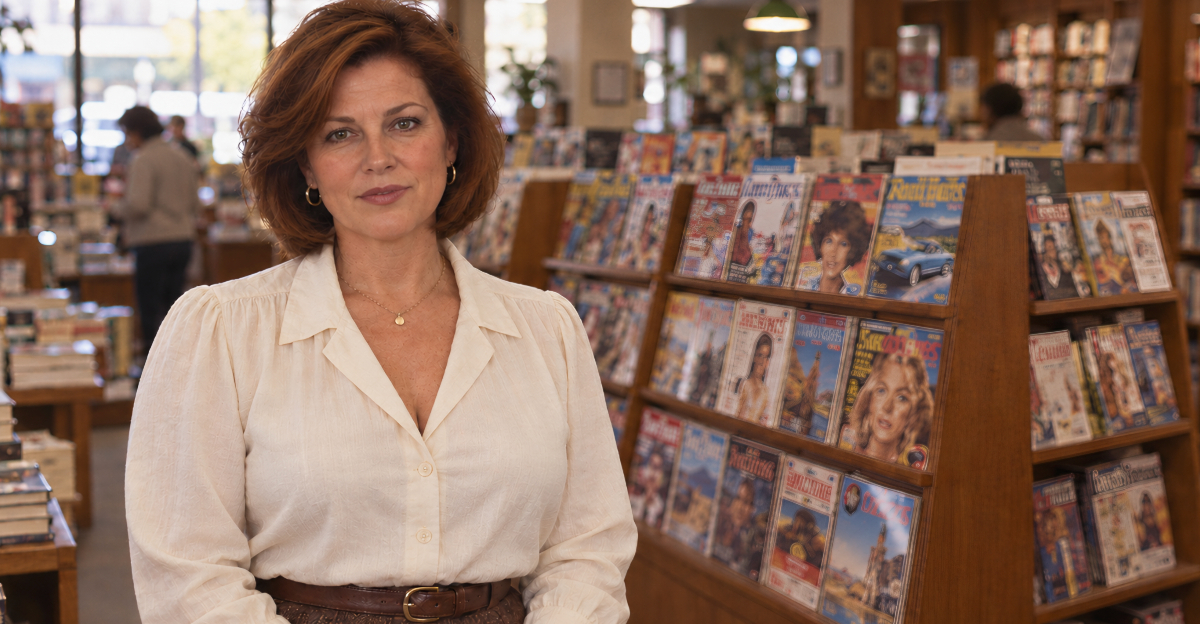
Omni
Omni made the future look fascinating—and occasionally a little unsettling. Launched in 1978 by Kathy Keeton and Bob Guccione, it combined science reporting, science fiction, and striking artwork. Its original print run ended in 1995, although a new print issue appeared during a brief 2017 revival.
McCall’s
McCall’s was the sort of magazine you could find on the same coffee table for years, with a different celebrity smiling from each cover. Its mix of family, fashion, food, and features lasted until a 2001 rebranding as Rosie. That replacement magazine ended in 2002.
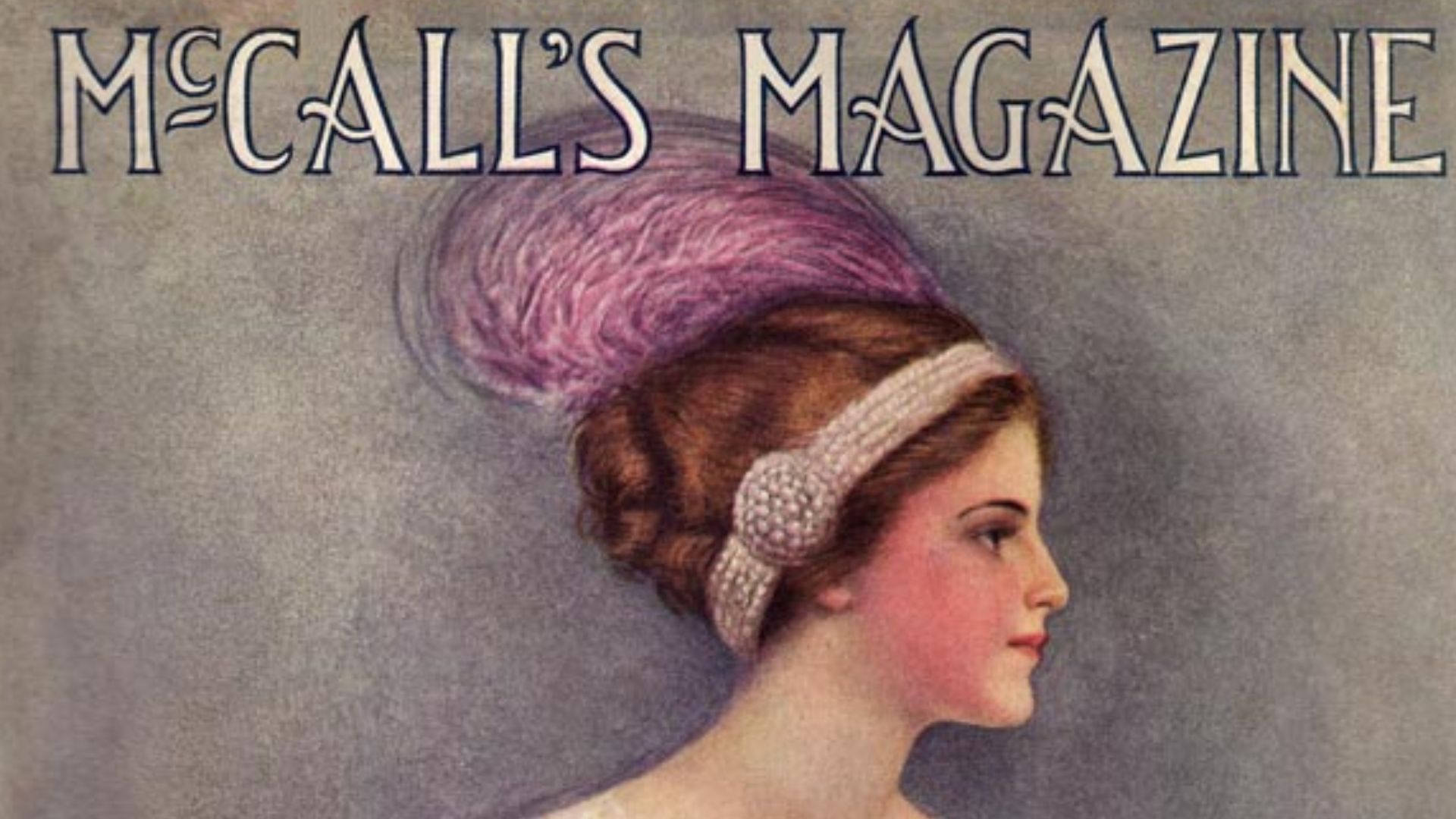 C. Warde Traver, Wikimedia Commons
Stereo Review
Before buying a stereo, you could spend weeks reading Stereo Review and convincing yourself you needed better speakers. Equipment tests shared space with music reviews and advice. In 1999, it merged with Video to create Stereo Review’s Sound & Vision, reflecting the growing home theater business.
New Woman
New Woman sold the idea that women could want careers, relationships, independence, and a decent haircut—all in the same month. Rodale bought the American magazine in 1997, but couldn’t secure the market position it wanted. Publication ended with the January 2000 issue.
Musician
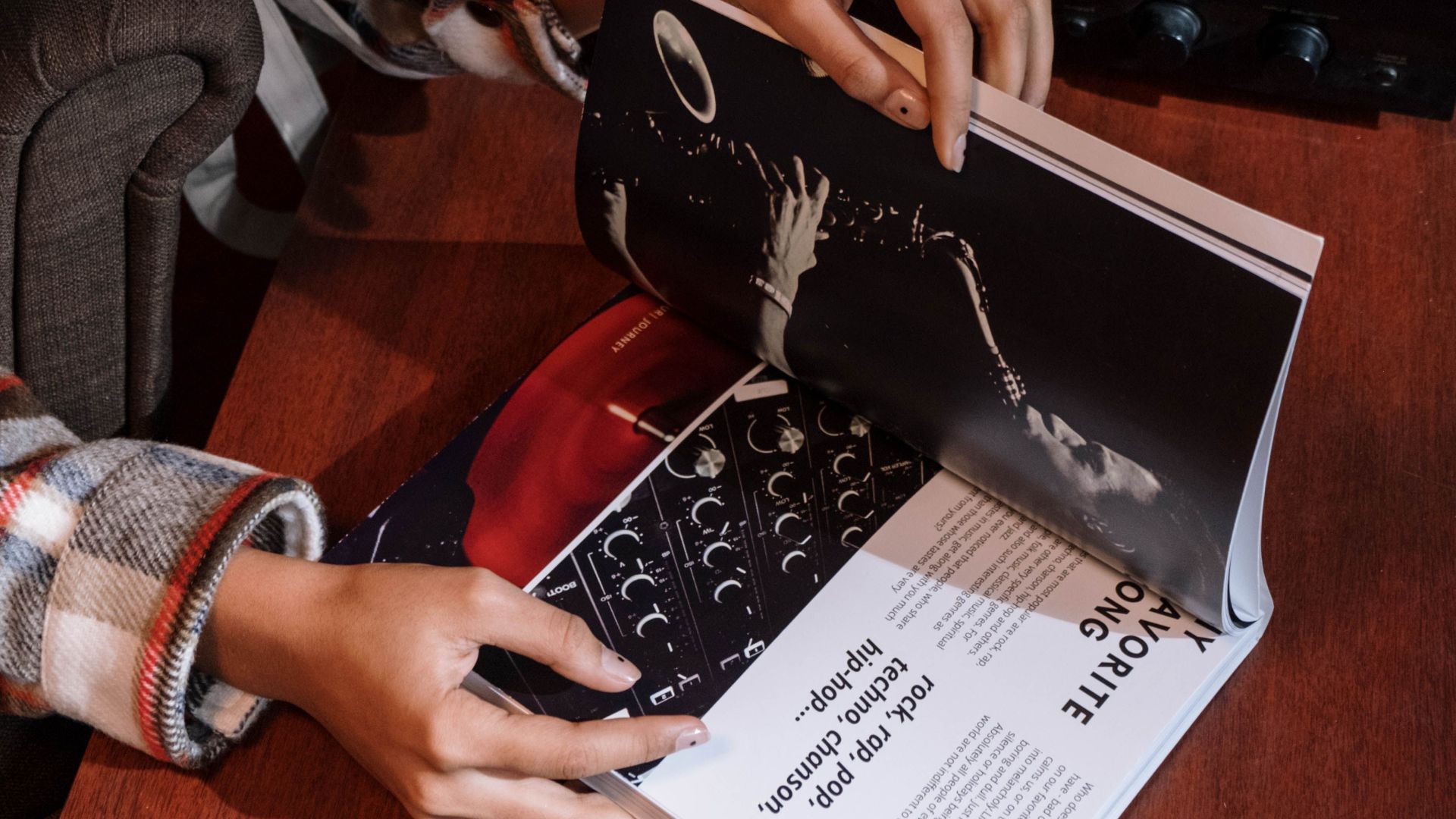
Musician was for readers who wanted to know how their favorite artists made the music, rather than simply who they were dating. Its long interviews explored instruments, songwriting, and recording. The company behind Billboard bought it in 1981; after further ownership changes, it closed in 1999.
 https://kaboompics.com/, Pexels
American Film
American Film was for people who wanted more from movie coverage than a handsome actor’s favorite breakfast. Originally published by the American Film Institute, it explored filmmaking, film history, and the people behind the camera. Its print run lasted from 1975 until 1992.

Connoisseur
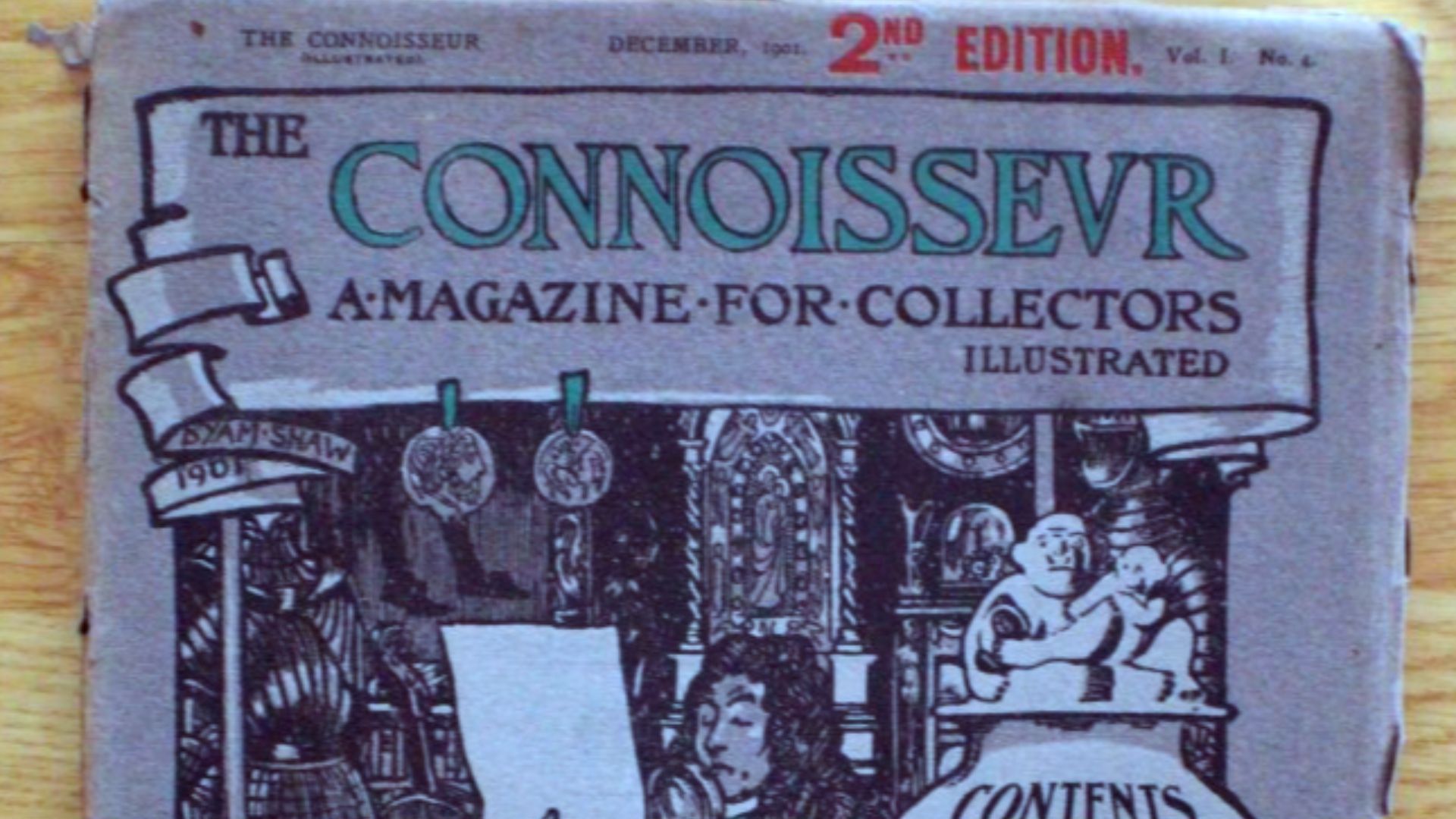
Connoisseur let you browse art, antiques, and expensive living without having to explain your bank balance. Under former Metropolitan Museum of Art director Thomas Hoving, its American edition became a particularly glossy expression of 1980s taste. Hearst closed the magazine in 1992.
 The Connoisseur Magazine (Life time: 1901), Wikimedia Commons
Working Woman
Working Woman understood that its readers might be more concerned about getting promoted than perfecting a casserole. Launched in 1976, it covered careers and the practical realities of professional life. It remained on newsstands throughout the 1980s, but publication ended in September 2001.

GEO — The American Edition
GEO offered the sort of photography that made you stop flipping pages and actually look. Its American edition covered people, places, and the natural world, but ended in February 1985. Overseas editions followed their own paths, so this particular disappearance belongs to the American newsstand.
Science 80
Remember the science magazine that changed its name every year? Science 80 became Science 81, then Science 82, and kept going. Published by the American Association for the Advancement of Science, it ended in 1986. Time bought its subscriber list and licensed its name for Discover.
 Bohbeh creations, Shutterstock
Manhattan, inc.
Manhattan, inc. covered New York’s rich and powerful when money seemed to be the city’s favorite conversation. Launched in 1984, it quickly won a National Magazine Award. But editorial prestige didn’t guarantee a profitable business. In 1990, it merged with men’s magazine M to become M Inc.
Video
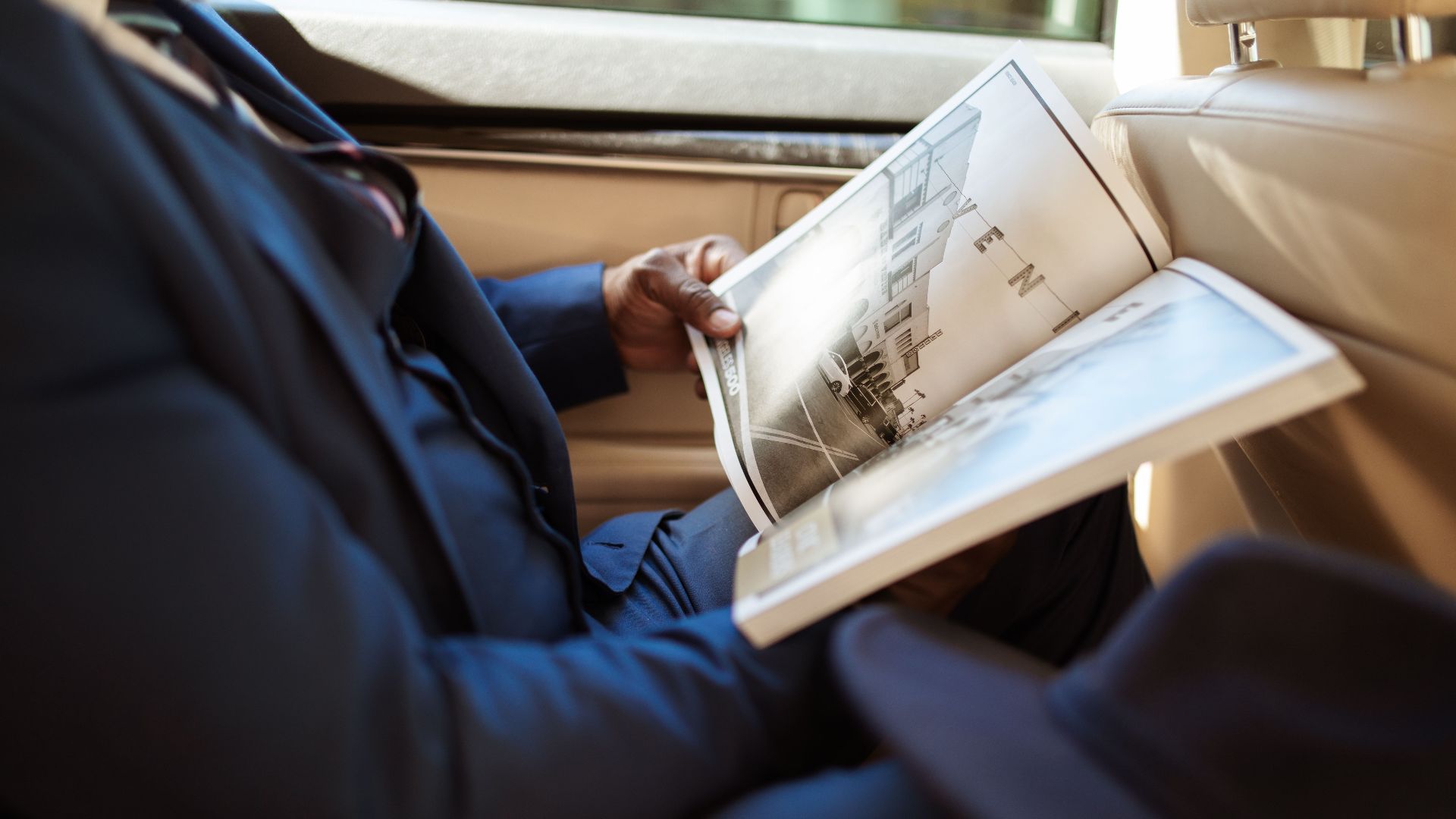
Owning a VCR was one thing. Knowing which VCR to buy—and what to watch on it—was another. Video covered the equipment and entertainment turning living rooms into movie rooms. Its merger with Stereo Review produced Sound & Vision in 1999, combining two increasingly overlapping markets.
 Reese Publishing Company, Inc., Wikimedia Commons, Modified
Savvy
Savvy aimed at ambitious professional women when plenty of advertisers still struggled to take their buying power seriously. It tackled workplace challenges and the complications of having a career and a life. Despite reaching roughly half a million readers, its changing formulas couldn’t prevent closure in 1991.
Travel Holiday
Travel Holiday could make a perfectly nice weekend at home feel like a missed opportunity. The magazine combined destination coverage with the pleasure of looking at somewhere you’d rather be. Reader’s Digest bought it in 1986; a later owner, Hachette Filipacchi, closed it in 2003.
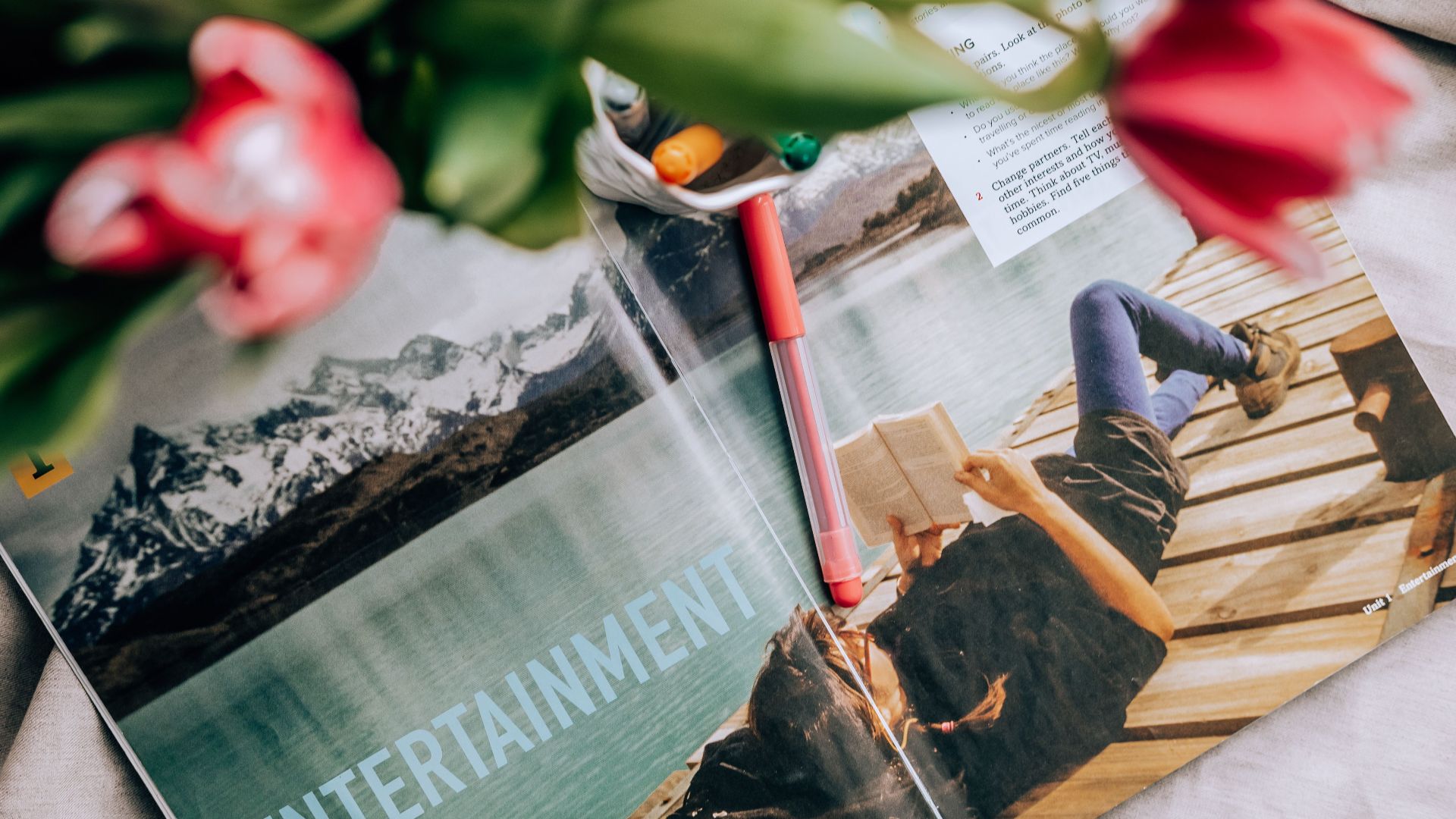
Science Digest
Despite its name, Science Digest went big in 1980, trading its smaller format for glossy pages and color pictures. Science suddenly looked right at home beside the fashion magazines. That version folded in 1986; a brief return in a smaller format followed before the title disappeared again.
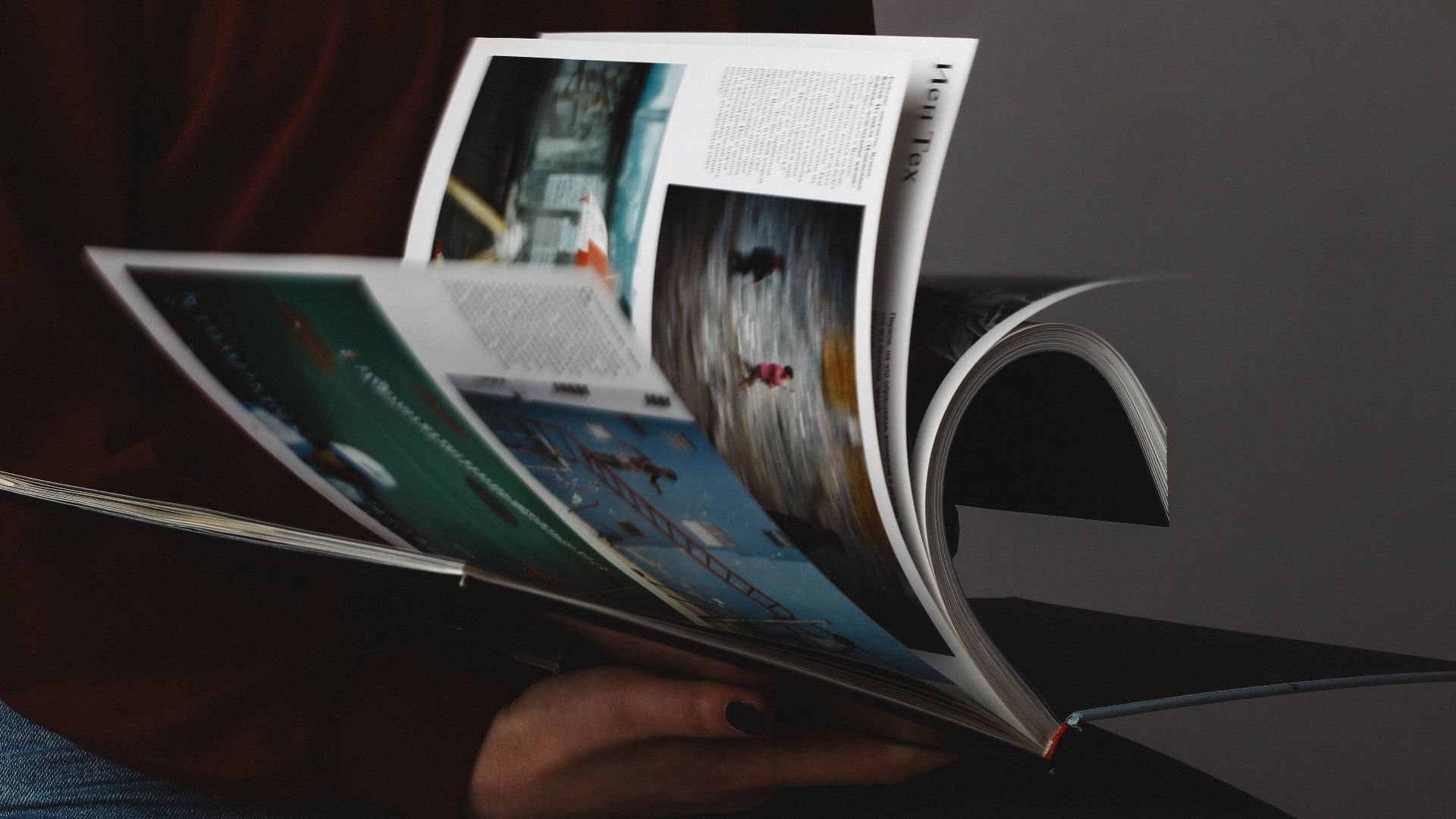
Mirabella
Mirabella only squeezed into the decade, launching in June 1989 under the name of former Vogue editor Grace Mirabella. It offered fashion and substantial reading for women who wanted more than the latest trend. Rupert Murdoch backed its debut; a later owner closed it in 2000.
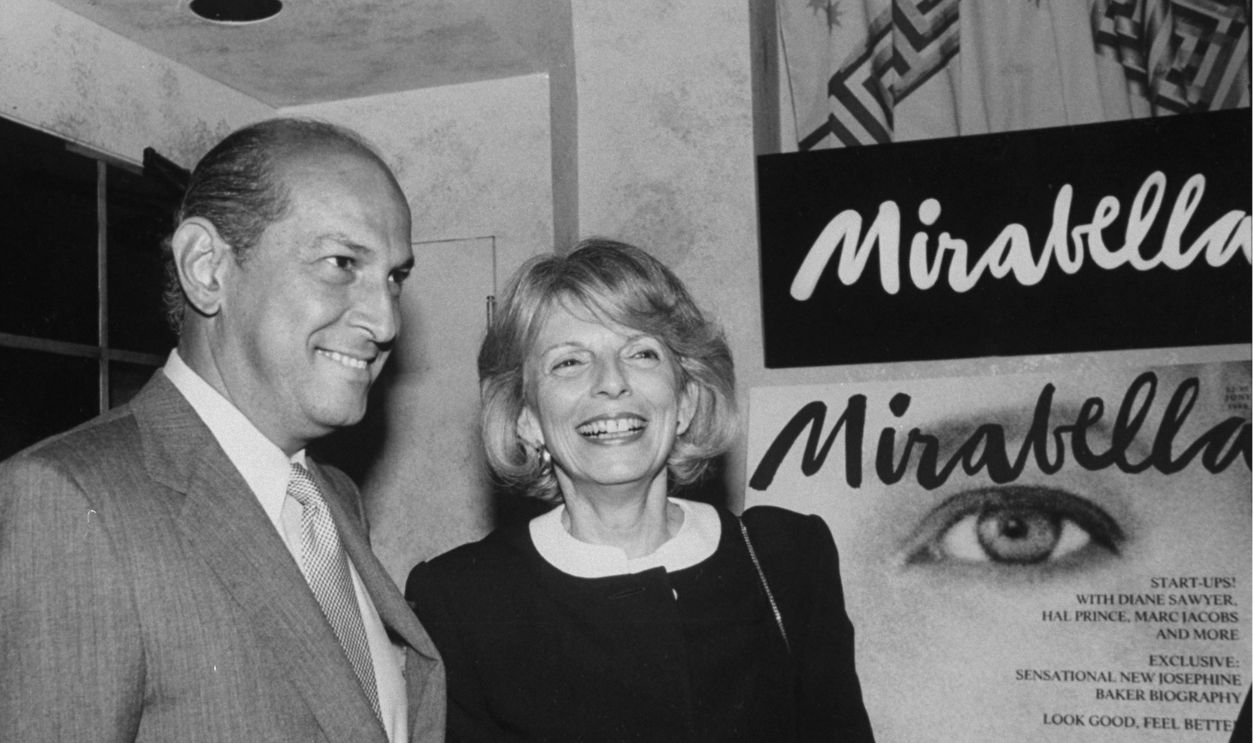
High Fidelity
High Fidelity served readers who cared about both their records and the equipment playing them. In the 1980s, that meant navigating the arrival of CDs alongside familiar audio obsessions. Its independent run ended in 1989, when its new owner combined its readership with Stereo Review’s.
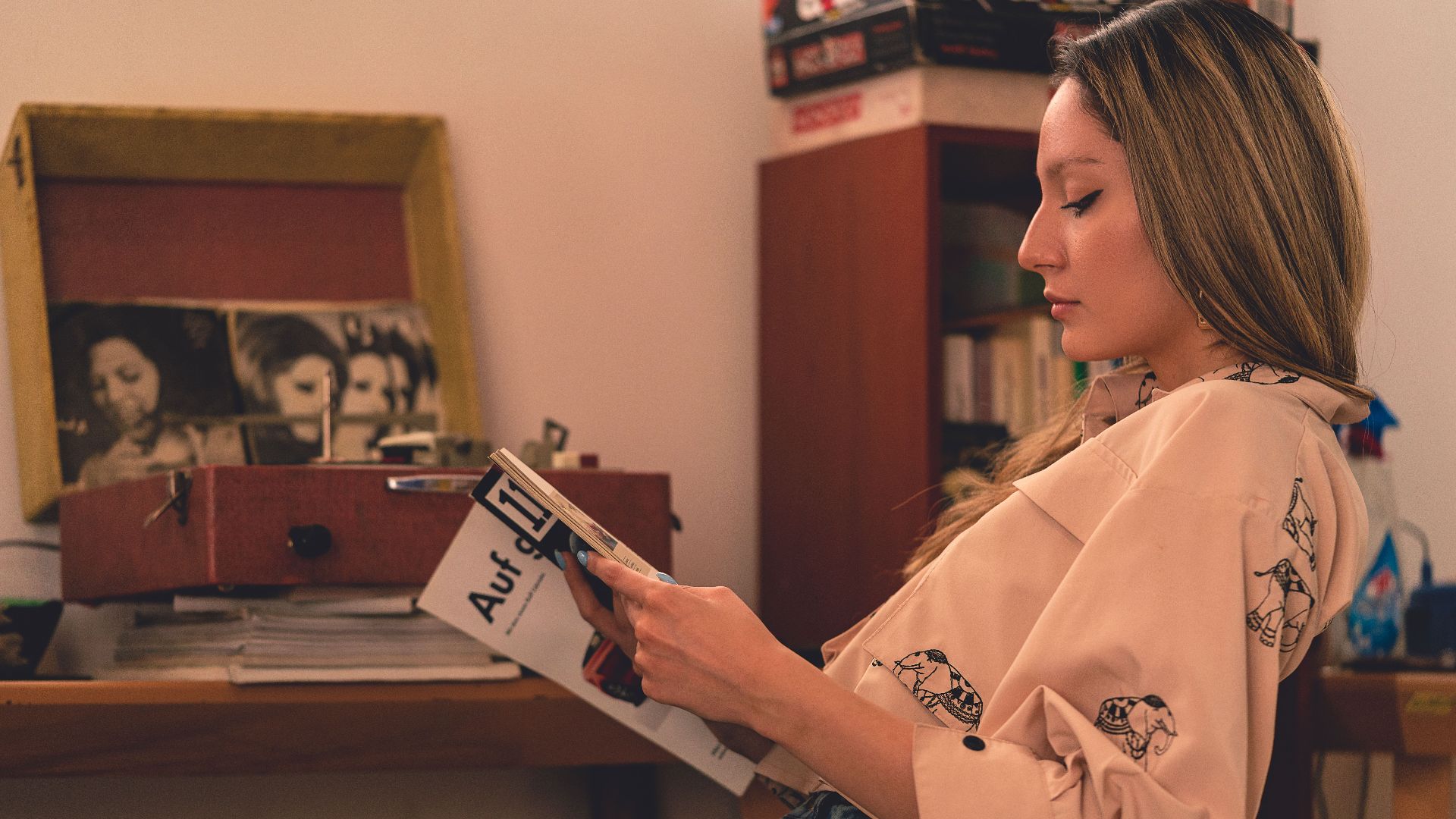
Mademoiselle
For younger Boomer women, Mademoiselle offered fashion, beauty, and the promise of figuring out adulthood while looking reasonably good doing it. But a familiar name wasn’t enough to save it. Condé Nast closed the magazine in 2001, sending its subscribers to Glamour instead.
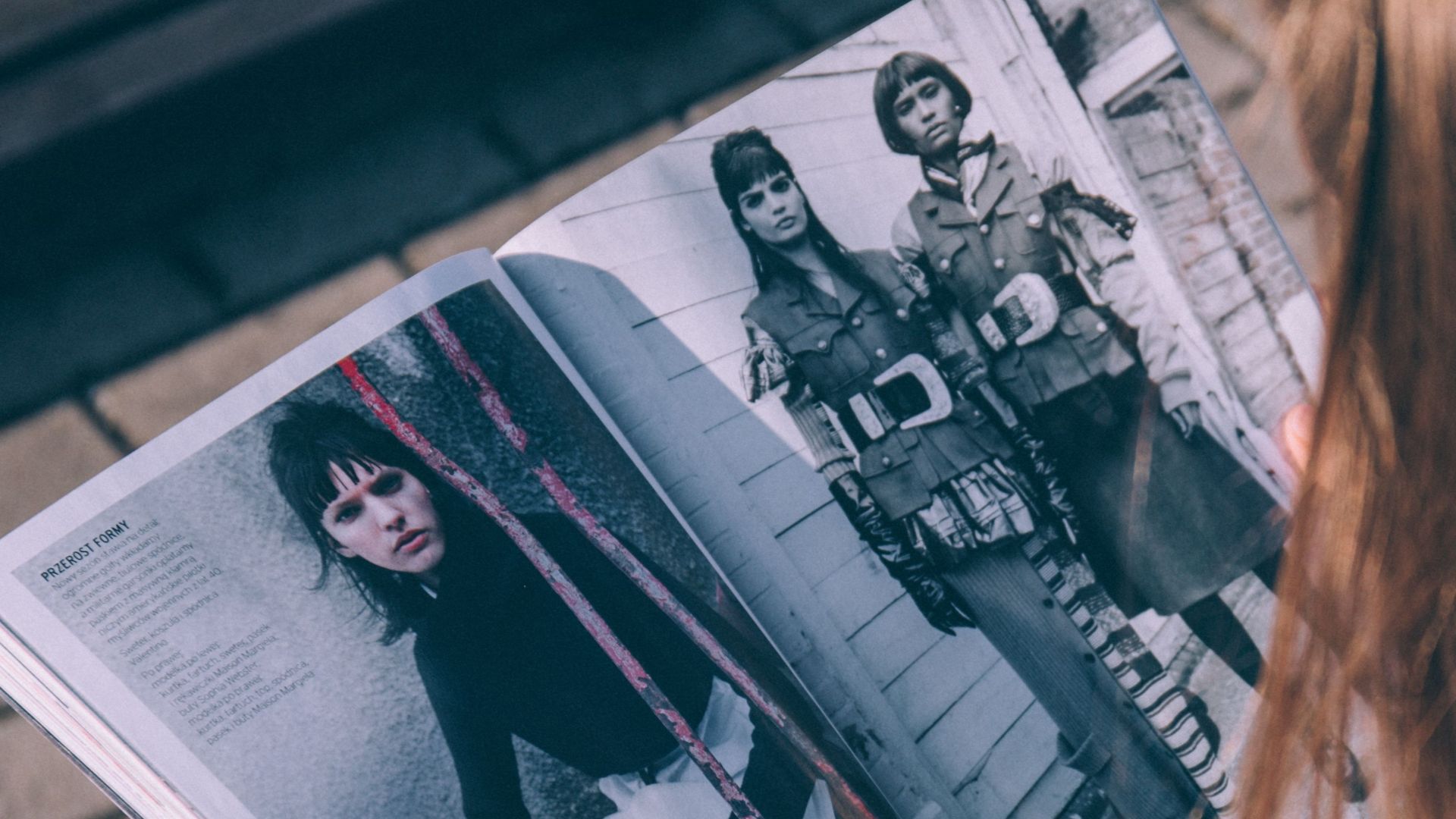
House & Garden — The American Edition
House & Garden offered beautiful rooms, ambitious entertaining, and the occasional reminder that your curtains could apparently be wrong. The American magazine became HG during a 1988 makeover under Anna Wintour. After a closure and revival, its final issue appeared in December 2007. Britain’s edition continued separately.

American Health
American Health arrived in 1982, just as feeling better was becoming a major magazine business. It offered accessible health coverage for readers who wanted useful information without opening a medical textbook. Reader’s Digest later owned it, before its trademark and subscriber list went to Health in 1999.
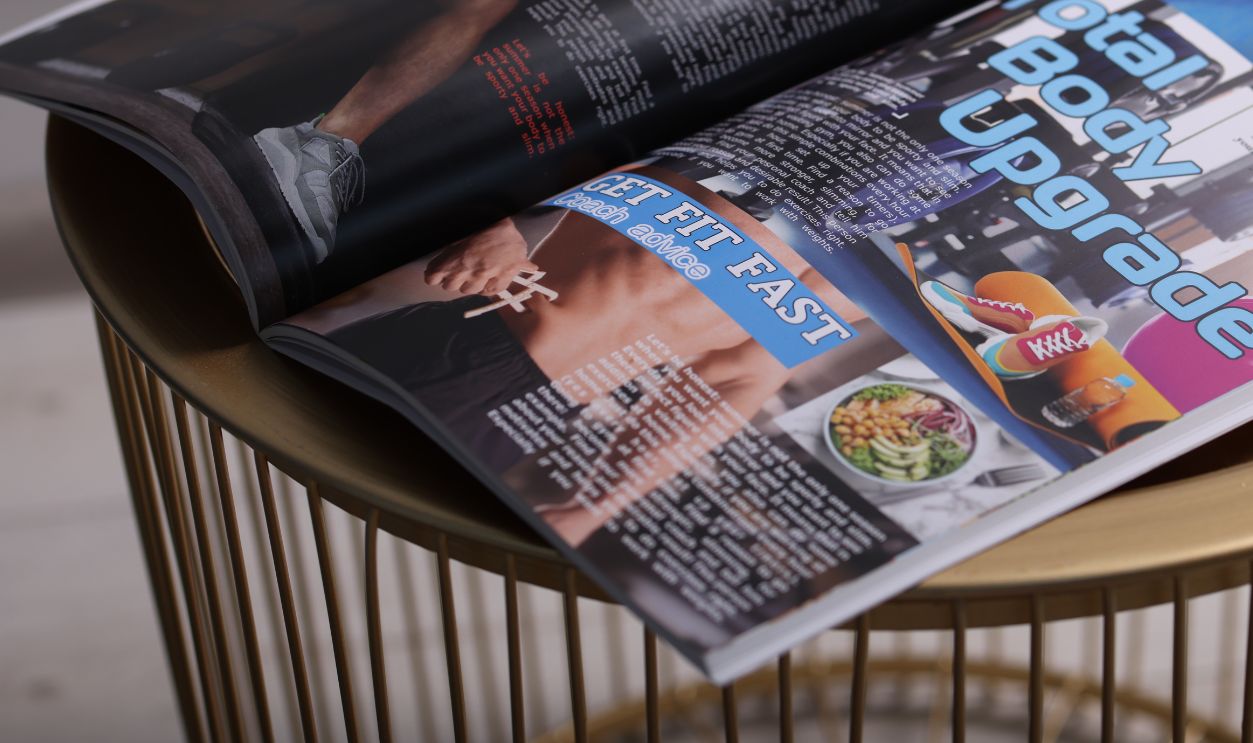
Modern Photography
Before you could take 40 pictures of lunch and delete 39, photography required a little more planning. Modern Photography helped readers choose equipment and improve their pictures. Its final issue appeared in July 1989, with its subscriber list taken over by rival Popular Photography.
 Matushchak Anton, Shutterstock
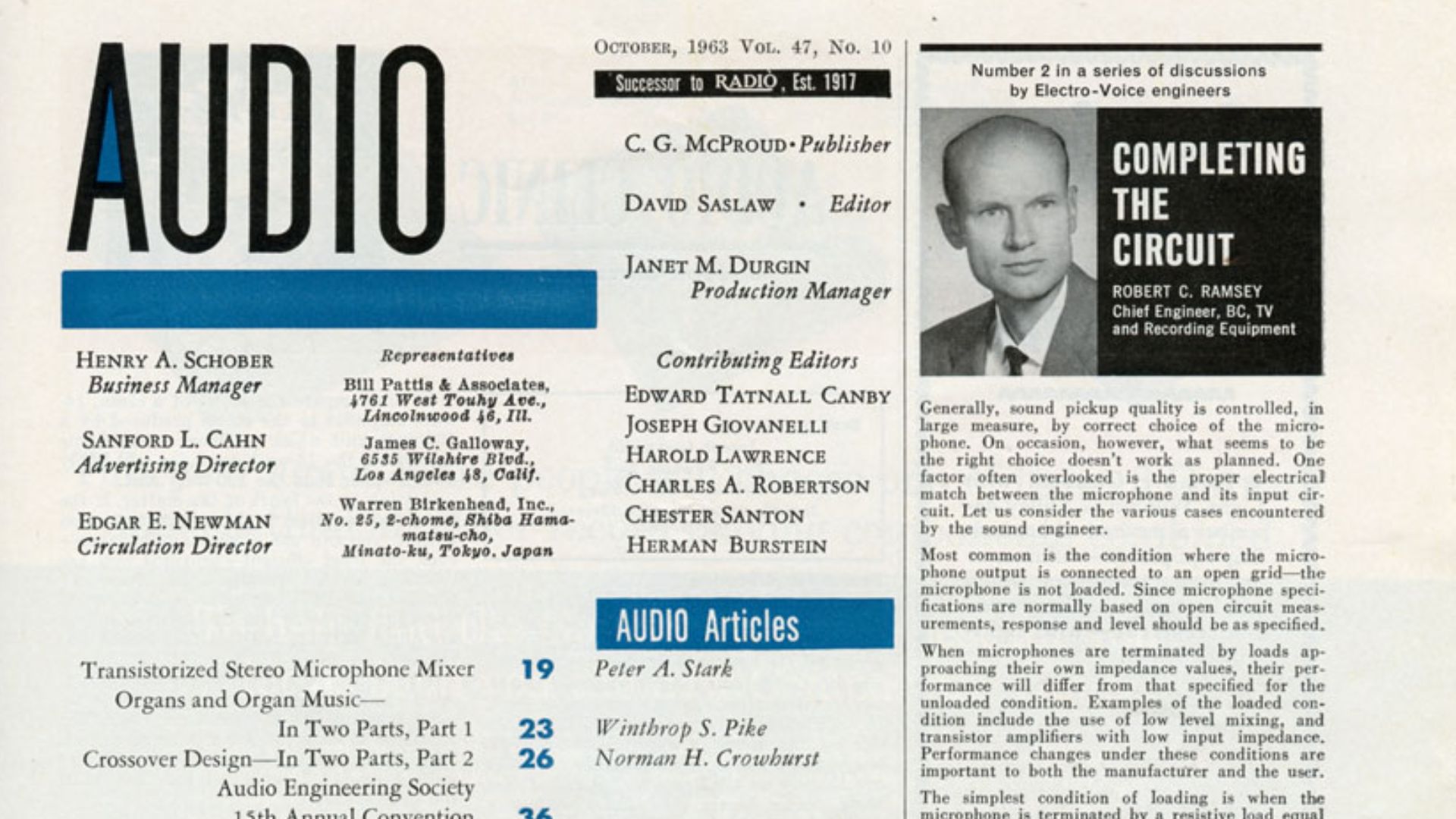
Audio
Audio was for the person who could turn a simple question about speakers into a very long conversation. Its equipment coverage included enormous annual buying guides during the 1980s. The magazine’s final appearance was its combined February/March 2000 issue, ending more than five decades of publication.
 Audio magazine staff, Wikimedia Commons
Premiere
Premiere’s American edition launched in 1987, giving movie fans glossy access to Hollywood’s stars and machinery. Its annual Power List became something industry insiders actually cared about. Publisher Hachette Filipacchi ended the American print edition in 2007 after a steep decline in advertising.
Spy
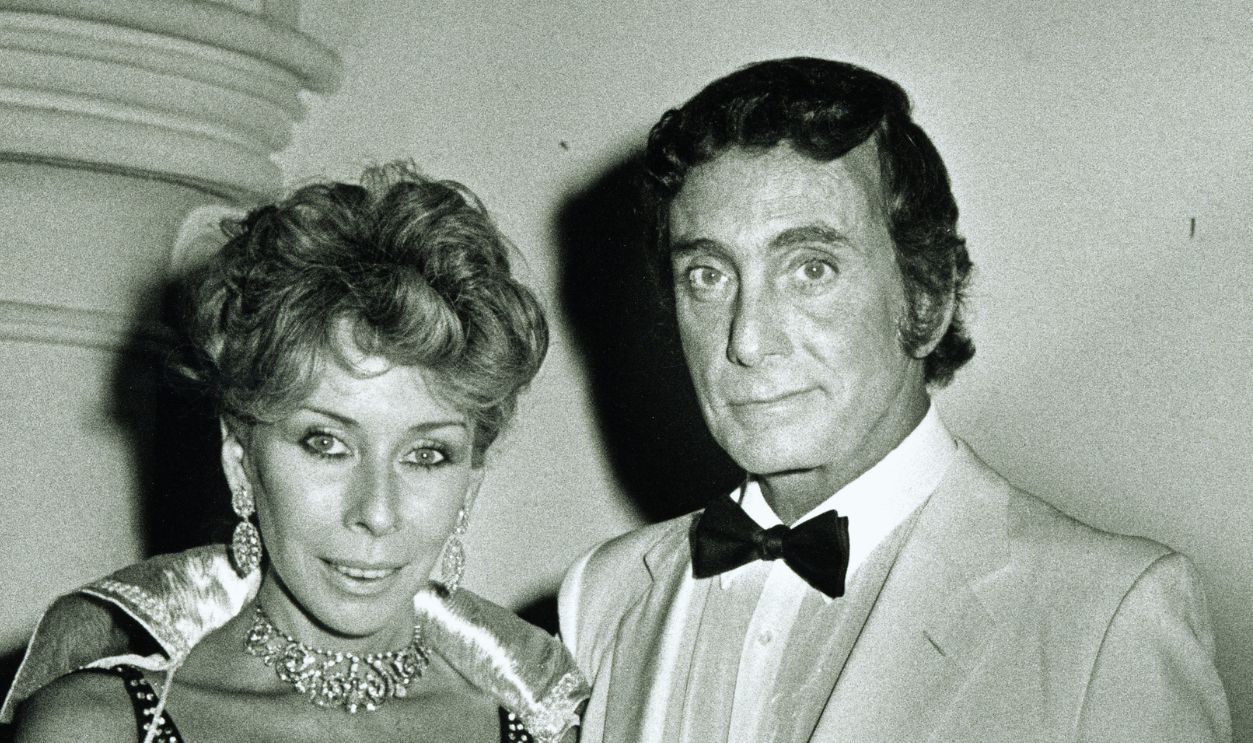
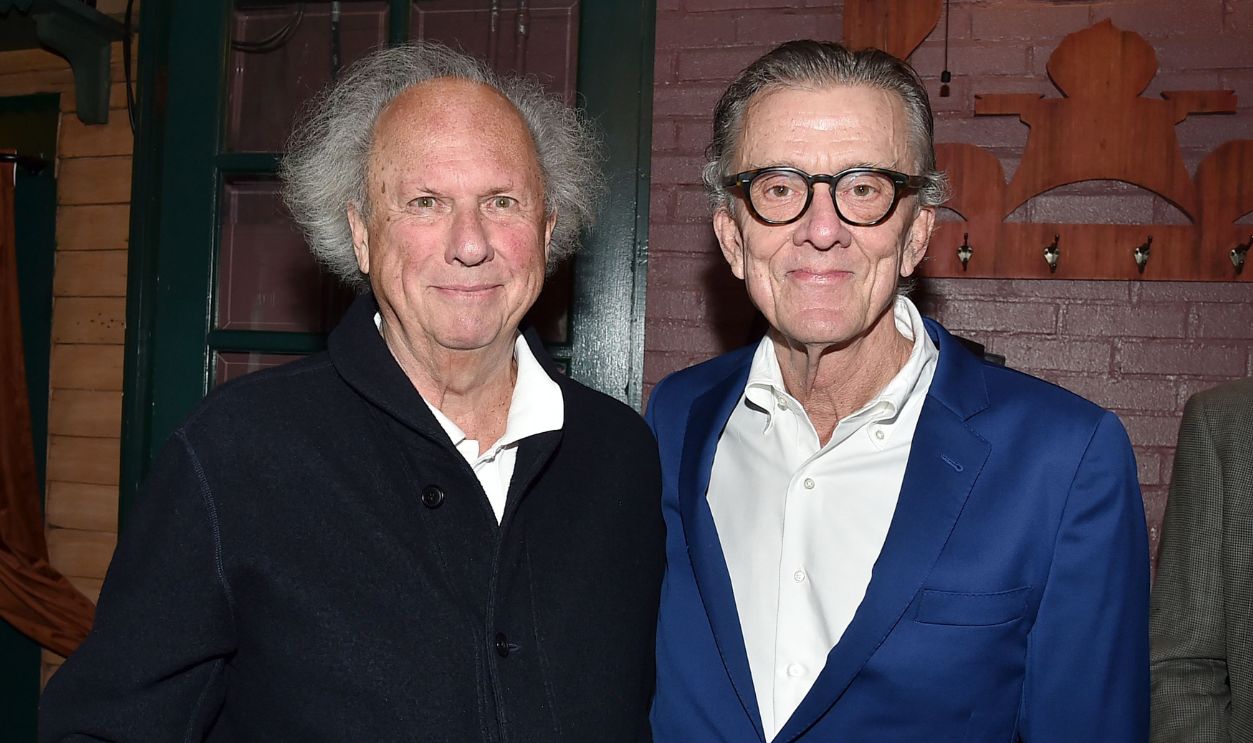
Spy arrived in 1986 and treated rich, famous, self-important people as an endless supply of material. Co-founders Kurt Andersen and Graydon Carter helped make its sharp satire a publishing sensation. Financial trouble brought interruptions and ownership changes before the magazine finally stopped publishing in 1998.
 Patrick McMullan, Getty Images
Do You Remember Even Five?
Some of these magazines helped you spend money. Others helped you imagine having considerably more of it. Which ones did you actually buy—and which did you only read in somebody else’s waiting room?

You Might Also Like: