When Five Dollars Actually Went Somewhere
Remember when five dollars could buy a useful household essential and still leave change for a candy bar? In the 1980s, families could pick up everything from gardening tools to groceries for just a few dollars. Today, many of those same purchases cost two, three, or even five times as much.
We dug into old advertisements and price records to find some surprisingly expensive modern equivalents. How many do you remember buying?
#30. Screwdriver Sets
1985 price: $1.69–$2.59 | Today: Approximately $8–$20
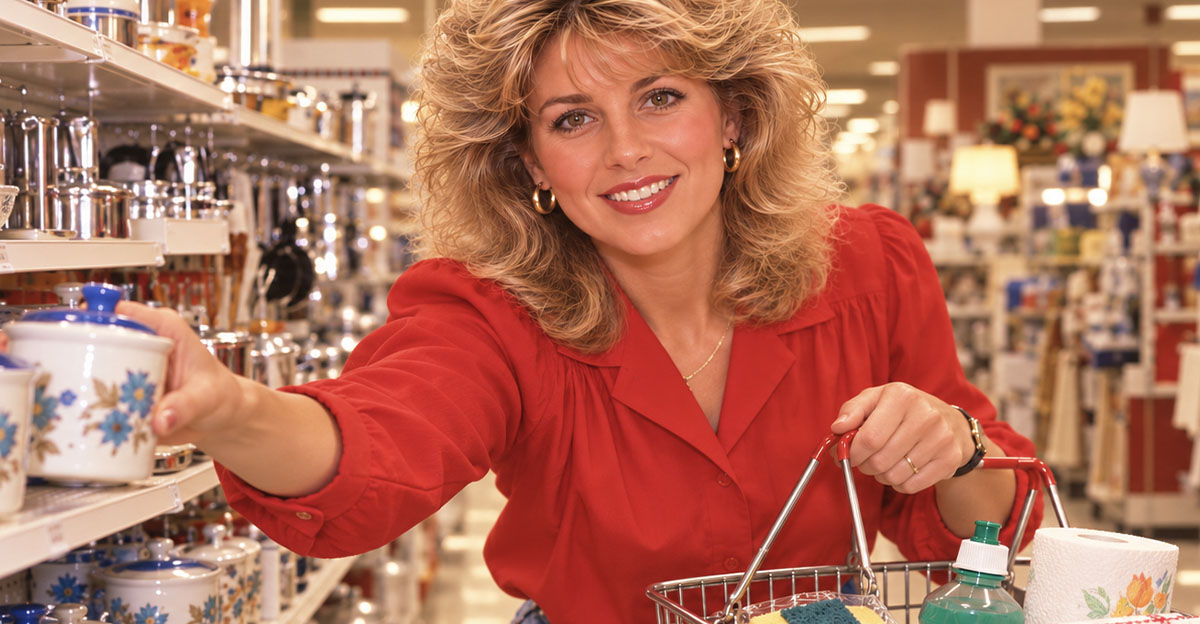
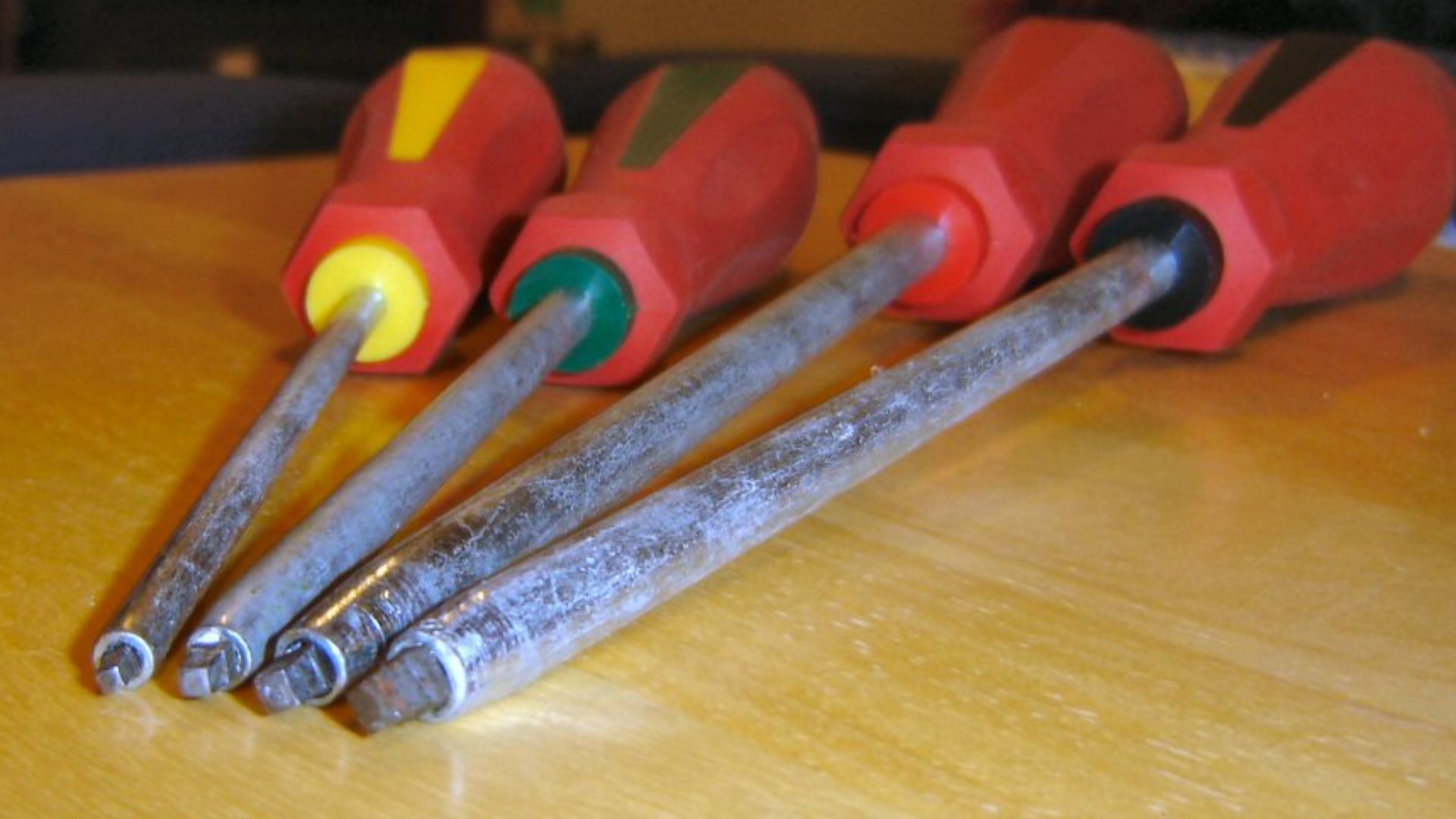
Remember the little screwdriver sets every household kept in a kitchen drawer? A 1985 New Jersey price listing advertised five-piece sets for as little as $1.69. Today, a comparable basic set can easily cost $8 to $20, depending on the brand. Apparently, tightening a loose cabinet handle has become a more expensive hobby.
#29. Adjustable Wrenches
1985 price: $2.99–$4.99 | Today: Approximately $10–$25
An eight-inch adjustable wrench could be purchased for under five dollars in 1985. These were the sorts of tools fathers and grandfathers bought once and expected to own forever. Today, a comparable wrench might cost $10 to $25. Of course, the most expensive wrench is still the one you replace because nobody remembers borrowing it.
 Andrew Plumb, Wikimedia Commons
#28. Claw Hammers
1985 price: $2.99–$4.99 | Today: Approximately $10–$25
A standard 16-ounce hammer was another affordable hardware-store purchase. In 1985, advertised prices ranged from $2.99 to $4.99. Today, a recognizable-brand claw hammer often sells for considerably more. The design hasn't changed much, although the price of accidentally hitting your thumb has apparently increased.

#27. Garden Rakes
1989 price: $2.97 | Today: Approximately $12–$25
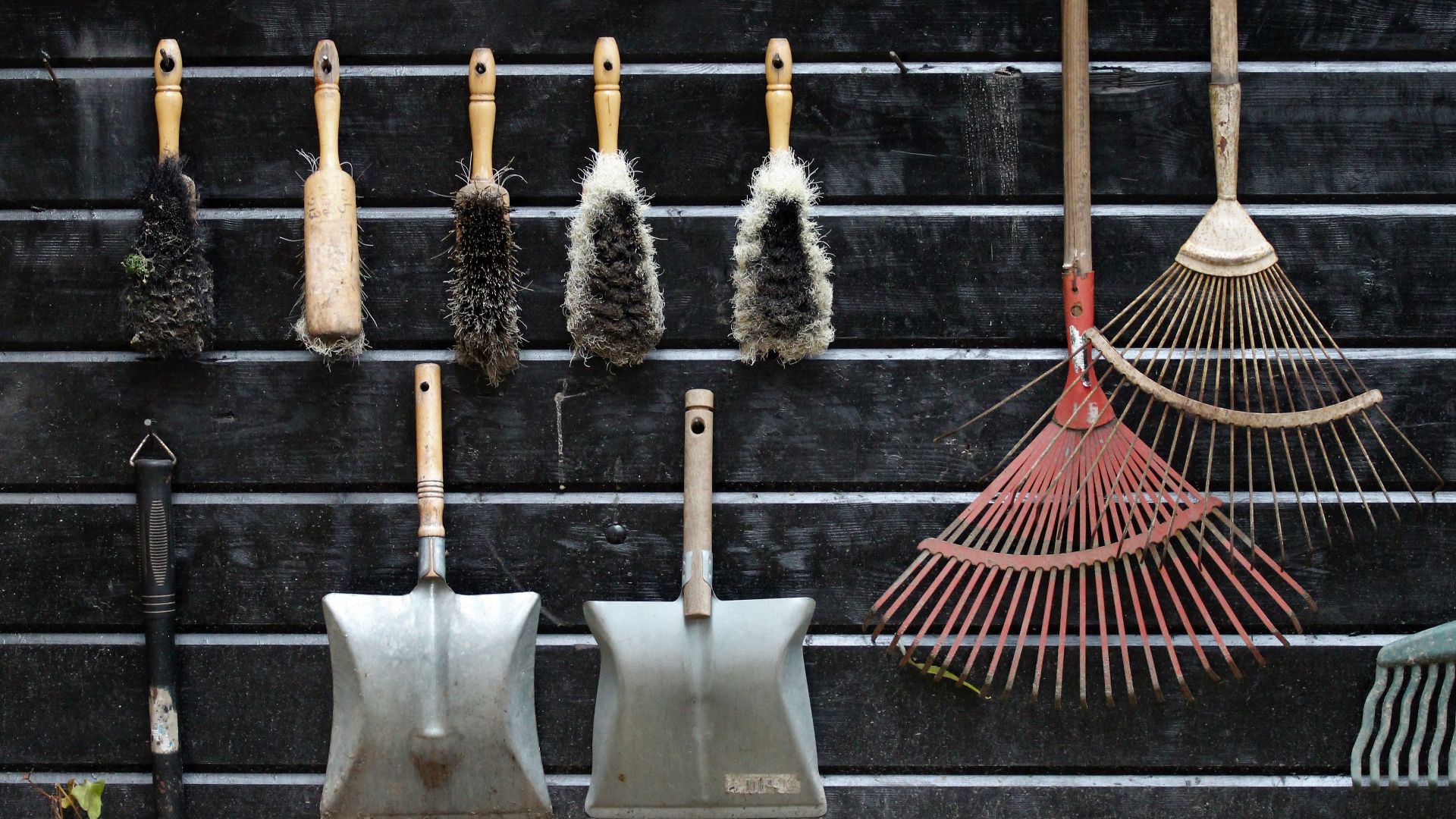
A 1989 New Jersey advertisement listed a basic 20-inch Ames rake for just $2.97. Today, a comparable rake commonly costs several times that amount. Every suburban family seemed to own one, usually leaning against the garage wall. It was cheap, practical, and guaranteed to ruin at least one perfectly good Saturday afternoon.
#26. Garden Hoses
1983 price: $2.22 for 60 feet | Today: Approximately $15–$40
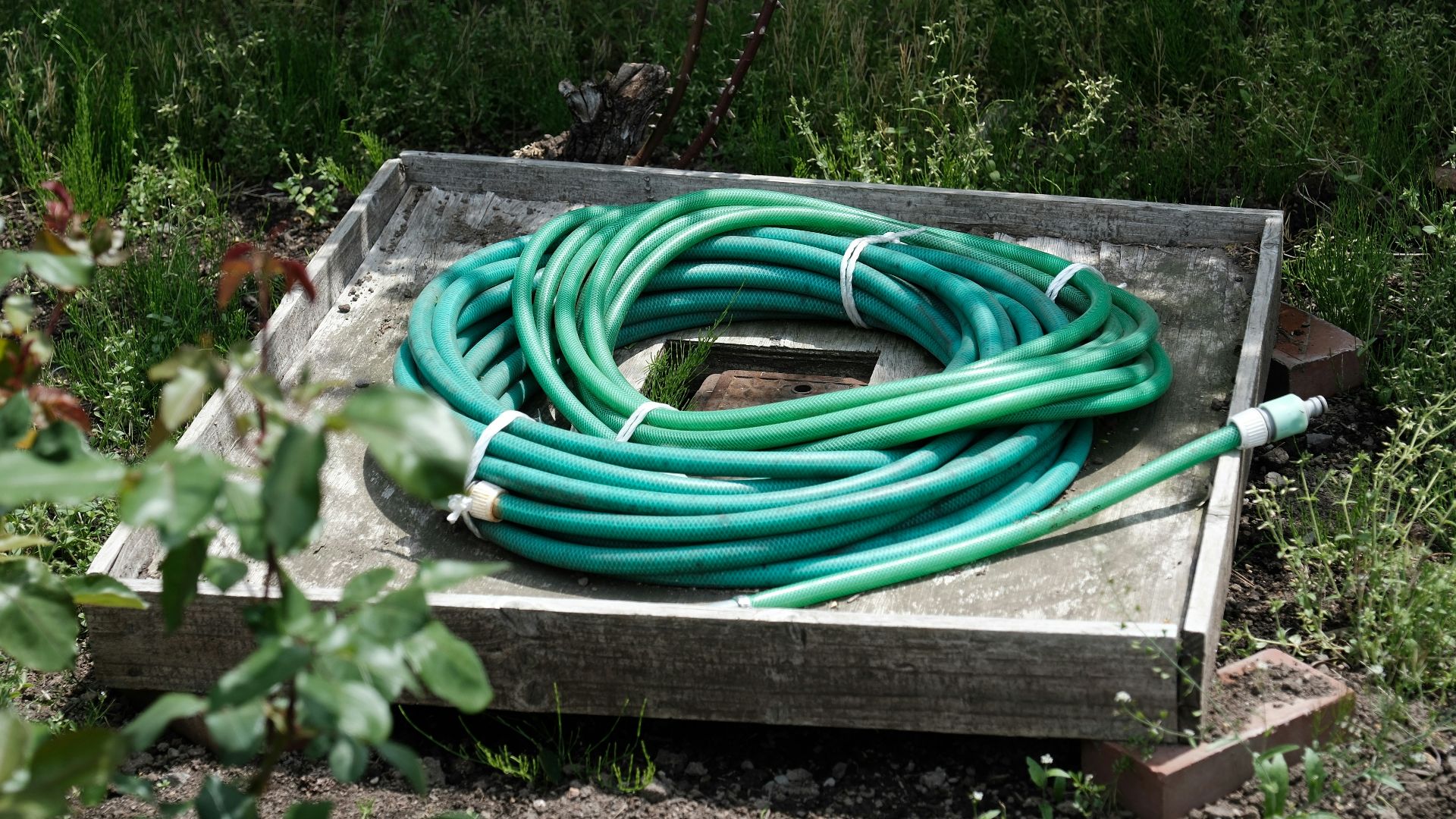
Here's a surprisingly big jump. A 1983 price archive listed a 60-foot garden hose for just $2.22. Today, similar-length hoses commonly cost $15 to $40, although quality varies greatly. Back then, a hose was simply something Dad used to wash the car, water the lawn, and occasionally spray unsuspecting children.
#25. Grass Seed
1989 price: $2.99 for 3 pounds | Today: Approximately $15–$30
Keeping the front lawn looking respectable was almost a competitive sport in the 1980s. A three-pound bag of lawn seed appeared in a 1989 New Jersey price listing for $2.99. Today, comparable bags can cost $15 to $30, depending on the grass blend. Your neighbor's lawn might still be greener, but maintaining your side of the fence certainly costs more.
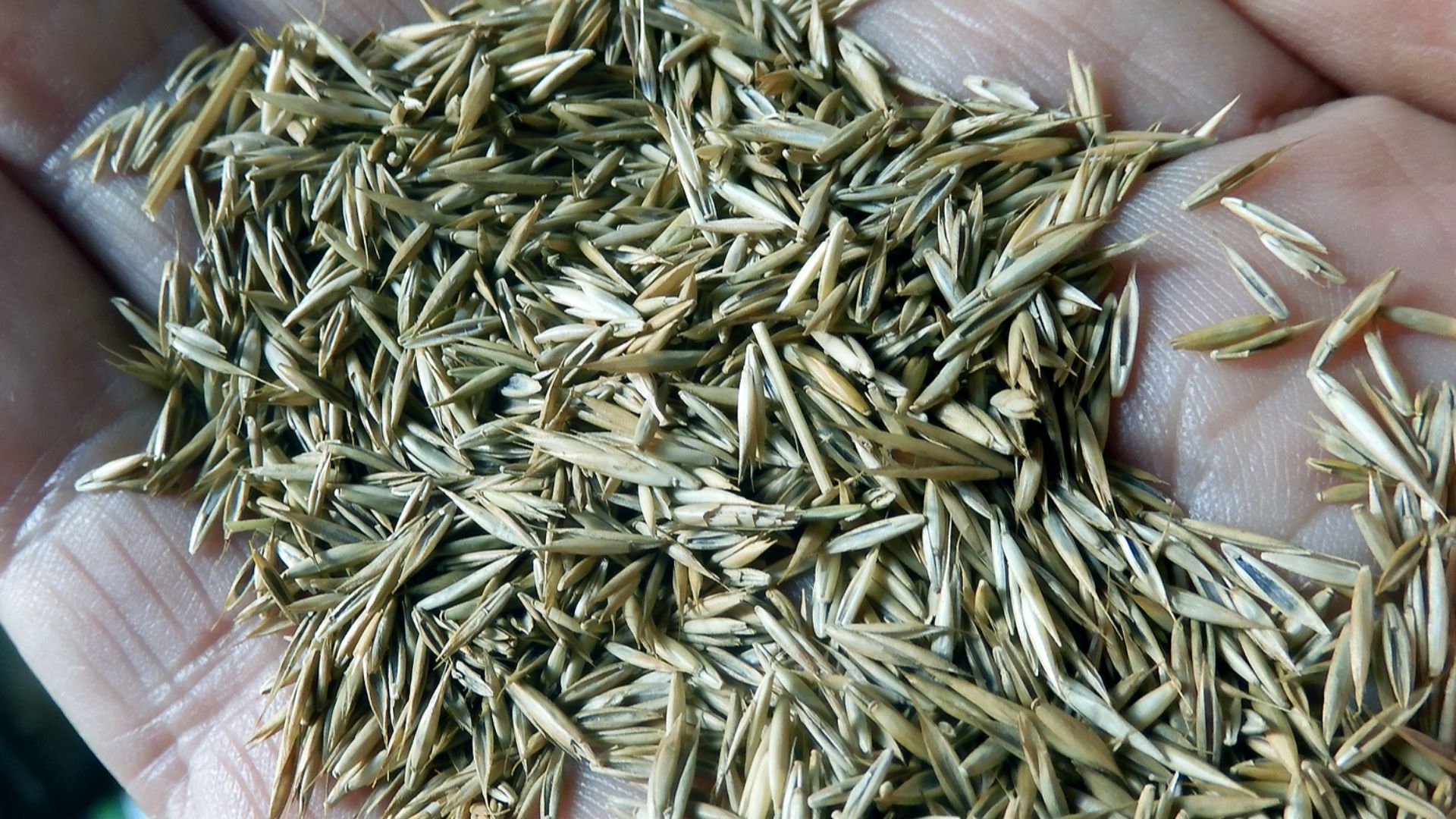 Foto: Jonn Leffmann, Wikimedia Commons
#24. Wild Bird Seed
1987 price: $2.99 for 20 pounds | Today: Approximately $11–$25
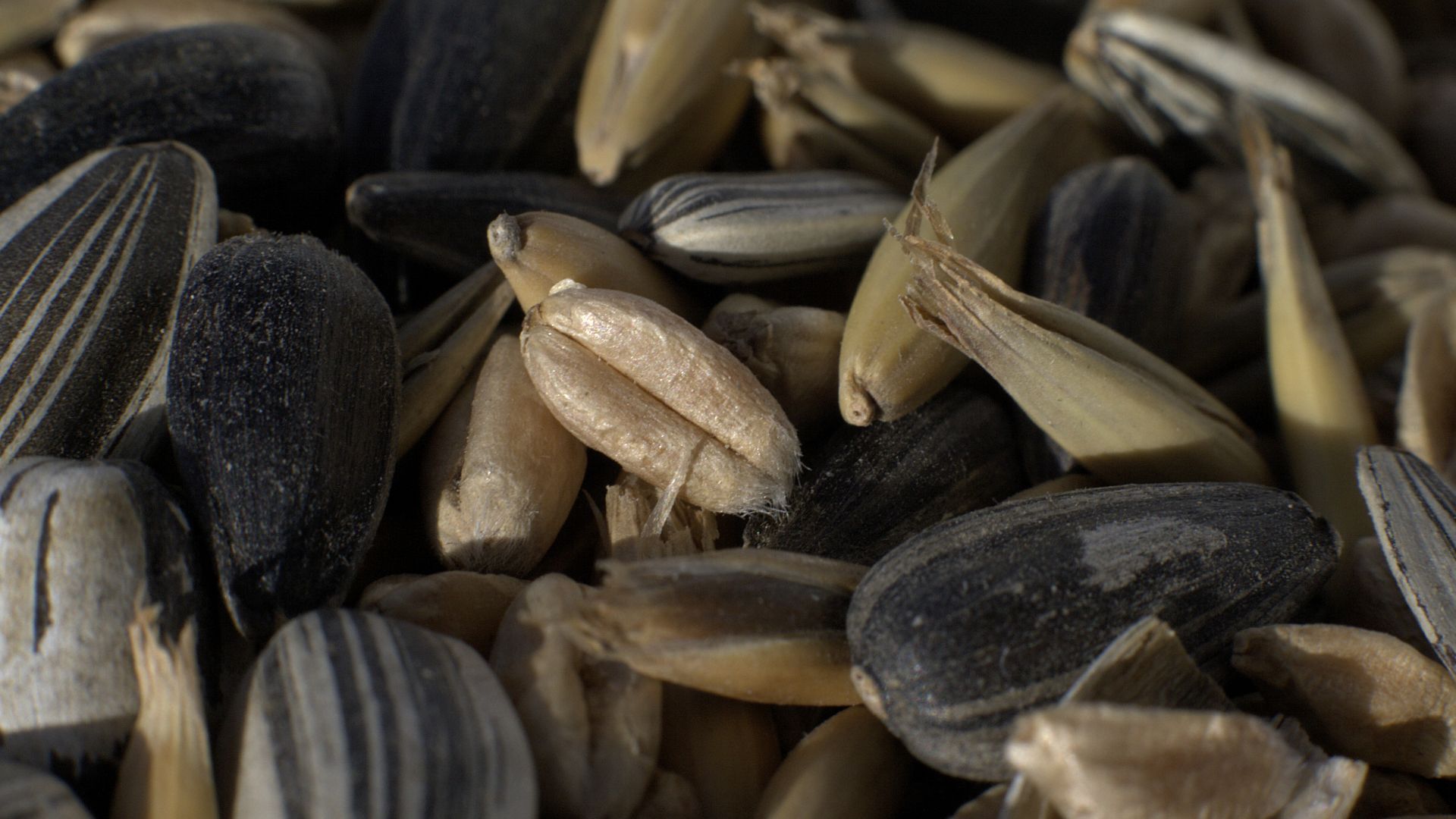
Feeding backyard birds used to be an inexpensive hobby. A 1987 price archive advertised 20 pounds of wild bird food for just $2.99. Today, basic 20-pound mixes can cost around $11, while branded premium blends often exceed $20. Even the birds have apparently developed expensive tastes, although the squirrels are still helping themselves for free.
 Markus Leupold-Löwenthal, Wikimedia Commons
#23. Charcoal Briquettes
1983 price: $2.88 for 20 pounds | Today: Approximately $12–$20
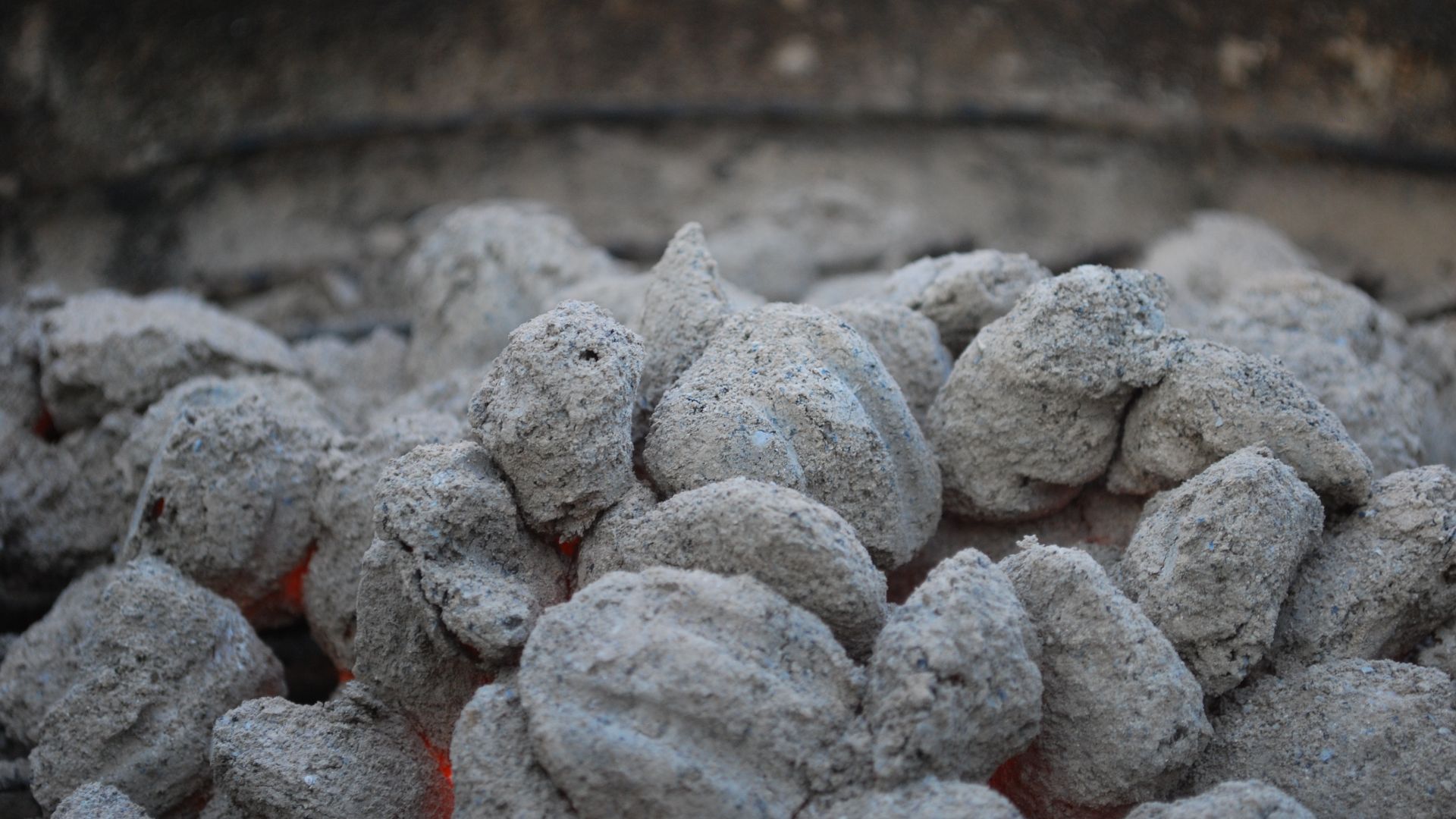
Backyard barbecues were a summer tradition, and a 20-pound bag of charcoal cost just $2.88 in one 1983 price listing. Today, comparable bags often cost around $12 to $20, with premium varieties costing more. The price may have increased, but the family argument over who knows how to light the grill remains completely unchanged.
 Juliancolton, Wikimedia Commons
#22. Bath Towels
1980 price: $2.99 each | Today: Approximately $8–$20
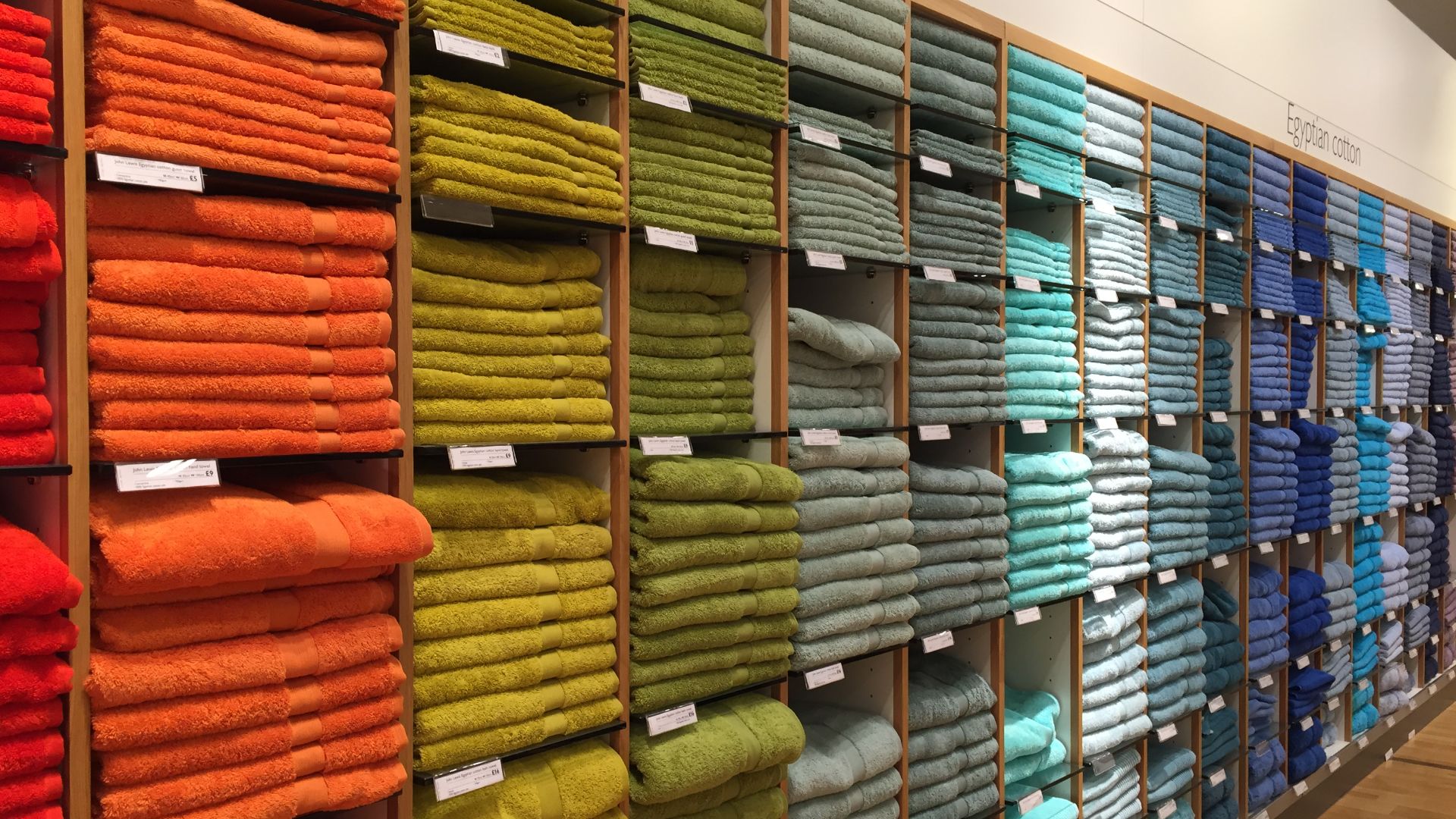
A basic terry bath towel appeared in a 1980 price listing for $2.99. These were ordinary household purchases, not luxury bathroom accessories. Today, comparable full-size towels often sell for $8 to $20 at mainstream retailers. Somehow, families once managed to stock every bathroom without treating a fresh stack of towels like a major investment.
#21. Twin Bed Sheets
1986 price: $1.99–$3.99 each | Today: Approximately $10–$25 each
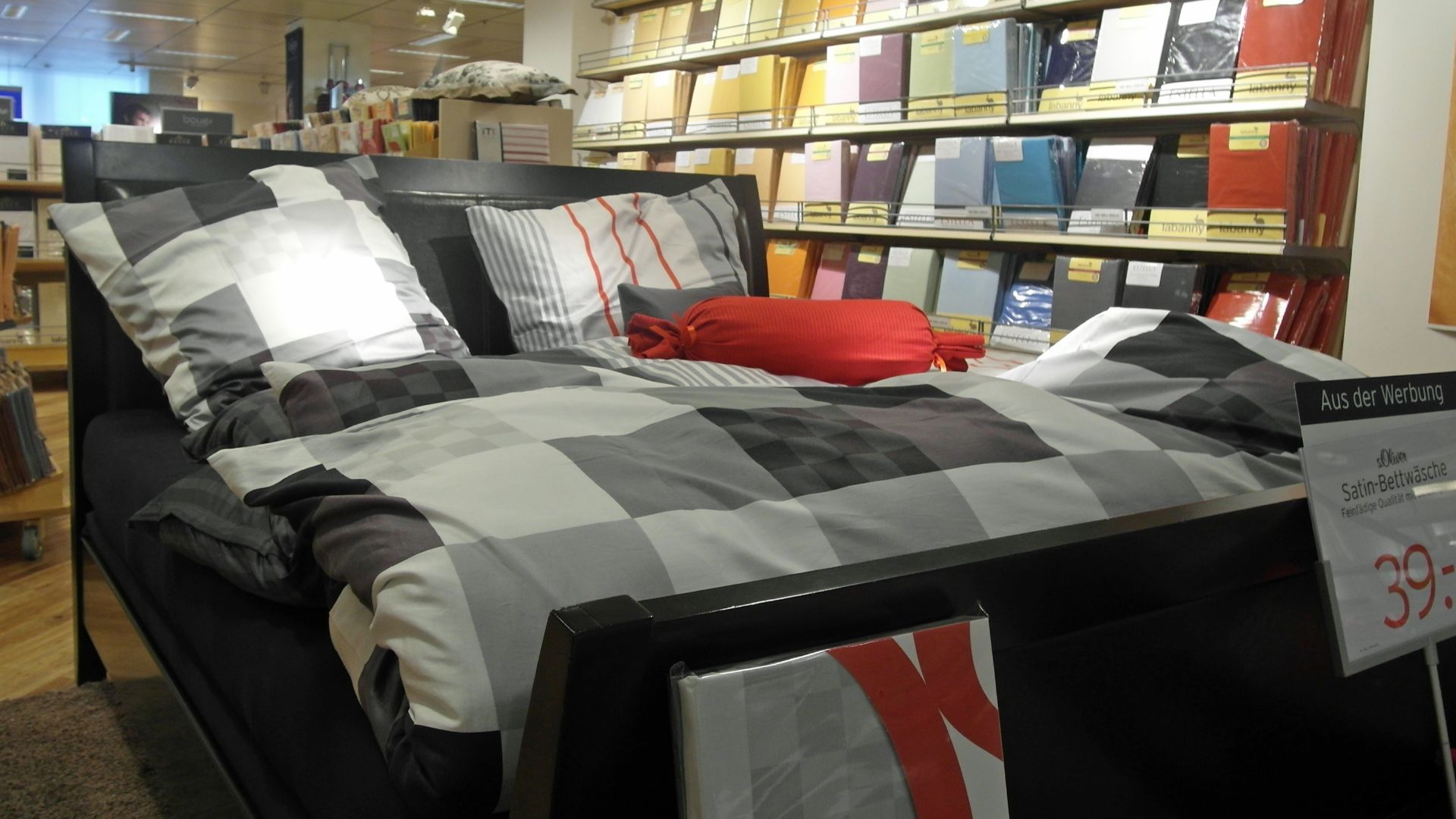
In 1986, JCPenney advertised individual twin bed sheets for under four dollars. Today, individual sheets of comparable size often cost $10 to $25, depending on material and quality. Remember those colorful sheets covered in flowers, stripes, or cartoon characters? Parents bought them knowing their children would eventually outgrow everything except their talent for making a mess.
 Monster4711, Wikimedia Commons
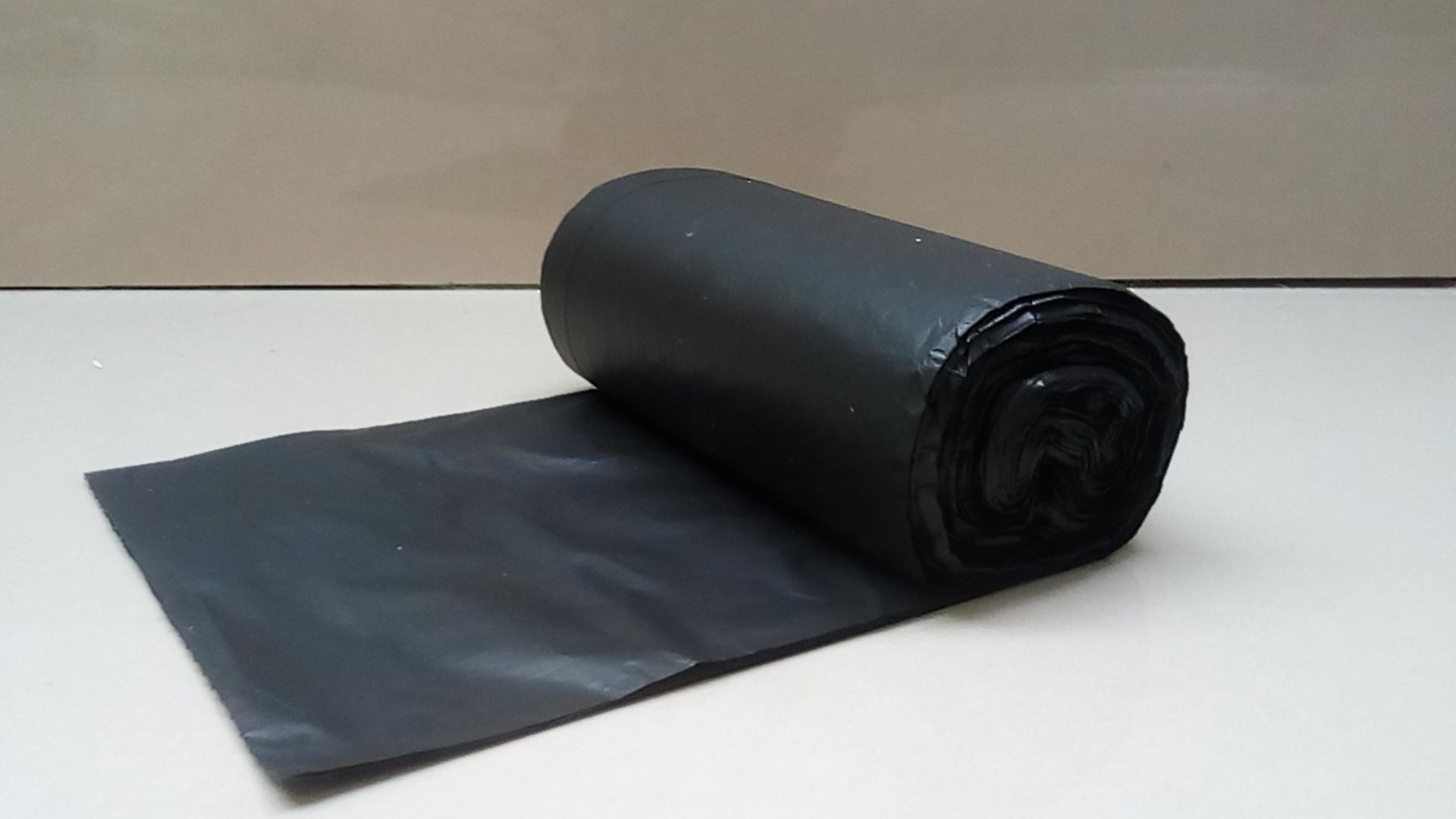
#20. Kitchen Garbage Bags
1986 price: 99 cents for 20 | Today: Approximately $6–$12
A 1986 New Jersey price listing advertised a 20-count box of Glad garbage bags for just 99 cents. Comparable branded kitchen trash bags can now cost around $6 to $12 for a small package. Even taking out the garbage has become more expensive. Unfortunately, nobody has invented a version that takes itself to the curb.
 Wiki Farazi, Wikimedia Commons
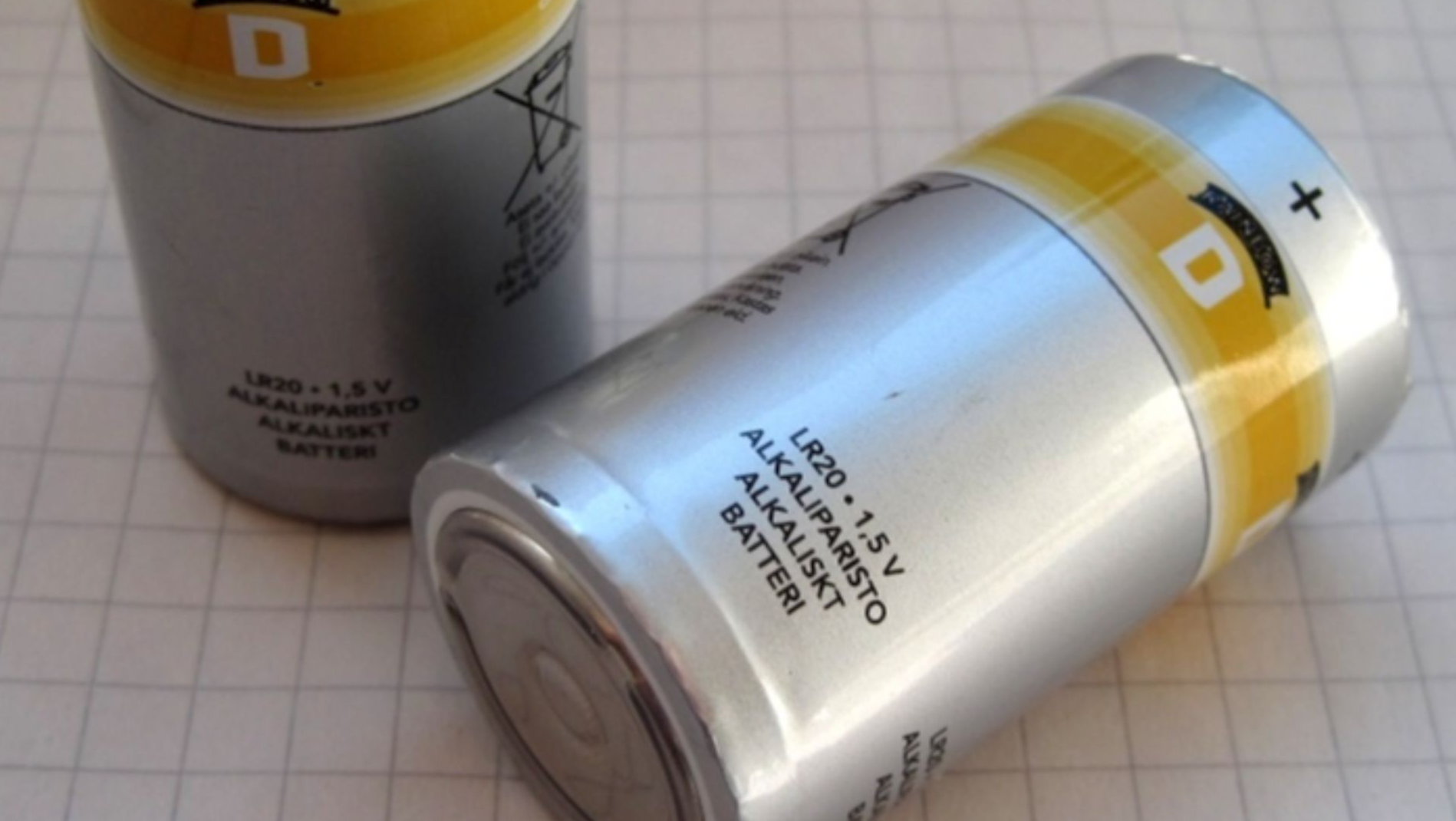
#19. Flashlight Batteries
1986 price: $1.69 for two | Today: Approximately $5–$10 for two
Flashlights, portable radios, and countless household gadgets depended on C and D batteries during the 1980s. A two-pack of Energizer batteries appeared in a 1986 listing for $1.69. Today, a comparable premium-brand pair can cost around $5 to $10. Remember hunting for replacement batteries during a blackout? Somehow, the flashlight was always empty when you actually needed it.
 Lead holder, Wikimedia Commons
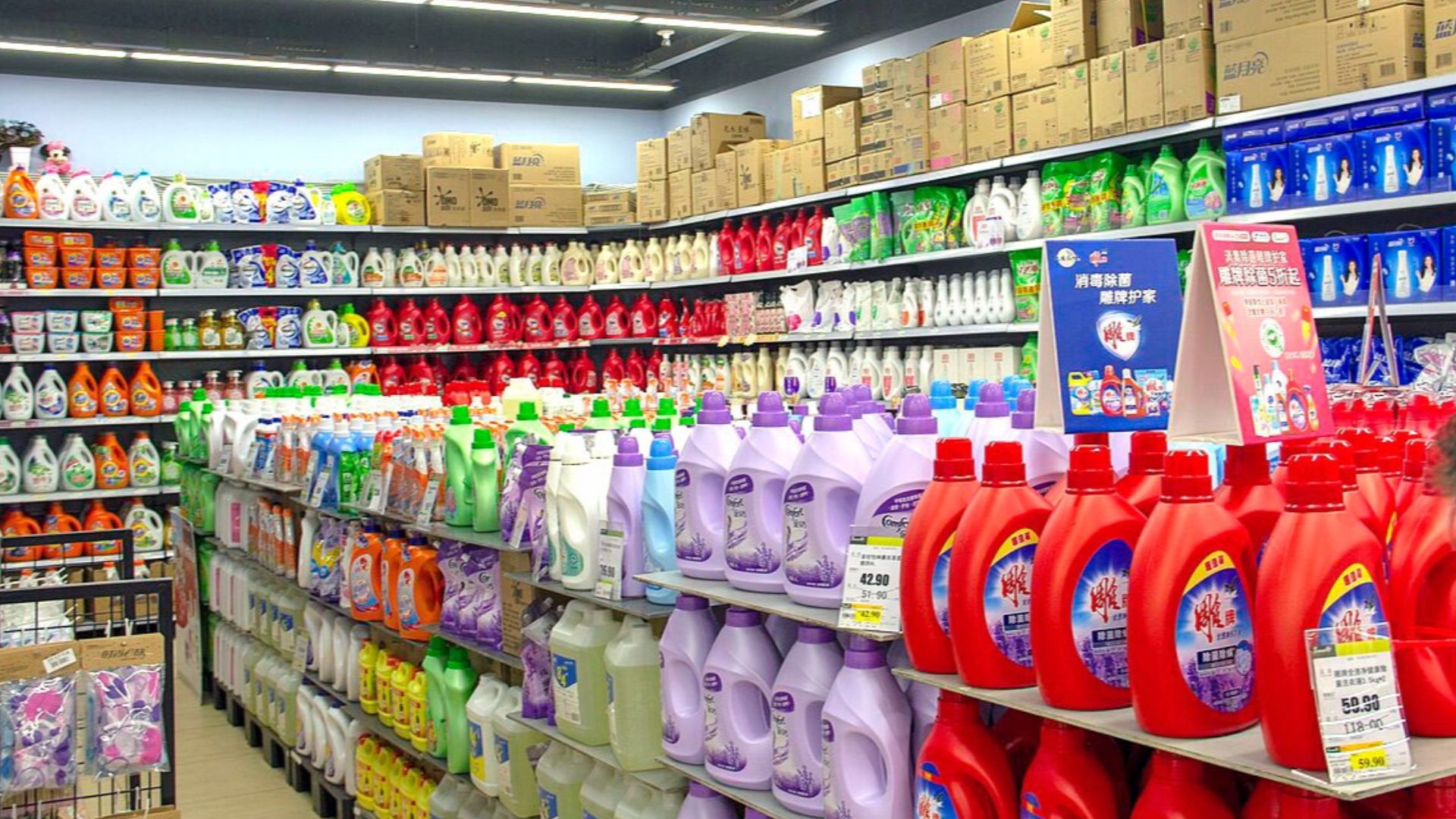
#18. Laundry Detergent
1985 price: $2.49 for half a gallon | Today: Approximately $8–$16
A half-gallon container of Wisk laundry detergent was advertised for $2.49 in 1985. Today, comparable volumes of branded liquid detergent often sell for considerably more, although modern formulations and load claims differ. The price increase is noticeable, particularly for families washing sports uniforms, work clothes, and enough socks to stock a department store.
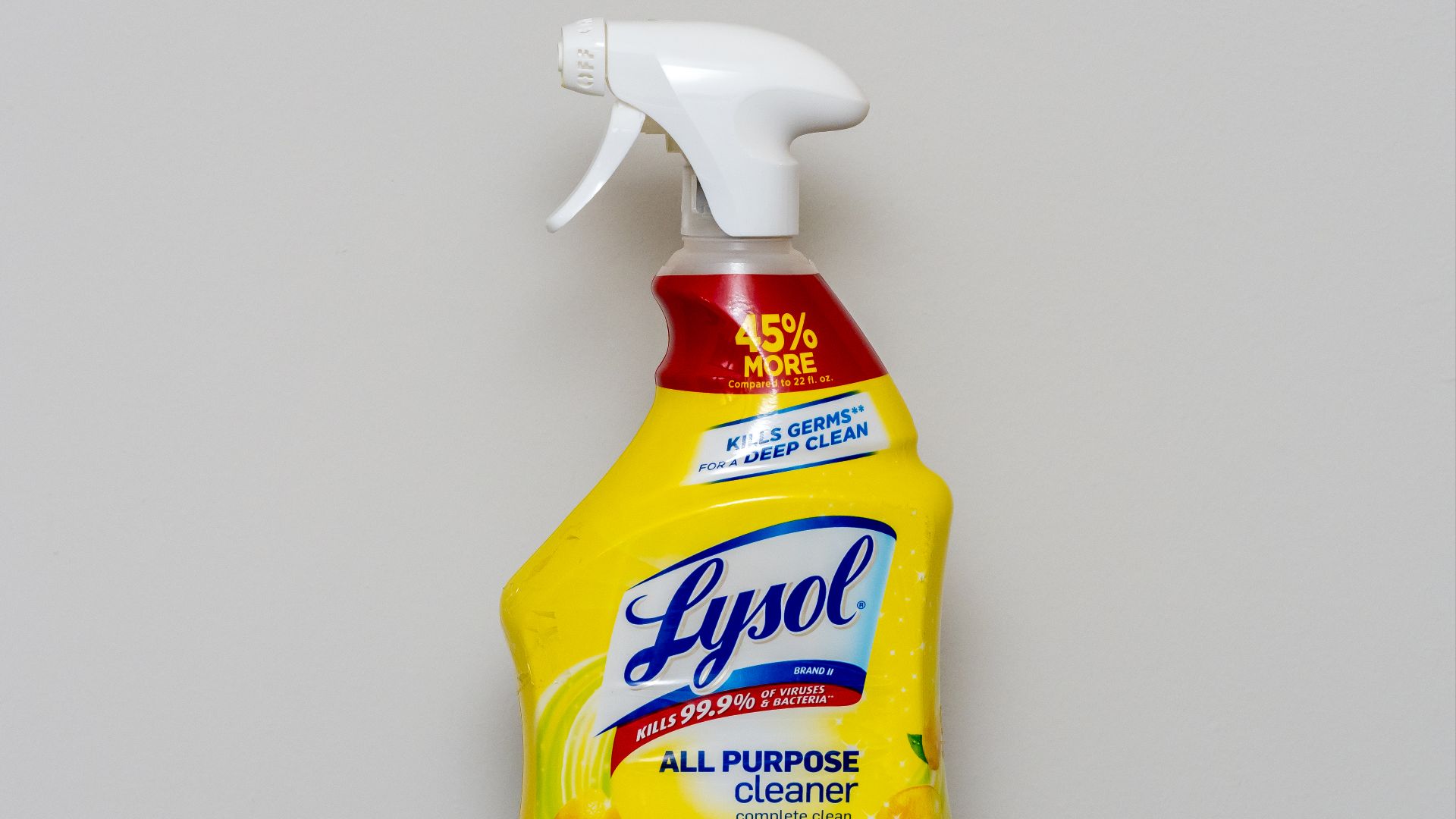
#17. Disinfectant Spray
1980 price: $1.99 for 18 ounces | Today: Approximately $6–$10
An 18-ounce can of Lysol disinfectant spray appeared in a 1980 New Jersey price listing for $1.99. Today, similar aerosol disinfectant products generally cost several dollars more. These were familiar fixtures beneath kitchen sinks and inside bathroom cabinets. Every household seemed to have one parent who believed a generous spray could solve practically any cleaning problem.
 ajay_suresh, Wikimedia Commons
#16. Shampoo
1980 price: $2.29 for 15 ounces | Today: Approximately $6–$12
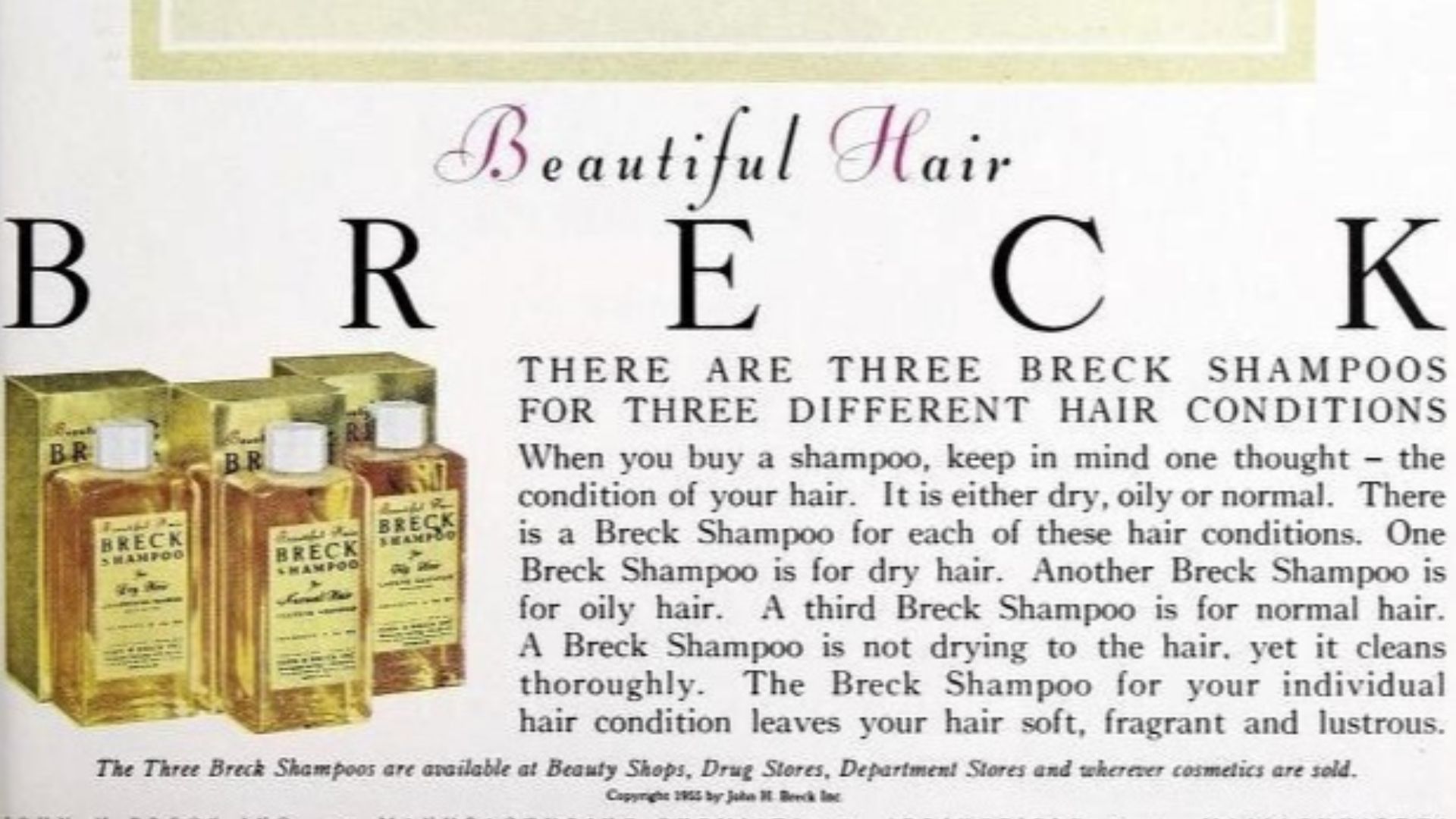
A 1980 Oregon supermarket advertisement listed a 15-ounce bottle of Breck shampoo for $2.29. Today, many familiar branded shampoos in comparable sizes cost $6 to $12. In the 1980s, shampoo commercials promised glamorous, flowing hair. Of course, some families were more concerned with getting their children to actually wash it.
 John H. Breck, Inc, Wikimedia Commons
#15. Hairspray
1989 price: 99 cents for 7 ounces | Today: Approximately $6–$10
Few household products capture the 1980s better than hairspray. A seven-ounce can of Rave cost just 99 cents in a 1989 price listing. Today, many branded aerosol hairsprays cost $6 to $10. Considering the enormous hairstyles people maintained during that decade, it's amazing anyone could afford enough spray to keep their bangs standing.
 [https://www.flickr.com/photos/allaboutgeorge/ George Kelly, Wikimedia Commons, Enhanced
#14. Deodorant
1989 price: $1.69 for 2.5 ounces | Today: Approximately $5–$9
A 1989 New Jersey advertisement listed a 2.5-ounce Power Stick deodorant for $1.69. Today, comparable brand-name sticks often cost between $5 and $9, depending on the retailer. It was once the kind of drugstore purchase nobody thought twice about. Now, even keeping the morning routine smelling respectable can take a noticeable bite out of the budget.
#13. Pain Relievers
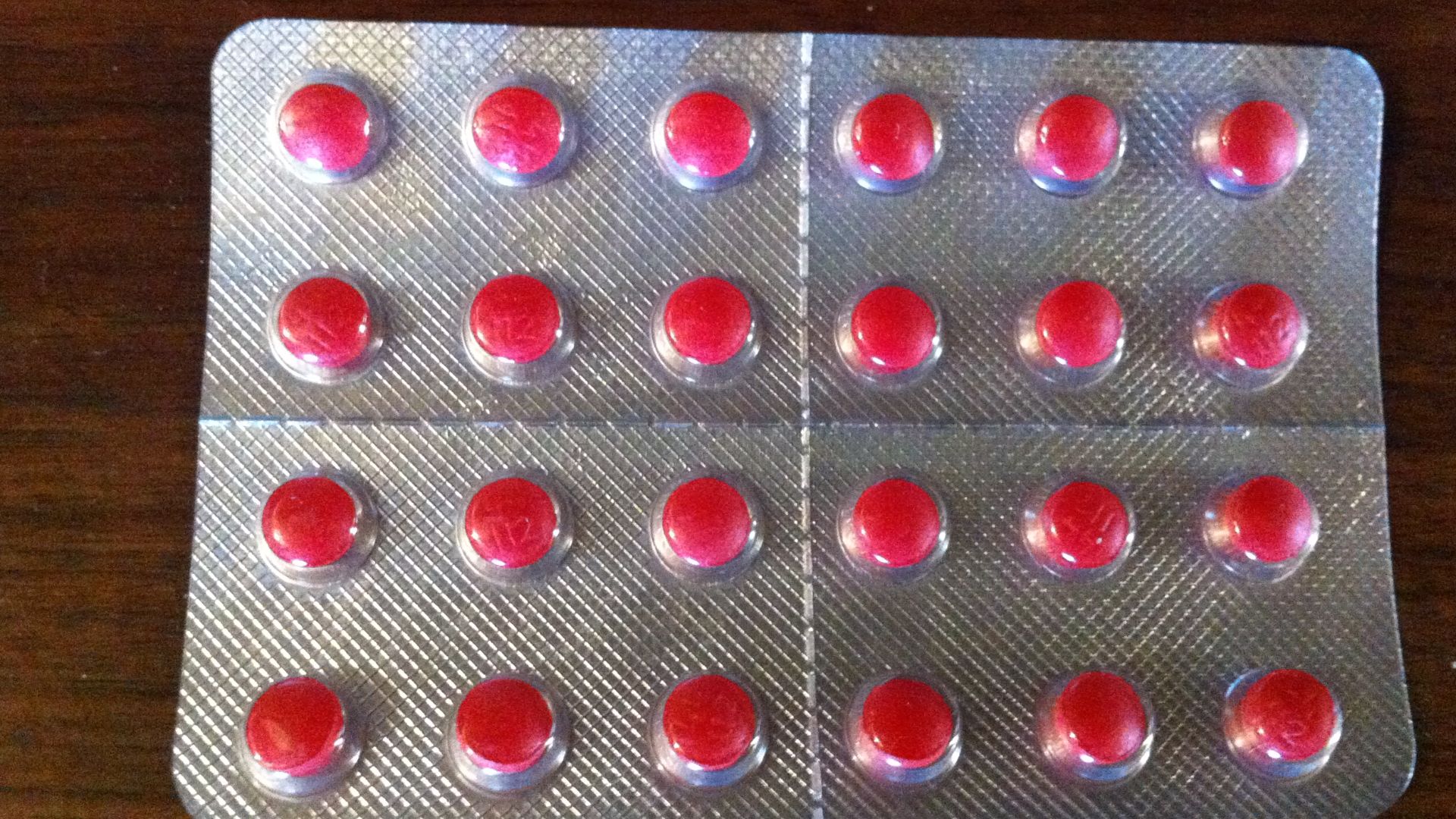
1989 price: $3.99 for 50 gelcaps | Today: Approximately $7–$13
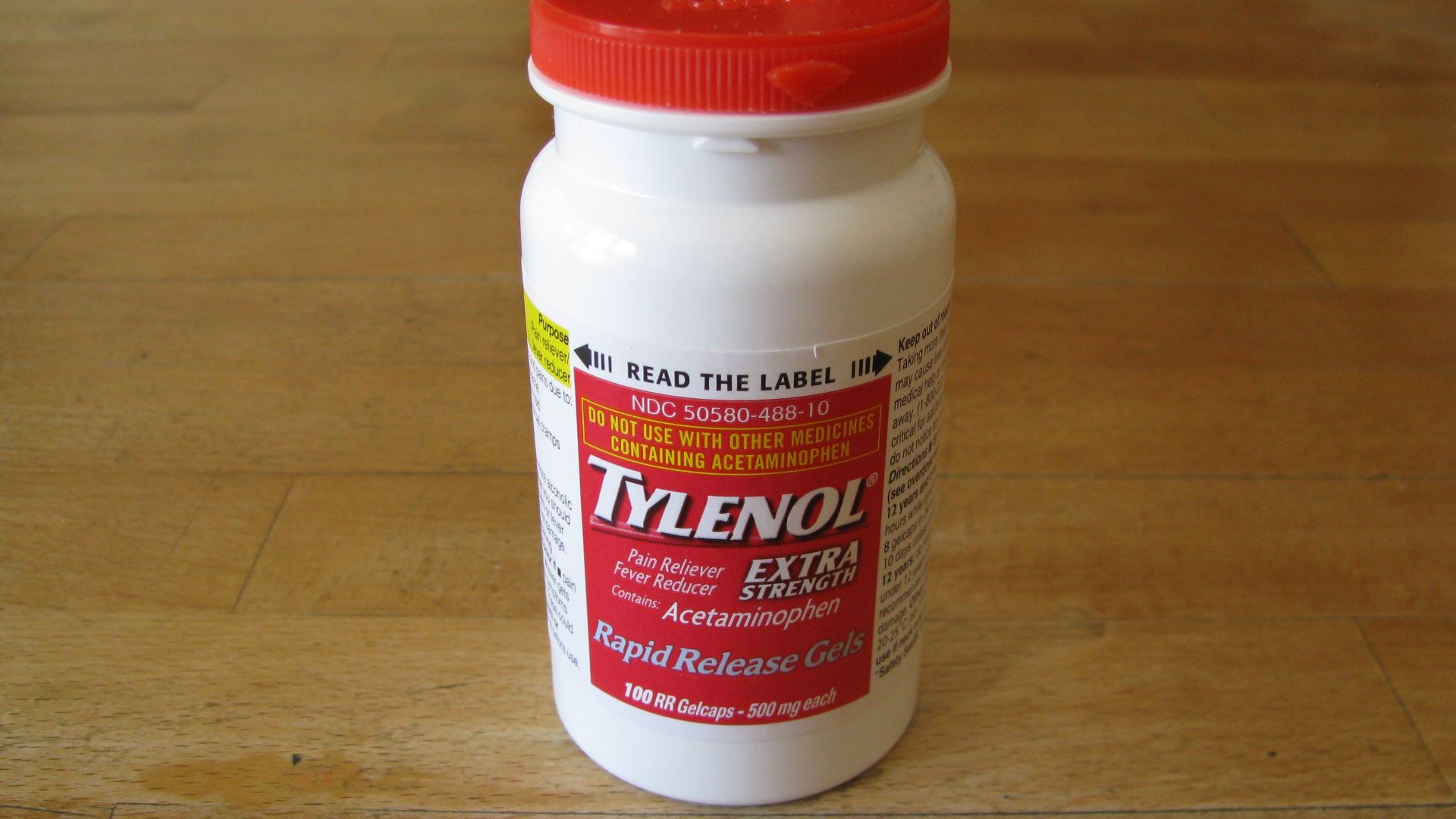
A 1989 price listing advertised 50 Tylenol gelcaps for $3.99. Today, comparable branded pain relievers can cost around $7 to $13, depending on formulation and package size. Generic alternatives are often cheaper, but familiar name brands can still be surprisingly expensive. Headaches were annoying enough in the 1980s without the medicine adding another reason to complain.
 Colin from Los Angeles, USA, Wikimedia Commons
#12. Cold Medicine
1989 price: $2.79 for 24 tablets | Today: Approximately $8–$14
In 1989, a 24-tablet package of Sudafed was advertised for $2.79. Today, comparable branded cold and congestion medicines can cost considerably more, although formulations and pharmacy rules have changed. Those familiar medicine-cabinet boxes were practically standard household equipment during flu season. The coughs sounded the same, but the drugstore receipt certainly doesn't.
 ParentingPatch, Wikimedia Commons
#11. Tea Bags
1988 price: $1.29 for 100 | Today: Approximately $5–$9
A 1988 price archive listed 100 Tetley tea bags for $1.29. Today, a comparable box of branded tea can cost $5 to $9, depending on the variety and store. For families who drank tea every morning or kept a pitcher of iced tea in the refrigerator, the difference adds up. At least the boiling water hasn't started charging admission.

#10. Chocolate Chip Cookies
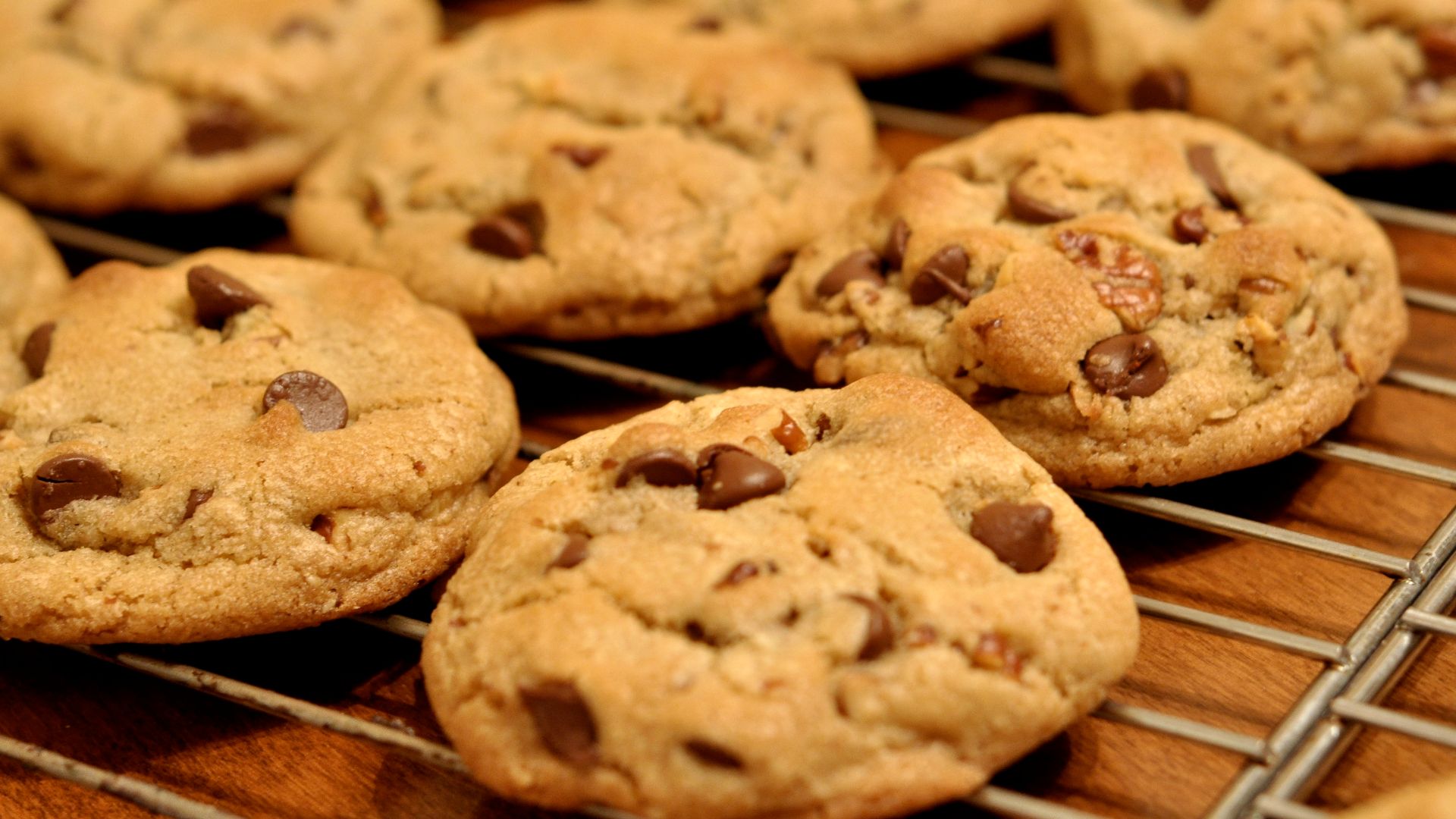
1983 price: 85 cents for a one-pound box | Today: Approximately $5–$9
A 1983 price listing offered a one-pound box of store-brand chocolate chip cookies for 85 cents. Today, a comparable amount of packaged cookies can cost $5 to $9, especially from recognizable brands. Back then, parents could buy cookies for the family without worrying too much about the price. The real concern was whether any would survive until tomorrow.
 Kimberly Vardeman from Lubbock, TX, USA, Wikimedia Commons
#9. Snack Crackers
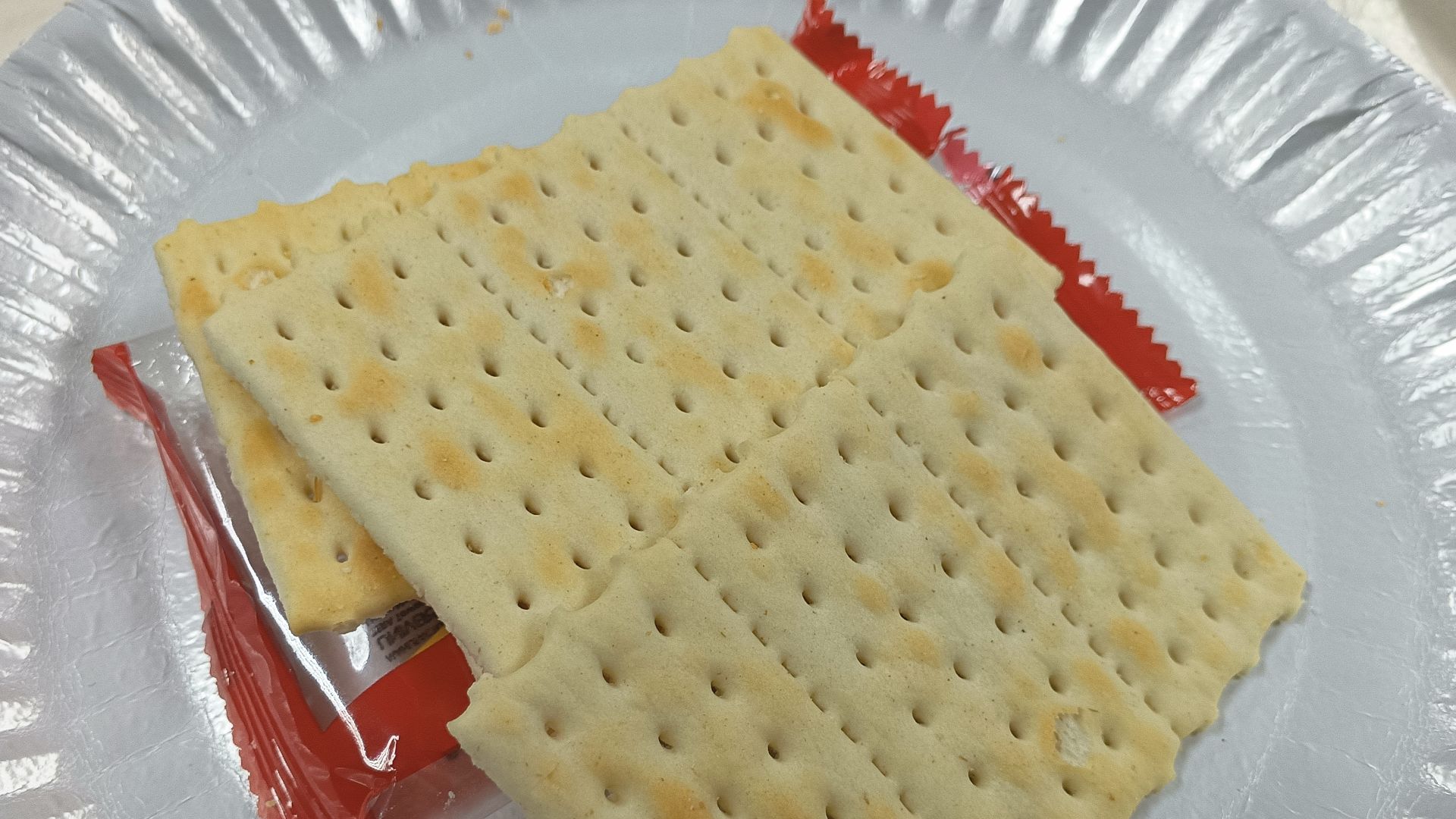
1983 price: 89 cents for 12 ounces | Today: Approximately $5–$8
A 12-ounce package of Keebler Town House crackers cost 89 cents in a 1983 price listing. Today, familiar branded crackers often cost $5 to $8 for a similar package, sometimes with less product inside. These were staples at family gatherings, usually surrounding a mysterious cheese ball nobody admitted to making.
#8. Chocolate Chips
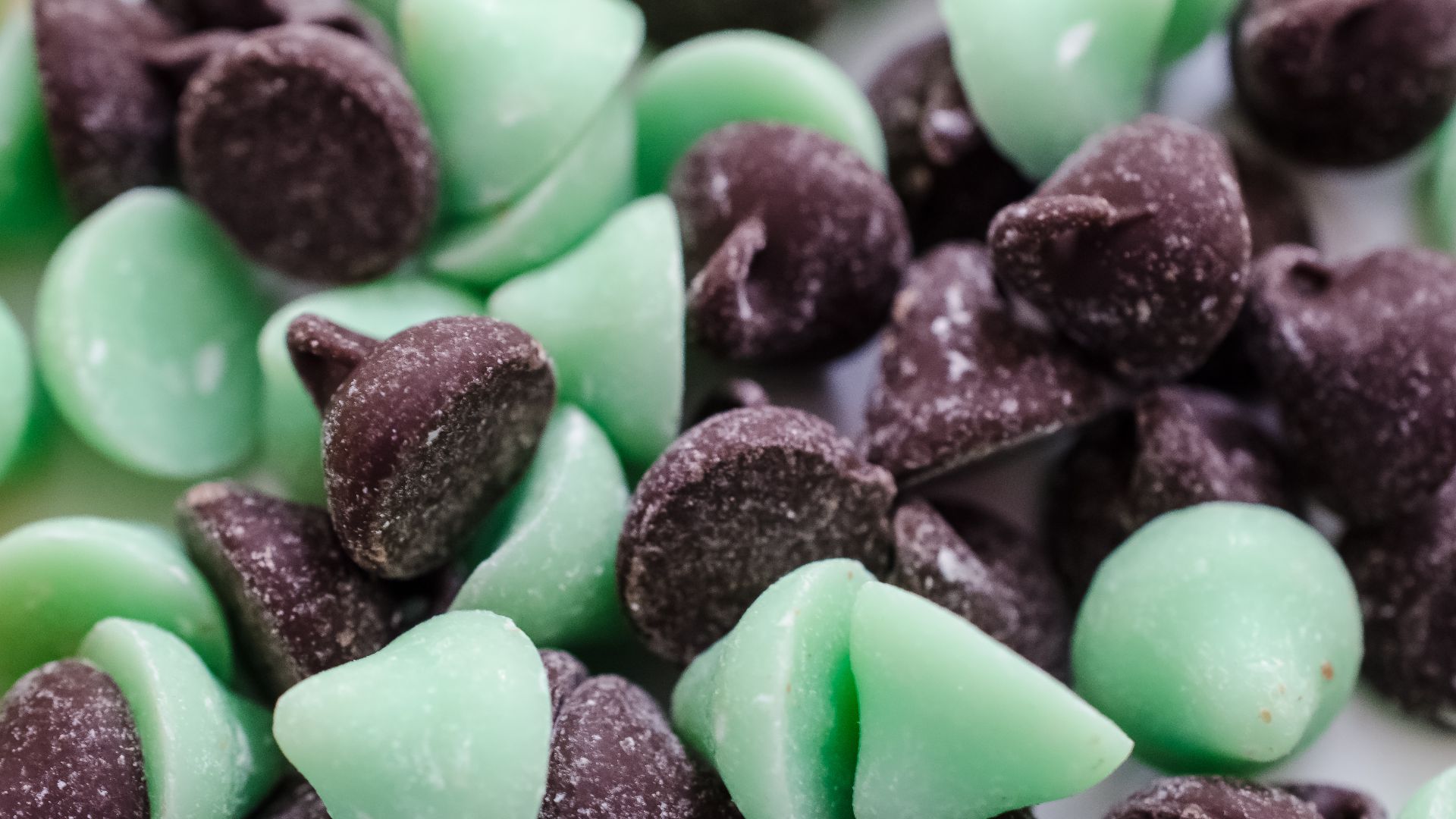
1986 price: $1.79 for 12 ounces | Today: Approximately $5–$9
A 12-ounce package of Nestlé chocolate chips was advertised for $1.79 in 1986. Today, comparable branded chocolate chips can cost $5 to $9, depending on the product and retailer. For families who baked cookies regularly, that makes a noticeable difference. Of course, some chocolate chips never reached the oven because someone kept sneaking handfuls from the bag.
#7. Orange Juice
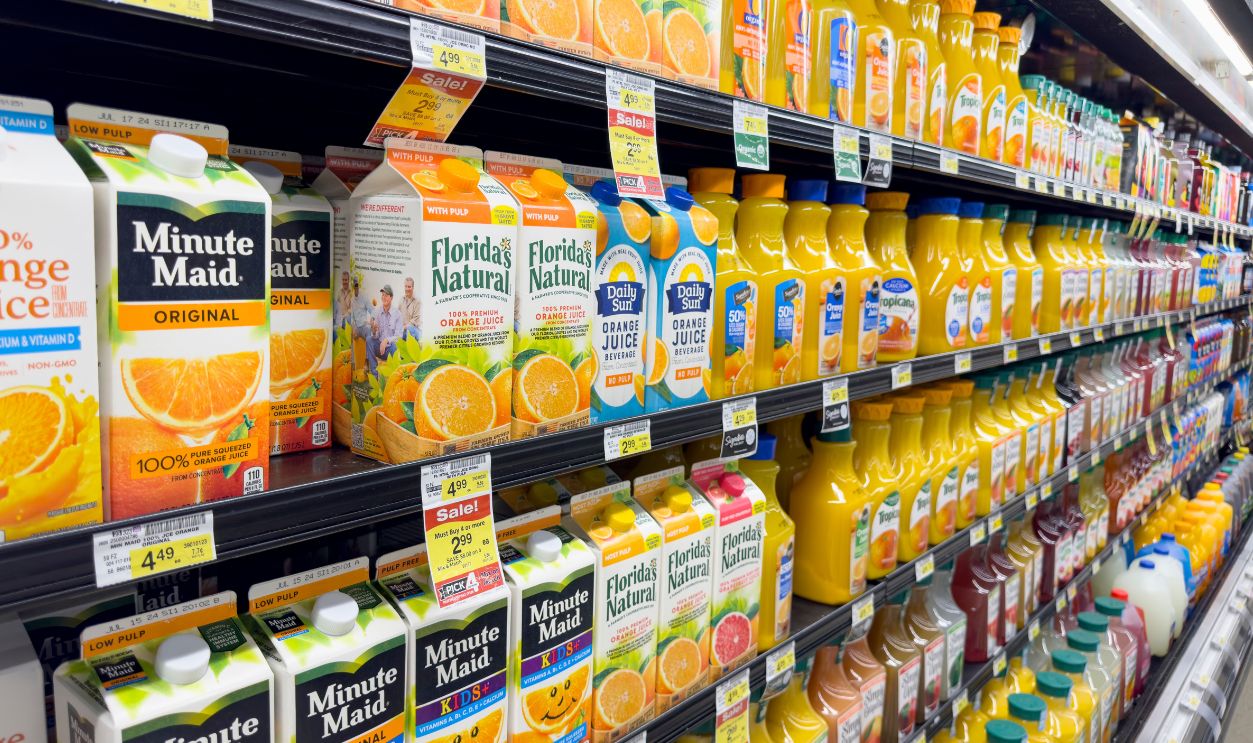
1989 price: $1.69 for 64 ounces | Today: Approximately $6–$10
A 64-ounce carton of Citrus Hill orange juice cost $1.69 in a 1989 price archive. Today, a comparable carton can sell for $6 to $10, especially when orange supplies are tight. Orange juice was practically a required part of breakfast in many 1980s commercials. Apparently, getting your daily dose of sunshine has become a little more expensive.
#6. Ice Cream
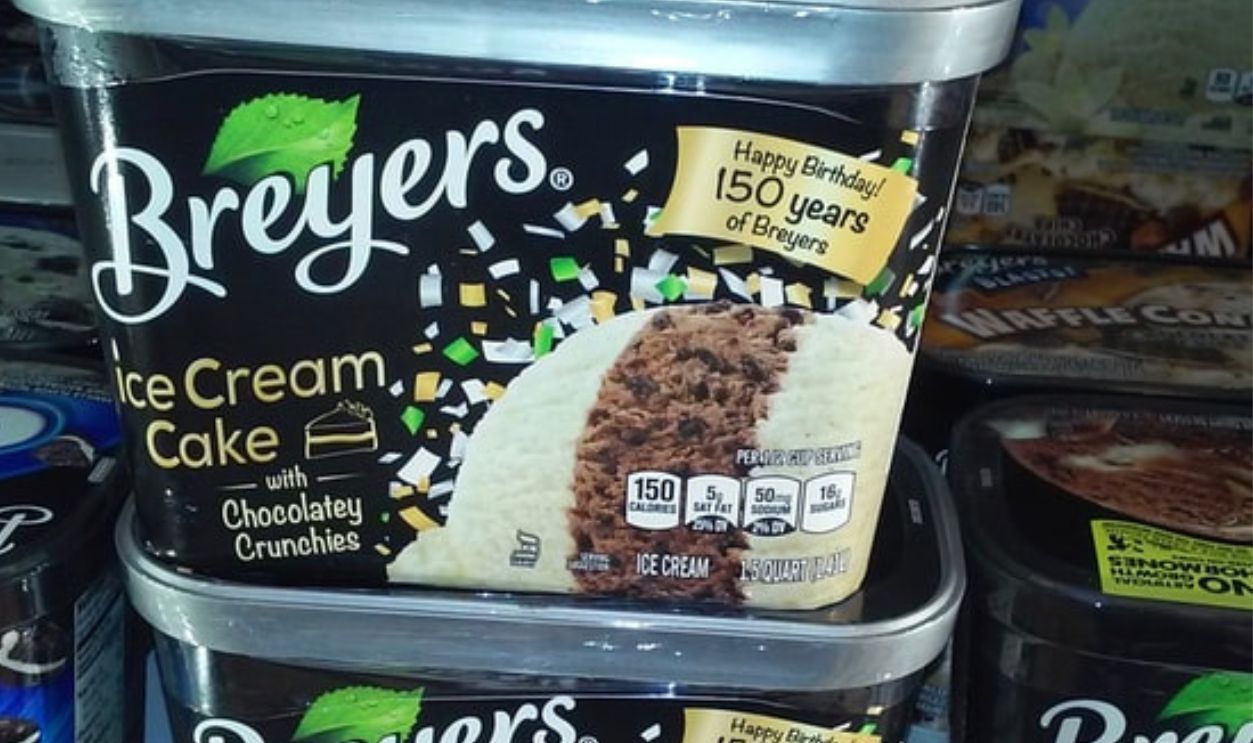
1986 price: $2.49 for half a gallon | Today: Approximately $6–$11
A true half-gallon container of Breyers ice cream was advertised for $2.49 in 1986. Today, many familiar ice cream brands cost $6 to $11, and some standard cartons contain less than the old 64-ounce half-gallon. That means families may be paying considerably more while receiving fewer scoops. The children of the 1980s would absolutely demand an explanation.
#5. Pistachios
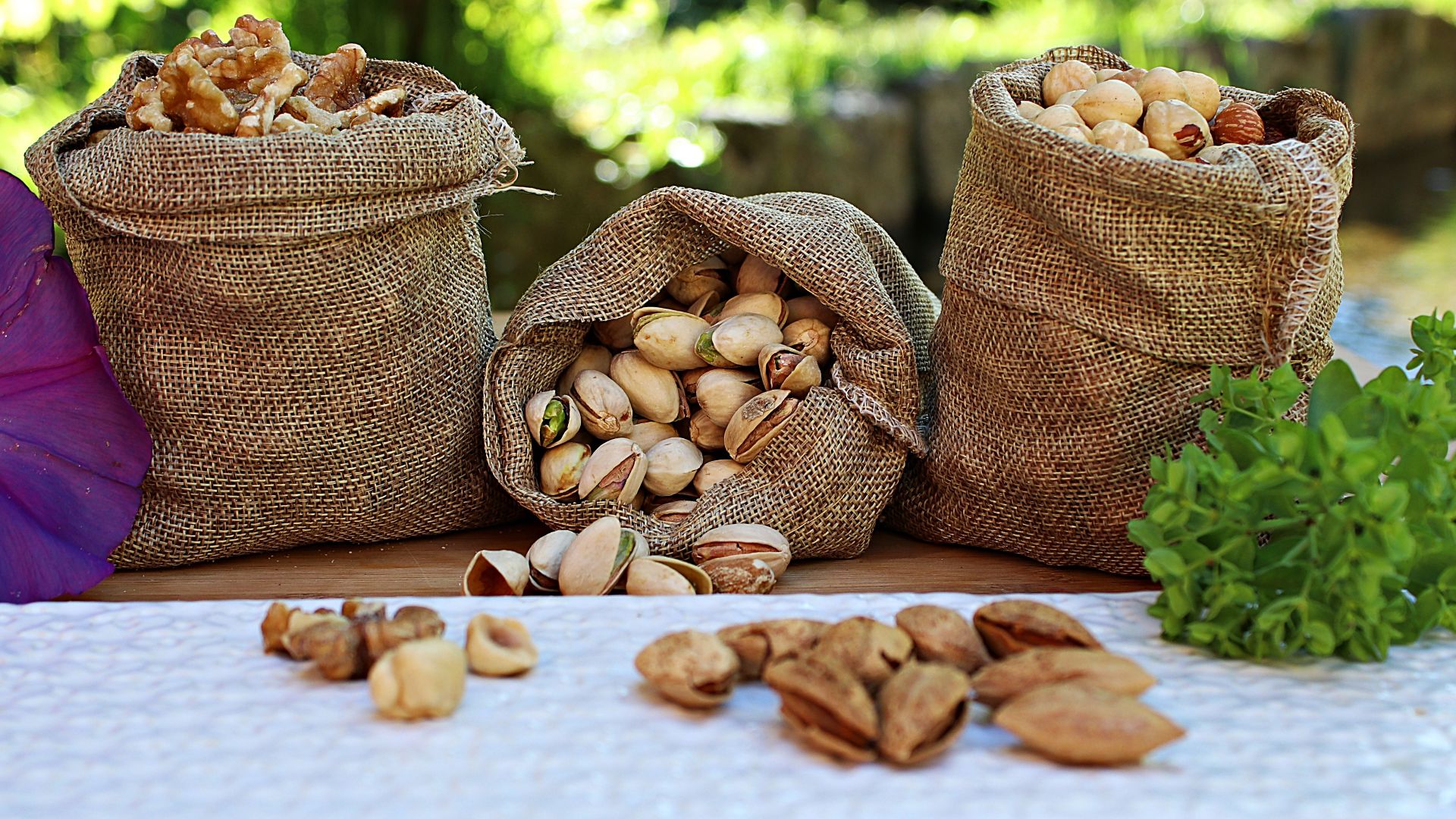
1986 price: $3.99 per pound | Today: Approximately $8–$15 per pound
Pistachios were not exactly the cheapest snack in the 1980s, but a 1986 price archive listed California pistachios at $3.99 per pound. Today, roasted pistachios commonly cost $8 to $15 per pound, especially in smaller bags. Remember when pistachios were sometimes sold with bright red shells? The nuts have changed their wardrobe, but the price has certainly moved upward.
#4. Six-Packs Of Soda
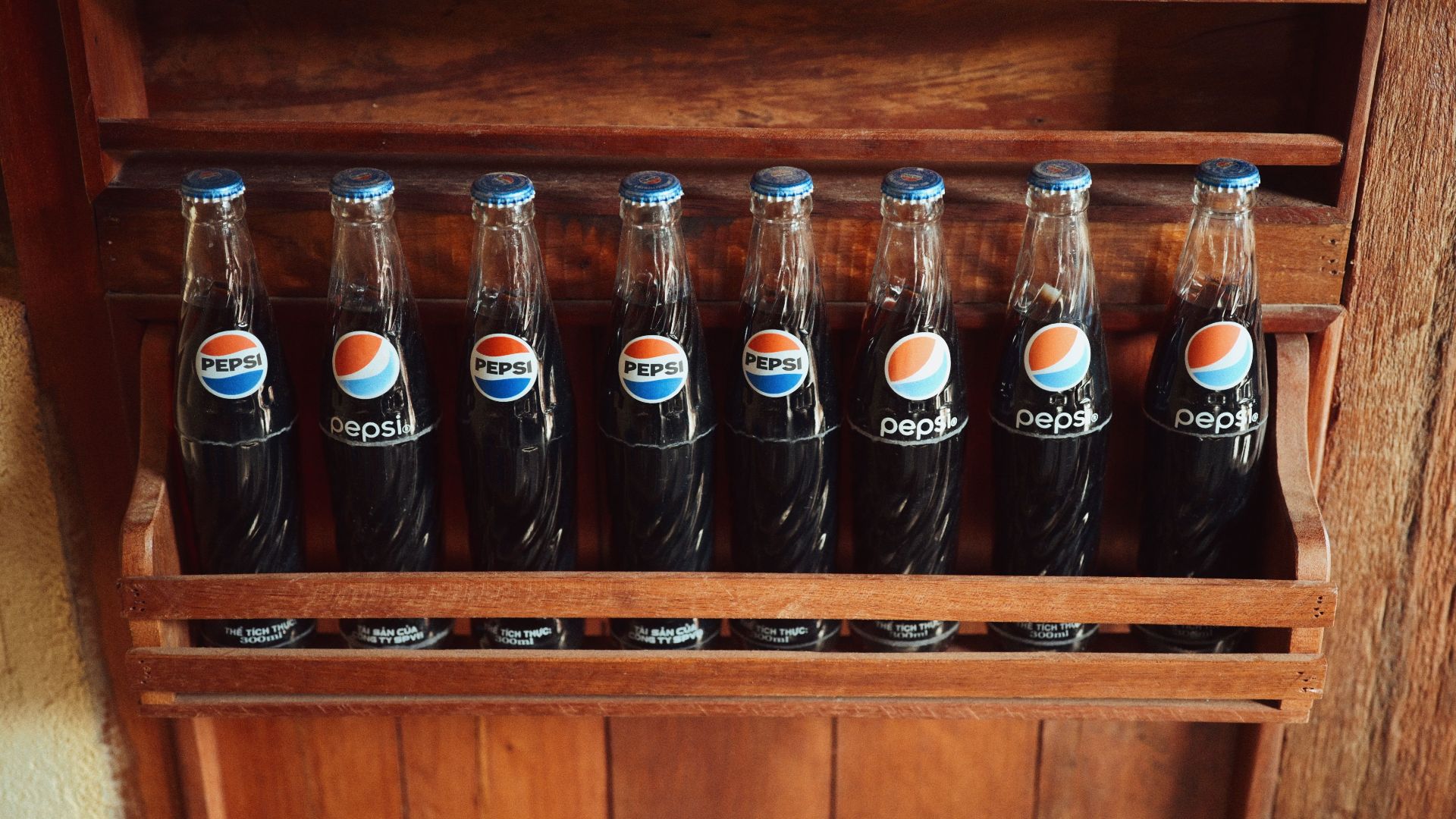
1983 price: $1.89 for six 12-ounce cans | Today: Approximately $6–$10
A six-pack of Pepsi cost $1.89 in a 1983 price listing. Today, regular supermarket prices for six-packs of familiar soda brands can reach $6 to $10, although promotions are often cheaper. That makes stocking the refrigerator for a family gathering considerably more expensive. And yes, there is still someone who takes the last cold soda without replacing it.
 🇻🇳🇻🇳 Việt Anh Nguyễn 🇻🇳🇻🇳, Pexels
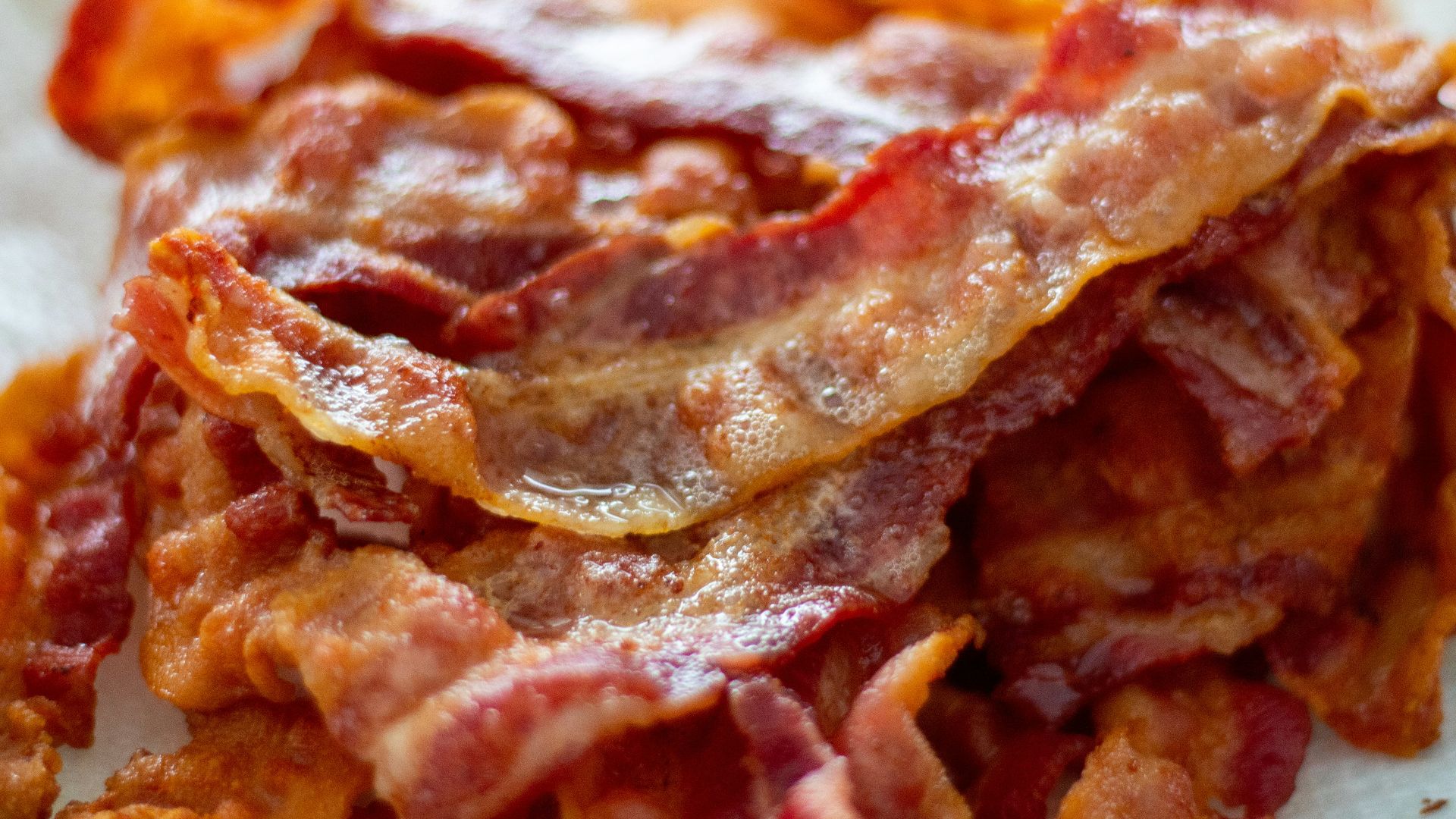
#3. Bacon
1983 price: 99 cents per pound | Today: Approximately $6–$10 per pound
A 1983 price archive listed a pound of Armour bacon for just 99 cents. Today, a pound of bacon commonly costs $6 to $10, depending on the cut, brand, and store. That's a substantial jump for a breakfast staple. Older Americans might remember when cooking an entire package of bacon on Sunday morning didn't feel like a financial decision.
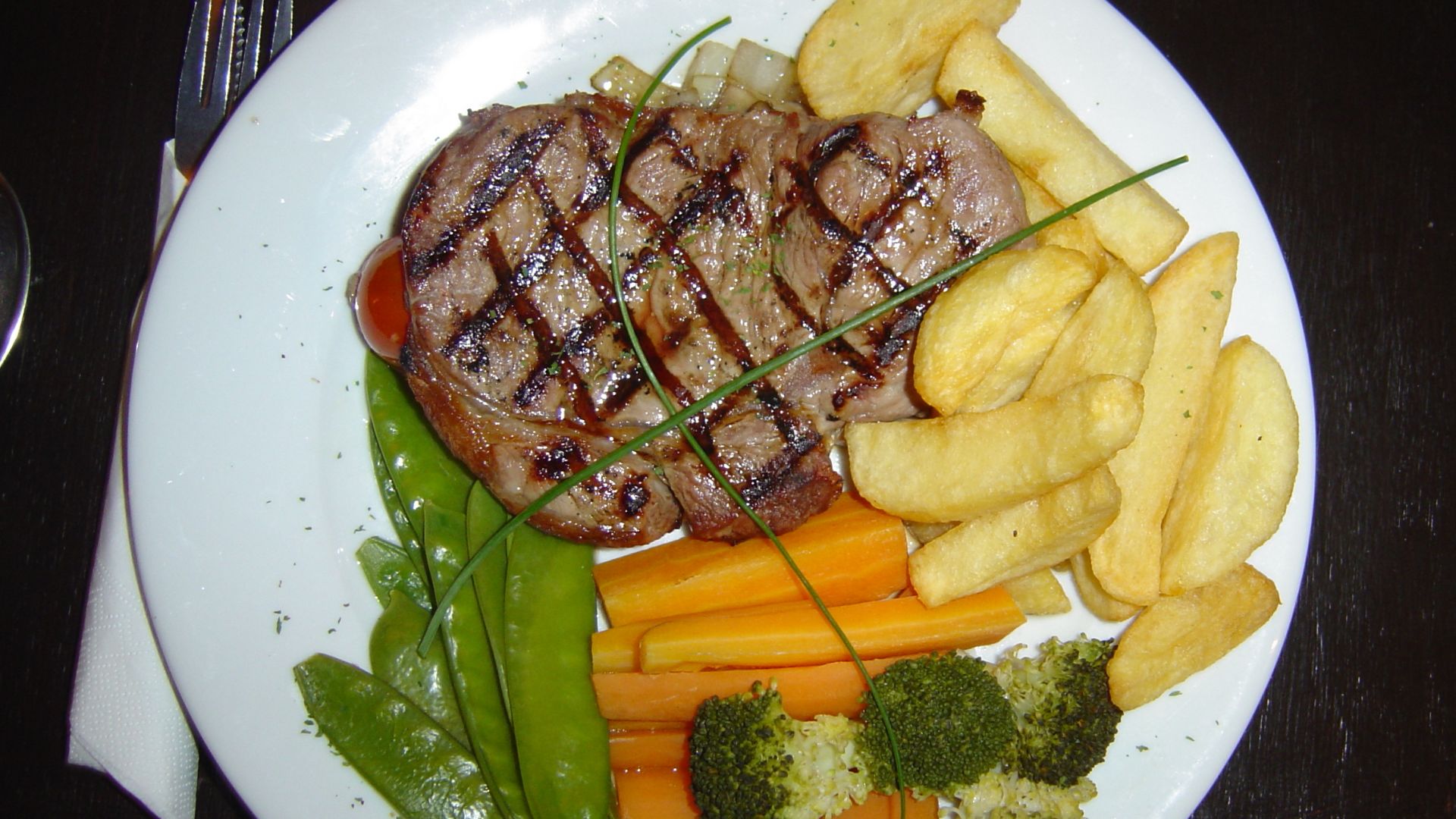
#2. Sirloin Steak
1983 price: $2.19 per pound | Today: Approximately $12–$20 per pound
A 1983 New Jersey price listing advertised sirloin steak for $2.19 per pound. Today, sirloin commonly costs around $12 to $20 per pound, depending on the cut and retailer. For families who remember regular backyard steak dinners, that difference is hard to ignore. What used to be a normal Saturday barbecue can now feel more like a special-occasion splurge.
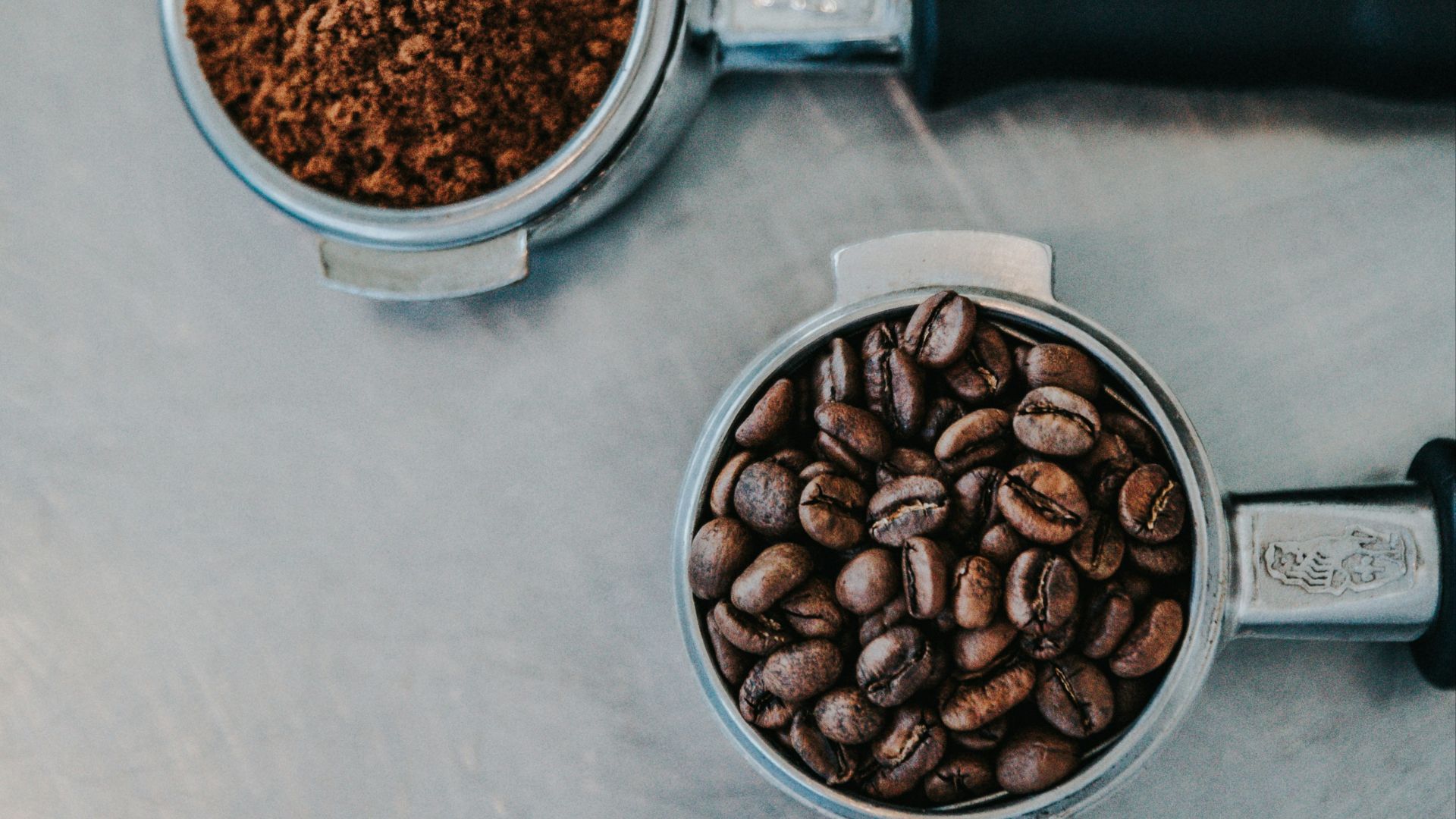
#1. Ground Coffee
1983 price: $1.99 for a one-pound can | Today: Approximately $9–$18 per pound
Here's a price increase that hits Americans before they're even fully awake. In 1983, a one-pound can of Martinson coffee was advertised for $1.99. Today, comparable branded ground coffee can cost roughly $9 to $18 per pound, with many containers now smaller than the old 16-ounce standard.
For households that went through several cans a month, the difference can add up quickly. In the 1980s, that familiar metal coffee can was practically a kitchen fixture, often reused for storing nails, screws, or loose change. Today, the coffee itself can feel like the luxury item.
You May Also Like:
Common New Restaurant Fees That Make Your Final Bill Look Nothing Like The Menu Price
These Everyday Grocery Store Products Got Hit By “Shrinkflation”—Which Ones Have You Noticed?