Nobody Mentioned The Taxes Would Jump This Much
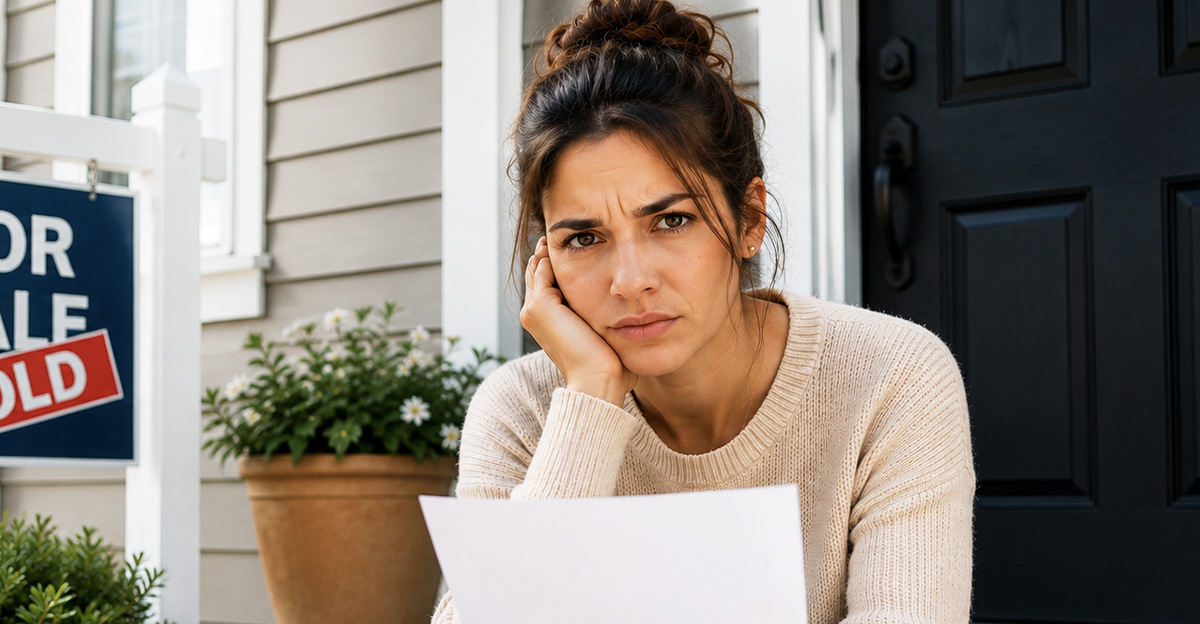
Nothing makes a new homeowner panic faster than realizing the house may cost far more than expected every single month. A lot of buyers rely heavily on property tax estimates provided during the home-buying process, only to discover later that those numbers were outdated, incomplete, or based on the previous owner’s lower assessment. The good news is that while you may not be able to erase the taxes entirely, there are still ways to challenge the assessment and reduce the financial damage.
Property Taxes Often Change After A Home Sale
A lot of buyers assume the previous owner’s property tax bill will remain roughly the same after they purchase the house. In many areas, that’s not how the system works. A home sale itself can trigger a reassessment, causing the property’s taxable value to jump much closer to current market prices.

The Previous Owner’s Tax Bill Can Be Misleading
This is one of the biggest causes of confusion for homebuyers. The seller may have owned the home for many years while benefiting from older assessments, exemptions, or capped increases. Once the property changes hands, many jurisdictions reassess the home at a much higher value tied more closely to the recent sale price.

New Construction Homes Create Especially Big Surprises
New builds are notorious for property tax shocks. In some cases, the original tax estimate only reflects the value of the undeveloped land rather than the fully completed house. Then, after reassessment, homeowners suddenly face dramatically higher bills once the finished property is fully valued by local tax authorities.

Real Estate Agents Sometimes Give Only Rough Estimates
Many agents provide estimated tax numbers based on publicly available records or prior bills, but those figures are not always guarantees of future taxes. In fast-rising housing markets, reassessments can quickly make older numbers outdated.

That Doesn’t Always Mean The Agent Lied
This part matters because buyers often immediately assume fraud or negligence. Sometimes the agent genuinely relied on the existing public tax records without realizing reassessment would dramatically increase the bill later. Miscommunication is common in these situations, especially for first-time buyers unfamiliar with how reassessments work.

But Sometimes Buyers Are Misled
There are situations where buyers claim they were given unrealistically low estimates that ignored likely reassessments or omitted supplemental taxes entirely. If someone knowingly provided inaccurate information to make the property appear more affordable, that can potentially become a much more serious issue.

Supplemental Tax Bills Catch People Off Guard Too
In some areas, homeowners may receive supplemental or omitted tax bills after purchase. These are additional charges tied to reassessments, renovations, or newly completed construction projects. Many buyers don’t even realize these extra bills exist until they suddenly appear months after closing.

Renovations Can Trigger Higher Taxes As Well
Even after purchase, certain home improvements may trigger reassessments that increase taxes further. Large additions, finished basements, structural upgrades, or major renovations often alert assessors that the property’s value has increased significantly.

Confirm Whether The Assessment Is Actually Correct
Before panicking, carefully review the assessment details. Mistakes happen more often than people realize. Incorrect square footage, missing exemptions, wrong lot information, or inaccurate property classifications can all inflate your tax bill unnecessarily.

Compare Your Assessment To Similar Homes Nearby
One of the best ways to evaluate whether your taxes seem reasonable is comparing your assessed value with nearby comparable properties. If similar homes are assessed significantly lower, that may strengthen your argument for an appeal.

Most Areas Have A Formal Appeal Process
This surprises many homeowners. Property tax assessments are not always final and unquestionable. Many municipalities allow homeowners to challenge assessments through formal review or appeal systems if they believe the valuation is inaccurate.

Deadlines Matter A Lot
Property tax appeals often have strict filing deadlines. Waiting too long can eliminate your ability to challenge the current year’s assessment, even if the valuation later proves excessive.

Winning An Appeal Usually Requires Evidence
Simply saying the taxes feel unfair usually isn’t enough. Successful appeals often rely on supporting evidence like comparable home sales, independent appraisals, property condition issues, or documentation showing errors in the assessor’s records.

Exemptions May Help Lower The Bill
Depending on where you live, you may qualify for homestead exemptions, senior exemptions, disability reductions, veteran benefits, or other local tax relief programs. Many homeowners accidentally miss out simply because they never apply.

Mortgage Payments Can Suddenly Increase Too
A higher tax bill often creates another painful surprise: your monthly mortgage payment may rise as well. If your lender escrows taxes, shortages in the escrow account can trigger significantly higher monthly payments going forward.

Unfortunately, Escrow Estimates Aren’t Always Accurate
Mortgage lenders sometimes base initial escrow calculations on outdated tax amounts from previous owners. Once reassessments occur, the lender recalculates the escrow requirement and homeowners suddenly face large increases they weren’t financially prepared for.

Buyers Often Focus Too Much On The Mortgage Alone
A lot of people shop for homes based primarily on mortgage affordability without fully understanding how taxes, insurance, HOA fees, and reassessments affect the true monthly cost of ownership.

Some States Limit Reassessment Increases More Than Others
Property tax systems vary dramatically depending on location. Certain states cap annual increases or offer stronger homeowner protections, while others reassess more aggressively after purchases or renovations. Local rules matter enormously.

You May Want To Speak With A Real Estate Attorney
If you genuinely believe someone materially misrepresented the taxes during the transaction, consulting a real estate attorney may help clarify whether you have any legal recourse. That doesn’t automatically mean you have a strong case, but it may help you understand your options more clearly.

Unfortunately, Higher Taxes Usually Don’t Undo The Sale
This is the part many frustrated buyers struggle with emotionally. Even if the taxes are far higher than expected, that alone usually doesn’t allow someone to simply cancel the home purchase retroactively.
Property Taxes Have Been Rising In Many Areas Generally
This problem is becoming more common because rising home values are pushing assessments higher across many cities and suburbs. Even longtime homeowners are facing growing tax burdens in some regions.

So What Should You Do Right Now?
Start by carefully reviewing your assessment notice and comparing it against similar nearby homes. Check whether you qualify for exemptions or appeal rights, and gather documentation if you believe the assessment is inaccurate. If you suspect you were materially misled during the home-buying process, speaking with a local real estate attorney may also help clarify your options.
Final Thoughts
Discovering that your property taxes are dramatically higher than expected can feel financially devastating, especially right after buying a home. In many cases, reassessments after sales or new construction are completely legal and relatively common. But that doesn’t mean you’re powerless. Between appeals, exemptions, escrow adjustments, and legal consultations, there may still be ways to reduce the damage or better understand what happened. The important thing now is figuring out whether the taxes are accurate, not simply assuming the bill is untouchable.

You May Also Like: