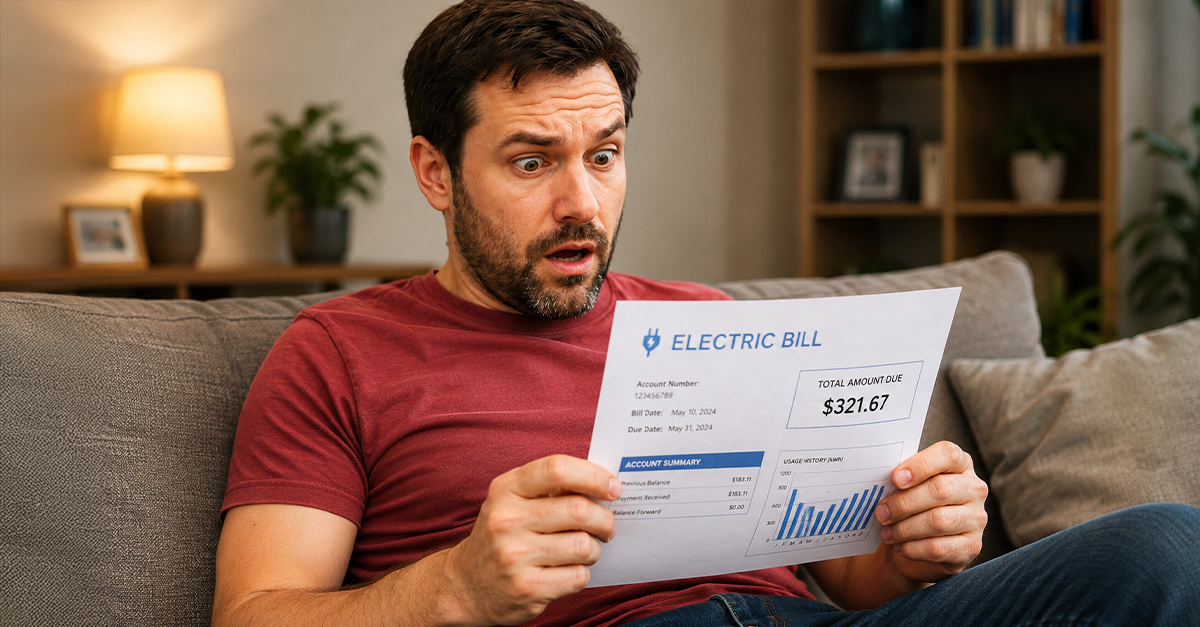
A Confusing And Frustrating Bill Increase
You opened your latest utility bill only to find a sharp rate increase and no clear explanation as to why. The only note to that effect is a vague “delivery adjustment,” which tells you next to nothing useful. Now you’re left grumbling and wondering if you really have to pay a charge that no one seems able to justify.
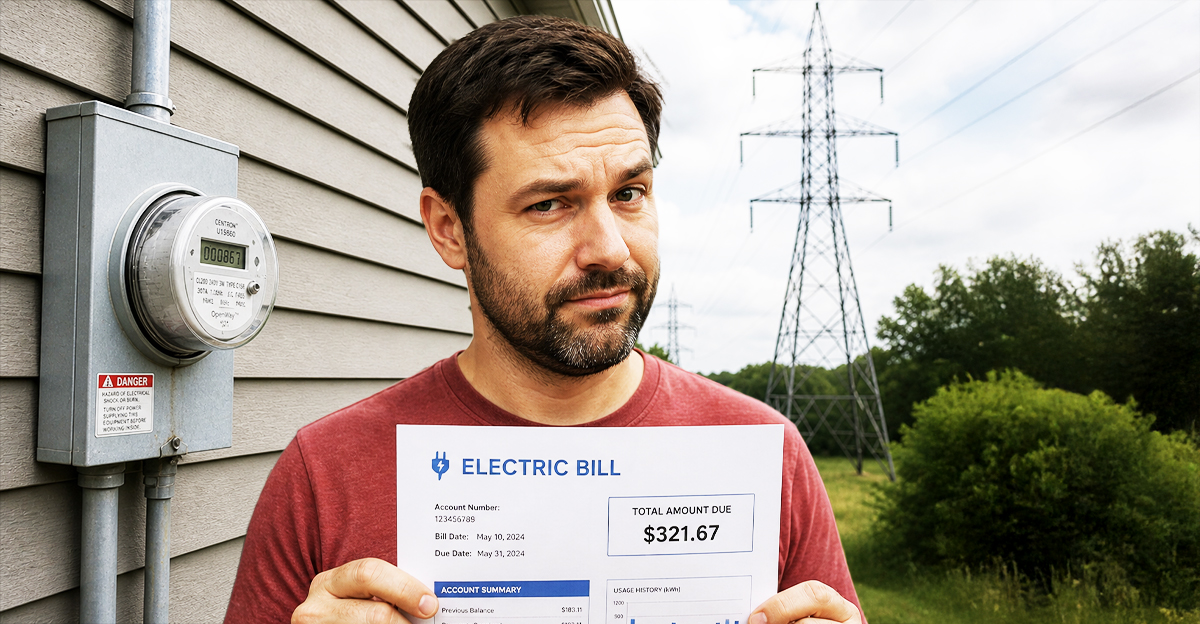
What A Delivery Adjustment Usually Means
A delivery adjustment often refers to the cost of transporting electricity or gas through infrastructure. Utilities sometimes pass along changes in maintenance, fuel, or grid costs. The problem is that these charges are often bundled and poorly explained.
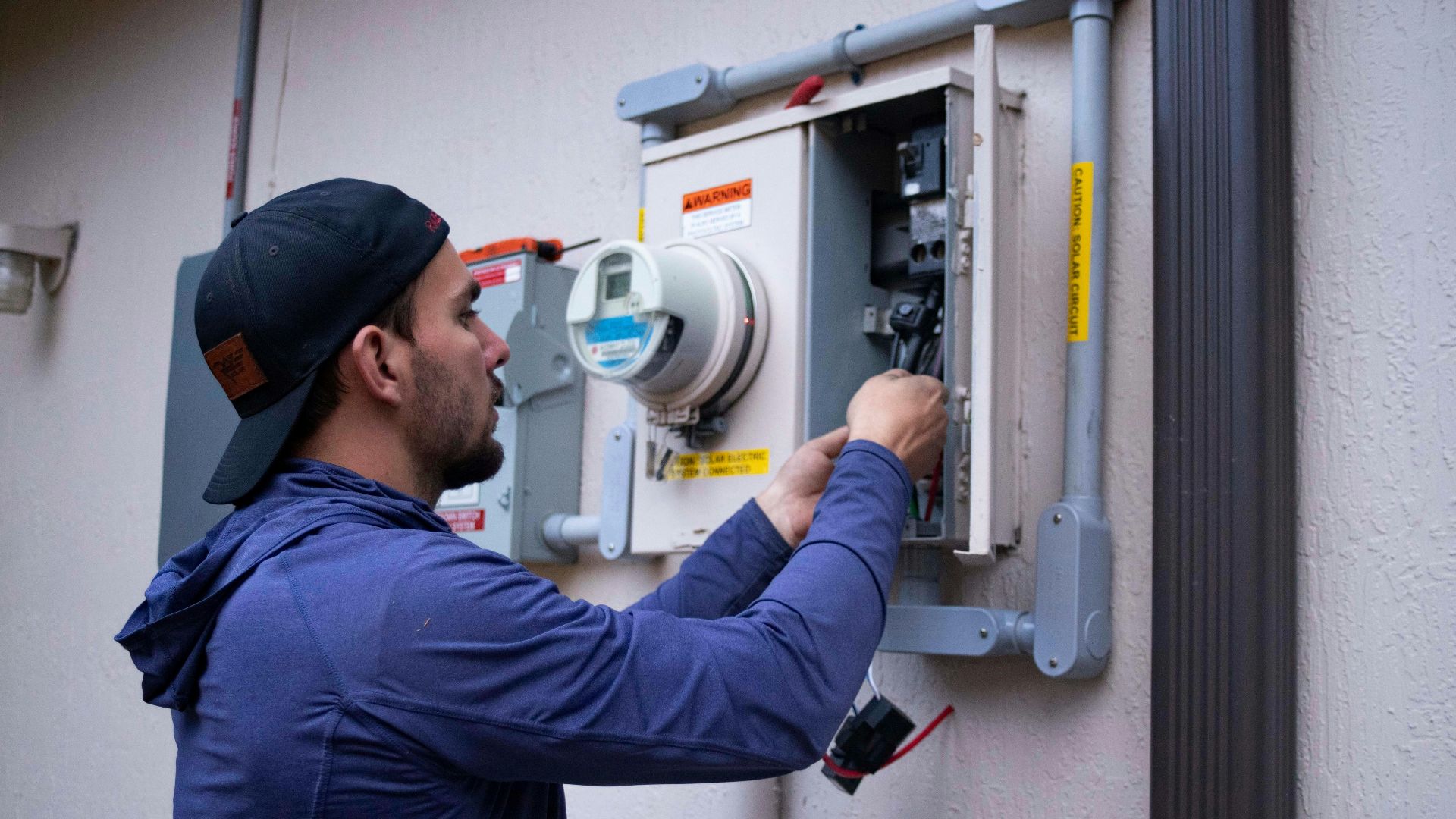
Utilities Are Allowed To Adjust Rates
Utility companies are typically regulated, but are still permitted to change certain charges. Many adjustments are pre-approved by regulators and can fluctuate from one month to the next. That means your bill can go up even if your usage stays exactly the same.
 Joao paulo m ramos paulo, Unsplash
Regulation Doesn’t Mean Full Transparency
Even regulated utilities don’t always provide detailed line-by-line explanations of charges. As long as the charges fall within approved rate structures, they may not be required to justify each increase in plain language on your bill.

You’re Still Obligated To Pay
In most cases, you are required to pay the bill to avoid penalties or service interruption. Disputing a charge doesn’t automatically pause your obligation. However, you can often pay under protest while seeking clarification or correction.

Ask For A Detailed Breakdown
Your first move should be to contact the utility and ask for a full breakdown of the charges. Request written documentation explaining the delivery adjustment and how it was calculated. This creates a record if you need to escalate matters later.

Compare Your Past Bills
Look at your bills from previous months or the same time last year. Identify patterns in delivery charges and usage. If the increase is unusual or inconsistent, it strengthens your case for further investigation.

Check For Seasonal Or Rate Changes
Utilities often adjust rates based on season, demand, or regulatory updates. Higher winter heating demand or summer cooling demand can trigger delivery cost increases. Sometimes these changes are announced but easy to miss.

Confirm Your Meter Reading
Errors happen more often than people think. Ask whether your bill was based on an actual meter reading or an estimate. Estimated readings can lead to sudden spikes that later get corrected, but only if you catch them.

Ask About Budget Billing Options
If the spike is legitimate but difficult to cover in the short term, ask about budget billing programs. These spread your annual costs into predictable monthly payments, helping you avoid sudden shocks when rates fluctuate like this.

Look For Hidden Fees Or Riders
Bills often include riders, surcharges, or regulatory fees that aren’t clearly explained. These can add up quickly. Ask specifically whether any temporary surcharges or cost recovery fees were applied during the billing period.

File A Formal Complaint If Needed
If the utility cannot explain the charge clearly, consider filing a complaint with your state or provincial utility regulator. These agencies oversee billing practices and can require the company to provide justification.

Know Your Consumer Rights
Most jurisdictions require utilities to provide accurate billing and respond to disputes. While they can adjust rates, they still have to follow approved rules. You have the right to question charges and receive a timely response.

Avoid Letting The Bill Go Unpaid
Even if you dispute the charge, ignoring the bill can lead to late fees or disconnection. If possible, pay the undisputed portion and clearly document any contested amount when you communicate with the utility.

Consider An Energy Audit
If your usage has gone up without you realizing it, an energy audit can help pinpoint the cause. Inefficient appliances, poor insulation, or hidden electrical issues can quietly drive up your bill.

Reduce Usage Wherever Possible
Simple steps can help lower future bills. Adjust your thermostat, unplug unused devices, and switch to energy-efficient lighting. Even small changes can offset increases in delivery or service charges over time.

Watch For Appliance Issues
A malfunctioning appliance can draw far more energy than expected. Water heaters, HVAC systems, and refrigerators are common culprits in these kinds of situations. If your usage suddenly spikes, it may be worth having these checked out.

Track Your Usage Monthly
Start monitoring your energy usage more closely. Many utilities offer online dashboards that show daily or hourly consumption. This can help you quickly spot unusual spikes and take action sooner.

Negotiate Or Ask About Assistance Programs
Some utilities offer hardship programs, rebates, or discounts for eligible customers. If the higher bill creates financial strain, ask what kind of options are available to reduce or defer your payments.

Escalate If Answers Remain Vague
If customer service can’t provide you with a clear explanation, escalate your inquiry. Ask to speak with a supervisor or billing specialist. Persistent follow-up often leads to more detailed answers than the initial response.

When Legal Action Might Be Considered
In rare cases, unresolved disputes may lead to legal action or formal hearings through a regulator. This should normally be used only as a last resort, but it can be appropriate if significant charges remain unexplained or disputed.

Stay Proactive Going Forward
The key is staying informed and engaged with your utility account. By reviewing bills carefully, asking questions early, and managing usage, you can reduce surprises and maintain control over your monthly expenses.

You May Also Like: