
The Building Came With A Past And A Bill
An inherited landmark may feel priceless until the first repair estimate arrives. The good news is that one frightening number usually doesn’t tell the whole story. Preservation rules, safety codes, tax-credit standards, and voluntary restrictions are separate systems, so your first job is to figure out which ones actually apply.
Find Out What Is Actually Protected
Start by confirming the building’s exact legal status. It might be individually designated, part of a historic district, listed only at the state or national level, covered by a preservation easement, or subject to conditions from an earlier grant. Ask the local planning office for the designation report, district map, applicable ordinance, design guidelines, and a written explanation of which features are regulated. Don’t assume that every old window, interior wall, or outbuilding carries the same level of protection.
National Listing And Local Control Aren’t The Same
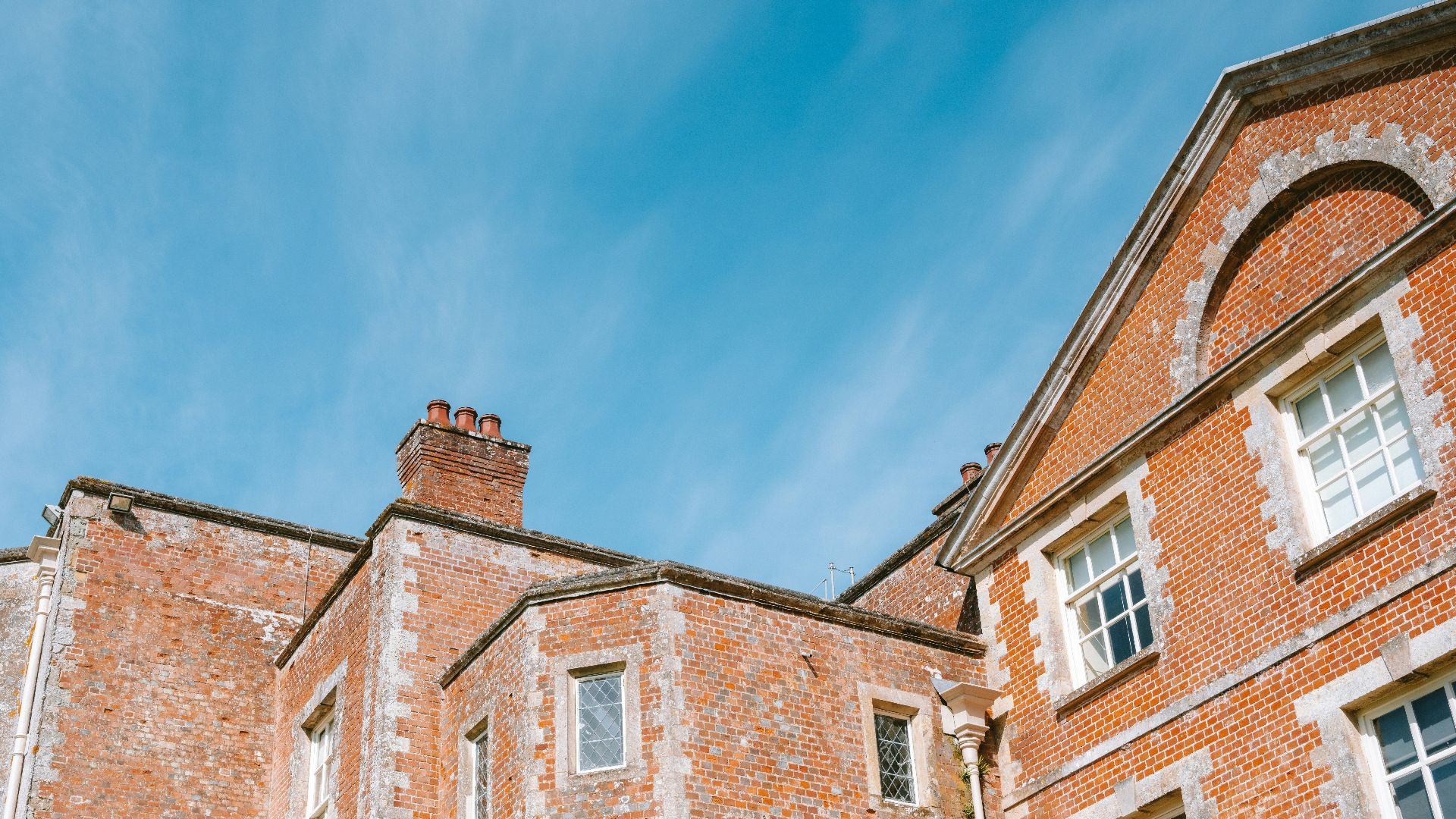
In the United States, National Register listing by itself generally doesn’t prevent a private owner from altering a property when no federal funding, permit, or license is involved. Local landmark laws are often the rules that directly control exterior alterations, demolition, and sometimes designated interiors. That distinction matters because you may be budgeting around requirements that don’t actually apply to your project. Confirm the source of every claimed obligation before accepting the cost.

Pause The Work And Document Everything
Unless there’s an immediate safety emergency, don’t authorize demolition, window removal, masonry cleaning, or other irreversible work until the review process is clear. Photograph every elevation, room, damaged area, and architectural feature before anything changes. Federal tax-credit applications require detailed photographs of conditions before and after rehabilitation, and incomplete documentation can prevent certification. Keep dated estimates, inspection reports, approvals, invoices, and correspondence in one project file.

Talk To The Reviewers Before The Contractors
Call the local preservation planner, building official, and State Historic Preservation Office early. SHPO staff can confirm listings, explain appropriate treatments, provide tax-credit guidance, and sometimes review a property on site. An early conversation may reveal that a less expensive repair method is acceptable or that part of the proposed work doesn’t require preservation review. Get important guidance in writing so everyone is working from the same interpretation.

Buy A Diagnosis Before Buying A Restoration
A broad estimate to “restore the whole building” isn’t a useful starting point. Hire a preservation architect, engineer, or qualified building conservator to identify the structure’s condition, significant features, urgent risks, and realistic treatment options. A historic structure report can guide scope, budget, scheduling, and future maintenance, but the National Park Service notes that not every property needs a massive study. A limited condition assessment may be enough for a smaller or more straightforward project.

Stabilize The Building Before Chasing Finishes
A decorative restoration won’t matter if the roof is leaking or the structure is moving. Put immediate safety hazards, failing roofs, open windows, drainage problems, and loose exterior materials ahead of cosmetic work. Regular inspection and maintenance generally cost less than waiting until historic components require complete replacement. Ask the reviewing authority whether temporary stabilization can be approved separately from the larger project.
Preservation Doesn’t Mean Re-Creating Everything
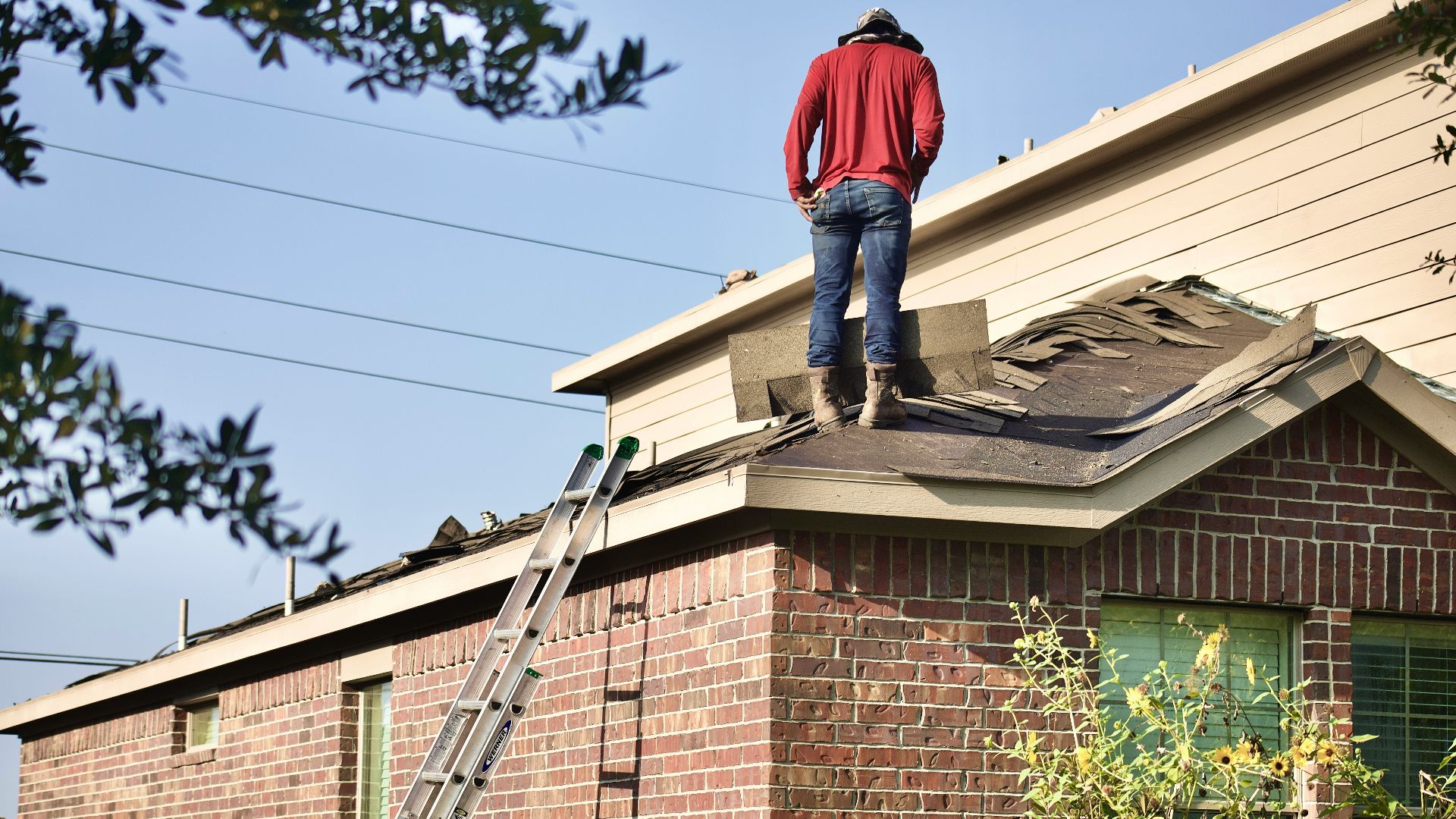
Rehabilitation and restoration aren’t the same thing. Under the federal Standards for Rehabilitation, owners aren’t automatically required to reconstruct missing features, remove every later addition, or reverse every insensitive alteration. The overall project must remain consistent with the building’s historic character, but some spaces and features carry more significance than others. That flexibility can keep you from spending money on work that isn’t necessary.
Repair May Beat Replacement
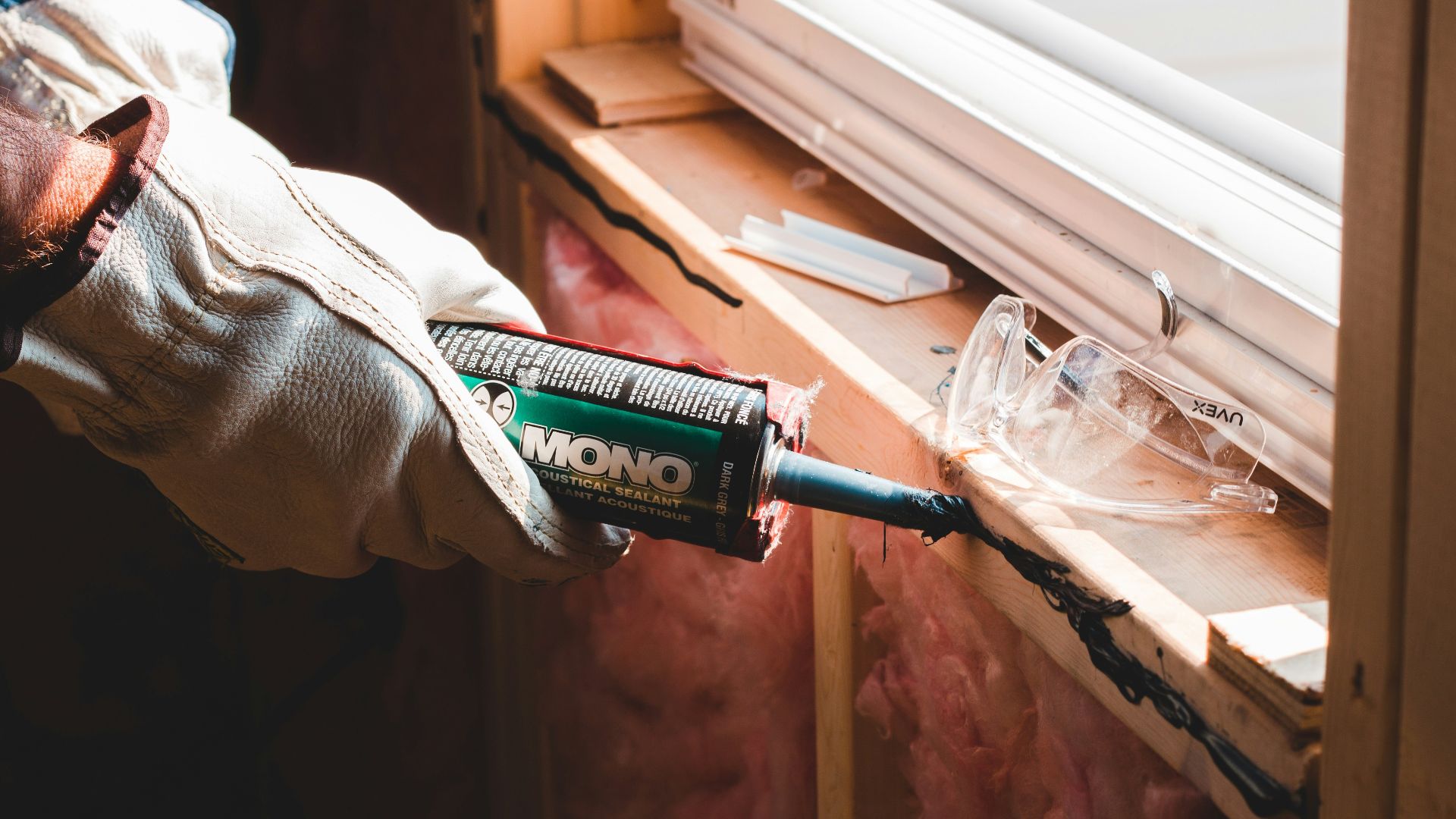
The Secretary of the Interior’s Standards generally favor repairing deteriorated historic features instead of replacing them. When replacement is truly necessary, the new work should match the original feature’s important visual qualities, with matching materials used where possible. A skilled craftsperson may be able to repair wood windows, plaster, masonry, or trim that a general contractor has written off. Don’t accept “it all has to go” without a condition-based explanation.
Ask For A Preliminary Decision
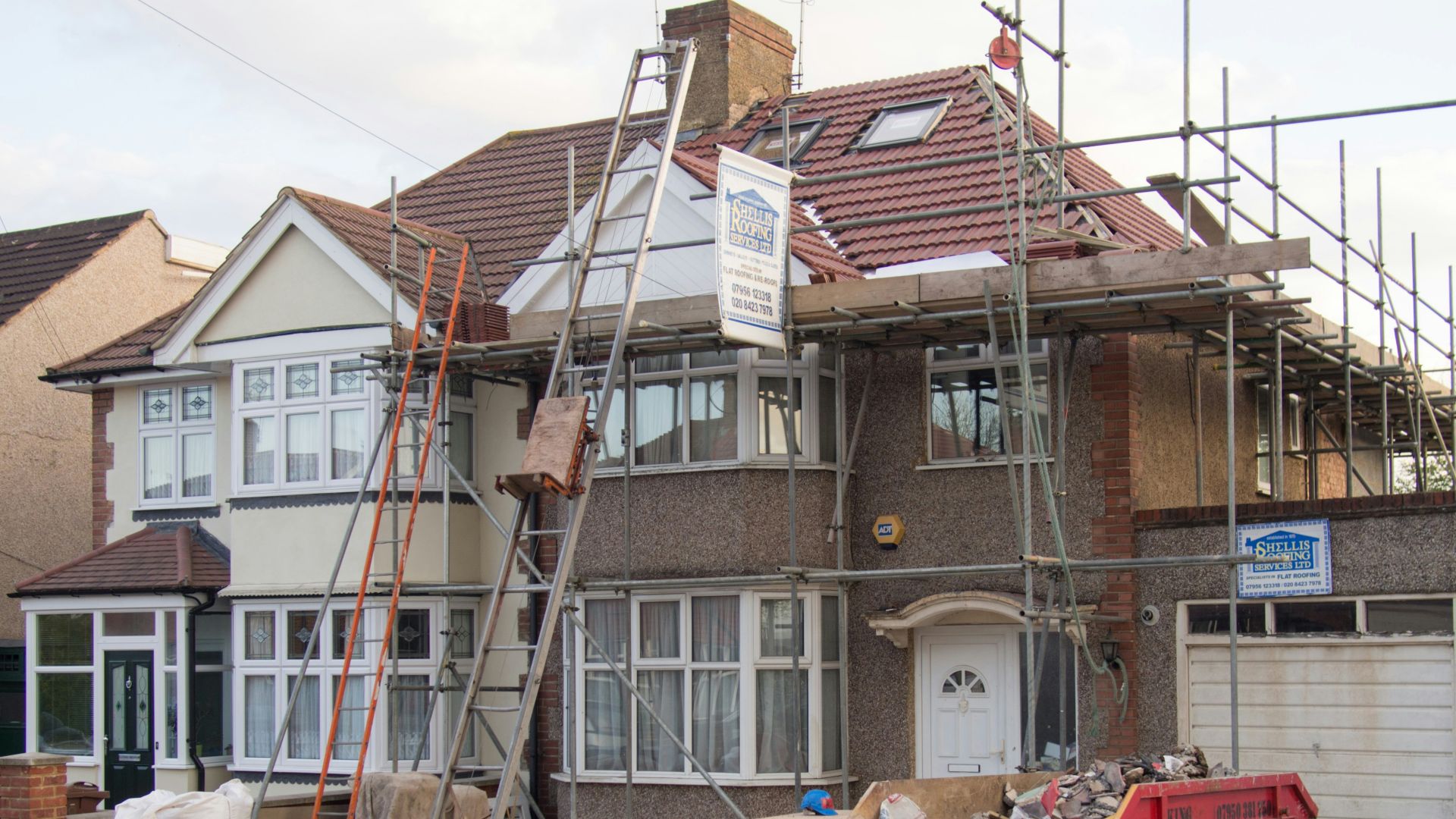
Before paying for complete construction drawings, submit a concept or preliminary proposal if the local process allows it. Ask whether the work qualifies for staff-level approval, requires a public hearing, or needs revisions before a formal application. Some preservation agencies can approve routine work administratively when an application meets published standards. A written preliminary response can stop you from designing an expensive plan that reviewers won’t accept.

Price One Clearly Defined Scope
Contractor estimates aren’t comparable when one assumes repair, another assumes replacement, and a third leaves major work out. Have your architect or consultant prepare a line-item scope that separates mandatory work, urgent stabilization, tax-credit requirements, and optional improvements. Ask bidders to price the same quantities, materials, and treatment methods. Include unit prices for uncertain work so hidden deterioration doesn’t immediately turn into an open-ended change order.

Hire People Who Understand Old Buildings
The cheapest general contractor may become the most expensive choice if inappropriate work damages historic material. Old masonry, lime mortar, wood windows, plaster, slate, and decorative metal often require methods that differ from ordinary modern construction. Ask for examples of completed historic projects and speak with previous clients. The National Park Service’s Preservation Briefs provide technical guidance that can help you evaluate proposed treatments.

Break The Project Into Sensible Phases
You may not need to complete everything in one construction season. A logical sequence might address stabilization and water control first, code and structural work next, then interior finishes and optional restoration. Phasing must still follow local approvals, construction logic, and any tax-credit deadlines. Federal historic tax-credit rules generally use a two-year substantial-rehabilitation period, with a five-year measuring period available for properly planned phased projects.

Budget Beyond The Contractor’s Number
The construction estimate is only one part of the financial picture. Your working budget should also consider professional fees, surveys, permit and review charges, testing, temporary protection, insurance, utilities, taxes, financing costs, and a contingency for concealed conditions. Build a cash-flow schedule showing when money must be available and when any credits or reimbursements could arrive. A good planning report should help connect the scope of work to both the budget and the schedule.

Check The Federal Historic Tax Credit
A certified historic building used for business or another income-producing purpose may qualify for a federal credit equal to 20 percent of qualified rehabilitation expenses. The project must satisfy the substantial-rehabilitation test and meet the Secretary of the Interior’s Standards. The credit is generally claimed in equal portions over five years, so it isn’t the same as receiving construction cash upfront. Tax limitations can affect how much value you actually receive, which makes early advice from a qualified tax professional essential.

Know The Owner-Occupied Home Catch
The federal rehabilitation credit doesn’t apply to a private, owner-occupied residence. It can apply to qualifying rental residential, commercial, industrial, agricultural, and other income-producing buildings. Some states offer separate homeowner incentives, so a failed federal eligibility test isn’t necessarily the end of the search. Don’t change the building’s use solely for a tax credit until zoning, code costs, demand, financing, and long-term income have been analyzed.

Stack State And Local Incentives
State programs vary widely, and some can be combined with the federal credit. Depending on location, assistance may include rehabilitation credits, property-tax relief, façade grants, permit-fee reductions, low-interest loans, or technical design help. Some state credits cover commercial projects, while others also include owner-occupied homes. Ask your SHPO and local preservation office for current programs because eligibility, funding, caps, and deadlines change.

Treat Grants As Help, Not The Whole Plan
Preservation grants exist, but private owners shouldn’t assume a large federal award will cover the project. Many competitive Historic Preservation Fund programs are limited to governments, tribes, educational institutions, and nonprofit organizations. State and local agencies may offer smaller grants or loans that private owners can use, sometimes through a local government or preservation organization. Build a project that remains viable even if grant applications are unsuccessful.

Look For Environmental Cleanup Funding
An inherited warehouse, service station, mill, or commercial building may have asbestos, lead paint, petroleum residue, or other contamination. Those costs don’t always have to come entirely from the preservation budget. Some communities and states operate brownfield assessment programs, revolving loan funds, or cleanup grants and loans. Have the site evaluated before construction, then ask the local environmental agency whether the property qualifies for assistance.

Use Historic Code Paths Carefully
Historic status doesn’t erase structural, fire, accessibility, energy, or life-safety obligations. However, existing-building codes and preservation guidance may offer alternative compliance paths that protect important features while still meeting safety goals. ADA rules also permit alternative access methods in certain historic-property situations when ordinary physical alterations would threaten historic significance, but that isn’t a blanket exemption. Bring preservation, code, fire, and accessibility officials into the same discussion instead of letting each issue be designed separately.
Ask About Hardship And Appeals
Some local ordinances include economic-hardship procedures, variances, or appeals. The standard is often much higher than proving that the preferred repair is expensive, and applicants may need to show that the restriction prevents reasonable use or economic return. Evidence can include appraisals, construction estimates, market studies, financing attempts, and rehabilitation alternatives. A local land-use attorney can tell you whether the procedure fits your facts and whether a filing deadline is approaching.

Be Careful With Preservation Easements
Donating a preservation easement may create a charitable tax deduction when detailed federal requirements are met. It also places permanent restrictions on the property and gives the receiving organization enforcement and monitoring rights. An easement may provide little tax value when existing local rules already impose similar restrictions, and it won’t necessarily solve an immediate cash shortage. Use an independent qualified appraiser, tax attorney, and preservation attorney rather than relying on a promoter’s promised deduction.

Get The Inheritance Records Straight
Obtain the estate appraisal, deed, probate documents, prior surveys, easements, leases, and any value reported for tax purposes. Under federal tax rules, inherited property generally receives a basis tied to fair market value at the date of death, although exceptions and consistent-basis requirements can apply. That number can affect depreciation, a future sale, and your broader financial model. Have an estate or real-estate tax professional confirm the basis instead of reconstructing it years later.

Make Sure The Insurance Fits The Building
Tell your insurance broker that the property is historic, inherited, vacant if applicable, and headed into construction. Ask how the policy values hard-to-replace features and whether it includes ordinance or law coverage for additional code-compliance costs after a covered loss. Standard residential policies may exclude those upgrade costs unless appropriate coverage is added, and routine deterioration usually isn’t insured. Flood, earthquake, renovation, and vacancy risks may also require separate treatment.

Consider Partners, Tenants, Or A Sale
You don’t have to finance and operate the building alone. A preservation-minded developer, nonprofit, business tenant, long-term lessee, or co-investor may bring capital and experience that you don’t have. A compatible new use is allowed under preservation standards when it requires minimal change to the building’s defining characteristics. When the numbers still don’t work, selling to a qualified buyer may protect both your finances and the property better than years of deferred maintenance.

You Need A Plan, Not A Blank Check
An overwhelming estimate isn’t automatically the same thing as a legal obligation. Once you separate urgent work from optional restoration, verify the actual rules, test the available incentives, and decide on a viable use, the problem becomes more manageable. You may keep the building, phase the work, bring in a partner, lease it, or sell it. The important thing is to make that choice before panic leads to unauthorized work or financial damage.

You May Also Like: