
Their Loan Is Suddenly Landing On Your Doorstep
A few lender envelopes may look like an annoying address mistake. But if applications, collection notices, or unfamiliar accounts begin piling up, it’s important to find out exactly what information was used. The address alone usually isn’t what puts your finances at risk, but the next envelope could reveal a much bigger problem.
An Address Does Not Usually Make You Responsible
Simply allowing an adult child to use your mailing address generally doesn’t make you liable for their loan. Responsibility usually comes from signing as a borrower, co-borrower, guarantor, or cosigner. A lender can’t ordinarily turn someone into a debtor just because loan correspondence was sent to their home.

Find Out What Your Child Actually Submitted
There’s an important difference between using your address as a mailing address and applying with your name, income, Social Security number, or property information. Ask your child directly what was entered on the application and request a copy if possible. The response will help determine whether this is poor judgment, a lender error, or potential identity theft.

Don’t Settle For A Vague Explanation
An answer like “I just needed an address” may not be enough. Ask whether the address was presented as the child’s residence, whether they claimed to own or rent the home, and whether anyone else’s financial information was included. A clear explanation now can prevent a much more difficult dispute later.

Check Your Own Credit Reports
Review all three of your credit reports for unfamiliar inquiries, loans, credit cards, addresses, or personal information. The official AnnualCreditReport.com site allows consumers to request reports from Equifax, Experian, and TransUnion. Checking all three matters because an account or inquiry may appear on one report but not the others.
 LIGHTFIELD STUDIOS, Adobe Stock
Look Closely At Hard Inquiries
A hard inquiry from a lender you never contacted could indicate that someone submitted an application using your identity. An unfamiliar address by itself may be a reporting error, but an unknown loan inquiry is more concerning. Write down the lender’s name, inquiry date, and reporting bureau before disputing anything.

Confirm That Your Property Wasn’t Listed
If the adult child applied for a secured loan, business loan, or other substantial financing, make sure the application didn’t identify your house as their property. County or municipal land-record systems may allow owners to check for recorded liens or filings. An attorney or title professional can help if anything looks unfamiliar.

Consider Freezing Your Credit
A security freeze restricts access to your credit file, making it harder for someone to open new credit in your name. Freezes are available separately through Equifax, Experian, and TransUnion and can be temporarily lifted when you legitimately apply for credit. Freezing your own credit won’t affect a loan that belongs solely to your adult child.

A Fraud Alert Is Another Option
A fraud alert tells lenders to take additional steps to verify identity before granting new credit. An initial alert can be useful when you suspect misuse but haven’t confirmed it. A freeze is generally more restrictive, so some people use both while investigating suspicious activity.

Contact The Lender Carefully
If a letter clearly identifies a lender, contact the company through a verified number from its official website, not necessarily the number printed on a suspicious notice. Explain that the person named does not reside at the address, if that is true, and that you didn’t authorize your personal information or property to be used. Avoid discussing the child’s finances beyond what is necessary.

Don’t Pretend To Be The Borrower
A lender may refuse to discuss the account because you aren’t the customer, and that’s normal. Don’t impersonate your child or attempt to access their account. Your goal is to correct your address, report suspected misuse of your information, and create a record that you disputed any connection to the debt.

Put Important Disputes In Writing
A phone call can start the process, but a written notice creates better documentation. State that the borrower doesn’t live at the address, if accurate, and that you aren’t a borrower, cosigner, or guarantor. Keep copies of the letter, the envelope, supporting documents, and proof of delivery.

Be Precise About Residency
Only say the adult child doesn’t live there if that is factually true. If they still live in the home, use it as their permanent residence, or receive mail there with permission, the lender may have a legitimate reason to use the address. The concern then becomes whether they misrepresented ownership, income, or someone else’s identity.

Don’t Open Mail Addressed Only To Them
Mail addressed exclusively to your adult child should generally remain unopened. Write “Not At This Address” or “Return To Sender” on the unopened envelope and place it back in the mail, assuming the child genuinely doesn’t live there. Don’t destroy, hide, or open the correspondence simply because the sender is unwelcome.
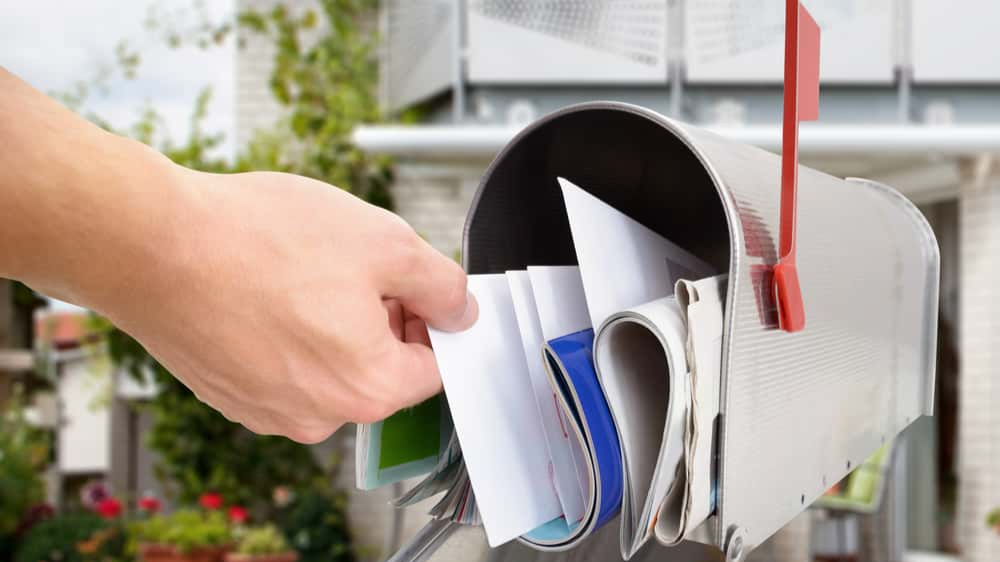
Remove Barcodes When Returning Mail
Automated postal equipment may send returned mail back to the same address if the original delivery barcode remains readable. Crossing out the barcode and writing a clear return notation can help route the envelope for correction. Don’t add a forwarding address unless you know it is accurate and have permission to provide it.

Speak With The Postal Service If It Continues
Repeated delivery may continue even after several envelopes are returned. Contact the local post office and explain that the named person no longer lives at the address. Postal staff may suggest steps based on the type of mail and whether a forwarding order exists.
 Frame Stock Footage, Shutterstock
Watch For A Fraudulent Address Change
If your own mail begins disappearing or being redirected, check whether someone filed an unauthorized change-of-address request. The U.S. Postal Inspection Service accepts reports involving fraudulent address changes, mail theft, and identity-related misuse. Missing bank statements, replacement cards, or government mail should be treated seriously.
 picture alliance, Getty Images
Sign Up For Informed Delivery
USPS Informed Delivery can provide digital previews of many incoming letter-sized mail pieces. It won’t prevent fraudulent applications, but it may help you notice missing or unexpected financial correspondence more quickly. Protect the account with a strong password and multifactor authentication where available.

Separate Mail From Legal Responsibility
Lender letters can feel threatening because they arrive at your home, but correspondence isn’t proof that you owe the debt. Don’t make a payment simply to stop the mail unless you actually agreed to the loan and understand the consequences. Even a small payment or careless statement could complicate a dispute.

Dispute Any Debt Attributed To You
If a collection notice names you rather than your child, respond promptly and request validation of the debt. Keep the response factual and avoid admitting responsibility. The notice should contain information about the alleged creditor, amount, and dispute rights, though exact requirements can depend on the circumstances.

Don’t Give Callers More Personal Information
A caller claiming to represent a lender may ask for your Social Security number, date of birth, banking details, or copies of identification. Don’t provide sensitive information until you independently verify the company and understand why it is needed. A fraudulent application can sometimes be followed by impersonation calls designed to collect even more information.

Report Identity Theft If Your Details Were Used
If the application included your name, Social Security number, income, signature, or existing accounts without permission, report the identity theft through IdentityTheft.gov. The Federal Trade Commission’s system creates a personalized recovery plan and provides documents that can help dispute fraudulent accounts. Contact affected lenders and credit bureaus as part of that process.

Put New Boundaries In Writing
Tell your adult child that they may not use your address, name, income, credit history, or property information for future applications without explicit permission. If they legitimately need to receive mail at the home, define what is allowed and what isn’t. A written message gives everyone a clear record of the boundary.

Help Them Establish A Proper Mailing Address
If housing instability caused the problem, your child may need a legitimate alternative rather than another argument. Depending on the situation, that could involve updating their address with lenders, using their current residence, obtaining a post office box, or asking about another lawful mailing arrangement. A mailing solution should never involve misrepresenting where they live or what property they own.

Get Legal Advice If The Stakes Rise
Speak with a consumer-law or real-estate attorney if you receive a lawsuit, lien notice, repossession demand, subpoena, or correspondence claiming you guaranteed the loan. Bring the envelopes, credit reports, application records, and notes from every conversation. Early legal advice is usually far easier than trying to undo a judgment or fraudulent filing later.

Act Quickly Without Assuming The Worst
Your adult child’s use of the address may turn out to be a careless attempt to receive mail rather than a direct attack on your credit. But you shouldn’t rely on that assumption. Check your credit, document the mail, contact legitimate lenders, secure your accounts, and report any unauthorized use of your identity. The faster you separate your finances from the application, the less chance someone else’s loan has to become your long-term problem.

You May Also Like: