
My neighbor built an ugly fence I hate right on the property line—can I make them take it down?

My neighbor built an ugly fence I hate right on the property line—can I make them take it down?


May 12, 2026 | Jesse Singer

My neighbor built an ugly fence I hate right on the property line—can I make them take it down?


When the Fence Goes Up…and Your Mood Goes Down

Your neighbor just put up a fence, and now it’s the first thing you see every time you step outside. It’s right on the property line, and you definitely didn’t sign off on it. It sounds simple, but situations like this fall into a gray area most homeowners don’t fully understand—and the answer isn’t as obvious as you’d think.

Angry man ugly fenceFactinate

Advertisement

Start With the Property Line

In the U.S., property lines are defined in your deed, not by fences. A professional survey, typically costing $500 to $2,000, is the only reliable way to confirm whether the fence is properly placed or crossing into your land.

Barbed wire fence with a textured background.Fr. Daniel Ciucci, Unsplash

Advertisement

Encroachment Is One of the Strongest Claims

If any part of the fence crosses onto your property, it’s considered encroachment. Courts can order removal or compensation. Even a small overlap can matter legally, so confirming the boundary is one of the most important first steps.

pink petaled flowers blooms near fenceRandy Fath, Unsplash

Advertisement

Long-Term Placement Can Affect Property Rights

In some states, a fence left in the wrong place for many years can contribute to adverse possession claims. Timelines vary, often ranging from 5 to 20 years, so ignoring a boundary issue long-term can create bigger legal problems.

brown wooden fence near green tree under blue sky during daytimeNazrin Babashova, Unsplash

Advertisement

Boundary Fences and Cost Sharing Explained

If a fence sits directly on the property line, many states consider it a boundary fence. That can mean shared maintenance. Some states presume shared costs—but usually only with notice or agreement, not after the fact.

Wooden fence with aTanya Barrow, Unsplash

Advertisement

Every State Has Some Kind of Fence Law

All 50 states have some form of livestock-related fence law, though only some still follow open-range or fence-out rules. Today, those laws mainly affect rural disputes, cost-sharing, and maintenance responsibilities—not whether a suburban fence looks nice.

succosucco, Pixabay

Advertisement

Fence-In vs. Fence-Out Barely Matters Here

“Fence-in” states require owners to contain livestock, while “fence-out” areas allow animals to roam unless landowners fence them out. Without livestock, these laws don’t apply directly—but they still influence who’s expected to build and maintain fences today.

jackmac34jackmac34, Pixabay

Advertisement

Ugly Usually Isn’t Illegal

There are no federal or state laws requiring fences to look good. Appearance alone usually isn’t enough unless a local ordinance, HOA rule, nuisance claim, or spite-fence law applies. If it meets zoning rules, it’s typically legal.

Hilarious comebackPexels

Advertisement

Some Cities Require the “Finished Side” to Face Out

Some local codes require the finished, more attractive side of a fence to face outward toward neighbors or the street. If your neighbor installed the structural or unfinished side facing you, it could violate local ordinances.

A white picket fence in front of a housePhil Hearing, Unsplash

Advertisement

Height Limits Are Strict in Most Cities

Most municipalities limit backyard fences to about 6 feet tall. Front yard fences are often capped at 3 to 4 feet to maintain visibility. Exceeding these limits is one of the most common enforceable violations.

a shadow of a bicycle on a metal wallBill Kucera, Unsplash

Advertisement

Permits and Placement Rules Can Trip People Up

Many municipalities require permits for fences over a certain height, often around 6 feet. Some also regulate how close fences can sit to property lines, sidewalks, easements, or streets. Violations can result in fines or required adjustments.

a tree lined sidewalk next to a streetDenissa Devy, Unsplash

Advertisement

Corner Lots Have Extra Restrictions

Corner properties must follow “sight triangle” rules, which limit fence height near intersections to maintain driver visibility. These zones are usually 10 to 25 feet from the corner, and fences exceeding 3 feet in that area are often prohibited.

A small building nestled under a large tree.Brother Yoon, Unsplash

Advertisement

HOAs Can Override Personal Preference

If you live in a homeowners association, fence rules can be strict. HOAs often regulate materials, colors, and styles—and can require changes even if the fence meets city or county regulations.

Housing Association development, St John's RdNigel Chadwick, Wikimedia Commons

Advertisement

Rare Legal Exceptions: Nuisance and Spite Fences

To qualify as a nuisance, a fence must significantly interfere with property use—not just look bad. A “spite fence” may be challenged in some states, but courts require proof of malicious intent, which is difficult without clear evidence.

Two upset young and old female neighbors disagreeBearFotos, Shutterstock.com

Advertisement

Unsafe or Damaged Fences Can Be Challenged

If a fence is leaning, rotting, or structurally unstable, local codes may require repairs or removal. Safety violations are taken more seriously than appearance and are much more likely to trigger enforcement action.

Rustic wooden fence and metal gate in a rural settingRoger Starnes Sr, Unsplash

Advertisement

Talking It Out Still Works Best

Neighbor disputes are incredibly common, and many are resolved with a simple conversation. Your neighbor may be open to small changes, especially if approached calmly and without immediate conflict.

neighborTavarius, Shutterstock

Advertisement

Offer a Practical Compromise

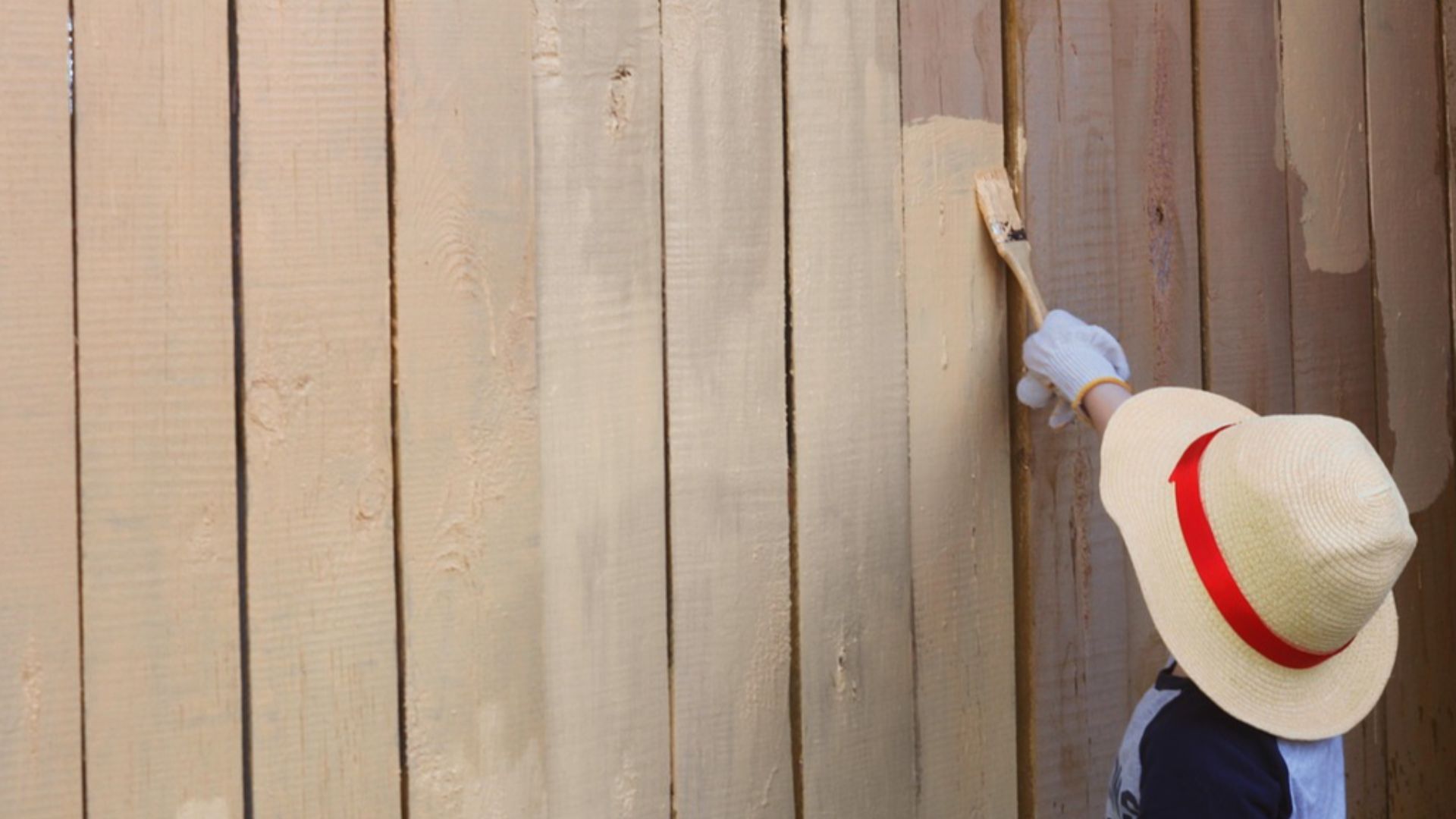
Instead of demanding removal, suggest improvements like staining, repainting, or small design changes. These are easier to agree on and can significantly improve how the fence looks from your side.
atneratner, Pixabay

Advertisement

Sharing Costs Can Help Your Case

If you want changes, offering to split the cost can make your request more reasonable. It turns the situation into a shared project rather than a complaint, which can lead to better outcomes.

Talk To Your NeighborCaftor, Shutterstock

Advertisement

Document Everything If Things Escalate

Take photos, note timelines, and save any messages. If you need to involve local authorities or take legal steps, having clear documentation will strengthen your position.

Woman Taking Photos Using Her SmartphoneGreta Hoffman, Pexels

Advertisement

Local Authorities Enforce the Rules

City or county code enforcement departments handle fence complaints. If a violation is found, they may issue a notice to comply, fines, or deadlines for correction. In some cases, non-compliant fences can be ordered removed entirely.

Man holding tablet standing by a wooden fence outdoorsLand O'Lakes, Inc., Unsplash

Legal Action Is a Last Resort

Fence disputes that go to court can easily cost thousands in legal fees. Cases often hinge on surveys, permits, and local codes. Without a clear violation, courts typically rule in favor of the property owner who followed regulations.

brown wooden tool on white surfaceTingey Injury Law Firm, Unsplash

Advertisement

You Might Have to Live With It

If the fence meets all local requirements, there’s usually no legal way to force a change based on appearance alone. That’s frustrating, but it reflects how most property laws are written in practice.

white and red wooden house miniature on brown tableTierra Mallorca, Unsplash

Advertisement

Landscaping Is the Most Common Fix

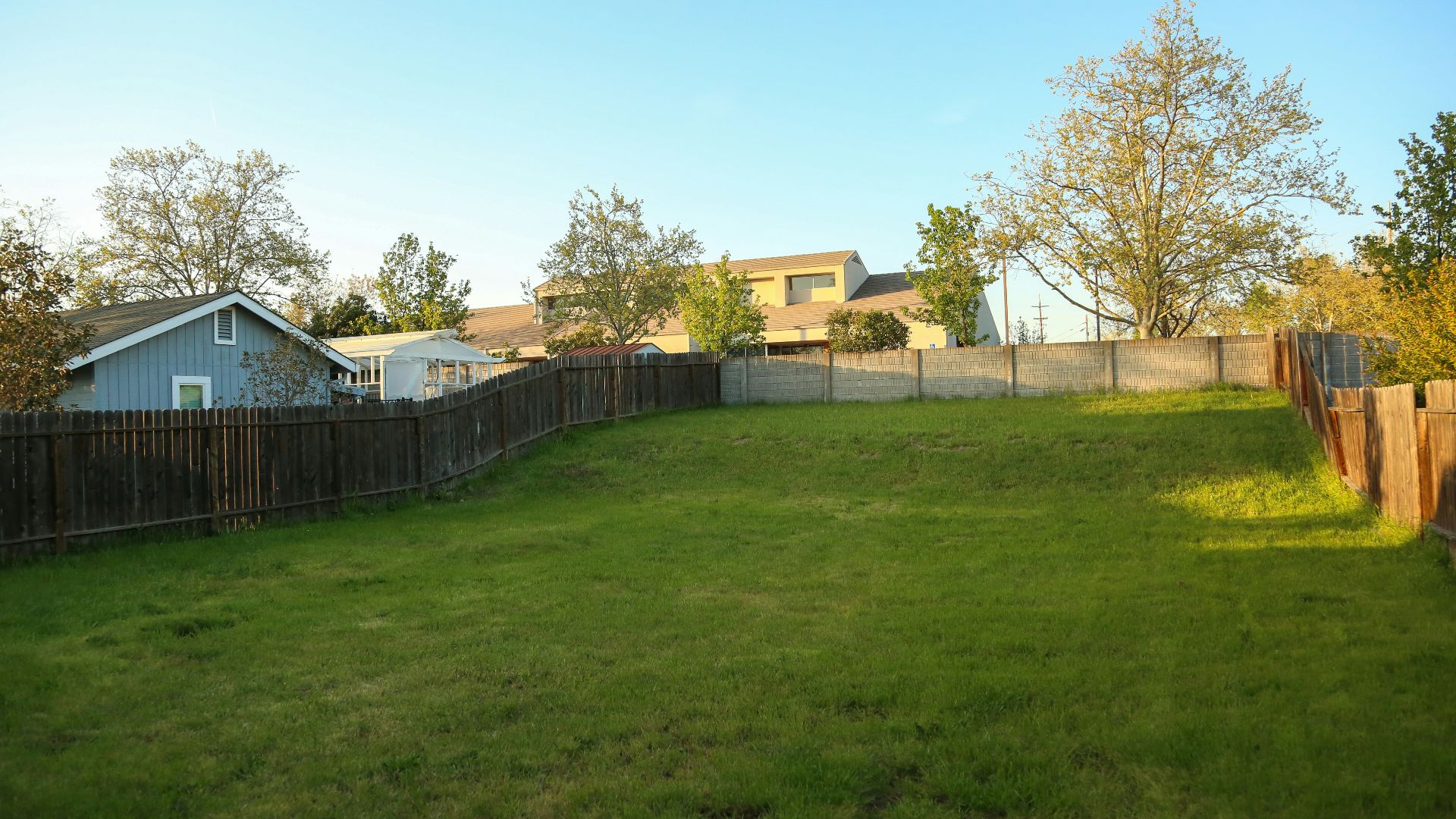
Many homeowners handle this by improving their own side. Hedges, trees, or decorative panels can block or soften the view. This approach is often faster, cheaper, and more reliable than trying to challenge the fence legally.
a grassy yard with a fence and a house in the backgroundGiorgio Trovato, Unsplash

Advertisement

Quick Canada Note: Shared Fence Rules Exist

In places like Quebec, boundary fences can be legally shared under “common fence” rules. Neighbors may share costs and responsibilities, but appearance still isn’t regulated, so an unattractive fence can still be completely legal.

A blooming bush behind a bamboo fenceDouble film, Unsplash

Advertisement

Bottom Line: It’s About Rules, Not Taste

You can force changes only if the fence breaks laws—like encroachment, height limits, permit issues, or safety violations. If it follows the rules, your best options are negotiation, compromise, or improving your own side of the property.

white wooden fence near white and brown houseAnenelie U., Unsplash

Advertisement

You Might Also Like:

My girlfriend is moving into my rental house. She wants to bring her dog and won't move in unless she can. The landlord says no pets. What can I do?

My landlord says repairs will only be done if I stop "nagging him." Water is leaking onto my bed. Can they really refuse basic fixes?

Sources:  123


READ MORE

Internalfb Image (9)

My girlfriend says prenups are "basically planning for divorce." Is asking for one a terrible idea?

Few money conversations feel as loaded as asking for a prenup. To one person, it sounds like sensible financial planning. To the other, it can sound like you are already picturing the breakup before the wedding even happens.
May 12, 2026 Anna Adamska
Hurt young man holding legal documents, with his family in the background

My parents want me to split my inheritance evenly with my brother even though he already got years of financial help and I got nothing. Do I have to? (Copy) (Copy)

Inheritance disputes can turn old resentments into a very current financial problem. One of the most common flashpoints is when one child received years of help during a parent’s lifetime and another did not. If your parents now want you to split an inheritance evenly with your brother anyway, the short answer is that you usually do not have to unless a legal document requires it.
May 12, 2026 Anna Adamska
Facebook  Internal

My wife says hiding money in a separate account is "a normal thing couples do." Is that financial cheating? (Copy) (Copy)

Finding out your spouse has money tucked away in a separate account can land like a betrayal. For some couples, it is harmless autonomy. For others, it is a flashing warning sign that trust around money is breaking down.
May 12, 2026 Anna Adamska
Concerned woman looking at camera

I closed my bank account, but they kept charging me fees. Is there anything I can do to get my money back?

It was a pain, but you thought you had finally closed your bank account. A few weeks later, you noticed they've still been charging you the normal fees. The last thing your need is another headache, but now you want to act quickly. You can probably get that money back, but time is the key here.
May 12, 2026 Miles Brucker

When dad was 60, I bought him a Ferrari: his dream car. I found out that he's leaving the car to my sister in his will. What can I do?

A reader bought his dad a dream Ferrari, only to learn it may be left to his sister in the will. Here’s how to handle the hurt, the money, the family drama, and the next conversation with grace.
May 8, 2026 Jack Hawkins

I bought my mom a 24-karat gold necklace with an emerald centerpiece. It's worth $5,000. I found out she's leaving it to my in-laws. What can I do?

A woman bought her mom a $5,000 gold and emerald necklace, only to learn it will be left to her brother’s wife. Here’s how to handle hurt feelings, family expectations, and tough conversations with grace.
May 8, 2026 Jack Hawkins


Disclaimer

The information on MoneyMade.com is intended to support financial literacy and should not be considered tax or legal advice. It is not meant to serve as a forecast, research report, or investment recommendation, nor should it be taken as an offer or solicitation to buy or sell any securities or adopt any particular investment strategy. All financial, tax, and legal decisions should be made with the help of a qualified professional. We do not guarantee the accuracy, timeliness, or outcomes associated with the use of this content.


Dear reader,


It’s true what they say: money makes the world go round. In order to succeed in this life, you need to have a good grasp of key financial concepts. That’s where Moneymade comes in. Our mission is to provide you with the best financial advice and information to help you navigate this ever-changing world. Sometimes, generating wealth just requires common sense. Don’t max out your credit card if you can’t afford the interest payments. Don’t overspend on Christmas shopping. When ordering gifts on Amazon, make sure you factor in taxes and shipping costs. If you need a new car, consider a model that’s easy to repair instead of an expensive BMW or Mercedes. Sometimes you dream vacation to Hawaii or the Bahamas just isn’t in the budget, but there may be more affordable all-inclusive hotels if you know where to look.


Looking for a new home? Make sure you get a mortgage rate that works for you. That means understanding the difference between fixed and variable interest rates. Whether you’re looking to learn how to make money, save money, or invest your money, our well-researched and insightful content will set you on the path to financial success. Passionate about mortgage rates, real estate, investing, saving, or anything money-related? Looking to learn how to generate wealth? Improve your life today with Moneymade. If you have any feedback for the MoneyMade team, please reach out to [email protected]. Thanks for your help!


Warmest regards,

The Moneymade team