
When Someone Else’s Mess Becomes Your Problem
At first, it’s just clutter. A few bags, maybe some boxes. Then it turns into piles of garbage sitting out on your neighbor’s balcony and over time, the smell starts creeping in. You report it to building management, expecting them to deal with it, but nothing really changes. Now you’re stuck dealing with the smell, the mess, and the feeling that no one’s doing anything about it. The good news is you’re not stuck with it, even if it feels that way right now.

This Kind Of Situation Can Qualify As A “Nuisance”
Legally, ongoing issues like garbage buildup and strong odors can fall under something called a nuisance. That basically means your neighbor’s behavior is interfering with your ability to enjoy your own home. And it’s not just about appearances. Once garbage starts creating odors or attracting rodents and insects, it becomes a health and safety concern, not just an annoyance.

Many Leases Actually Ban This
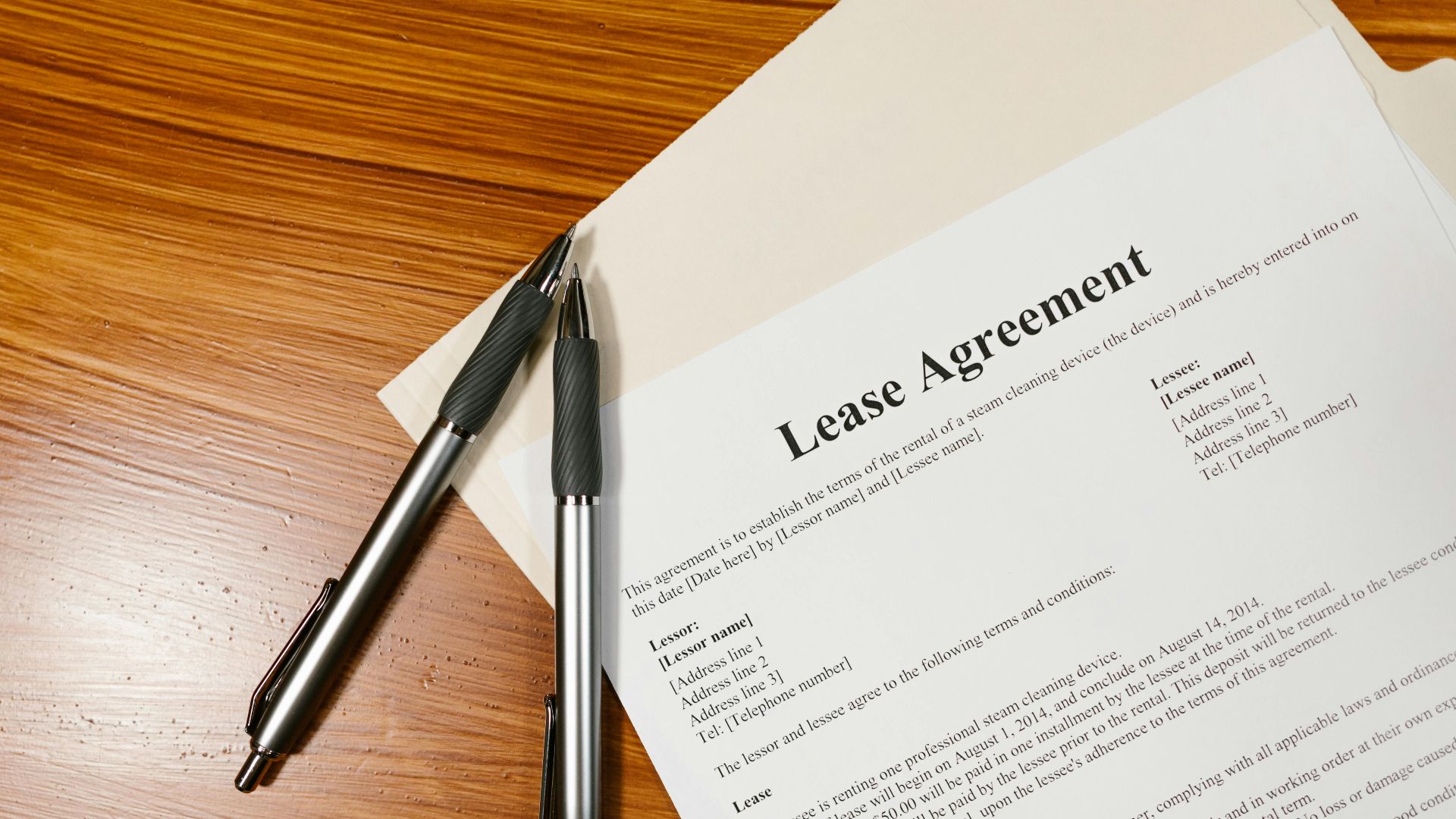
A lot of leases and building rules specifically say balconies need to be kept clean and can’t be used for storing garbage. So there’s a good chance your neighbor is already violating building policy.
Management Is Usually Supposed To Step In
Landlords and property managers aren’t just collecting rent, they also have a responsibility to maintain a safe and livable environment. Ignoring a situation like this can actually put them on the hook if it keeps affecting other tenants.

Start By Documenting Everything
Before anything else, start building a record. Take photos of the balcony, note when the smell is strongest, and keep track of how long the garbage has been sitting there.

Be Specific In What You Record
Instead of just writing “it smells bad,” note details. For example: “Strong garbage odor entering living room at 8 PM, visible bags on balcony for 5+ days”. This kind of detail matters if you escalate things.

Try Talking To Your Neighbor (If It Feels Safe)
Sometimes people genuinely don’t realize how bad the situation is. A calm conversation pointing out the smell or the impact might actually get results faster than going through formal channels. However, if they brush you off or get defensive, don’t keep pushing. At that point, it’s better to shift your focus to management or official complaints.

Put Your Complaint In Writing
If you’ve only talked to management casually, switch to email. Clearly explain the issue, include dates and photos, and reference any rules about cleanliness or balcony use.

Keep Following Up
One complaint often gets ignored. Multiple documented complaints are harder to dismiss. Follow up if you don’t hear back or if nothing changes.

Mention Health And Safety Concerns
If there are odors, insects, or rodents involved, make that clear. These issues tend to get taken more seriously because they affect the whole building, not just one unit. If the garbage is attracting pests, that becomes an even bigger deal. Many cities and landlords are required to address pest problems quickly once they’re reported.

Check Local Property Standards Or Bylaws
Most cities have rules about garbage, cleanliness, and property maintenance. If the situation is bad enough, it could violate local bylaws, not just building rules. If management isn’t doing anything, you can contact your city’s bylaw enforcement or 311 service. They can send an inspector and, if necessary, issue fines or cleanup orders.

Talk To Other Tenants
If you’re dealing with this, chances are others are too. Talk to neighbors and see if they’ve noticed the same issue. When multiple tenants complain, management is much more likely to act. It turns the issue from a personal complaint into a building-wide problem.

You May Have A “Quiet Enjoyment” Argument
Tenants generally have a right to live in their unit without ongoing disruption. Strong smells and unsanitary conditions can interfere with that, especially if they’re constant.

Escalate If Management Still Doesn’t Act
If nothing changes, look for the next step up. This could be a property management company, condo board, or landlord above your building manager.

Mediation Is An Option, So Is Legal Action
If you want to avoid things getting more serious, mediation can sometimes help resolve the issue without legal action. If the situation is severe and ongoing, you may be able to take legal action for nuisance. In some cases, both the neighbor and the landlord could be involved if the issue was ignored.

Don’t Try To Fix It Yourself
It might be tempting to clean up the mess or move the trash, but that can create more problems. You don’t want to cross into their space or get blamed for anything.

Final Thoughts: You Have More Leverage Than It Feels Like
If your neighbor’s balcony is full of trash and it’s affecting your space, you don’t have to just live with it. Between lease rules, landlord responsibilities, and local bylaws, there are multiple ways to push for action. Start by documenting everything, keep your complaints in writing, and don’t be afraid to escalate if nothing changes. It might take some persistence, but situations like this usually get resolved once the right pressure is applied.

You May Also Like:
My landlord is refusing to return my deposit over "abnormal wear and tear". Do I have any recourse?