Can Halloween Decorations Break The Law?
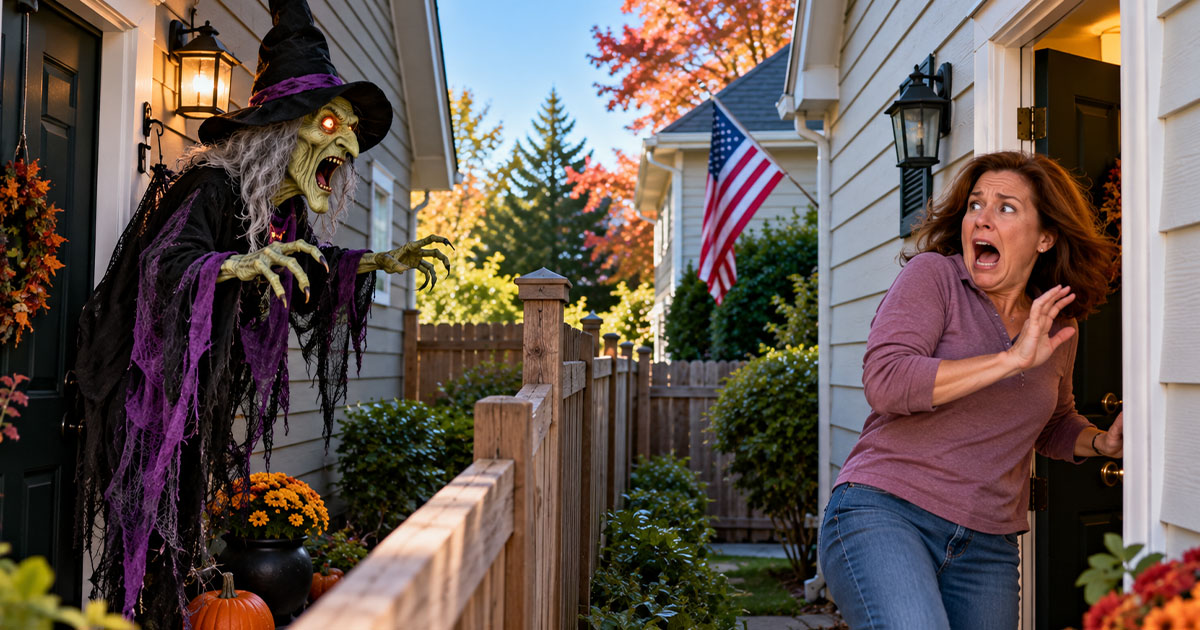
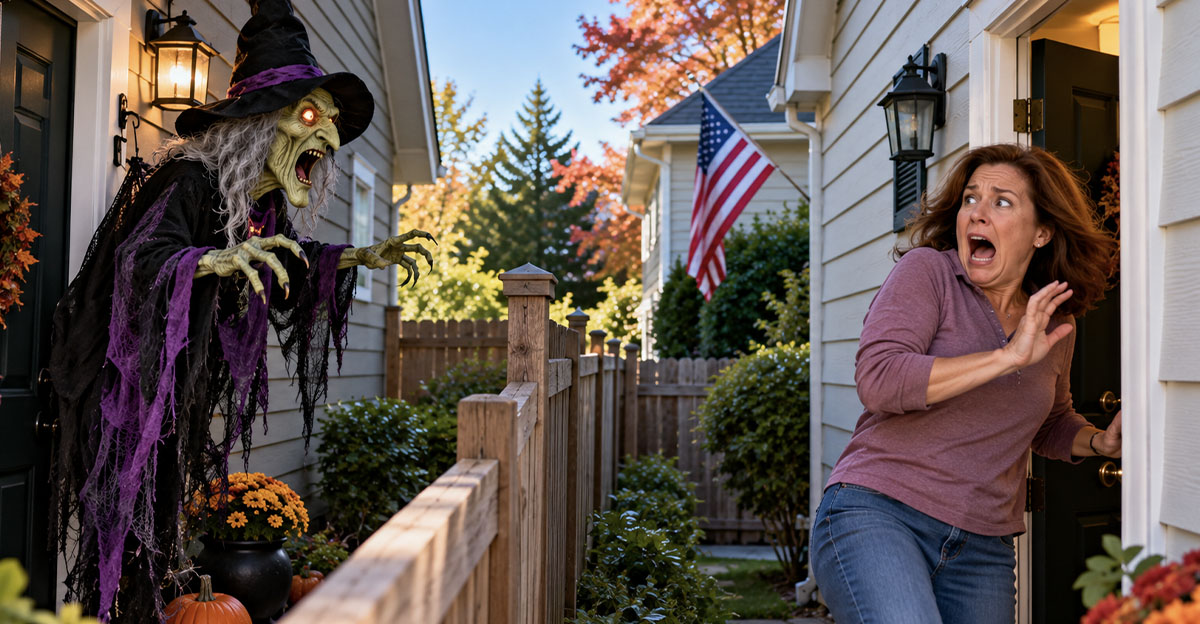
Your neighbor put a motion-activated Halloween witch beside our fence, and its sensor apparently reaches your yard. Every time you walk outside, the thing screams. You've asked him to turn it down or move it, but he refuses.
Could he actually be breaking a city noise bylaw, and could this ridiculous plastic witch eventually cost him money?
There Isn't A National Halloween Decoration Law
There is no federal rule establishing how loud a Halloween witch can scream in your backyard. Noise restrictions are primarily local, meaning your city or county code is where the important rules are likely to be hiding. The same witch could be perfectly legal in one community and expensive trouble in another.

Cities Really Can Fine People For Excessive Noise
Noise ordinances aren't merely polite suggestions. Depending on the municipality and violation, enforcement can include warnings, civil citations, court fines, escalating penalties for repeat offenses, and other enforcement measures.
That means a $50 Halloween prop can theoretically become much more expensive than its owner anticipated.
 Andrii Yalanskyi, Shutterstock
The City Probably Doesn't Care That It's A Witch
The decoration's appearance generally isn't the important issue. Replace the witch with a speaker that repeatedly screams whenever somebody walks through the neighboring yard, and the potential problem becomes clearer.
Local officials would generally be interested in the sound, not whether the thing producing it has a broomstick.
Some Cities Specifically Regulate Sound-Producing Devices
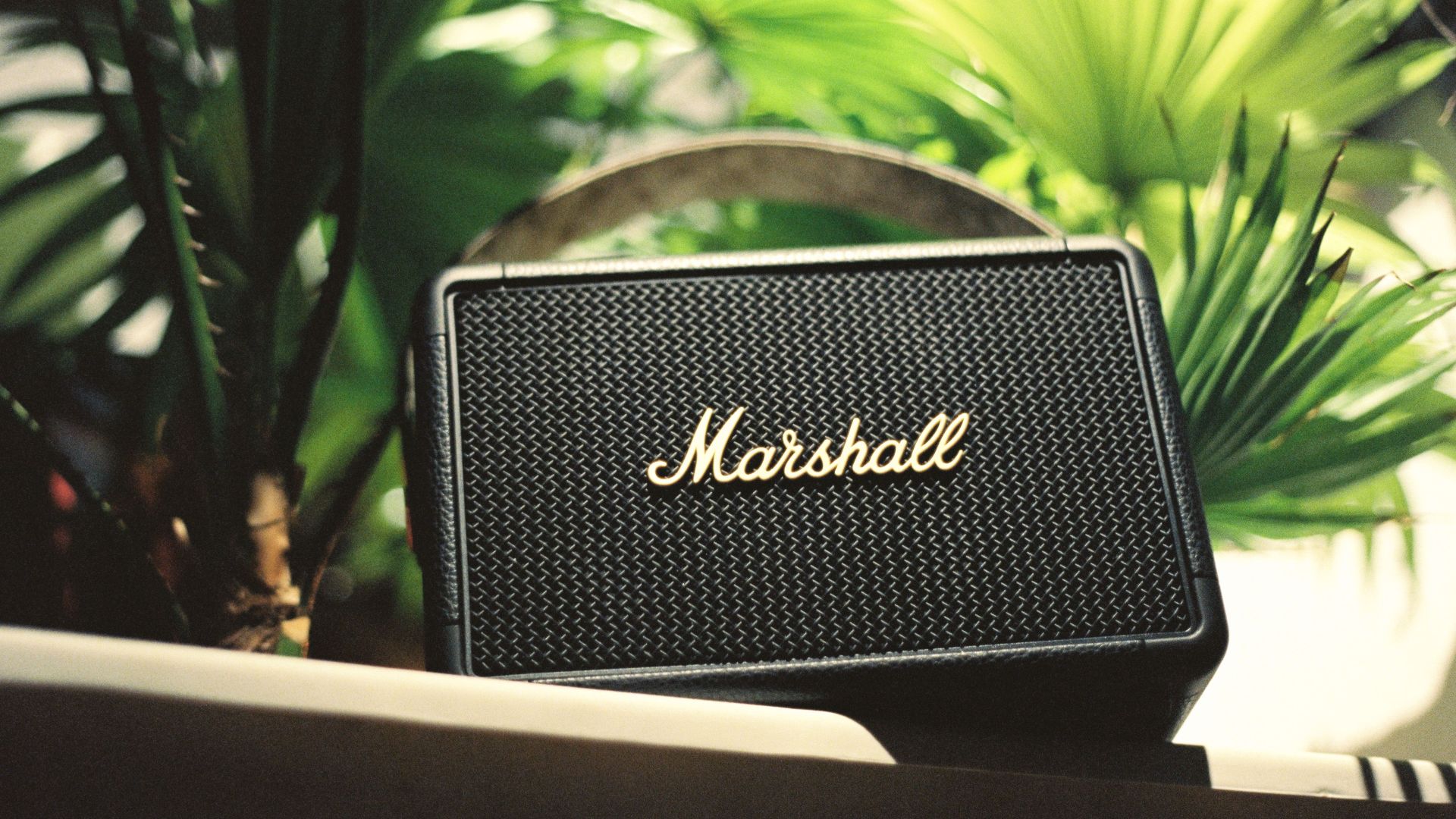
This is where things become interesting. Municipal codes can regulate speakers, amplifiers, radios, musical instruments and other devices capable of producing or reproducing sound.
A motion-activated Halloween decoration with a built-in speaker could potentially fall within broad language governing sound-producing equipment, depending on how the local ordinance is written.

Santa Ana Has A Particularly Useful Example
Santa Ana, California, prohibits certain loud and raucous noise from sound-making or sound-amplifying devices on private property. Under that ordinance, qualifying amplified sound that can be heard 50 feet from its source can meet the city's definition of loud and raucous noise.
That doesn't mean every Halloween witch in Santa Ana is illegal. It does show how specific local rules can become.

And The Fines Can Escalate
Santa Ana's ordinance provides no fine for the first response. A second subsequent response carries a $100 fine, the third $250, the fourth $500, the fifth $750, and the sixth and later responses $1,000.
Suddenly adjusting the witch's motion sensor seems considerably cheaper.

One Complaint Doesn't Necessarily Mean A Fine
This is important. Calling the city doesn't automatically produce a citation, and many enforcement systems give residents an opportunity to correct a problem first.
An officer or code official might investigate, determine that no violation exists, issue a warning, or ask the neighbor to reduce the noise before financial penalties enter the picture.

Seattle Provides Another Example
Seattle's police guidance says certain residential disturbances can result in a $250 civil infraction. If another qualifying violation occurs within 24 hours after the initial infraction, the matter can escalate, with a fine of up to $500 possible following conviction.
Different provisions apply to different kinds of noise, so the exact classification of a screaming decoration would matter.

Seattle Also Regulates "Unreasonable Noise"
Seattle's rules include certain loud, frequent, repetitive, or continuous sounds produced by sound amplifiers and other sound-producing devices. For unreasonable-noise enforcement, police guidance says officers first issue a warning and further action can follow if the prohibited noise continues.
That distinction could be very important in our witch dispute.

The Warning Can Be The Expensive Turning Point
Imagine an officer responds and tells your neighbor to stop the prohibited noise. Your neighbor lowers the volume or disables the sound, and everybody moves on.
Now imagine he turns it straight back on after the officer leaves.
The second version can create a much bigger problem because some ordinances specifically increase penalties when someone continues after receiving notice or a warning.

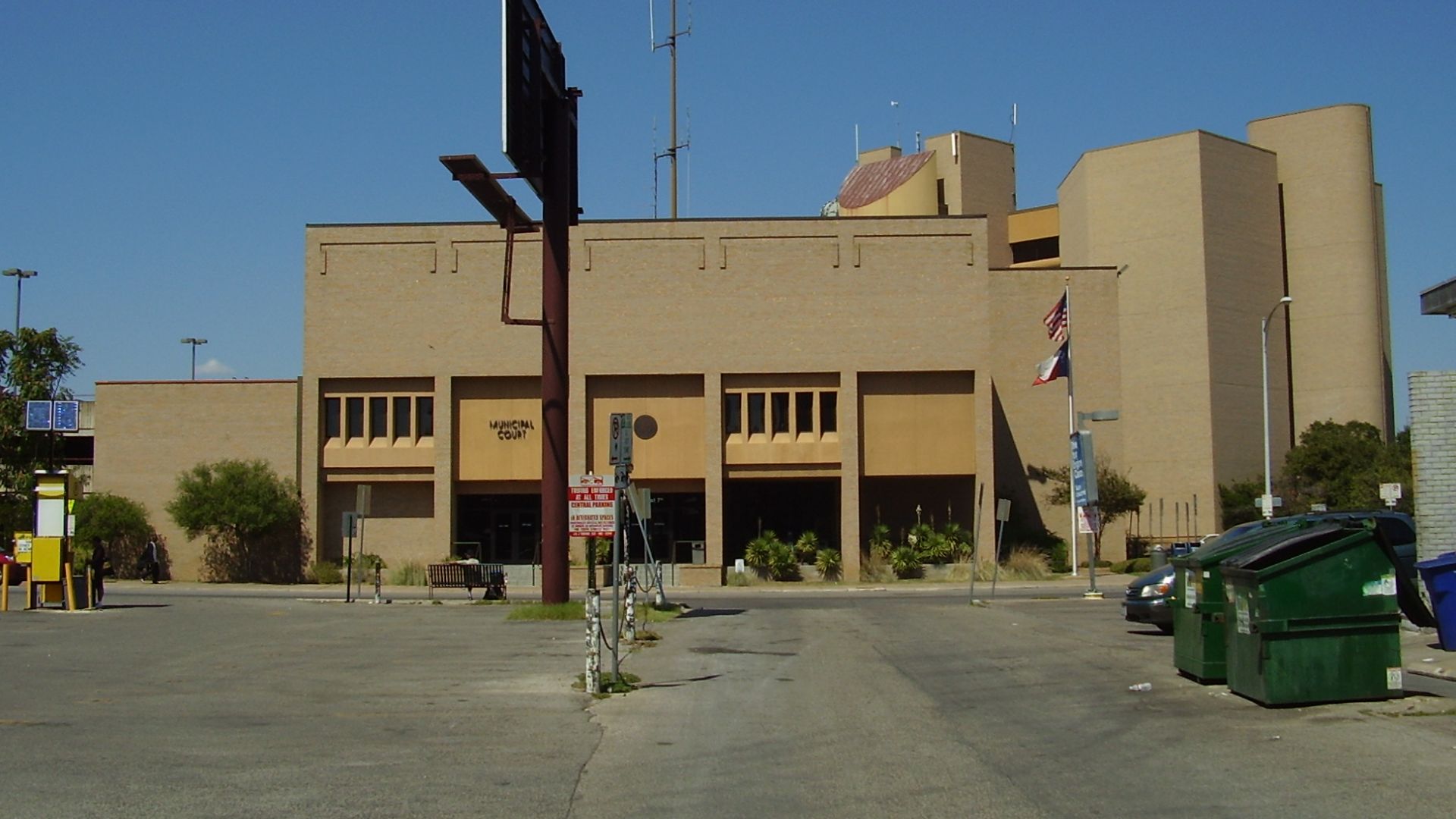
Austin Can Fine Noise Violations Too
Austin's municipal-court materials list maximum fines of up to $500 for several noise-related offenses, including exceeding permitted decibel limits and making noise outside permitted times. Its city code also provides for fines of up to $500 upon conviction for violations of its noise chapter.
Again, whether a particular Halloween decoration violates those provisions depends on the facts.
 WhisperToMe, Wikimedia Commons
So How Much Could A Screaming Witch Actually Cost?
There is no nationwide dollar amount. Depending on the municipality and the provision violated, the answer could be nothing more than a warning, a relatively modest citation, several hundred dollars, or potentially much more after repeated violations.
That's why telling someone, "You'll get a $500 ticket for that," without checking the local code is unreliable.

Some Cities Get Surprisingly Serious
Gilbert, Arizona, is an example of why checking the actual ordinance matters. Its code provides that violations of its provision concerning unnecessary noise in residential areas can, following the applicable process, carry fines of up to $2,500.
That's a maximum penalty, not an automatic bill for putting a noisy Halloween decoration outside.
Still, it's considerably more than the witch probably cost.
 Beyond My Ken, Wikimedia Commons
Repeat Violations Can Become The Real Financial Problem
One of the biggest patterns in municipal enforcement is escalating consequences. A warning may become a citation. Another violation can produce a larger fine. In some jurisdictions, separate days or occurrences can constitute separate offenses.
Ignoring enforcement can therefore become considerably more expensive than the original problem.

This Isn't About Charging Him Every Time The Witch Screams
Don't assume 25 screams equal 25 tickets. Local enforcement procedures determine what constitutes a separate offense, and they vary widely.
The important point is that repeated or continuing violations can sometimes create additional penalties. The ordinance needs to be read carefully before calculating anything.

The Volume Will Matter
A witch producing a quiet cackle that can barely be heard across the fence presents a weak case. A large decoration blasting a shriek clearly audible inside the neighboring home presents a very different situation.
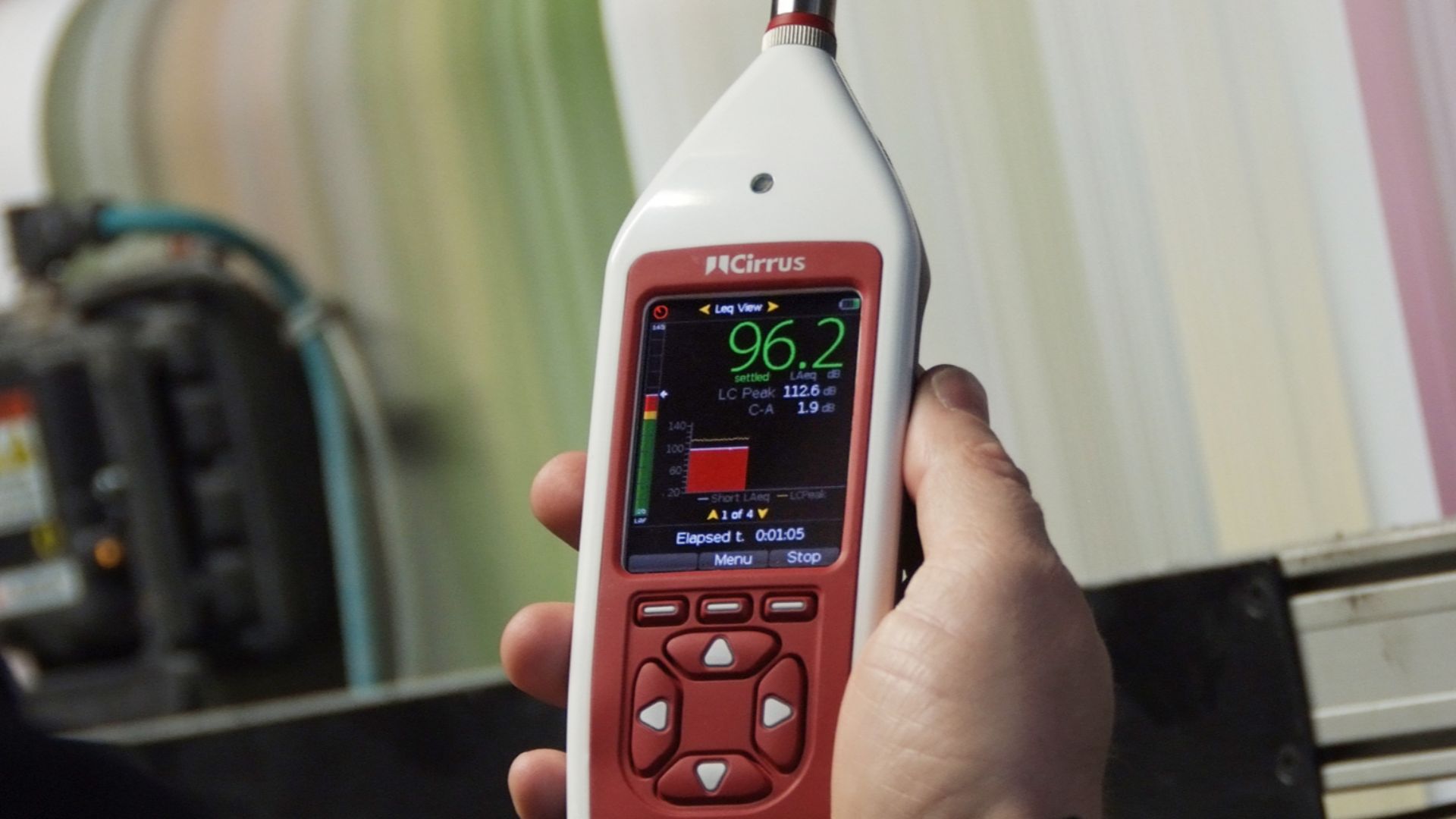
Some cities use objective decibel limits. Others regulate sound according to factors such as loudness, duration, frequency, distance, time of day, or whether it disturbs neighboring residents.
 Cirrus Research Plc, Wikimedia Commons
The Time Of Day Could Change Everything
If the witch screams at 2 p.m., one set of standards may apply. If it repeatedly screams at midnight because you're letting the dog outside, stricter nighttime restrictions may become relevant.
Many municipal noise ordinances establish quiet hours or lower permissible sound levels during nighttime periods.

But "It's Daytime" Isn't A Universal Defense
People sometimes assume they can make unlimited noise until 10 p.m. That's not necessarily true. Some cities have general restrictions against unreasonable or excessive noise that can apply outside designated nighttime hours.
The exact language of your municipal code matters much more than neighborhood folklore.

The Motion Sensor Makes This Scenario Stranger
The witch isn't simply making occasional noises when your neighbor walks past it. Its sensor apparently reaches across the property line and responds to you using your own yard.
Walk to the garbage cans: scream. Check the barbecue: scream. Let the dog out: scream.
That repetition is worth documenting.

Houston Shows What Officials May Consider
Houston's noise ordinance considers factors including the time of day, proximity of the sound to residential structures, whether the noise is recurrent, intermittent or constant, its volume and intensity, whether it has been electronically or mechanically enhanced, and whether it could be controlled without unreasonable effort or expense.
That last factor is particularly interesting here because adjusting a Halloween decoration may be remarkably easy.

Moving The Witch Could Cost Him Nothing
This dispute may have an almost comically inexpensive solution. Your neighbor could rotate the witch away from the fence, shorten the sensor range, reduce the volume, move it farther into his yard, switch off motion activation, or disable the sound.
Instead, refusing to make a free adjustment could potentially expose him to a municipal complaint and, depending on local law, eventual fines.

Start By Finding Your City's Actual Rule
Search your municipality's website for terms such as "noise ordinance," "noise bylaw," "residential noise," "amplified sound," "sound-producing device," "nuisance noise," and "quiet hours."
Don't rely exclusively on neighborhood Facebook posts. Find the actual city code and its current penalty schedule.

Look For The Penalty Section Too
Finding a prohibition is only half the job. Look for sections labeled "penalties," "violations," "enforcement," "administrative citations," or "civil penalties."
That's where you may discover whether the first offense gets a warning, what a citation costs, and whether subsequent violations become more expensive.

Document The Witch Before Complaining
Record the problem from your own property. A useful video might show you opening your side door, walking through your yard, and immediately triggering the witch across the fence.
Keep a simple log showing the dates, approximate times, and frequency of the noise. Don't enter the neighbor's property to obtain evidence.

You Don't Need To Buy Expensive Equipment
Don't spend hundreds of dollars on professional sound-measuring equipment before you know whether your municipality even requires decibel evidence. Some cities require official measurements or specific equipment for certain violations.
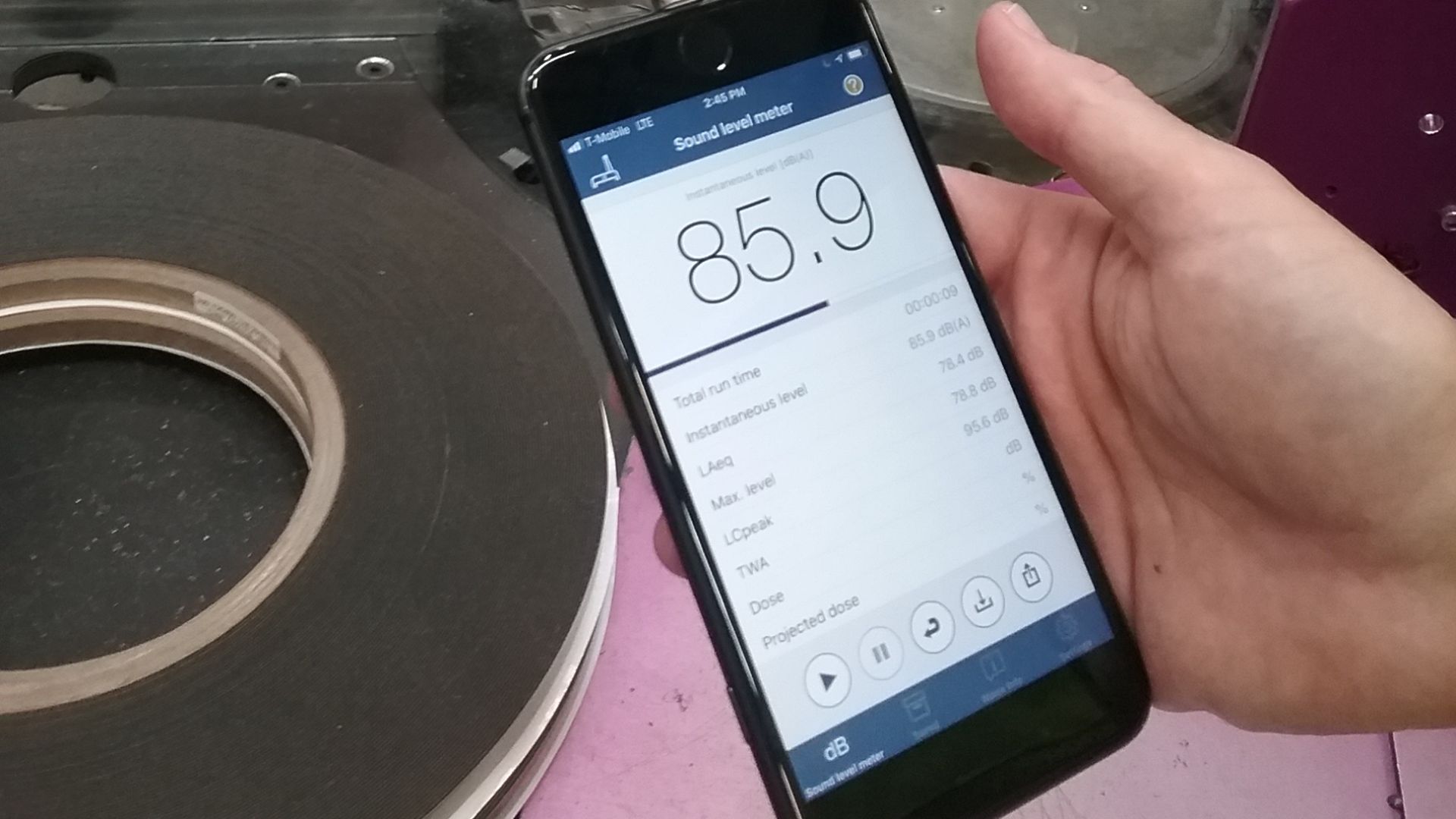
A smartphone sound-meter app may help illustrate the situation personally, but it isn't automatically the equivalent of an official calibrated measurement.
 Bryan Beamer, Wikimedia Commons
Give Him One Written Warning Of Your Own
Send a polite text or email explaining that the sensor reaches into your property and repeatedly activates the speaker. Ask him to redirect the sensor, reduce its range, lower the volume, or turn off the sound.
This costs you nothing and creates a written record showing that the neighbor knew about the problem and had an opportunity to correct it.

Then Use The City's Non-Emergency Process
Depending on where you live, complaints might go through 311, code enforcement, police non-emergency services, environmental services, or another municipal department.
Unless there's an actual emergency, don't call 911 because a plastic witch yelled at you.
 https://kaboompics.com/, Pexels
An Officer May Need To Verify It
A recording doesn't necessarily guarantee enforcement. Some jurisdictions require an officer or inspector to personally observe or measure the violation.
Seattle, for example, advises that for certain unreasonable-noise complaints, the complainant may need to allow an officer to hear the noise from the complainant's property and potentially be willing to testify.

Your Neighbor Could Simply Get A Warning
This is probably the least dramatic financial outcome. An officer arrives, hears the witch, tells your neighbor to reduce or stop the offending noise, and your neighbor complies.
Fine: potentially $0.
The $0 solution is also why refusing to cooperate after an official warning can be such an unnecessarily expensive decision.

But Ignoring The Warning Can Change Things
Municipal codes often distinguish between someone who corrects a problem and someone who knowingly allows it to continue after enforcement begins.
That's when a silly neighborhood disagreement can turn into actual citations, court costs, escalating fines, or repeated enforcement visits.

Could The HOA Fine Him Too?
Possibly. An HOA is separate from city government and may have its own restrictions concerning excessive noise, holiday displays, nuisance conditions, exterior speakers, or seasonal decorations.
Depending on the governing documents and applicable law, an association may have its own warning and fine process even if the city decides the witch doesn't violate its ordinance.

Could You Sue Him Over It?
A serious, persistent noise problem can potentially raise private-nuisance issues, but a lawsuit over a temporary Halloween decoration would normally be a much bigger and more expensive escalation than making a municipal complaint.
Legal fees could quickly dwarf the value of the witch, the fence, and possibly every piece of Halloween candy on the block.

Don't Create Your Own Financial Problem
Don't cross the property line and unplug, damage, move, spray, tape over, or destroy the decoration. Doing so could shift attention away from his noise and toward your conduct.
A $100 noise complaint isn't worth creating a property-damage dispute over a witch from the seasonal aisle.

So, Can My Neighbor Actually Be Fined?
Yes, potentially. A motion-activated Halloween decoration isn't automatically against city bylaws, but the noise it produces can potentially violate local rules governing amplified sound, unreasonable noise, quiet hours, residential disturbances, or nuisance noise.
Whether your neighbor gets fined, and how much, depends entirely on your local ordinance and how the city classifies the violation.

The Bill Could Range From $0 To Hundreds Of Dollars
Real municipal examples show just how wide the range can be. Some systems begin with warnings. Seattle identifies a $250 civil infraction for certain residential disturbances, while Santa Ana's escalating sound-device schedule eventually reaches $1,000 after repeated responses. Other municipal codes authorize maximum penalties that can climb higher still.
Those figures are examples, not a national fine schedule.

The Cheapest Solution Is Still Moving The Witch
Document the activations, check the municipal noise code and penalty schedule, send one clear written request, and file a non-emergency complaint if the problem continues. If an official warning arrives, your neighbor will have a very simple financial decision to make.
He can adjust a motion sensor for free, or he can find out exactly how expensive a screaming plastic witch can become.
You May Also Like: