When “Harmless” Starts Costing You Money
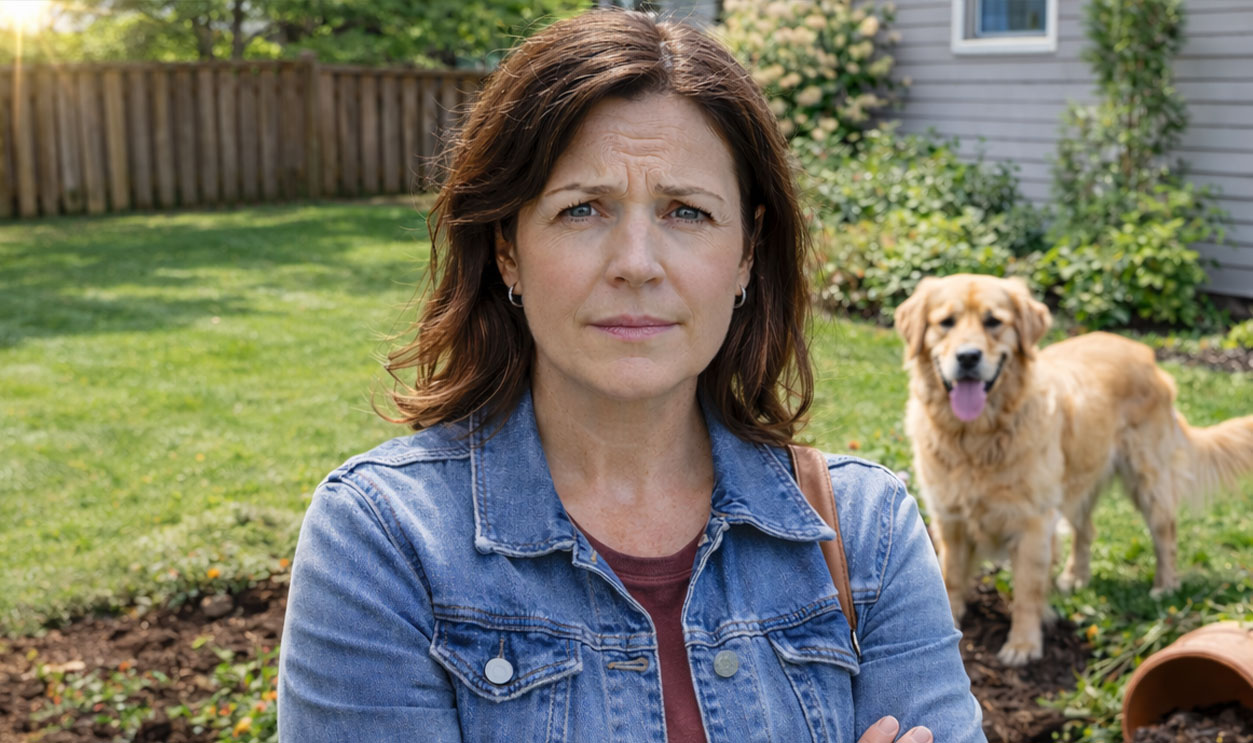
At first, it seems like a small annoyance. Your neighbor’s dog wanders into your yard, digs a few holes, and leaves. But then it keeps happening and suddenly you’re dealing with real damage and real costs. When you bring it up, your neighbor shrugs it off and says the dog is harmless. That doesn’t really help when you’re the one fixing your garden. Luckily, you don’t have to just accept it, and there are ways to both recover your losses and stop it from continuing.
Pet Owners Are Usually Responsible For What Their Dog Does
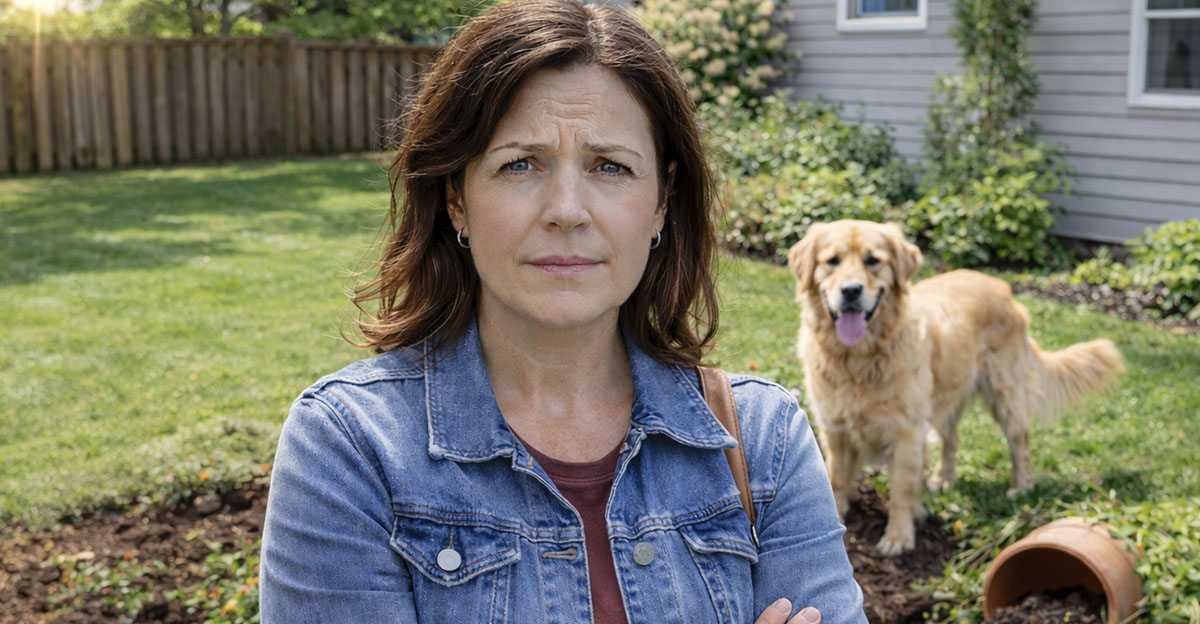
In most places, the law is pretty clear that pet owners are responsible for the actions of their animals. If their dog damages someone else’s property, they can be held liable for the cost of repairs. It doesn’t matter if the dog is friendly or “just playing.” If it’s causing damage, that’s what counts.
This Is Often Treated As Property Damage Or A Nuisance
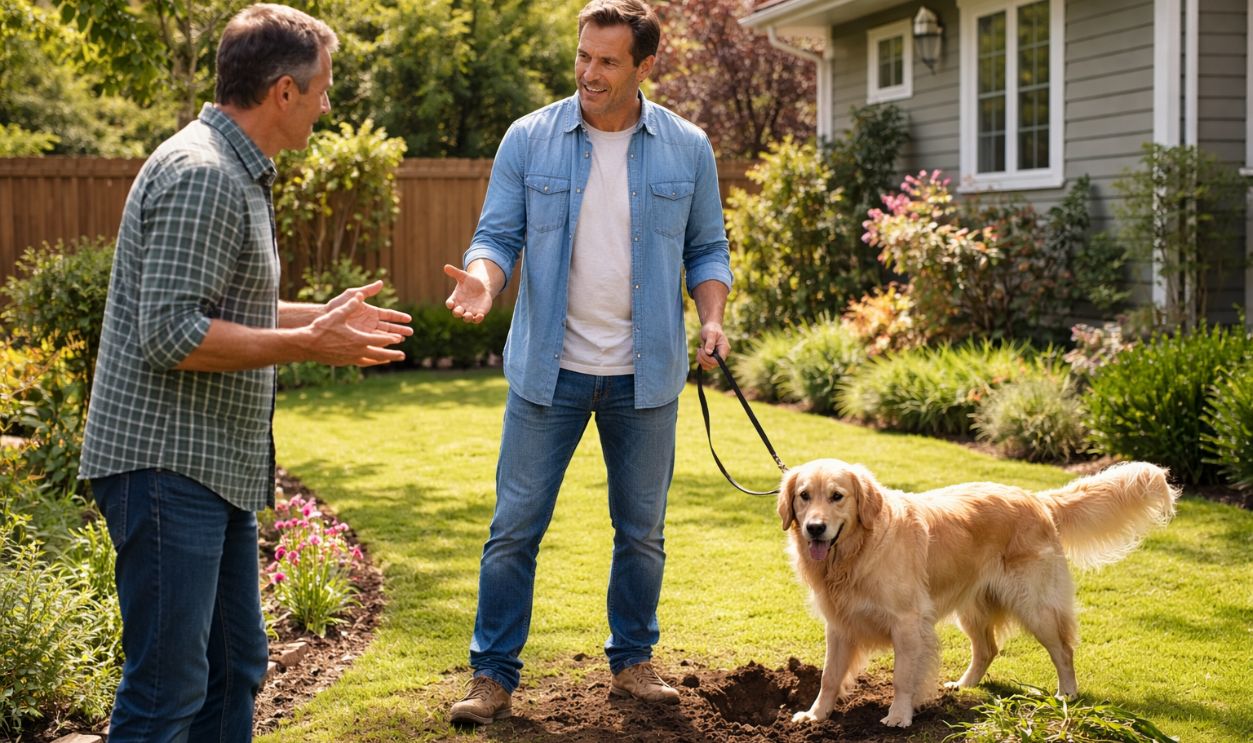
Legally, situations like this usually fall under property damage or private nuisance. That basically means your neighbor is interfering with your ability to use and enjoy your own property. Even if the dog isn’t aggressive, repeated damage can still qualify.
Intent Doesn’t Matter As Much As The Damage
Your neighbor might argue that the dog isn’t dangerous or doesn’t mean any harm. But legally, intent isn’t the main issue. What matters is that your property is being damaged and that it keeps happening.

You May Be Able To Recover Repair Costs
If you’ve had to replace plants, repair landscaping, or fix your yard, you may be able to ask your neighbor to reimburse you. This can be handled informally at first, but if they refuse, you may have other options.
Start By Documenting Everything
Before you do anything else, gather evidence. Take photos of the damage, ideally right after it happens. If you can safely capture the dog in your yard on video, even better. The more proof you have, the stronger your position will be.

Keep A Running Log Of Incidents
Write down each time the dog comes onto your property and what damage it causes. Over time, this builds a pattern that shows the problem isn’t a one-off situation but an ongoing issue.

Get Estimates For Repairs
If the damage is significant, consider getting quotes from landscapers or contractors. This helps show the real cost of the problem and gives you a concrete number if you ask your neighbor to pay.
 Horticulturaldna, Wikimedia Commons
Try A Direct Conversation First
Even if your neighbor hasn’t taken it seriously before, it’s worth trying again. Stay calm and explain the damage and the cost involved. Sometimes people respond differently when they see actual numbers instead of general complaints.

Follow Up With A Written Request
If talking doesn’t work, send a simple written request asking them to prevent their dog from entering your property and to cover the damage. This creates a record that you tried to resolve things reasonably.

Check Local Leash Laws And Animal Rules
Many areas have laws requiring dogs to be contained on their owner’s property or on a leash. If the dog is roaming freely, your neighbor may already be violating local regulations.
 Danielle-Claude Belanger, Unsplash
Contact Animal Control If Needed
If the problem continues, calling animal control can be an effective step. They can issue warnings, fines, or require your neighbor to keep the dog contained. Sometimes this is what finally gets people to take the issue seriously.

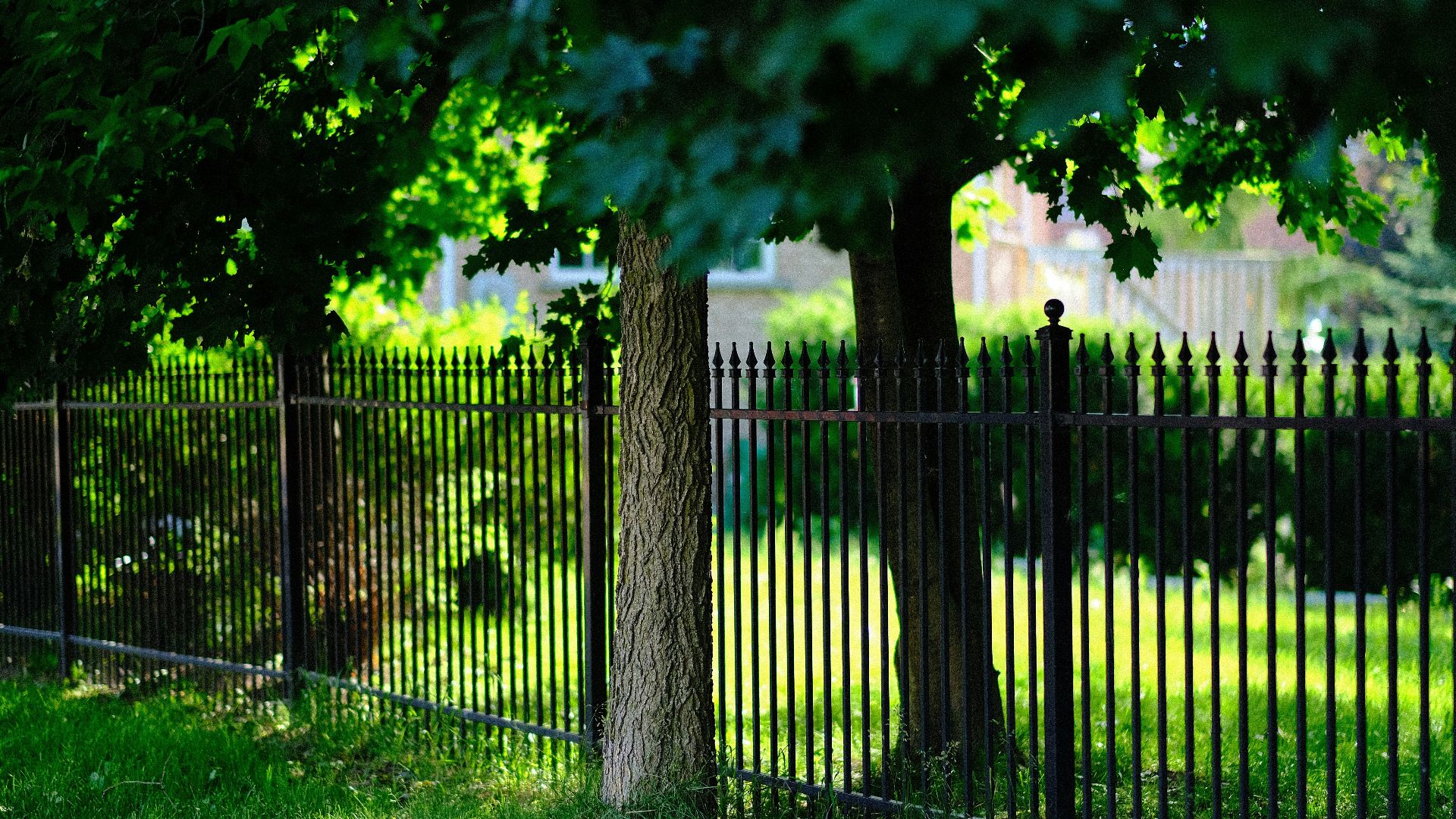
A Fence Or Physical Barrier Can Help
While it shouldn’t be your responsibility, installing a fence or barrier can help protect your yard. It’s a practical way to stop the damage while you figure out a longer-term solution.
Use Humane Deterrents To Keep The Dog Out
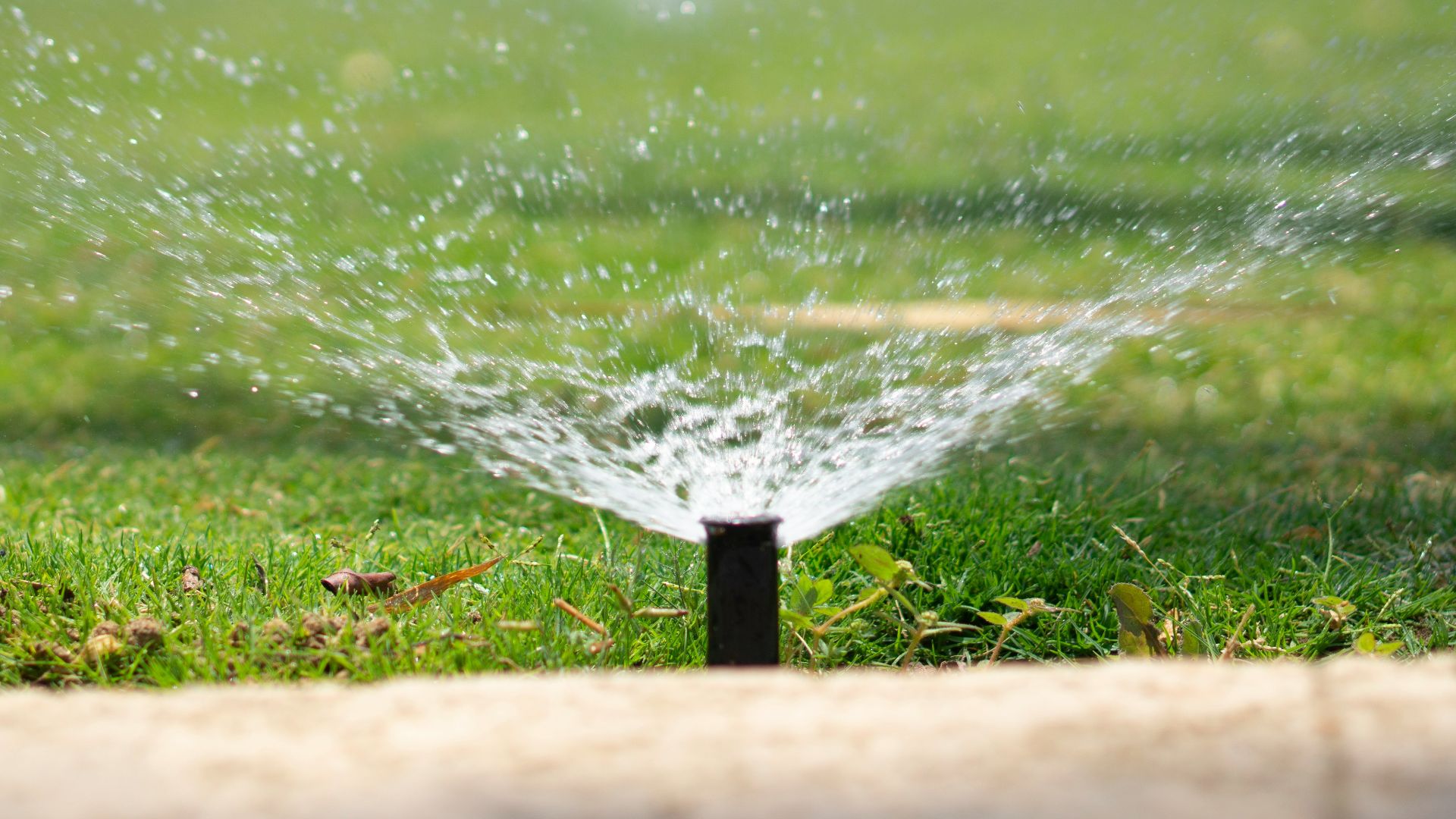
There are also non-harmful deterrents that can help. Motion-activated sprinklers, ultrasonic devices, or even certain scents can discourage dogs from entering your yard. These can be surprisingly effective.
Avoid Escalating The Situation Yourself
It’s important not to take matters into your own hands in a way that could harm the dog. That can backfire legally and make the situation worse. Stick to legal and reasonable solutions.

Mediation Can Help If Things Get Tense
If communication breaks down, mediation is an option. A neutral third party can help both sides come to an agreement without turning it into a full-blown dispute.

Small Claims Court Is A Practical Option
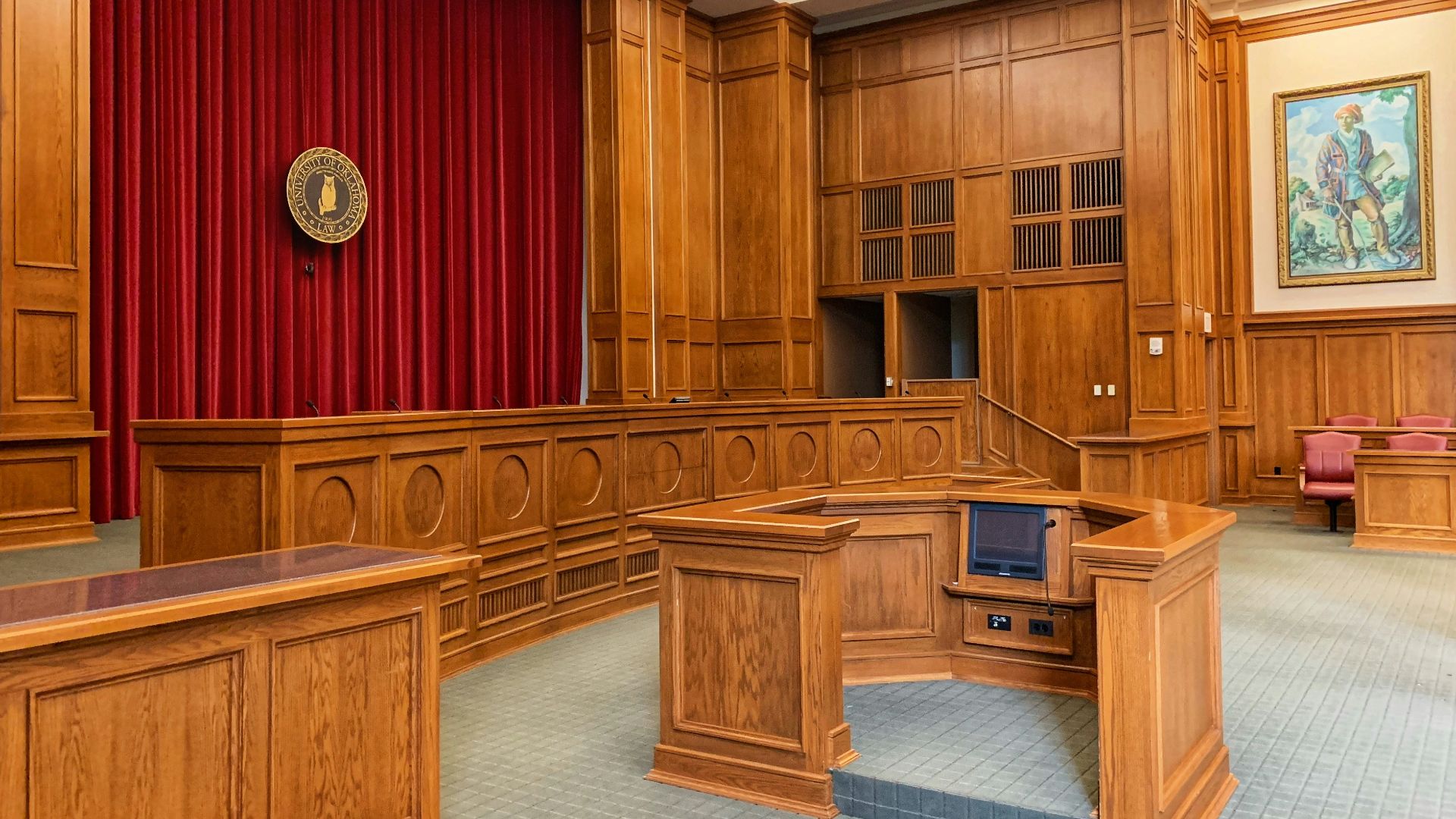
If your neighbor refuses to pay for the damage, small claims court may be your next step. It’s designed for situations like this and doesn’t require a lawyer in most cases.
You’ll Need Solid Evidence To Win
If you go this route, your documentation will matter. Photos, videos, repair estimates, and your incident log all help show that the damage happened and that your neighbor’s dog caused it.

Repeated Incidents Strengthen Your Case
The more often it happens, the stronger your case becomes. A single incident might be brushed off, but a pattern of damage is much harder to ignore.

You Might Be Able To Recover More Than Just Repairs
In some cases, you may also be able to recover related costs, like cleanup or preventative measures, depending on your local laws and the extent of the damage.
Final Thoughts: You Can Push For Compensation And Stop The Problem
If your neighbor’s dog is digging up your garden, you don’t have to just put up with it. You may be able to recover the cost of repairs, especially if you can show a pattern of damage. At the same time, steps like documenting the issue, contacting animal control, using deterrents, and setting clear boundaries can help stop it from happening again. It may take a combination of approaches, but you do have ways to protect your property and deal with the situation.
You May Also Like: