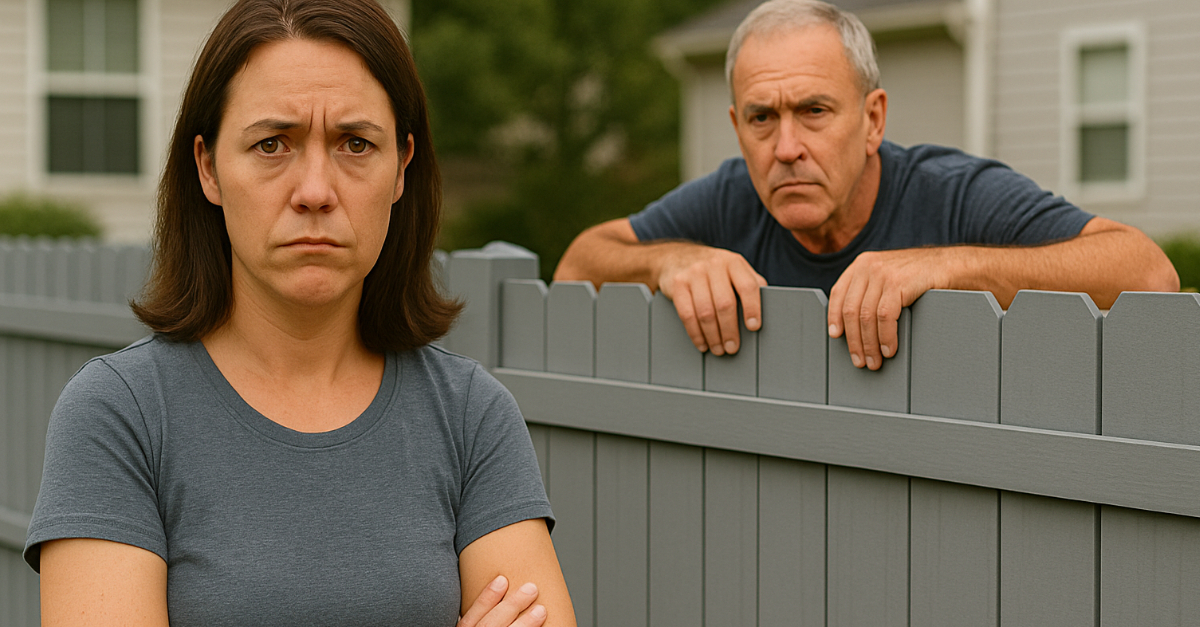
When Their Home Upgrade Becomes Your Problem
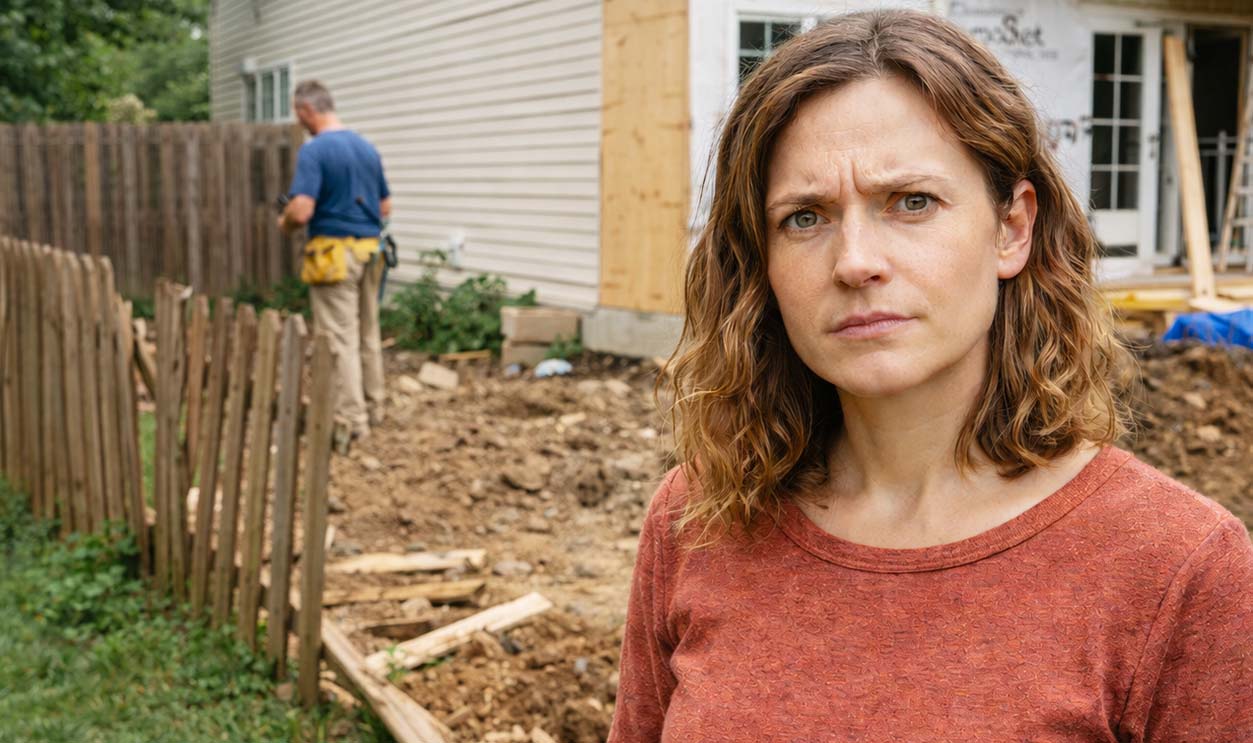
Renovations are stressful enough when they’re happening inside your own house. They’re a whole different level of annoying when they’re happening next door…and then somehow your fence is leaning, your lawn looks like a construction zone, and debris keeps magically landing on your property.
If your neighbor’s renovation is damaging your property, you’re probably wondering whether you’re just supposed to tolerate it or if they actually owe you something. The short answer is that you usually don’t have to eat the cost. But how you handle it matters a lot.

It's More Common Than You Think
Construction crews don’t always move carefully, especially when they’re focused on speed and budget. Heavy equipment, trucks, ladders, scaffolding, and dumped materials can easily cross property lines. Even if your neighbor didn’t intend for anything to happen, that doesn’t mean you’re responsible for the damage. Renovations blur boundaries, literally and legally.
Start By Confirming Where Your Property Line Actually Is
Before emotions take over, it’s important to know exactly what’s yours. Fences, lawns, and trees don’t always sit perfectly on a legal boundary, even if everyone assumes they do. A property survey, plot map, or closing documents can help confirm whether the damaged fence or lawn is fully on your property or shared. This matters because responsibility can change depending on ownership.

Why “Accidental” Damage Is Still Their Responsibility
A lot of neighbors respond with, “It was an accident,” as if that ends the conversation. Legally, it usually doesn’t. If someone (or someone they hired) damages your property while doing work, they’re typically responsible for fixing it. Intent isn’t required. What matters is that their renovation activity caused harm to something you own.

Document Everything Before It Gets Worse
The single most important thing you can do early is document the damage. Take clear photos and videos of your fence, lawn, landscaping, and any other affected areas. Try to capture dates, angles, and progression if the damage is ongoing. If trucks are driving over your grass or materials are stacked against your fence, photograph that too. Documentation protects you if the situation escalates.

Timing Matters More Than People Realize
Damage that’s documented immediately is far easier to prove than damage discovered weeks later. If you wait too long, your neighbor can claim it was already there or caused by something else. Early documentation helps establish a clear timeline connecting the renovation to the damage.

Talk To Your Neighbor Before Going Nuclear
As tempting as it is to jump straight to threats or legal action, a calm conversation often goes a long way. Many homeowners don’t realize their contractor is causing issues next door. Explaining what’s happening and showing photos can prompt them to step in, adjust the work, or agree to repairs. You’re not asking for a favor, you’re giving them a chance to handle it reasonably.

Why Contractors Are Often the Real Culprit
In many cases, it’s not the neighbor personally damaging your property, it’s their contractor. The key point is that contractors work on behalf of your neighbor. That means your neighbor is usually responsible for damage caused by the people they hired, even if the contractor was careless or rushed.

Ask Who’s Paying For The Work (And Who’s Insured)
If the renovation involves licensed contractors, there should be insurance involved. Many contractors carry liability insurance specifically for property damage. Asking your neighbor who the contractor is and whether they’re insured can open a path to repairs without a big fight. Insurance claims often resolve these situations faster than personal disputes.

Fence Damage Comes With Extra Complications
Fences can be tricky because ownership isn’t always obvious. If the fence is entirely on your property, damage is usually straightforward: the neighbor (or contractor) pays. If the fence is shared, responsibility may be split depending on local laws and agreements. Either way, unilateral damage to a shared structure typically isn’t allowed without consent.

Lawn And Landscaping Damage Still Counts As Property Damage
Grass, plants, and landscaping aren’t just cosmetic in the eyes of the law. If heavy equipment destroys your lawn or garden, that’s real property damage with a dollar value. Restoration costs like regrading soil, replacing sod, replanting shrubs can add up quickly, and those costs are often recoverable.

Why Verbal Promises Aren’t Enough
A neighbor saying, “I’ll take care of it later,” might feel reassuring in the moment, but it’s risky to rely on. If repairs are delayed or forgotten, you’re left with damage and no paper trail. Following up with a polite text or email summarizing what was agreed upon creates a record without escalating things.

When To Send A Formal Written Notice
If the damage continues or your neighbor becomes dismissive, a written notice can help. This doesn’t have to be aggressive or legal-sounding. It simply needs to state what damage occurred, when it happened, and that you expect it to be repaired or compensated. Written notice shows you’re serious and often prompts action.

Small Claims Court Is Often The Pressure Point
If your neighbor refuses to pay or fix the damage, small claims court is a common next step. It’s designed for disputes like this and doesn’t require a lawyer in most cases. Your photos, repair estimates, and documentation become your evidence. The mere mention of small claims court often motivates settlement.

When Your Homeowners Insurance Comes Into Play
You might be tempted to file a claim with your own homeowners insurance. Sometimes this makes sense, especially if the damage is extensive. But be cautious as filing a claim could raise your premiums. In some cases, your insurer may pay for repairs and then pursue reimbursement from your neighbor or their contractor.

Local Laws And Ordinances Can Work In Your Favor
Many cities and counties have rules governing construction activity, property encroachment, and damage. If renovation equipment is repeatedly crossing onto your property, violating noise or access rules, or ignoring permit conditions, local code enforcement may step in. This isn’t about being petty, it’s about protecting your property.

Why Ignoring The Problem Usually Makes It Worse
Letting damage slide rarely leads to a better outcome. Fences can collapse further, lawns can erode, and contractors may assume they have permission to keep using your space. Addressing the issue early, even if it feels awkward, prevents larger repairs and harder conversations later.
Balancing Peace With Protecting Your Property
Nobody wants to start a neighborhood war. But protecting your property doesn’t make you unreasonable. Clear communication, documentation, and fair expectations usually keep things from spiraling. Most neighbors want to avoid legal trouble just as much as you do.

What If The Renovation Isn’t Finished Yet?
If work is ongoing and damage is continuing, you’re within your rights to ask that protective measures be put in place immediately. Temporary fencing, barriers, or rerouted access can prevent further harm while the renovation continues. Waiting until the project is done may mean accepting damage that could’ve been avoided.

When Mediation Can Help
If conversations stall but you still want to avoid court, community mediation services can help. A neutral third party can guide the discussion, clarify responsibilities, and help reach a written agreement. This option often preserves neighbor relationships while still resolving the issue.

The Bottom Line: You’re Not Being Difficult, You’re Being Reasonable
If your neighbor’s renovation is damaging your fence or lawn, you generally have the right to be made whole. Accidents don’t erase responsibility, and contractors don’t get a free pass just because they’re busy. With documentation, calm communication, and a willingness to escalate if necessary, you can usually get repairs covered without turning a temporary renovation into a permanent feud.

You May Also Like:
My neighbor built a fence on my land. I sued. Now legal fees are bleeding me dry. What next?