
How Long Can This Keep Going?
You paid extra for an extended warranty, the appliance is still broken, and the company keeps sending another technician instead of replacing it. At some point, “we’ll try one more repair” starts wearing thin. The good news is you may have grounds to push back, depending on what the contract actually promises.

First, Figure Out What You Bought
Find the appliance receipt, original manufacturer warranty, and extended protection paperwork. A manufacturer's warranty and a separately purchased service plan are not the same thing. Each can offer different rights and remedies.

"Extended Warranty" May Be A Misnomer
Many plans marketed as extended warranties are technically service contracts. They are purchased separately and usually operate under their own terms. That distinction becomes important when you start demanding replacement.

Find Out Who Is Actually Responsible
The retailer that sold the plan may not be handling the claim. A manufacturer, outside administrator, or service company could be responsible instead. Check the contract to identify exactly who owes you the promised coverage.

The Company May Get To Repair It First
A broken appliance does not always entitle you to an immediate replacement. Many warranties and service contracts allow the provider to attempt repairs first. That is why another technician visit is not automatically a contract violation.

Replacement Is Not Automatic
There is no universal rule saying three failed repairs always mean a new appliance. Your contract may set its own replacement standards and limitations. Those written terms are usually your strongest starting point.
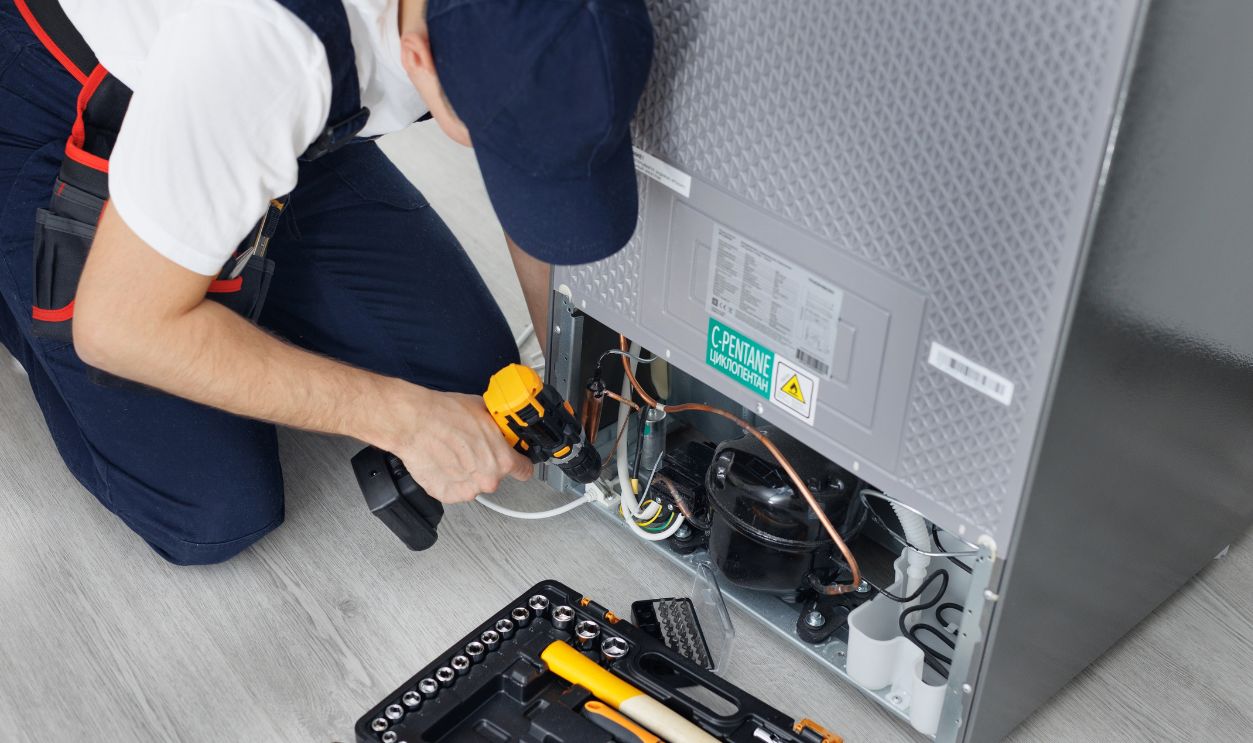
A "Full Warranty" Can Be Different
Federal rules provide stronger protections for written warranties officially designated as "full." If a product cannot be fixed after a reasonable number of attempts, a full warranty must offer replacement or a refund. Check whether the original manufacturer warranty qualifies.

A "Limited Warranty" Does Not Work The Same Way
Most warranties do not carry that exact federal replacement requirement. A written warranty that fails to meet the standards for a full warranty is considered "limited." Separately purchased service contracts also generally follow their own terms.

Find The Clause That Matters
Search your contract for words such as "repair," "replace," "nonrepairable," "reimbursement," and "limit of liability." These sections explain when the provider can stop repairing and choose another remedy. Read them before making your next call.

Look For Coverage Limits
Service plans can contain exclusions that are easy to miss. Certain components, failures, or types of damage may not qualify for coverage. Confirm that the current problem actually falls within the agreement.

Count Every Service Visit
Write down every technician visit, repair attempt, and service fee. Some plans charge deductibles or limit the benefits available during the contract. A clear record makes repeated failures much easier to demonstrate.

Check The Maximum Benefit
Some plans cap how much the company will spend on repairs or replacement. Look for maximum-benefit, reimbursement, depreciation, or liability language. Previous repairs may count toward that limit.

Repeated Failures Strengthen Your Case
It helps if technicians keep repairing the same problem and it keeps returning. A refrigerator that repeatedly stops cooling creates a clearer dispute than several unrelated issues. Document exactly when each repair failed.
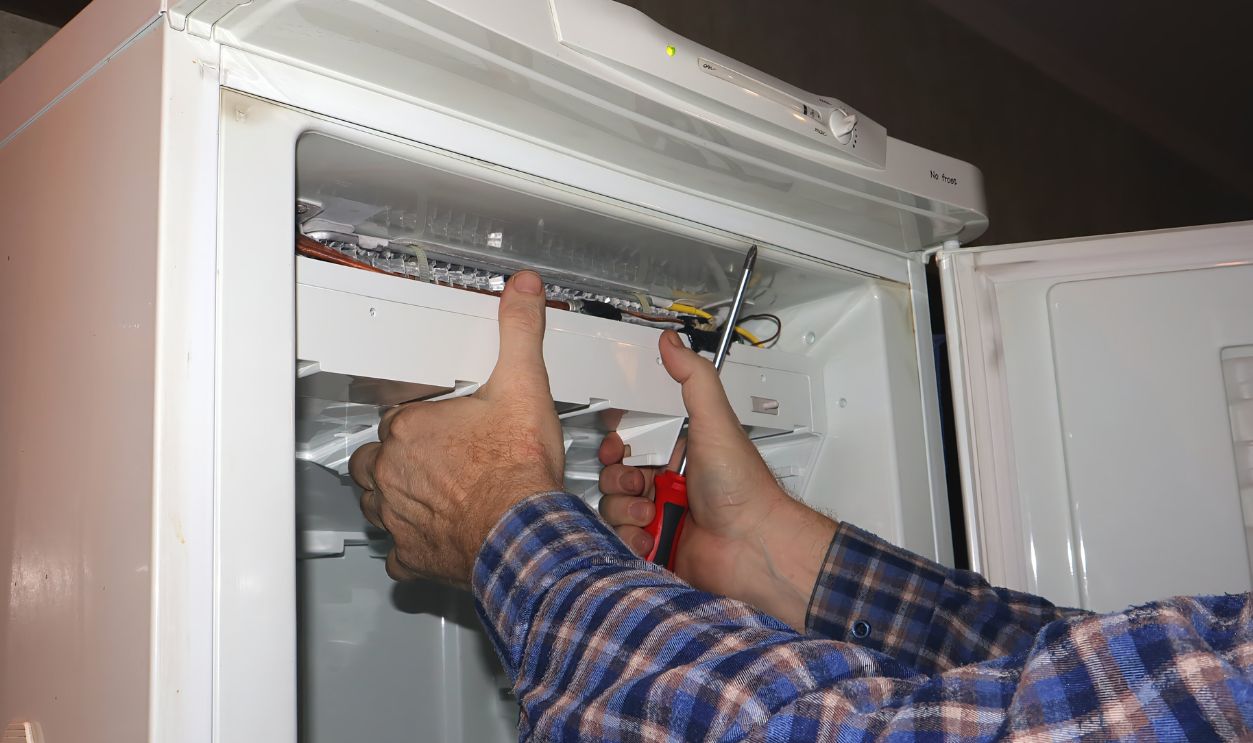
Build A Simple Timeline
Create a list of claim numbers, service dates, repairs, parts ordered, and promised completion dates. Add any fees you paid and the dates the appliance failed again. This gives you evidence rather than relying on memory.

Get The Diagnosis In Writing
Ask for a work order after every technician visit. Save anything showing that a repair failed, another part is needed, or a component cannot be obtained. Written records can become crucial during an escalation.

Keep The Claims Connected
Do not let every service call become an unrelated new case. Ask the company to connect the claim numbers and review the entire repair history together. You want the file to show one unresolved problem.

Move Beyond Customer Service
If ordinary phone calls keep producing another technician appointment, escalate the complaint in writing. Contact a supervisor, claims escalation department, or company management. Keep proof that your complaint was received.

Quote Their Own Contract
Point directly to the provision you believe supports replacement or reimbursement. Then list the failed repair attempts and explain why you think the threshold has been reached. This is stronger than simply saying you are frustrated.

Ask For A Specific Remedy
Tell the company exactly what you want. That could mean replacement, reimbursement, a cash settlement, or another remedy permitted by the agreement. A vague request for "help" is much easier to brush aside.

Give Them A Response Date
Ask for a written decision within a reasonable period, such as 10 business days. Make clear that this is your requested deadline, not necessarily a deadline imposed by law. It gives your escalation a clear next step.

Bring The Retailer Back In
If you bought the protection plan through a retailer, contact that retailer too. Even when another company administers claims, retailers sometimes have escalation channels with their service-plan partners. Give them the full repair history.
 Hryshchyshen Serhii, Shutterstock
Check The Manufacturer Warranty Too
The original manufacturer's warranty may still cover part of the appliance or the specific defect. Extended plans sometimes overlap with manufacturer coverage. Do not assume the paid plan is your only option.
 Andrii Iemelianenko, Shutterstock
Be Careful With Outside Repairs
Read the contract before hiring your own technician. Some plans require prior authorization or repairs through approved providers. An unauthorized repair could make the dispute more complicated.

Put Numbers Behind Your Argument
Ask how much the provider has already spent on repairs and what the next repair will cost. Compare that with the cost of replacing the appliance. Even if the company controls the final decision, those numbers can make continued repairs harder to justify.

State Law May Give You More Leverage
Consumer protections for service contracts vary by state. Some states regulate service-contract providers and provide complaint procedures beyond federal protections. Check your state consumer protection agency before assuming the contract is your only recourse.

Escalate Outside The Company
If a written complaint goes nowhere, consider filing with your state attorney general or consumer protection office. You can also report warranty and service-contract problems to the Federal Trade Commission. A complaint does not guarantee replacement, but it adds outside pressure.

Know Your Final Options
Check the contract for arbitration, mediation, or other dispute procedures. Depending on the amount involved and your state's rules, small claims court or legal assistance may also be options. Save every contract, receipt, email, and repair record before going further.

The Bottom Line
Repeated repairs do not have to continue forever when the appliance still is not working. Your strongest case comes from the contract language, a documented repair history, and a specific request for the remedy the plan allows. If the company still refuses, escalate through the retailer, manufacturer, regulators, or the dispute process listed in the agreement.
You May Also Like:
Sneaky Ways Companies Make Prices Look Lower Than What You Actually Pay
Our house needs a new roof, but we don't have the cash. Should we finance it or keep saving?