When The Mall Was The Place To Be
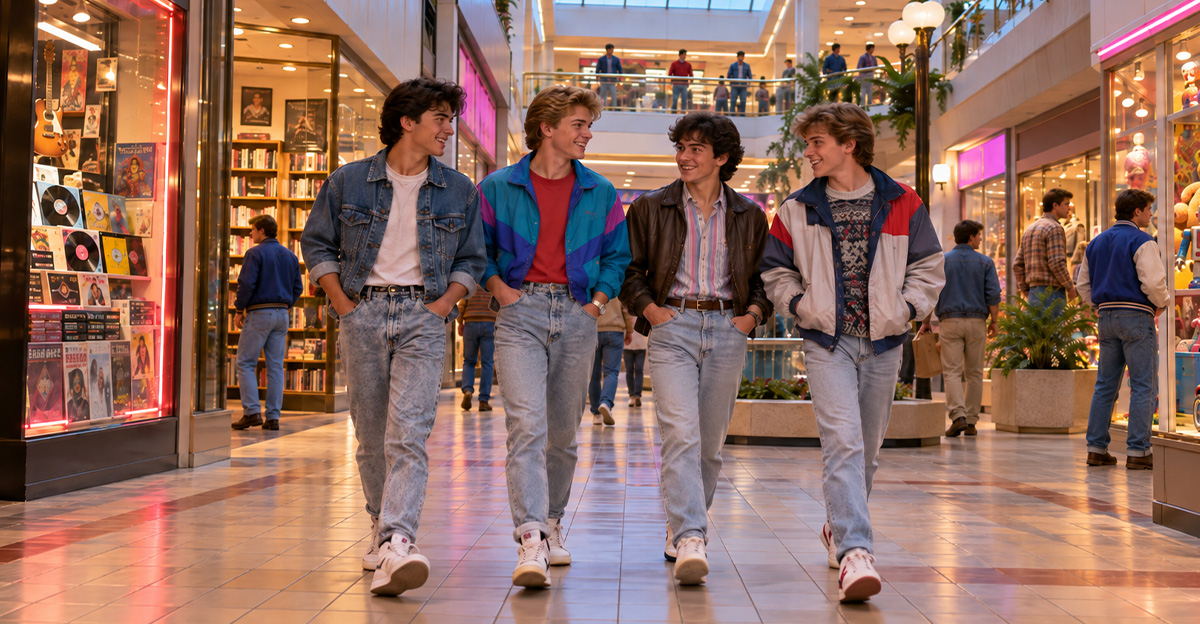
Before online shopping, Saturday afternoon often meant one thing: a trip to the mall. You could buy jeans, browse records, grab a paperback, inspect the newest gadgets, and bump into half the people you knew without ever going outside. These stores helped make that possible. Which ones did you shop at?
Waldenbooks
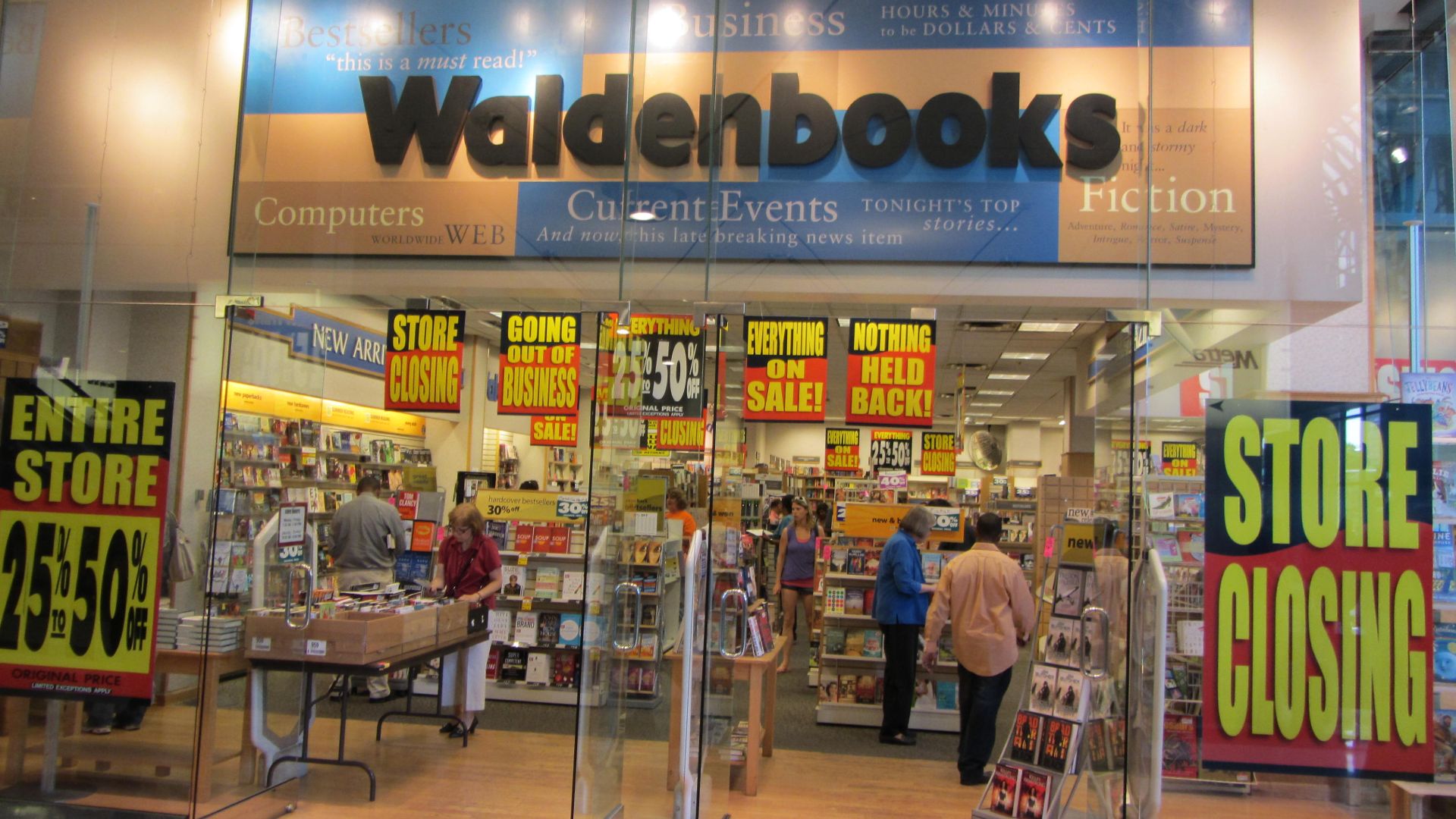
There was something wonderfully peaceful about stepping into Waldenbooks after navigating a noisy mall. In 1983, the chain had roughly 830 stores nationwide, making it one of the most familiar booksellers of the era. You wandered the shelves instead of letting an algorithm tell you what to read next.
 David Wilson, Wikimedia Commons
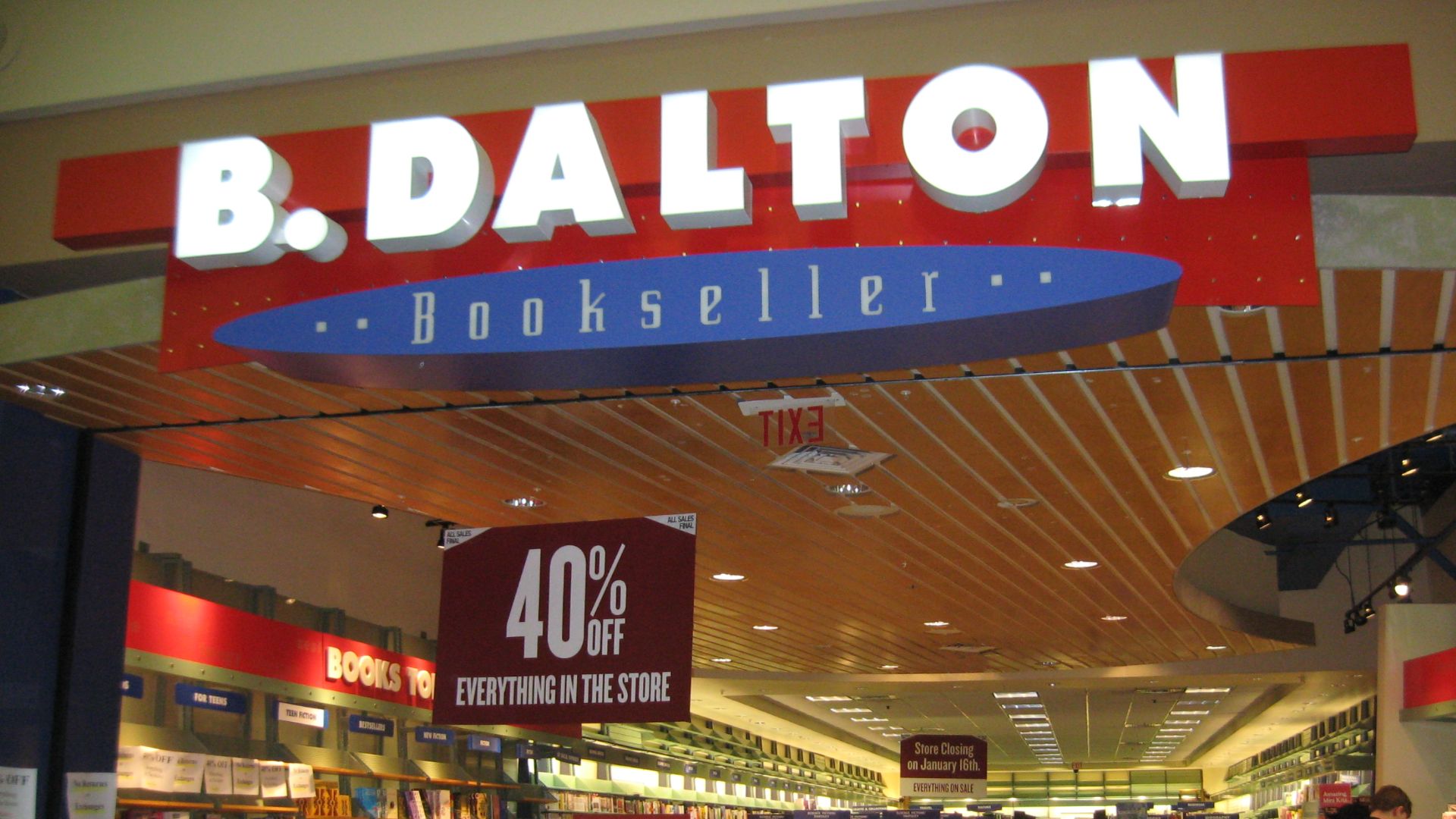
B. Dalton Bookseller
Of course, some malls had another literary heavyweight just down the concourse. B. Dalton became one of the classic American mall bookstores and peaked at nearly 800 locations during the 1980s. Barnes & Noble bought the chain in 1987, and the familiar B. Dalton name gradually disappeared.
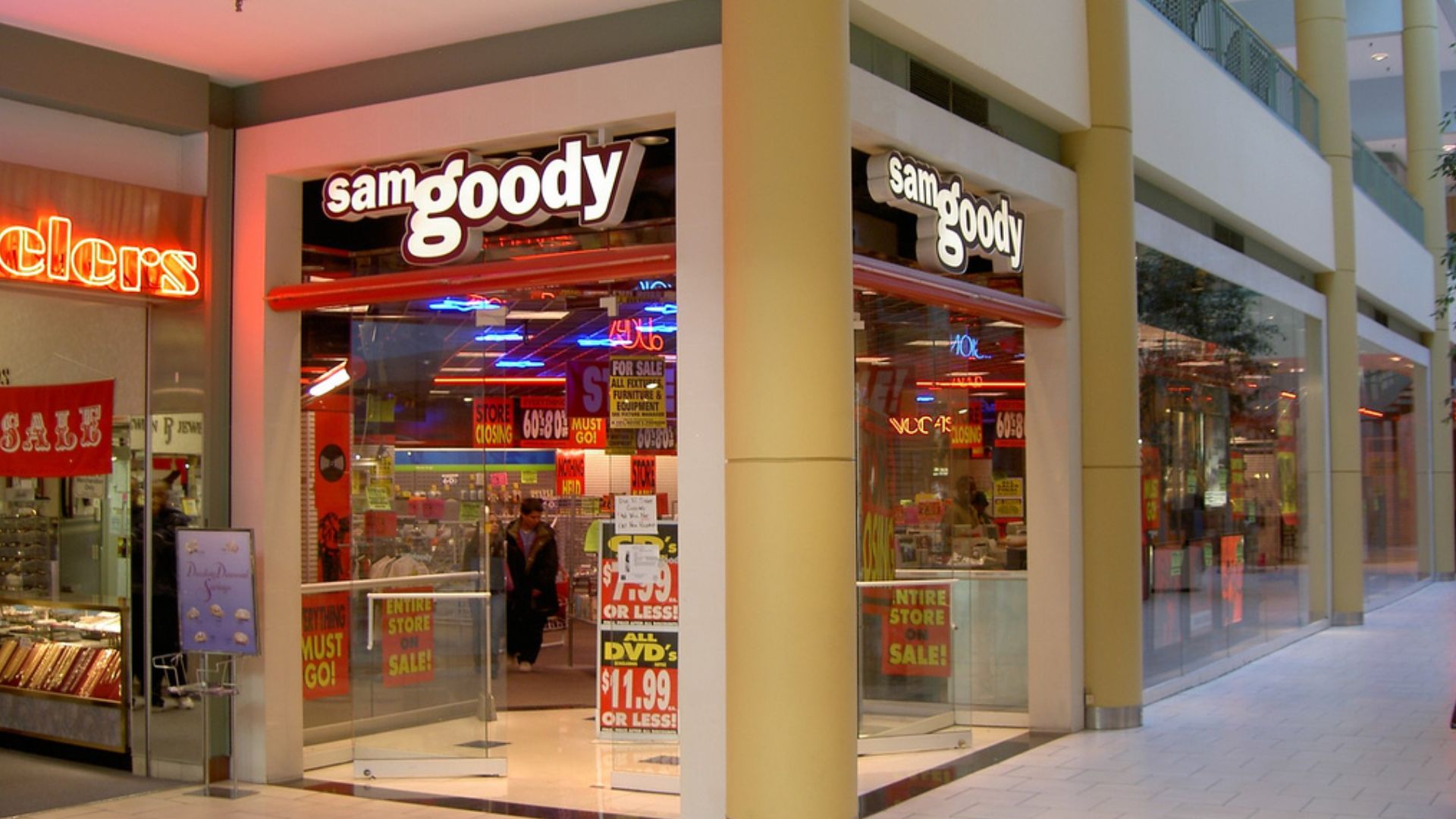
Sam Goody
If you remember buying music when music actually required carrying something home, Sam Goody probably rings a bell. Its racks moved from records toward cassettes and CDs as technology changed. By the late 1980s, the chain had grown dramatically under parent company Musicland.
 Adam Lautenbach, Wikimedia Commons
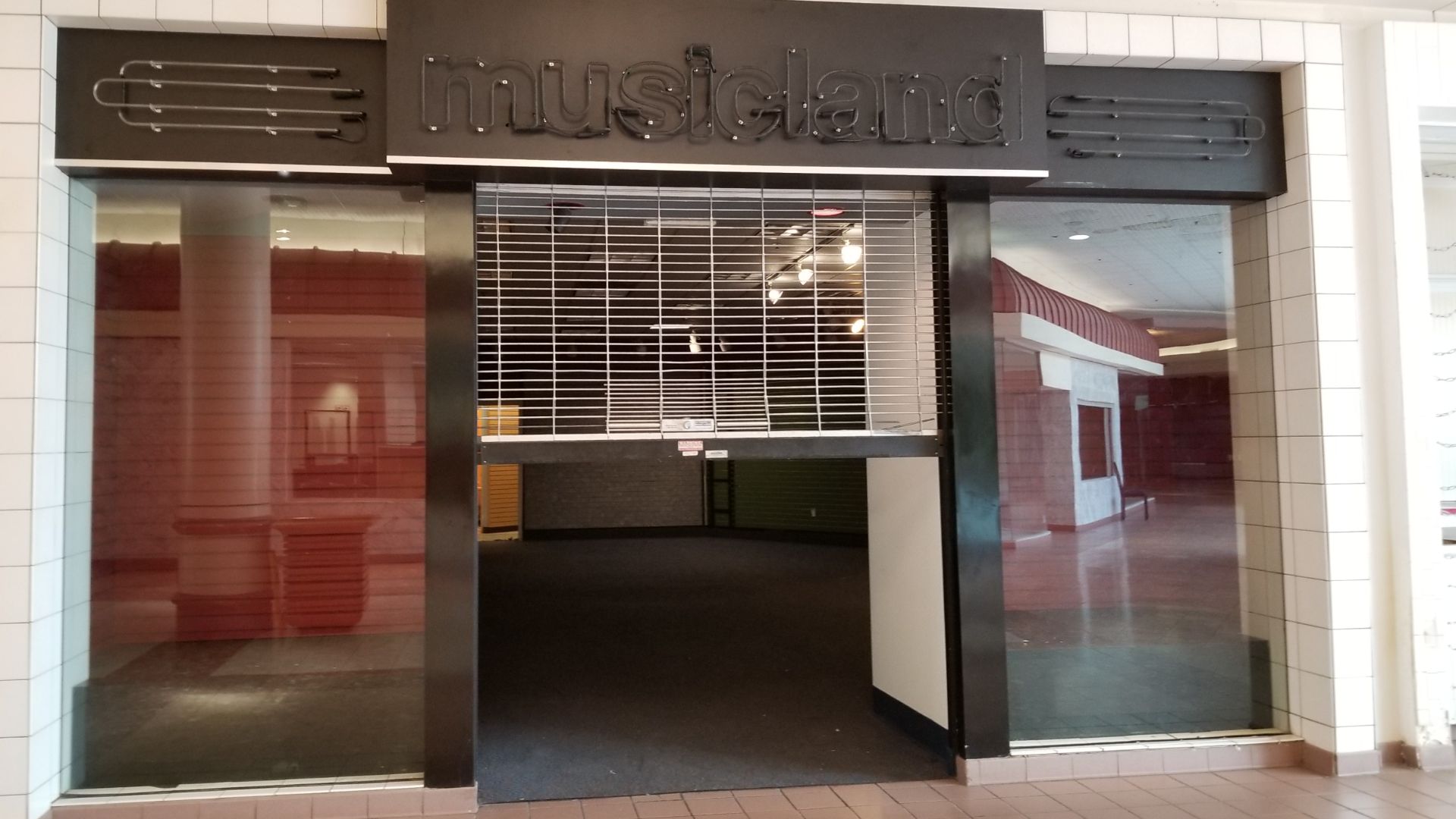
Musicland
Musicland was another temple of shrink-wrapped entertainment, often filled with shoppers flipping through albums while supposedly "just looking." By 1986, its parent operation had become America's largest music retailer and operated hundreds of stores. Eventually, many Musicland locations were converted to the better-known Sam Goody name.
 MikeKalasnik, Wikimedia Commons
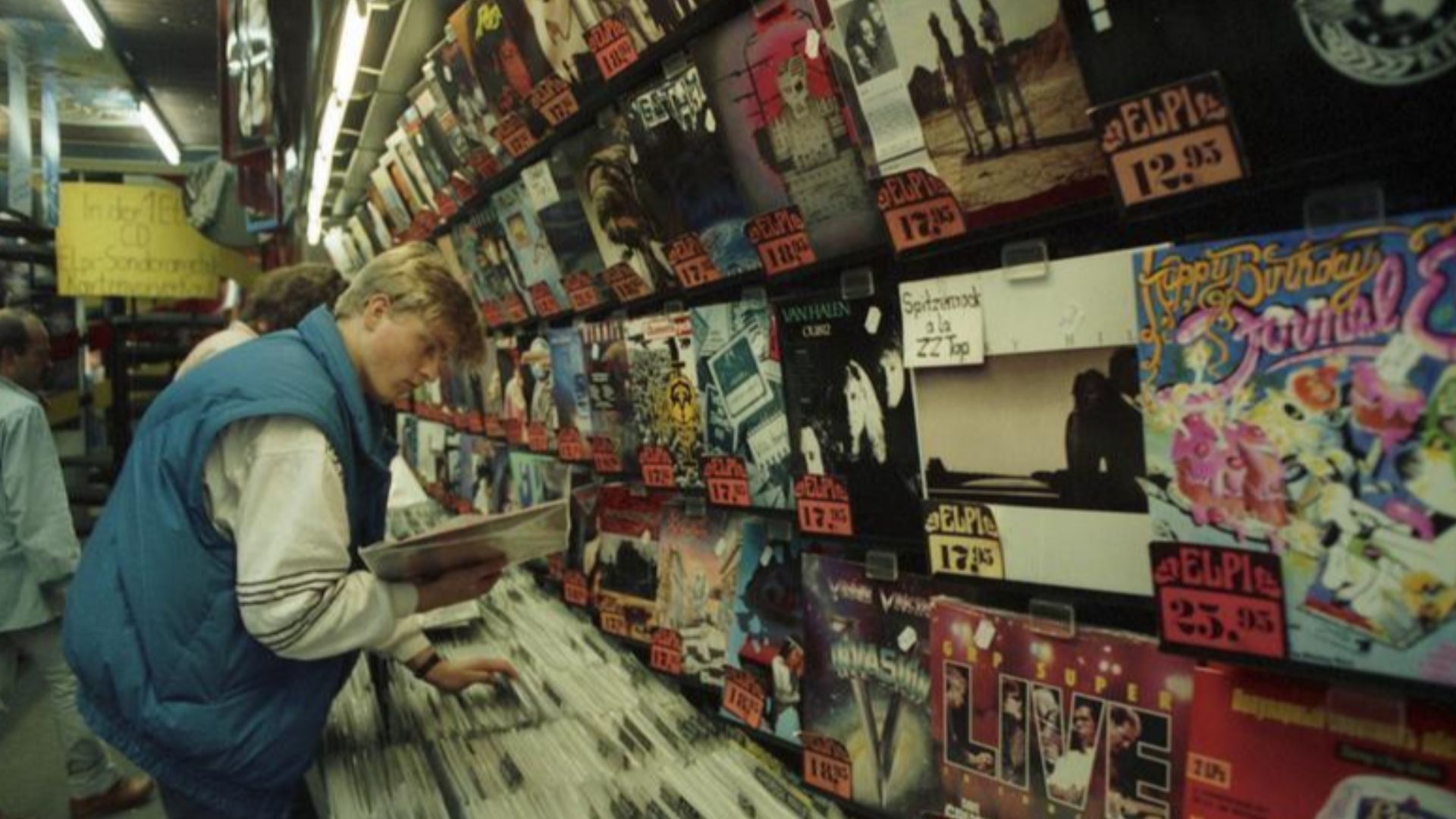
Camelot Music
Camelot Music had the sort of name that made buying a cassette feel almost heroic. For countless mall shoppers, it was simply where you checked for the newest album before deciding whether your allowance could handle the price. The chain eventually became part of the consolidation that reshaped mall music retailing.
 Unknown authorUnknown author, Wikimedia Commons
Kay-Bee Toys
Parents may remember Kay-Bee Toys somewhat less fondly than their children do. Often written KB Toys later on, its narrow mall stores seemed designed to place something irresistible at a child's eye level every few feet. For generations of kids, passing the entrance without going inside required enormous self-control.
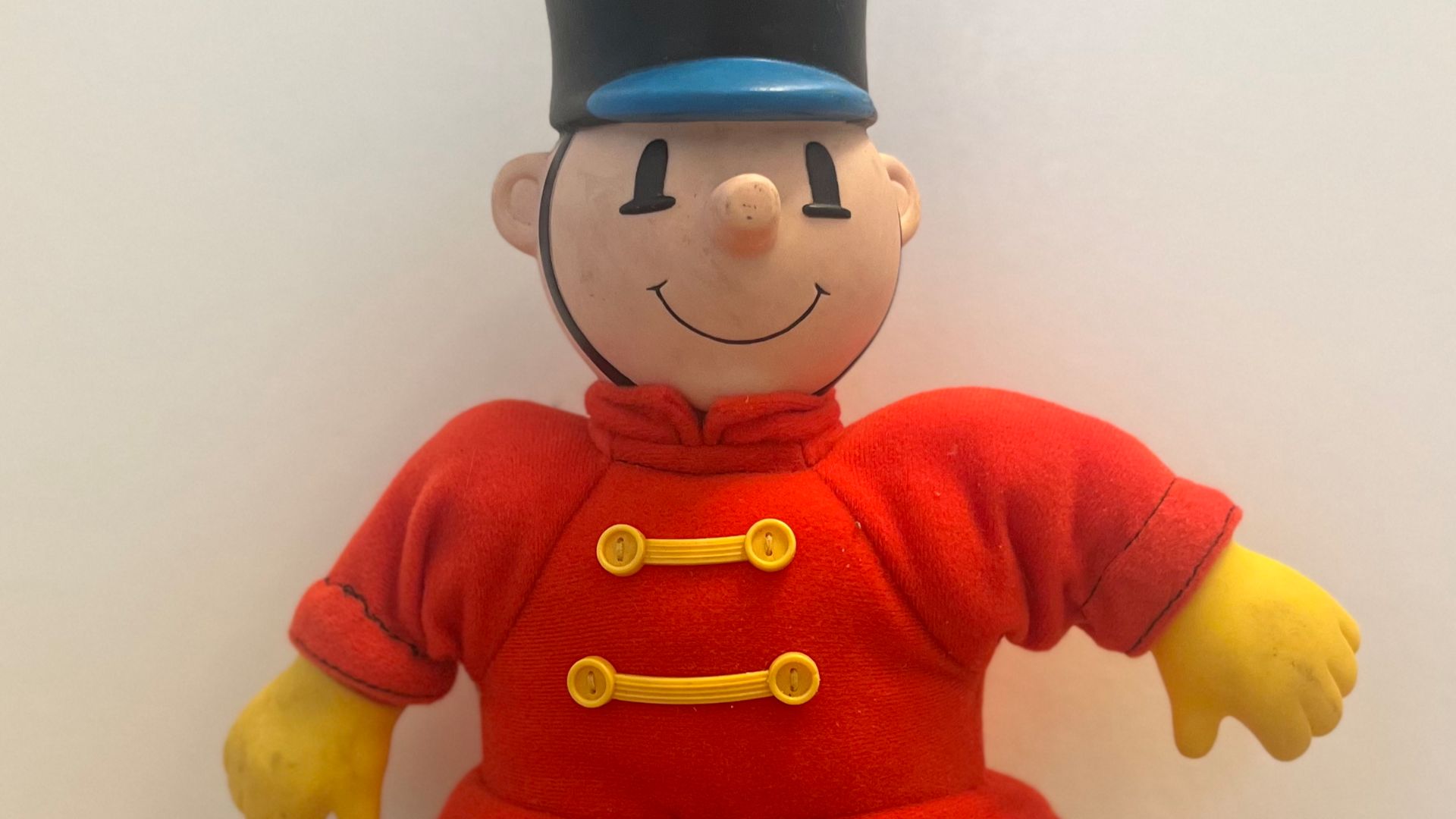 Wikicontributor135, Wikimedia Commons
Chess King
Few names scream "1980s mall" quite like Chess King. The men's fashion chain specialized in clothing aimed at younger shoppers and expanded to more than 500 locations by the middle of the decade. Bold colors and equally bold fashion decisions were very much part of the experience.
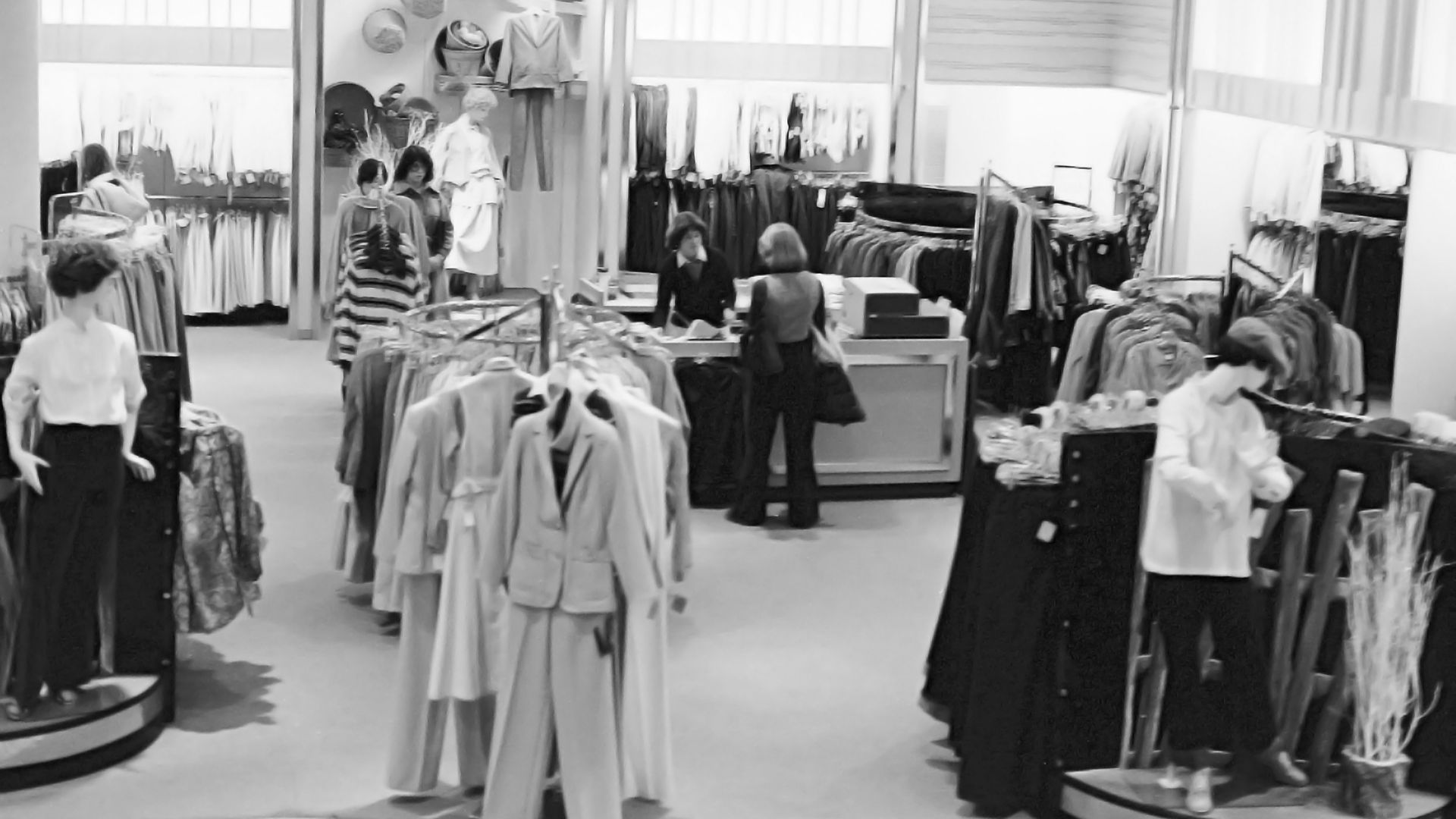 Downtowngal, Wikimedia Commons
Merry-Go-Round
Merry-Go-Round was where young shoppers went when ordinary clothing simply wasn't dramatic enough. By the early 1980s, the rapidly growing company had close to 200 Merry-Go-Round stores and was expanding into additional fashion concepts. For a while, following trends at lightning speed looked like a winning formula.
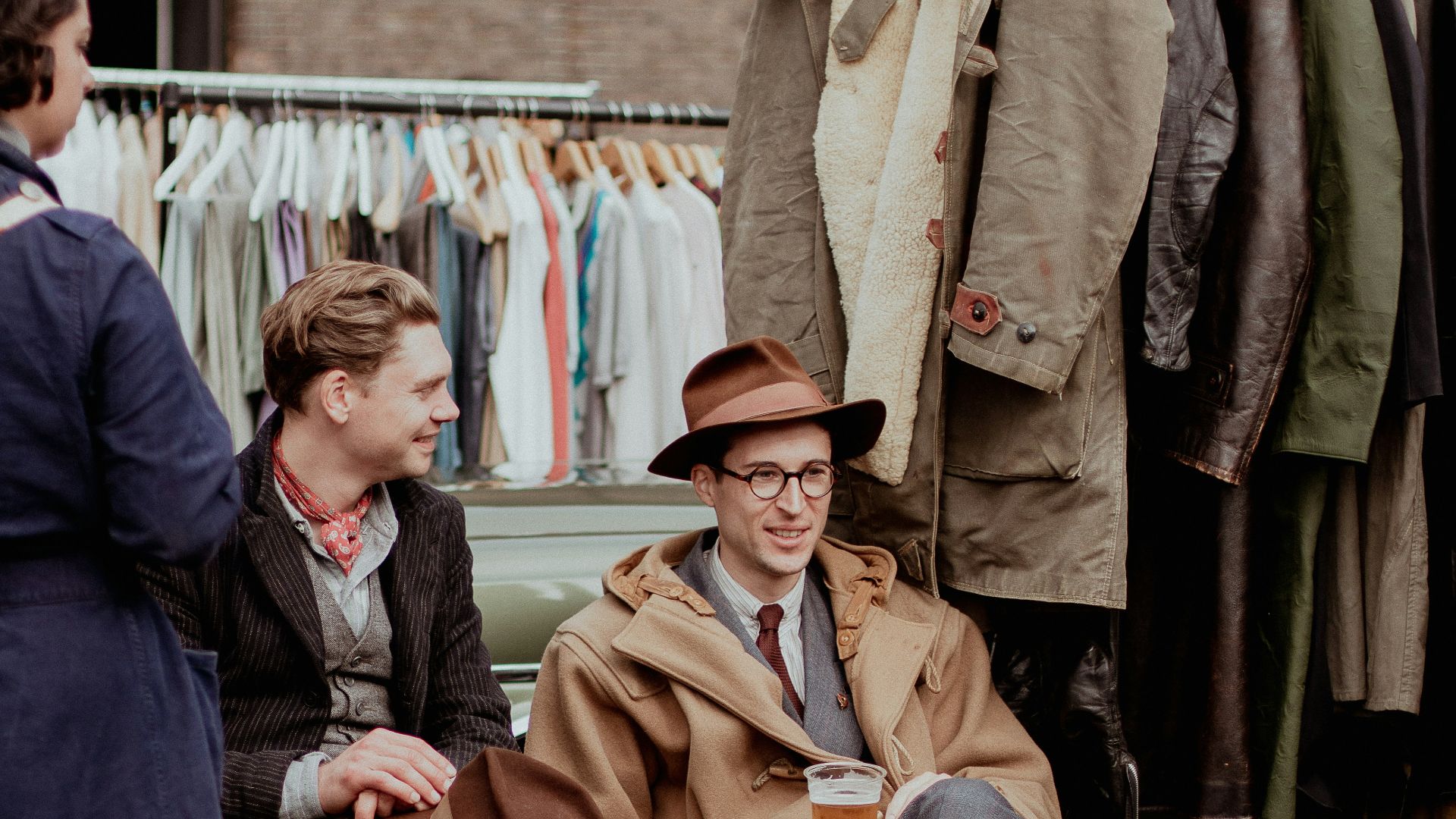
County Seat
County Seat understood one of the great truths of 1980s retail: teenagers could never own too much denim. Under new management, the company added hundreds of stores while using rock music, colorful signs, and contemporary displays to turn shopping into entertainment. Jeans were practically a lifestyle choice.
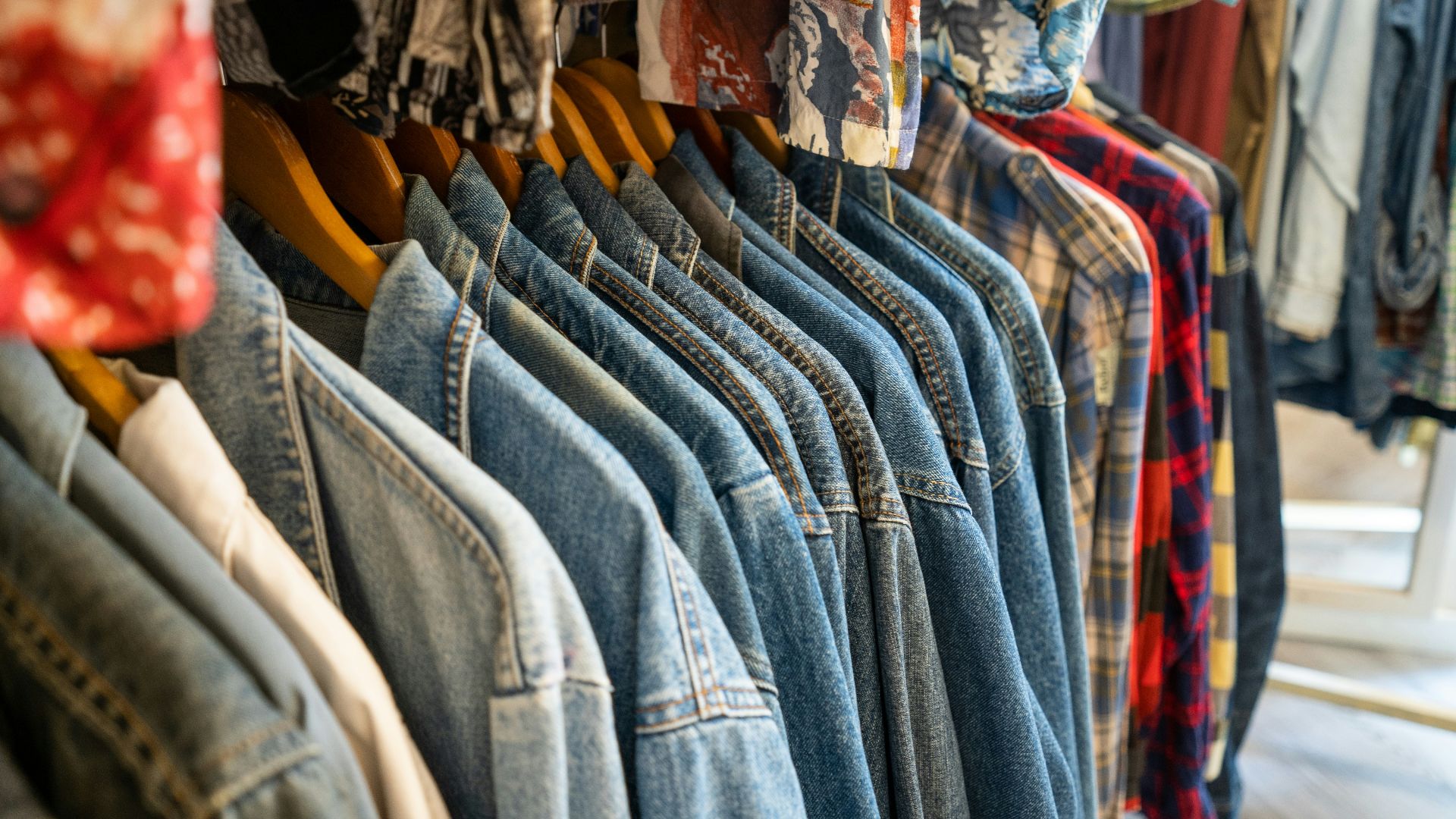
Contempo Casuals
For young women chasing the latest look, Contempo Casuals became a familiar mall destination. Its clothes embraced the rapidly changing fashions of the era rather than playing things safe. Wet Seal purchased the struggling 239-store chain in 1995, and the Contempo name eventually disappeared from malls.
The Limited
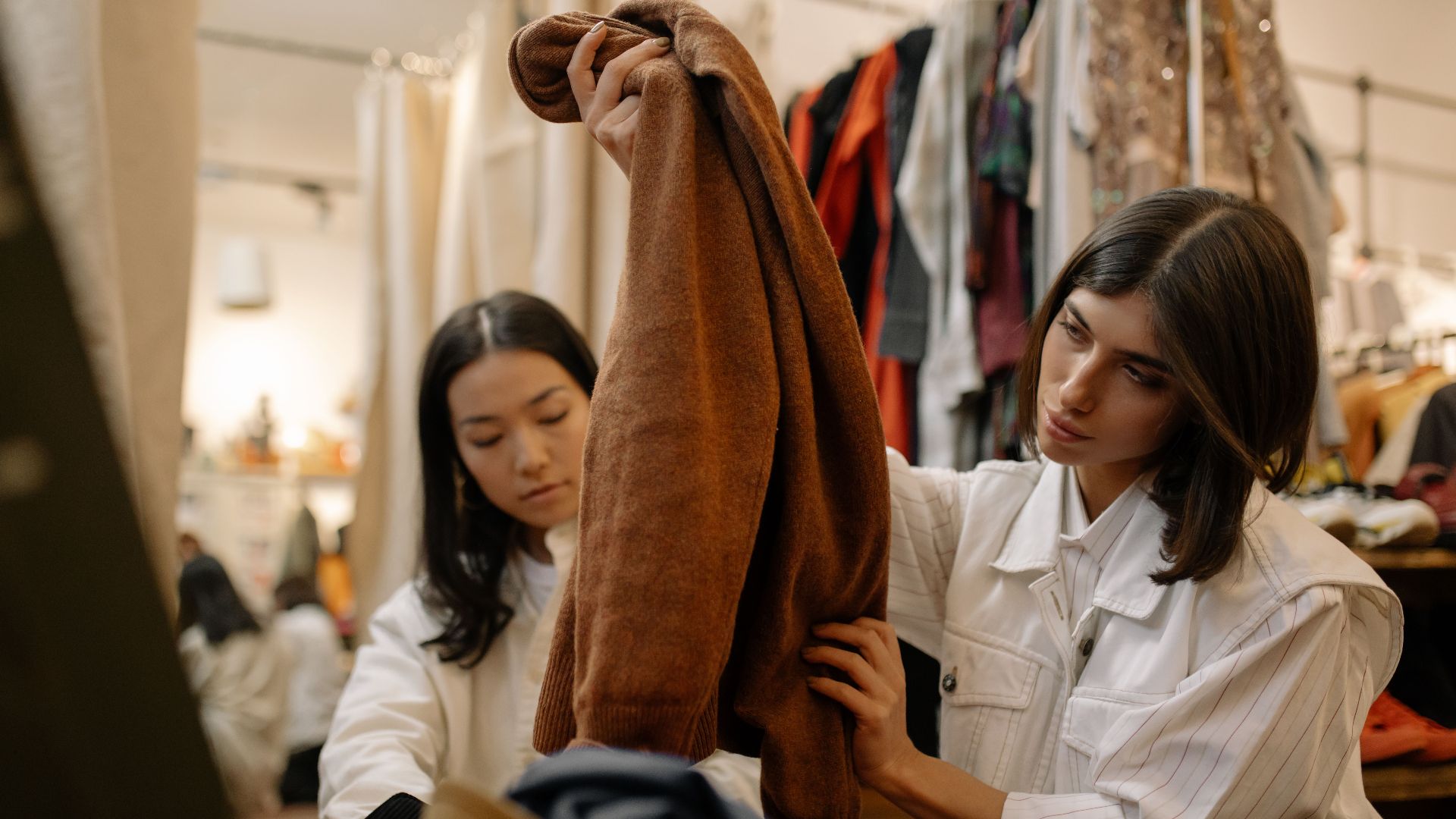
The Limited didn't merely benefit from the mall boom. It helped define how specialty fashion chains worked. By 1984, company sales had passed $1 billion, and its success spawned or acquired an astonishing collection of familiar retail names, including Express, Victoria's Secret, Lerner, and eventually Structure.
Casual Corner
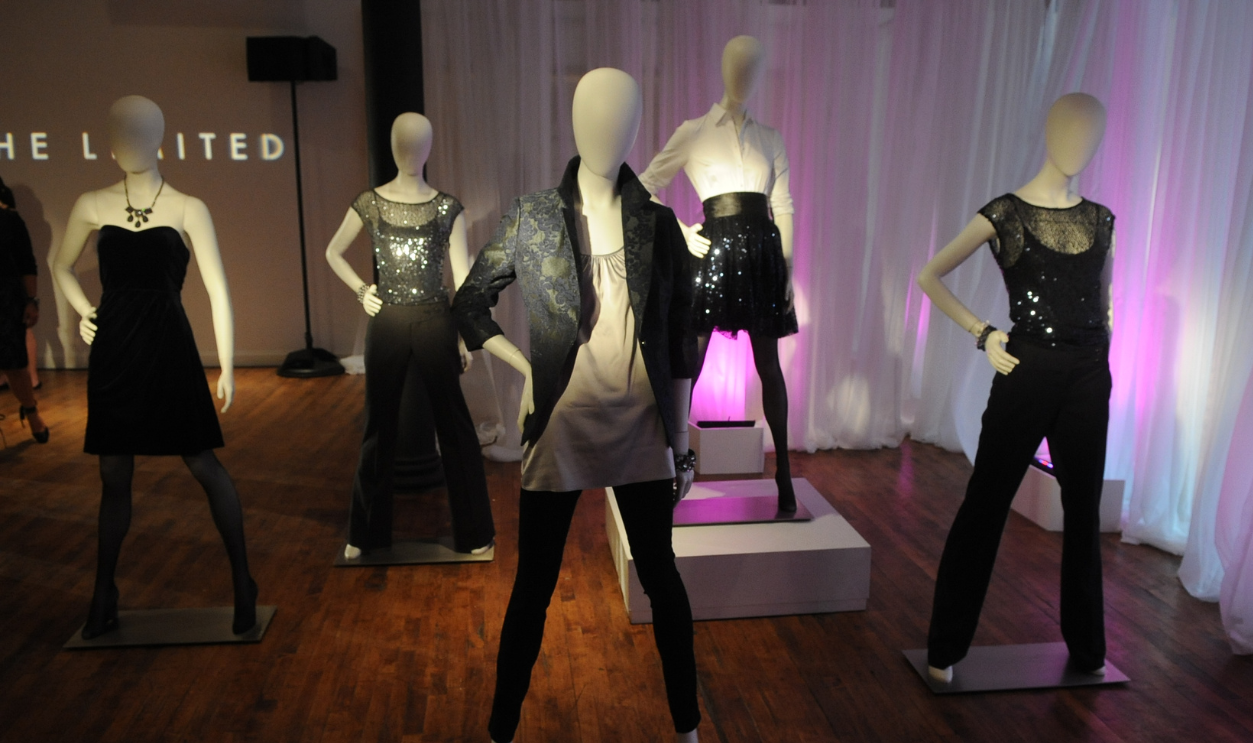
Casual Corner was the destination for women who wanted something more polished than teen fashion without entering department-store territory. It became especially associated with coordinated separates and work-friendly clothing. The business eventually grew to hundreds of locations before closing its remaining stores in 2005.
 Paolo Monti, Wikimedia Commons
Miller's Outpost
Western shoppers may remember Miller's Outpost as one of the great denim stops of the decade. The chain had roughly 100 stores when founder Dave Miller sold it in 1980, and by 1989 it had expanded beyond 300. The stores were eventually renamed Anchor Blue, ending another memorable mall identity.
5-7-9
You certainly couldn't accuse 5-7-9 of having a forgettable name. The fashion chain targeted young women and originally specialized in junior sizes reflected by those three numbers. Under Edison Brothers, it became a widespread mall presence, growing to hundreds of locations before its parent company's financial problems changed its future.
Kinney Shoes
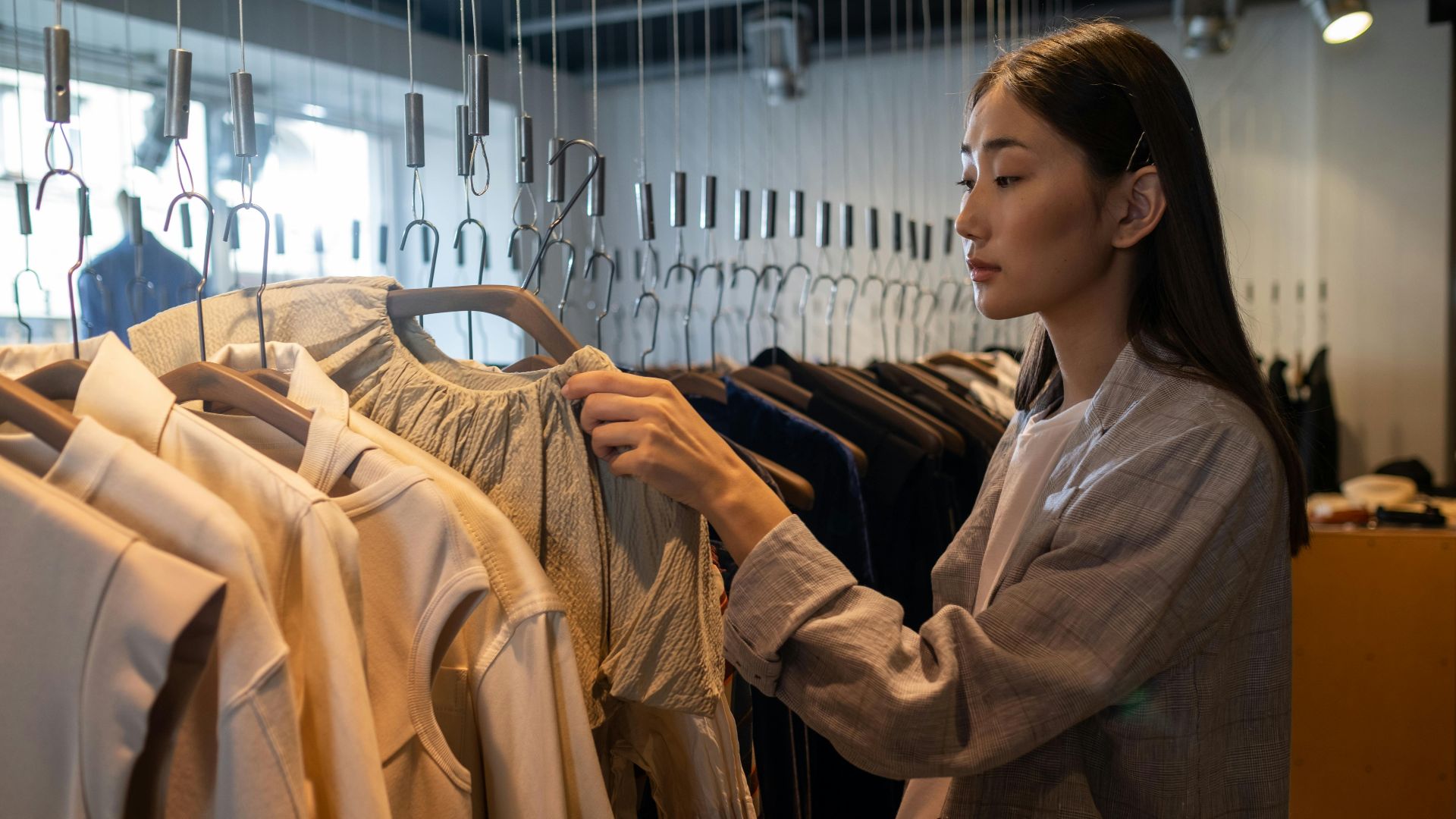
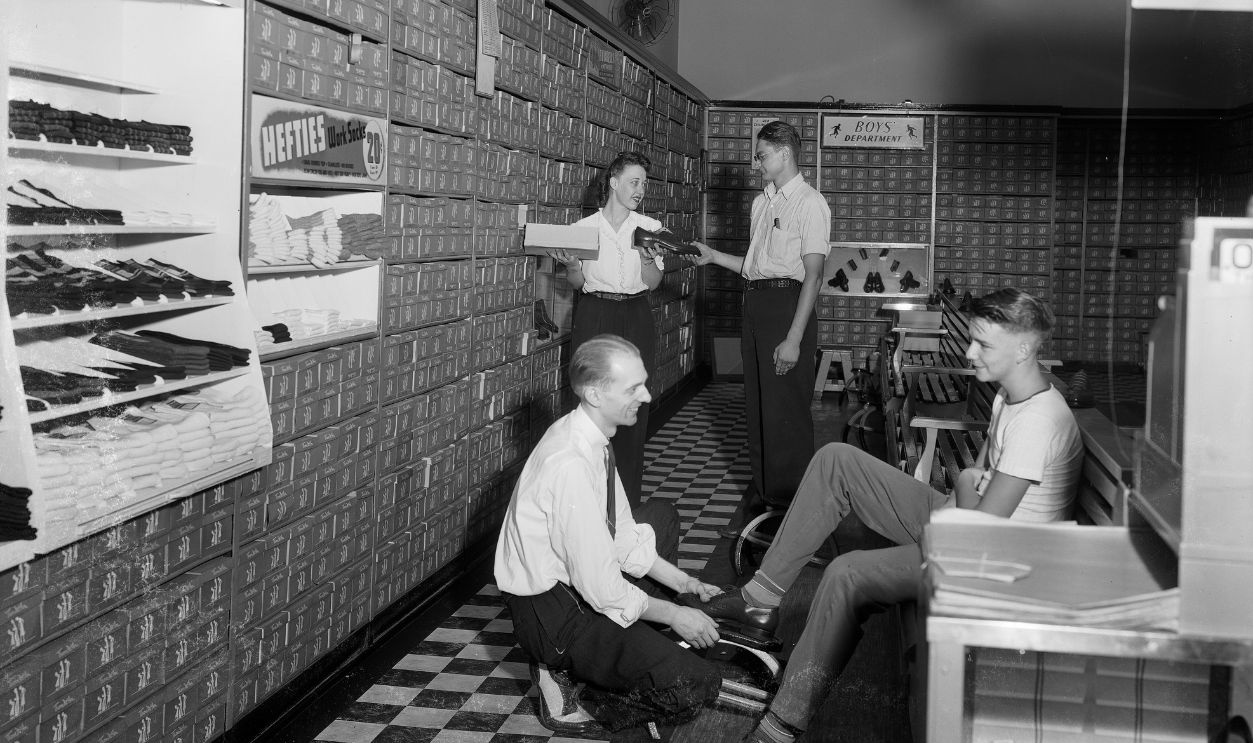
Need school shoes? Work shoes? Something reasonably presentable for Sunday dinner? Kinney seemed to have an answer. The old family shoe chain remained a familiar mall tenant well into the modern shopping-center era, while its corporate family also produced an upstart concept called Foot Locker. Kinney stores finally disappeared in the late 1990s.
Thom McAn
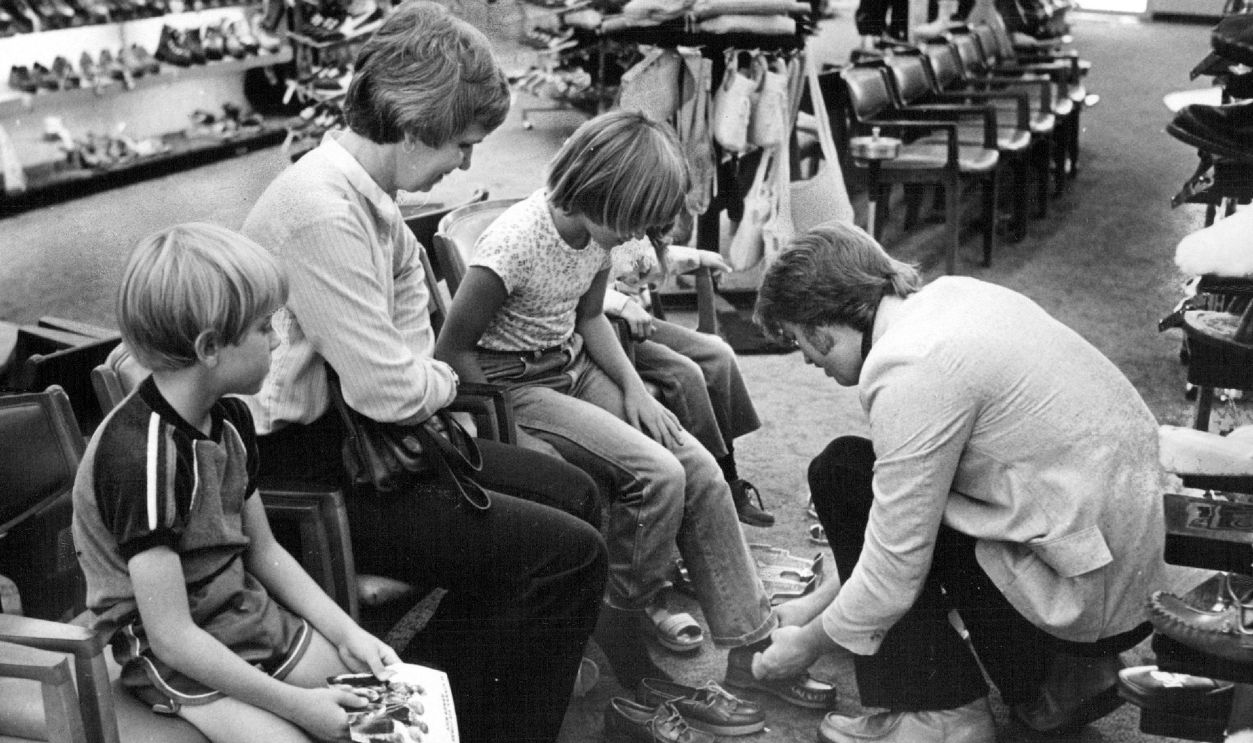
Thom McAn was another shoe-store name that once required absolutely no explanation. By the 1980s, parent company Melville remained a footwear powerhouse, although Thom McAn locations were already beginning to shrink in number. The final dedicated retail stores closed during the 1990s, though the brand name survived.
 Wisconsin Historical Society, Getty Images
RadioShack
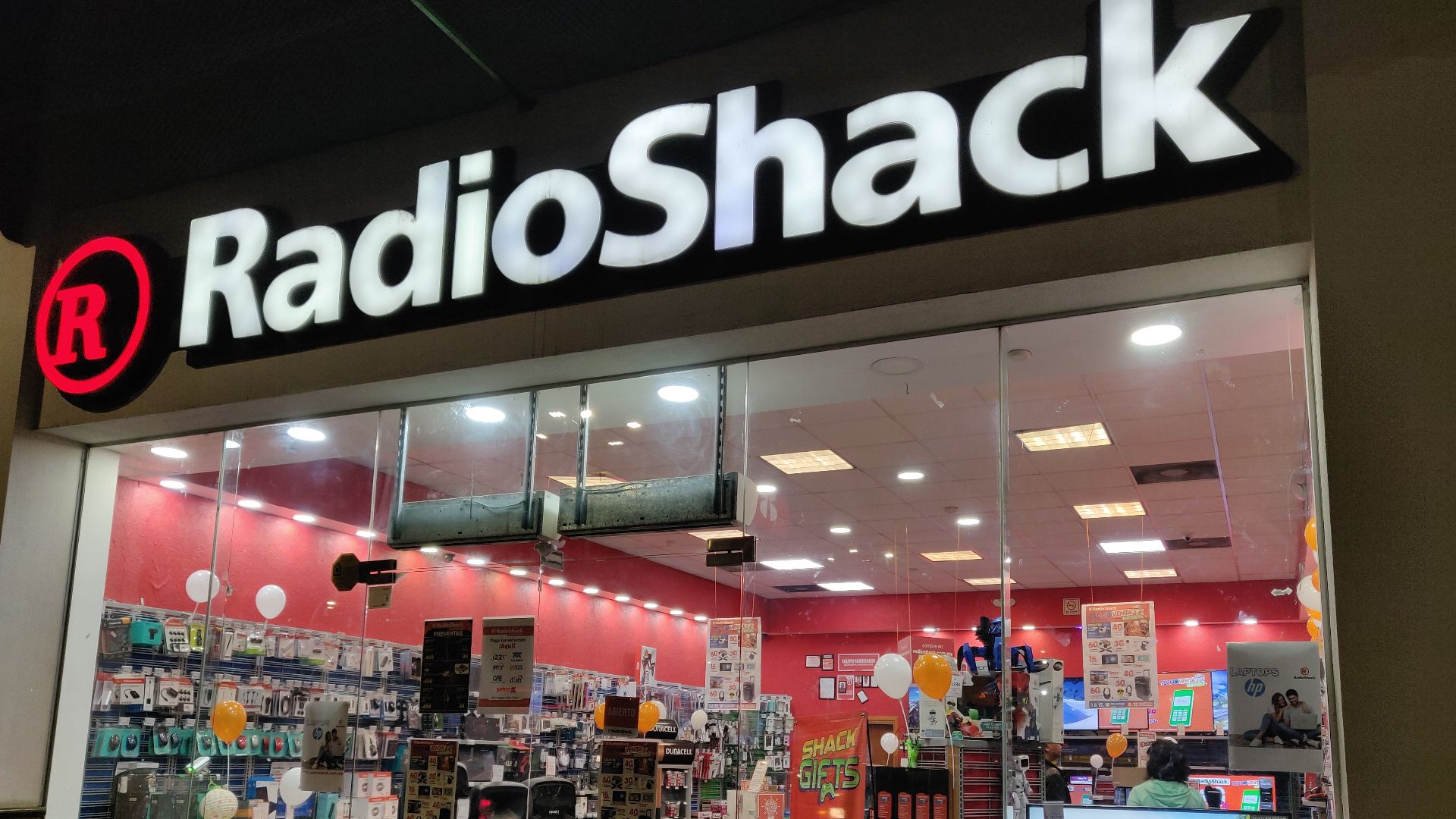
RadioShack wasn't exclusively a mall store, but no nostalgic mall tour would feel complete without it. This was where Dad could buy a mysterious cable, batteries, switches, connectors, or some little electronic component nobody else in the family understood. At its height, RadioShack operated thousands of locations.
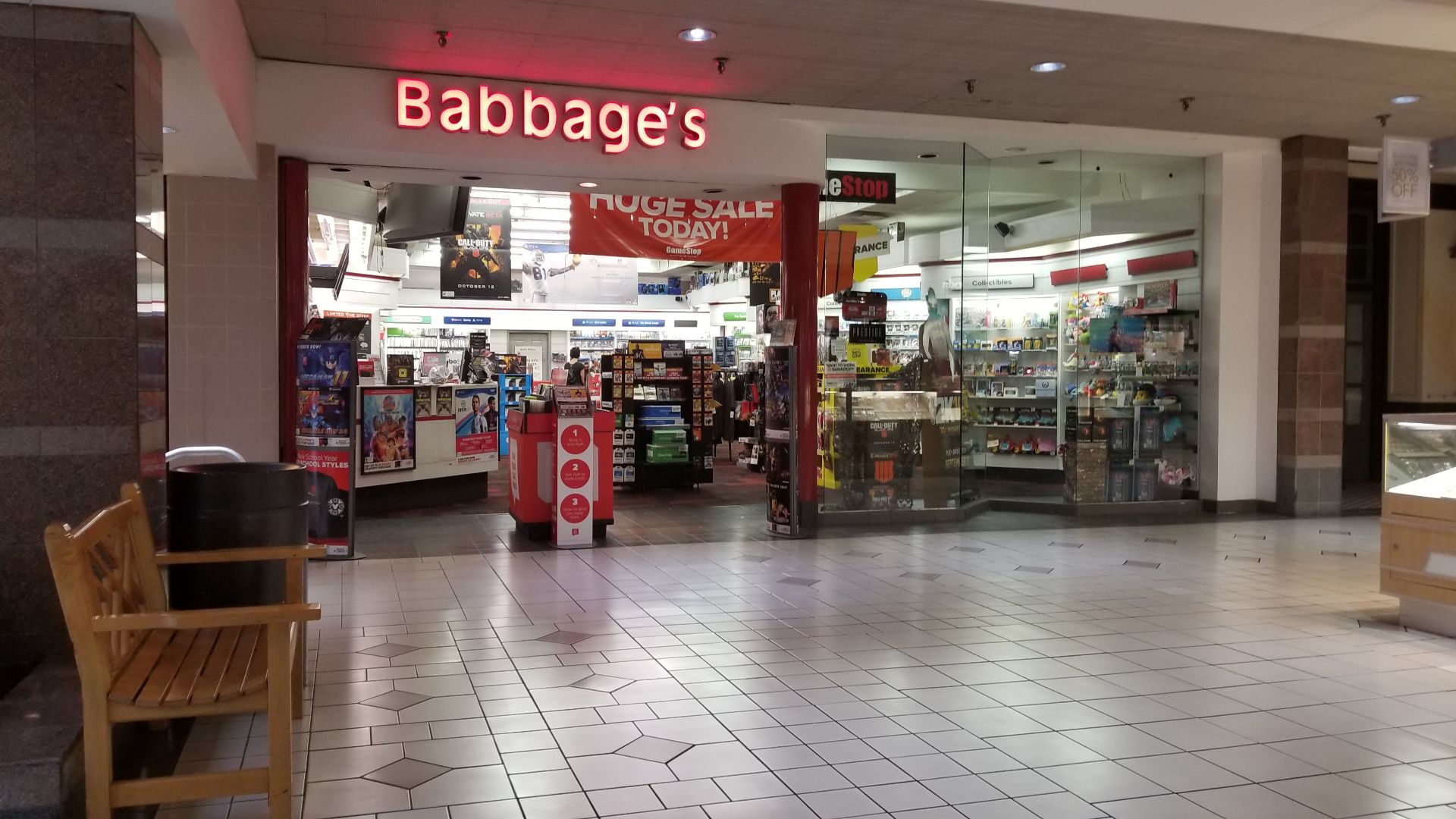
Babbage's
Long before downloading a video game meant pressing a button from your couch, there was Babbage's. Founded in 1984, the chain catered to the growing computer and video-game market. Its corporate evolution ultimately became part of the story of GameStop, making the strange-sounding old mall shop surprisingly important.
 MikeKalasnik, Wikimedia Commons
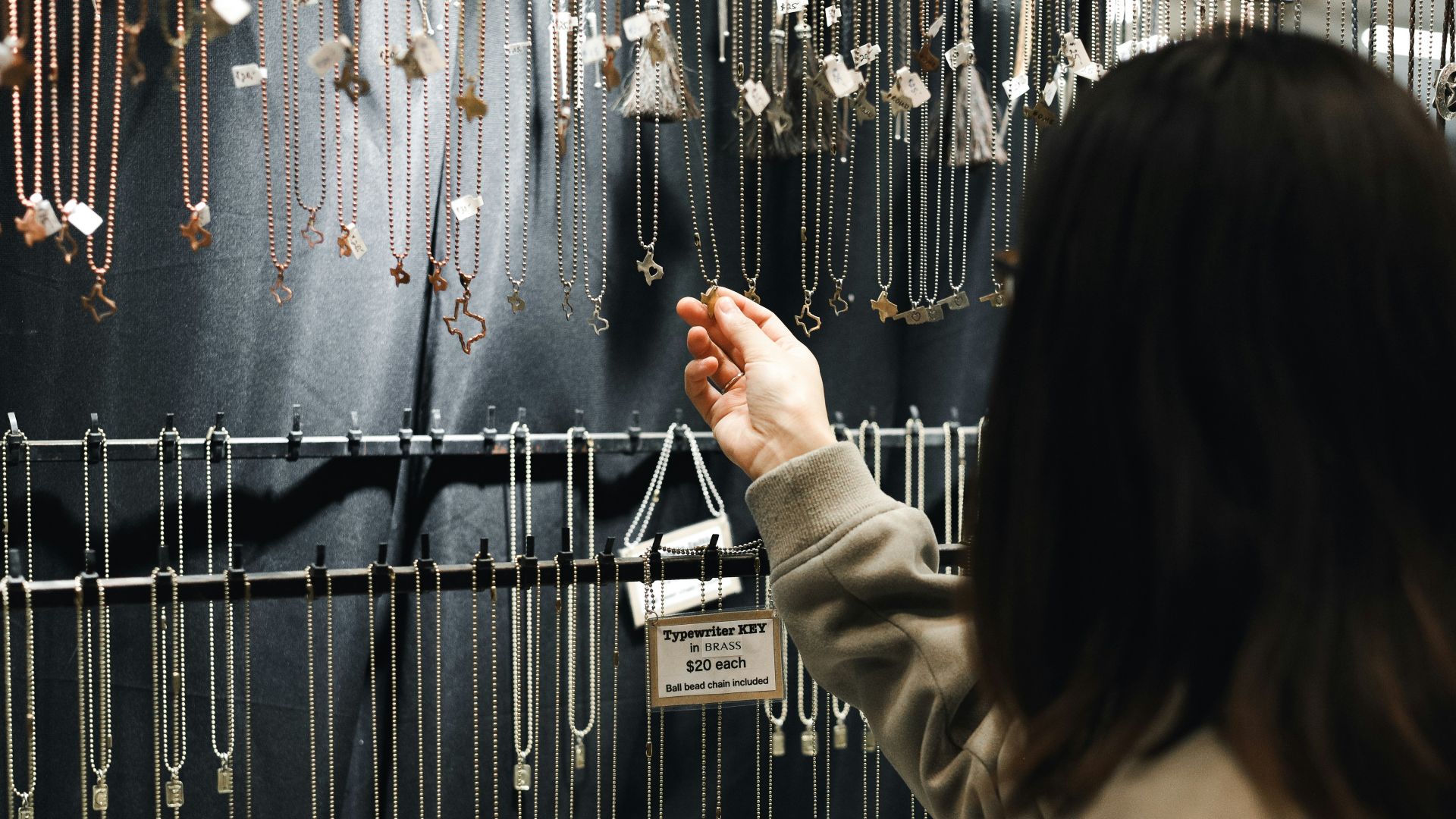
Afterthoughts
Afterthoughts was an accessories destination aimed largely at teenage girls, full of the little purchases that could somehow consume whatever money remained after buying clothes. The brand flourished in the mall environment before eventually being absorbed by Claire's. In hindsight, the two stores were practically made for each other.
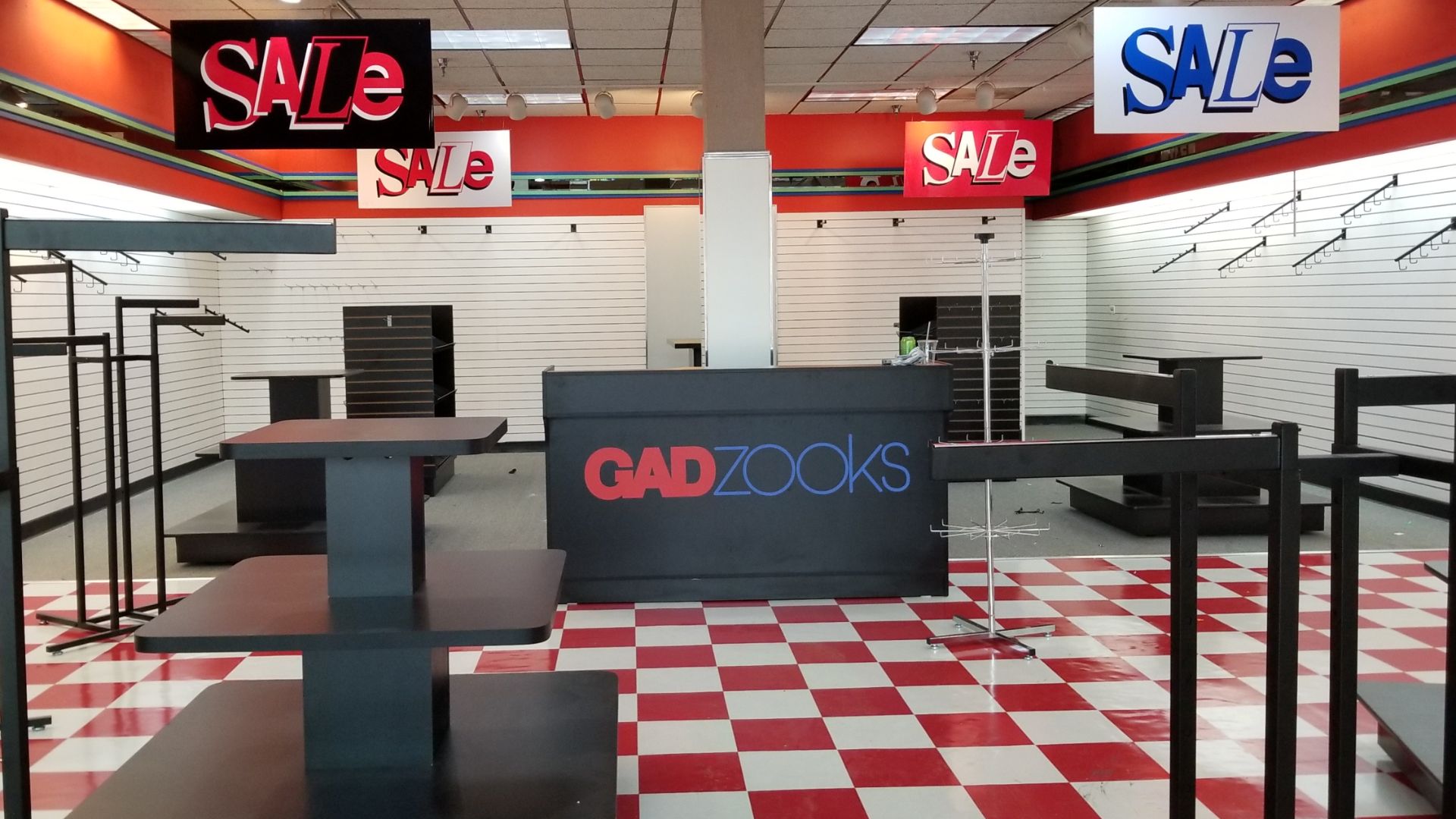
Gadzooks
Gadzooks opened its first location in a Texas mall in 1983, proving that even the store names were more adventurous back then. The youth-fashion retailer expanded during the decade and became particularly memorable for its unconventional merchandising. Eventually, the chain itself became another casualty of the constantly shifting teen-fashion business.
 MikeKalasnik, Wikimedia Commons
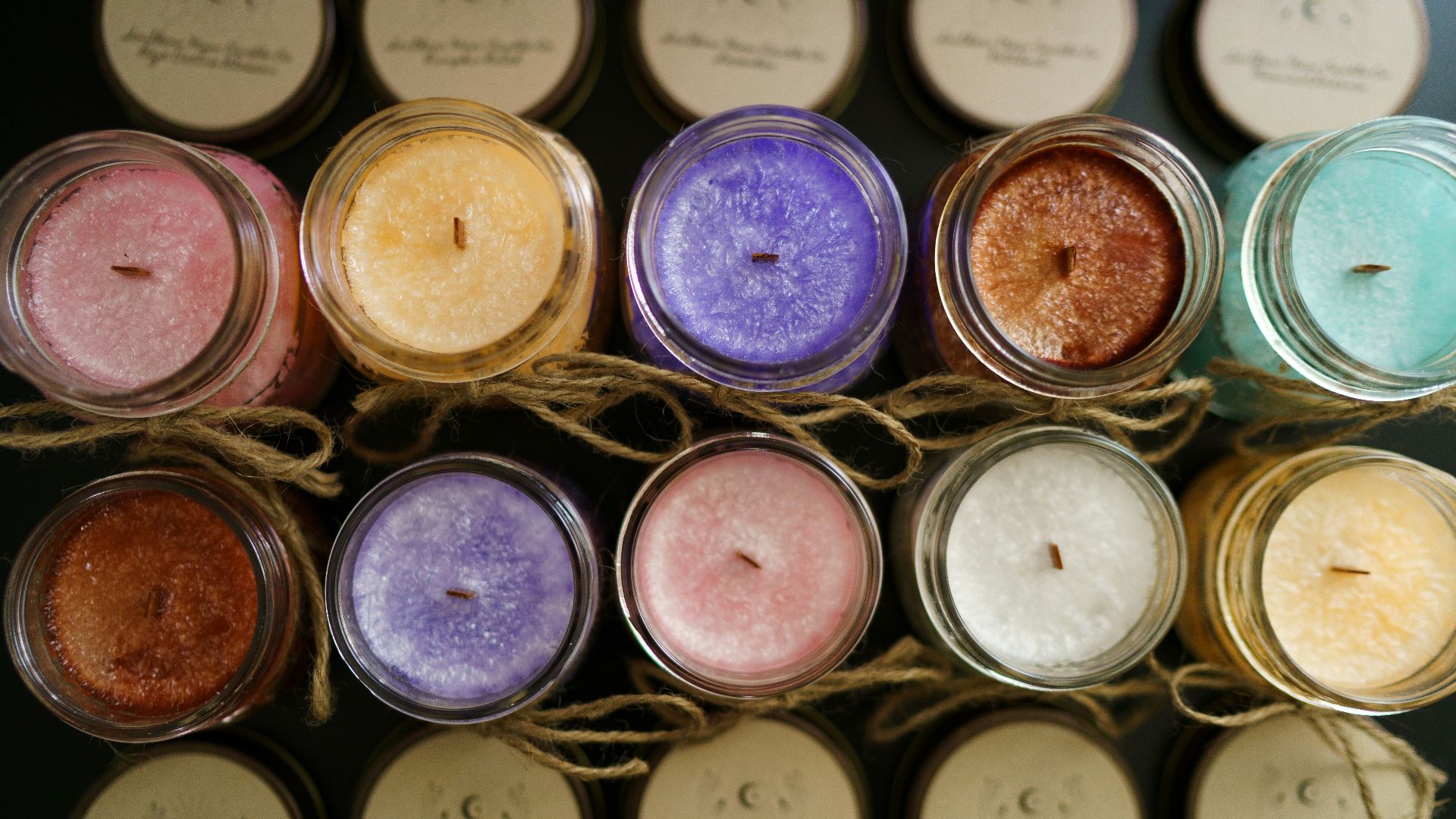
Wicks 'N' Sticks
You didn't necessarily need to see Wicks 'N' Sticks to know it was nearby. You could smell it. The mall-based candle retailer had grown to roughly 305 locations by 1988, selling scented candles and decorative pieces before home fragrance became the enormous retail category it is today.
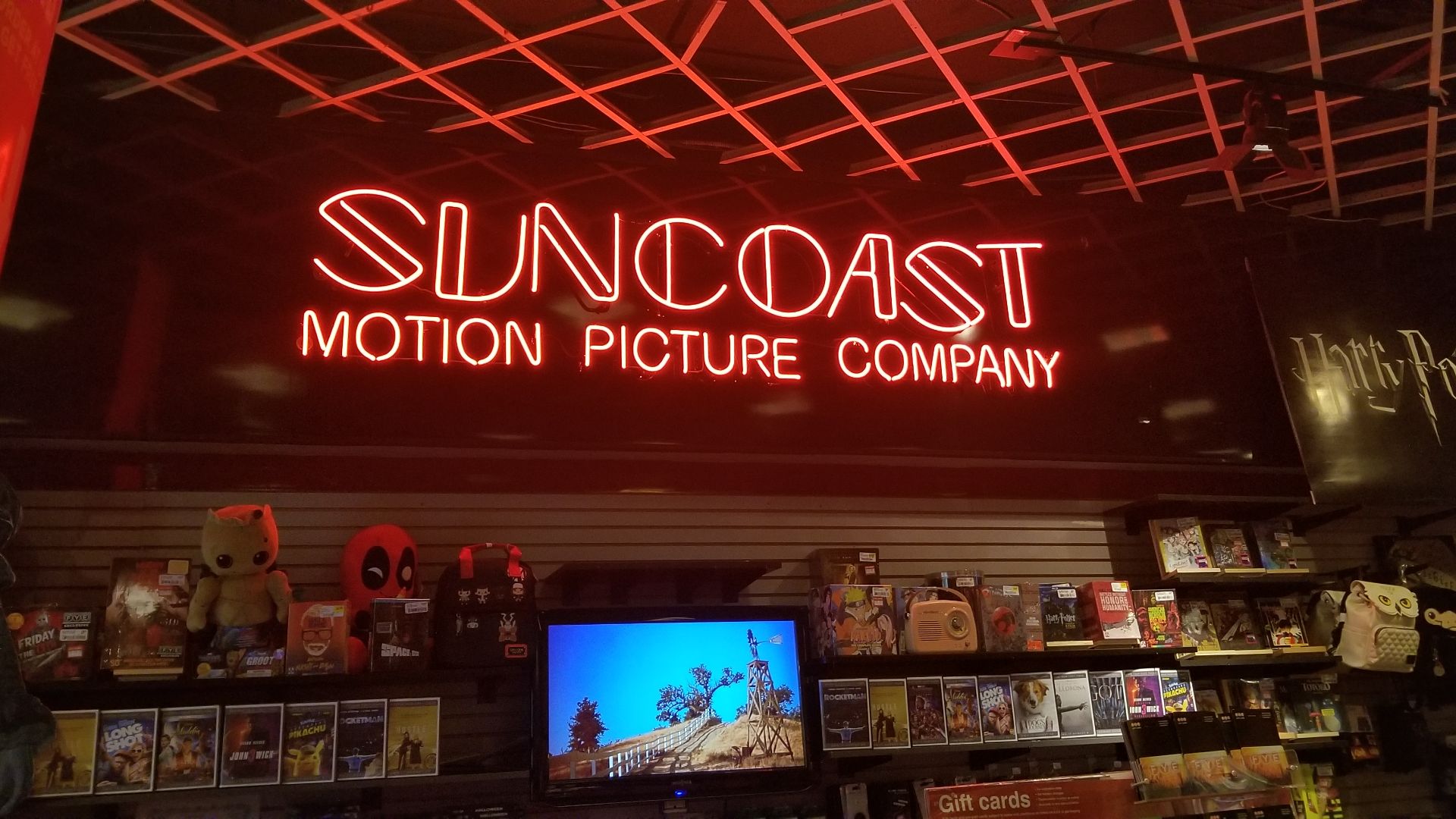
Suncoast Motion Picture Company
Home video was becoming serious business by the late 1980s, and Musicland wanted a piece of it. The company launched a movie-focused store concept in 1986 that became Suncoast Motion Picture Company in 1988. Rows of VHS tapes eventually gave way to DVDs, but streaming changed the game entirely.
 MikeKalasnik, Wikimedia Commons
Paul Harris
Paul Harris specialized in women's clothing and rode the growth of regional shopping malls with enthusiasm. During the 1980s, the company expanded quickly and experimented with new concepts, including casual lines and discount formats. In 1986 alone, the retailer opened dozens of additional stores.
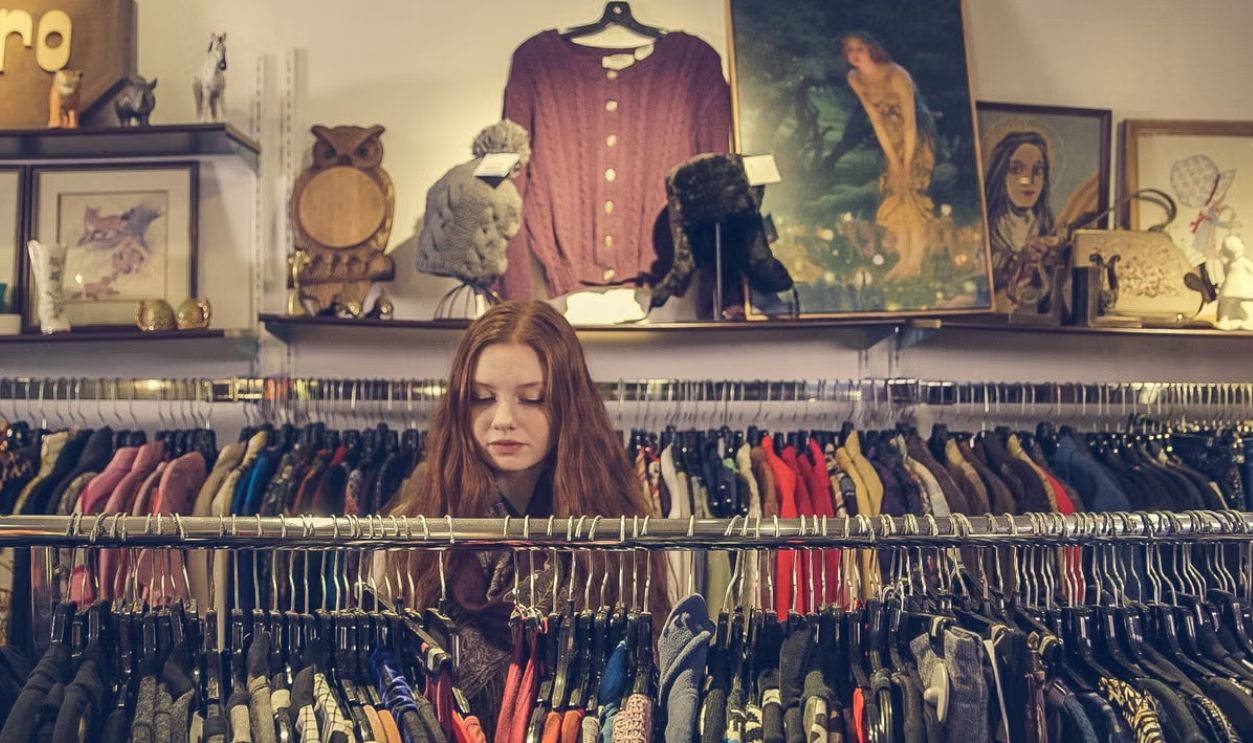
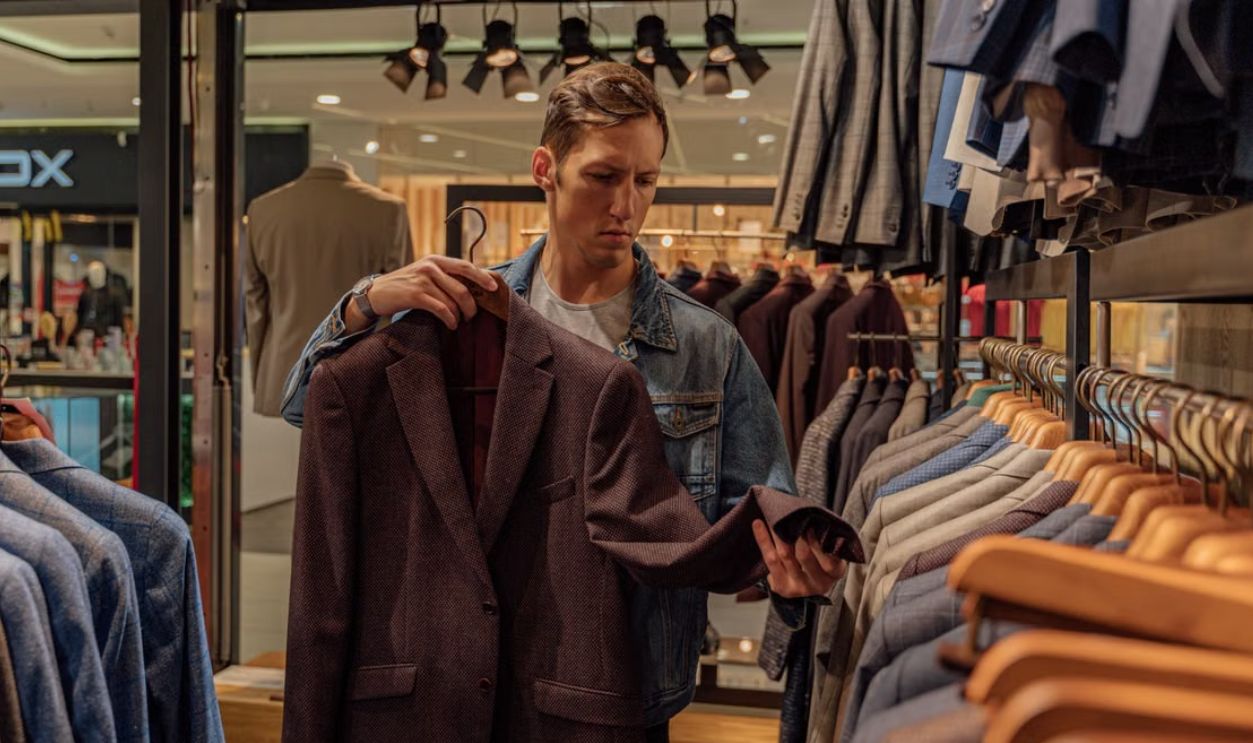
Structure
Structure arrived toward the end of the decade as The Limited's answer to fashionable menswear. The concept emerged from a men's apparel line introduced in 1987 and took the Structure name in 1989. For younger men, its sleek mall storefront promised a wardrobe that looked distinctly more grown-up.
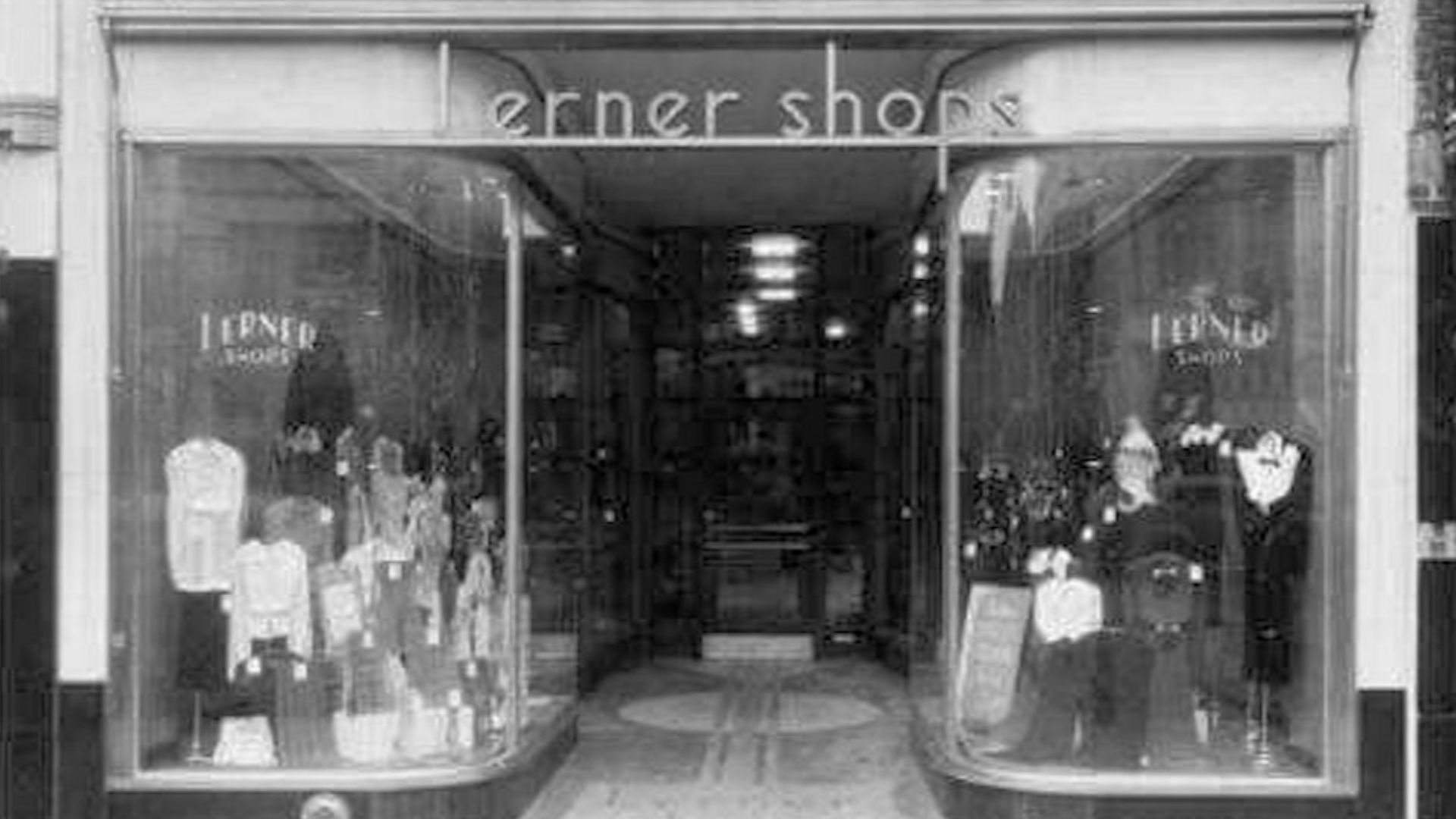
Lerner Shops
Lerner was hardly new in the 1980s, but the decade gave the long-running women's chain another chapter. The Limited acquired it in 1985 when Lerner had hundreds of stores, then modernized the business. Years later, the Lerner name gradually gave way to New York & Company.
 Unknown authorUnknown author Self-scanned, Wikimedia Commons
One Last Lap Around The Mall
What disappeared wasn't simply a collection of store names. It was an entire way of spending an afternoon: browsing without a search bar, discovering things accidentally, and meeting friends beneath a fountain or food-court sign. The old mall may have faded, but mention Waldenbooks, Chess King, or Sam Goody and somebody will immediately start telling stories.

You May Also Like: