
The Hidden Challenge Of Multiple Properties
Many families assume that settling an estate is a straightforward process. That assumption often changes when a parent owns real estate in more than one state or country. Multiple properties can create multiple legal processes, making estate administration slower and more expensive.

Why Real Estate Creates Unique Problems
Real estate is governed by the laws of the jurisdiction where it is located. Even if your parents lived in one state, a vacation home or rental property elsewhere may fall under a different legal system. That means additional paperwork, court filings, and legal requirements.

One Estate Can Become Several Cases
Families are often surprised to learn that a single estate may require multiple probate proceedings. Courts generally have authority only over property within their jurisdiction. As a result, each property location can create its own administrative process.

Understanding Ancillary Probate
When someone dies owning real estate outside their home state, heirs may face ancillary probate. This is a secondary probate process that occurs where the property is located. It can increase legal fees, court costs, and delays for beneficiaries.

Delays Can Add Up Quickly
Every additional probate proceeding requires filings, reviews, and approvals. Executors may need to coordinate with multiple courts and legal professionals. Even a well-organized estate can take significantly longer to settle when several jurisdictions are involved.

Start With A Complete Property Inventory
The simplest improvement is creating a detailed inventory of every property. Include addresses, ownership records, mortgage information, insurance policies, tax records, and estimated values. Keeping everything in one place makes administration much easier later.

Confirm How Each Property Is Owned
Ownership structure matters just as much as the property itself. Some assets are owned individually, while others may be jointly owned or held through legal entities. Understanding the ownership arrangement helps determine whether probate will be necessary.

Review Every Property Title
Families often discover title issues only after a death occurs. Missing paperwork, outdated deeds, or ownership discrepancies can complicate transfers. Reviewing titles while your parents are alive gives time to correct problems before they become emergencies.

A Will Is Helpful But Not Always Enough
Many people believe a will automatically avoids complications. In reality, a will usually directs how assets are distributed but does not eliminate probate. Properties located in multiple jurisdictions may still require separate legal proceedings.

Consider A Revocable Living Trust
Estate planning attorneys frequently recommend revocable living trusts for families with property in multiple states. When properly structured, a trust can allow assets to pass without probate. This often reduces administrative burdens for heirs.

Funding The Trust Is Essential
Creating a trust is only the first step. Properties must actually be transferred into the trust during the owner's lifetime. If assets remain titled in an individual's name, they may still go through probate despite the existence of a trust.

Understand Local Recording Requirements
Every jurisdiction has its own rules for recording deeds and transferring ownership. Some require witnesses, specific forms, or additional tax filings. Professional guidance helps ensure transfers are legally valid.

Explore Transfer-On-Death Deeds
Certain states allow transfer-on-death deeds for real estate. These deeds name beneficiaries who automatically receive ownership upon the owner's death. They can simplify transfers and reduce the need for probate in qualifying jurisdictions.
Be Careful With Joint Ownership
Adding a child to a property title may seem like an easy solution. However, joint ownership can create tax consequences and expose the property to a co-owner's creditors or legal disputes. It should be evaluated carefully before making changes.

Keep Beneficiary Forms Updated
Not every asset passes through a will. Retirement accounts, life insurance policies, and many financial accounts transfer according to beneficiary designations. Those forms should be reviewed regularly to ensure they match current wishes.

Watch For State Estate Taxes
Federal estate taxes affect relatively few families today. However, several states impose their own estate or inheritance taxes with lower thresholds. Property ownership in those states can create additional filing requirements and tax exposure.

Plan For Estate Expenses
Real estate often generates ongoing costs after death. Mortgage payments, insurance premiums, property taxes, utility bills, and maintenance expenses do not stop. Executors should have access to sufficient funds to manage these obligations.

Obtain Accurate Property Valuations
Professional appraisals establish the value of property at the owner's date of death. These valuations can be important for tax reporting and future capital gains calculations. Obtaining them early helps prevent disputes later.

Do Not Forget Rental Income
Income-producing properties create additional responsibilities. Rent collected after death may need to be reported by the estate. Executors should maintain careful records of all revenue and expenses.
 Anastassia Anufrieva, Unsplash
Handle Tax Returns Promptly
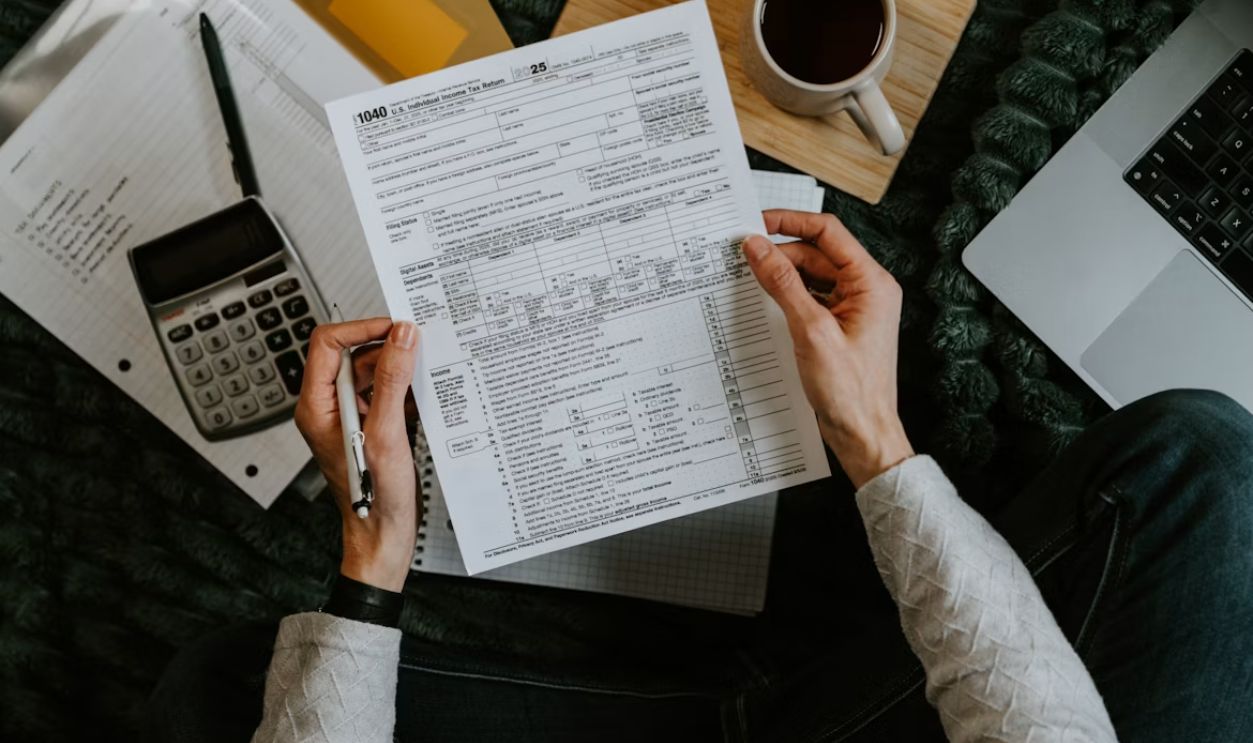
The deceased person's final income tax return still must be filed. Estates may also need separate tax returns depending on the amount of income generated after death. Missing deadlines can lead to penalties and complications.
Understand Federal Estate Tax Rules
Most estates will not owe federal estate tax because exemption levels remain high. Even so, some families benefit from filing certain forms to preserve tax advantages for a surviving spouse. Tax professionals can help determine whether filings are necessary.

Coordinate Professional Advisors
Families with multistate property often need more than one attorney. A lead estate lawyer can coordinate with local counsel where properties are located. This approach helps prevent duplicate work and conflicting advice.

Create A Central Document Hub
Executors should maintain organized digital and physical records. Important documents include deeds, tax returns, appraisals, insurance policies, mortgages, leases, and court filings. Centralized records reduce confusion and save time.

Protect Vacant Properties
Empty homes can create unexpected risks. Insurance coverage may change when a property is vacant, and maintenance issues can develop quickly. Regular inspections help preserve value while the estate is being administered.

Decide Whether Keeping Every Property Makes Sense
Not every inherited property should remain in the family. Maintenance costs, taxes, management responsibilities, and geographic distance can make ownership difficult. Families should evaluate each property objectively before deciding.

International Property Adds Another Layer
Property located outside the country can create even more complexity. Foreign inheritance laws, tax rules, and ownership regulations may apply. Specialized legal advice is often necessary when international assets are involved.

Simplify The Estate While Everyone Is Alive
The easiest estate to administer is the one that has been organized in advance. Parents can update titles, review ownership structures, consolidate holdings, and refresh estate planning documents. Proactive planning usually costs far less than solving problems later.

Leave A Roadmap For Future Executors
A well-prepared estate plan includes more than legal documents. It should also contain contact information for advisors, account details, property records, and written instructions. Clear guidance helps executors act confidently during a difficult time.

The Goal Is Fewer Surprises
Settling an estate that includes property in multiple jurisdictions will never be completely simple. However, careful planning can eliminate many common obstacles. The combination of organized records, proper titling, and professional advice can make the process significantly easier for everyone involved.

You May Also Like: