A Promise That Never Delivered
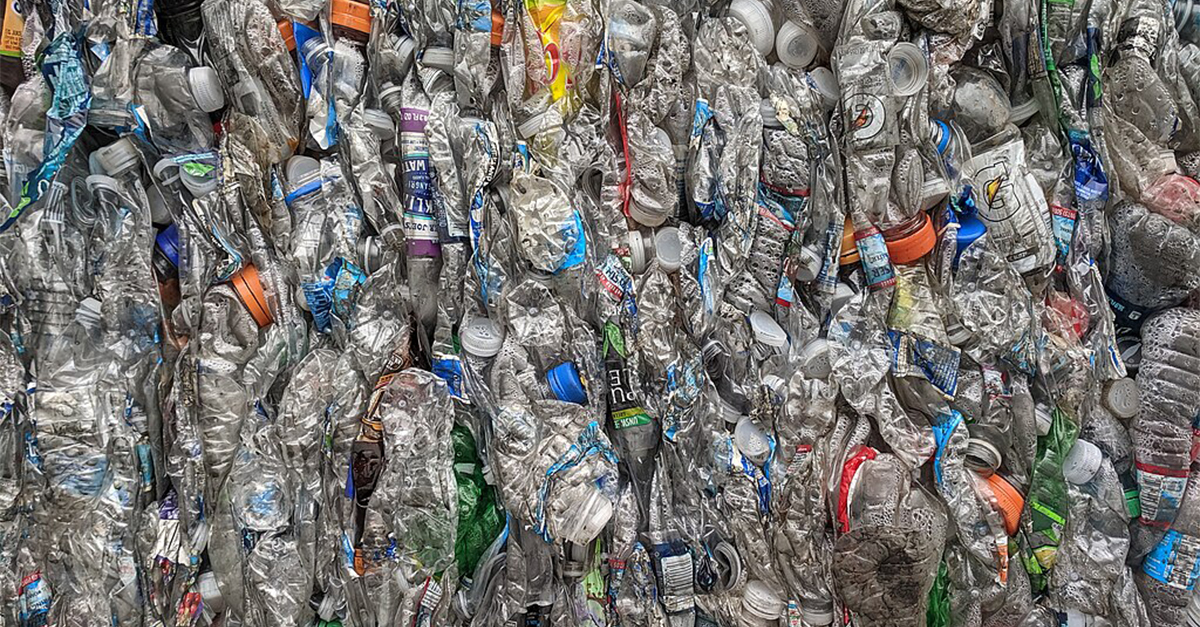
For decades, consumers were told that tossing plastic in a blue bin would “save the planet.” But the truth is a lot messier. The troubling reality is that plastics aren’t recyclable in any meaningful way, and the system was built more on marketing slogans than economic reality. Today, the contradictions are impossible to ignore, and the costs keep piling up higher.
The Economics Behind A Beautiful Lie
Plastic recycling has always wrestled with brutal economic challenges: low resale prices, high sorting costs, and contamination that ruins entire batches. Producers have long been aware of this, but still promoted recycling as a cure-all. The financial model of plastic recycling doesn’t work without heavy public subsidies, and taxpayers end up footing the bill for a system destined for imminent failure. But why doesn’t it work?
 chaiyananuwatmongkolchai, Pixabay
The Nub Of The Problem
The basic problem of plastic recycling is that the process costs more than the recycler can ever recover from resale. With production of cheap virgin (new) plastic skyrocketing, there was no way recycled plastic could compete. This was admitted back in the mid-90s by industry insiders.
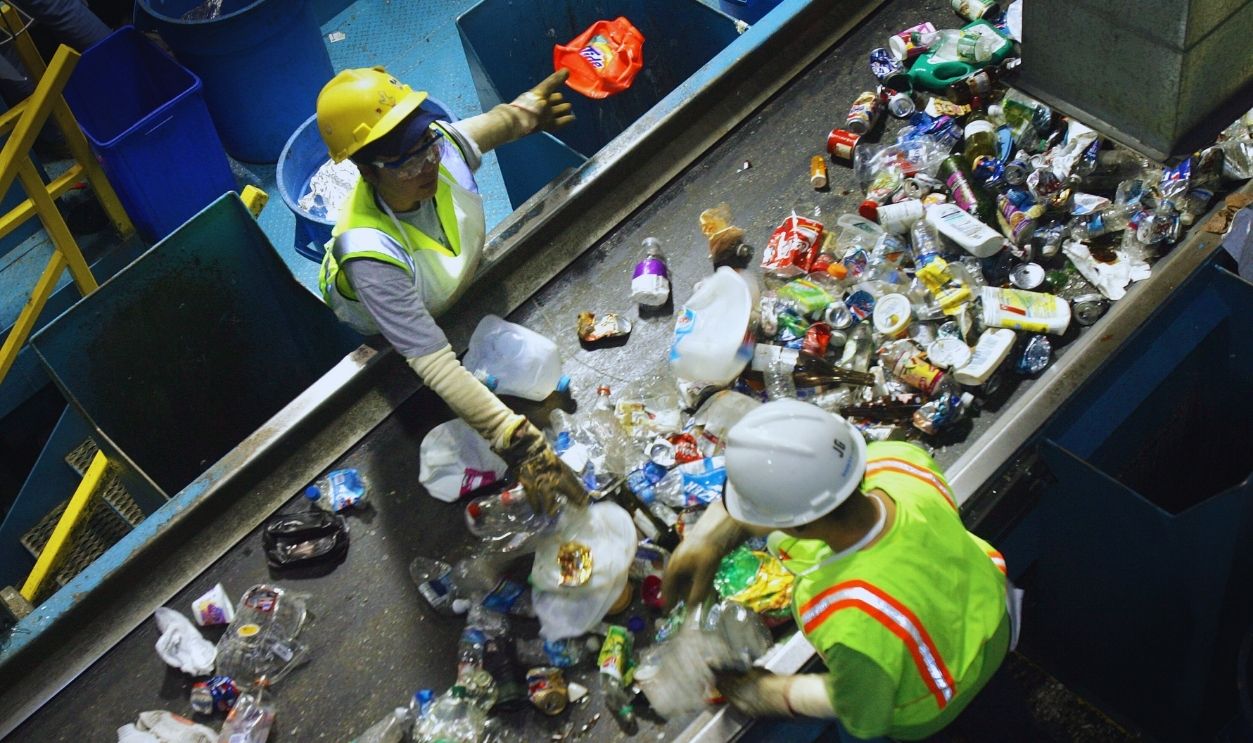
Only A Sliver Of Plastics Can Be Recycled
Despite the endless recycling symbols, only a tiny fraction of the plastics you toss in the blue bin can actually be truly reprocessed. Most plastics are chemically incompatible, contaminated, or plain cost too much to sort. This mismatch between consumer expectations and industrial reality has turned recycling into a pie-in-the-sky pipe dream—one that quietly shifts the burden of responsibility from corporations to households.
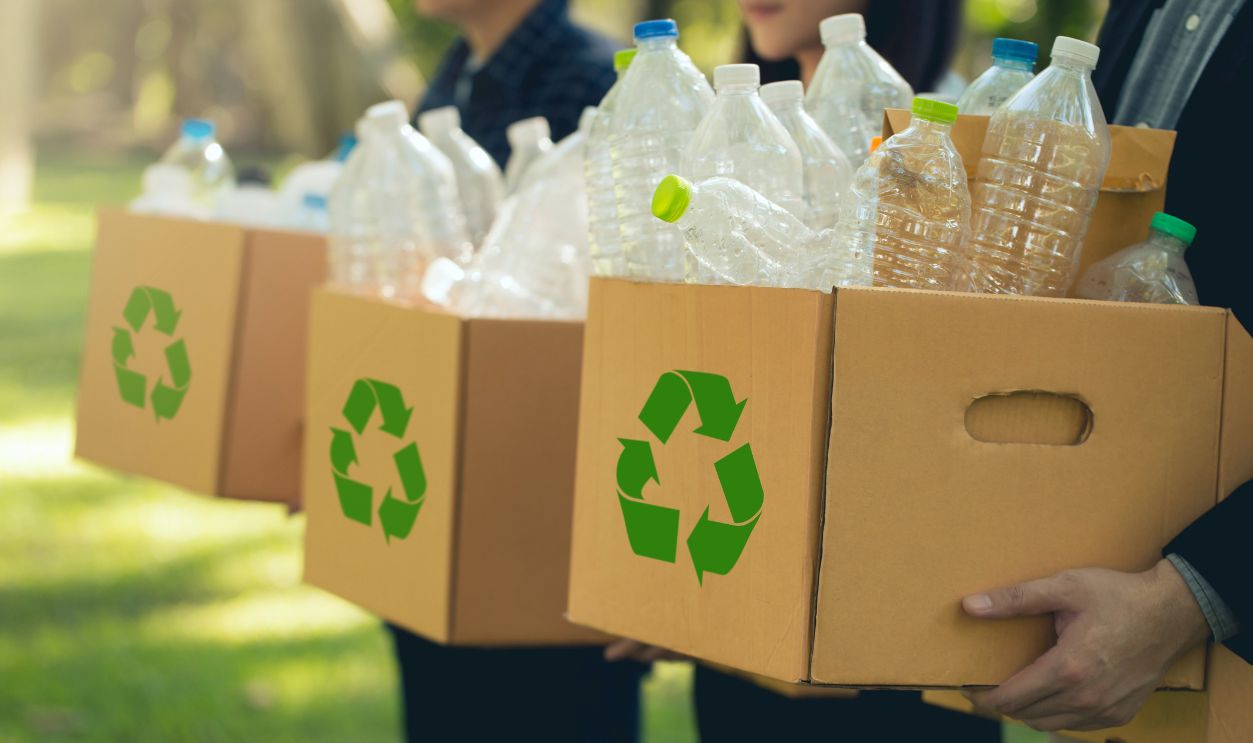
Heavy Promotion By Industry
Investigations show that major plastic producers promote recycling to stave off mounting consumer concerns about the environment in the 80s and 90s. Promoting recycling was a way to protect their bottom line, not the planet. Internal documents reveal that the industry knew large-scale recycling was technically and financially unfeasible. But they spent decades selling the notion of sustainable plastic to justify ramping up plastic production ever higher.
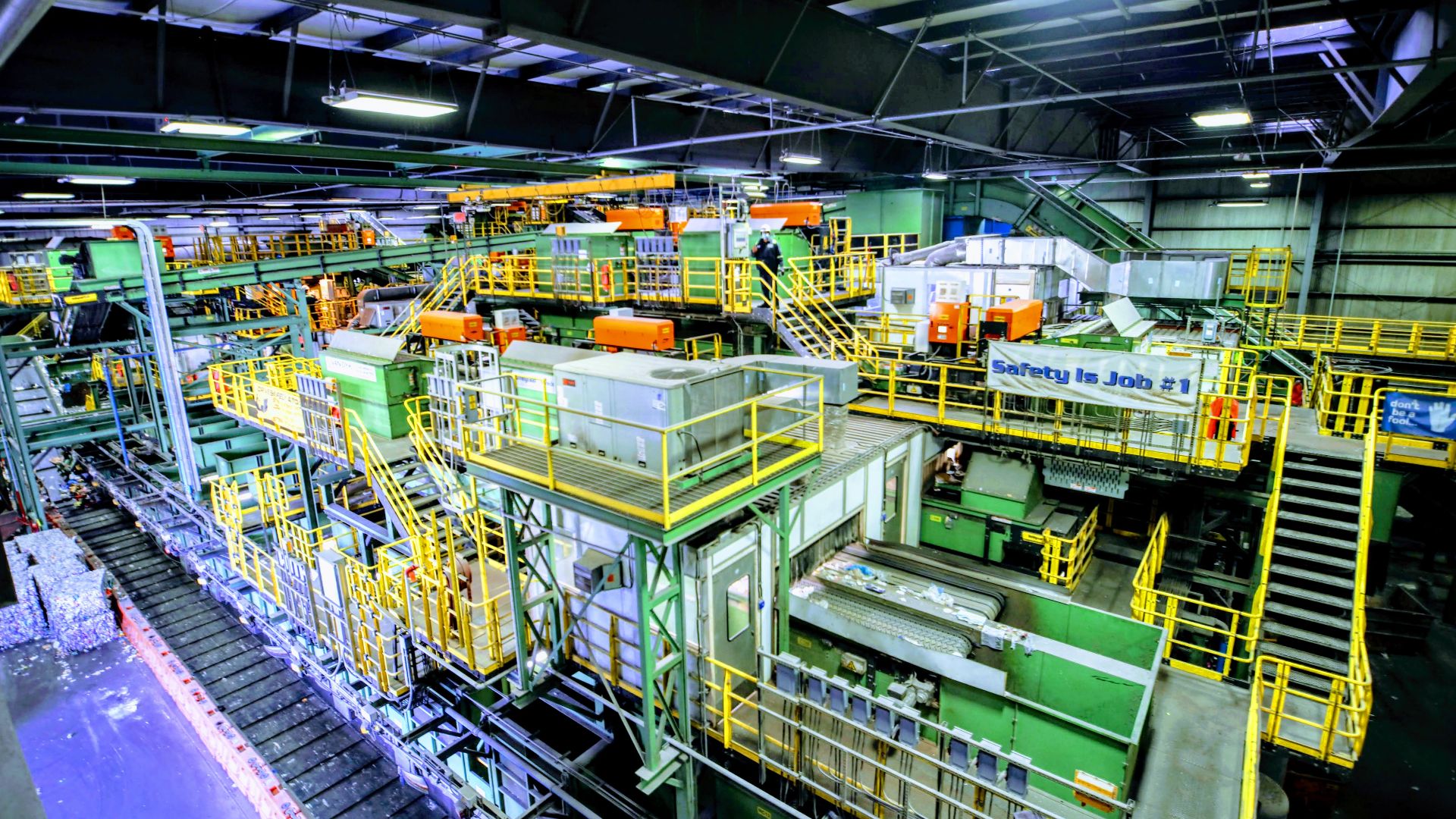 CaptJayRuffins, Wikimedia Commons
Chemical Recycling Isn’t A Miracle
Chemical or “advanced” recycling is marketed as a breakthrough, but most recycling facilities don’t do much more than burn plastics for fuel. That means more pollution, more emissions, and no closed-loop reuse. Reports accuse the industry of what is called “greenwashing”: using high-tech language to repackage old, carbon-intensive processes as a form of environmental progress.
 Eric Fischer, Wikimedia Commons
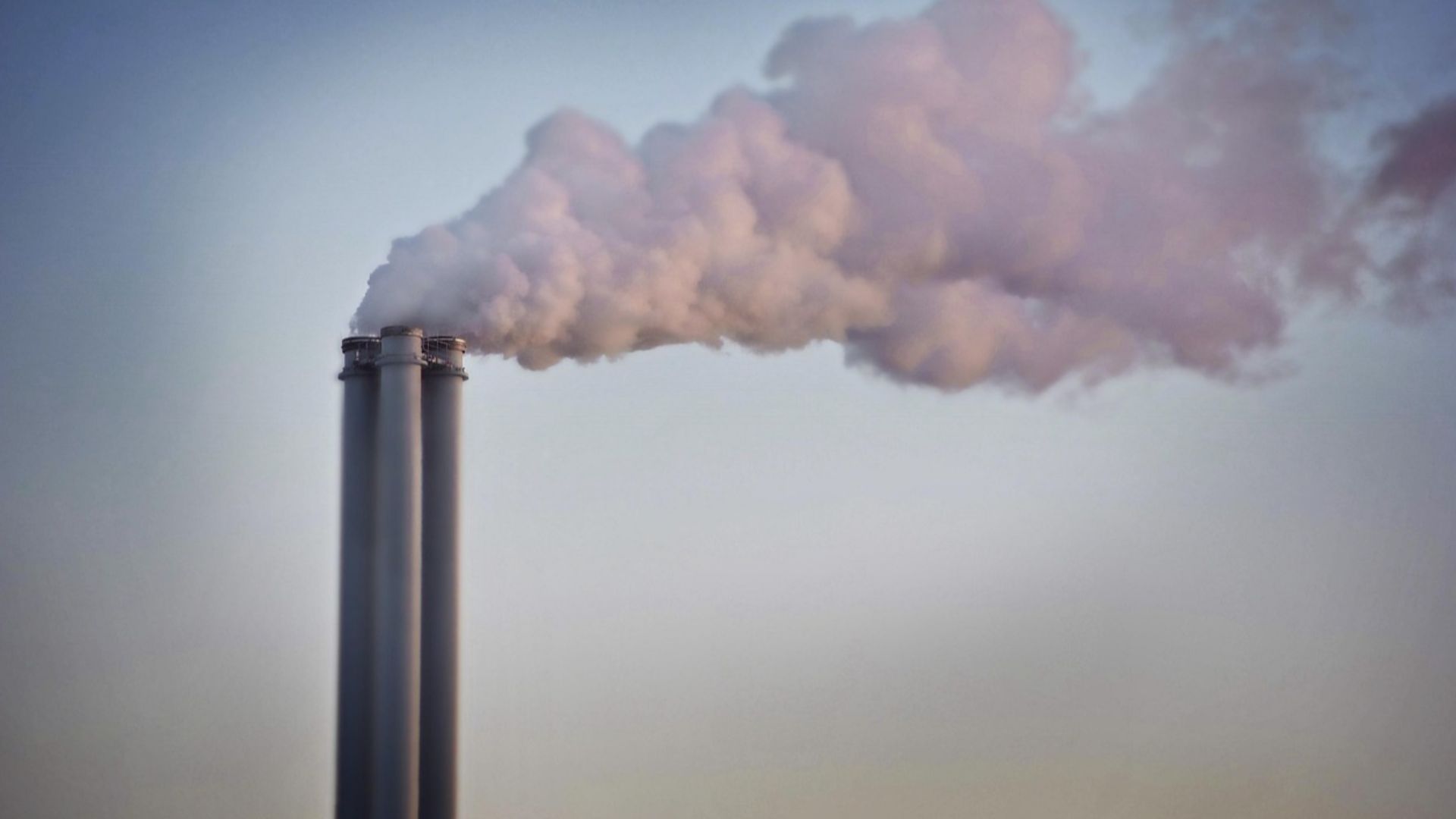
Recycling Reality: Incineration In Disguise
Although corporations describe advanced recycling as transformative, most plants simply convert plastic into low-grade oil, which is later burned. This releases toxins and greenhouse gases while failing to create new plastic. The public hears the word “innovation,” but the output looks suspiciously like old-school waste-to-energy programs.
Worldwide Proportions
The plastic industry has mastered the art of green branding: sleek recycling logos, sustainability pledges, and promises of circularity. But behind the marketing campaign is a system unable to process the oceanic volume of plastics being produced. Recycling turned into a public-relations effort that distracts from the real issue: that we are producing and using too much plastic.
Municipal Systems Are Buckling
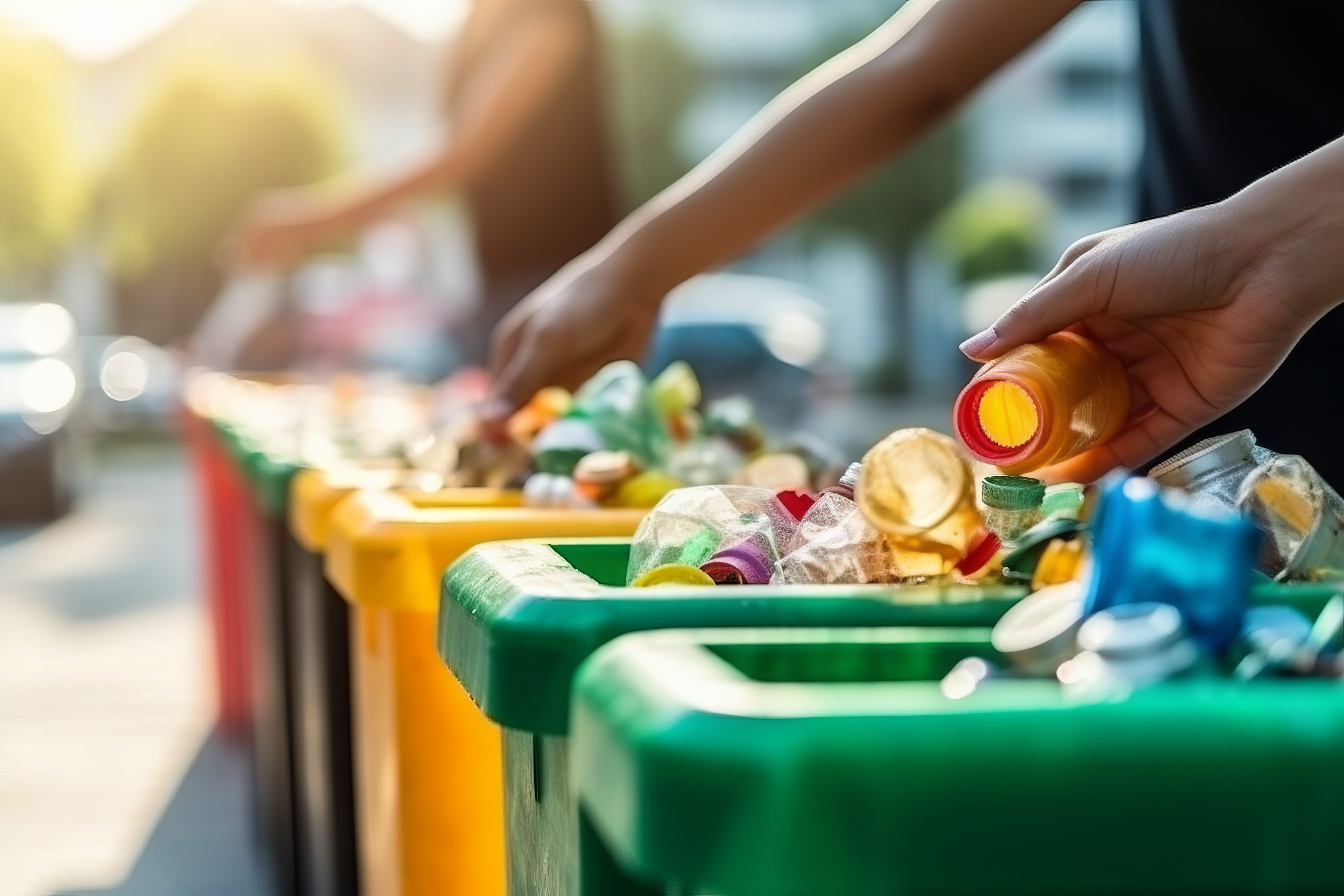
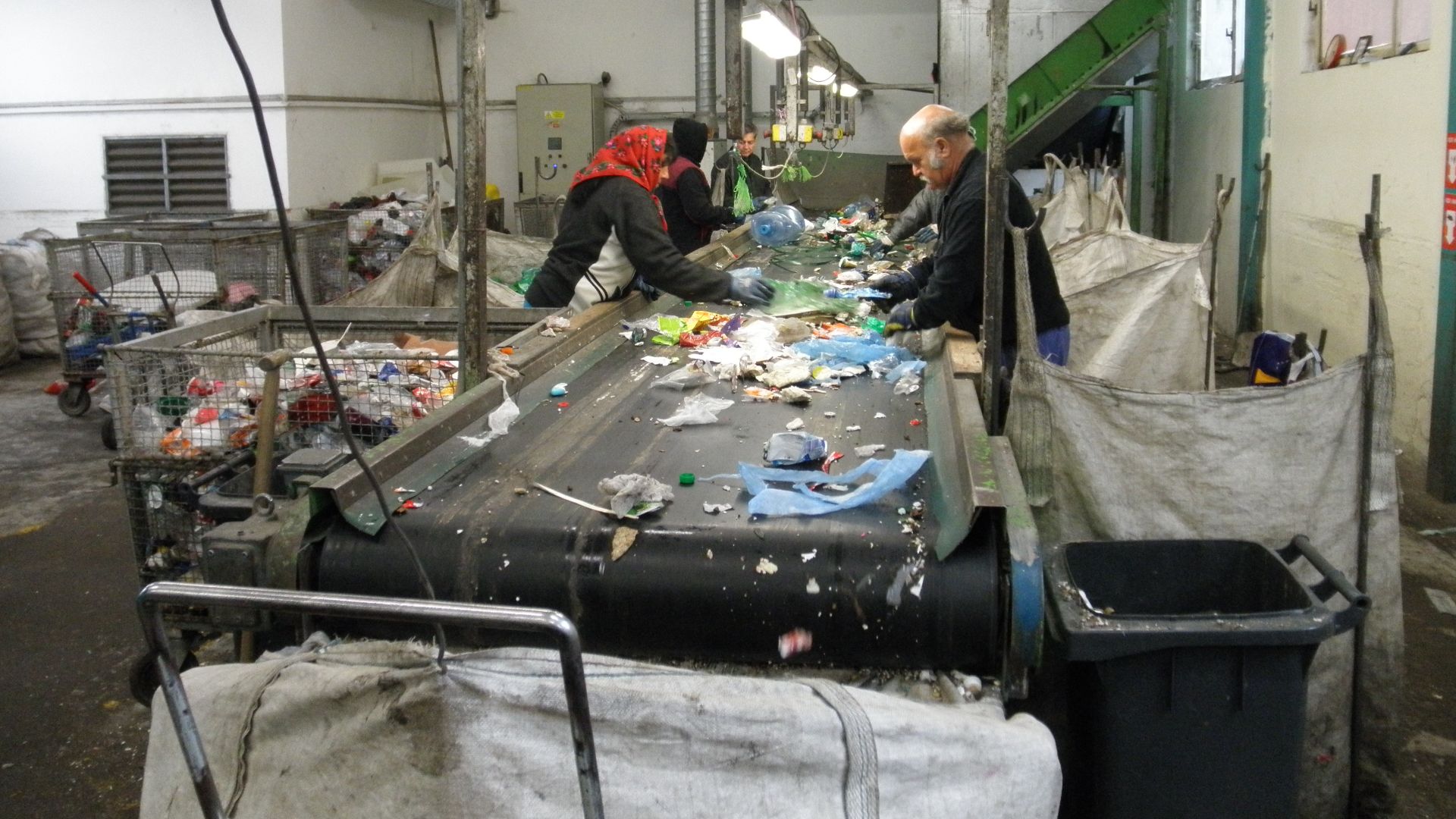
Cities have to deal with higher sorting costs, stricter contamination rules, and shrinking markets for recycled material. Municipal budgets are strained to the breaking point as recycling trucks, sorting facilities, and storage yards overflow with plastics nobody wants. Residents keep recycling, but municipalities end up paying even more to ship these materials to landfills.
 Michal Maňas, Wikimedia Commons
Exporting The Problem Overseas
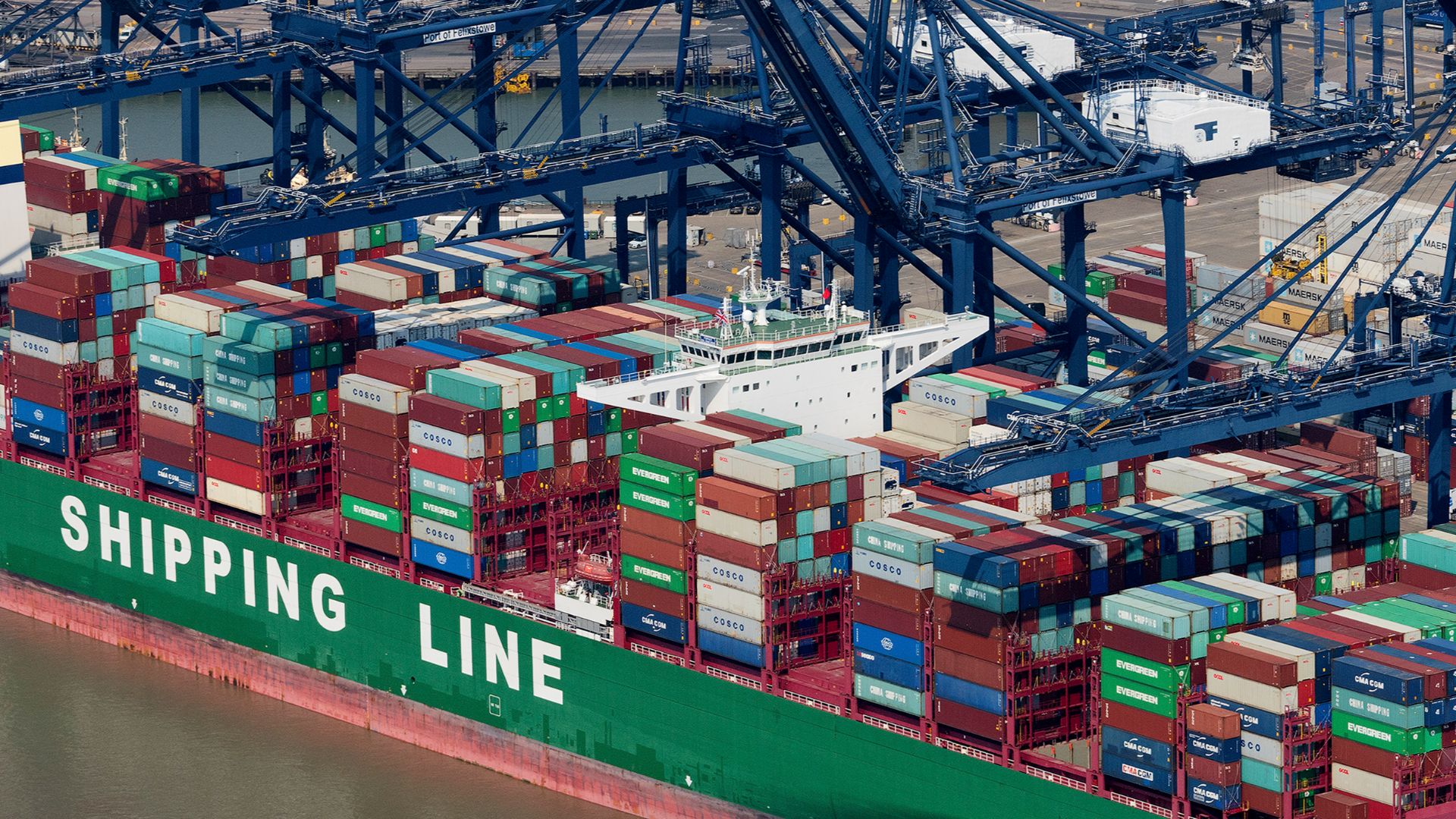
For years, the wealthiest nations of the world shipped mountains of “recyclables” to countries with few or no environmental protections. A lot of this waste was mismanaged, burned, or dumped. After stronger global restrictions were put in place, regions like Canada and the U.S. had to confront the uncomfortable truth that they never had a viable recycling program to begin with.
 John Fielding from Norwich, UK, Wikimedia Commons
Plastic Production Keeps Rising
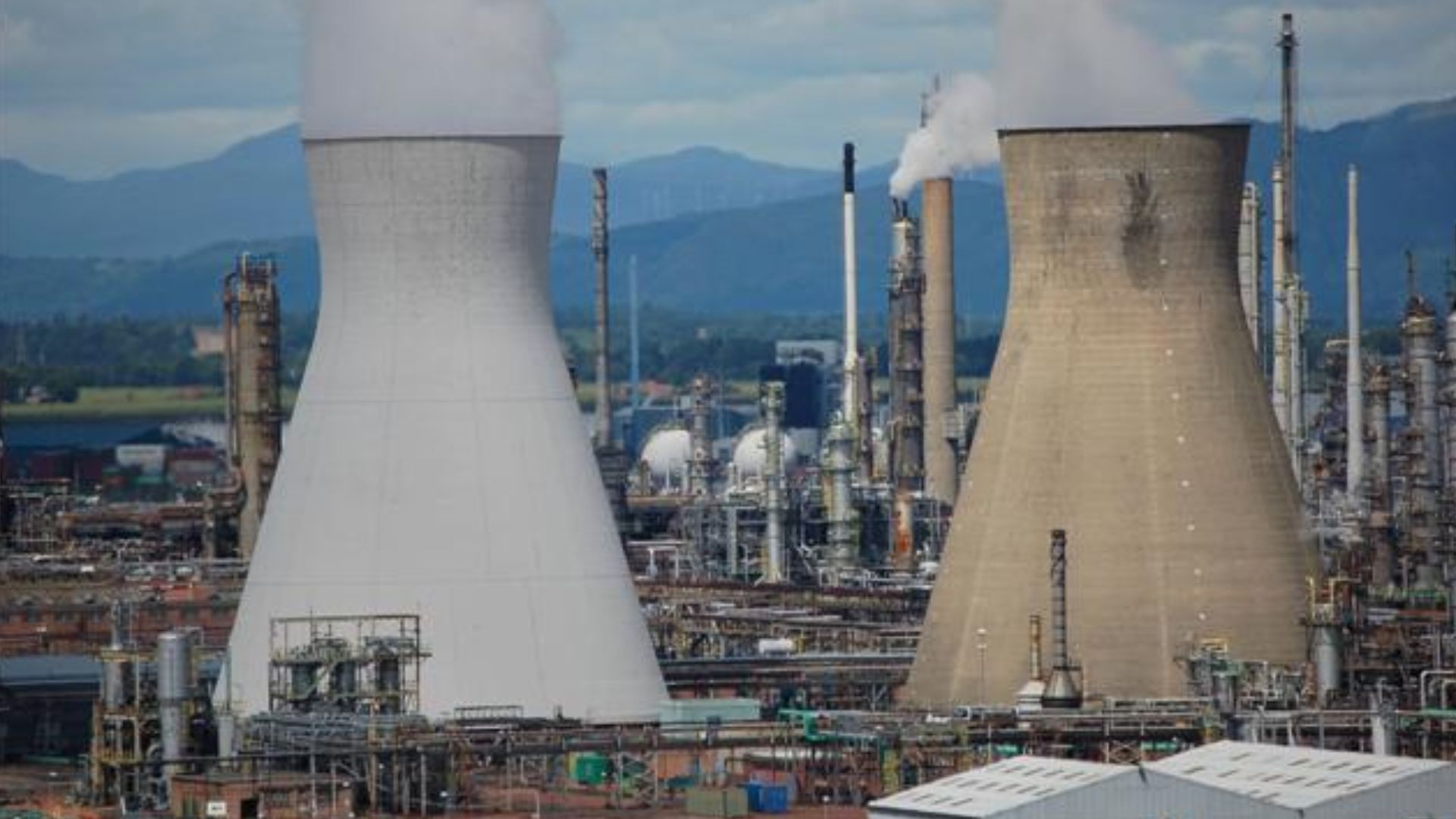
Even as recycling systems fail, plastic production skyrockets. Petrochemical companies are investing billions in new facilities, banking on plastic demand to surge to new heights for the foreseeable future. This increase overwhelms recycling capacity, turning the idea of a circular economy into a mirage.
 Paul McIlroy, Wikimedia Commons
Consumers Feel Misled
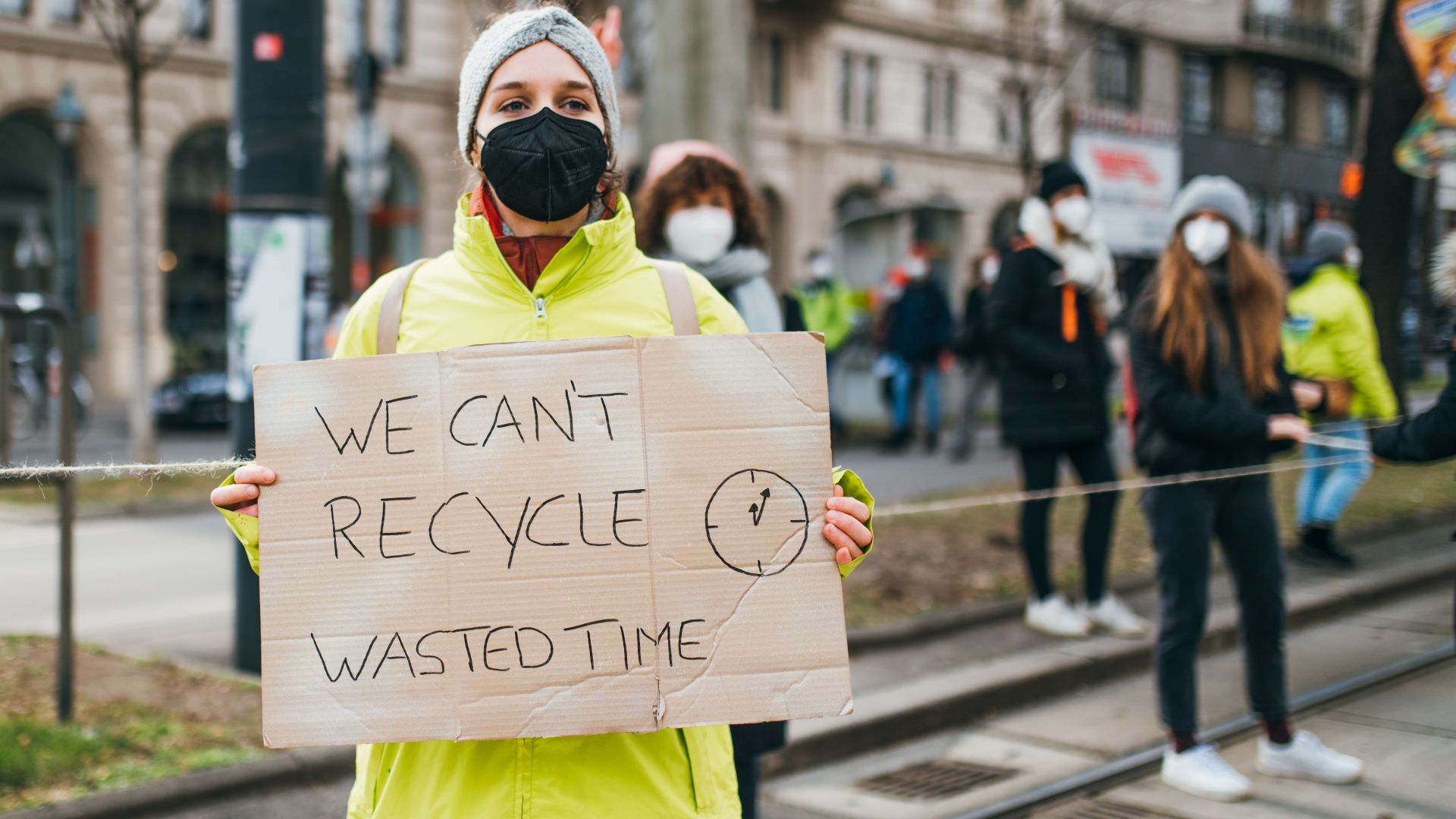
People have spent years diligently rinsing out containers, sorting bins, and trusting that recycling made a difference for Planet Earth’s future. Learning that the system barely works is bound to breed resentment. Homeowners pay rising waste-management fees while corporations keep producing materials that local systems cannot process.
Environmental Harm Hidden Behind Blue Bins
Plastics degrade into microplastics that contaminate soil, waterways, and even human and animal bloodstreams. Failed recycling efforts make pollution worse by giving producers the political cover to manufacture more. The environmental cost of all this seems to far outstrip any optimistic marketing campaign about “closing the loop.”

Busan Treaty Pushes For Real Change
Global negotiations like the Busan Treaty aim to address the root problem: runaway production. These talks have tried to shift the focus away from recycling myths and toward some legally binding limits that would extend producer responsibility, and accountability from the companies fueling the plastic deluge.
 Michiel1972, Wikimedia Commons
Cost Burden Lands On Taxpayers
While corporations profit from selling new plastic, taxpayers subsidize the collection, sorting, and disposal of waste. Recycling programs cost cities and taxpayers millions of dollars more each year, straining municipal budgets.

Recycling Contamination Makes Everything Worse
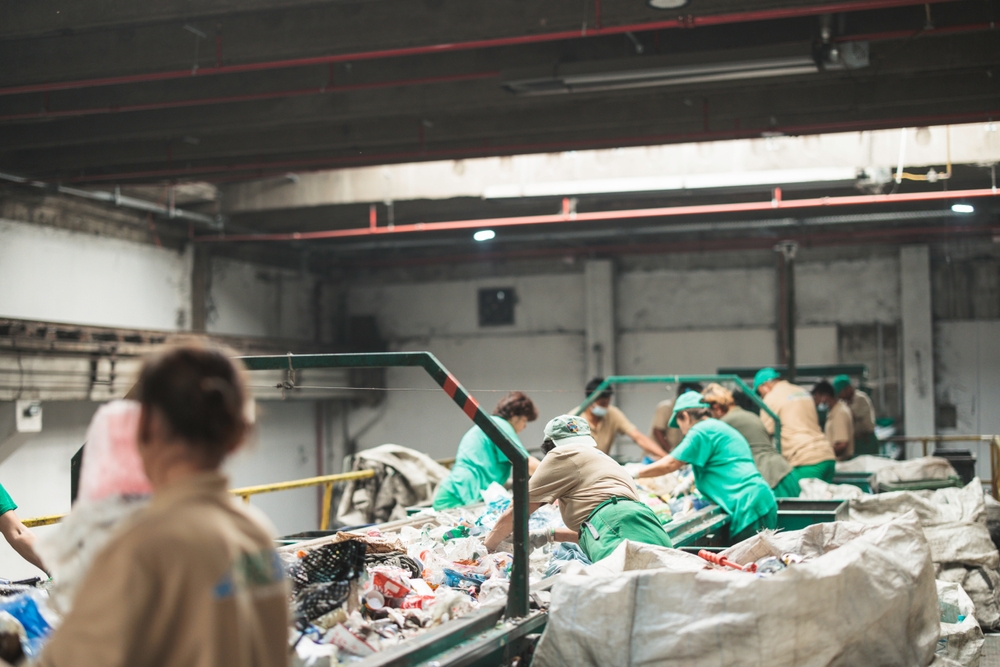
Greasy food containers, mixed plastics, and mislabeled items all contaminate recycling streams. The presence of one wrong material can ruin entire batches, forcing facilities to landfill everything. Consumers try to do the right thing, but the system punishes them for minor errors.
Recycled Plastic Loses Quality
Unlike glass or aluminum, plastic can’t be recycled endlessly. Each cycle degrades the plastic’s quality, producing weaker materials. Eventually the stuff becomes unrecyclable. Companies rarely use high percentages of recycled content because the resulting plastic is too weak, driving more reliance on new petroleum-based materials.
Myth Of Infinite Circularity
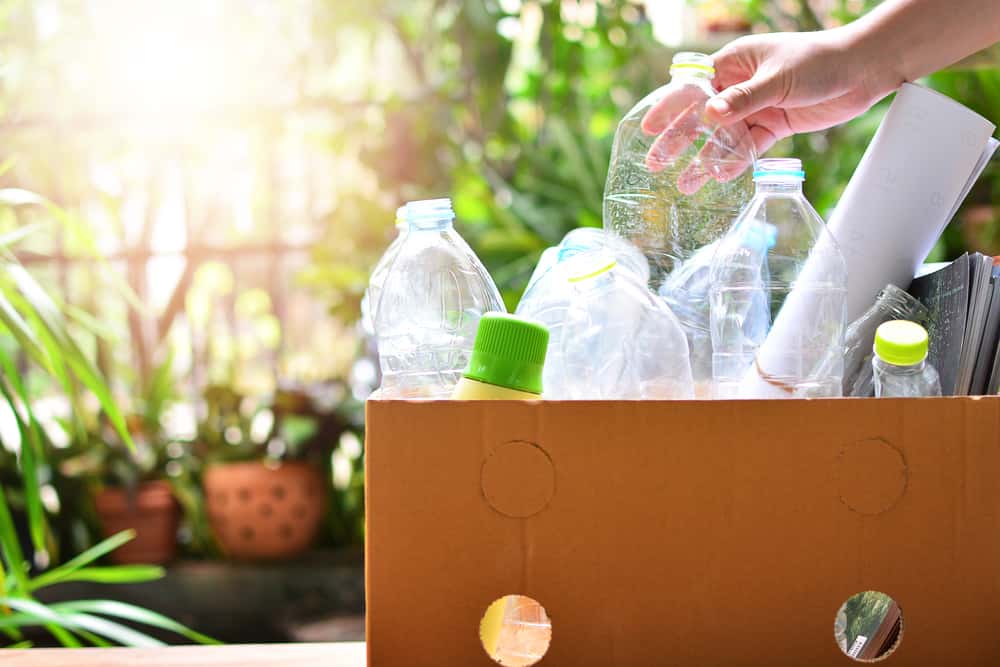
Brands promote closed-loop systems, but the chemistry of plastics makes infinite reuse next to impossible. Recycling unfortunately became a comfort narrative that allowed production to soar without the associated environmental guilt. The reality is a straight line from the petrochemical plant to the natural environment: extraction, production, consumption, pollution.
The Push For Reduction, Not Recycling
Environmental groups argue for reducing our use of plastic. They say eliminating unnecessary packaging; banning certain plastics; and shifting to reusables, is the only realistic and responsible path forward. Recycling alone can’t solve a problem caused by billions of tons of plastic flooding global markets.

Producers Must Be Held Accountable
Extended producer responsibility shifts the costs from taxpayers to manufacturers. By charging producers for the waste they create, these policies force companies to redesign packaging, reduce materials, and bear the financial burden of disposal. Without accountability, the loop can never be closed.
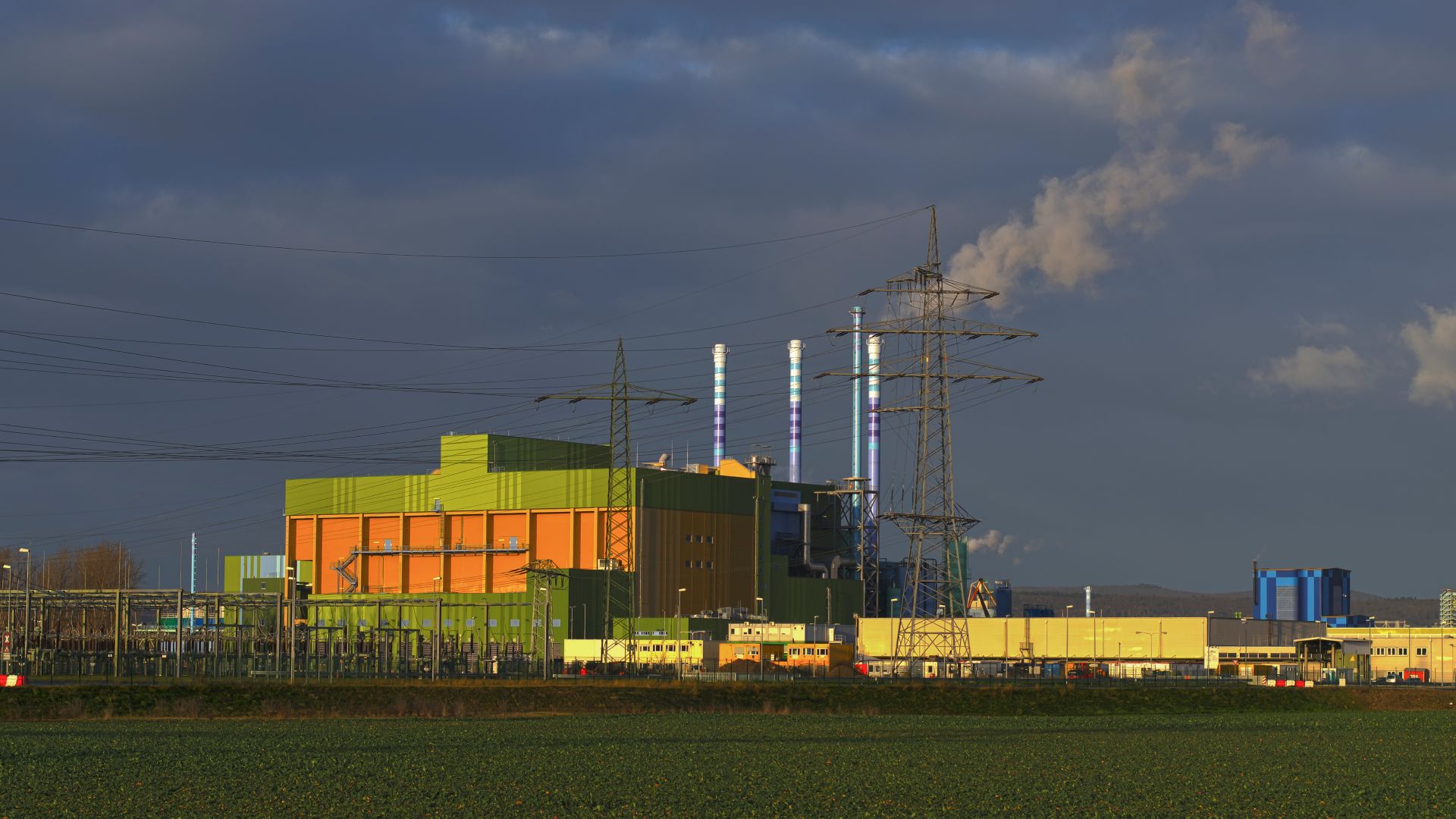 Norbert Nagel, Wikimedia Commons
A Future Beyond Plastic
The recycling story was supposed to be about sustainability, but it was really about delaying regulation. Now, as pollution intensifies and costs rise, policymakers are contemplating scrapping the current model entirely. Real progress depends on confronting overproduction, enforcing accountability, and letting go of the fantasy that recycling alone can save us.
 Ocean Blue Project, Inc., Wikimedia Commons
You May Also Like:
The Growing Synthetic Diamond Industry Could Spell The End Of Diamond Mining