They Just Stopped Buying
Millennials have been blamed for ruining practically everything. But behind the jokes, something strange really did happen: products older generations bought without thinking are declining—some at such a rate that they very well might disappear completely.

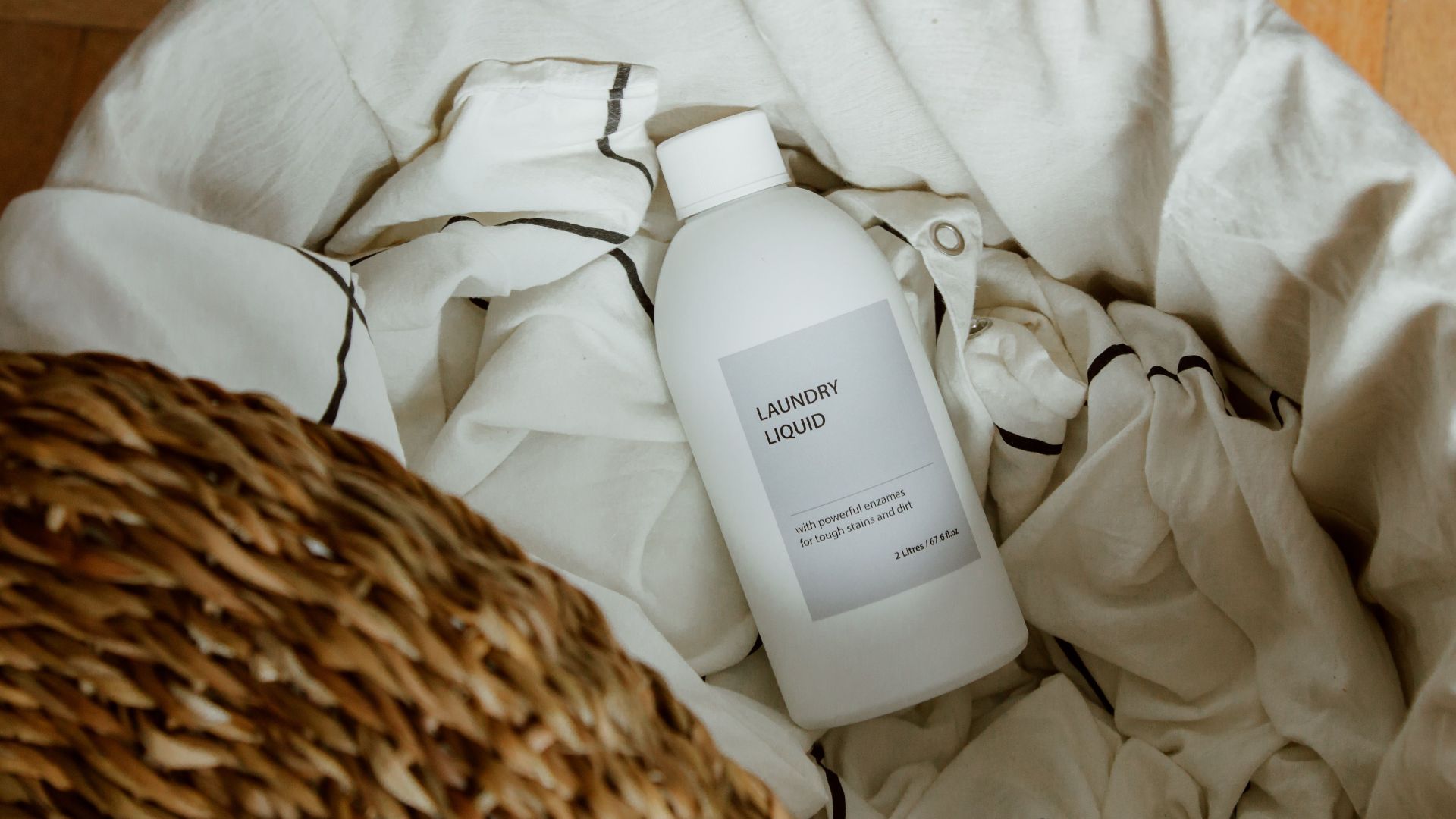
Traditional Liquid Fabric Softener
Plenty of millennials understand detergent. Fabric softener is where things get fuzzy. Procter & Gamble once admitted many younger shoppers did not even know what it was for. Improved detergents, modern fabrics and concerns about fragrances have made this once-routine laundry step feel increasingly unnecessary.
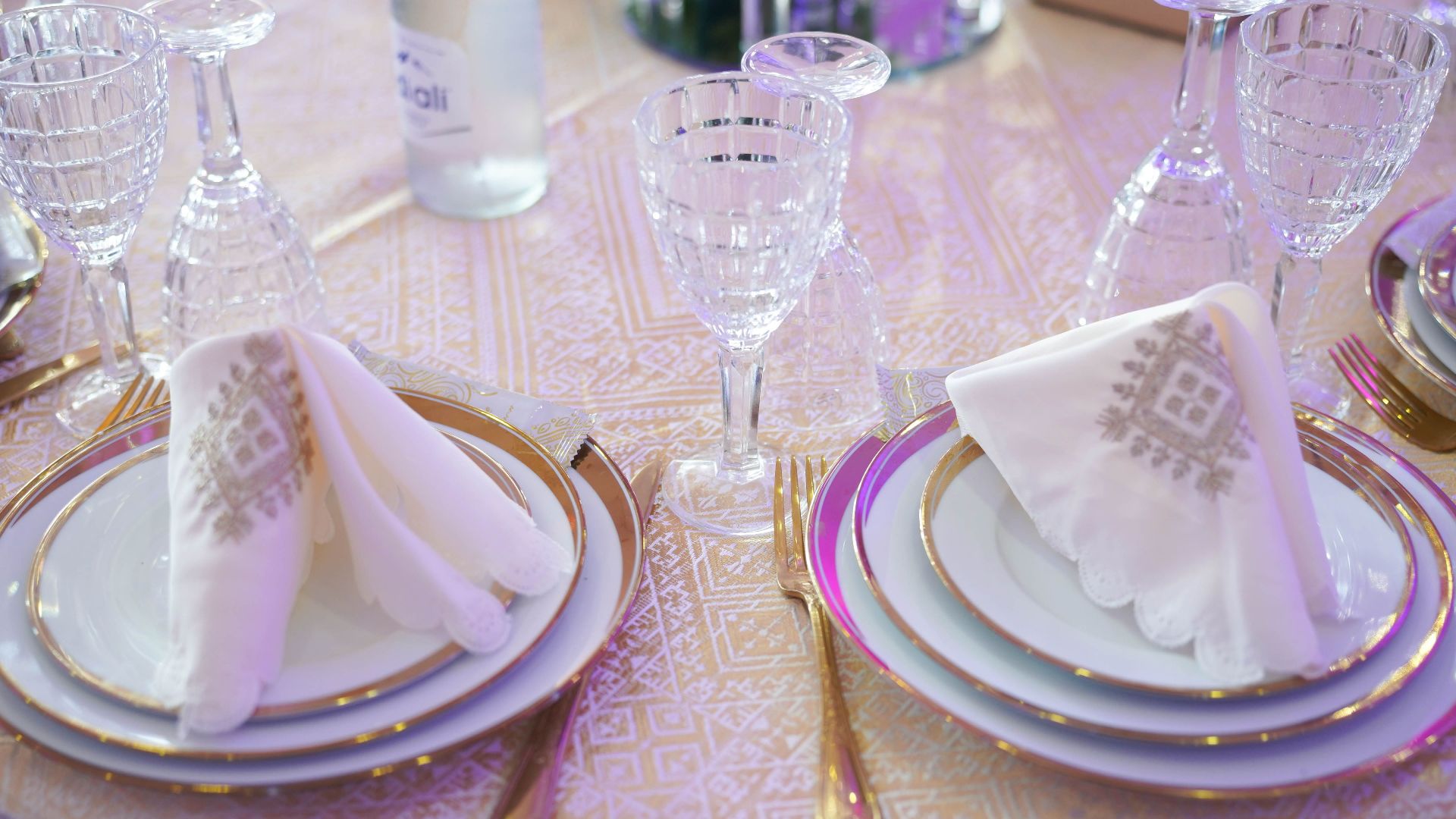
Paper Napkins
Older households often bought napkins automatically. Millennials are more likely to reach for the paper towels already sitting on the counter or use washable cloth ones. Paper napkins are not vanishing, but younger shoppers have made them much less essential than they once seemed.
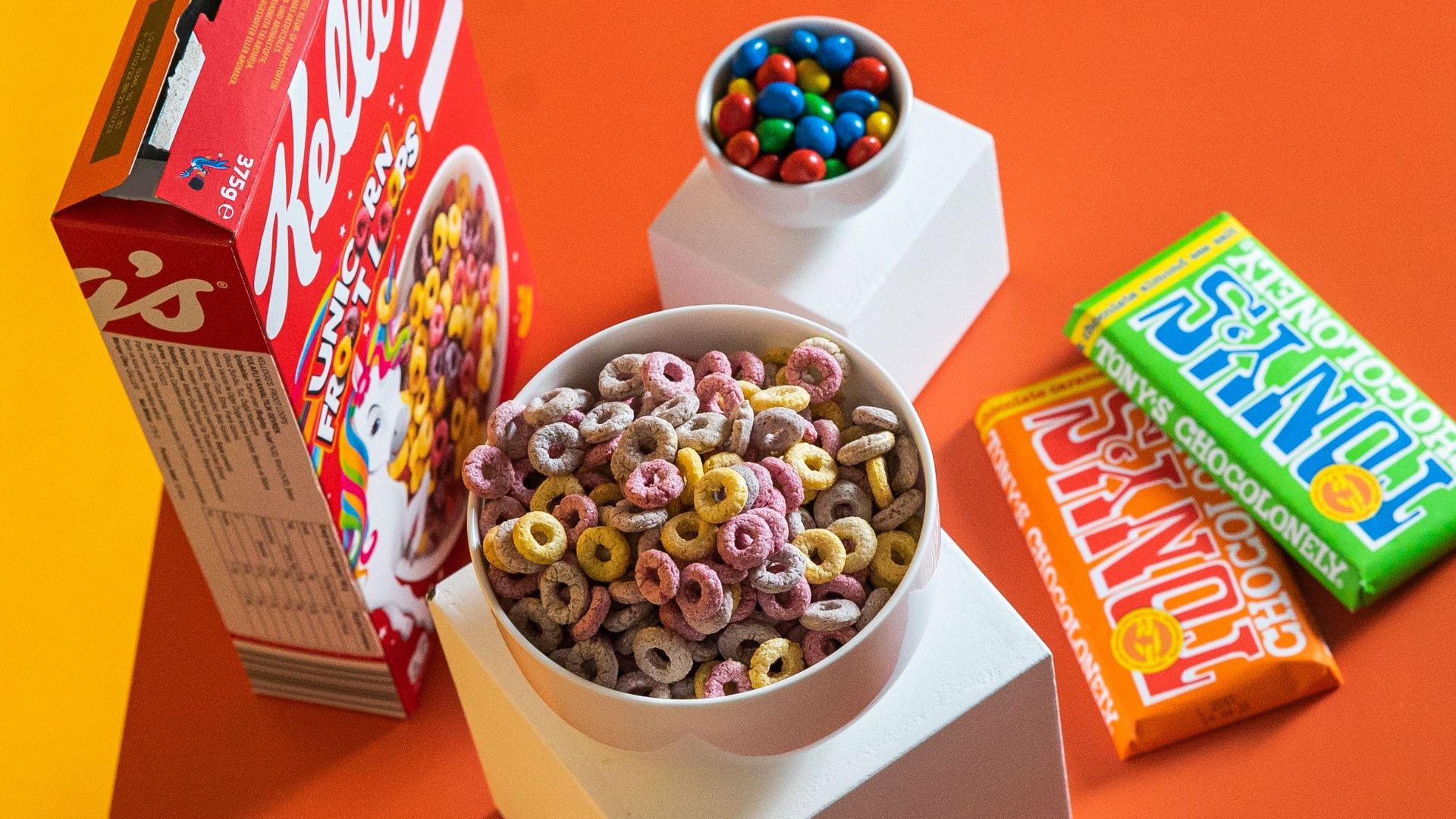
Boxed Breakfast Cereal
Millennials did not stop eating breakfast. They just discovered coffee, yogurt, protein bars, smoothies and countless other options that do not require a bowl, spoon and carton of milk. Traditional cereal remains popular with families, but it no longer owns the American morning like it once did.
Mined Diamond Engagement Rings
Millennials still get engaged, but many refuse to spend a small fortune on a mined stone simply because tradition says they should. Lab-grown diamonds offer the same appearance for far less money and now account for a substantial share of engagement-ring purchases.

Canned Tuna
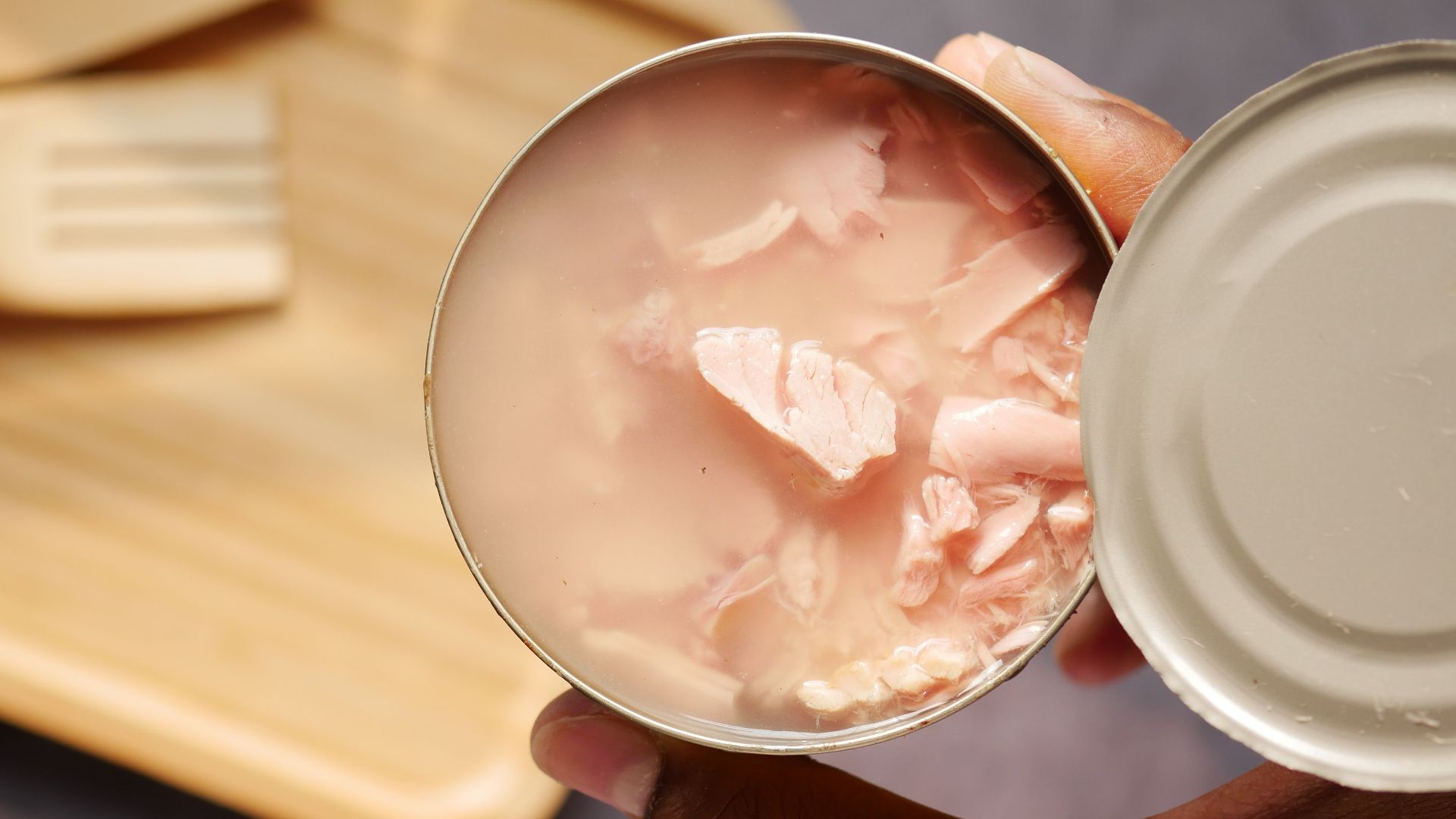
Canned tuna consumption has fallen considerably from its late-20th-century heights, and younger adults have historically purchased less canned seafood than older shoppers. Tuna itself is not disappearing, but traditional cans are losing attention to pouches, prepared meals and fresher protein options.
Cable Television Packages
Millennials grew accustomed to watching exactly what they wanted, whenever they wanted it. Paying for 150 channels to get six favorites never made much sense. In 2025, only 23% of Americans ages 30 to 49 told Pew they subscribed to cable or satellite television.
 The original uploader was Evieliam at English Wikipedia., Wikimedia Commons
Formal China Sets
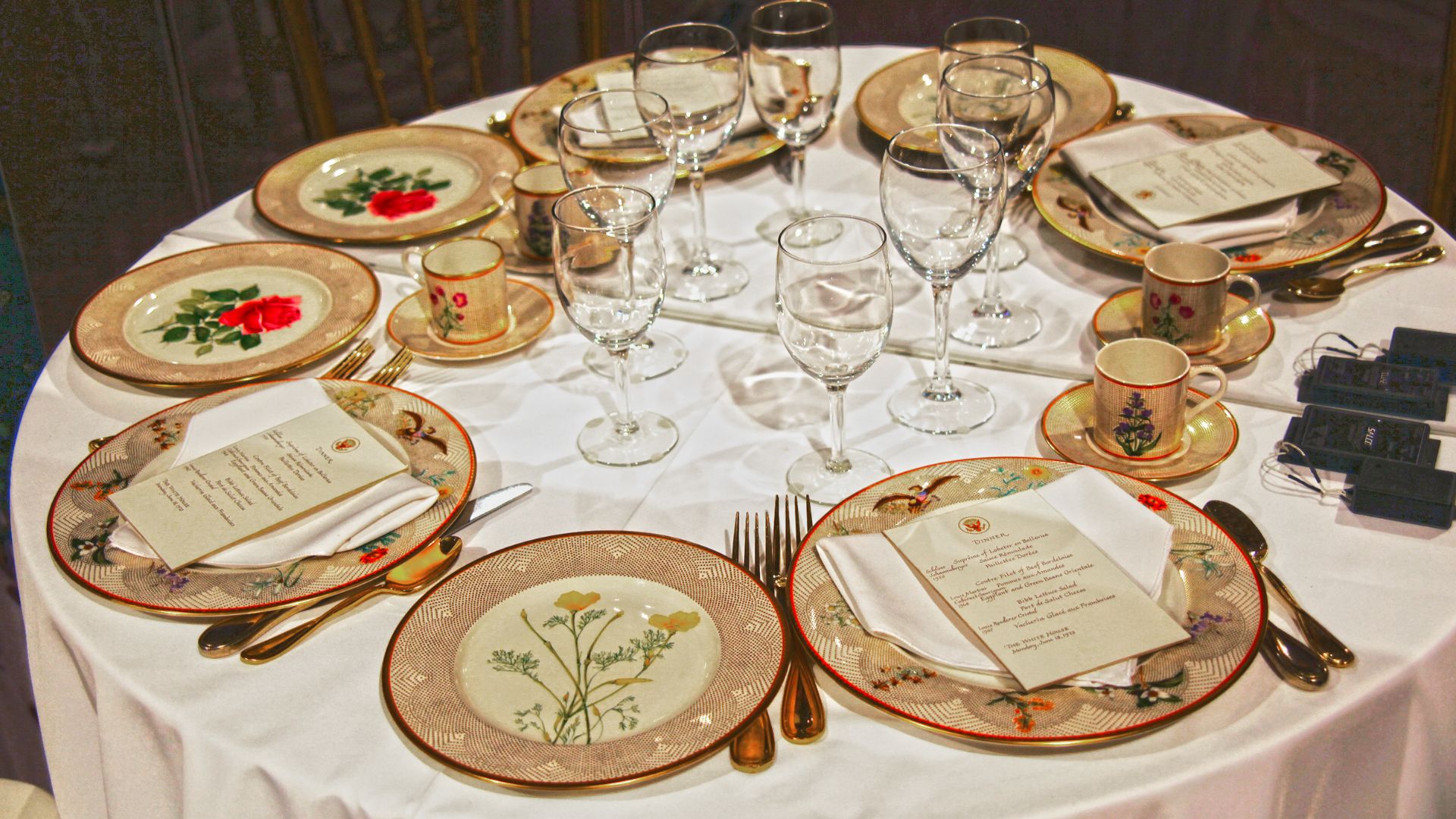
For previous generations, a wedding registry practically required a formal china pattern. Millennials frequently see expensive dishes that cannot go in the dishwasher and are used twice a year. Many would rather own one attractive, durable set that works on Tuesday night and Thanksgiving.
 Tim Evanson, Wikimedia Commons
Orange Juice
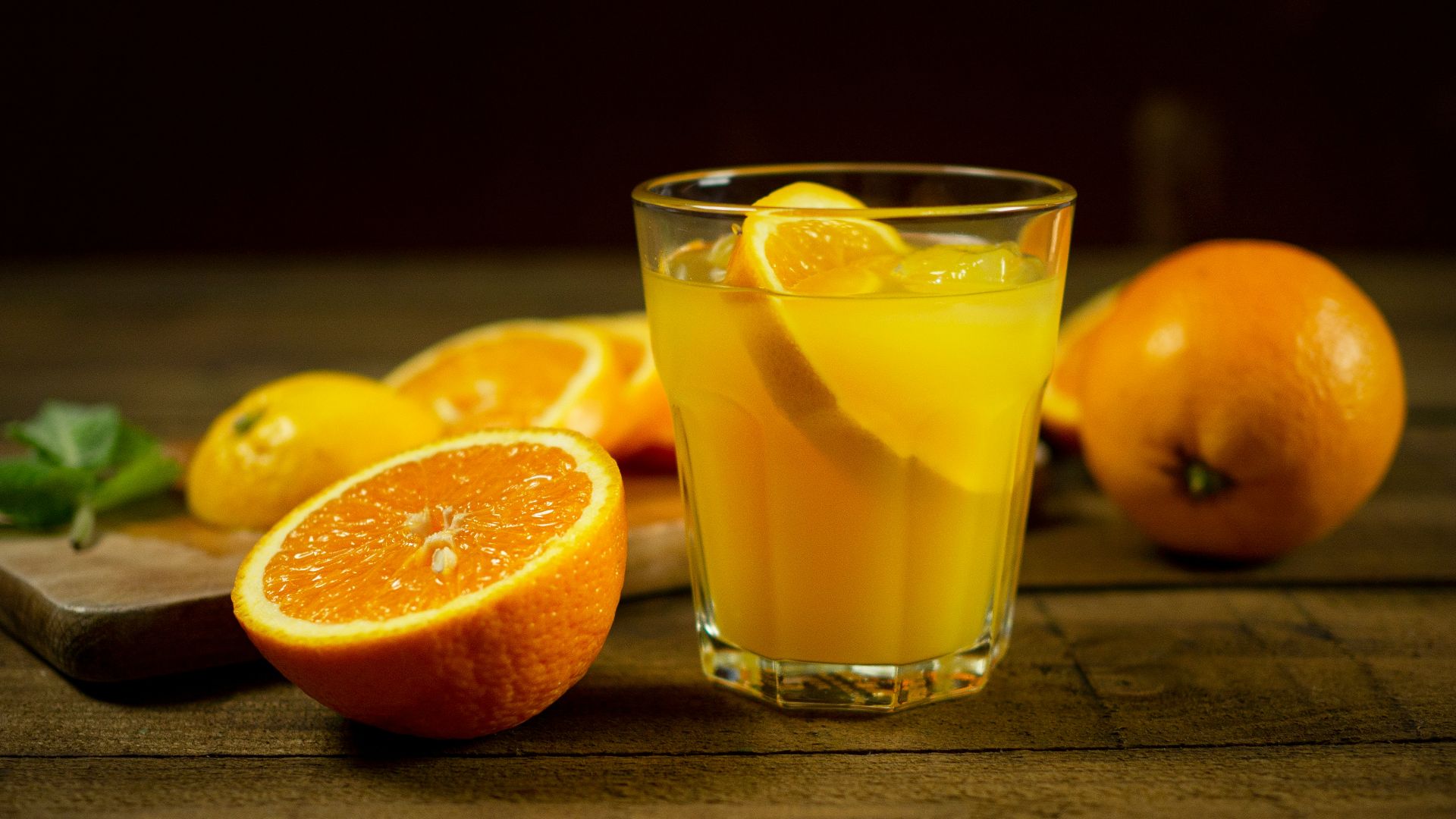
A glass of orange juice once seemed permanently attached to the American breakfast table. Millennials became more cautious about sugar, started eating breakfast away from home and found countless other drinks. Rising prices have added more pressure to a category already struggling with changing habits.
Landline Telephones
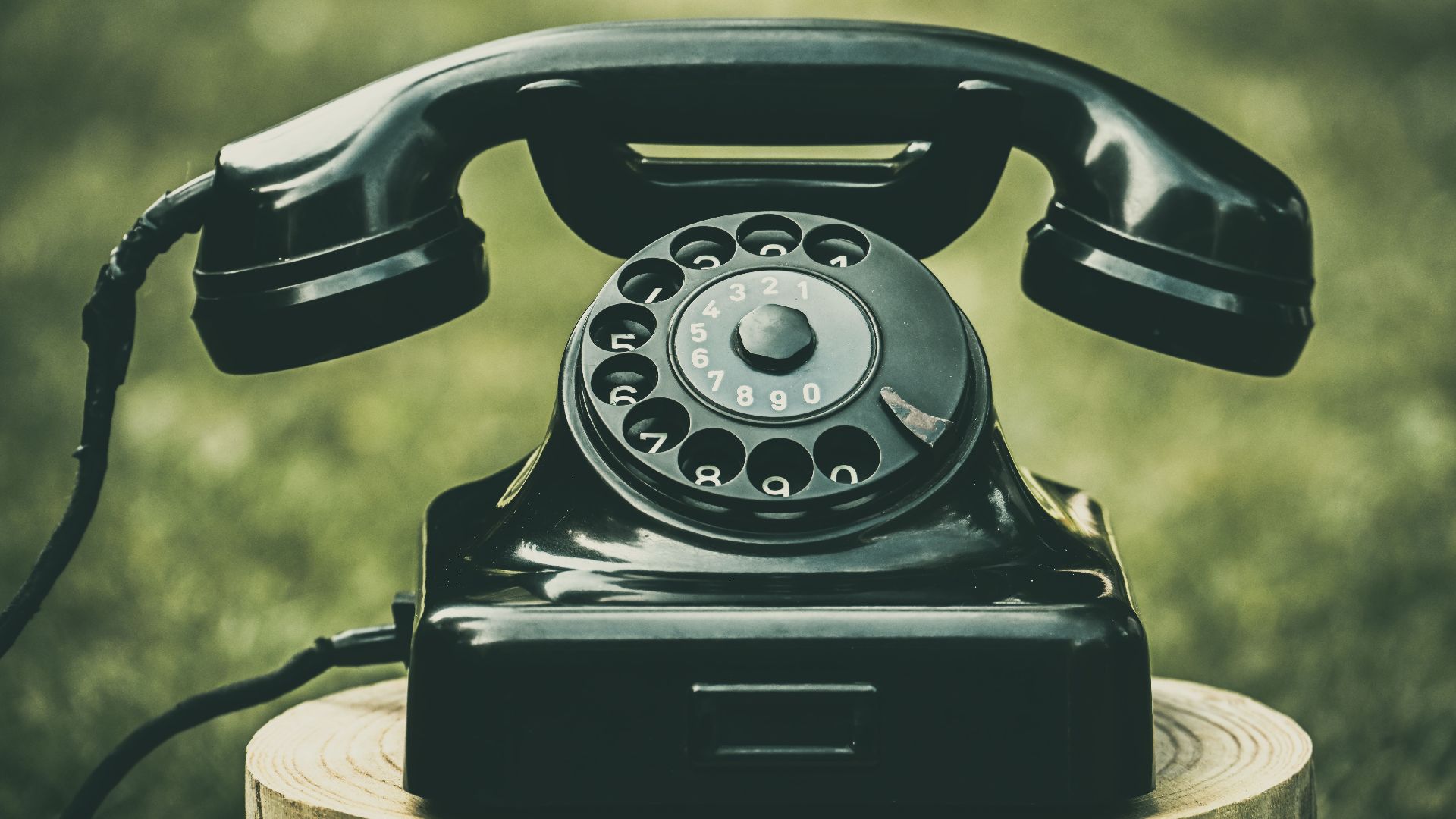
Millennials were among the last Americans to grow up with a family telephone attached to the wall. Once they moved out, many saw no reason to purchase another one. Paying separately for a number that mostly receives unwanted calls is not exactly an irresistible sales pitch.
Print Newspapers
Millennials still consume plenty of news. They simply expect it to appear instantly on a screen, often without paying for a printed bundle delivered the following morning. Younger readers helped accelerate the shift online, leaving print circulation dependent increasingly on older and highly loyal subscribers.

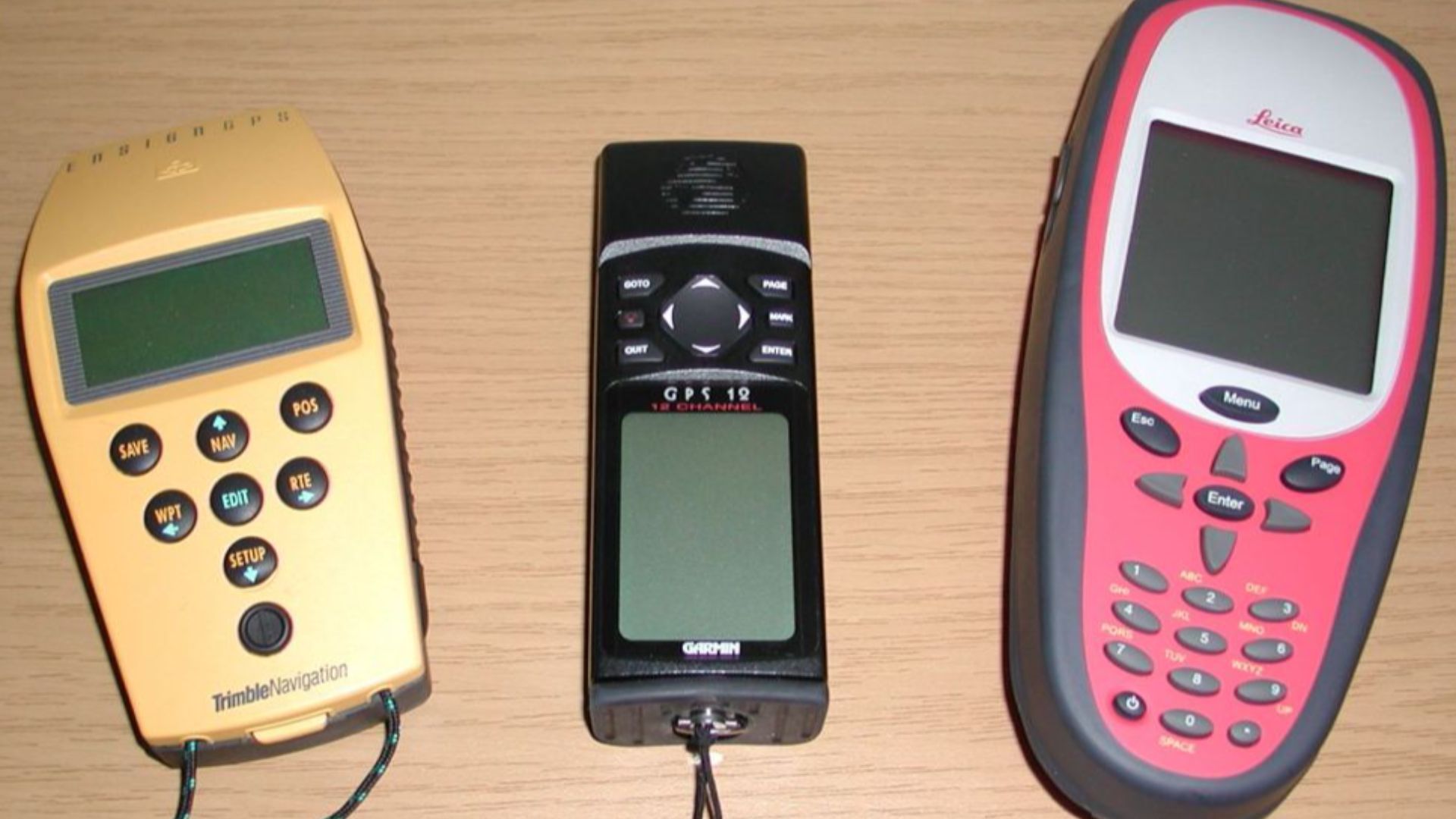
Cow’s Milk
Millennials grew up with far more beverage choices than their parents had. Almond, oat and soy drinks moved from specialty stores into ordinary supermarkets while fewer adults poured cow’s milk into cereal. USDA research found that younger generations tend to consume less fluid milk at comparable ages.
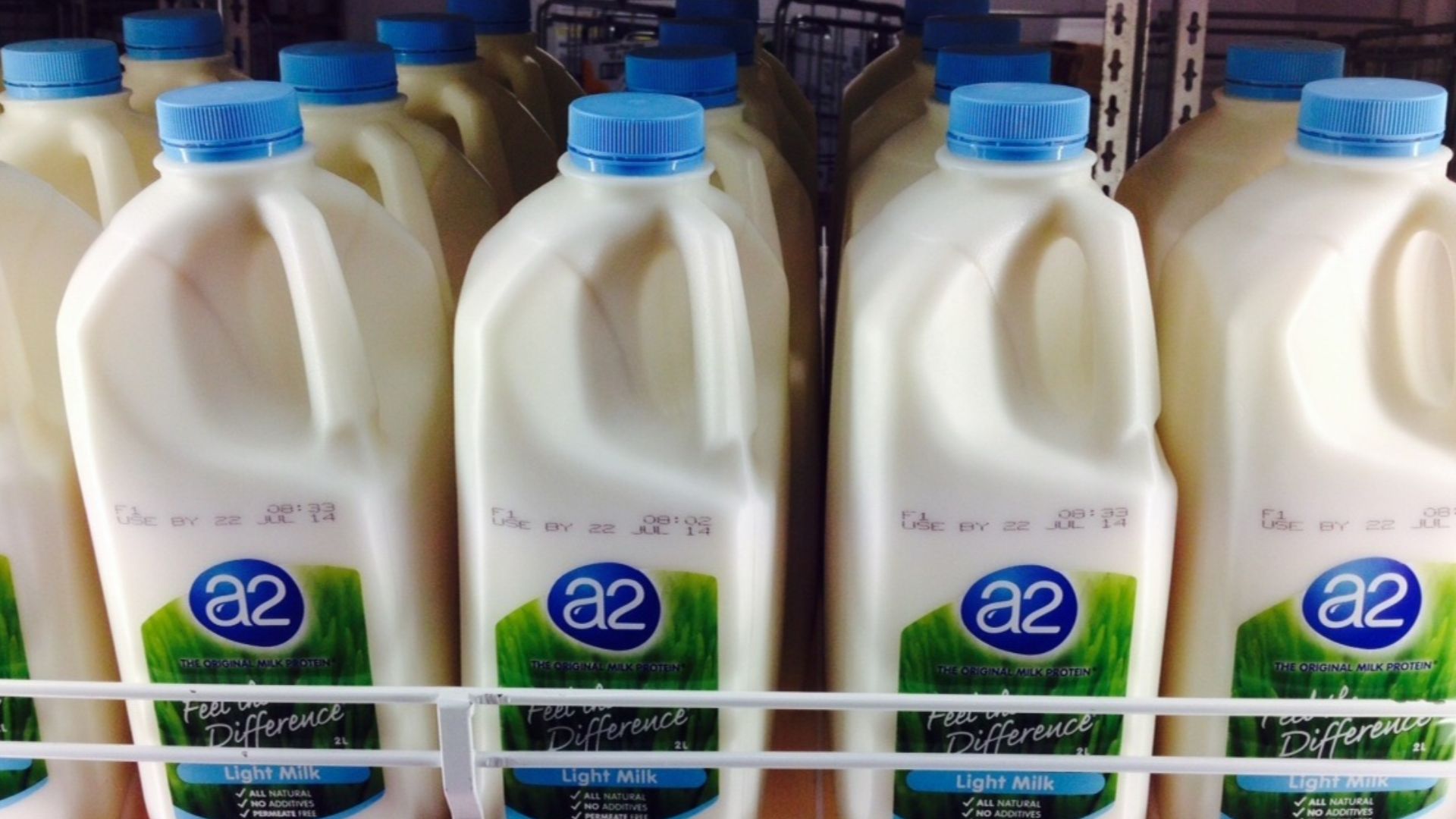
Traditional Alarm Clocks
Smart alarm clocks offering weather reports, music and voice assistants are growing. It is the basic bedside clock that millennials have little reason to buy. Their phones already display the time, play music and wake them with an increasingly desperate series of alarms.
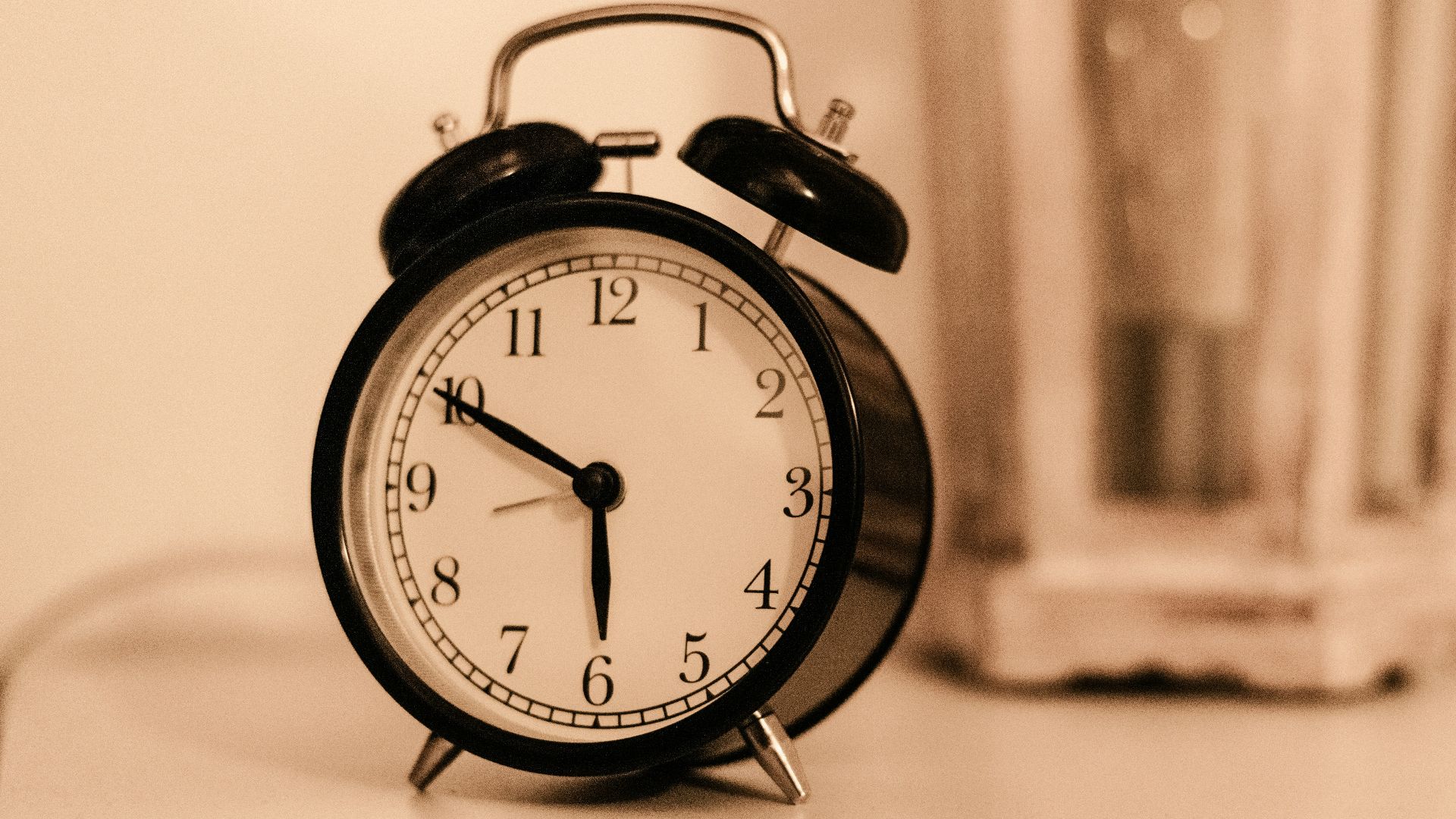
Mass-Market Beer
Millennials did not give up beer entirely. However, many shifted away from the familiar mass-market labels that dominated earlier generations. Craft beer, cocktails, hard seltzers and nonalcoholic choices crowded the refrigerator, leaving the largest traditional beer brands fighting over a shrinking portion of their attention.
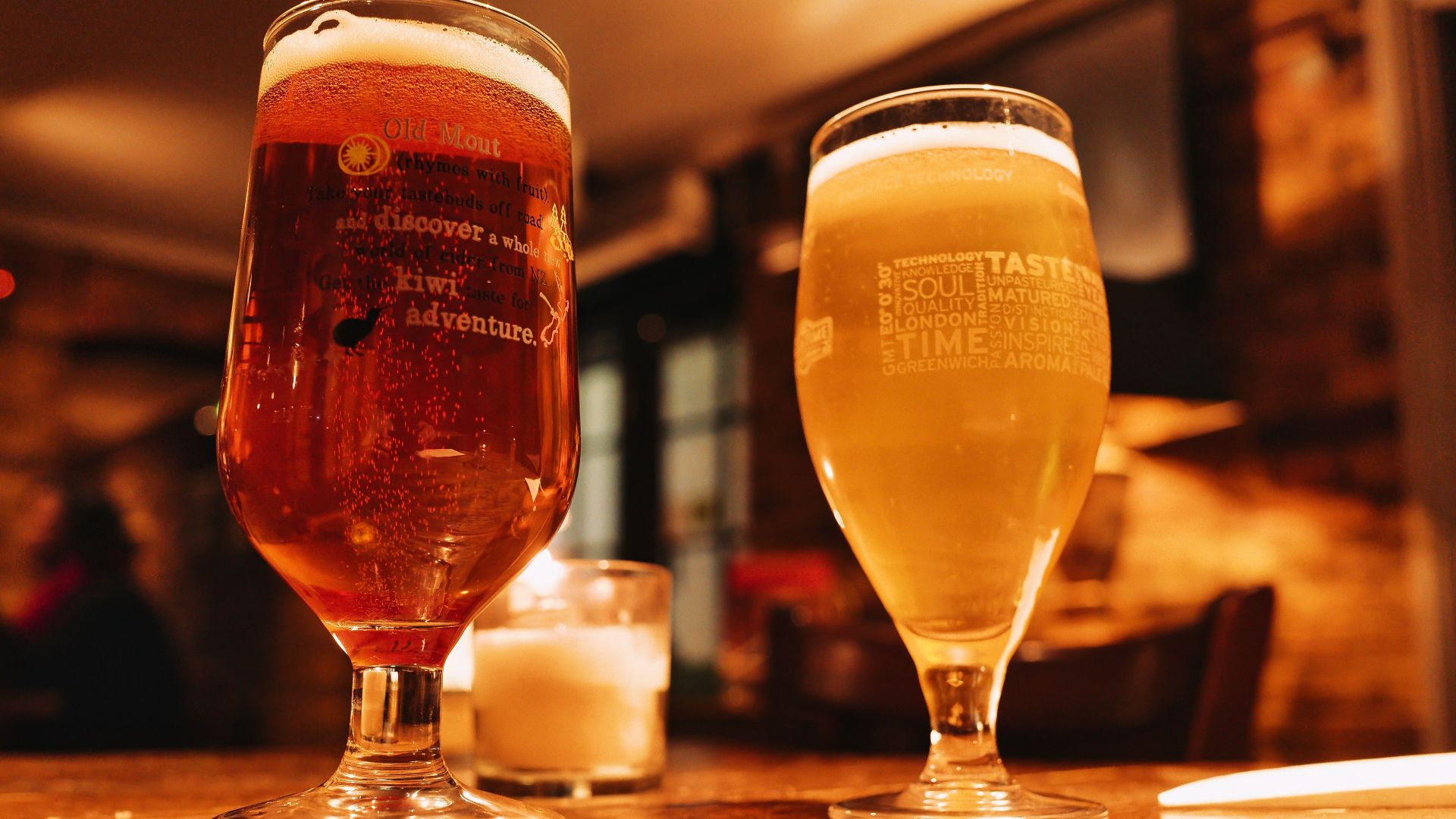
Standalone GPS Devices
For a brief moment, attaching a GPS unit to the windshield felt incredibly futuristic. Then smartphones started providing directions, traffic updates and restaurant suggestions without requiring another purchase. Millennials embraced navigation apps early, leaving standalone devices mainly to specialized drivers and devoted holdouts.
 User:Stefan Kuhn, Wikimedia Commons
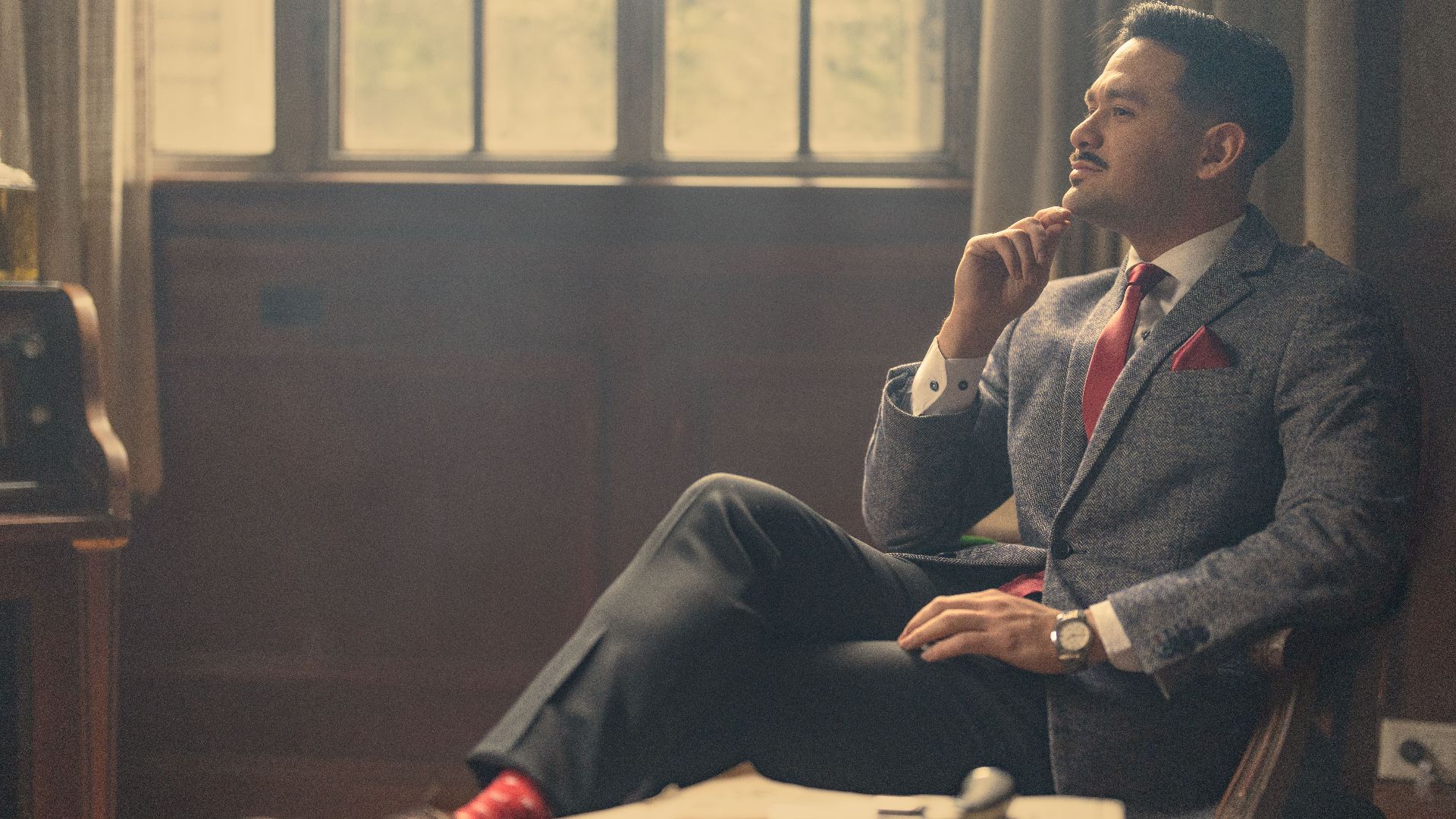
Traditional Office Suits
Millennials entered workplaces just as dress codes began relaxing. Then remote and hybrid work pushed formal office clothing even farther into the closet. Suits still have their place, but owning several of them for an ordinary week at the office no longer feels like an adult requirement.
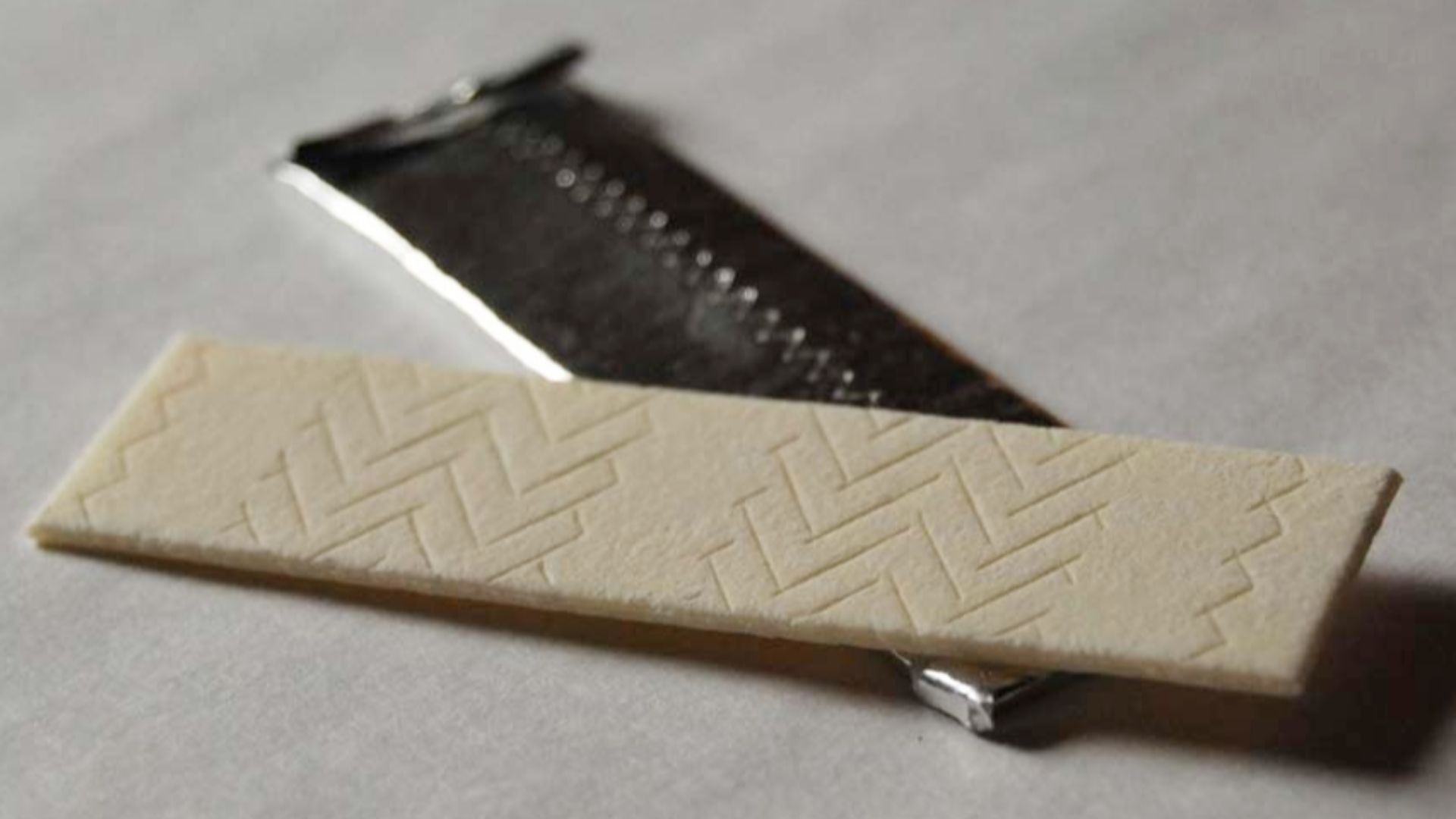
Chewing Gum
Gum is not disappearing tomorrow, but the category is struggling to grow. Industry figures showed U.S. unit sales falling 2.9% during the year ending in May 2025. Fewer impulse purchases, changing tastes and increased competition from mints have all made the checkout staple easier to ignore.
 -- Gohnarch░░░░ 12:20, 17. Jan. 2009 (CET), Wikimedia Commons
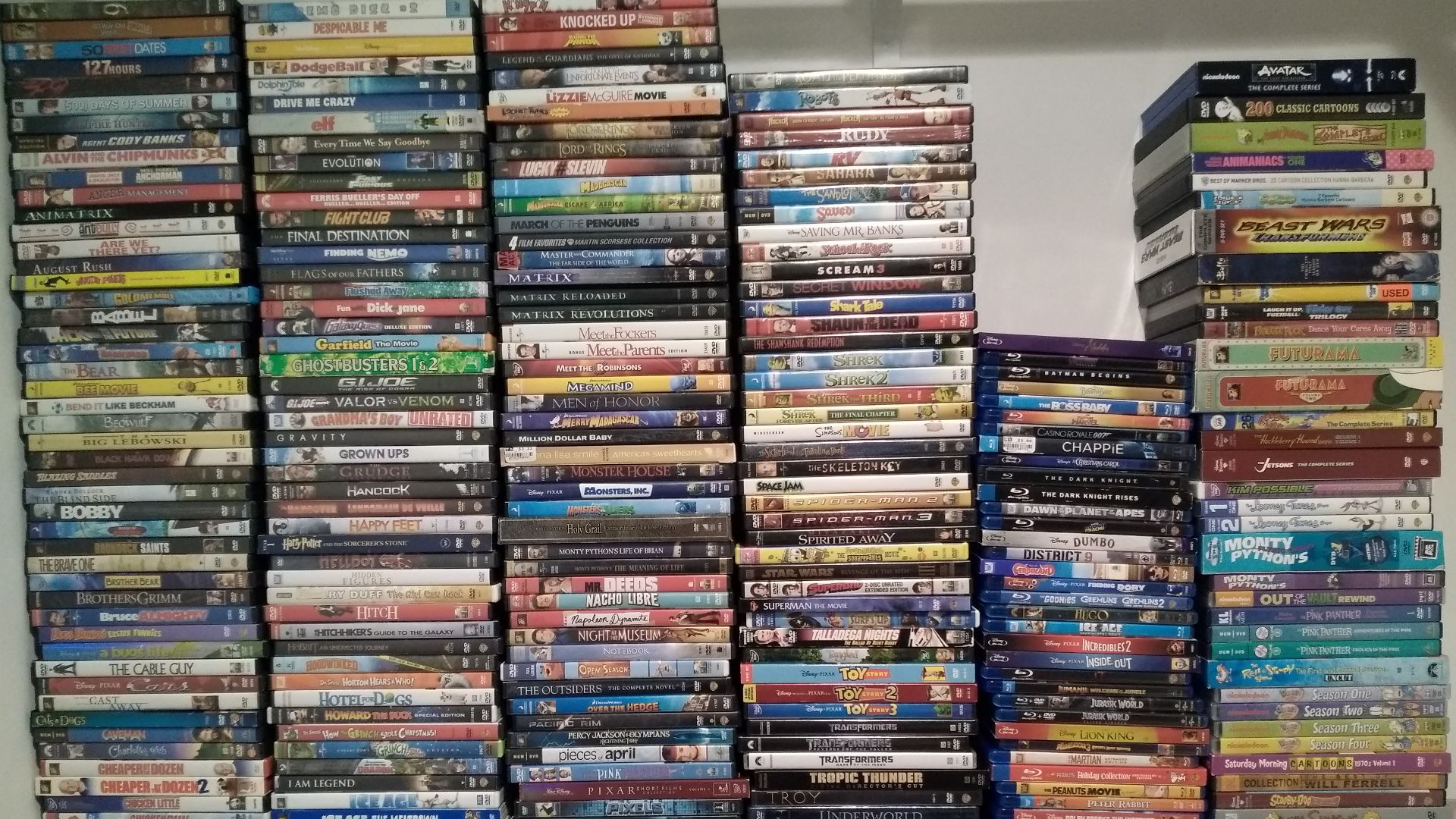
DVDs And Blu-Rays
Millennials enthusiastically bought DVDs when they were new. They were also among the first consumers to abandon them once streaming became convenient. Unless someone is a collector, the idea of storing hundreds of plastic cases to watch movies available online can feel like unnecessary clutter.
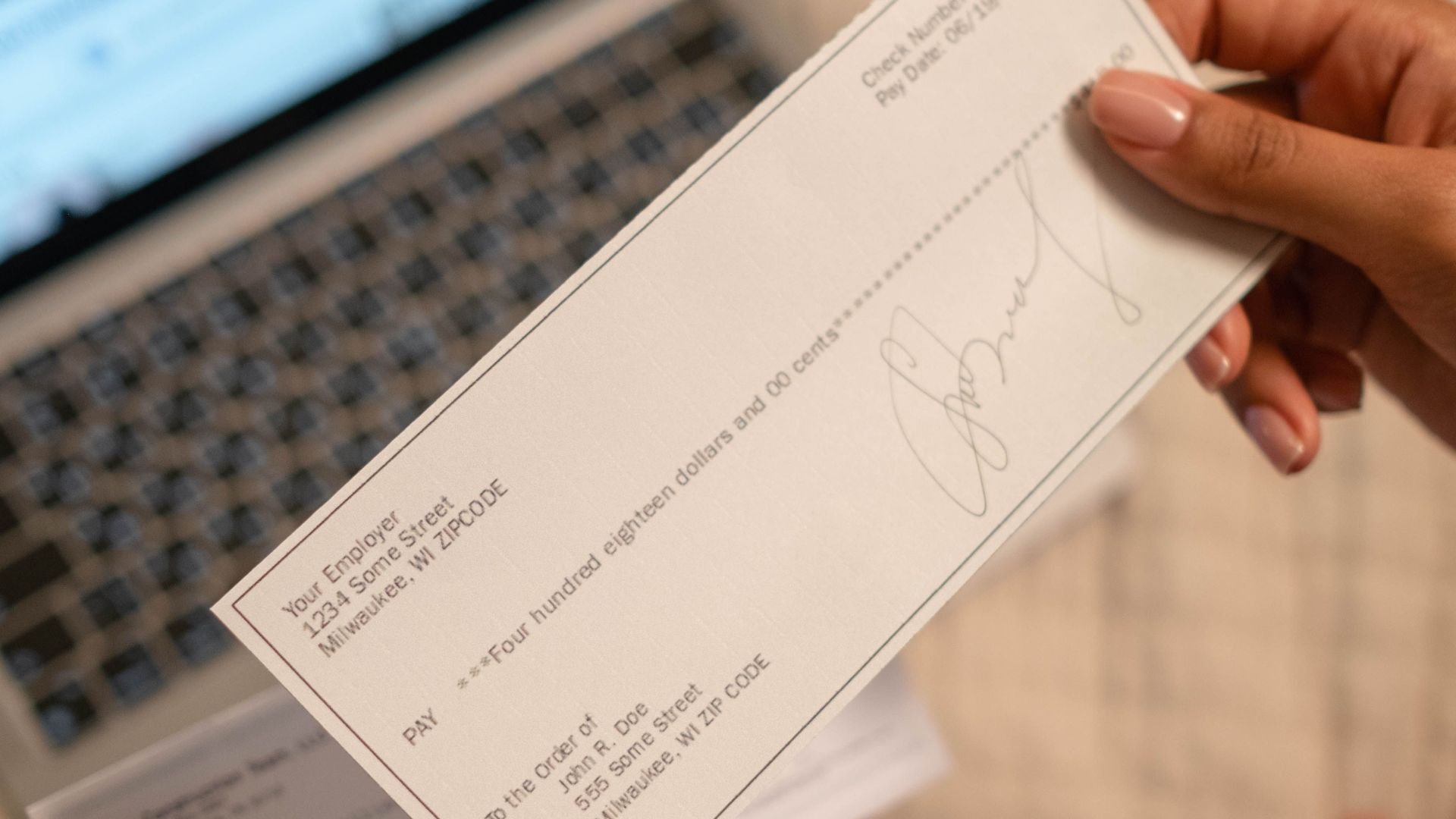
Paper Checks
Millennials may keep a checkbook somewhere, but many have to search for it whenever one is unexpectedly required. Direct deposits, electronic bill payments and money-transfer apps turned check writing into a rare event. Some younger adults have never developed the habit at all.
Mass-Market Print Magazines
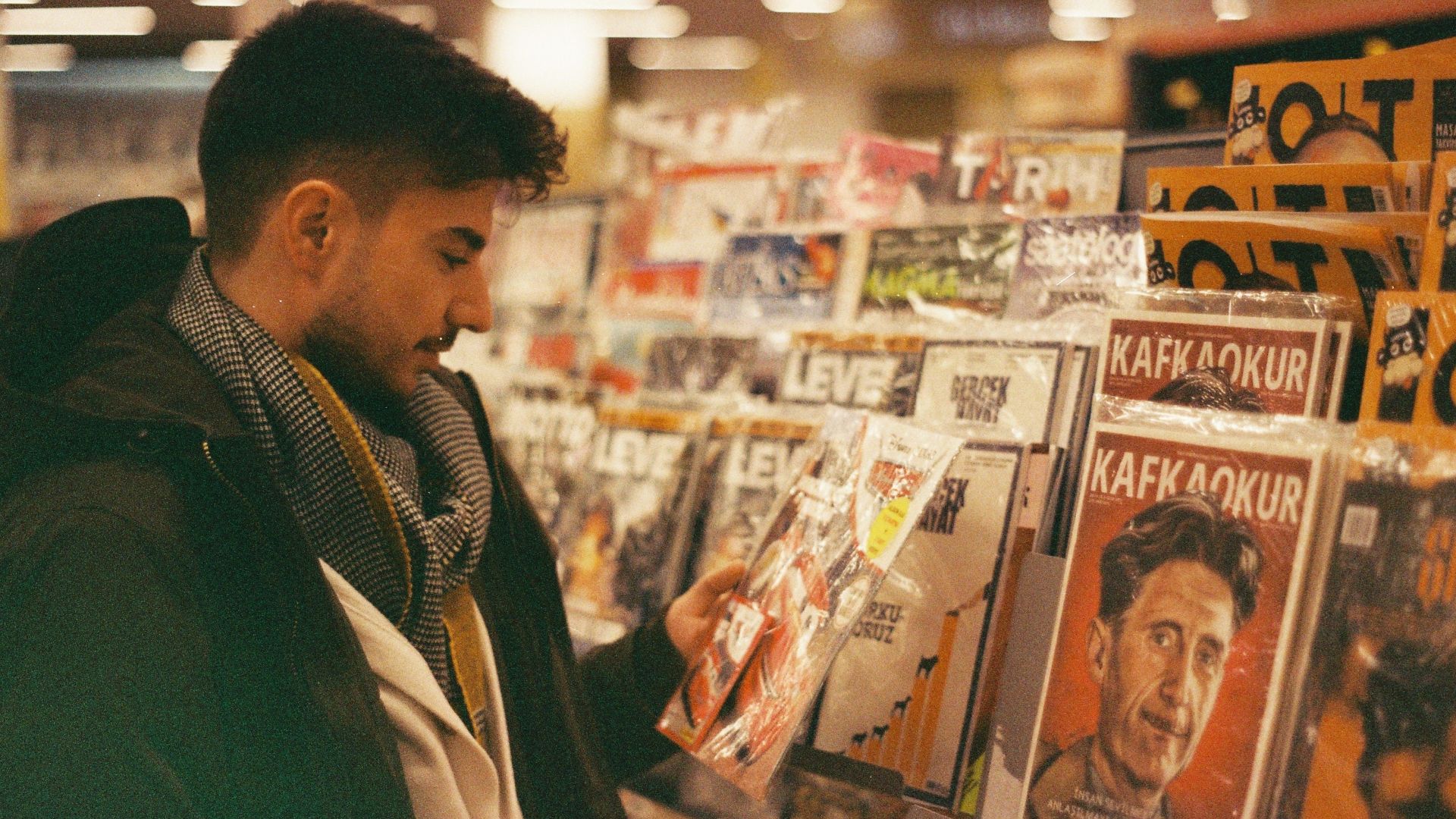
A glossy magazine once provided something the internet could not: attractive photographs, specialized advice and celebrity news collected in one portable package. Mass-market circulation keeps falling, although premium and independent magazines are finding younger collectors willing to pay for something distinctive and tangible.
Heavyweight Motorcycles
Large motorcycles once represented freedom, rebellion and adulthood. Millennials have been slower to purchase expensive heavyweight models as prices, financing costs and insurance expenses climbed. Those who ride may choose used or smaller motorcycles instead of the costly new machines traditional manufacturers depended upon.

Traditional Desktop Printers
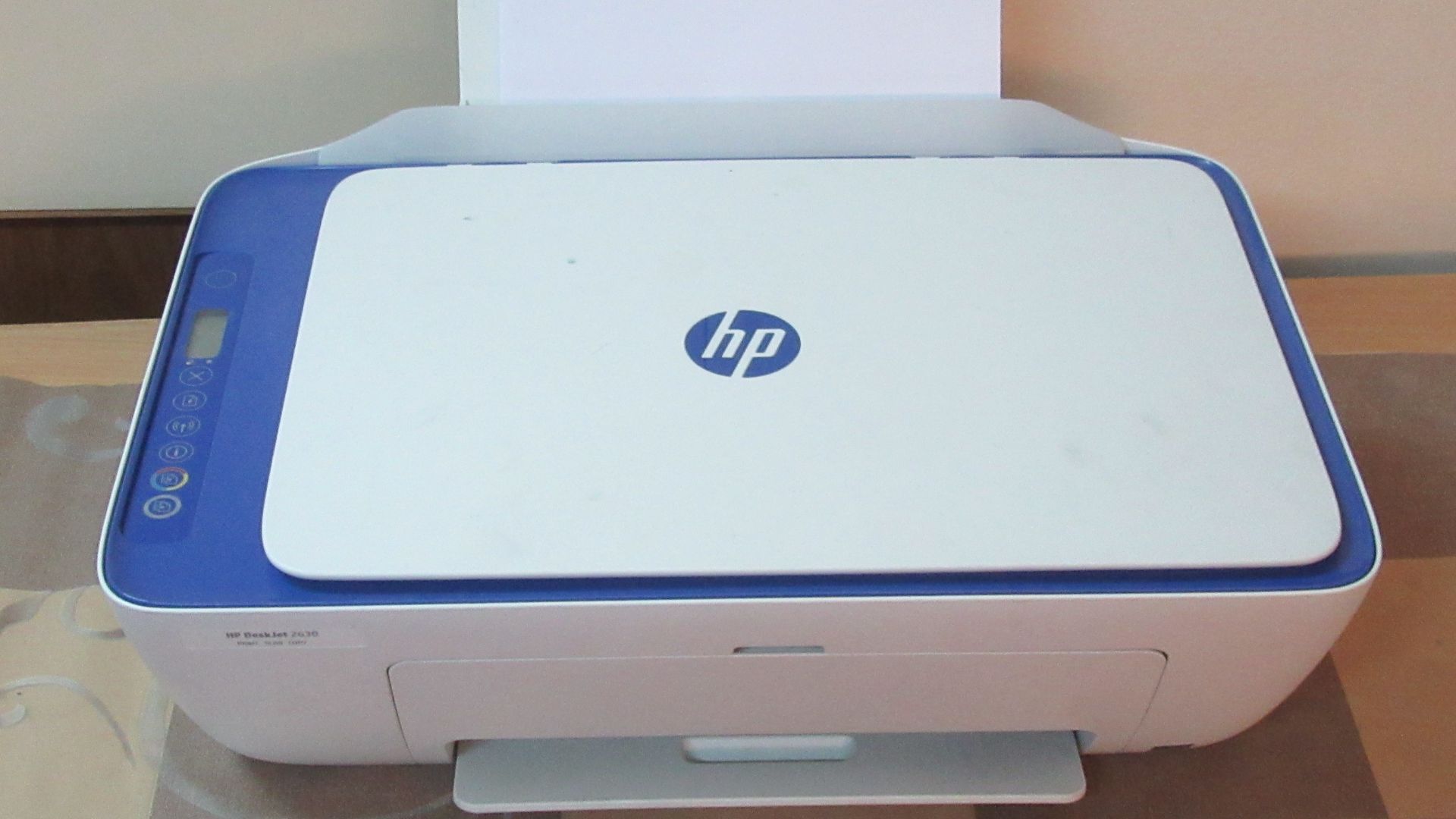
Home printers remain useful right up until they refuse to connect, claim the ink is empty and demand an account before printing one page. The U.S. printer market declined again in 2024, and digital tickets, electronic signatures and cloud documents continue reducing the need to print at home.
Dark Antique Furniture
Heavy wooden tables, oversized cabinets and formal hutches once passed automatically from one generation to the next. Many millennials live in smaller spaces, move more frequently and prefer lighter furniture. Although certain antiques are recovering, large brown pieces still routinely struggle to find buyers at estate sales.

Would You Miss Any Of Them?
Millennials did not hold a secret meeting and decide to destroy fabric softener, landlines and canned tuna. The real question is whether any of these products deserve a comeback. So?

You Might Also Like:
The Bulk Buys That Actually Save Money, And The Ones That Don’t
Restaurants From The 1970s That Baby Boomers Loved—But Millennials Have Never Heard Of (Or Eaten At)