Bigger Does Not Automatically Mean Cheaper
Warehouse clubs can offer significantly lower unit prices, but a giant package is only a bargain if your family actually uses it. EPA guidance specifically warns that buying large quantities saves money only when the food gets eaten before it spoils. The smartest bulk shoppers therefore compare price per unit, storage space, and realistic consumption before filling the cart.
Start With The Unit Price
Ignore the impressive size of the package and check what you are paying per ounce, pound, or individual item. The FTC recommends unit pricing as a way to compare packages that contain different quantities, especially as shrinkflation makes familiar packages harder to judge. Sometimes the smaller supermarket package on sale will beat the warehouse version.

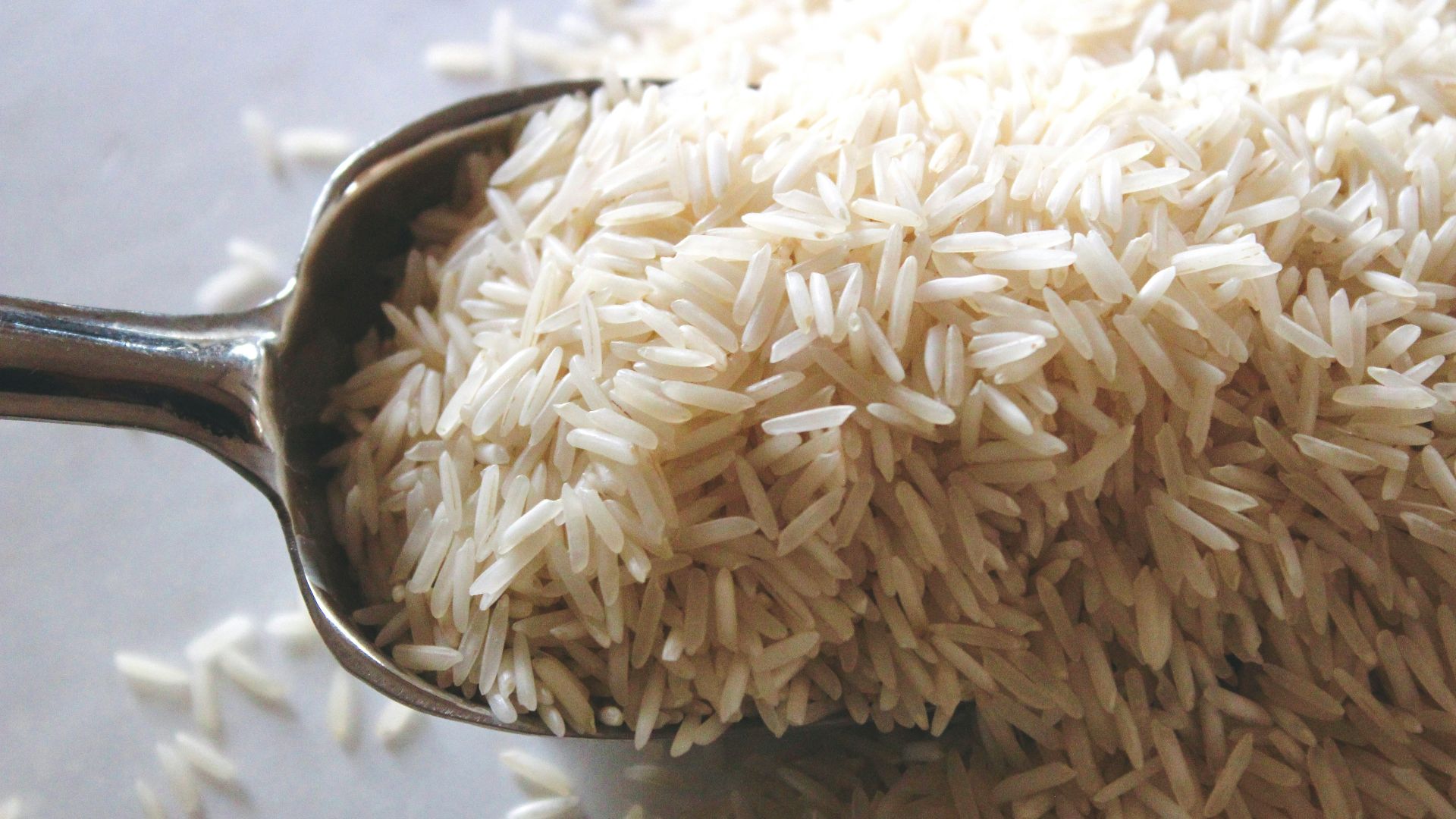
Bulk Rice Is Usually Easy To Manage
Dry staples such as rice are attractive bulk purchases because families can portion them gradually rather than racing against a short refrigerated shelf life. The financial advantage still depends on a genuinely lower unit price and having dry, appropriate storage space. For households that regularly cook rice, this is the kind of predictable consumption pattern bulk buying rewards.
Pasta Fits The Same Strategy
A household that eats pasta regularly can work through a multipack without radically changing its meal plan. Unlike buying an enormous package of fresh berries, you are not creating the same immediate spoilage pressure. Compare the unit price first, then buy only quantities that fit your normal eating habits.

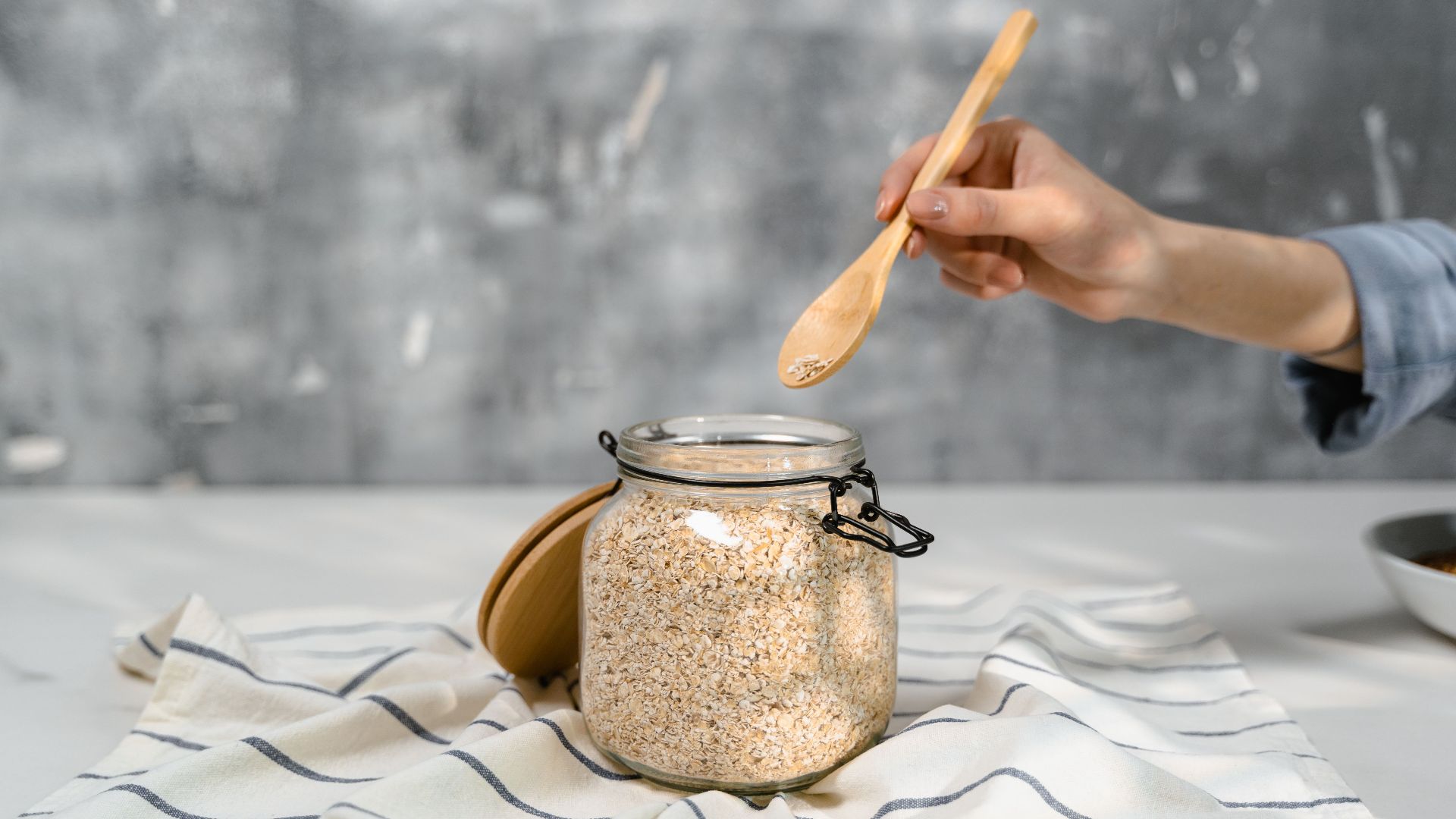
Oatmeal Can Be A Reliable Stock-Up
Breakfast staples that get eaten week after week are strong candidates for bulk buying. The crucial test is frequency, because a bargain stops being useful when half the package sits untouched. EPA advice to purchase only what you expect to use applies just as much at a warehouse club as at a supermarket.
Canned Goods Can Work Well
Canned foods can be convenient stock-up purchases because they generally do not require refrigerator or freezer space. USDA notes that properly stored canned meat products can retain best quality for years, illustrating the advantage shelf-stable foods have over highly perishable bulk purchases. Check dates, package condition, and unit prices rather than buying a case solely because it looks cheap.

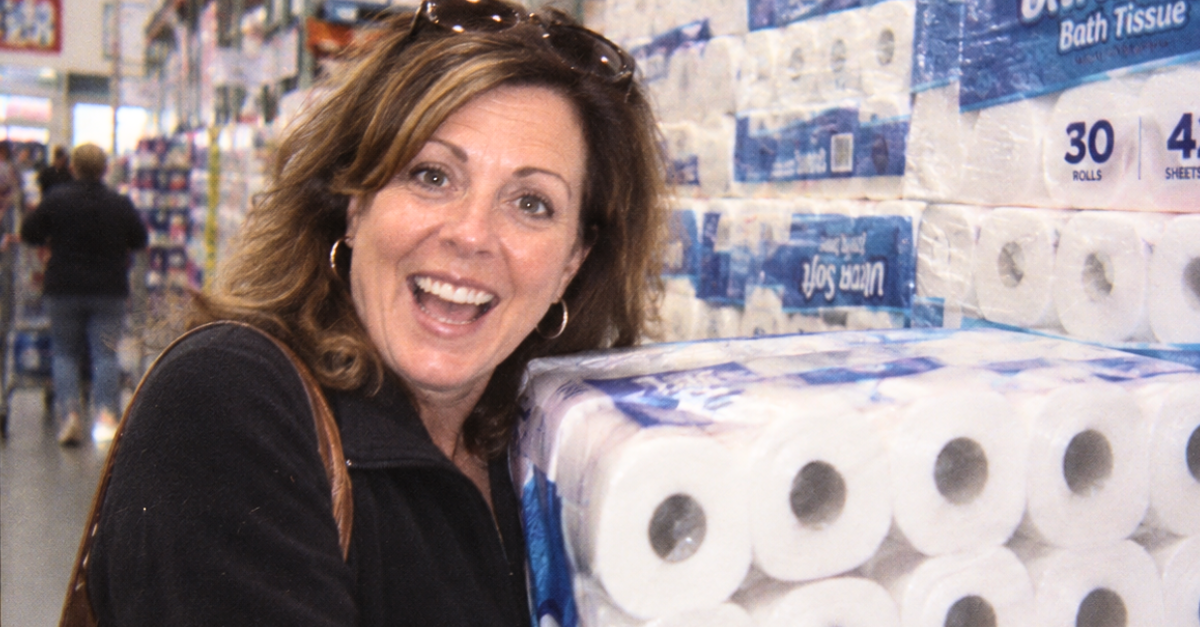
Paper Products Avoid The Spoilage Problem
Toilet paper and paper towels do not rot in the refrigerator, which removes one of bulk shopping's biggest risks. NerdWallet specifically points to nonperishable household necessities as products that may make warehouse membership more useful. The tradeoff is storage space, so a lower unit price only helps if you have somewhere sensible to put everything.

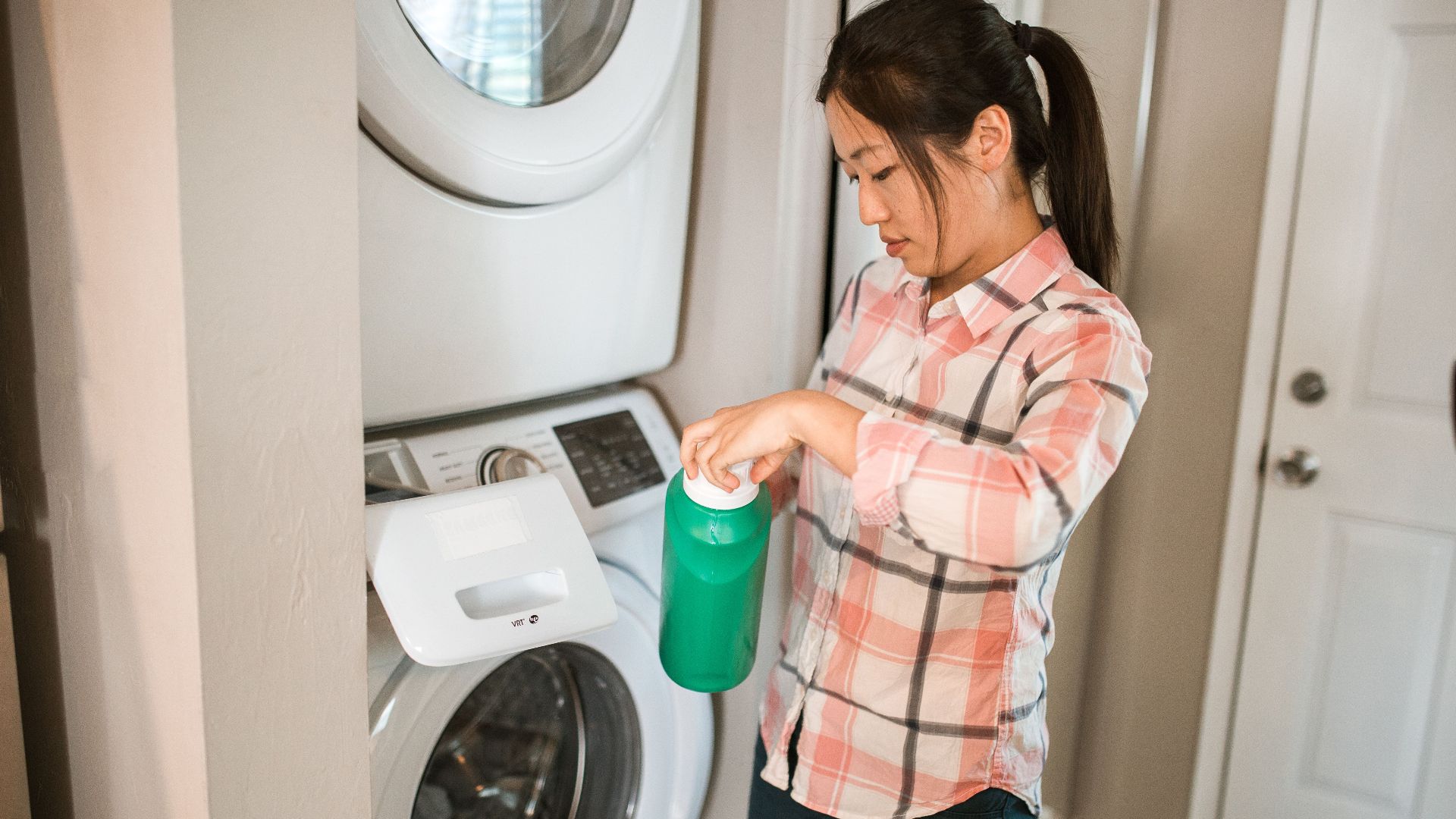
Cleaning Supplies Can Be Strong Buys
Detergent and other regularly used household products avoid much of the food-waste problem that undermines grocery bulk purchases. A large container still needs to beat competing products on unit price, and buying too much ties up cash upfront. For families that use the same product consistently, predictability is what makes the bulk format work.
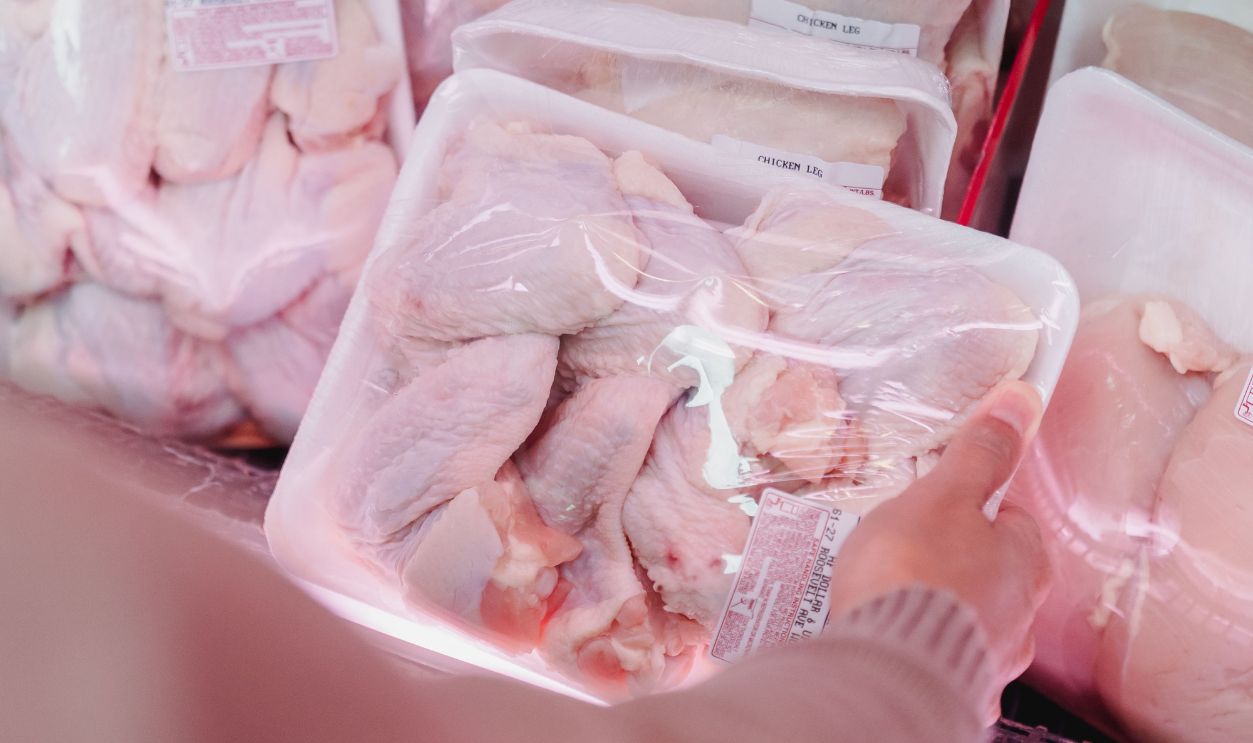
Meat Can Save Money With A Freezer
Large meat packages can make sense when the per-pound price is lower and you divide them before freezing. USDA says raw steaks and chops can retain best freezer quality for roughly four to twelve months, while ground meat is generally best within three to four months. Portioning the package immediately lets you thaw only what one meal requires.

Poultry Can Work The Same Way
Bulk chicken is far less risky when you have adequate freezer capacity. FoodSafety.gov lists about nine months of best-quality freezer storage for uncooked poultry pieces and about a year for a whole uncooked bird. Freeze what you will not cook promptly rather than letting an oversized package linger in the refrigerator.
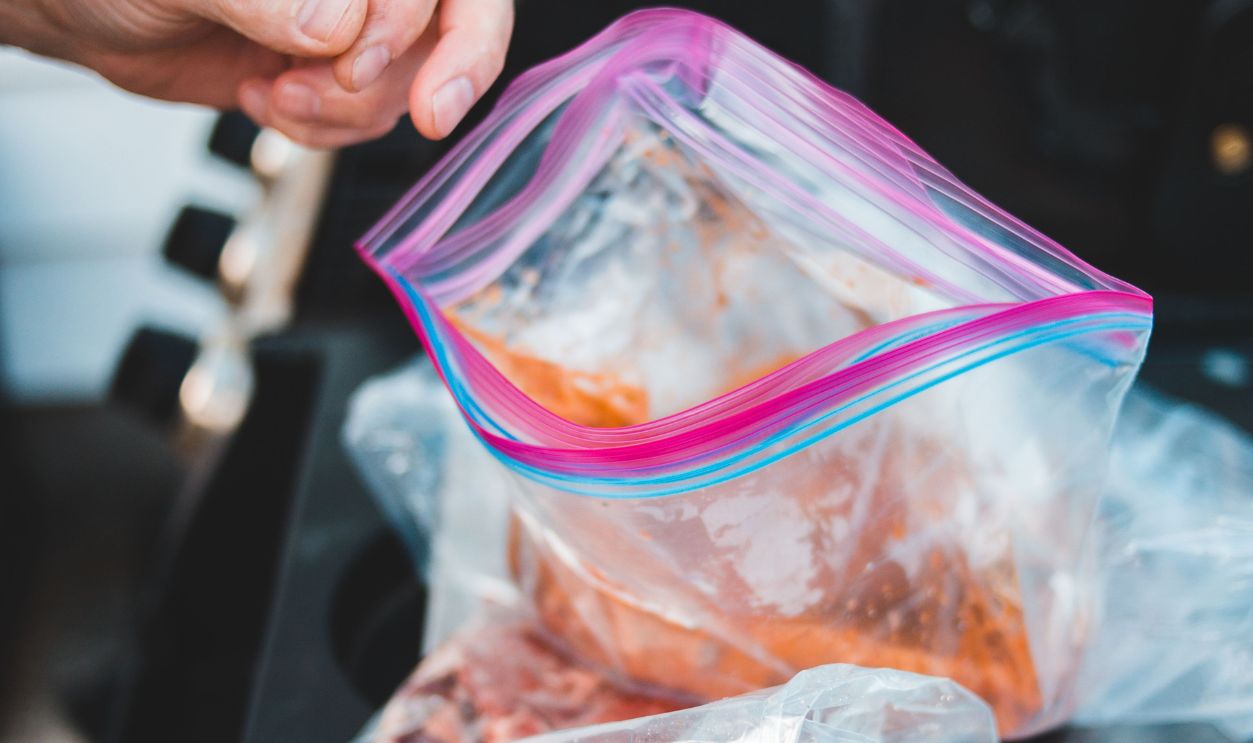
Repackage Meat For Longer Storage
USDA says supermarket meat wrapping is safe for freezing but can allow air through over longer periods. For extended storage, it recommends additional airtight freezer wrapping to help protect quality and reduce freezer burn. Saving 20 cents per pound is less impressive if the food eventually becomes so dried out that nobody wants it.
Frozen Vegetables Can Be Practical
Frozen foods remove much of the pressure to consume an enormous package immediately. USDA says foods kept continuously at 0°F remain safe indefinitely, although quality can deteriorate over time. Families that regularly use frozen vegetables can therefore spread a bulk purchase across many meals without the same rapid spoilage problem as fresh produce.
Familiar Snacks Can Work For Families
A large family that repeatedly packs the same snacks for school or work may genuinely benefit from a bulk box. The key word is repeatedly. Buying 40 packages of something because the unit price is low makes no sense if everyone gets tired of it after the first week.

Bulk Buying Works Best On Predictable Purchases
The strongest bulk buys are rarely exciting. They are usually things your household consumes at a steady rate and would have bought anyway. EPA recommends planning purchases around foods and quantities you actually expect to use, which is a better rule than filling the cart because everything looks discounted.

Fresh Produce Is Where Trouble Starts
Warehouse-sized bags of fruit and vegetables can look like tremendous bargains. They become expensive when part of the package spoils before your household can eat it, and AARP specifically identifies excess perishables as a common warehouse-club mistake. Large families may finish them easily, but smaller households need to be much more cautious.
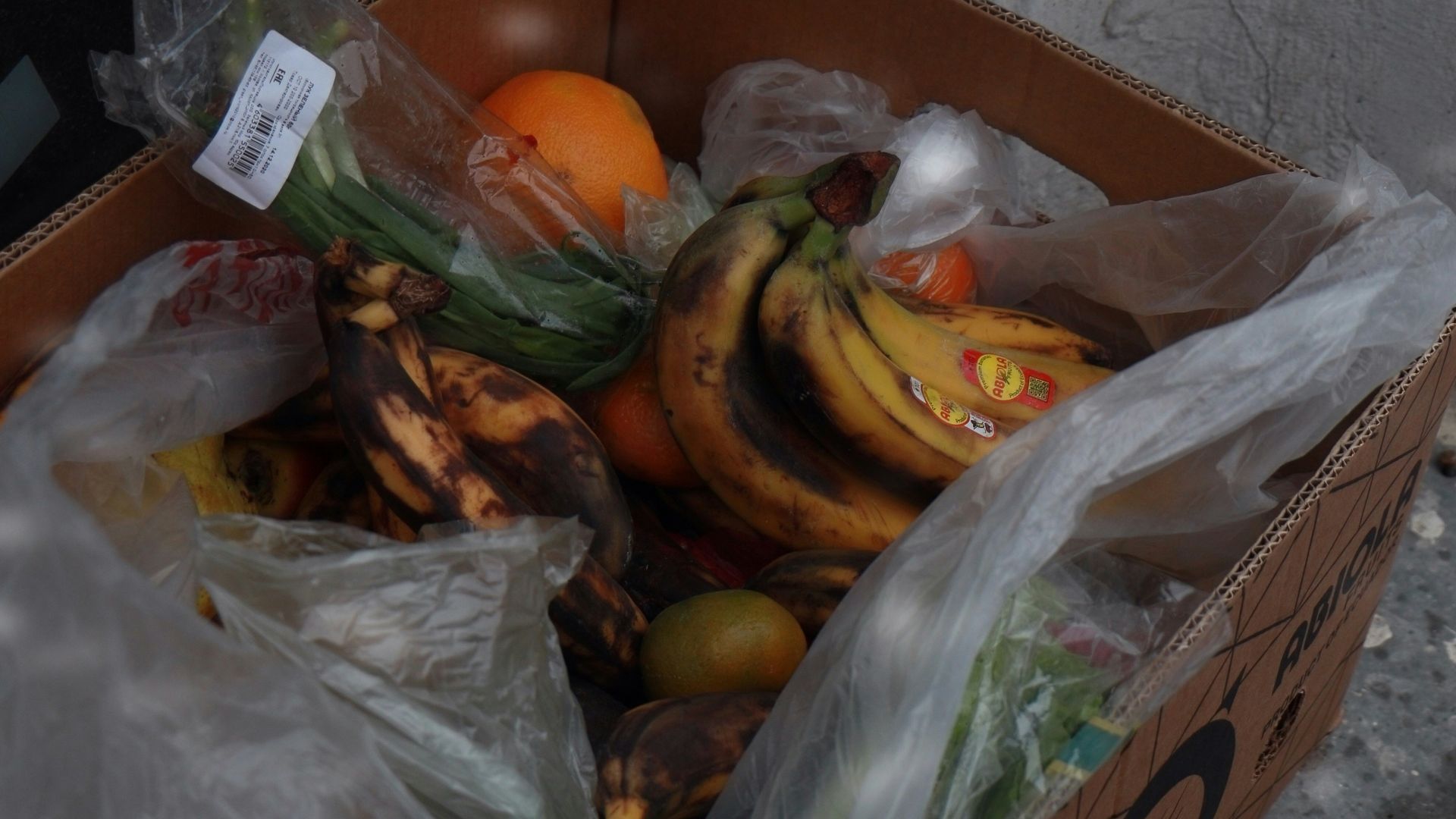
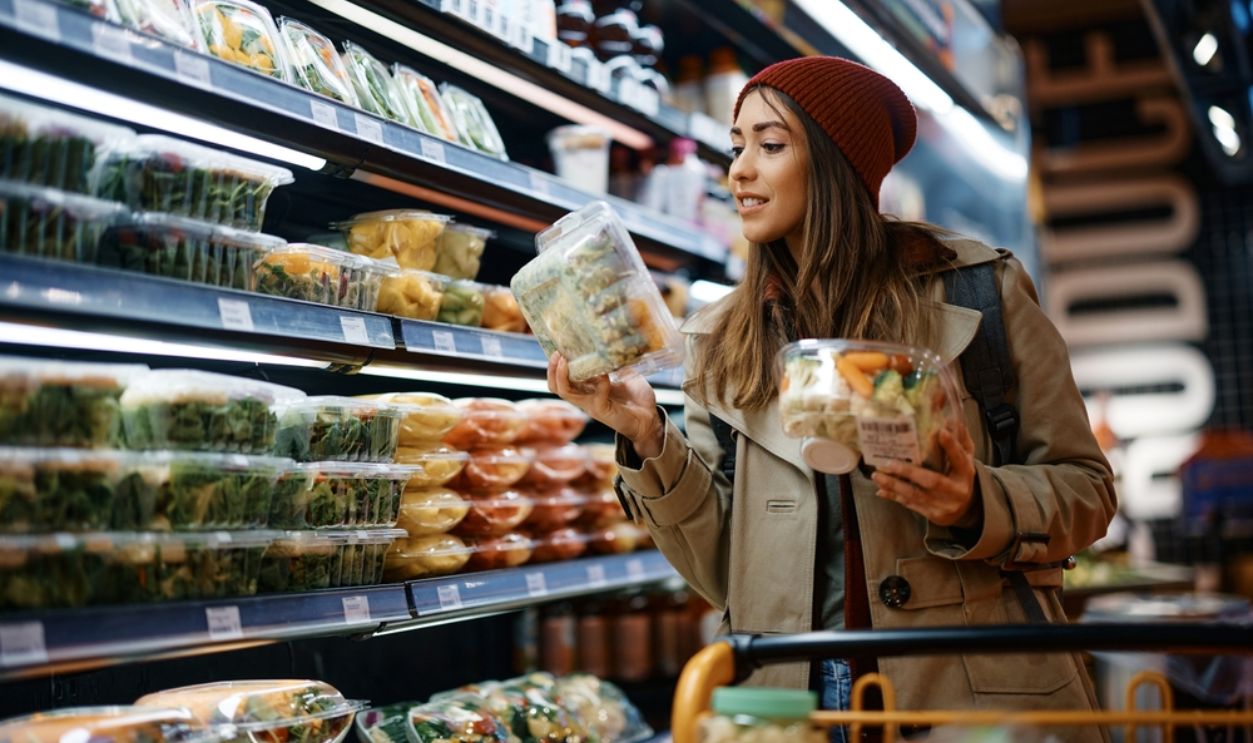
Leafy Greens Can Become Expensive Compost
A giant container of spinach is inexpensive only if somebody finishes it. EPA recommends buying quantities based on how many meals you will realistically prepare and storing vegetables properly to maximize freshness. If salad is an occasional side dish rather than a daily habit, the smaller container can ultimately cost less.
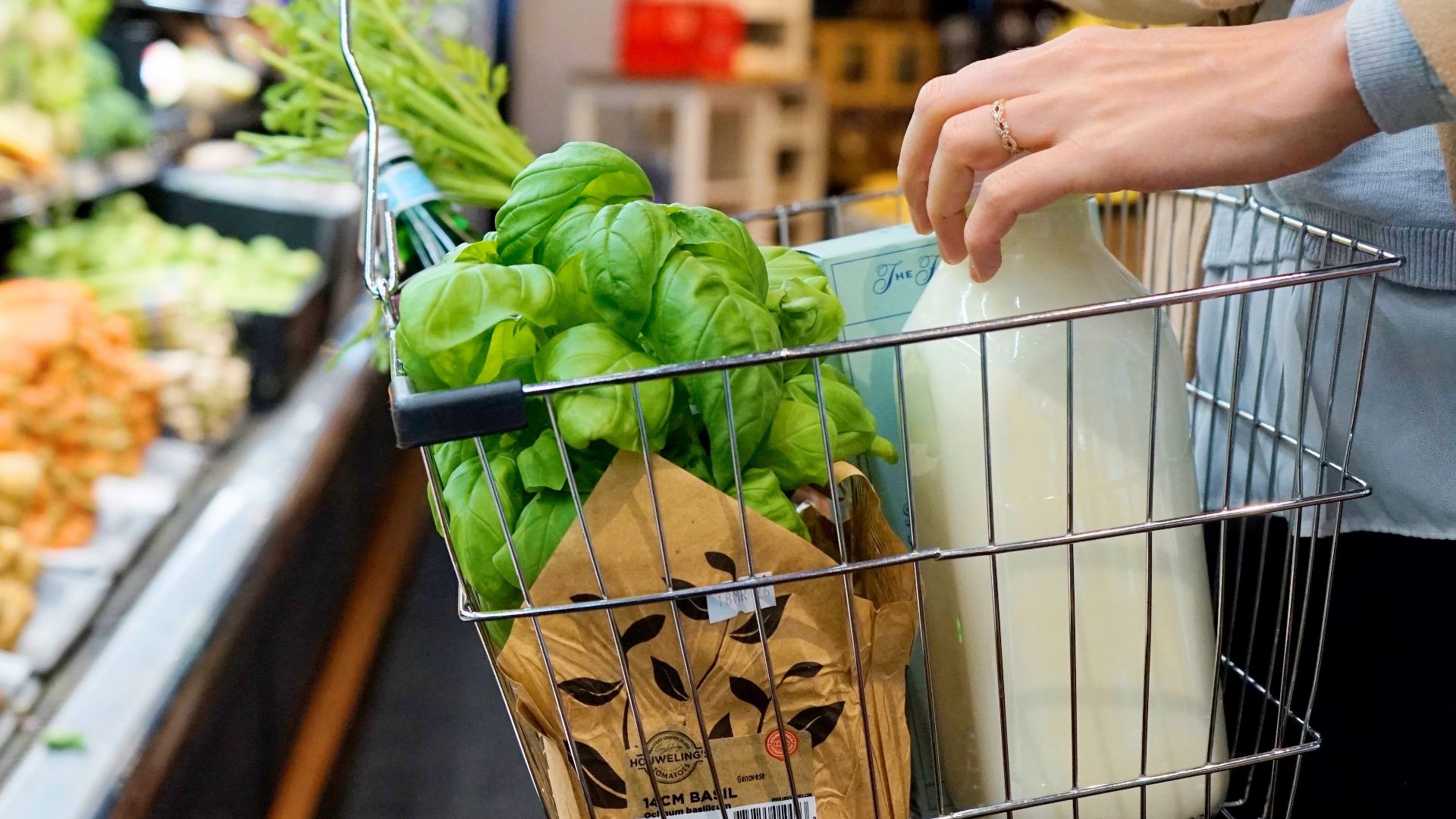
Berries Can Be A Race Against Time
Highly perishable produce demands an honest assessment of how fast your household eats it. Buying more simply because the unit price falls can create waste rather than savings. Freezing surplus fruit can rescue a good deal, but only if you will actually use the frozen fruit later.
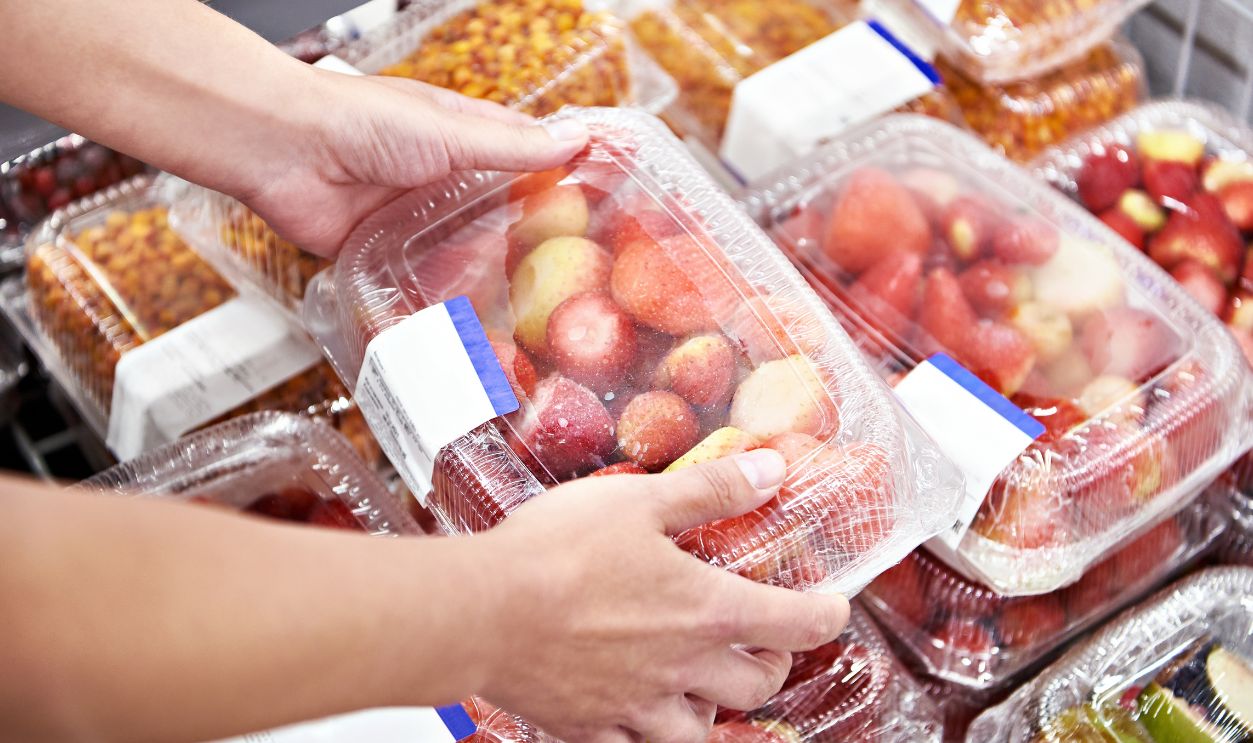
Giant Condiments Can Outlast Your Enthusiasm
That restaurant-sized jar of sauce may have an excellent price per ounce. The problem arises when the household uses only a spoonful every couple of weeks and the container occupies refrigerator space indefinitely. Bulk buying works best on items with proven consumption patterns, not products you merely imagine yourself using more often.

Specialty Ingredients Are Risky
An enormous container of an ingredient used in one recipe can turn a cheap unit price into expensive clutter. EPA's core advice is to buy only what you expect to use and to plan meals around ingredients already in the house. Unless a specialty item appears regularly in your cooking, a smaller package may be financially safer.

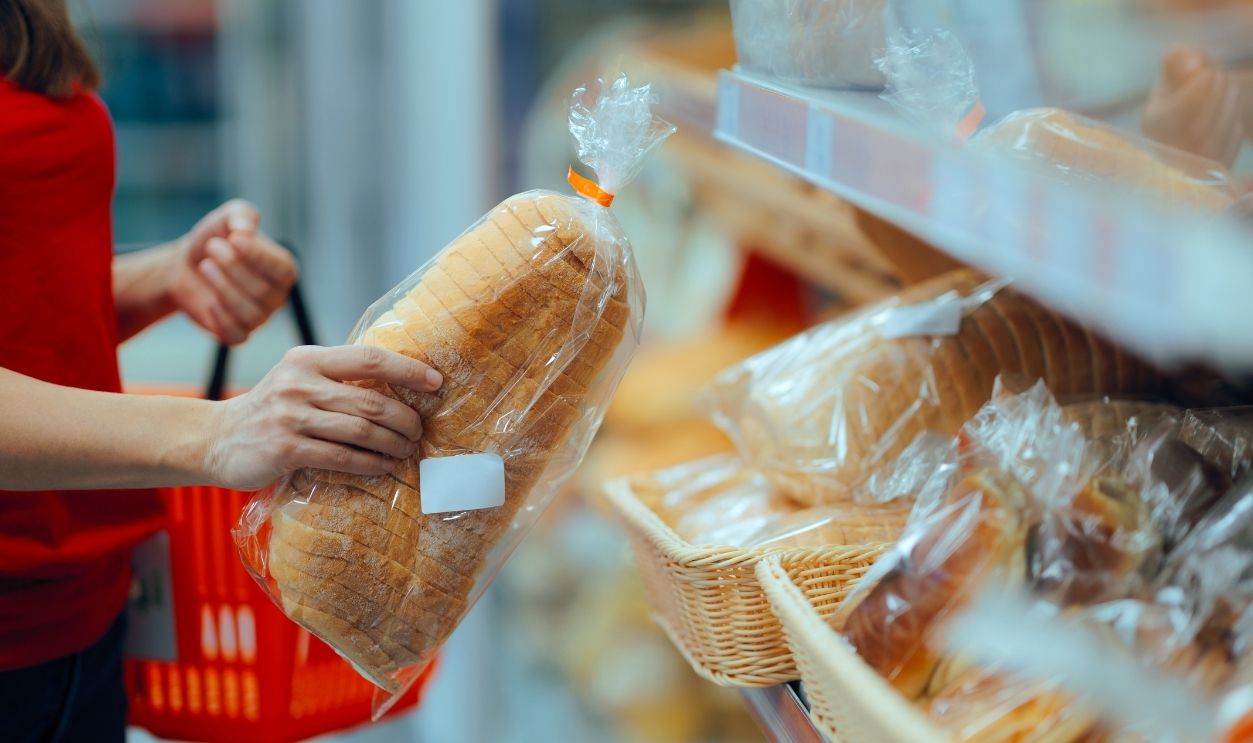
Bulk Bakery Items Can Disappear Into Waste
Large trays of muffins, pastries, or breads can make sense for parties and large households. For everyday use, the package may simply contain more food than you can finish while it is still enjoyable. Freezing appropriate baked goods can improve the economics, but buying quantities that fit actual demand is simpler.
 Nicoleta Ionescu, Shutterstock
A Huge Package Can Encourage Overbuying
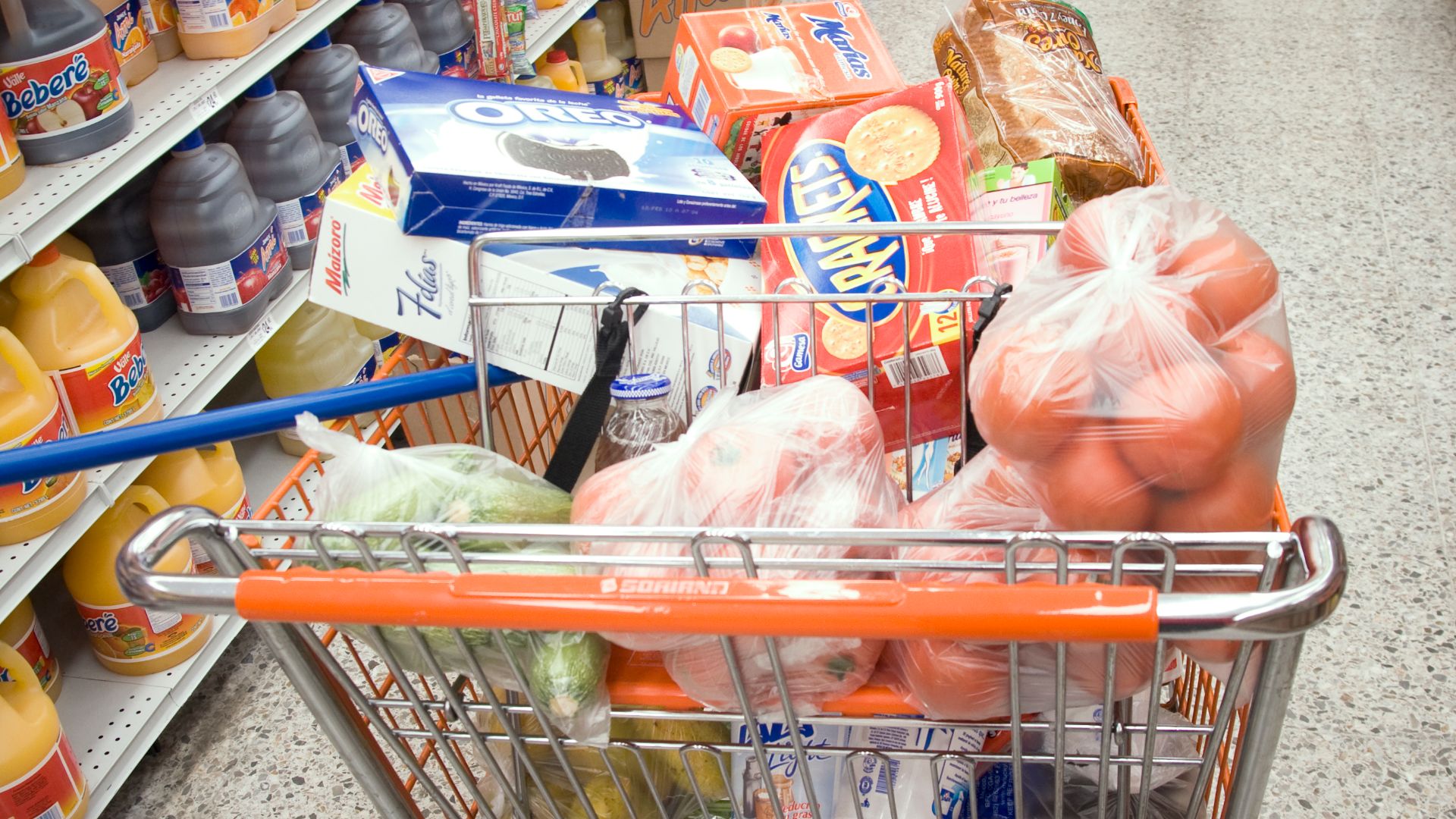
Warehouse clubs are designed around large packages and big carts, which can make a lower unit price feel like permission to buy far more. AARP warns that shoppers can blow their budgets by getting carried away with apparent bargains. The total amount leaving your bank account matters just as much as the price per ounce.
 sari dennise from Mexico, D.F., Mexico, Wikimedia Commons
Membership Fees Belong In The Math
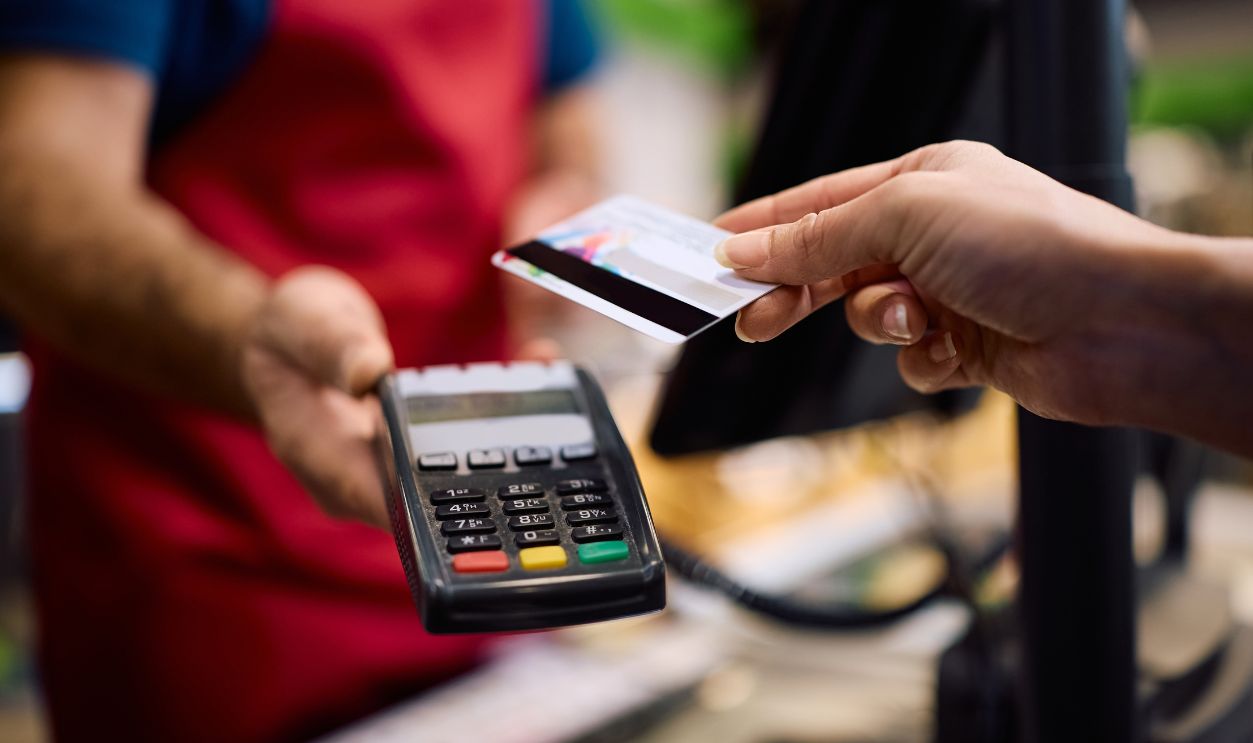
Warehouse prices do not exist in a vacuum because access usually requires an annual membership. NerdWallet recommends making sure you shop often enough to save more than the membership itself costs. If you visit twice a year and spend heavily on impulse purchases, the membership may be generating spending rather than savings.
Warehouse Clubs Can Still Be Cheaper
Bulk shopping is not merely clever marketing. AARP's September 2026 comparison of 28 grocery items found meaningful differences among BJ's, Costco, and Sam's Club, with Sam's Club producing the lowest total in that particular basket. Consumer Checkbook has also found warehouse clubs often beating conventional supermarkets on many unit prices.
 Oscar C. Williams, Shutterstock
But Supermarket Sales Can Beat Them
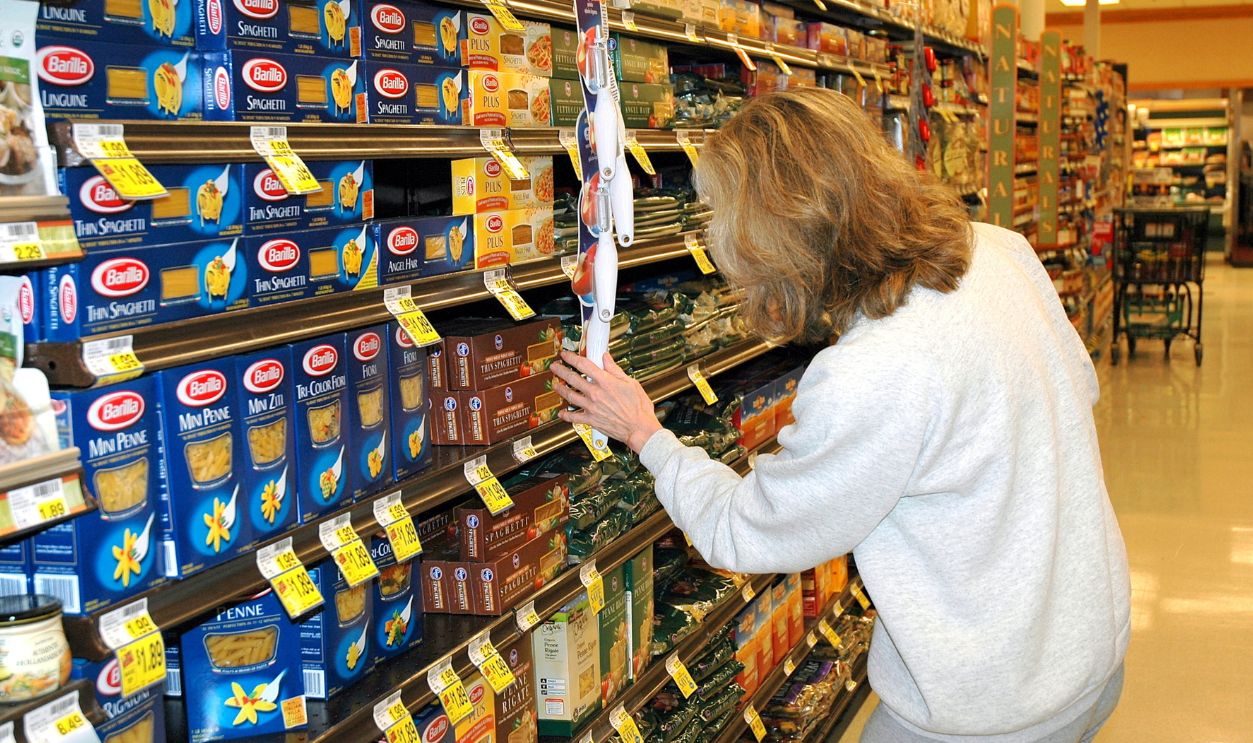
A warehouse club does not necessarily win every comparison. AAA advises checking whether a regular grocery store is running a better sale before committing to the larger package. Coupons and loyalty promotions can make smaller quantities unexpectedly competitive.

Delivery Can Erase Part Of The Bargain
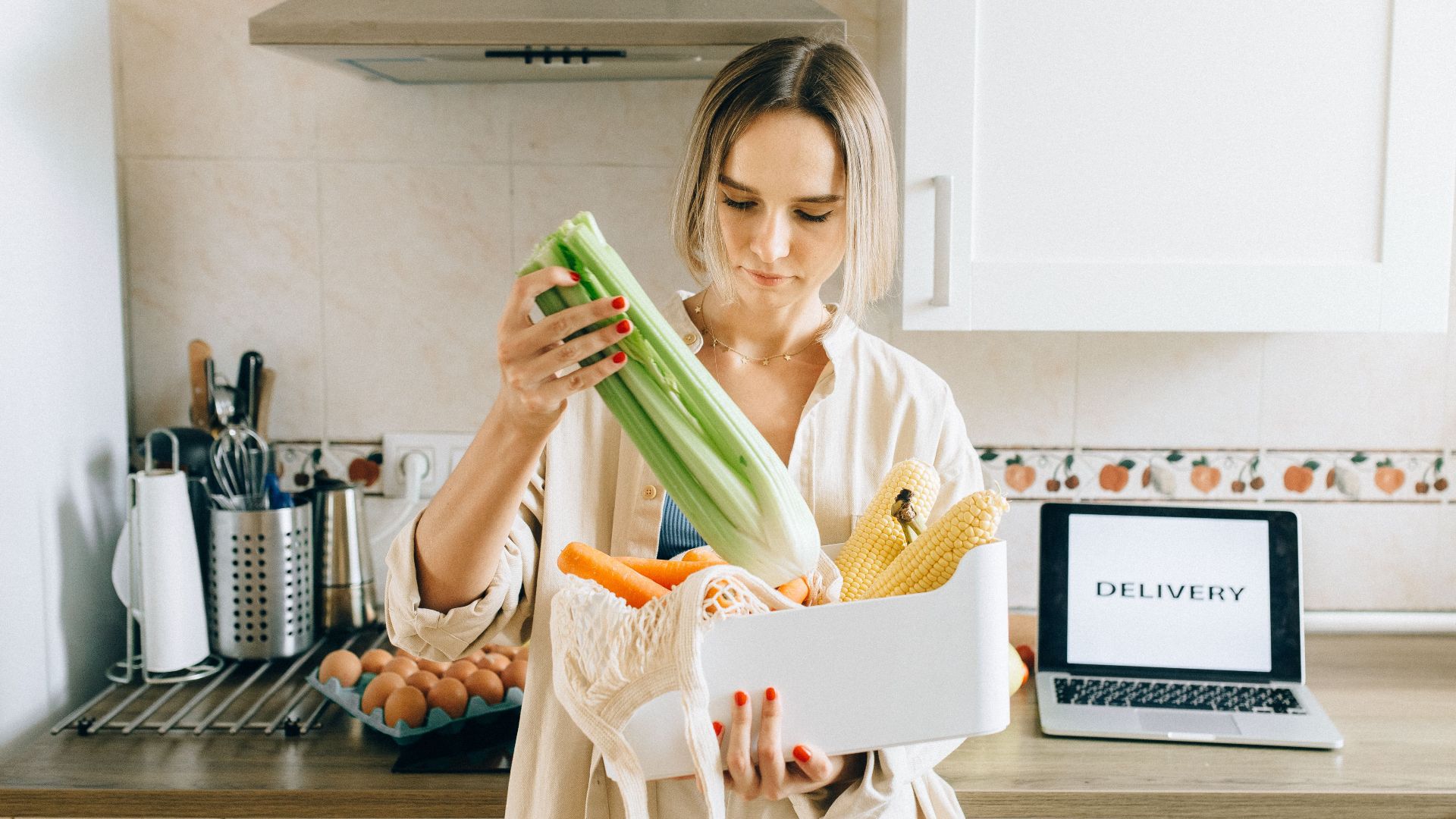
Bulk products may become less attractive when you order them for delivery instead of shopping in person. Costco Canada, for example, explicitly says grocery-delivery prices are slightly higher than warehouse prices because of packaging and delivery costs. Compare the complete delivered price rather than assuming warehouse merchandise automatically means warehouse-level savings.
Your Freezer Needs A Plan
Freezing bulk meat, bread, and other suitable foods can greatly extend the time available to use them. USDA recommends freezing food sooner rather than waiting until it is near the end of its useful life, because quality at the time of freezing affects quality after thawing. Labeling packages and keeping an inventory helps stop your savings from disappearing into the back of the freezer.
Food Waste Can Destroy The Savings
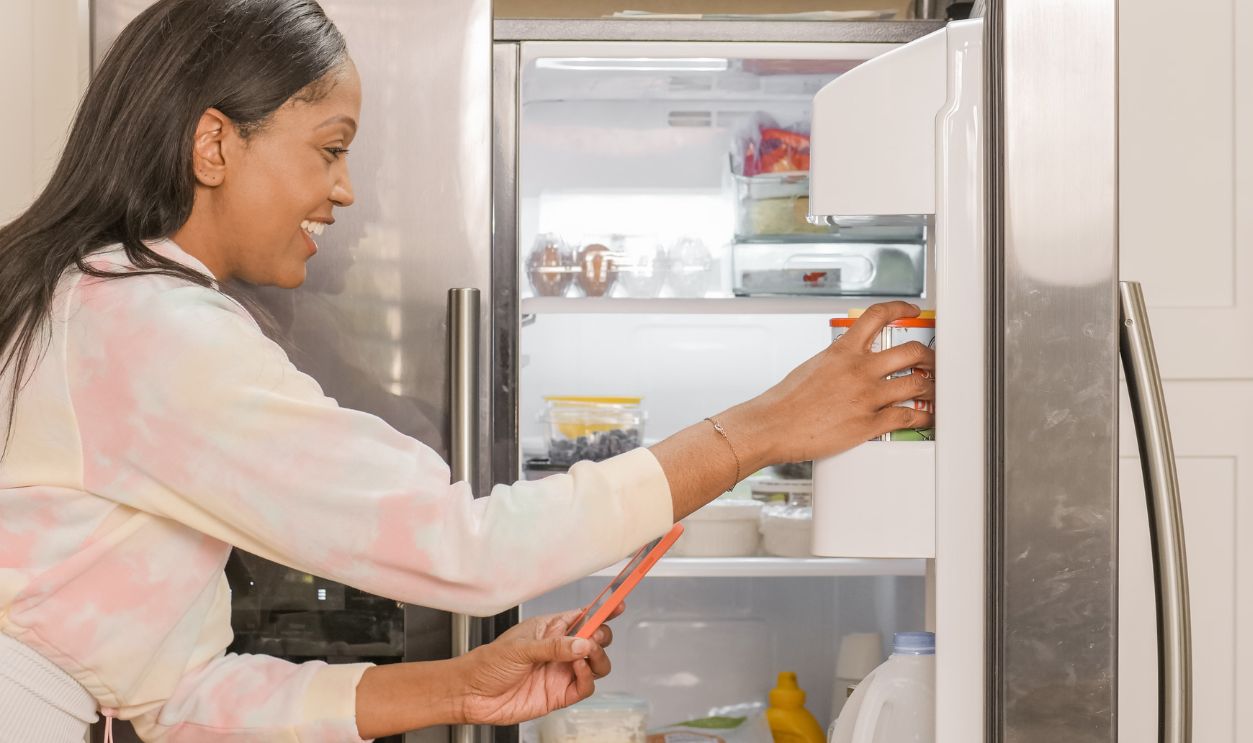
EPA estimates that the average American family of four spends almost $3,000 each year on food that ultimately goes uneaten. That number dwarfs many of the individual discounts shoppers chase around a warehouse club. Preventing waste can therefore be more valuable than finding the lowest possible unit price.
Split The Giant Package
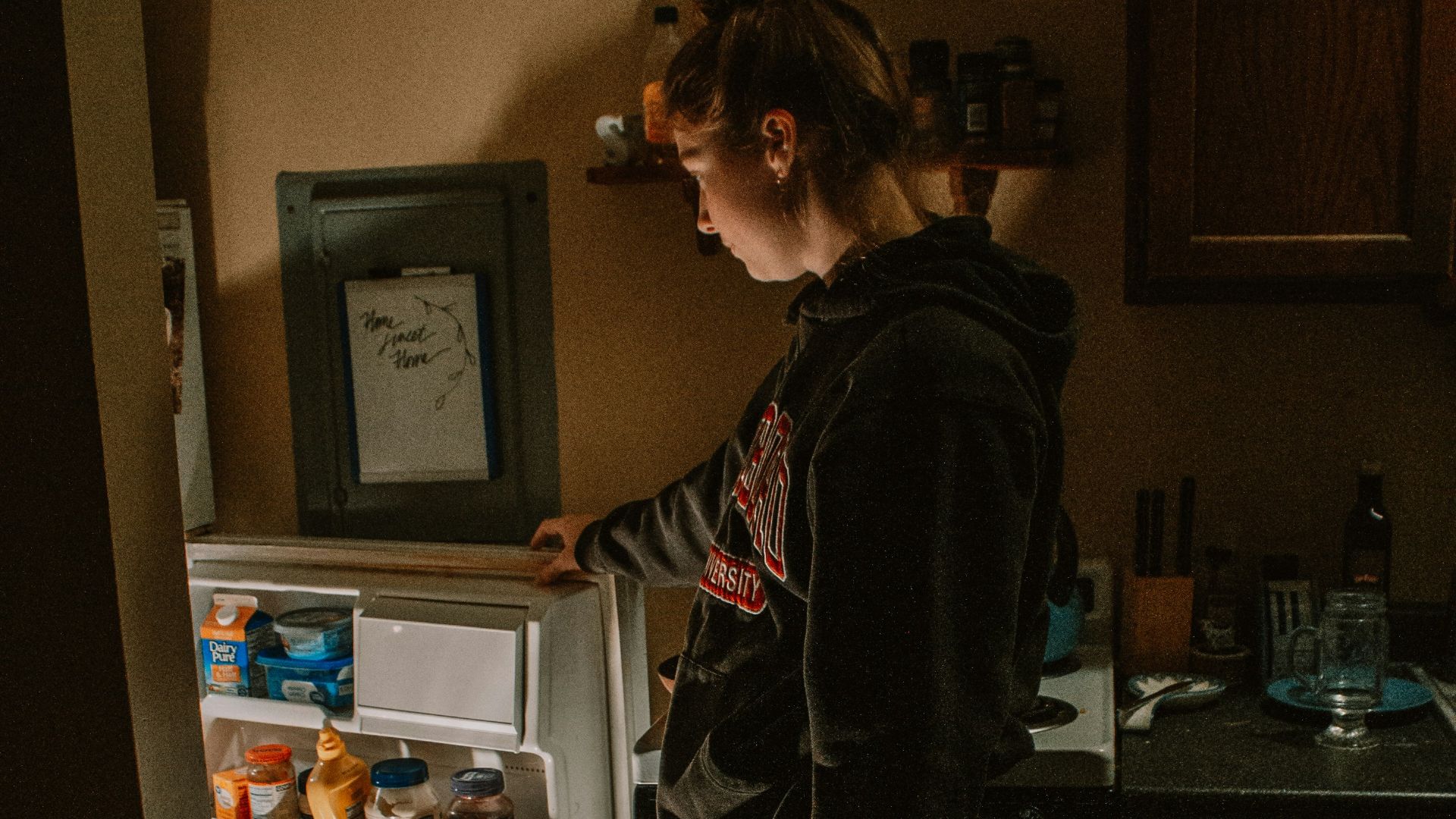
If a package is genuinely cheaper but too large for one household, splitting it with a relative, neighbor, or friend can preserve the unit-price advantage without taking on all the spoilage risk. AARP specifically suggests splitting certain bulk purchases as a way to avoid buying more than one household can consume. This works particularly well when the product divides cleanly and safely.

Keep A Bulk-Buy List
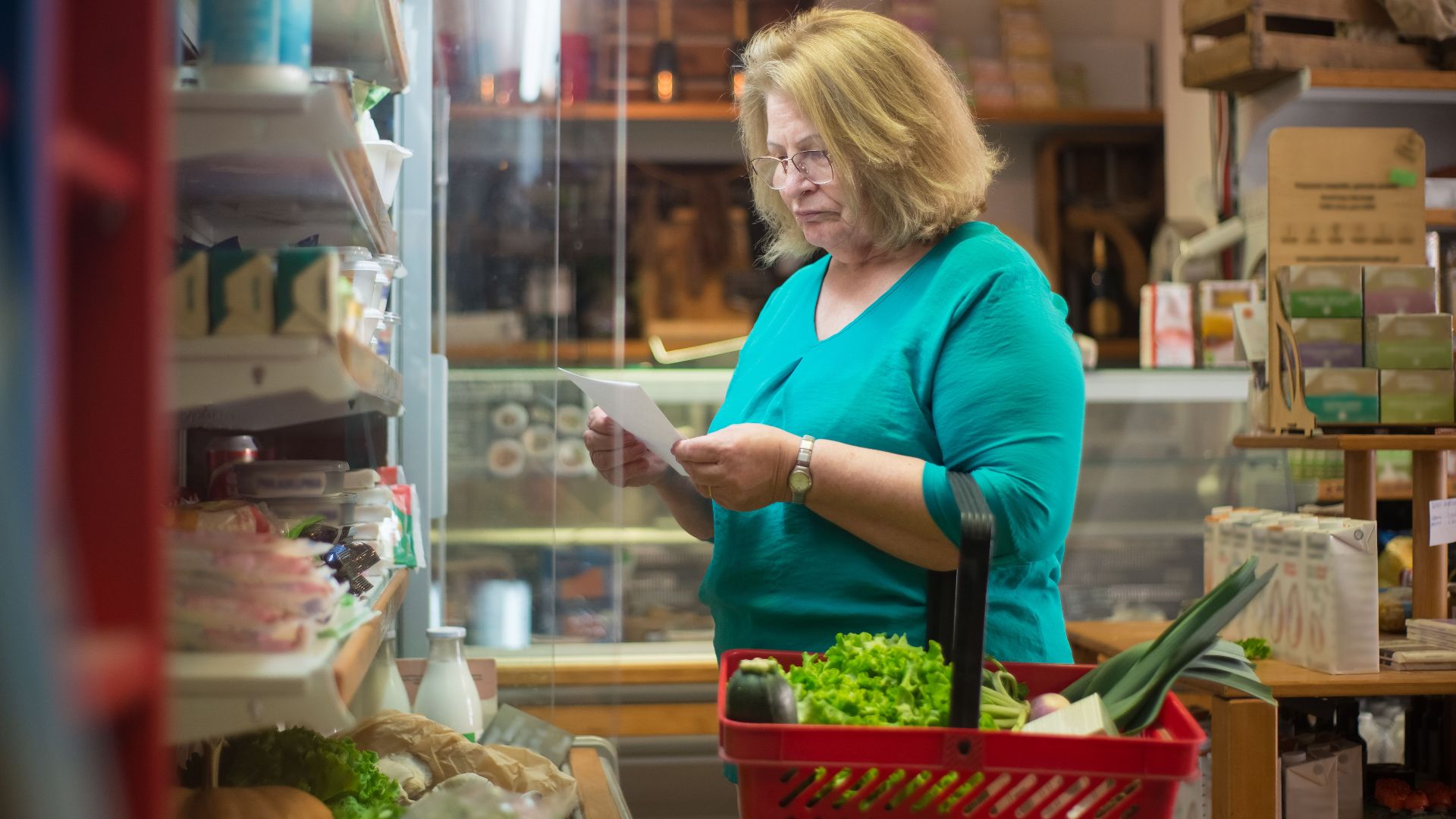
Before entering a warehouse club, write down the items your household consistently uses and their normal supermarket unit prices. AAA recommends shopping with a defined list instead of filling the cart simply because prices appear low. Knowing your baseline turns a warehouse trip into comparison shopping rather than recreational spending.
The Best Bulk Buy Is The One You Finish
Bulk shopping saves real money when three things happen together: the unit price is lower, the household regularly uses the product, and the full quantity gets consumed. It wastes money when low prices lure you into excess perishables, unfamiliar foods, and oversized packages that spoil or sit forgotten. Think less about how much food you are getting and more about how much of it will actually make it onto your family's plates.

You May Also Like:
Wellness Tips That Save You Money in the Long Run
5 Creative Ways To Save Money With Little Effort