The Check That Came Back To Haunt You
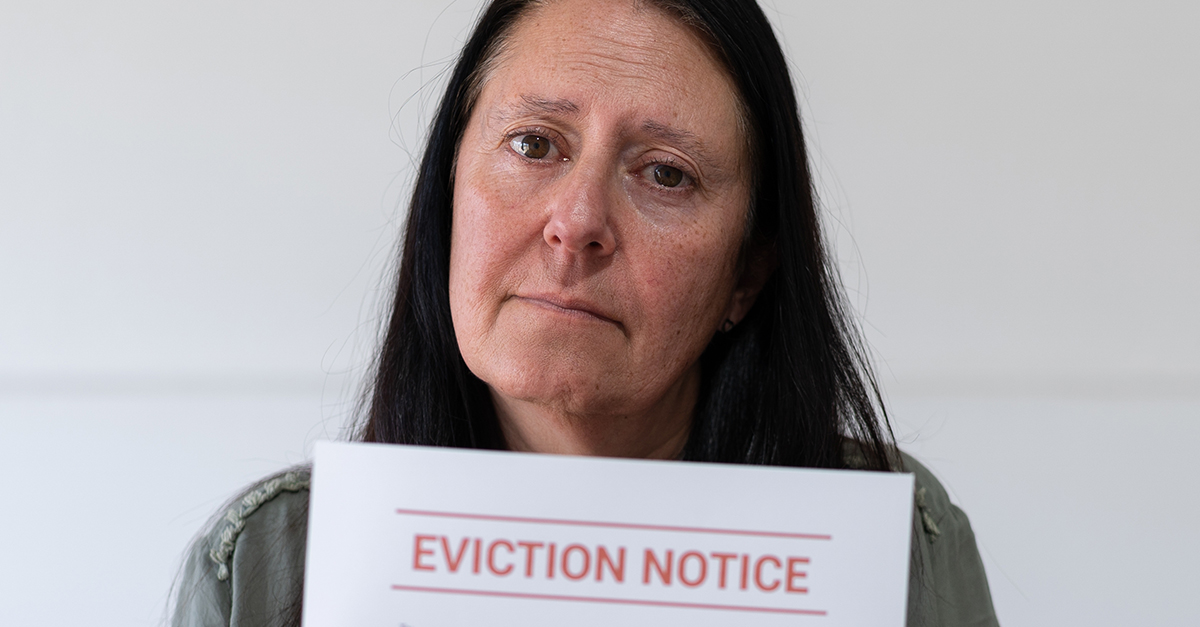
Paying rent by check can feel old-fashioned, but millions of renters still do it every month. Most tenants assume that once the check is handed over, the payment process is complete. Unfortunately, that is not always how the law sees it. If your landlord never deposits your rent check and later claims you never paid, you could suddenly find yourself facing eviction threats and serious financial stress.
Why This Situation Happens More Often Than You Think
Many renters are shocked to discover that uncashed rent checks are fairly common. Sometimes landlords forget to deposit them. In other cases, landlords lose the checks, hold them for months, or intentionally avoid cashing them during disputes with tenants. Experts say these situations can create confusion because the tenant believes they paid, while the landlord claims the money was never received.

Handing Over A Check Is Not Always Enough
A surprising legal reality catches many renters off guard. In most states, writing a check does not automatically count as payment until the landlord deposits or cashes it. That means a landlord may still argue that rent remains unpaid if the check was never processed through the banking system. Courts often look for proof that the landlord actually received the check and had the opportunity to cash it.

Your Bank Account Could Become A Problem
One major issue with uncashed rent checks is that tenants may eventually spend the money. A landlord could try to cash several old checks at once months later. If the funds are no longer available, the checks may bounce and create additional fees. That situation can strengthen a landlord’s claim that rent was never properly paid.

Keep Proof Of Everything
Experts strongly recommend saving every piece of documentation connected to rent payments. That includes copies of checks, bank statements, text messages, emails, and rent receipts. Even a photo of the envelope used to mail the payment could help establish a timeline. Thorough records may become essential if an eviction case reaches court.
 AnnaStills, www.shutterstock.com
Certified Mail Can Protect You
Some tenant attorneys recommend sending rent checks through certified mail with return receipt requested. This creates evidence that the landlord received the payment. If the landlord later claims they never got the check, the mailing records can contradict that argument. Courts often take certified mail receipts seriously because they create an official paper trail.

Electronic Payments Leave Fewer Questions
Many experts now recommend using online payment systems whenever possible. Electronic payments create instant records that are easier to verify than paper checks. Digital systems can show the exact date and amount of payment. That documentation may help tenants avoid disputes over whether rent was delivered.

Landlords Sometimes Delay Deposits On Purpose
Not every uncashed check is the result of forgetfulness. Some landlords intentionally delay cashing rent checks during ongoing disagreements with tenants. Others may be struggling financially and managing cash flow inconsistently. In rare cases, landlords may attempt to build a case for eviction by claiming a payment issue exists.

A Long Delay Can Create Financial Chaos
An old rent check can linger for months before resurfacing. If the landlord suddenly deposits several checks at once, a tenant’s account balance could be drained unexpectedly. This may trigger overdraft fees or bounced payments for other bills. Financial experts warn tenants to keep enough money in their account to cover outstanding checks whenever possible.

Banks Usually Honor Checks For Months
Many people believe checks expire quickly, but that is not entirely true. Banks generally consider checks “stale” after six months, yet they may still process them. Policies vary between financial institutions. That means a landlord could potentially cash an old rent check long after the tenant assumed it was no longer valid.

Contact Your Landlord Immediately
If you notice a rent check has not been deposited after a reasonable amount of time, experts suggest contacting the landlord right away. Ask whether the check was received and whether there is a problem processing it. Keep written records of every conversation. A polite email may later serve as valuable evidence that you attempted to resolve the issue responsibly.

Never Ignore An Eviction Notice
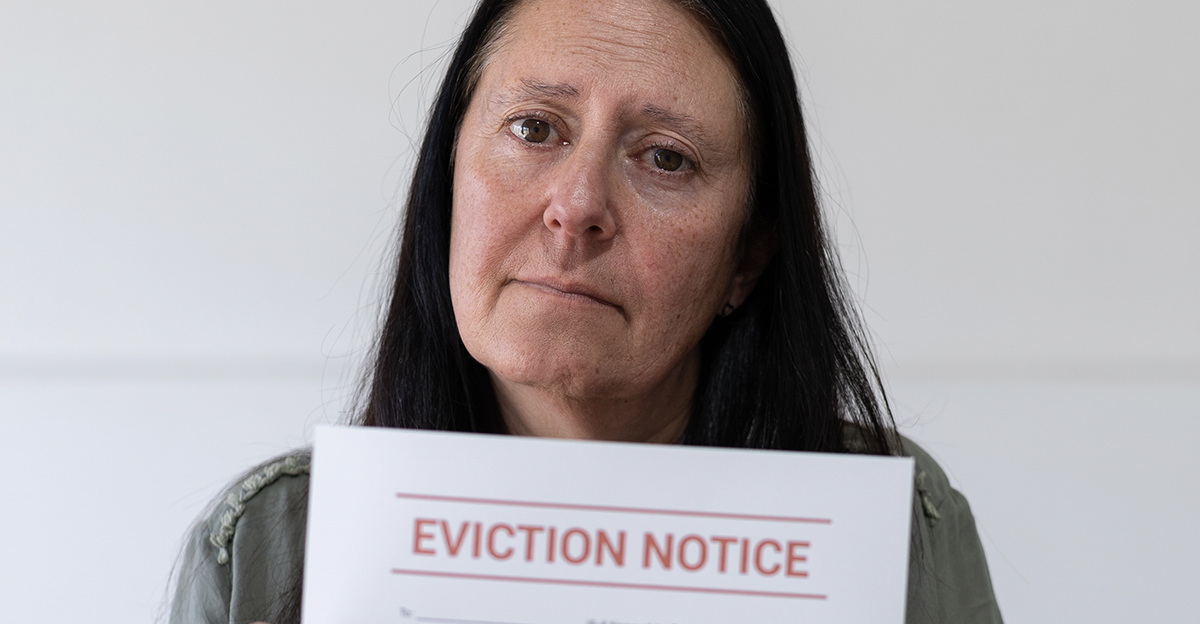
Receiving an eviction notice can feel terrifying, but ignoring it is a major mistake. Tenants should respond immediately and gather all payment records. Missing court deadlines can lead to automatic judgments in favor of landlords. Even tenants who believe they are completely in the right can lose if they fail to participate in the legal process.

Your Canceled Check Is Powerful Evidence
If a landlord deposited your check, your bank can usually provide a canceled check image showing the endorsement and deposit. This is among the strongest forms of proof available in rent disputes. Courts often view canceled checks as direct evidence that payment was accepted. Without this proof, cases may become more complicated.

An Uncashed Check Still Helps Your Case
Even if the check was never deposited, the check copy itself still matters. A copy can show the date, amount, and memo line indicating it was intended for rent. Combined with texts or emails discussing payment, this may strengthen the tenant’s argument that they attempted to pay in good faith. Judges often consider the full context of communication between both parties.

Some States Offer Stronger Tenant Protections
Tenant rights vary widely depending on location. Certain states require landlords to provide written notices before beginning eviction proceedings. Others impose strict rules about handling rent disputes. Local tenant laws may significantly affect whether a landlord can legally evict someone over an uncashed check.

Legal Aid Could Save You Thousands
Tenant attorneys say renters should seek legal advice quickly if eviction becomes a possibility. Many cities have free or low-cost tenant advocacy organizations. A lawyer may be able to challenge the eviction or negotiate a settlement. Early legal help often prevents small disputes from becoming devastating financial crises.

Communication Can Make Or Break The Situation
Silence tends to make rent disputes worse. Tenants should document every attempt to communicate with the landlord about missing deposits. Emails are usually better than phone calls because they create a written record. Courts often favor tenants who made consistent efforts to resolve the issue cooperatively.

Landlords Also Face Risks
Landlords are not immune from consequences when they mishandle rent payments. Repeatedly failing to deposit checks could weaken their credibility in court. In some situations, judges may question whether the landlord intentionally created confusion. Poor recordkeeping can hurt both sides during a legal dispute.

Rent Receipts Matter More Than You Think
A written rent receipt can provide another layer of protection for tenants. Some states require landlords to issue receipts upon request. A signed receipt confirming payment may become critical evidence later. Renters should keep these records for several years whenever possible.

What If The Landlord Lost The Check?
Lost checks create another layer of complications. A landlord may ask the tenant to issue a replacement check. Financial experts say tenants should first confirm that the original check was never deposited. Otherwise, the tenant risks paying the same rent twice.

Stop Payments Come With Trade-Offs
Some tenants consider placing stop payments on old checks. While this can prevent unexpected withdrawals, it may also escalate tensions with the landlord. Banks usually charge fees for stop payment requests. Legal experts recommend discussing the situation carefully before taking this step.

Money Orders Can Be Easier To Track
Some renters prefer money orders because they create a clear payment trail. Money order receipts can help prove that payment was sent. However, money orders can still be lost or mishandled. Experts say no payment method is completely foolproof without strong documentation practices.

Why Courts Focus On “Intent To Pay”
Judges often examine whether a tenant made a sincere effort to pay rent on time. A tenant who mailed checks consistently and followed up about missing deposits may appear more credible in court. Ignoring payment issues or failing to communicate can weaken a tenant’s defense. Good faith efforts matter in many landlord-tenant disputes.

The Timing Of The Dispute Matters
The timeline can heavily influence the outcome of an eviction case. A landlord who waits many months before complaining about uncashed checks may face difficult questions in court. Judges may wonder why the issue was not raised earlier. Delays can undermine claims that the tenant knowingly failed to pay rent.

Financial Experts Recommend Keeping A Cushion
Because old checks can resurface unexpectedly, some experts advise renters to keep enough money in their account to cover any outstanding rent checks. That may not be realistic for every household, especially during periods of high living costs. Still, maintaining a financial buffer can help avoid overdrafts and bounced checks.

Documentation Is Your Best Defense
Tenant advocates repeatedly stress the same message. Documentation can make or break a case. Organized records often carry enormous weight during disputes with landlords. Renters who maintain detailed payment histories usually have a stronger chance of defending themselves successfully.

Prevention Is Easier Than Fighting Eviction
The easiest way to avoid these problems is to address payment issues early. Follow up promptly when a check remains uncashed. Use traceable payment methods whenever possible. Staying proactive may prevent a simple banking issue from spiraling into an expensive legal battle.

What To Do If You Are Facing Eviction Right Now
If your landlord is actively trying to evict you over uncashed checks, gather every payment record immediately. Contact a local tenant rights organization or attorney as soon as possible. Continue documenting all communication with the landlord in writing. Most importantly, do not assume you are powerless just because the checks were never deposited.

You May Also Like