Wait, They Wouldn’t Let You Take Out Your Own Money?
You walk into your bank, ask to withdraw $10,000 in cash, and suddenly things get weird. The teller looks a bit nervous, asks a few questions, and then flat-out said they couldn’t give you the money right then. Naturally, your first thought is probably, “It’s my money…how can they stop me from taking it?” It feels frustrating and honestly kind of ridiculous. But here’s the important thing to understand: banks actually can place restrictions or delays on large cash withdrawals in certain situations, and it’s usually tied to logistics, security, or federal reporting rules rather than the bank trying to “steal” your money.
The Bank Isn’t Saying The Money Isn’t Yours
This is the biggest misconception people have in these situations. If the money is legally yours and sitting in your account, the bank generally can’t just permanently refuse to give it to you for no reason. What they can do is control how and when large amounts of cash are withdrawn. That distinction matters more than people realize.
Banks Don’t Keep Unlimited Cash On Hand
One of the simplest explanations is also the least dramatic: your branch may literally not have that much cash available at the moment. Banks don’t keep huge piles of physical currency sitting in every location because it creates security risks and costs money. So if you suddenly request a large withdrawal, especially in smaller branches, they may need advance notice to prepare it.
Yes, $10,000 Is A “Big” Cash Withdrawal
Even though $10,000 doesn’t sound enormous in the grand scheme of banking, it is considered a significant cash transaction under federal regulations. That’s because cash transactions over $10,000 trigger reporting requirements tied to anti-money laundering laws.
This Is Where CTRs Come In
When you withdraw more than $10,000 in cash, the bank generally has to file something called a Currency Transaction Report (CTR) with the Financial Crimes Enforcement Network (FinCEN).
That sounds intimidating, but it’s actually a routine reporting requirement, not an accusation that you did something illegal.

Filing A CTR Doesn’t Mean You’re In Trouble
A lot of people panic when they hear the government gets notified about large withdrawals. But CTRs are automatic compliance reports, not criminal charges. Millions of perfectly legal transactions trigger them every year. So, if the bank starts asking questions or filling out paperwork, that’s usually normal procedure.

The Bank May Ask Questions
Don’t be surprised if the teller asks what the cash is for. Banks are required to monitor for suspicious activity and may ask basic questions to document the transaction. It can feel invasive, but from the bank’s perspective, they’re following federal compliance rules.

Security Concerns Are A Real Thing
Large cash withdrawals also create safety concerns. Banks don’t necessarily want customers walking out carrying huge amounts of money because it creates robbery risks for both you and the branch. In some cases, they may encourage alternatives like cashier’s checks or wire transfers instead.

Sometimes The Bank Wants Advance Notice
This is incredibly common. A branch may ask you to come back the next day or schedule the withdrawal in advance so they can order enough cash. That’s not the bank refusing your money forever, it’s more about cash management logistics.

Your Account Type Can Matter
Certain account agreements include withdrawal limits or special procedures for large transactions. Business accounts, savings accounts, and investment-linked accounts may all have different rules. So part of the answer may actually be buried in the account terms you agreed to when opening it.

Fraud Prevention Can Trigger Delays
If a large withdrawal seems unusual compared to your normal account activity, the bank may temporarily pause things to verify it’s really you. From their perspective, a sudden request for large cash could indicate fraud, coercion, or elder financial abuse.

They Can’t Arbitrarily Keep Your Money
Here’s the key point: banks generally can’t permanently deny access to your legitimate funds without a legal reason. If your account is in good standing and there’s no fraud or court order involved, the issue is usually about timing, process, or compliance rather than ownership.

But They Can Refuse Suspicious Transactions
If the bank genuinely believes the transaction involves fraud, money laundering, or illegal structuring, they may refuse or freeze activity temporarily while reviewing it. Banks are legally required to monitor suspicious behavior under federal law.

Don’t Try To “Beat” The Reporting Rules
This is important: trying to avoid CTR reporting by withdrawing smaller amounts over multiple days, called “structuring,” can actually create bigger legal problems.
Ironically, attempting to avoid the report often looks more suspicious than just doing the withdrawal normally.

Step One: Ask For A Clear Explanation
If the bank refuses or delays the withdrawal, ask exactly why. Is it a cash availability issue? A fraud review? A policy requiring advance notice? Getting a specific answer helps you figure out whether this is a temporary inconvenience or something more serious.
 National Cancer Institute, Unsplash
Step Two: Ask About Alternatives
If you genuinely need the funds quickly, ask whether the bank can issue a cashier’s check, wire transfer, or partial withdrawal immediately. Sometimes the issue is specifically about physical cash, not access to your money overall.

Step Three: Escalate If Necessary
If you feel the branch is being unreasonable or unclear, ask to speak with a manager. A lot of situations get resolved once someone with more authority gets involved.

Online Rumors Make This Sound Scarier Than It Is
There are tons of viral posts claiming banks are “stopping people from accessing their money". In reality, most situations involve compliance procedures, limited cash on hand, or fraud-prevention checks. That doesn’t make it less frustrating in the moment, but it’s usually not some secret attempt to seize your funds.

Most Large Withdrawals Eventually Go Through
The encouraging part is that legitimate large cash withdrawals are completed every day. In most cases, once the bank completes its procedures or gets enough cash available, the customer gets their money without further issues.
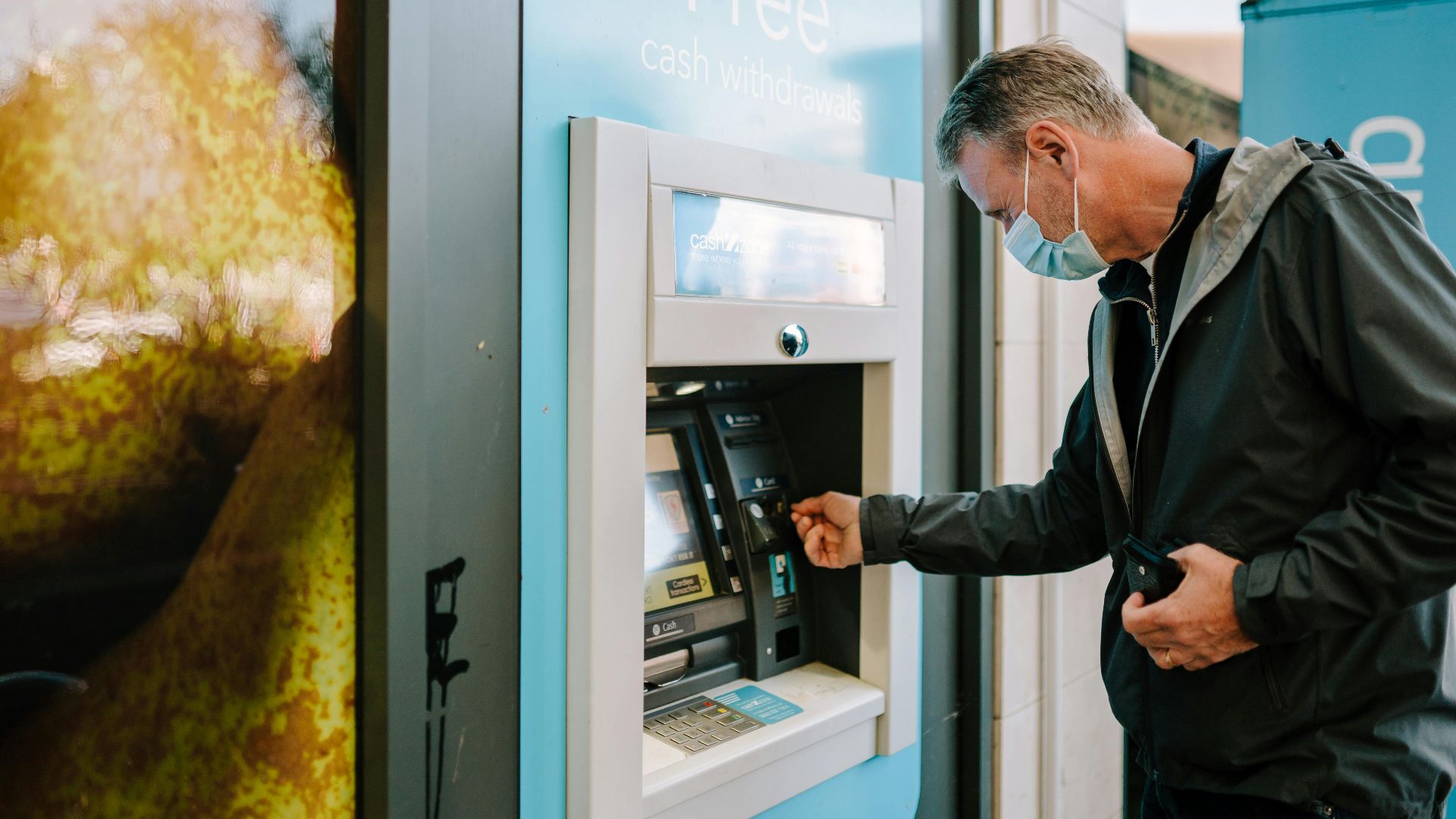 Centre for Ageing Better, Pexels
So What Should You Do Right Now?
If this happens to you, stay calm and ask for a detailed explanation. Find out whether the issue is availability, fraud prevention, or compliance. Then ask what steps are needed to complete the withdrawal and whether alternatives are available.
 Vitaly Gariev, Pexels, Modified
Final Thoughts
Yes, banks can delay or place restrictions on large cash withdrawals in certain situations, even when the money is yours. But that usually has more to do with federal reporting requirements, fraud prevention, or simple cash logistics than the bank refusing to honor your account. In most cases, the situation gets resolved once the proper procedures are followed. The key is understanding that “not immediately” usually doesn’t mean “never”.

You May Also Like:
I’m retiring with no plan and no hobbies. How do I not go broke or go completely insane of boredom?