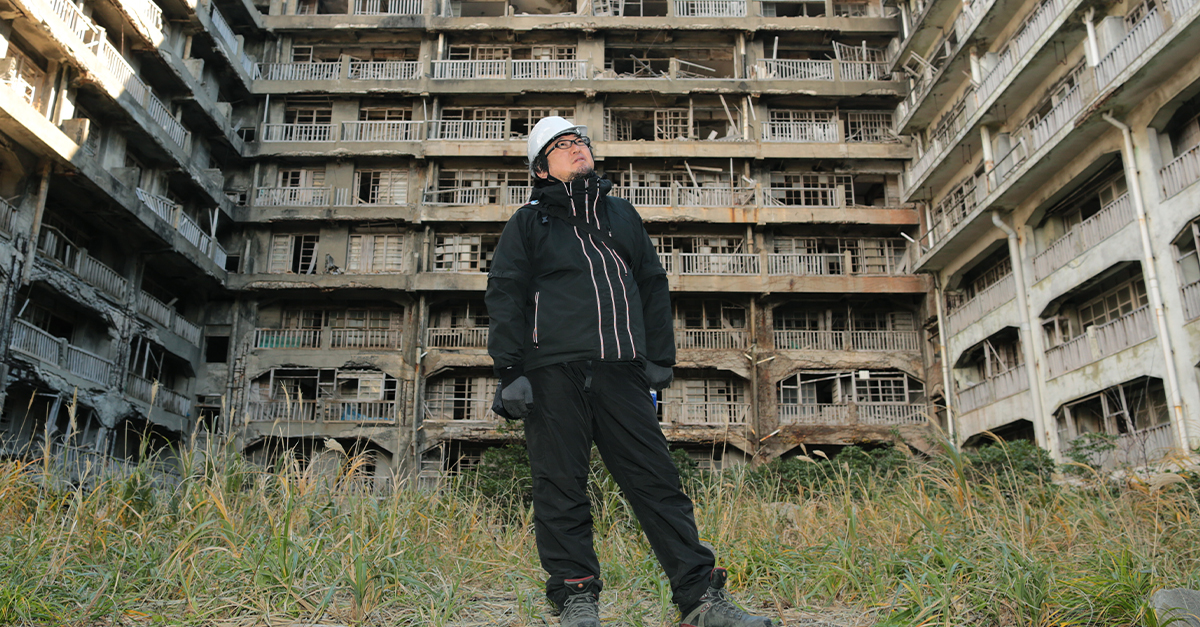
When A Job Built The Whole Town
Some towns are born because of geography, politics, or trade. Others exist because one industry needed workers, housing, rail lines, stores, schools, and an entire community built around it. When that industry disappeared or moved away, the town had to reinvent itself, shrink dramatically, or become a ghost of what it once was.
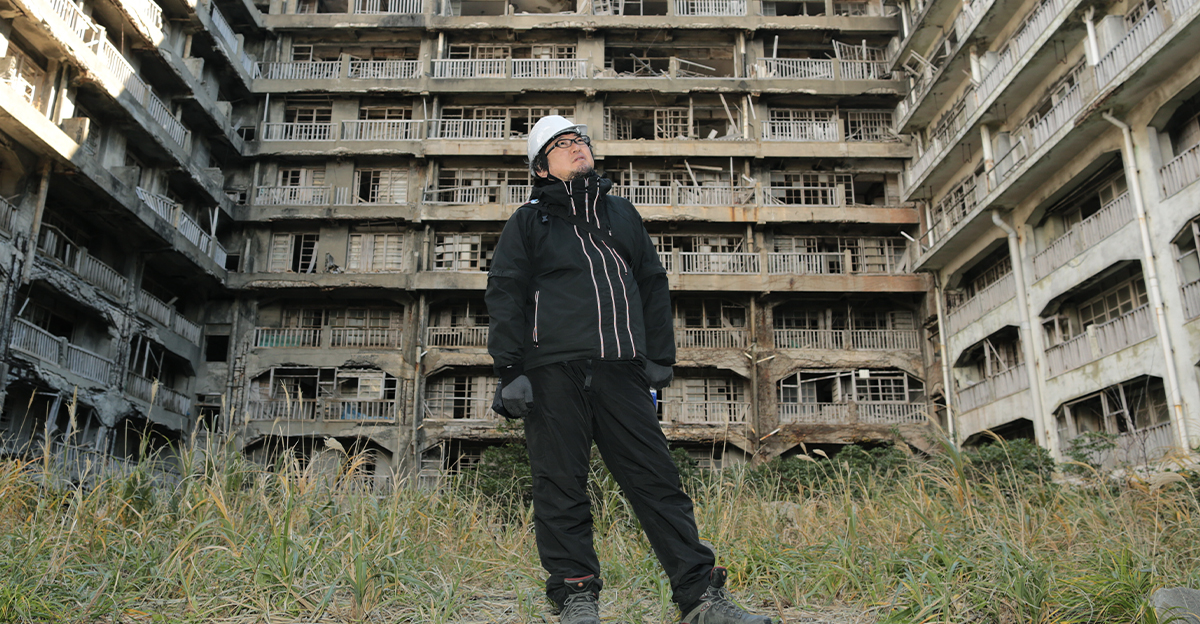
Centralia, Pennsylvania Was Undone By Coal
Centralia was a coal town until an underground mine fire began burning beneath it in 1962. As smoke, sinkholes, and dangerous gases made life unsafe, most residents relocated. The coal industry that once sustained the borough also made it nearly unlivable, turning Centralia into one of America's most famous near-ghost towns.
 formulanone from Huntsville, United States, Wikimedia Commons
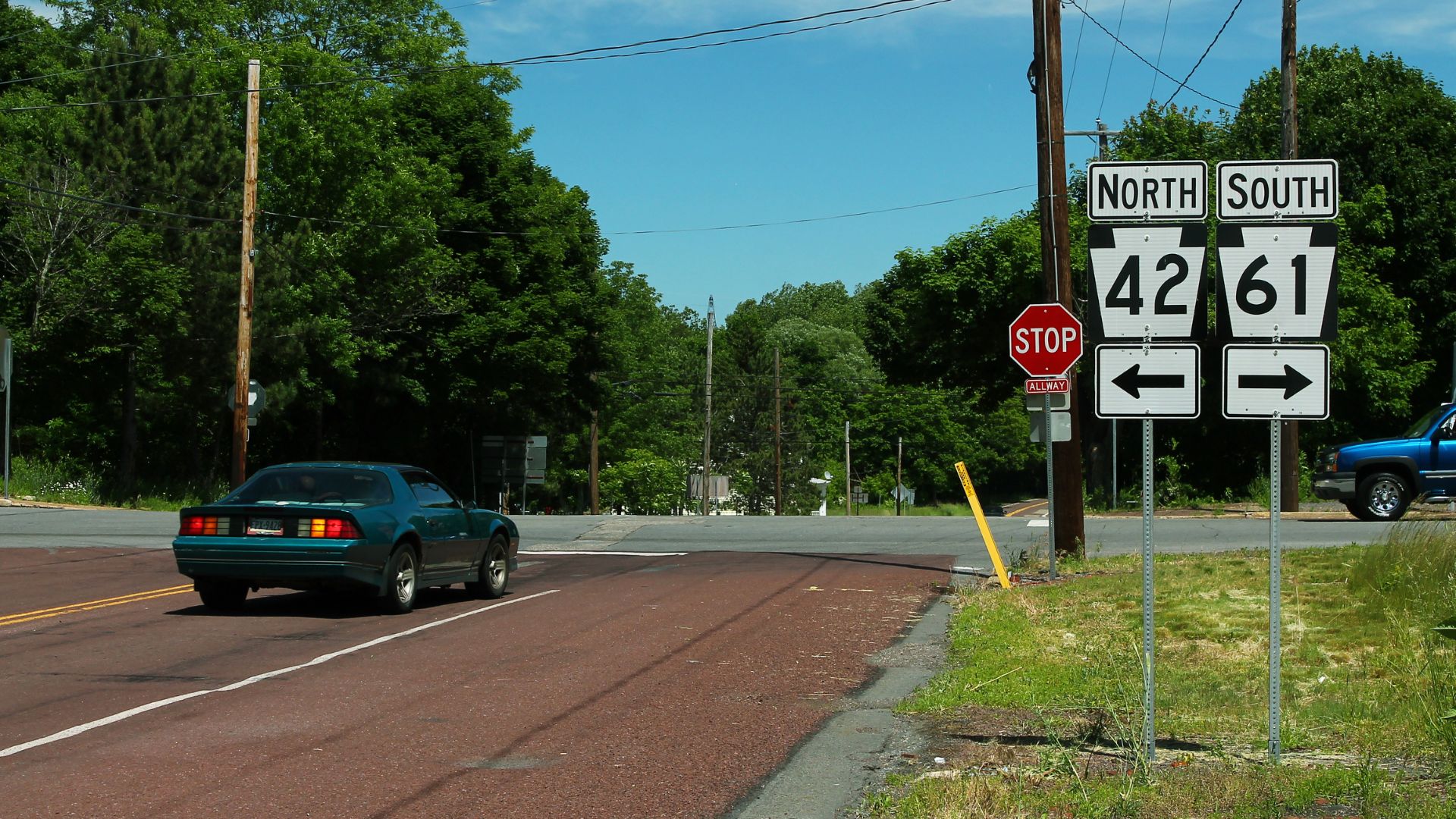
Hashima Island, Japan Was A Coal-Mining City At Sea
Hashima Island packed thousands of coal miners and families into a tiny offshore community near Nagasaki. Apartment blocks, schools, shops, and seawalls made it look almost futuristic. When Japan shifted away from undersea coal mining, Mitsubishi closed the mine in 1974, and the island was abandoned almost overnight.
 Jakub Hałun, Wikimedia Commons
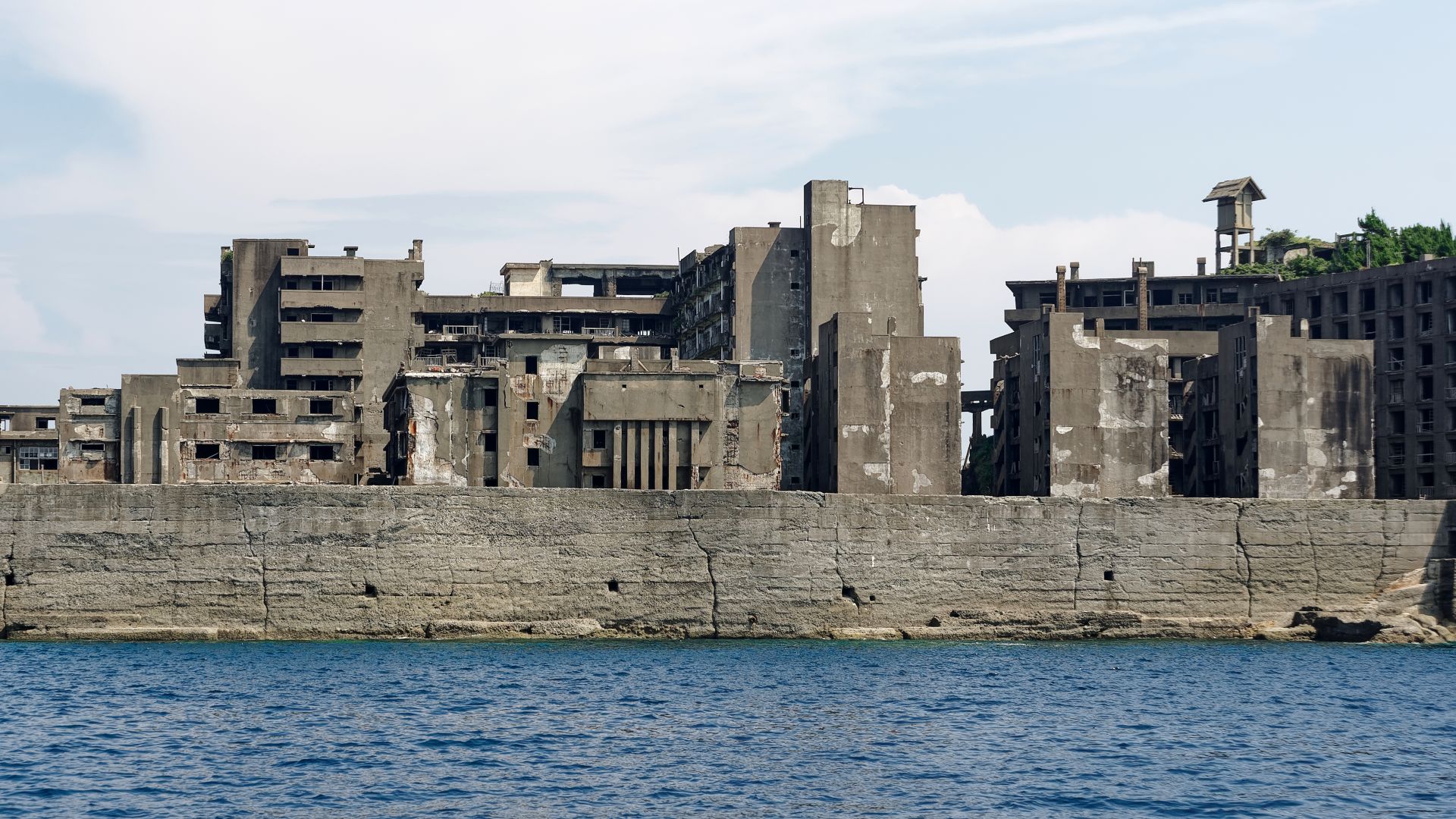
Pullman, Illinois Was Built For Railroad Cars
Pullman was created in the 1880s as a planned company town for workers making luxury railroad sleeping cars. George Pullman built housing, shops, churches, and public spaces around the factory. When labor tensions exploded during the Pullman Strike of 1894, the model company town became a national warning about corporate control over workers' lives.
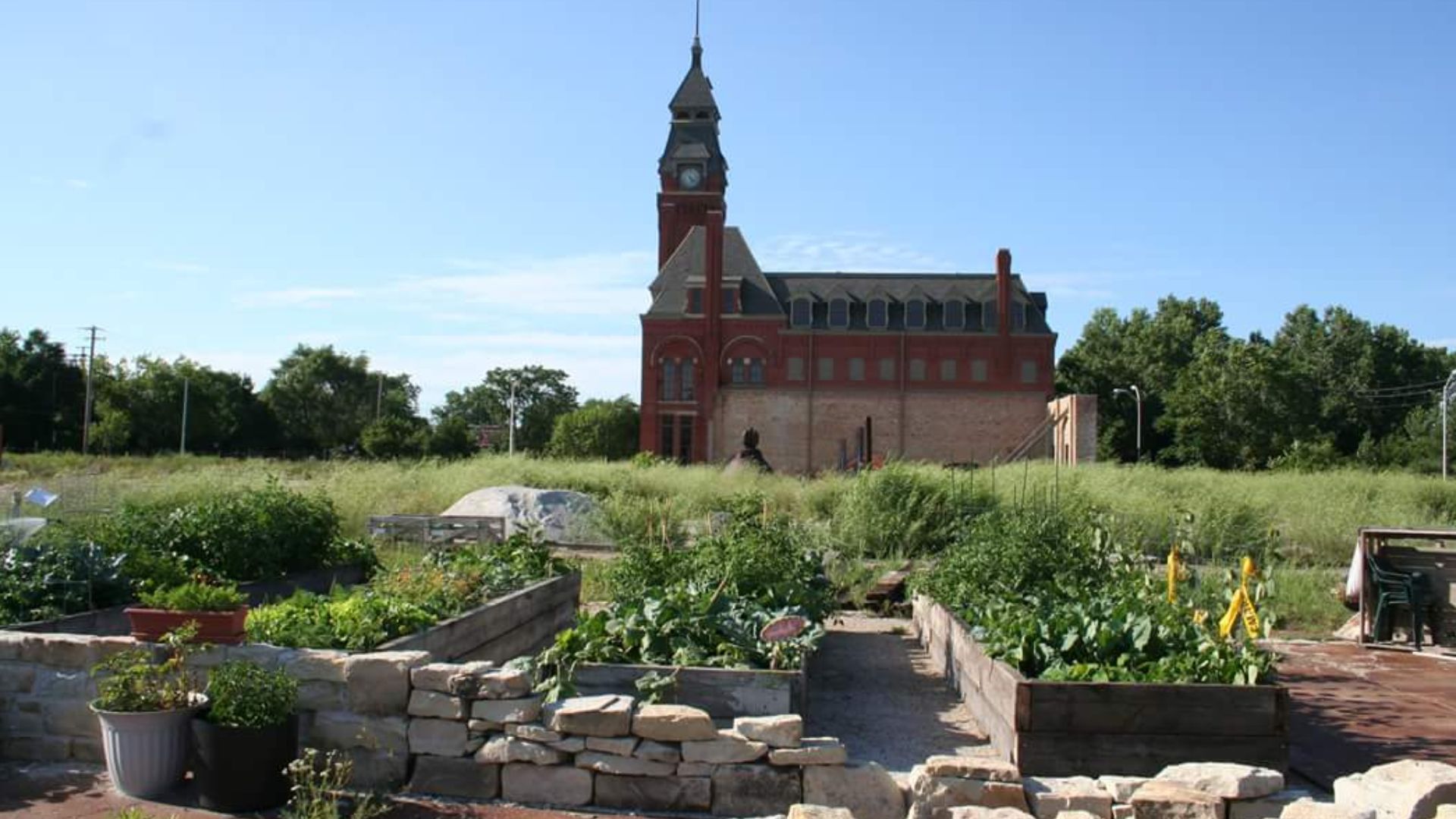 Jillmurtagh, Wikimedia Commons
Lowell, Massachusetts Grew Around Textile Mills
Lowell became one of America's great early industrial cities because of textile manufacturing. Its canals powered mills that employed thousands, including the famous mill girls. When textile production shifted away from New England, the city lost much of the industry that had defined it, leaving brick mills to become museums, offices, and apartments.
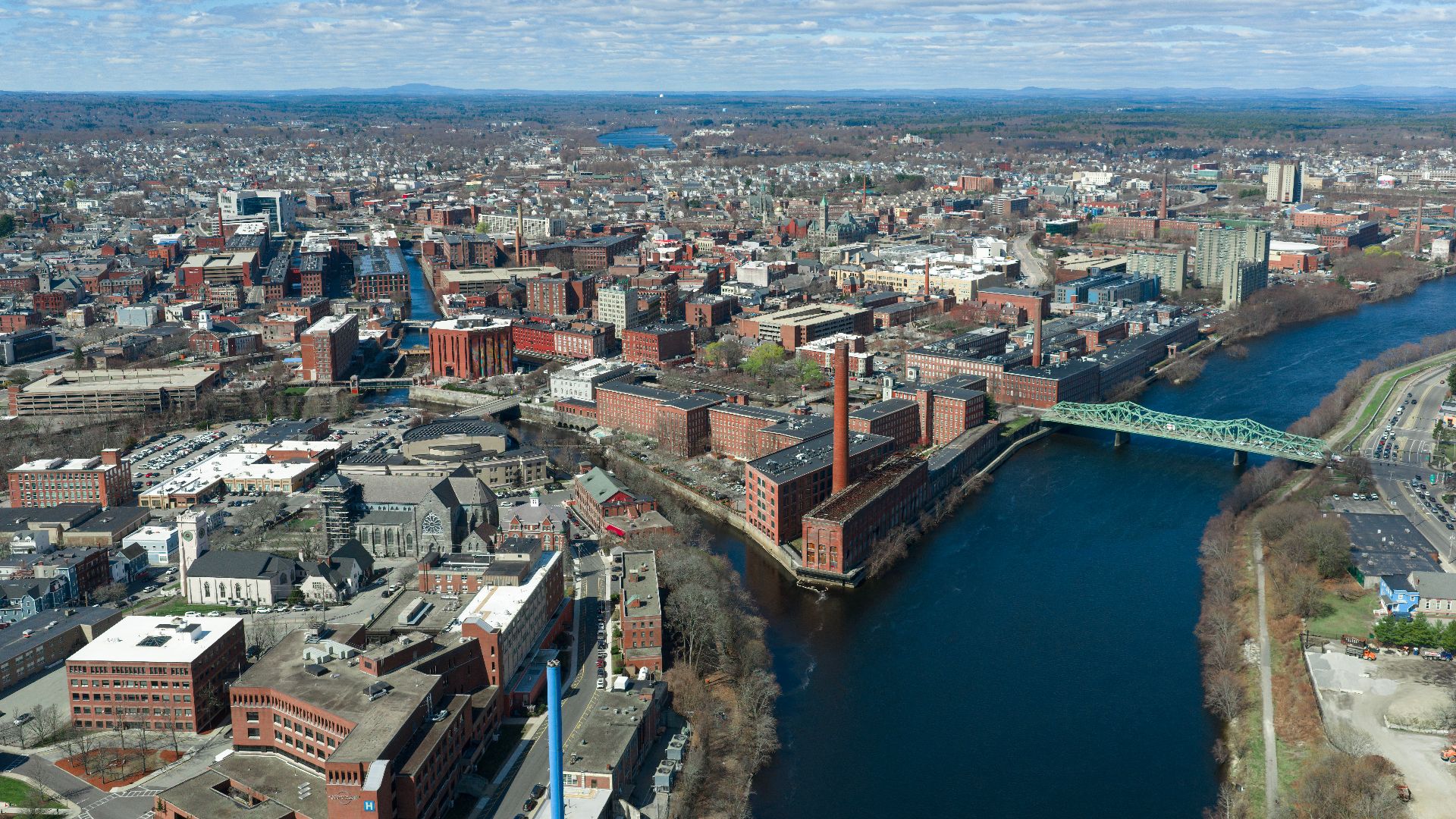 Quintin Soloviev, Wikimedia Commons
Kennecott, Alaska Lived And Died By Copper
Kennecott rose beside rich copper deposits in remote Alaska, where mining companies built mills, rail connections, and worker housing in a harsh landscape. Once the richest ore was exhausted, the operation closed and the town was abandoned. Today, its towering mill buildings survive inside Wrangell-St. Elias National Park.
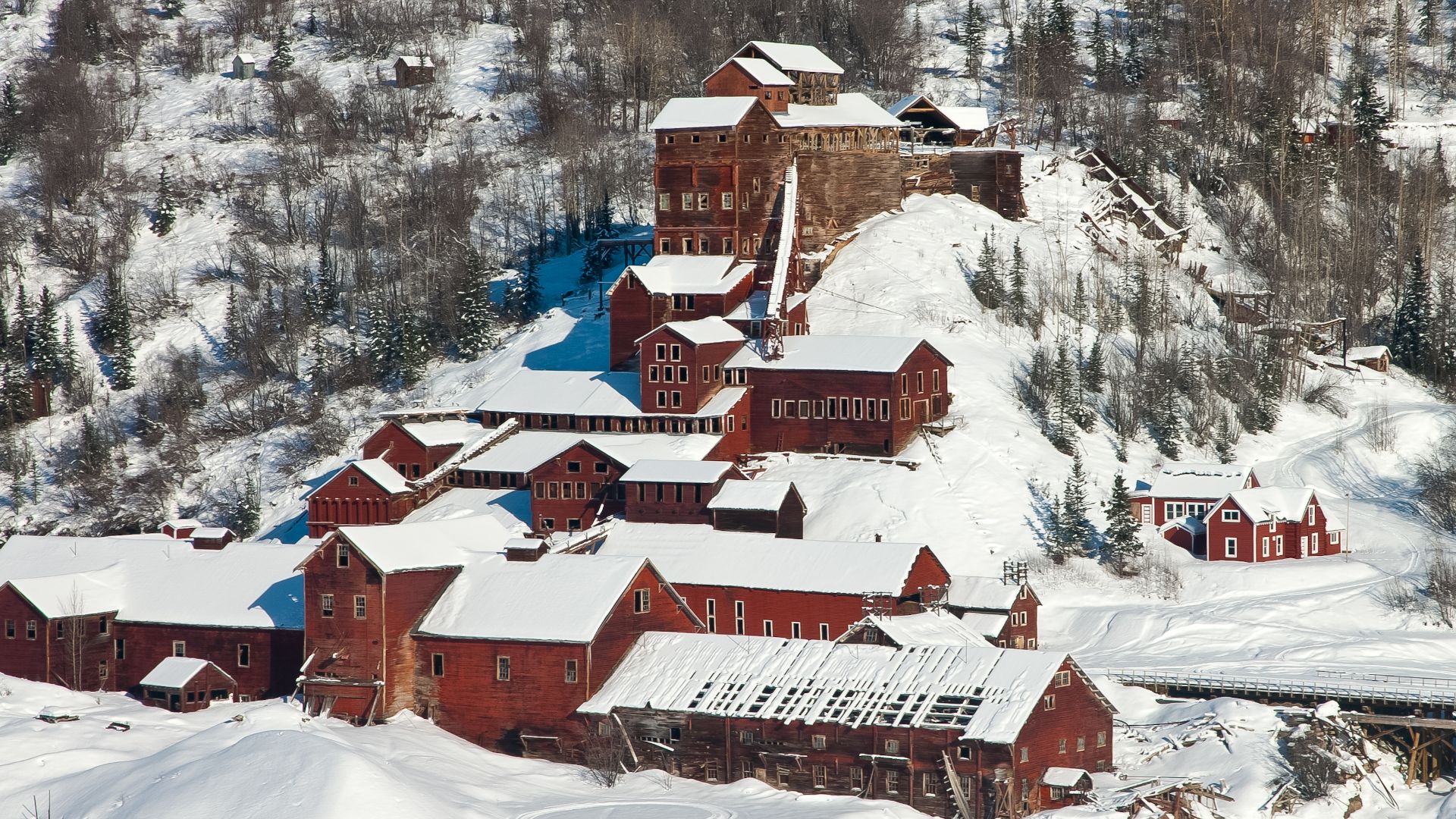 Wrangell-St. Elias National Park, Wikimedia Commons
Bodie, California Became A Gold Rush Ghost Town
Bodie boomed after gold discoveries drew miners, merchants, saloons, families, and fortune seekers to California's eastern Sierra. At its peak, it was a rough but thriving mining town. When the mines declined, residents left, and Bodie slowly emptied. It is now preserved in arrested decay as a state historic park.
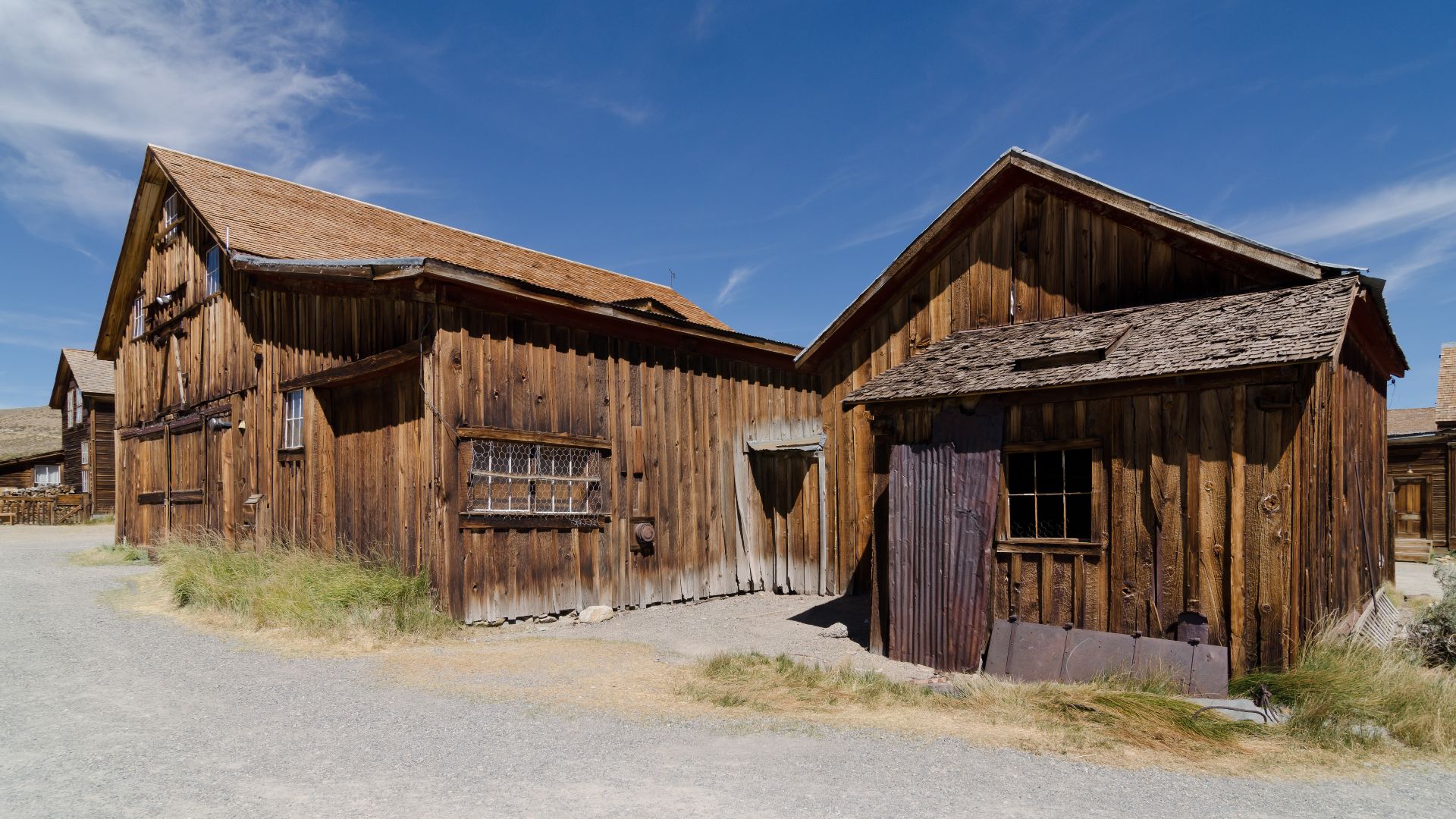 King of Hearts, Wikimedia Commons
Kolmanskop, Namibia Was Built On Diamonds
Kolmanskop sprang up after diamonds were discovered in the Namib Desert in 1908. The town had grand homes, a hospital, a ballroom, and other luxuries that seemed surreal in such a harsh landscape. When richer diamond fields were found elsewhere, residents moved on, leaving desert sand to swallow the buildings.
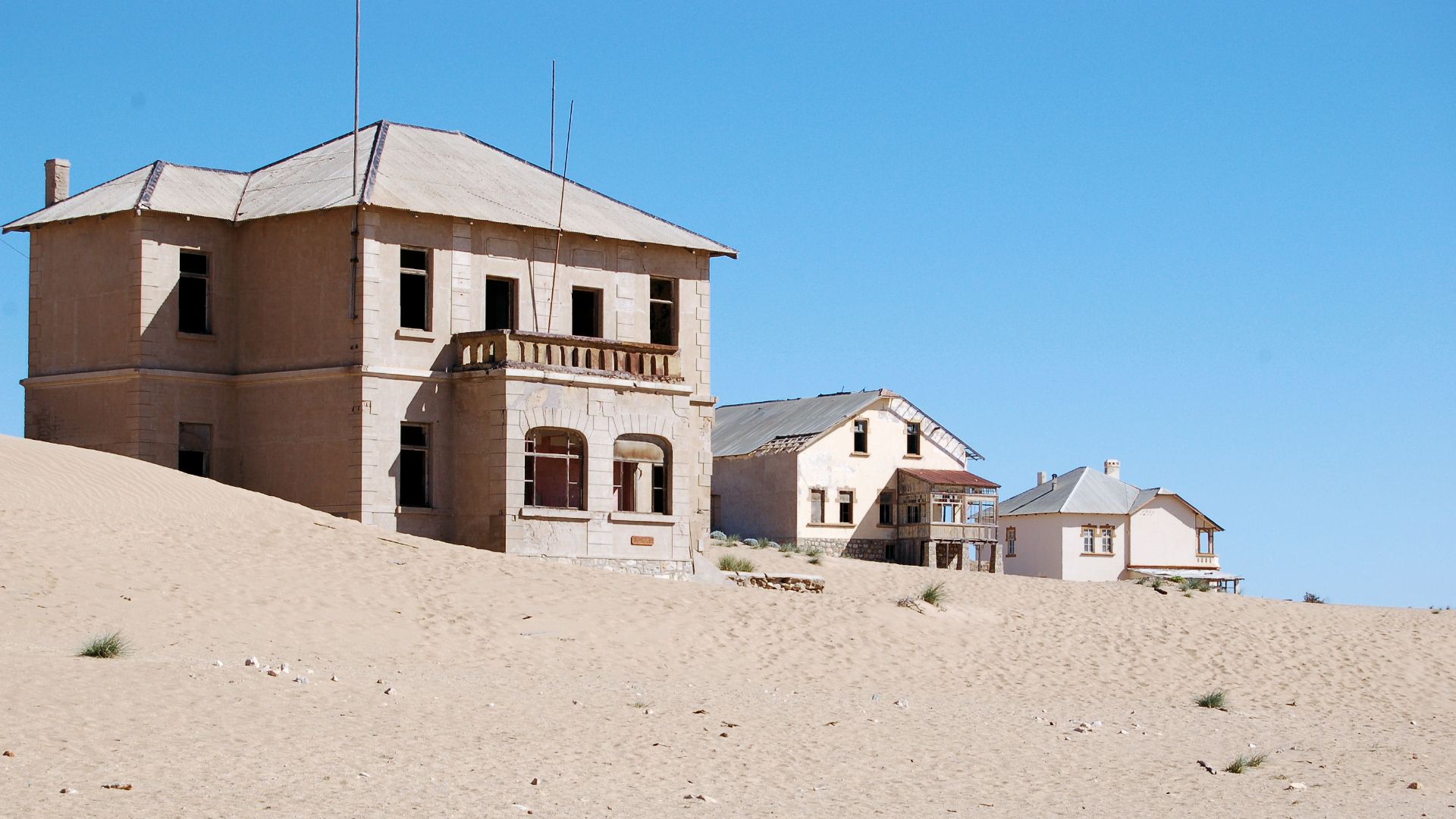 Joachim Huber from Switzerland, Wikimedia Commons
Butte, Montana Rose On Copper Wealth
Butte became one of the world's great copper-mining centers, earning the nickname the Richest Hill on Earth. Immigrant workers, unions, boardinghouses, theaters, and saloons all grew around mining. As underground mining declined and open-pit operations changed the landscape, Butte had to reckon with both industrial loss and environmental damage.
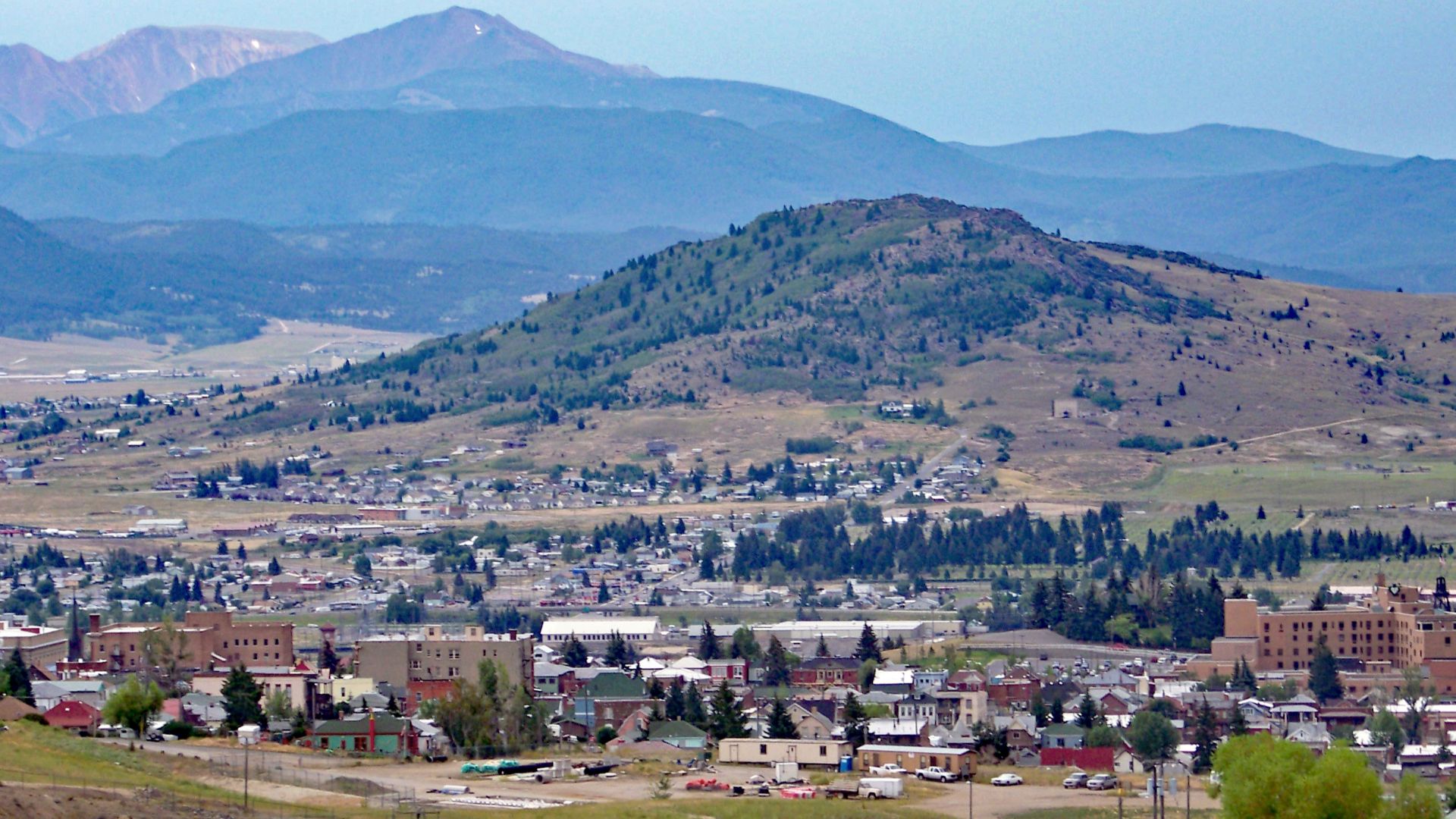 James St. John, Wikimedia Commons
Virginia City, Nevada Boomed With Silver
Virginia City exploded after the Comstock Lode revealed massive silver deposits. Almost everything in town depended on mining money, from opera houses to newspapers to hotels. When the silver boom faded, the population collapsed. Today, its preserved streets reflect the sudden wealth and equally sudden decline of a mining economy.
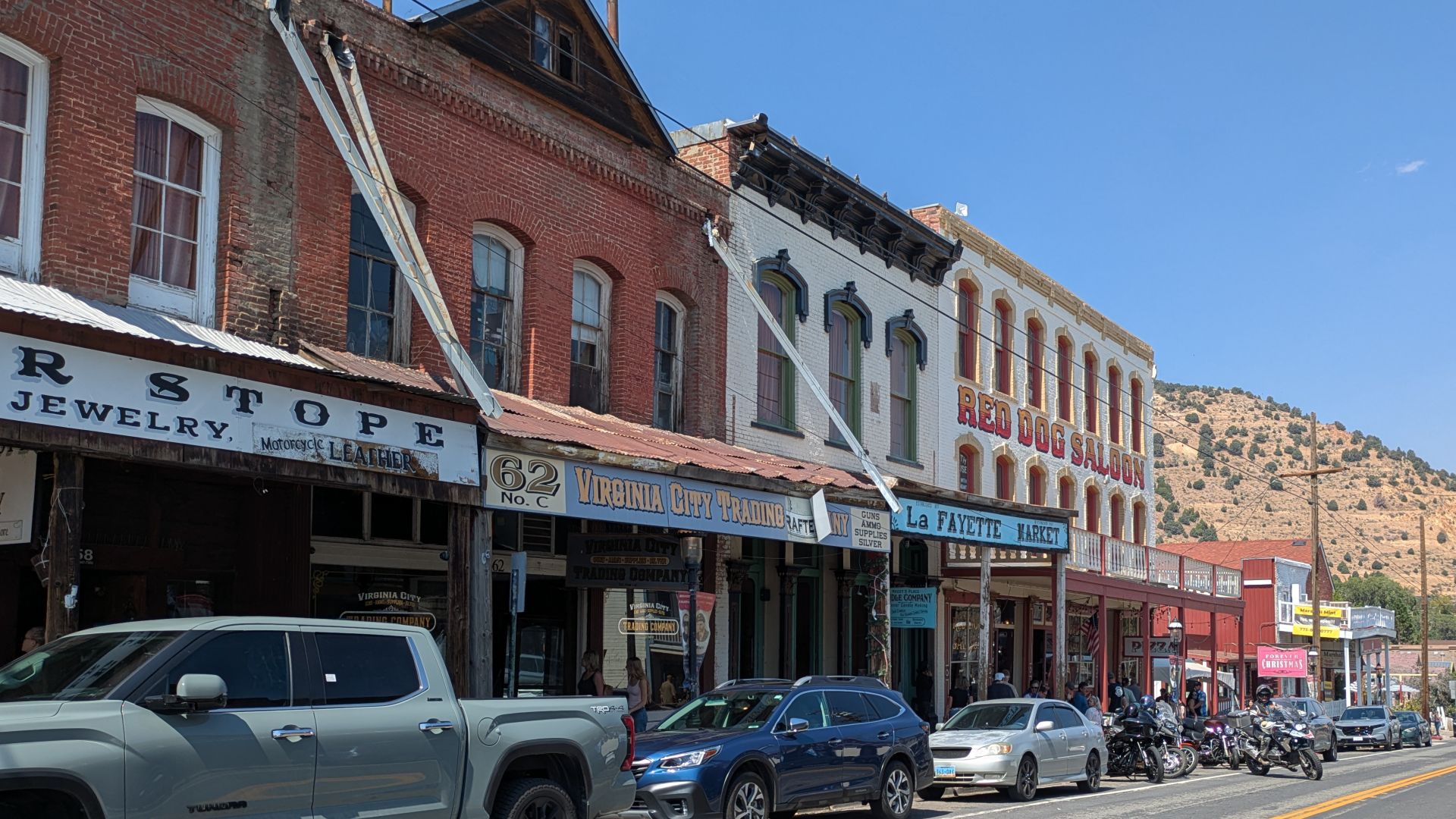 Mx. Granger, Wikimedia Commons
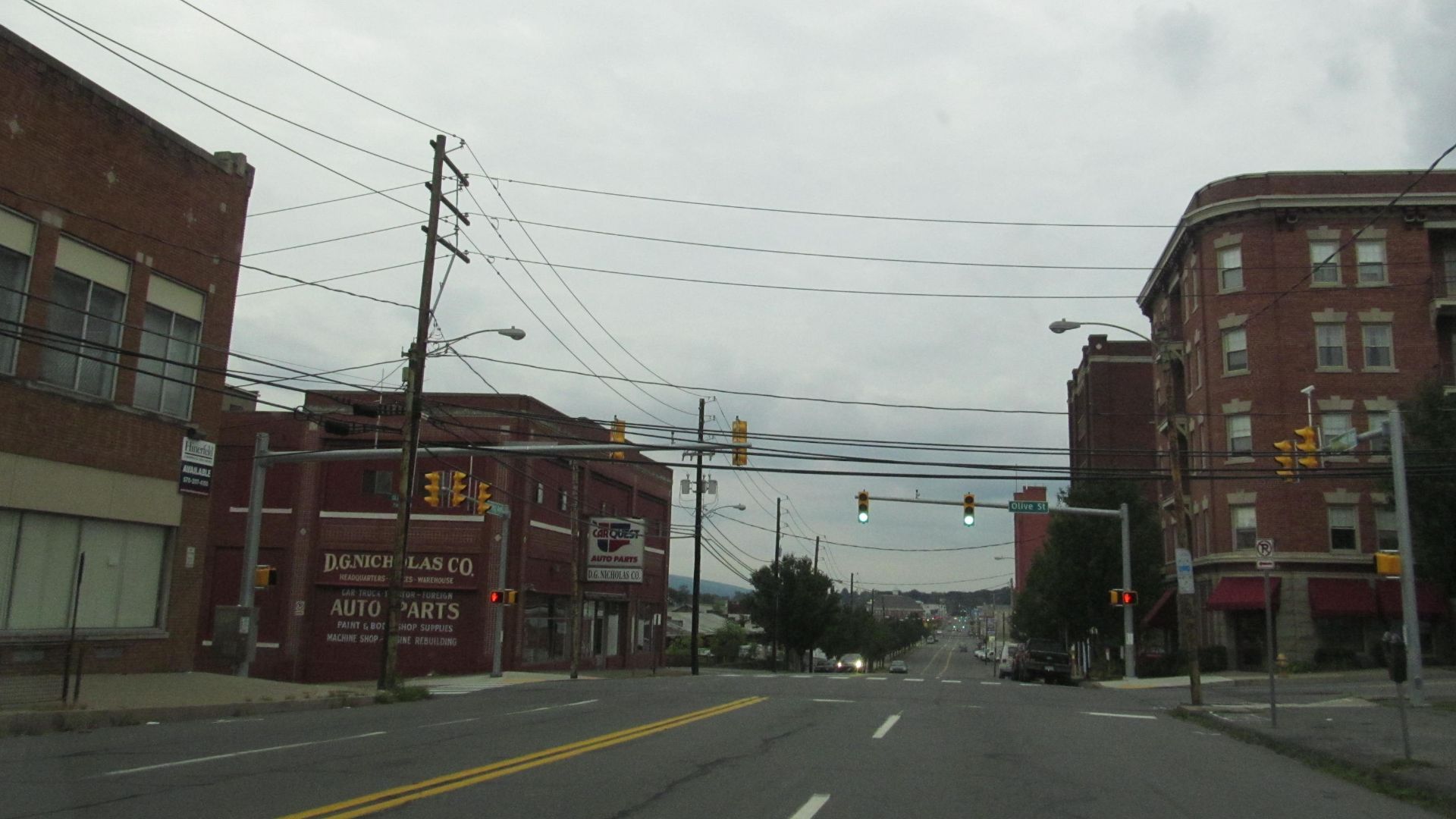
Scranton, Pennsylvania Was Powered By Anthracite
Scranton's identity was deeply tied to anthracite coal and the railroads that moved it. Mines, breakers, machine shops, and worker neighborhoods shaped daily life. As coal demand declined and mines closed, Scranton lost the industry that had made it powerful, though its industrial heritage remains central to the city's story.
Bethlehem, Pennsylvania Was A Steel Town
Bethlehem Steel helped build bridges, skyscrapers, ships, and military equipment. The company shaped the city's economy, skyline, and working-class identity for generations. When the steel industry collapsed in the late 20th century, the massive plant shut down, leaving Bethlehem to reinvent itself around culture, education, and redevelopment.
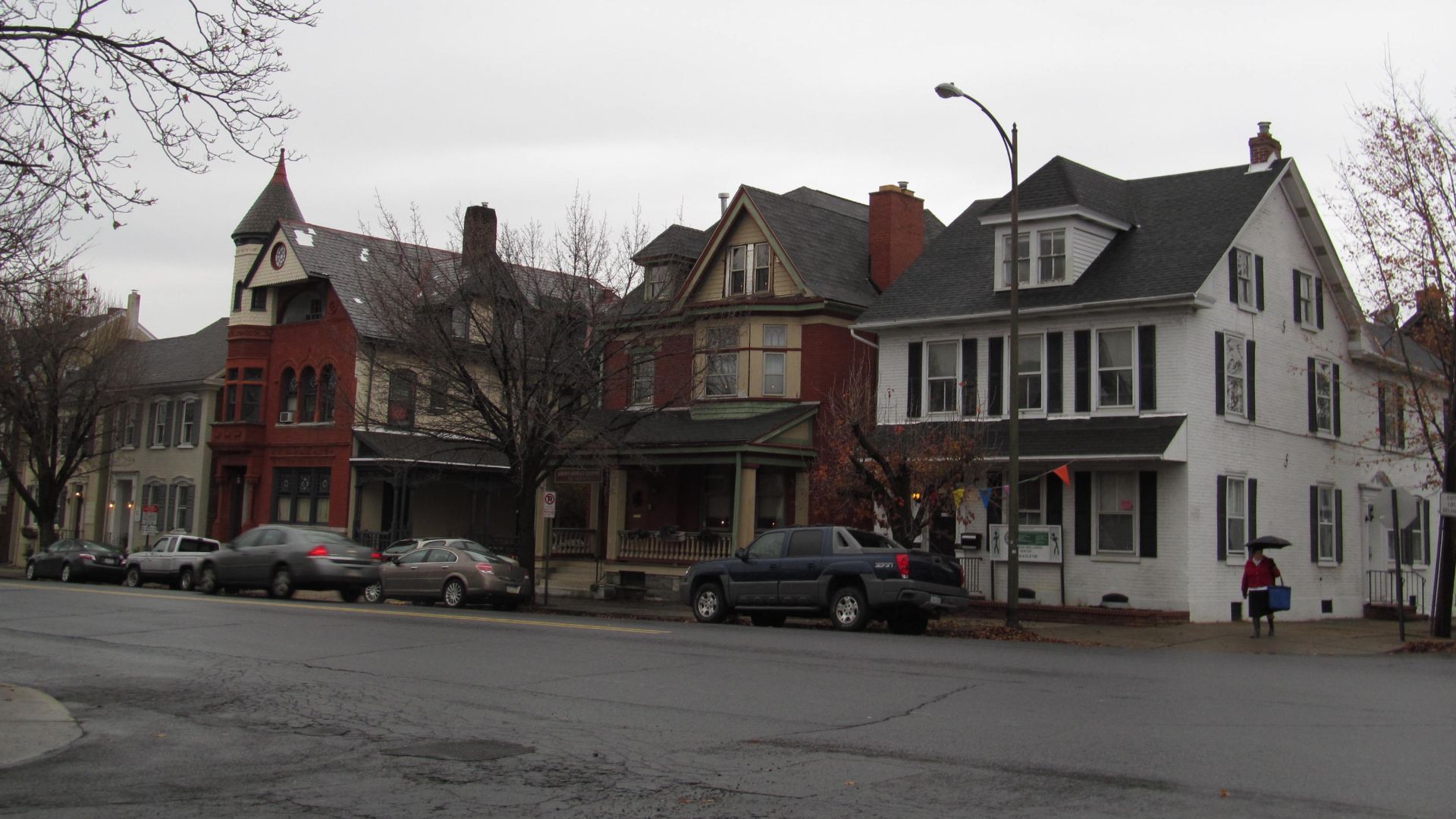 Doug Kerr from Albany, NY, United States, Wikimedia Commons
Youngstown, Ohio Was Shaken By Steel's Collapse
Youngstown grew around steel mills that employed generations of families. In 1977, Black Monday marked a devastating wave of shutdowns that gutted the local economy. The city became a symbol of deindustrialization, showing how deeply one industry could shape housing, politics, schools, and community pride.
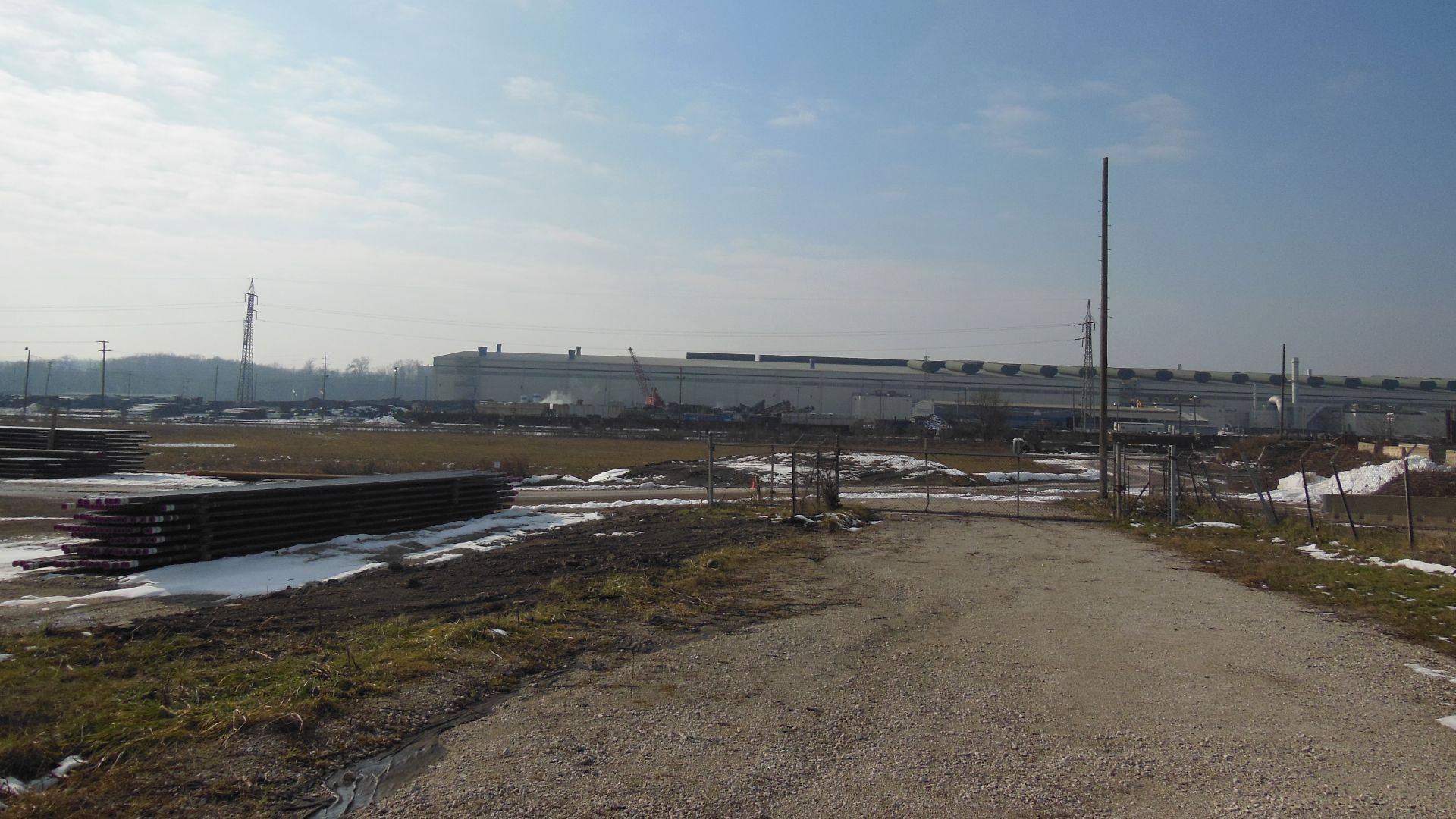 Ohio Redevelopment Projects - ODSA, Wikimedia Commons
Gary, Indiana Was Built For US Steel
Gary was founded in 1906 by US Steel as a company town on Lake Michigan. Its streets, neighborhoods, and economy were designed around the massive steel works. As American steel employment declined, Gary faced population loss, abandoned buildings, and fiscal stress, even though steelmaking never disappeared entirely from the area.
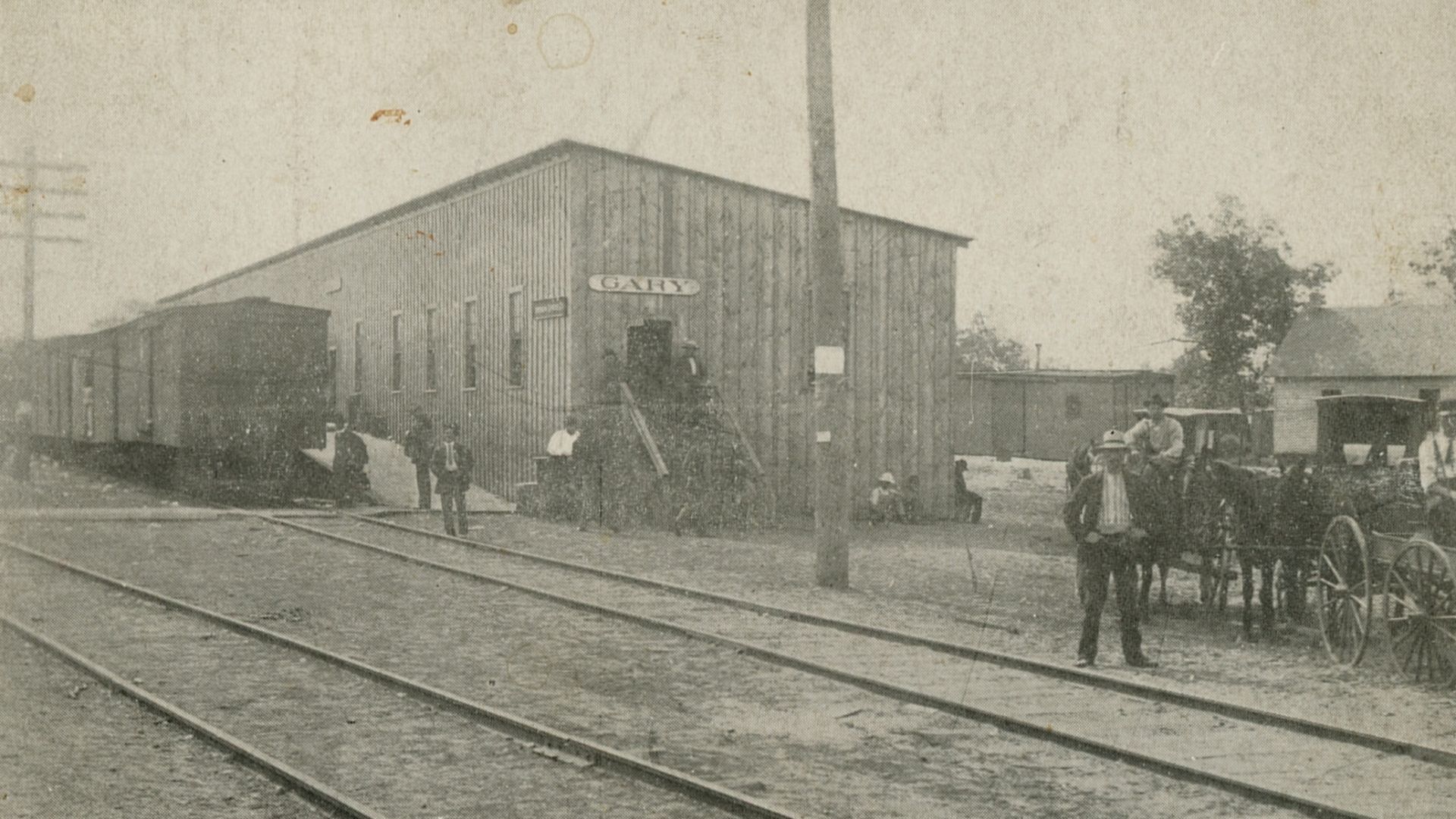 Steve Shook from Moscow, Idaho, USA, Wikimedia Commons
Akron, Ohio Was The Rubber Capital
Akron became famous as the home of tire giants like Goodyear, Firestone, and Goodrich. Rubber factories drew workers from across the country and shaped the city's culture. As tire manufacturing moved elsewhere or automated, Akron lost much of the factory employment that had made it the Rubber Capital of the World.
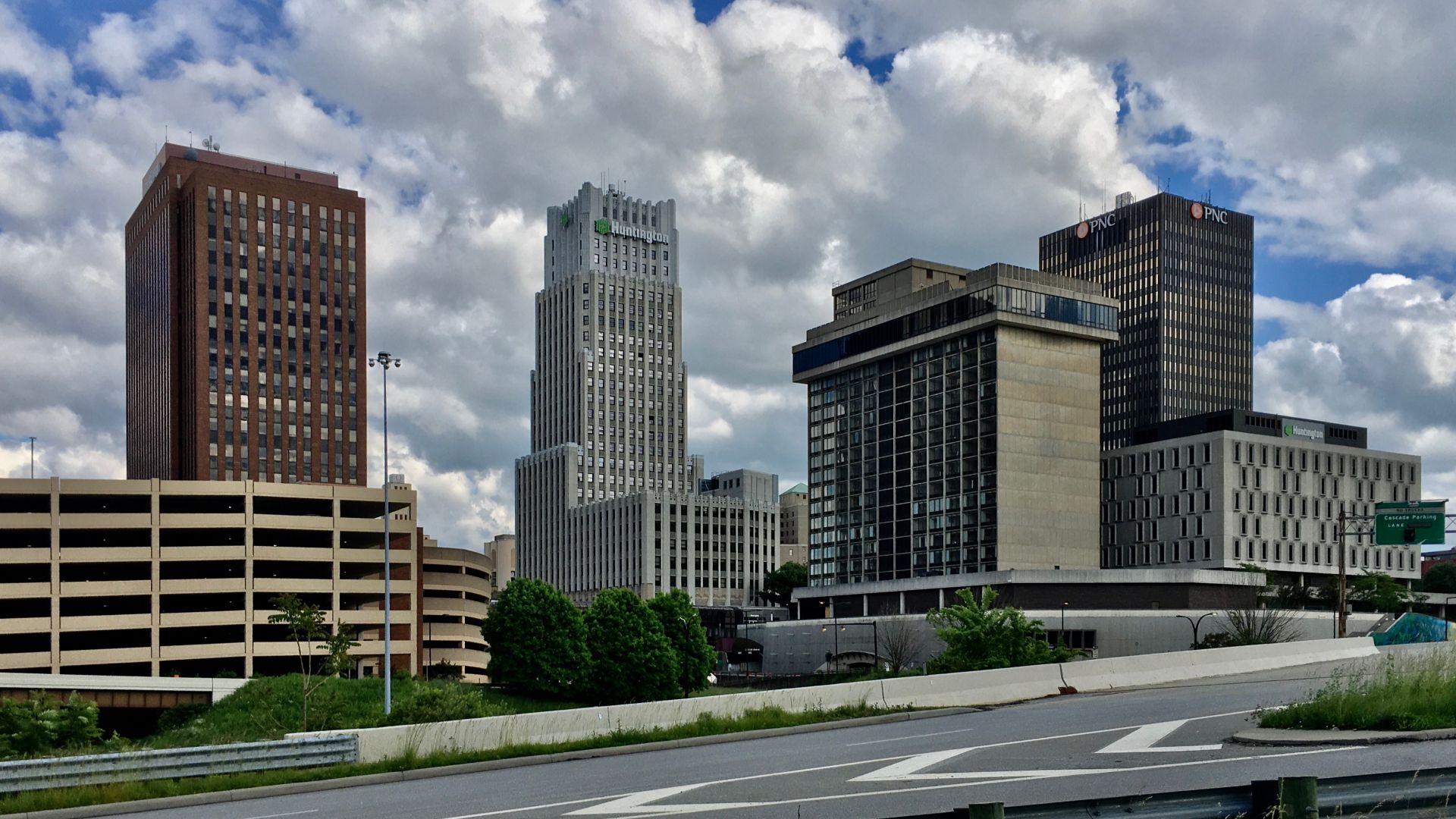 Andre Carrotflower, Wikimedia Commons
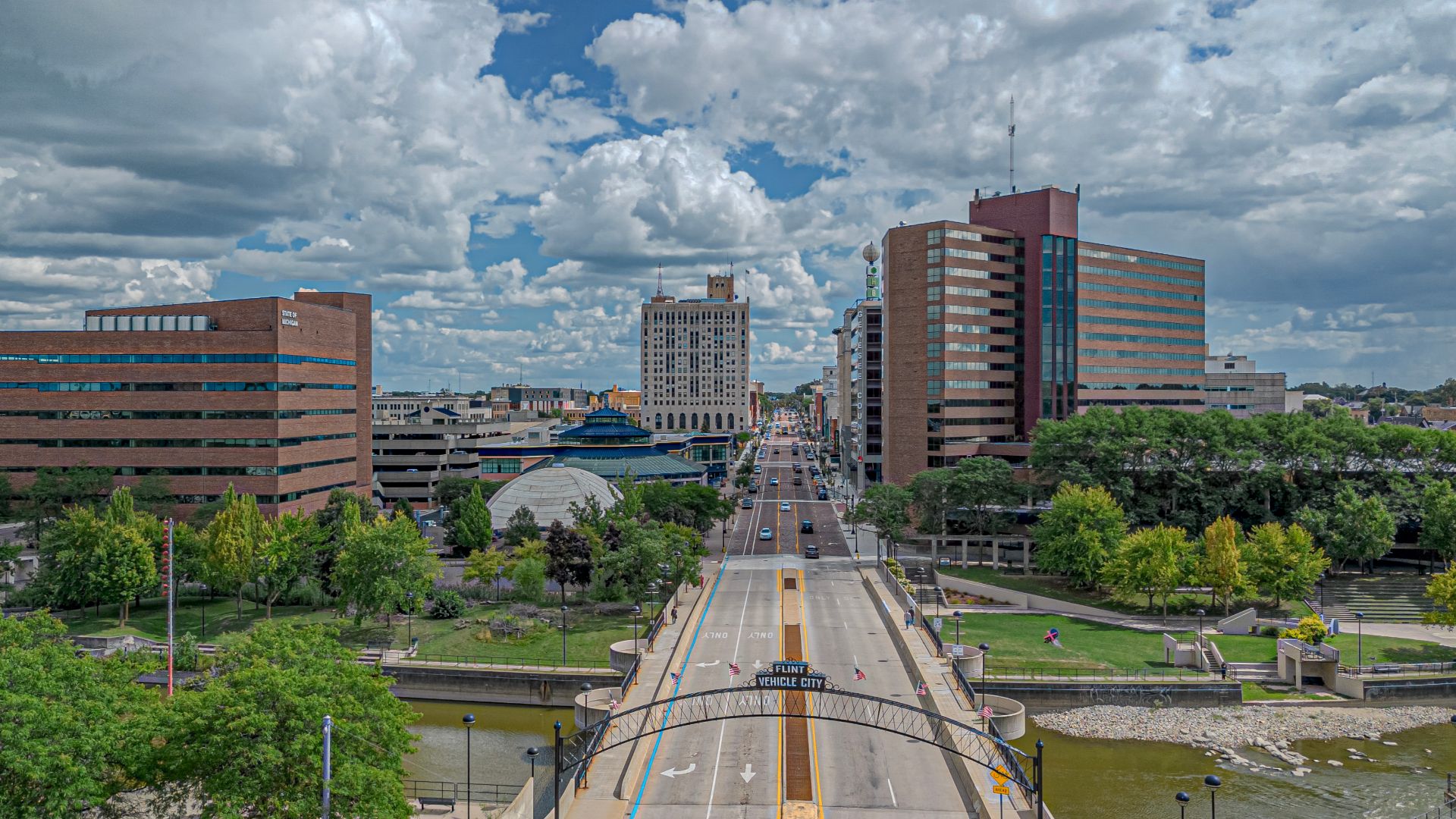
Flint, Michigan Was Built Around Auto Manufacturing
Flint's fortunes rose with General Motors, which turned the city into a major auto-manufacturing center. Good wages supported neighborhoods, shops, and schools. As GM downsized and closed plants, Flint suffered job losses, population decline, and long-term economic strain, showing how vulnerable a one-industry city can become.
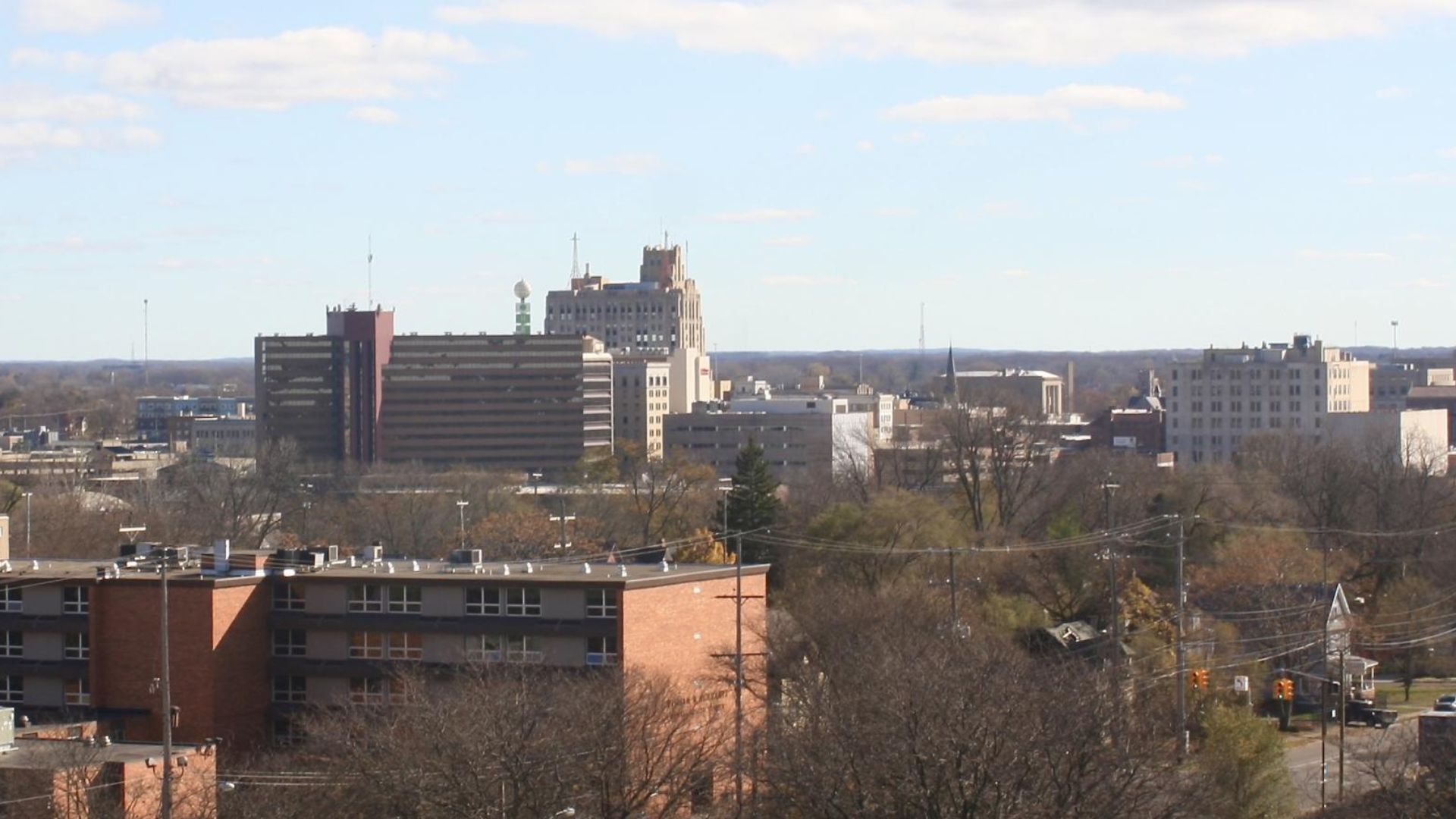 WeaponizingArchitecture, Wikimedia Commons
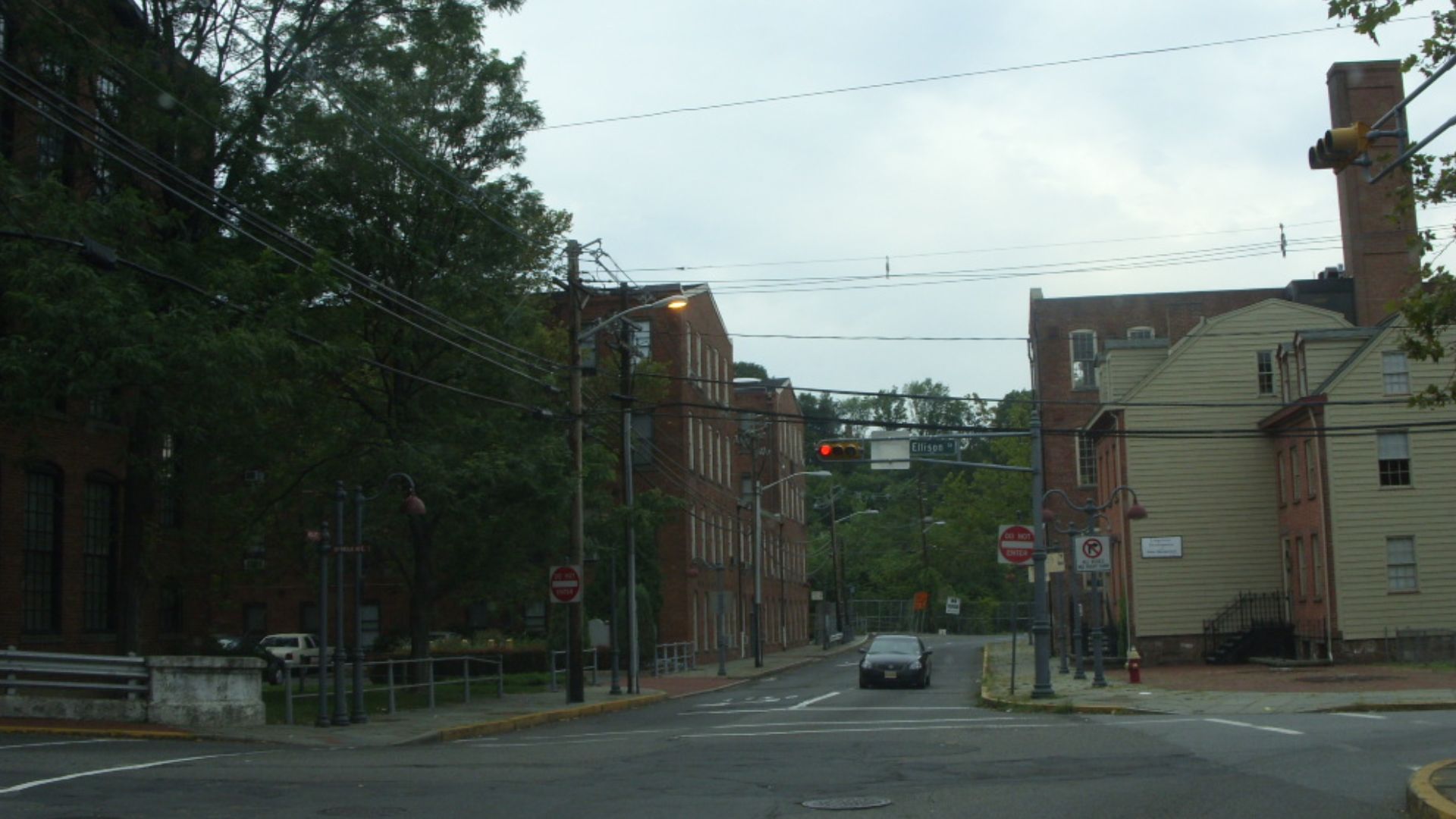
Paterson, New Jersey Was A Silk And Textile Powerhouse
Paterson grew around the Great Falls of the Passaic River, using waterpower to drive mills. It became especially famous for silk production and earned the nickname Silk City. As textile manufacturing declined and moved elsewhere, Paterson's old mills became reminders of an industrial economy that once defined the city.
Fall River, Massachusetts Lived On Cotton Textiles
Fall River became one of America's largest cotton textile centers, filled with mills, immigrant workers, and dense working-class neighborhoods. When textile production shifted to the South and then overseas, the city's mill economy collapsed. Its granite mill buildings still tell the story of an industry that once dominated daily life.
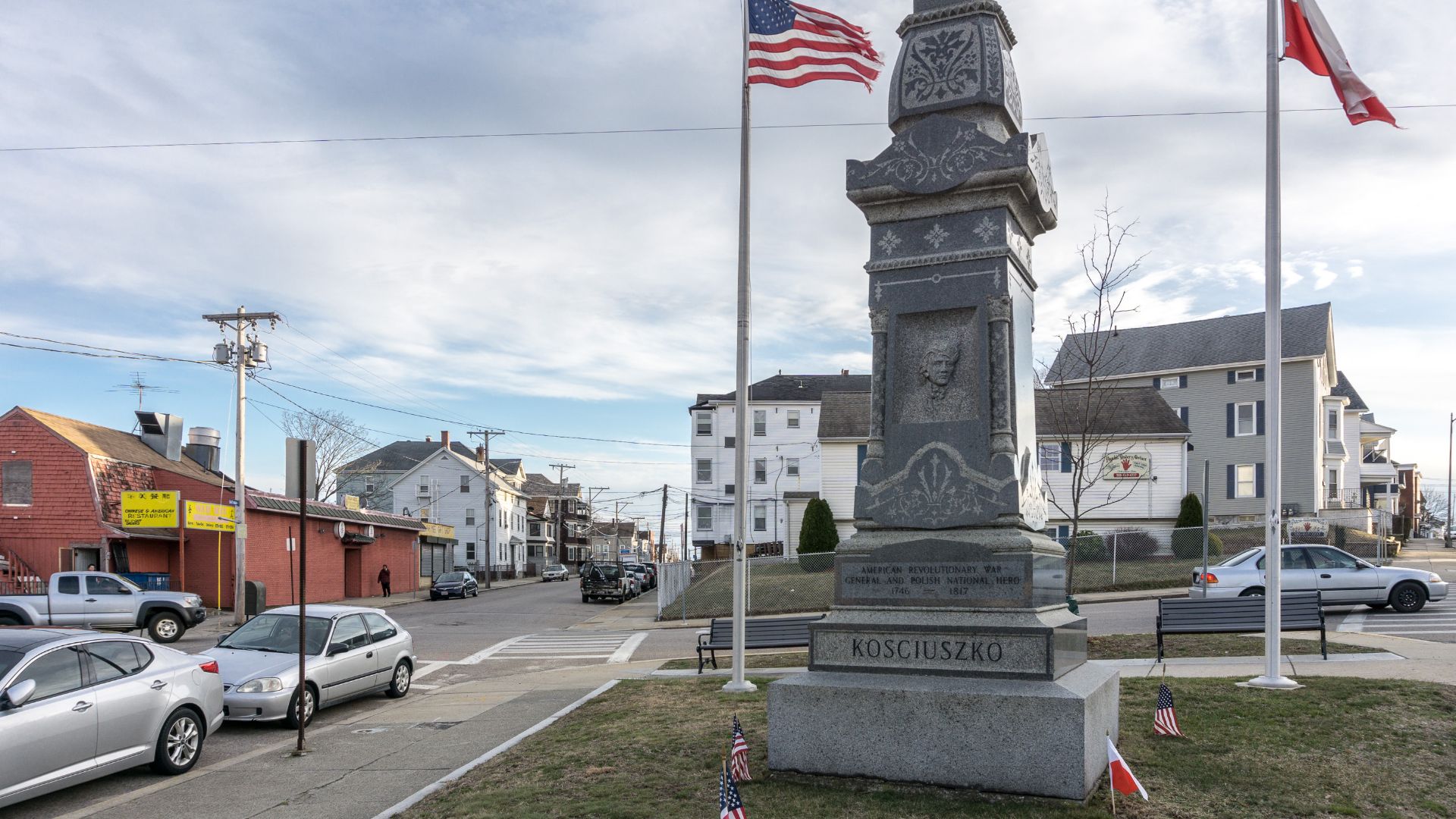 Kenneth C. Zirkel, Wikimedia Commons
Lawrence, Massachusetts Was A Planned Textile City
Lawrence was built around textile production on the Merrimack River. Its huge mills attracted immigrant workers and became the site of the famous 1912 Bread and Roses Strike. As textiles left New England, Lawrence faced the challenge of reusing its industrial landscape while preserving its labor history.
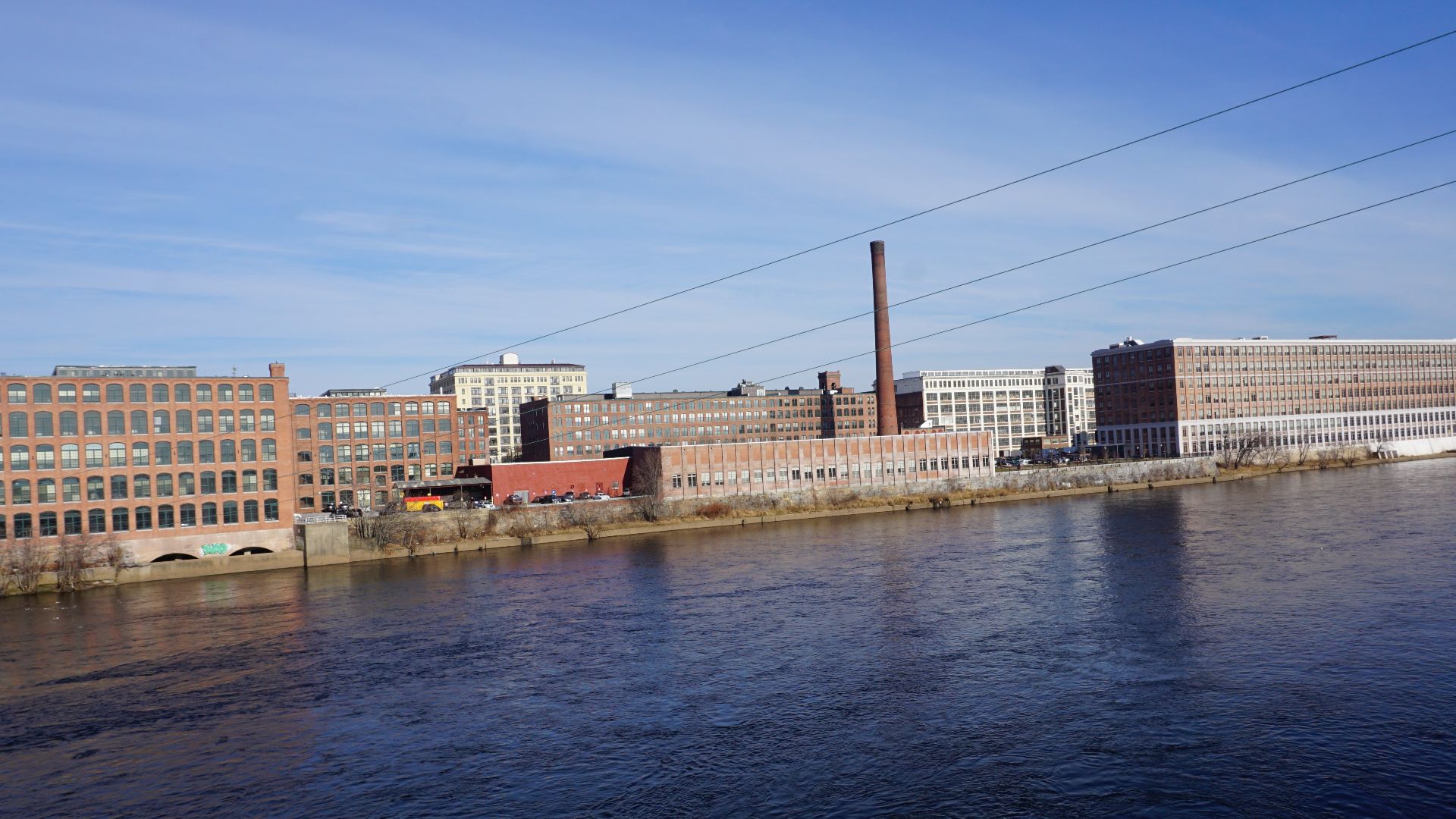 Terageorge~commonswiki, Wikimedia Commons
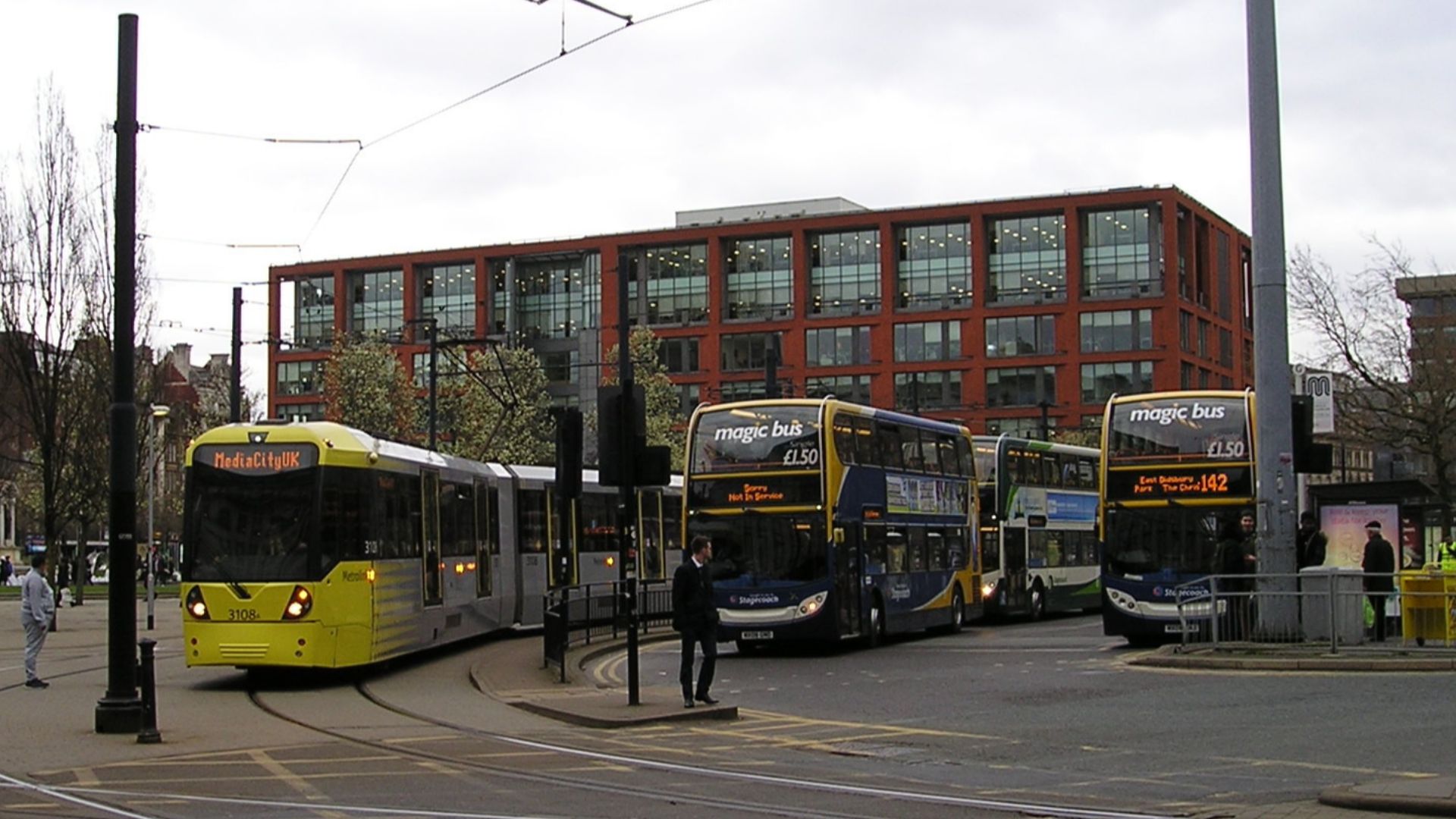
Manchester, England Was Cotton's Global Capital
Manchester became synonymous with cotton during the Industrial Revolution. Warehouses, canals, mills, and worker housing turned it into a global manufacturing hub. When cotton manufacturing declined, the city had to transform itself through universities, media, culture, and services while still carrying the nickname Cottonopolis.
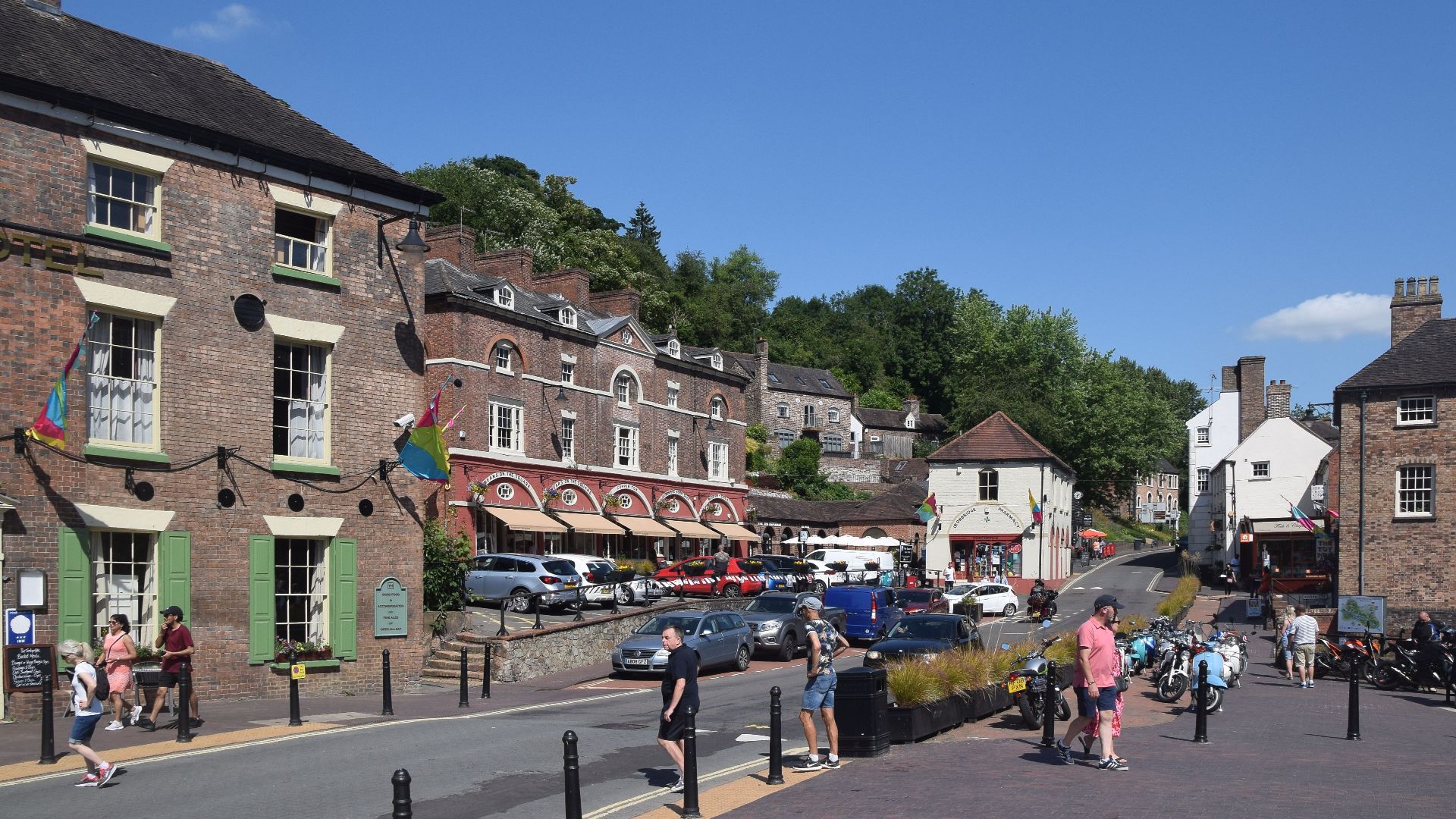
Ironbridge, England Grew Around Early Ironmaking
Ironbridge and the surrounding Severn Gorge became central to early industrial iron production. Furnaces, mines, workshops, and transport routes clustered there. As industrial methods changed and production moved elsewhere, the area's old industrial sites became heritage landmarks rather than living centers of heavy industry.
 Bill Harrison , Wikimedia Commons
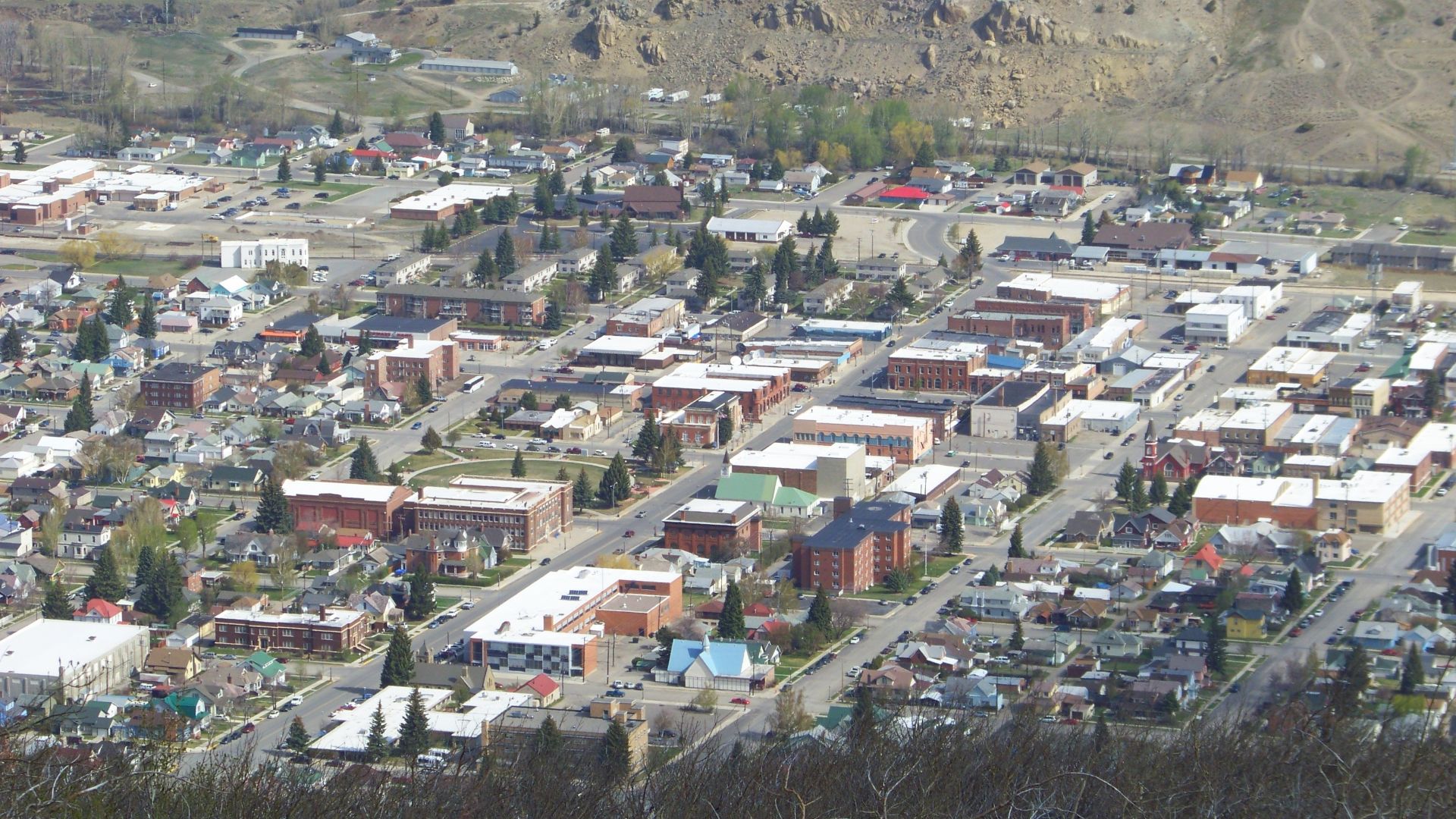
Anaconda, Montana Was Built Around Smelting
Anaconda existed largely because copper ore from Butte needed to be smelted. The Washoe Smelter dominated the town's economy and skyline for decades. When smelting ended, Anaconda was left with job losses, contaminated land, and a complicated legacy of industrial dependence.
 Mark Holloway, Wikimedia Commons
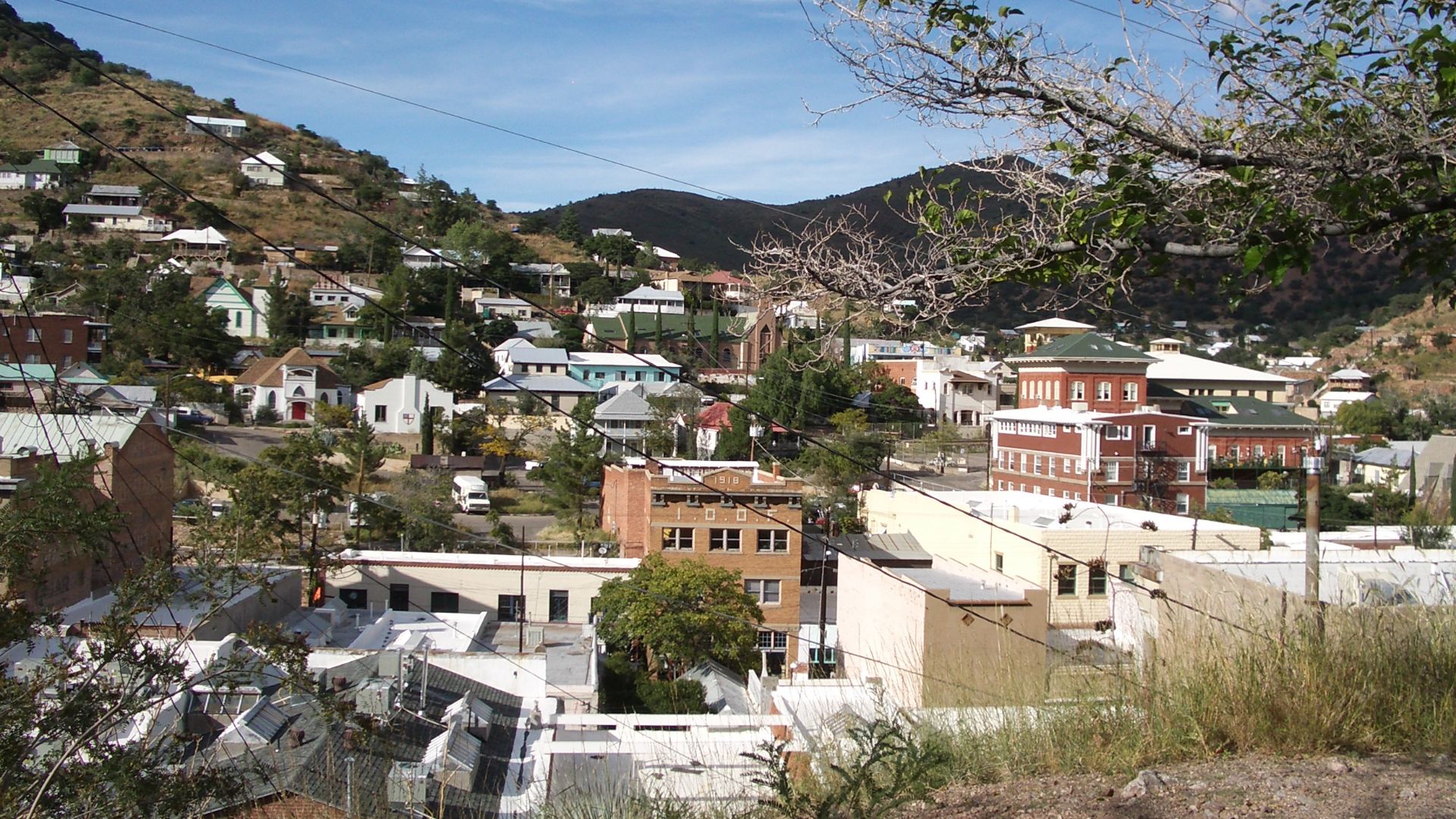
Bisbee, Arizona Was A Copper-Mining Town
Bisbee grew in the mountains of southern Arizona because of copper mining. Its steep streets, boardinghouses, and commercial district reflected the needs of miners and their families. When large-scale mining declined, Bisbee reinvented itself as an arts community and tourist destination while preserving its mining-era architecture.
 tifoultoute, Wikimedia Commons
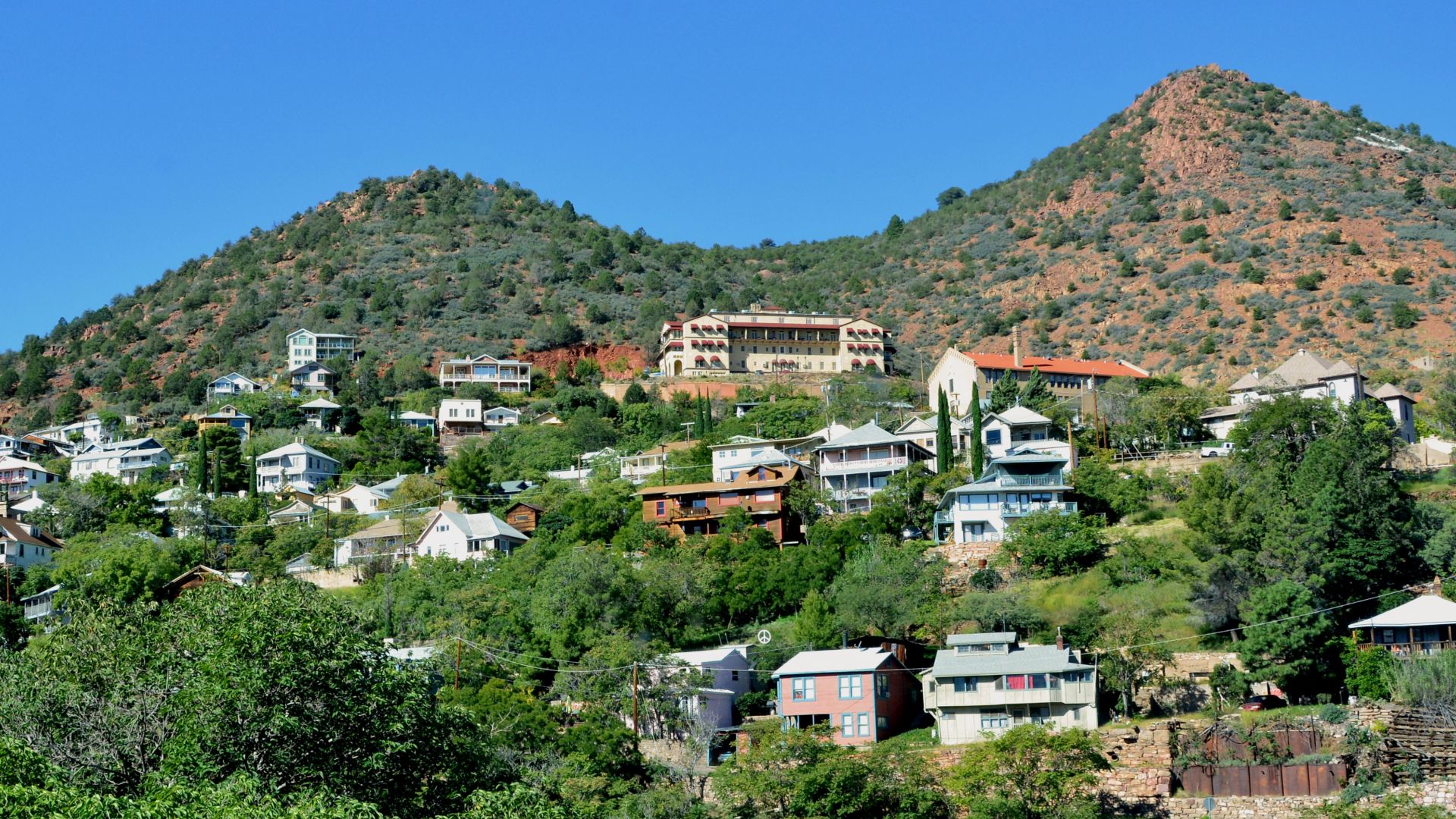
Jerome, Arizona Survived Copper's Collapse
Jerome was once a booming copper town perched on a mountainside. Mining money supported hotels, saloons, stores, and thousands of residents. When the mines closed in the 1950s, Jerome nearly emptied out. Artists, preservationists, and tourists later helped turn the former mining town into a historic attraction.
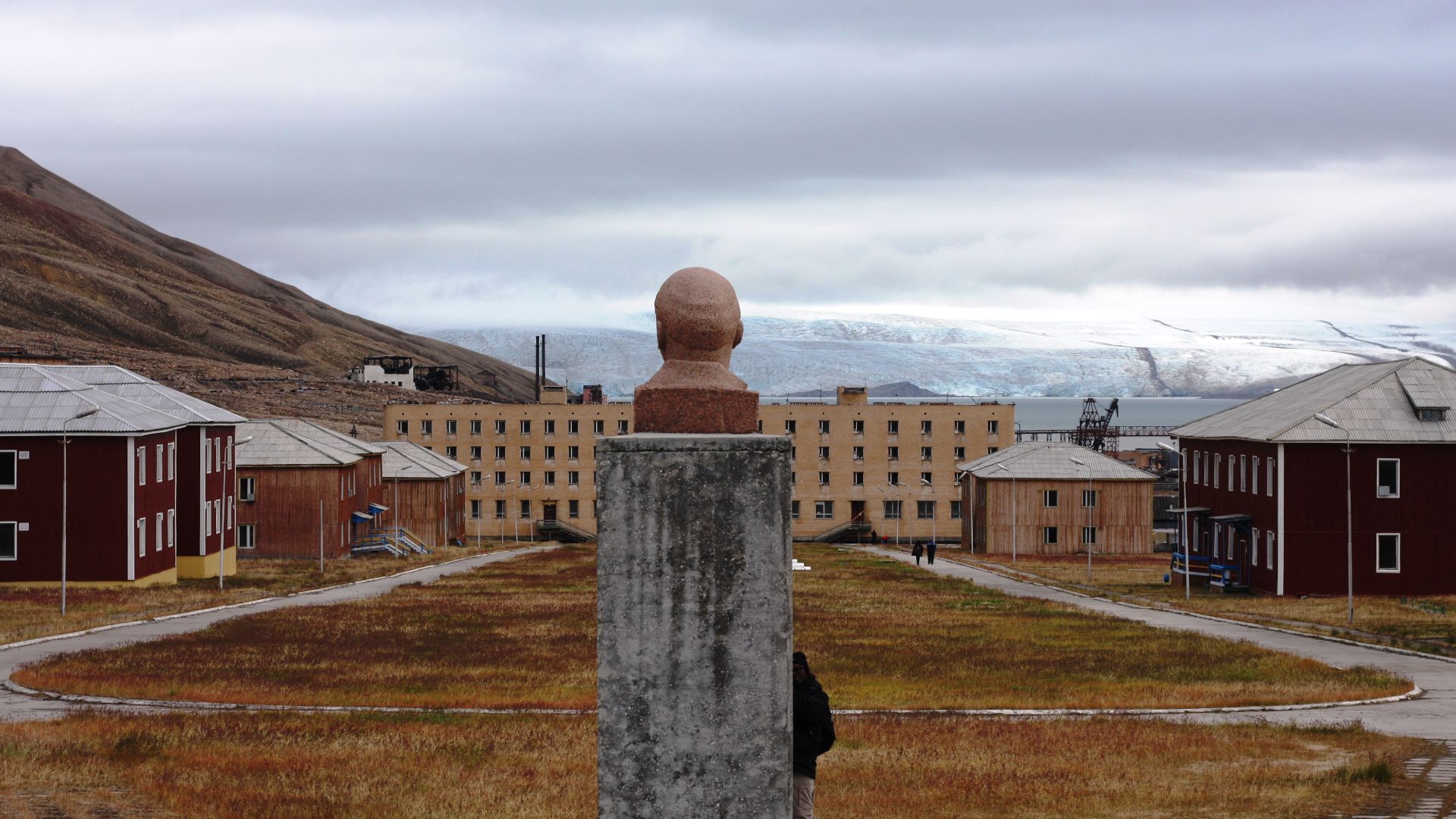
Pyramiden, Svalbard Was A Soviet Coal Town In The Arctic
Pyramiden was a Soviet mining settlement built around coal extraction in the high Arctic. It had apartment blocks, a cultural center, sports facilities, and a school despite its remote location. When coal operations stopped in 1998, most residents left, leaving behind an unusually well-preserved industrial time capsule.
Some Industry Towns Found New Lives
Not every industry-built community became abandoned. Some reused mills as apartments, turned mines into museums, or remade factory districts into cultural spaces. Still, these places carry deep memories of the industries that created them, and their streets often reveal how completely work once shaped community life.
You May Also Like:
Is Exercising At Home Cheaper Than A Gym Membership?
30-Year-Olds Need To Invest This Much Money Each Month To Become A Millionaire
A Guide To Building Your Emergency Fund
Sources: 1, 2, 3, 4, 5, 6, 7, 8, 9, 10, 11, 12, 13, 14, 15, 16, 17, 18, 19, 20, 21, 22, 23, 24,