Gold’s Worst Drop In 12 Years
Markets woke up to a shock when gold logged its steepest slide in over a decade, sending traders scrambling for safer strategies. This tumble created a ripple across commodities that hinted at a cycle shift.
Spot Prices Breach $2,000 Floor
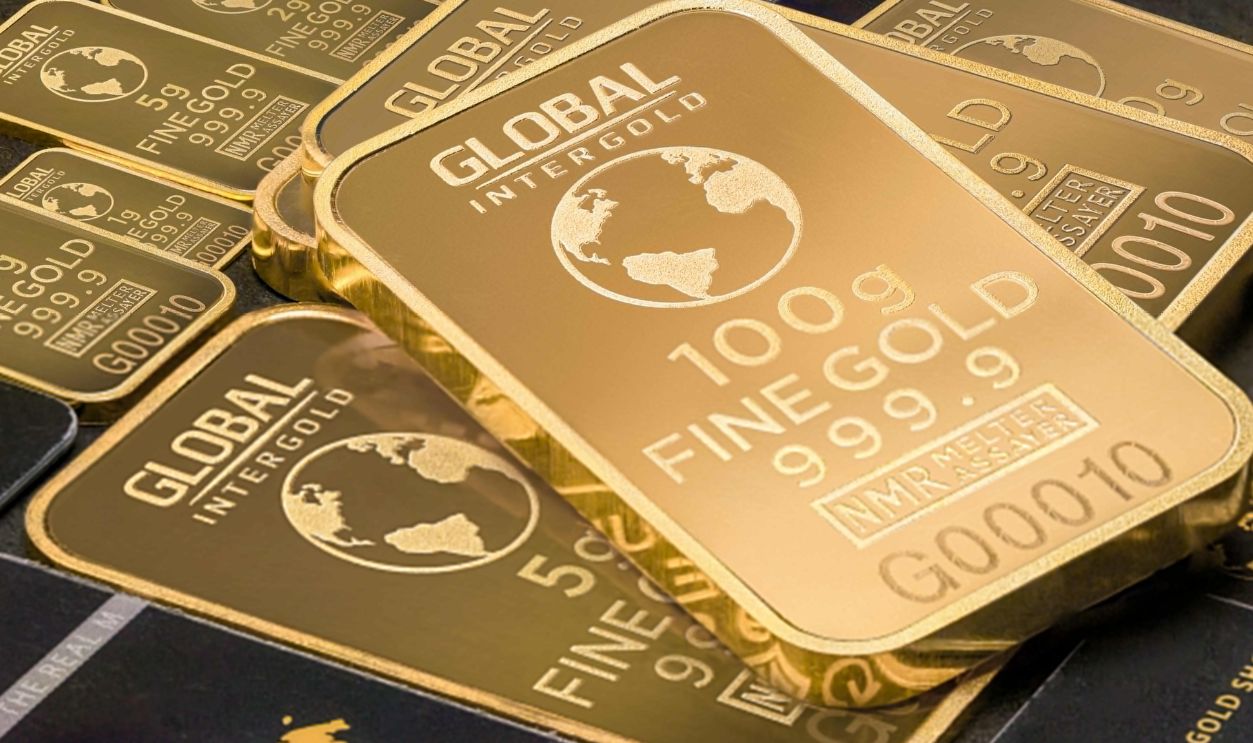
The recent break below $2,000 shifted gold’s narrative entirely. What once acted as a strong base now hints at waning strength. As spot prices tested lower zones, investors took the signal as a warning to tread carefully.

ETF Outflows Accelerate
Money began streaming out of gold-backed ETFs, signaling cooling enthusiasm among passive investors. Funds that once soaked up relentless demand now report consistent redemptions. This trend shows waning confidence in sustained upside, and capital appears to migrate toward income-producing assets.
Volatility Returns
Sudden price swings swept through gold charts as nervous participants placed defensive orders. Stability once made gold feel comfortable for hedgers. Recently though, intraday spikes mirror an uncertain mood that hints at uneasy positioning among traders trying to read shifting macro signals.
Futures Turn Bearish
In futures markets, contracts shifted toward a more cautious tone, with traders adjusting exposure. Many are positioned for potential pullbacks instead of chasing rallies. That pivot usually forms when optimism fades and participants expect quieter performance, rather than runaway price expansion.

Bill Gross Calls The Top
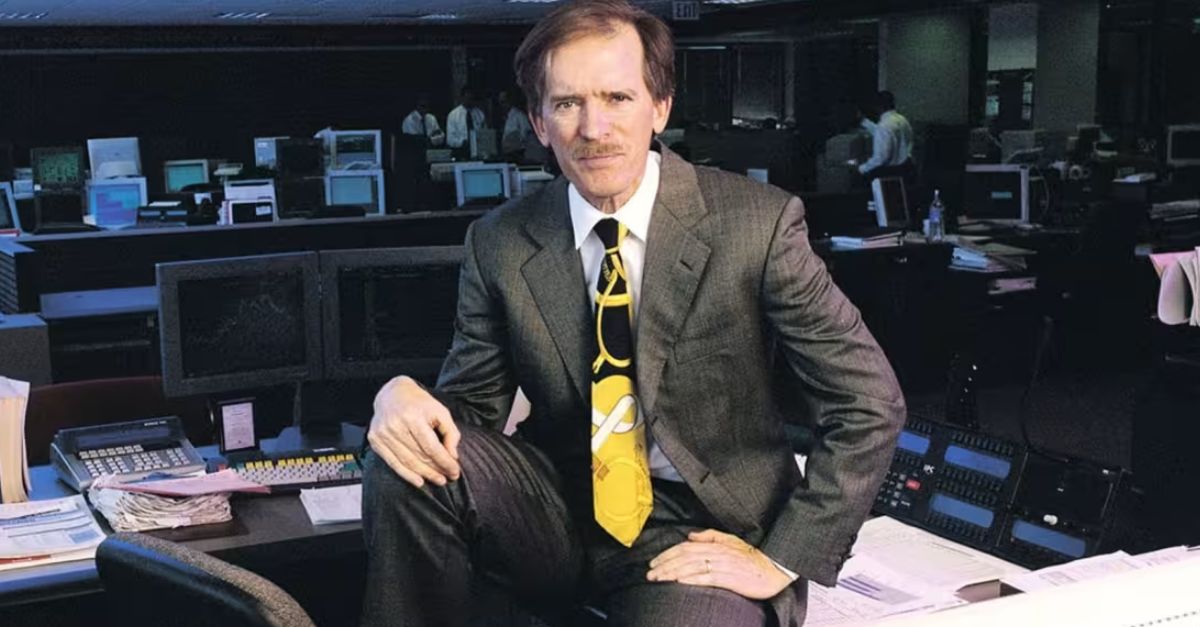
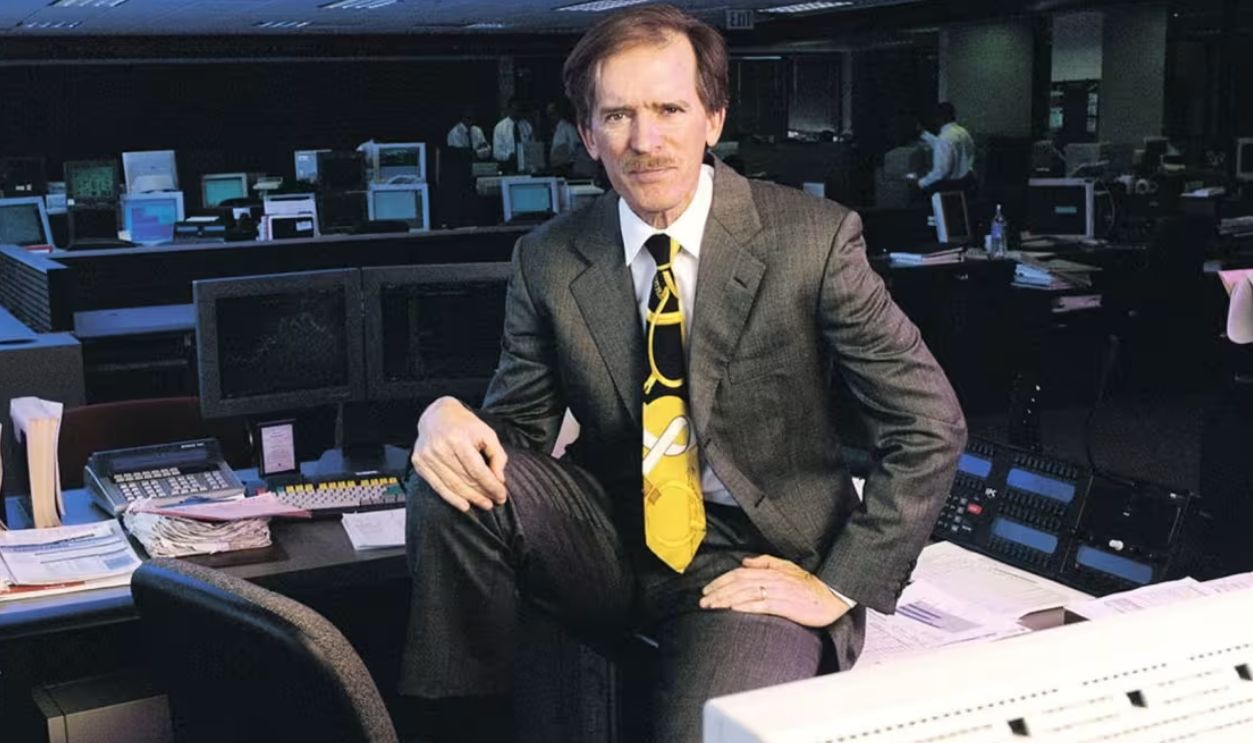
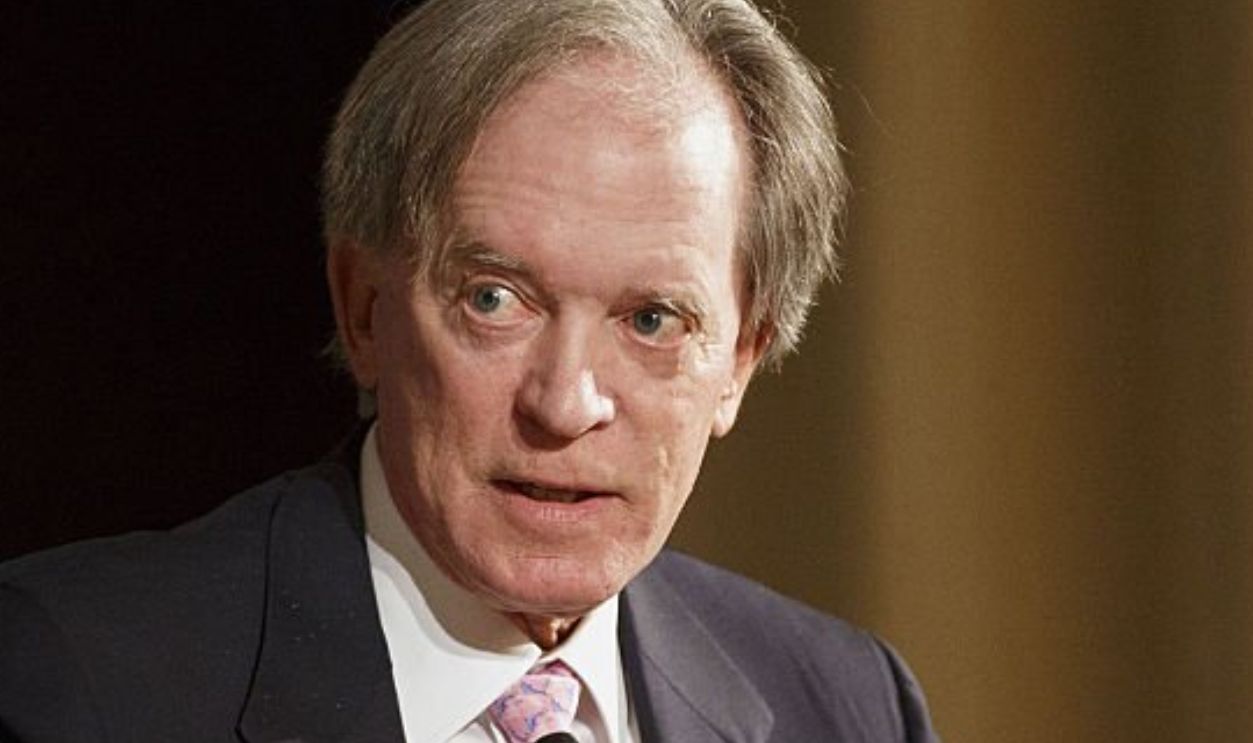
Legendary investor Bill Gross weighed in with a sharp take, suggesting gold had already peaked. His remarks carry weight across financial circles, and his stance turned many heads. Once he voiced caution, conversations across desks quickly shifted toward preservation of gains.
Hedge Funds Exit Positions
Large funds trimmed exposure instead of building fresh stakes, which indicates sharper tactical discipline. As portfolios rotated toward assets offering yield and growth prospects, gold allocations shrank. The shift hints at institutional rotation and reduced conviction in prolonged strength.
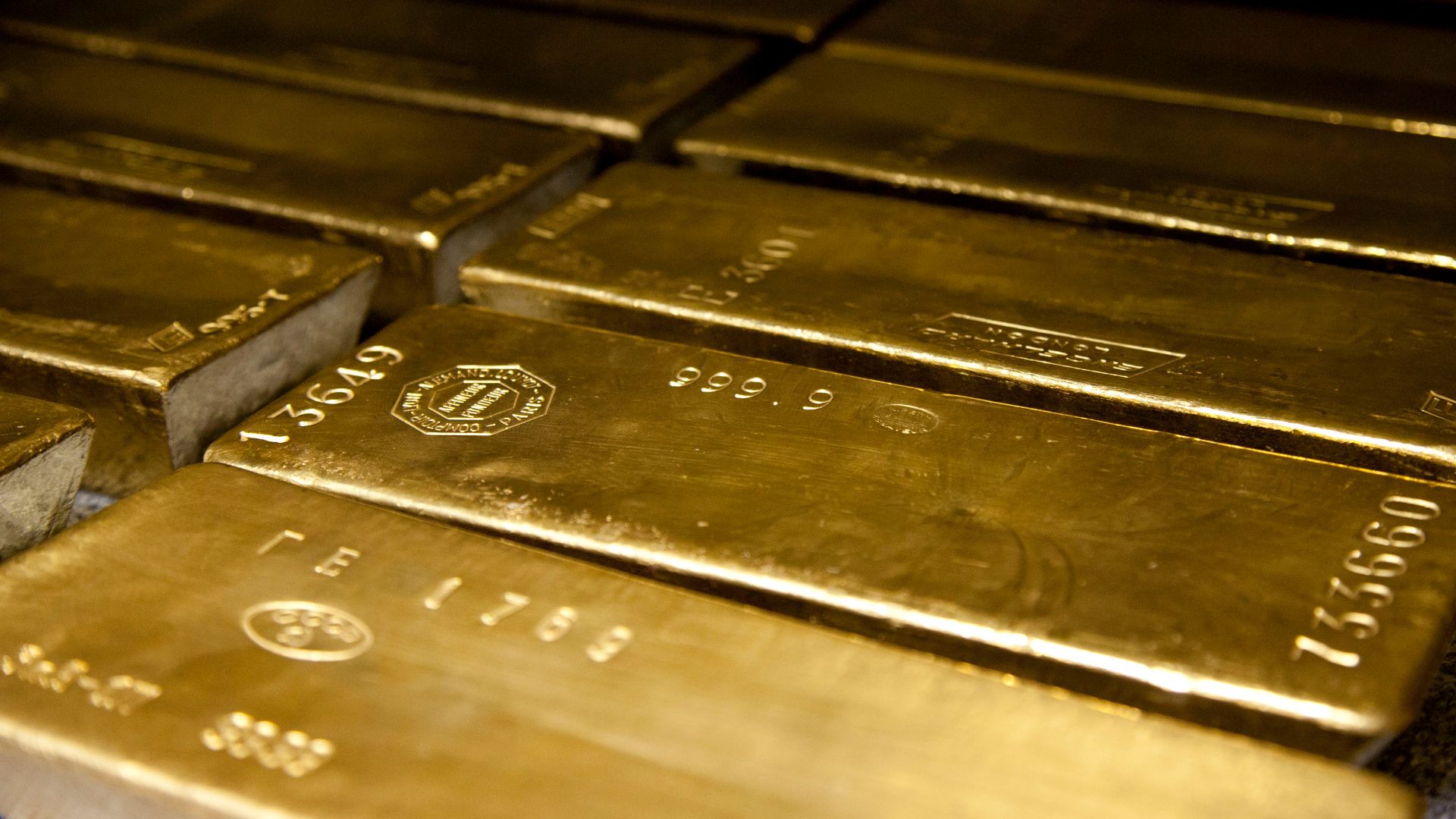 Chepry 💬 (Andrzej Barabasz) 📷 🇵🇱, Wikimedia Commons
Retail Sentiment Sours
Regular investors once filled forums with confident gold chatter. But recently, the tone shifted toward hesitation and mild frustration. This change in mood reflects fading excitement, creating a feedback loop as newcomers explore alternatives and long-time holders reassess expectations around performance.

Analysts Cut Price Targets
Market research desks trimmed future projections to adjust with updated economic signals. Many now frame gold’s path with a more tempered outlook. Such revisions shape sentiment across brokers and investors, reinforcing the view that exuberance gave way to disciplined forecasting.

Rising Yields Hurt Gold
Government bond yields climbed by offering an attractive interest income. This shift naturally draws money away from gold, which does not provide cash flow. Higher yields usually encourage capital rotation toward income opportunities, especially in periods where growth prospects feel healthy.

Strong Dollar Weighs On Prices
The dollar strengthened and created a headwind for gold priced in greenbacks. As global demand reacts to currency strength, bullion becomes costlier abroad. Investors typically track this relationship closely, and recent dollar resilience added pressure on already hesitant buyers.
Real Rates Turn Positive
Real interest rates rose above zero in key economies. With inflation-adjusted returns improving, investors feel comfortable holding cash-like assets rather than storing value in metals. This shift historically signals a challenging phase for gold performance and demand.

Inflation Hedge Narrative Fades
Once seen as the ultimate inflation shield, gold faces fresh scrutiny. Inflation eased across major economies, and alternative hedges such as TIPS and dividend assets gained attention. As inflation anxiety cools, gold’s most popular argument has lost some urgency.
Liquidity Drains From Commodities
Gold’s grip on speculative money loosened once capital flowed toward flashier markets. Energy, tech, and credit offered momentum the metal couldn’t match. Commodity desks slowed, and gold’s role as a trading favorite quietly slipped into the background.
China Demand Slows
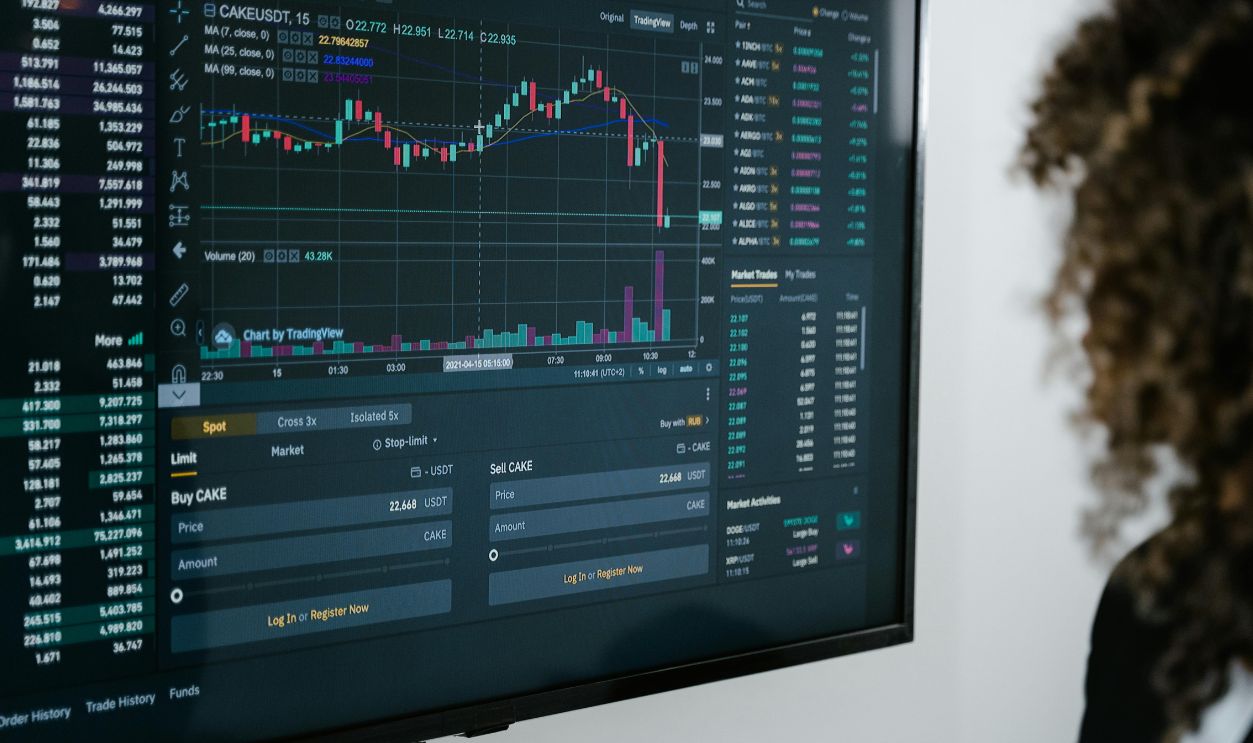
China historically anchors global gold consumption, so softer demand raised eyebrows across commodity desks. Recent figures show reduced jewelry and investment purchases as households prioritize savings and domestic opportunities. This cooling appetite shifted market psychology and created caution among international traders.
 ahenobarbus, Wikimedia Commons
India’s Festive Buying Drops
Seasonal buying in India often supports gold during peak months. But this year, enthusiasm eased as higher prices earlier in the year discouraged shoppers. Jewelers reported softer foot traffic and cautious stocking patterns that reveal how cultural demand sometimes bends under financial strain.
 Littératureetsociété, Wikimedia Commons
Crypto Steals The Spotlight
Gold’s dominance as an alternative asset faced new rivals in the crypto world. Digital tokens absorbed speculative energy and liquidity to leave the metal in a quieter corner of portfolios. The contrast in speed and excitement worked against gold’s appeal.

Industrial Metals Outperform
Industrial metals like copper and nickel surged due to manufacturing growth and EV-related demand. Their upward momentum attracted commodity funds eager for cyclical exposure. As performance aligns with real economic activity, traders chase those gains instead of allocating heavily to gold.
 BP63Vincent, Wikimedia Commons
Support Levels Breached
Technical analysts watched key price floors give way during recent sessions. When markets crack through support, sentiment often flips quickly. This technical action encouraged algorithms and discretionary traders to pause long trades and explore defensive positioning across portfolios.

Mining Stocks Lag
Shares of gold miners trailed broader equity benchmarks, even during brief metal rebounds. That underperformance suggested limited conviction among equity investors. Since miners offer leveraged exposure to bullion, their weakness amplified the message that enthusiasm thinned across the ecosystem.

Open Interest Declines
Futures participation dipped as traders unwound positions. Lower open interest usually points toward reduced conviction and fewer directional bets. With less speculative energy, price swings rely more on fundamentals, which reflected a cooling phase rather than speculative heat.

Bearish Chart Patterns Emerge
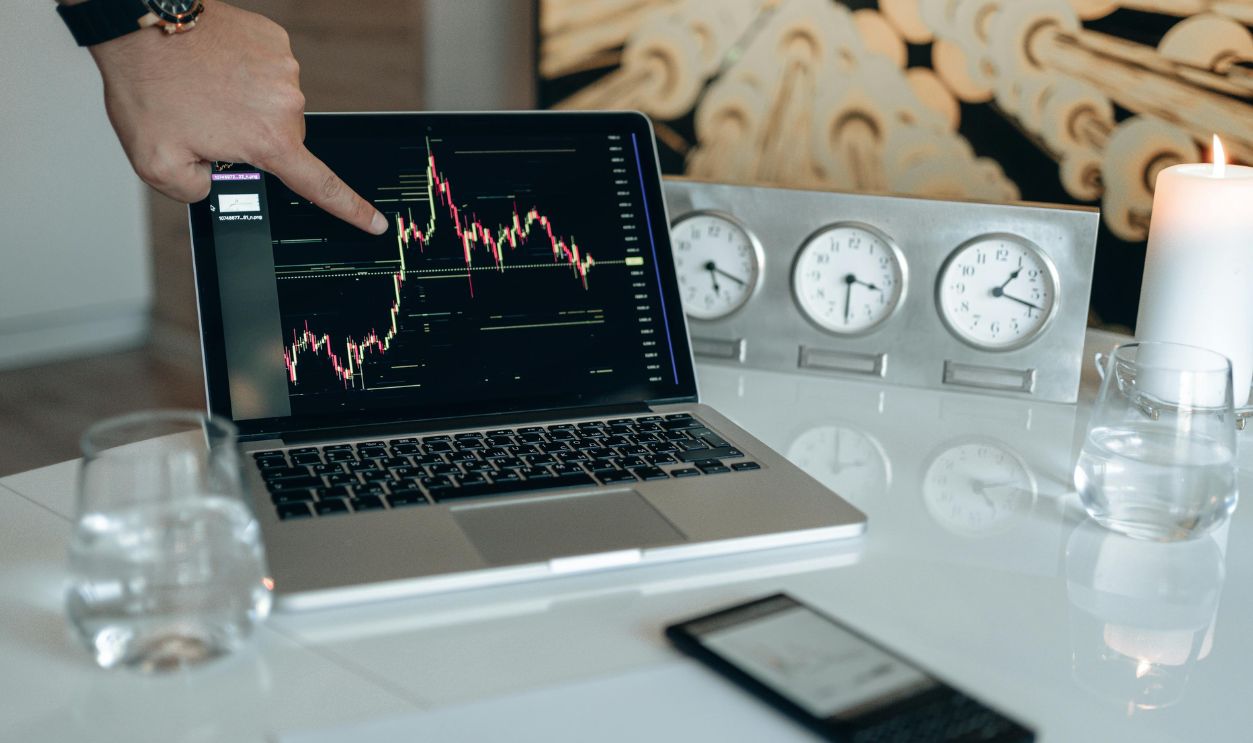
Chart watchers identified formations hinting at fatigue, including head-and-shoulder structures and lower highs. These patterns influence trading behavior, prompting participants to tighten stops and place cautious orders. As technical signals accumulate, momentum traders step back from aggressive entries.
Momentum Indicators Flash Red
Popular momentum tools, such as RSI and MACD, signaled exhaustion in recent sessions. When these gauges tilt toward weakness, discipline-focused investors often trim exposure. It amplified the perception of a cycle turn and reinforced defensive thinking across trading desks.

Equities Regain Favor
With major stock markets showing strength, capital migrated toward growth stories and dividend plays. Investors leaned into earnings prospects rather than safe-haven holdings. This shift reflects confidence in broader economic health and dampens enthusiasm for gold accumulation.

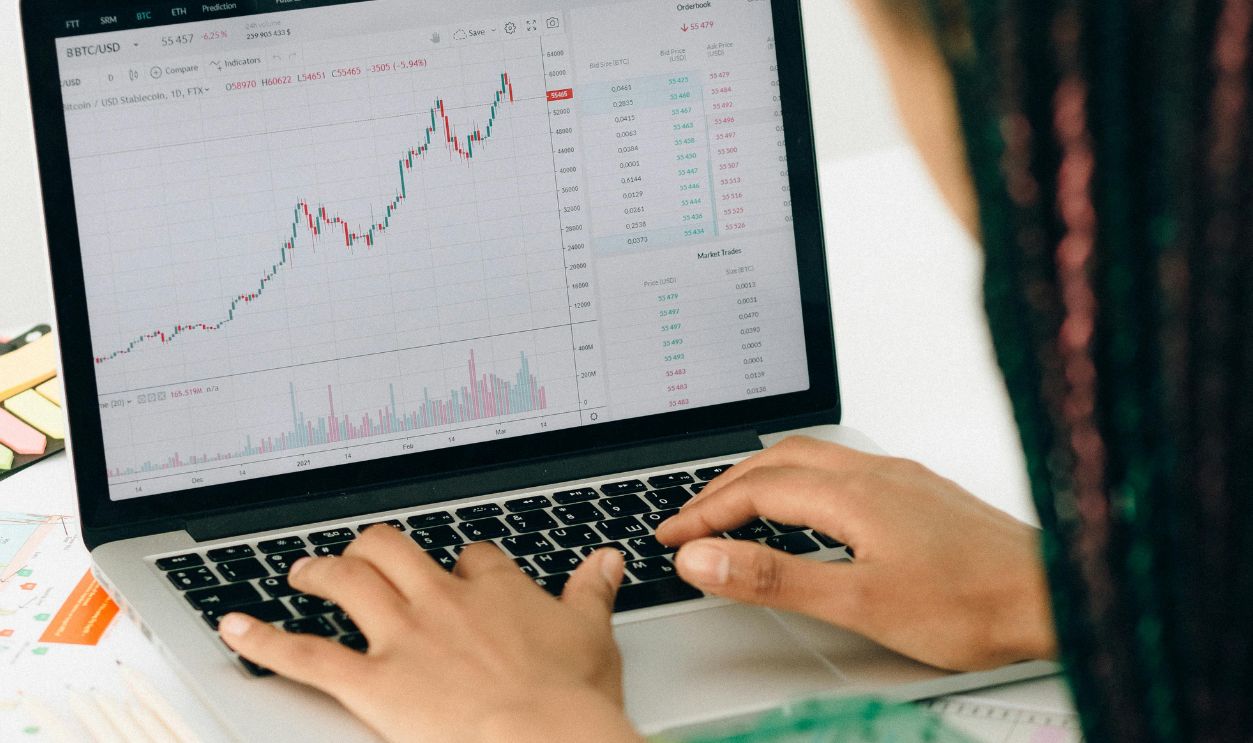
Bitcoin Outpaces Gold
Bitcoin’s returns recently exceeded gold’s performance, sparking conversations about evolving safe-haven behavior among younger participants. As digital assets deliver eye-catching rallies, some traders chase those moves. That rotation chipped away at gold’s market share in speculative portfolios.