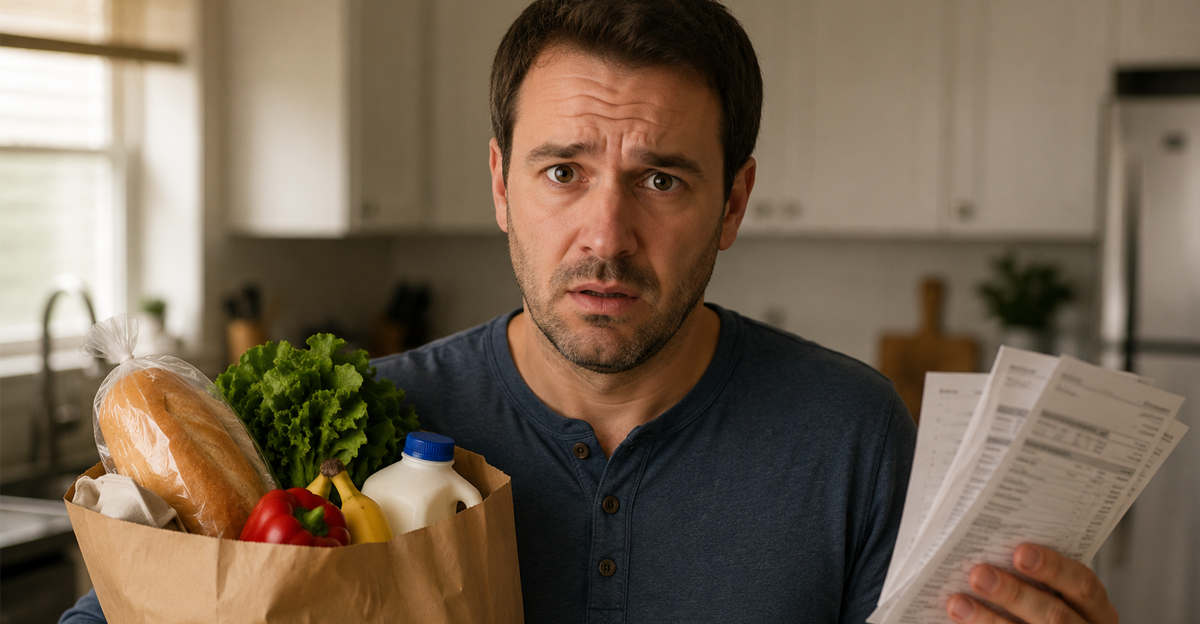

When excitement takes over, financial logic often slips into the backseat. That’s exactly what happened when the perfect seats for a long-awaited concert appeared online—close enough to grab, but far beyond the budget. Like countless people who’ve made emotional, spur-of-the-moment purchases, the choice led straight to a payday loan. It felt harmless at the time. Repayment could wait. Then the cancellation email landed, and suddenly the problem wasn’t the concert anymore—it was financial survival. Would a refund come through? And more urgently, could this detour be fixed before it grew into a real crisis? The scenario feels personal, but the underlying money mechanics are universal.
When A Canceled Concert Meets A High-Interest Loan
A canceled concert immediately shifts attention to the refund rules of ticket platforms. Most reputable companies issue refunds automatically once an event is officially called off, largely because consumer-protection regulations in many regions leave them no choice. Still, the timeline is inconsistent. Some customers see their money returned within a few days, while others wait weeks—especially when third-party resellers or payment processors are involved. That window of uncertainty becomes even more frustrating when the original purchase was made with borrowed money. The delay doesn’t mean the refund won’t come, but it does mean borrowers are left holding their breath in the meantime.
This waiting period is exactly where payday loans reveal their hardest edges. These lenders use extremely short repayment cycles (usually two to four weeks), and costs escalate quickly when borrowers can’t repay on the exact deadline. That mismatch between the slow pace of refunds and the fast demands of high-interest lenders is what triggers panic for most people stuck in this situation. But the gap doesn’t automatically lead to bankruptcy. Understanding how refund systems actually function provides a realistic timeline and resets expectations. Clarity becomes a practical safety tool, showing that the problem feels overwhelming but is rarely catastrophic.

Breaking The Payday Cycle Before It Breaks You
Even with a refund on the way, payday loan interest can chip away faster than expected. That’s why immediate action matters. Borrowers often assume they have no alternative but to wait and hope the refund lands before the lender’s deadline. In reality, the window between cancellation and refund is exactly when borrowers have the most options. Some people turn to their bank or credit union first. Many offer small personal loan products or hardship alternatives to bridge short-term financial gaps. These loans typically offer significantly lower interest rates and longer repayment periods, allowing borrowers to pay off the payday loan in full before it spirals.
Another overlooked route is discussing repayment plans directly with the payday lender. As predatory as their model can be, lenders prefer repayment to default. Many offer extended payment plans that reduce interest accumulation or break the amount into multiple smaller installments. These options are rarely advertised, but regulations in many places require lenders to offer them when borrowers express financial hardship. At the same time, monitoring the refund process is important. Filing for a refund isn’t always automatic, especially with reseller platforms. Some require customers to submit a cancellation claim, upload proof of purchase, or wait for organizer confirmation. Staying proactive keeps the process moving.
Turning A Financial Setback Into A Hard-Earned Reset
Over the next few days, the situation usually becomes clearer. Once the refund is confirmed, the numbers stop feeling abstract, and the shortfall becomes easier to calculate. Even if the returned amount doesn’t fully cover the payday loan—especially with interest added—knowing the exact gap turns a spiraling crisis into a solvable equation. High-interest loans grow dangerous when borrowers feel cornered, but a refund creates a financial anchor that can stabilize the moment. It also highlights the underlying issue: the tension between income and spending. A canceled concert simply revealed that pressure point, giving borrowers a clearer starting place for recovery.
The next step is confronting that gap directly, whether by tightening spending or rethinking the impulse-driven moments that create financial strain. A few focused months can prevent years of stress. There’s also a practical lesson in recognizing what real urgency looks like. The temptation to borrow quickly usually surfaces when emotions run high and logic slips. Yet most limited-time offers eventually return, while payday loan interest keeps climbing without pause. Learning to wait, even briefly, can alter the financial trajectory of an entire year. With that awareness, the next big purchase feels less like a trap and more like a choice made with steadier judgment.