
What Happens When Digital Money Gets Locked Away?
Many families discover only after a loved one dies that a significant portion of their finances existed entirely online. That can include bank accounts, brokerage accounts, retirement plans, cryptocurrency, payment apps, and rewards programs. If nobody knows the passwords or recovery methods, recovering those assets can become a stressful and expensive process. The good news is that inaccessible does not always mean lost, but the outcome depends on what type of account is involved and how well the deceased planned ahead. Factinate Ltd.
Digital Assets Mean More Than Cryptocurrency
Many people hear "digital assets" and think only of Bitcoin. In reality, digital financial assets also include online bank accounts, investment accounts, retirement plans, digital payment services, and online savings platforms. Some loyalty points and stored value accounts can also have financial value depending on the provider.
The Money Does Not Simply Disappear
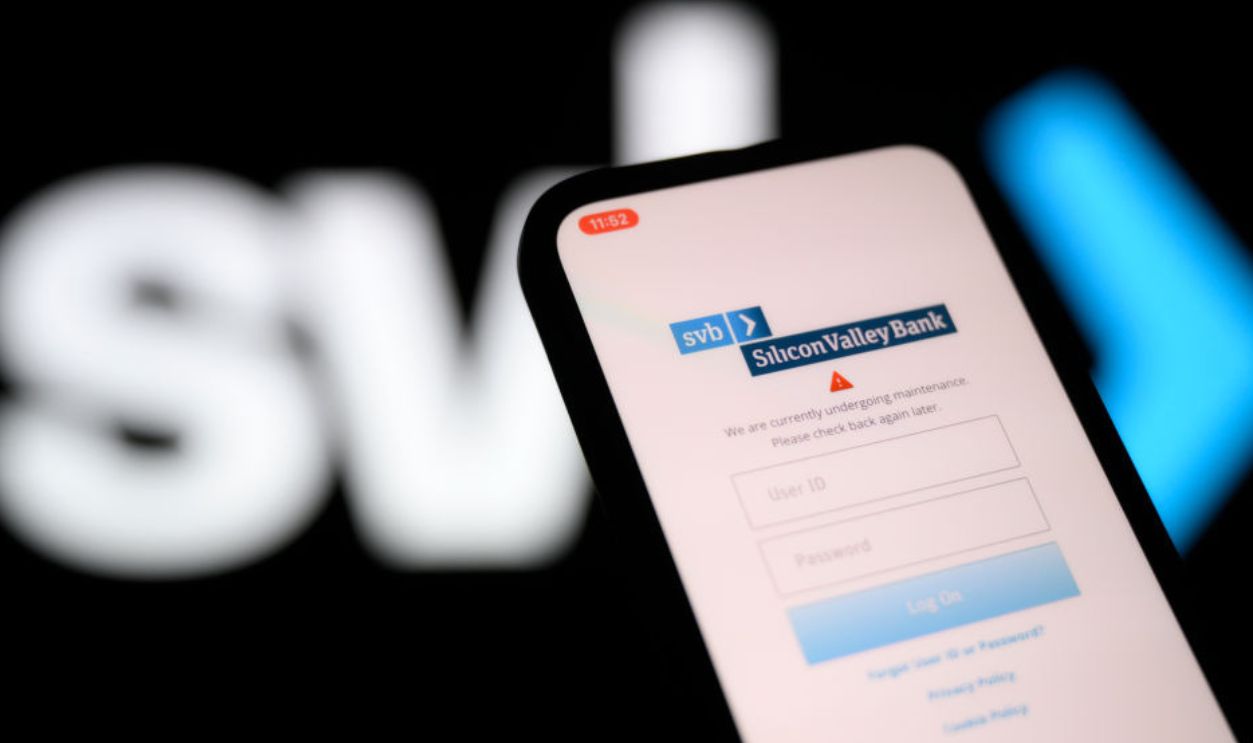
A person's death does not automatically erase ownership of legitimate financial assets. Those assets generally become part of the person's estate and are distributed according to a will or applicable inheritance laws. The challenge is often proving ownership and gaining access rather than determining who owns the money.

Passwords Are Only Part Of The Problem
Knowing a password is not always enough to access a deceased person's account legally. Financial institutions typically freeze or restrict access after learning of a customer's death until proper estate documentation is provided. That helps protect both the estate and the institution from fraud.

Banks Have Established Procedures
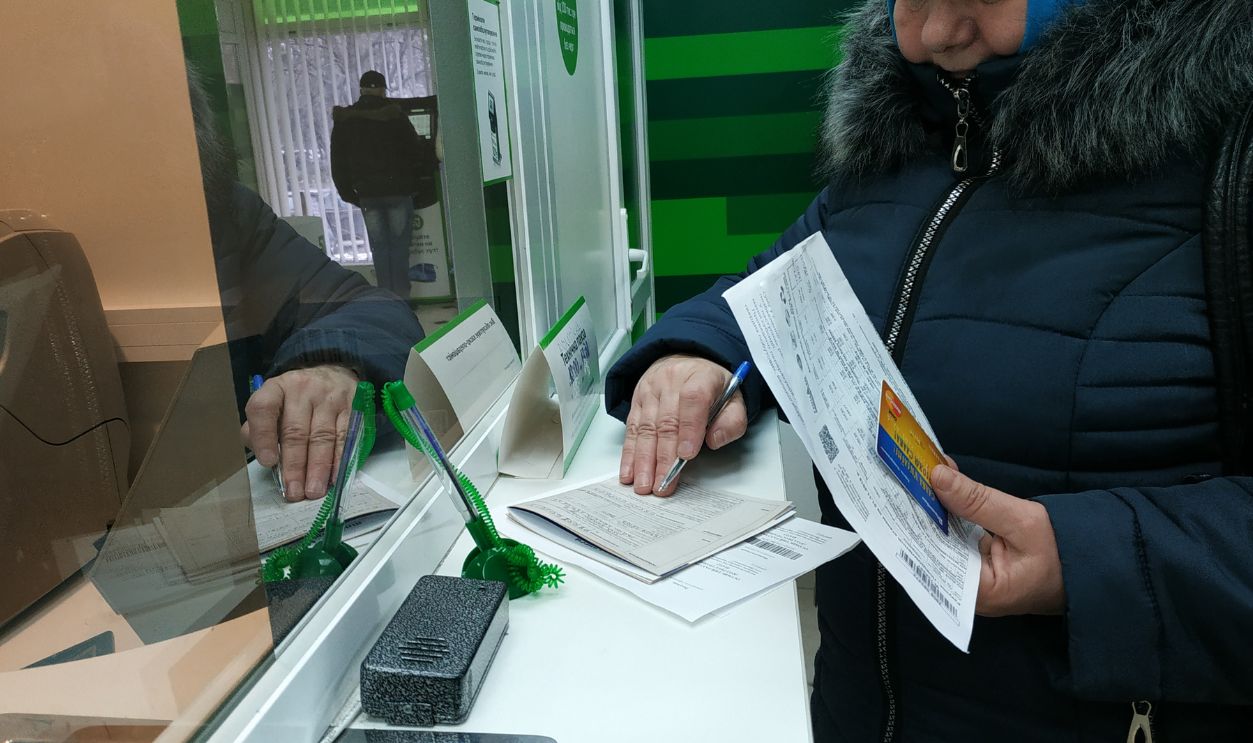
Traditional banks routinely deal with deceased customers' accounts. Executors or estate administrators generally provide documents such as a death certificate and court paperwork before funds can be transferred. Each institution has its own requirements, but the process is well established.
Brokerage Accounts Follow Similar Rules
Investment firms also have procedures for handling accounts after a client's death. Stocks, mutual funds, bonds, and exchange traded funds usually transfer through the estate or directly to named beneficiaries if one has been designated. The account may remain temporarily restricted while ownership is verified.

Beneficiary Designations Can Speed Things Up
Many retirement accounts and some financial accounts allow owners to name beneficiaries. When those designations are current and valid, assets often pass directly to the beneficiary without going through the full probate process. That can significantly reduce delays.

Forgotten Accounts Can Still Be Found
Executors are expected to identify estate assets, even if family members are unaware of every account. Financial statements, tax returns, email records, and credit reports can all provide clues about hidden accounts. Missing money sometimes turns up months after an estate process begins.

Cryptocurrency Creates Unique Challenges
Cryptocurrency works differently from traditional financial accounts. Ownership is controlled through private keys or recovery phrases rather than simply proving legal identity. Without those credentials, even rightful heirs may be unable to access the assets.

Some Crypto Can Be Lost Forever
If cryptocurrency is stored in a private wallet and nobody has the recovery phrase, there may be no practical way to recover it. Blockchain systems are intentionally designed without a central authority that can reset passwords. As a result, some crypto holdings have become permanently inaccessible.

Exchange Accounts Offer More Options
Cryptocurrency held through regulated exchanges may be easier for heirs to recover. Many exchanges have estate procedures that allow verified executors or beneficiaries to request access after submitting legal documentation. The exact process varies by platform.

Online Payment Apps Require Documentation
Payment services such as PayPal also have procedures for deceased account holders. Executors generally must submit legal documents before balances can be released or accounts closed. Simply knowing the login credentials may not satisfy the company's legal obligations.

Digital Wallets Are Not All The Same
Some digital wallets are controlled entirely by the user. Others are managed by financial companies that can assist verified heirs. Understanding whether a wallet is custodial or self custodial makes a major difference during estate administration.

State Laws Matter
In the United States, many states have adopted versions of the Revised Uniform Fiduciary Access to Digital Assets Act. This law helps define when executors and other fiduciaries may access certain digital assets while balancing privacy protections. The exact rules still vary by state.

Privacy Rules Can Slow Everything Down
Financial companies must protect customer privacy, even after death. Executors often need official legal authority before institutions will discuss account details. This can delay access even when family members know money exists.

Email Accounts May Hold Important Clues
A deceased person's email often contains account statements, tax documents, and financial notifications. Accessing those emails is not always straightforward because providers have their own legal policies. That can complicate efforts to identify missing assets.

Digital Records Can Simplify Recovery
People who maintain organized records leave their families with a much easier task. A secure inventory listing financial institutions, account types, and contact information can save months of investigation. Passwords should be stored securely rather than written into a will.

Wills Alone May Not Be Enough
A will can specify who should inherit digital assets, but it does not provide technical access. Cryptocurrency still requires wallet credentials, and online accounts often require separate legal verification. Estate planning should address both legal ownership and practical access.

Naming The Right Executor Matters
Some estates include complicated digital investments and online financial accounts. Choosing an executor who is comfortable handling modern financial technology can reduce mistakes and delays. Professional assistance may also be appropriate for larger estates.

Unclaimed Money May Eventually Move To The State
If bank accounts remain dormant long enough and nobody claims them, many jurisdictions require financial institutions to transfer those funds to state unclaimed property programs. Heirs may still be able to recover the money later by proving ownership through the appropriate government office.

Not Every Digital Asset Has Cash Value
Some online accounts contain sentimental information rather than financial assets. Others, such as certain loyalty rewards or digital licenses, may not be transferable after death because of contractual terms. Reading the provider's policies is important.

Planning Ahead Protects Your Family
Creating an inventory of financial accounts can make estate administration far easier. Many financial planners recommend documenting account locations, trusted contacts, and recovery methods in a secure place. The goal is to help heirs locate assets without exposing sensitive information during your lifetime.

Password Managers Can Help
Many password managers include emergency access or legacy features. These tools allow trusted individuals to obtain access under specific conditions while maintaining security during the account owner's lifetime. They can be useful as part of a broader estate plan.

Technology Companies Now Offer Legacy Tools
Some technology companies let users plan for what happens to their accounts after death. Google offers Inactive Account Manager, while Apple provides Legacy Contact for eligible accounts. These tools can simplify access to important digital information for trusted individuals.

Professional Advice Is Often Worthwhile
Estate attorneys and financial planners increasingly address digital assets as part of comprehensive estate planning. They can help coordinate wills, beneficiary designations, trusts, and digital access plans. That reduces the risk of valuable assets becoming inaccessible.

The Best Time To Prepare Is Before It Is Needed
Recovering inaccessible digital financial accounts after someone dies can range from relatively simple to nearly impossible. Traditional financial institutions usually have established estate procedures, while self managed cryptocurrency can be permanently lost without recovery credentials. Careful planning today gives loved ones the best chance of accessing every asset tomorrow.

You May Also Like: