
A contractor confidently tells you that new windows, upgraded insulation, or a high-efficiency heating system will “pay for itself.” While he might sound reassuring, there is one question homeowners often forget to ask: when? An improvement can genuinely reduce your bills and still take 20, 30, or even 40 years to recover what you spent.
Start With Simple Payback
The basic calculation isn't complicated. Divide the upfront cost of an improvement by its expected annual savings.
Spend $12,000 and save $400 per year, for example, and your simple payback period is 30 years. That doesn't automatically make the project a bad investment, but it definitely puts the phrase “pays for itself” into perspective.
Windows Are A Classic Example
Replacement windows can absolutely reduce energy use. ENERGY STAR says replacing single-pane windows with certified models can lower household energy bills by an average of up to 13% nationwide. Its estimates have also put typical savings from replacing poorly performing windows at roughly $200 to $600 annually, depending on climate and existing windows.
But replacing windows throughout a house can cost thousands or tens of thousands of dollars. If your existing windows aren't especially inefficient, energy savings alone may take a very long time to recover that expense.
Fix The Cheap Leaks
That's why less glamorous improvements can sometimes deliver better financial returns.
Before replacing major components, look for inexpensive ways your house is wasting energy. Air sealing and insulation can address heat loss without requiring you to replace perfectly functional windows or equipment. A professional energy audit can identify which improvements are likely to produce the most meaningful savings rather than simply guessing where your money should go.
The key here is to fix the actual problem, not to buy the most impressive solution.
Efficiency Isn't The Whole Return
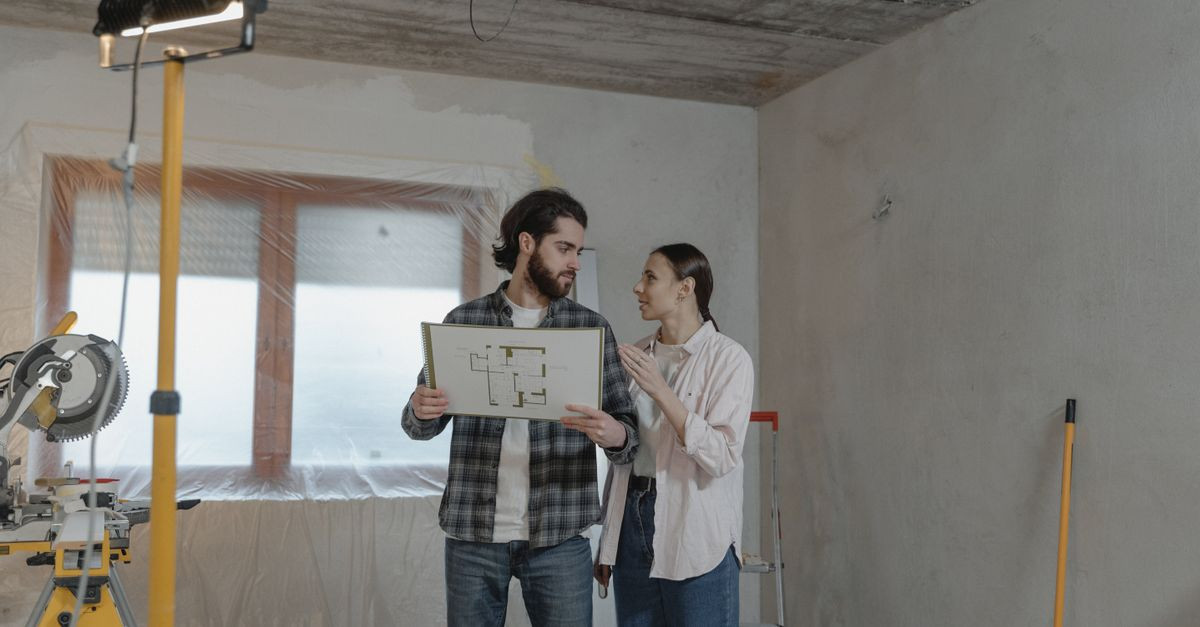
Simple payback also has limitations. Suppose your aging furnace needs replacement anyway. Comparing the entire cost of a new high-efficiency furnace against its energy savings isn't necessarily fair because you already needed to buy a furnace anyway.
Instead, compare the extra cost of choosing the more efficient model with the extra savings it should generate. That incremental calculation can make an efficiency upgrade look a lot more sensible.
Comfort Has Financial Value
Not every benefit shows up on the utility bill.
New windows may reduce drafts and outside noise. Insulation can make upstairs bedrooms more comfortable. A heat pump may provide both heating and cooling. Improvements can also replace aging equipment before an inconvenient breakdown.
Those benefits are real. Just don't confuse them with a financial return. Spending $15,000 because you want a quieter, more comfortable house can be perfectly reasonable without pretending you'll recover every dollar through lower electricity bills.

Don't Assume Resale Saves You
Homeowners sometimes justify a marginal project by assuming they'll simply recover the cost when they sell.
Some improvements certainly make a house more attractive to buyers, but resale value isn't guaranteed to equal installation cost. Local housing conditions, workmanship, design choices, and how long you remain in the home all matter.
If you're likely to move in five years, a project with a 25-year energy payback deserves especially careful consideration.
Incentives Change The Math
Rebates, utility programs, and tax incentives can dramatically shorten a project's payback period, so always investigate what's currently available before signing a contract.
But check the dates carefully. The federal Energy Efficient Home Improvement Credit that previously covered qualifying windows, insulation, heat pumps, and other improvements ended for property placed in service after December 31, 2025. The Residential Clean Energy Credit likewise ended for expenditures made after that date under current federal law.
State, local, manufacturer, and utility incentives may still be available.
 Vodafone x Rankin everyone.connected, Pexels
Calculate Before You Upgrade
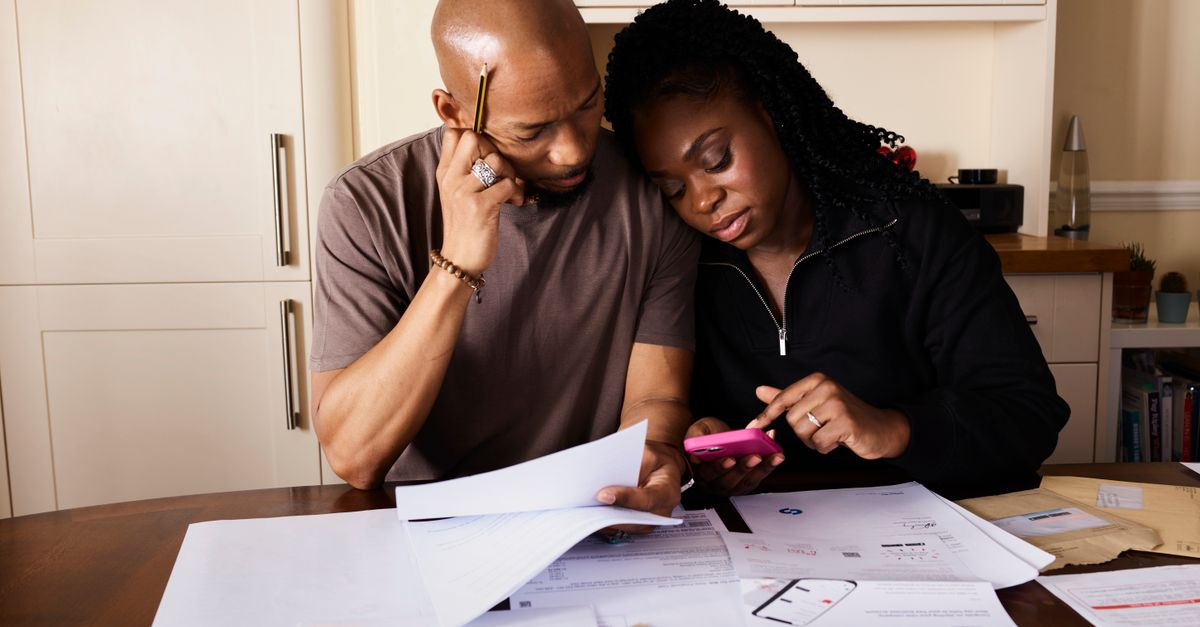
Before you approve a supposedly money-saving project, ask for the installed price, realistic annual savings, expected lifespan, maintenance costs, and available incentives. Then calculate the payback yourself.
Most importantly, ask why you're doing the project. If a 30-year payback buys you greater comfort, replaces something already failing, and lowers your bills, you may still happily proceed.
But if you're spending $20,000 solely to save $500 a year, you deserve to know that the “money-saving” improvement won't break even for 40 years.
You May Also Like: