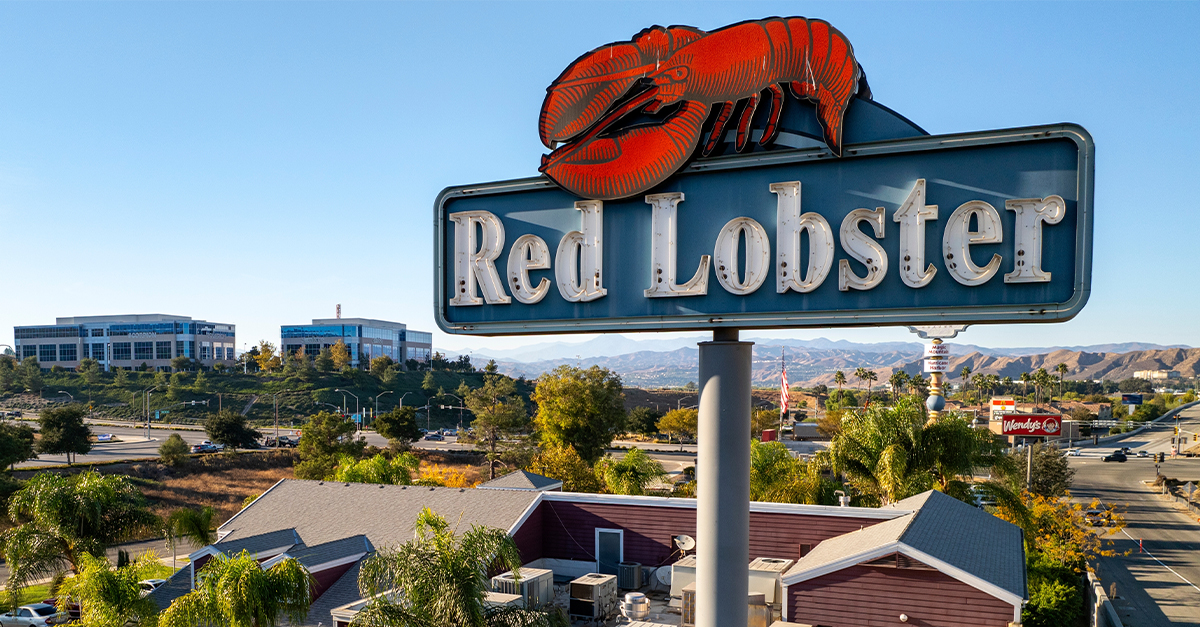
A Classic American Restaurant
Red Lobster was once the definition of affordable American seafood dining, a nationwide chain of family restaurants. But decades of ownership changes, financial manipulations, shifting tastes, and an infamously disastrous promotion pushed the company into bankruptcy. We retrace how a family-dining powerhouse came unglued, and what happens next.
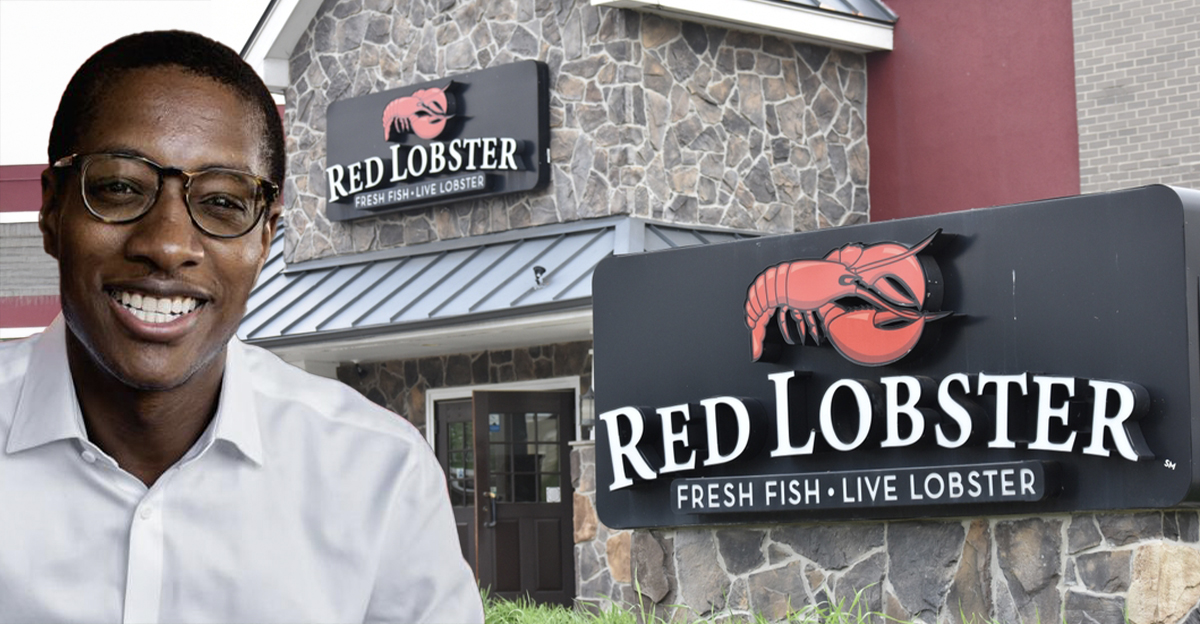
A Man And An Idea
Red Lobster was founded in 1968 in Lakeland, Florida, by Bill Darden, who saw an opportunity for affordable seafood in landlocked American restaurant markets. At that time, seafood restaurants were highly regional, pricy, or seasonal, leaving national chains more or less unaffected.
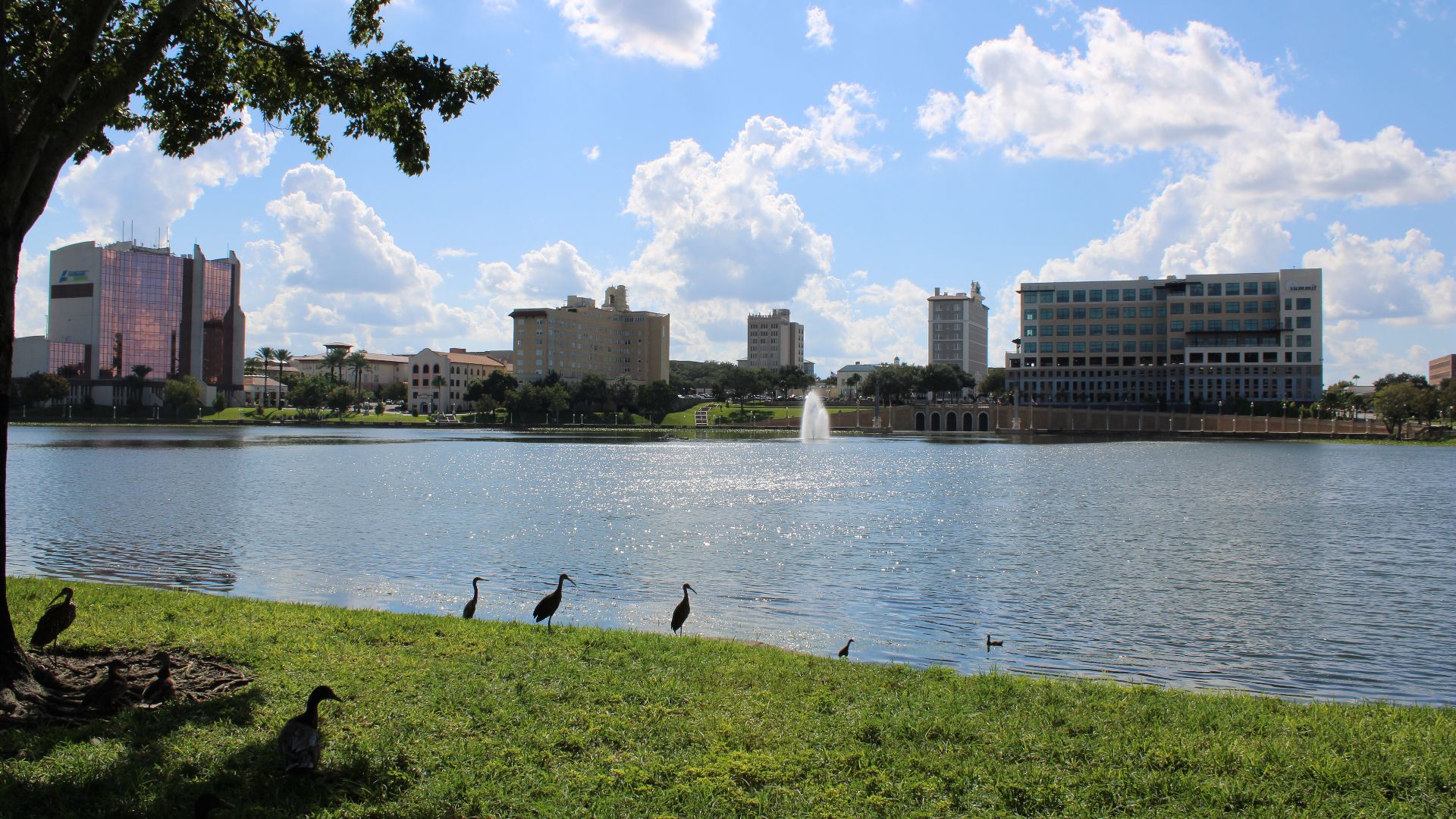 Trevorrrrvalent, Wikimedia Commons
Rapid Expansion With General Mills
General Mills acquired Red Lobster in 1970 and took the steps that turned it into a national brand. Backed by corporate capital and systematized operations, the chain grew rapidly through the 70s, introducing shrimp, lobster tails, and fried fish platters to hungry Americans far from the nation’s seashores.
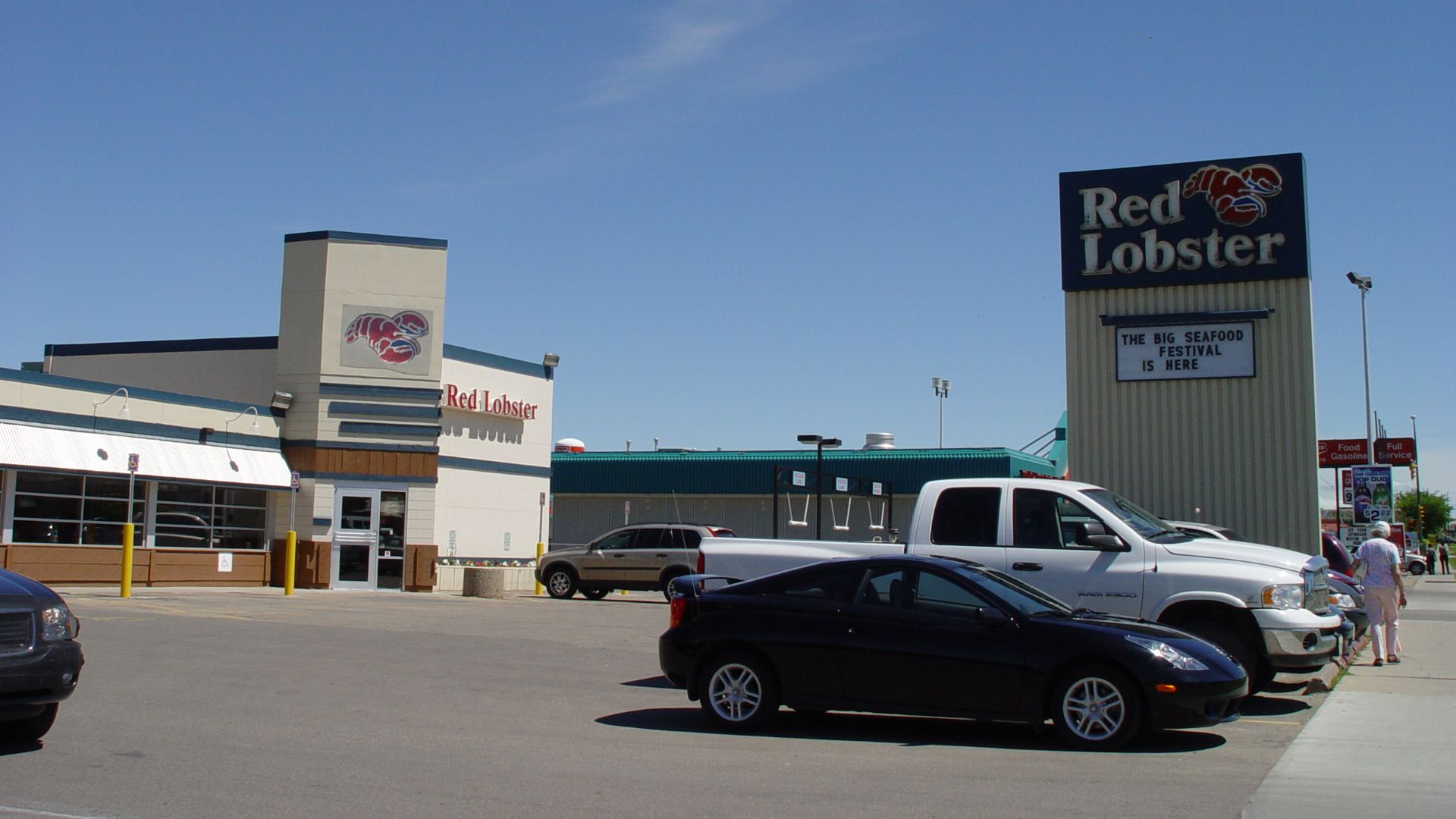 Kevin Teague from Vancouver, BC, Canada, Wikimedia Commons
The 80s: Casual Dining Powerhouse
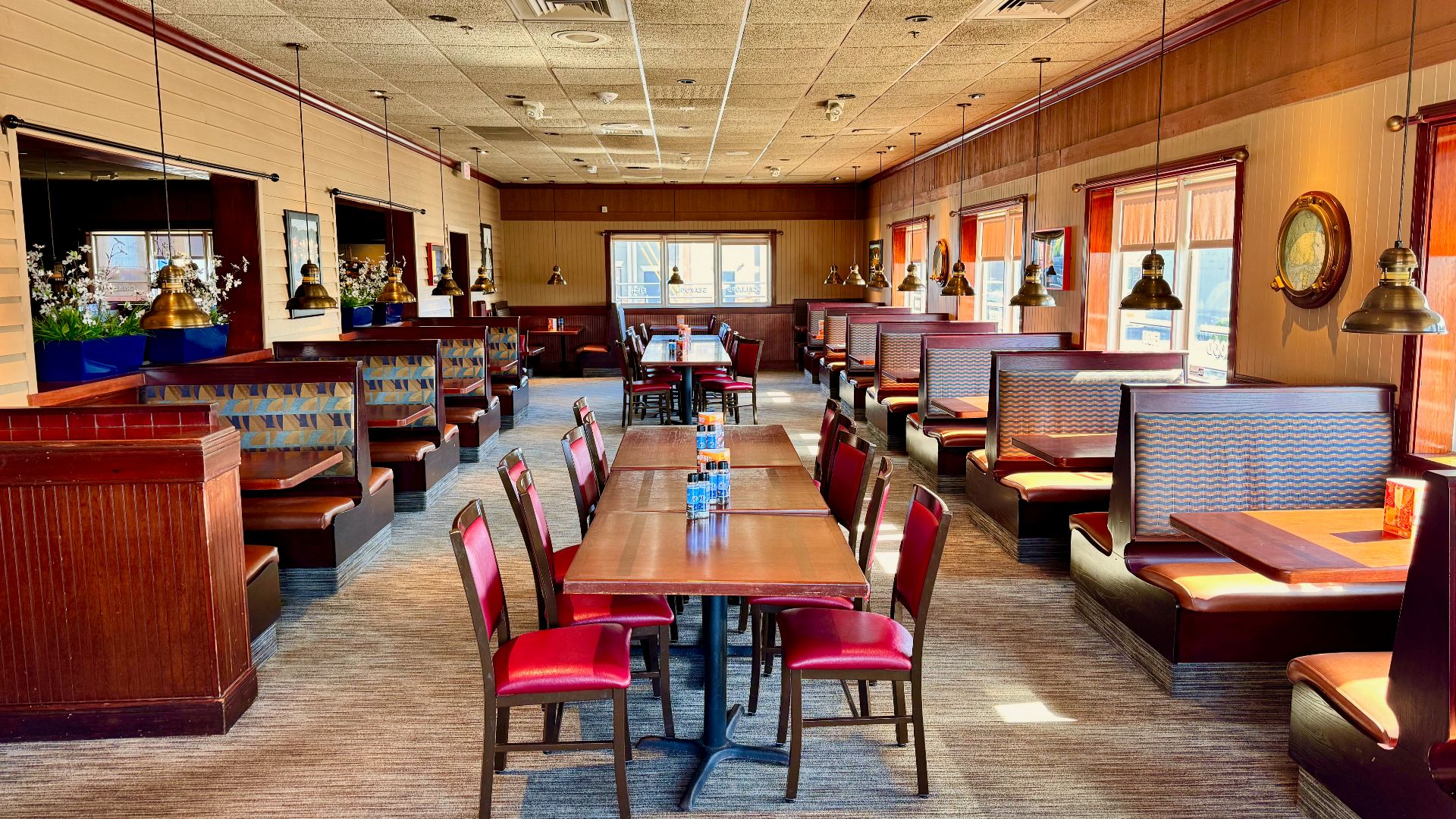
By the 80s, Red Lobster was in its heyday as one of America’s most successful casual dining chains. Its mid-priced seafood meals lured in families and older diners, and the company benefited from the predictable traffic, low competition, and growing suburban dining habits of eating out across the country.
 Harrison Keely, Wikimedia Commons
A Signature Brand Identity
During its peak years, Red Lobster made the most of the consistency and comfort of its menu offerings. Standardized menus, nautical décor, and generous helpings helped build that all-important customer loyalty. The introduction of Cheddar Bay Biscuits was another linchpin defining brand feature, generating a strange but undeniably powerful emotional attachment for repeat diners.
 Ser Amantio di Nicolao, Wikimedia Commons
It Was Spun Off From General Mills
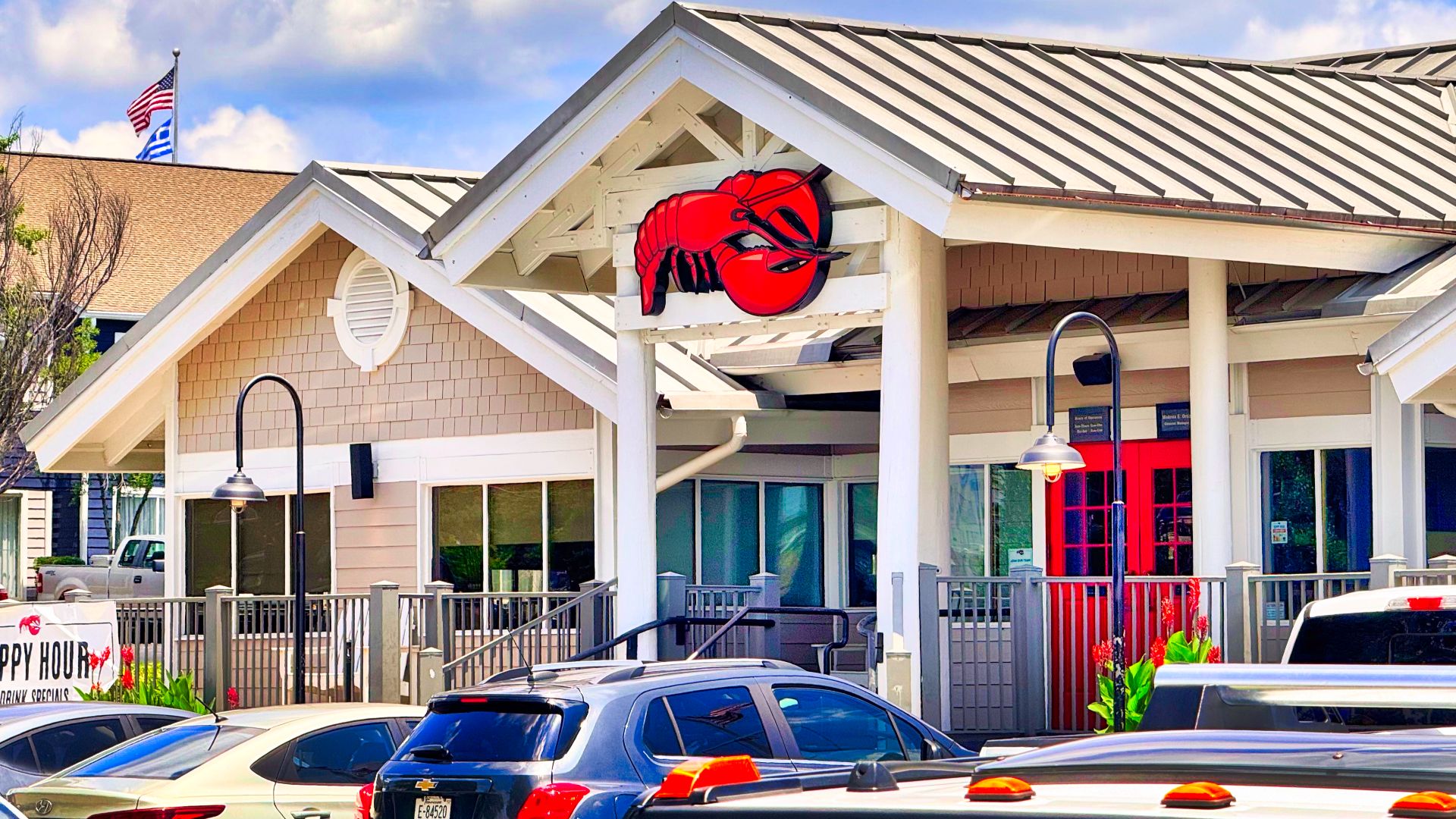
In 1995, General Mills spun off Red Lobster along with the Olive Garden chain into a new company, Darden Restaurants. This move separated the restaurant operations from the packaged food side of things and allowed Red Lobster to compete internally for capital alongside newer, faster-growing concepts within the Darden portfolio.
 Harrison Keely, Wikimedia Commons
Losing Steam Inside Darden
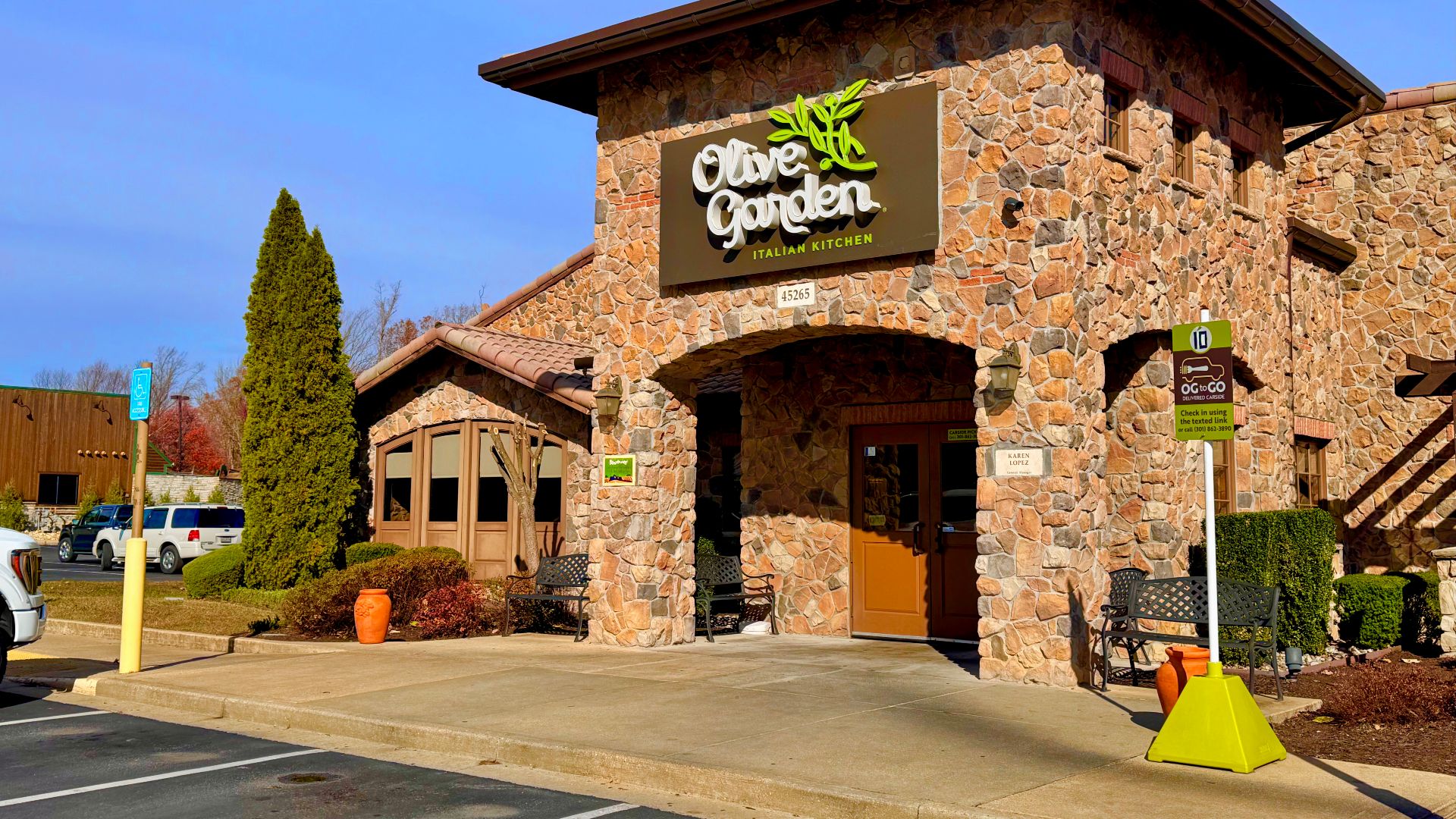
As Olive Garden and newer brands gained the attention of diners, Red Lobster’s growth began to slow down. Seafood costs were unpredictable, store traffic plateaued, and the chain had a struggle on its hands in trying to modernize its image. Darden more and more viewed Red Lobster as a throwback family restaurant and less attractive compared to their expansion-focused concepts.
 Harrison Keely, Wikimedia Commons
2014: The Sale That Changed Everything
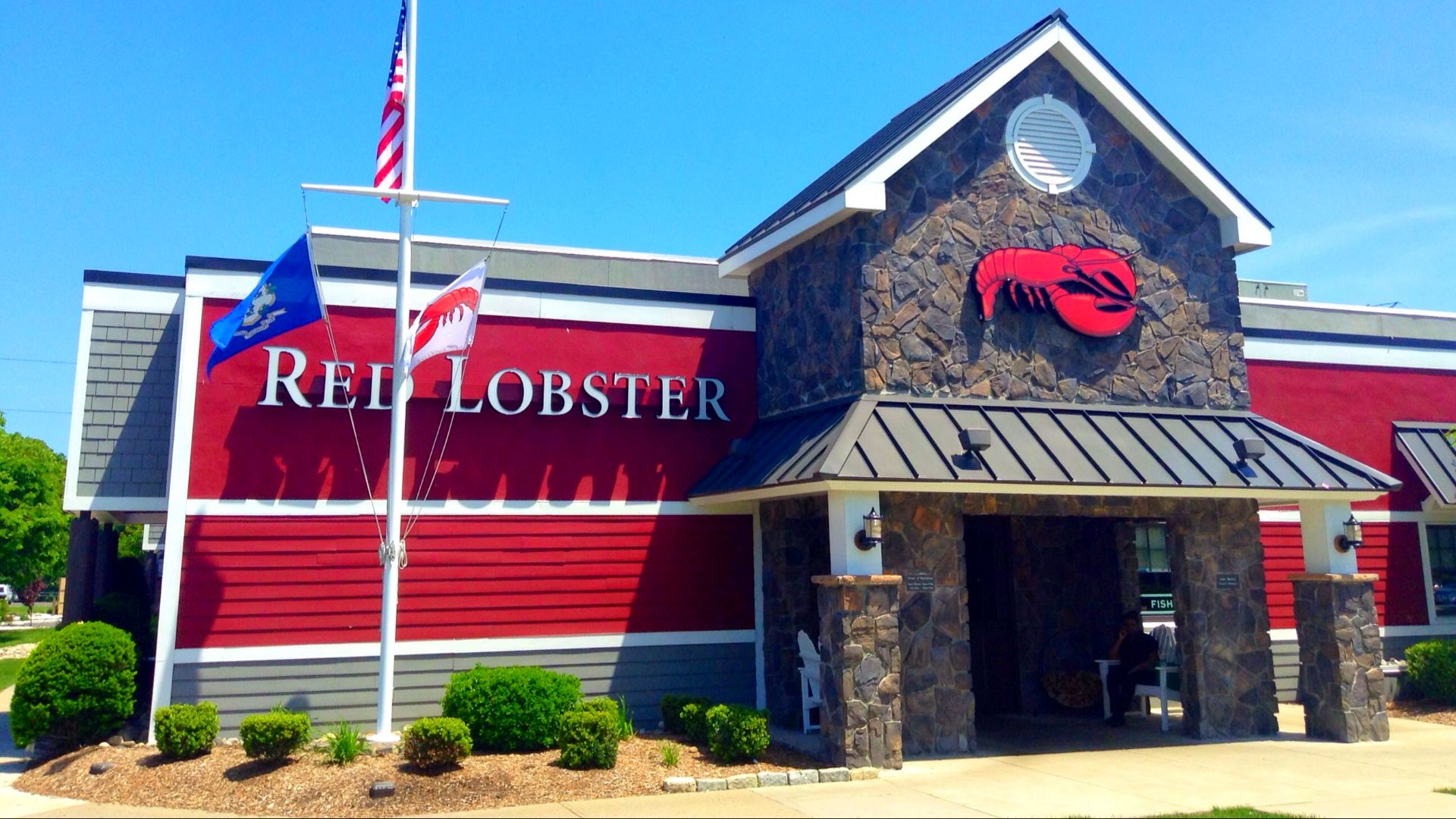
In 2014, Darden sold Red Lobster to private equity firm Golden Gate Capital for $2.1 billion. This sale removed Red Lobster from a stable restaurant management group and put it on the plate of a financial ownership group that was more interested in cost control, real estate value, and short-term profitability than it was in running restaurants.
 Mike Mozart from Funny YouTube, USA, Wikimedia Commons
Sale-Leasebacks Drain The Company
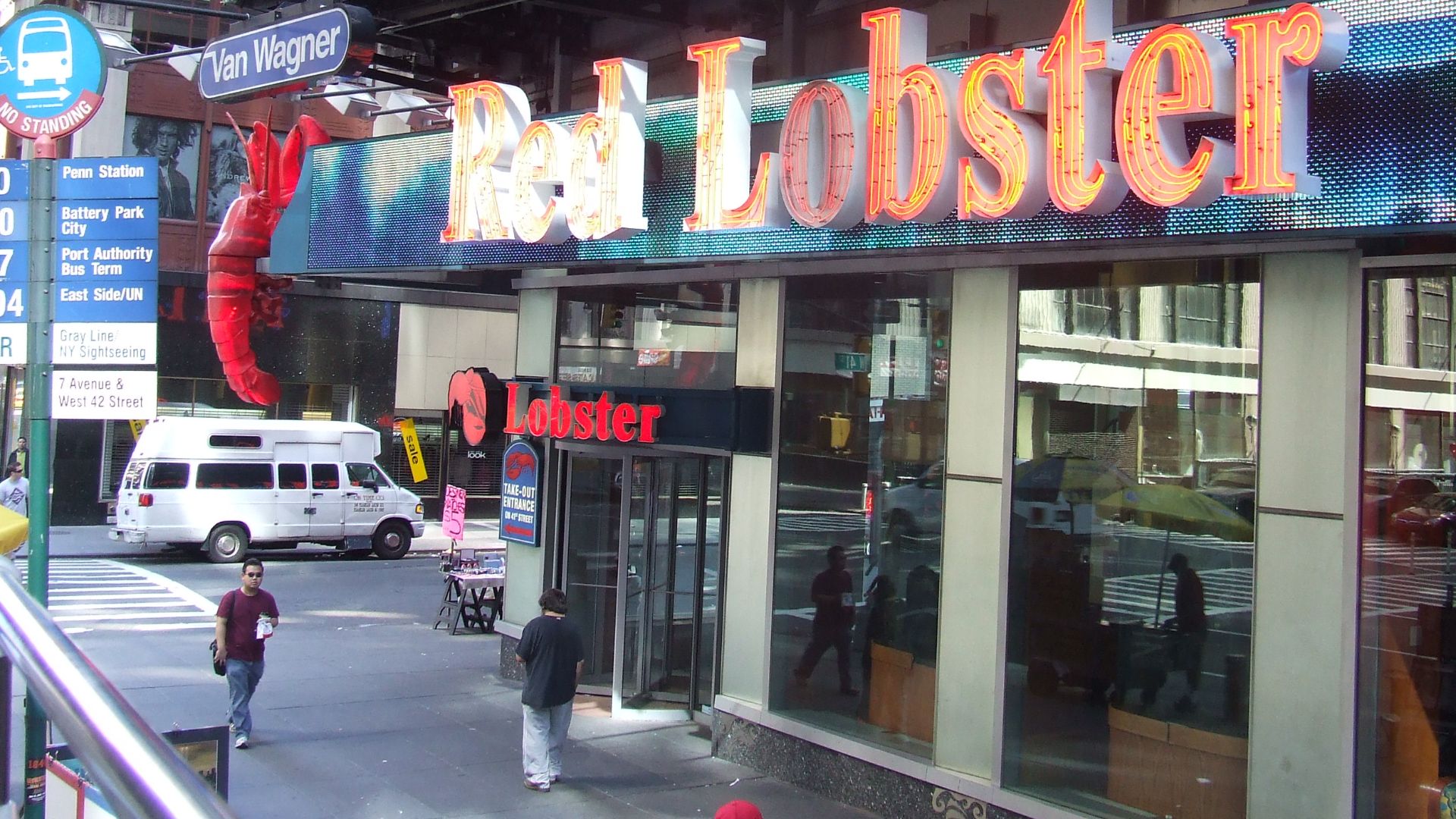
After the private equity acquisition, Red Lobster locations were sold to a real estate investment trust and then leased back to the company. While the move generated an immediate cash flow, it hobbled Red Lobster with high long-term rent obligations that caused fixed operating costs to start ballooning.
Shrinking Margins, Aging Restaurants
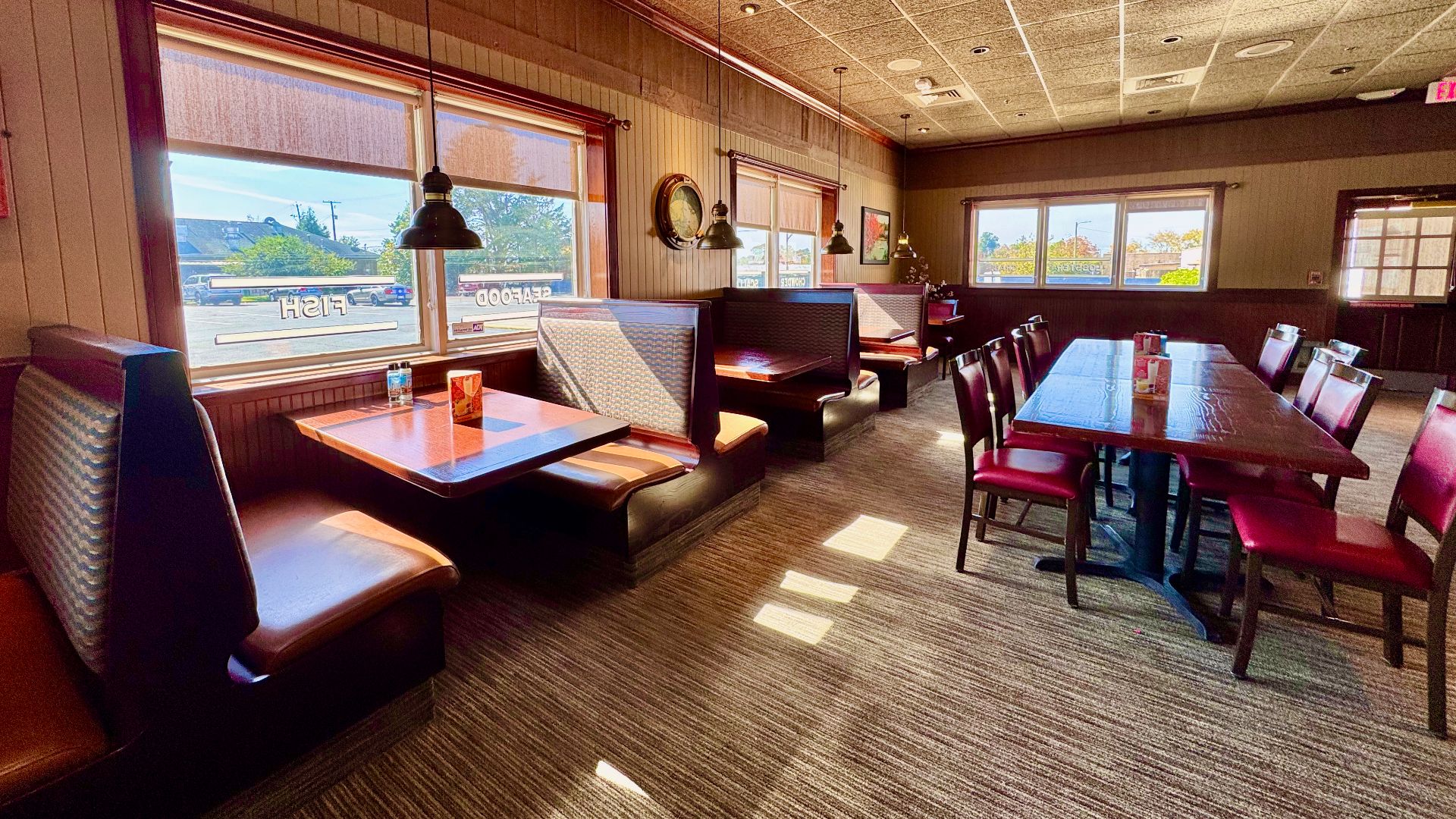
As lease costs rose, Red Lobster cut back on needed renovations and marketing. Many restaurants were starting to look tired and in need of a makeover, while competitors were all investing in fancy updated interiors and digital ordering. Customer traffic continued to dwindle, but the company didn’t have the capital flexibility to properly reinvest in its locations.
 Harrison Keely, Wikimedia Commons
Rolling The Dice On Endless Shrimp
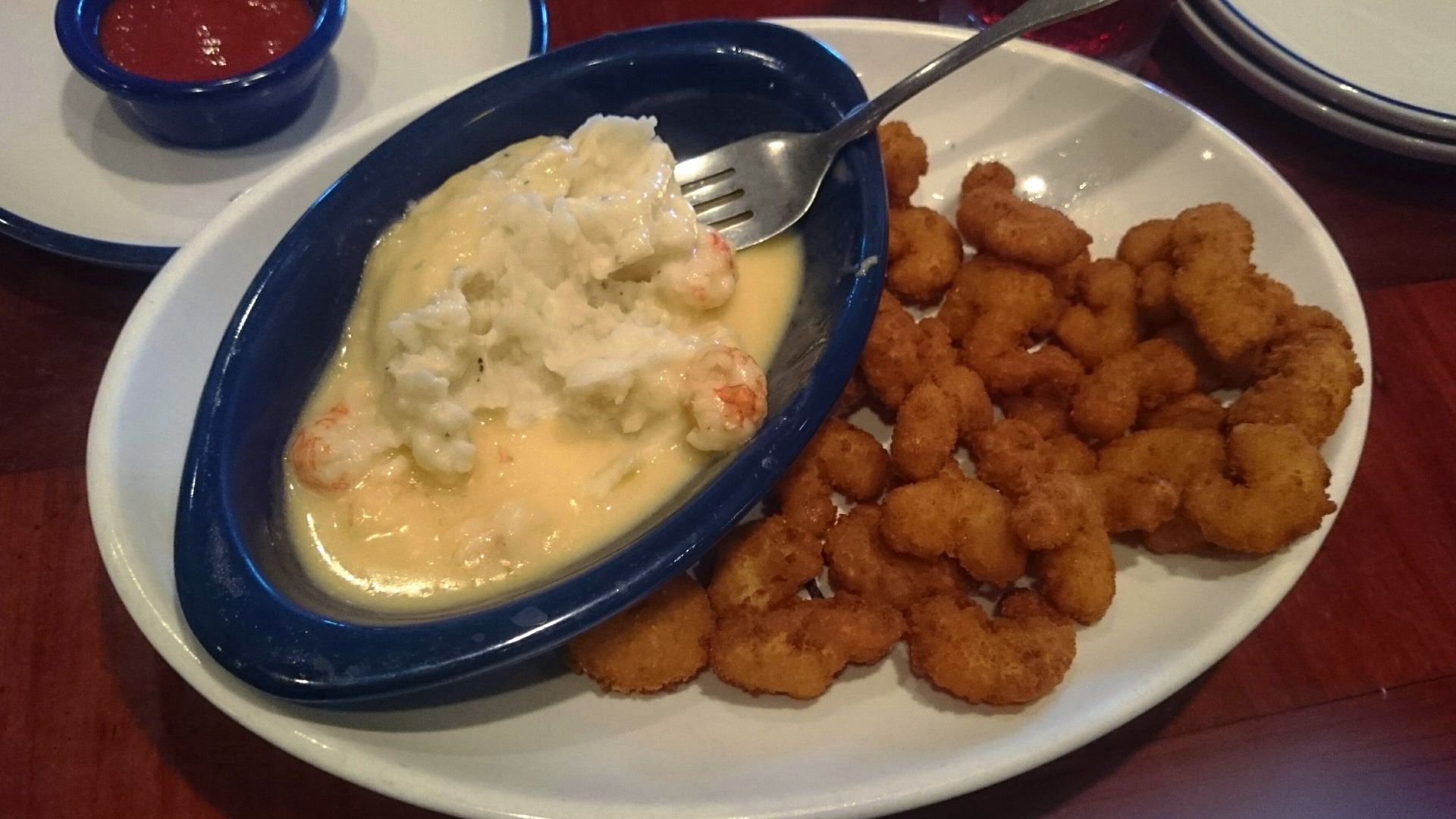
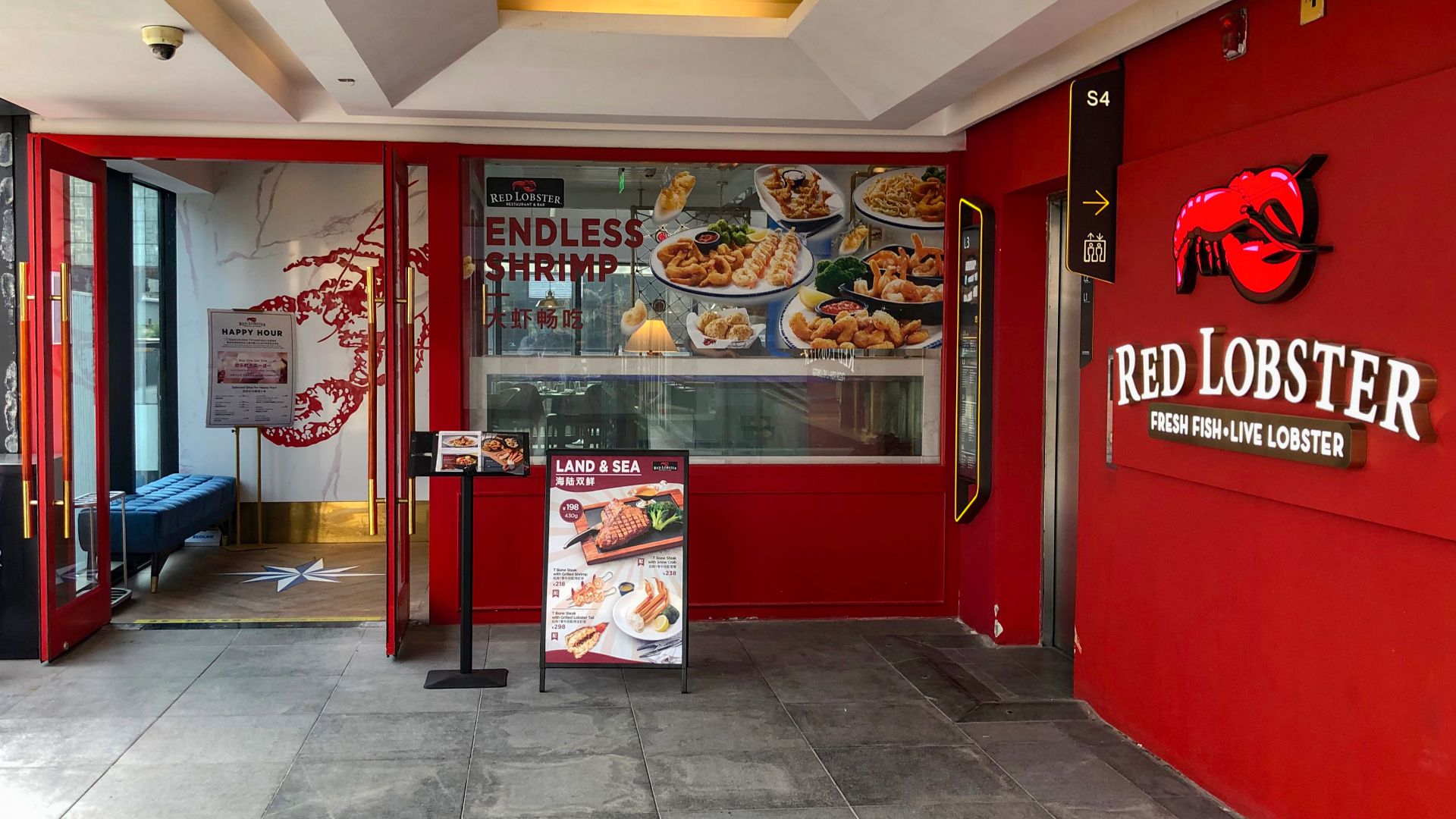
In 2023, Red Lobster made its Ultimate Endless Shrimp promotion permanent, offering unlimited shrimp at a fixed price. As you can imagine, the promotion proved disastrous, driving heavy traffic but ruining margins as food and labor costs far exceeded revenues.
 boyce.michael from USA, Wikimedia Commons
A Promotion That Bled Millions
Executives later made the shame-faced admission that the Endless Shrimp deal caused the company to hemorrhage tens of millions of dollars. Shrimp prices rose, customers hung around longer, and kitchen productivity suffered. What had only been meant as a method to jump start traffic turned into one of the worst pricing decisions in Red Lobster history.
 Harrison Keely, Wikimedia Commons
Changing Consumer Habits
Red Lobster also had to contend with broader industry shifts. Younger consumers were starting to look for fast-casual concepts, delivery-friendly menus, and trend-driven dining. Traditional sit-down chains across the country wrestled with inflation, labor shortages, and rising menu prices as casual family dining visits became a thing of the past.

Competition From All Corners
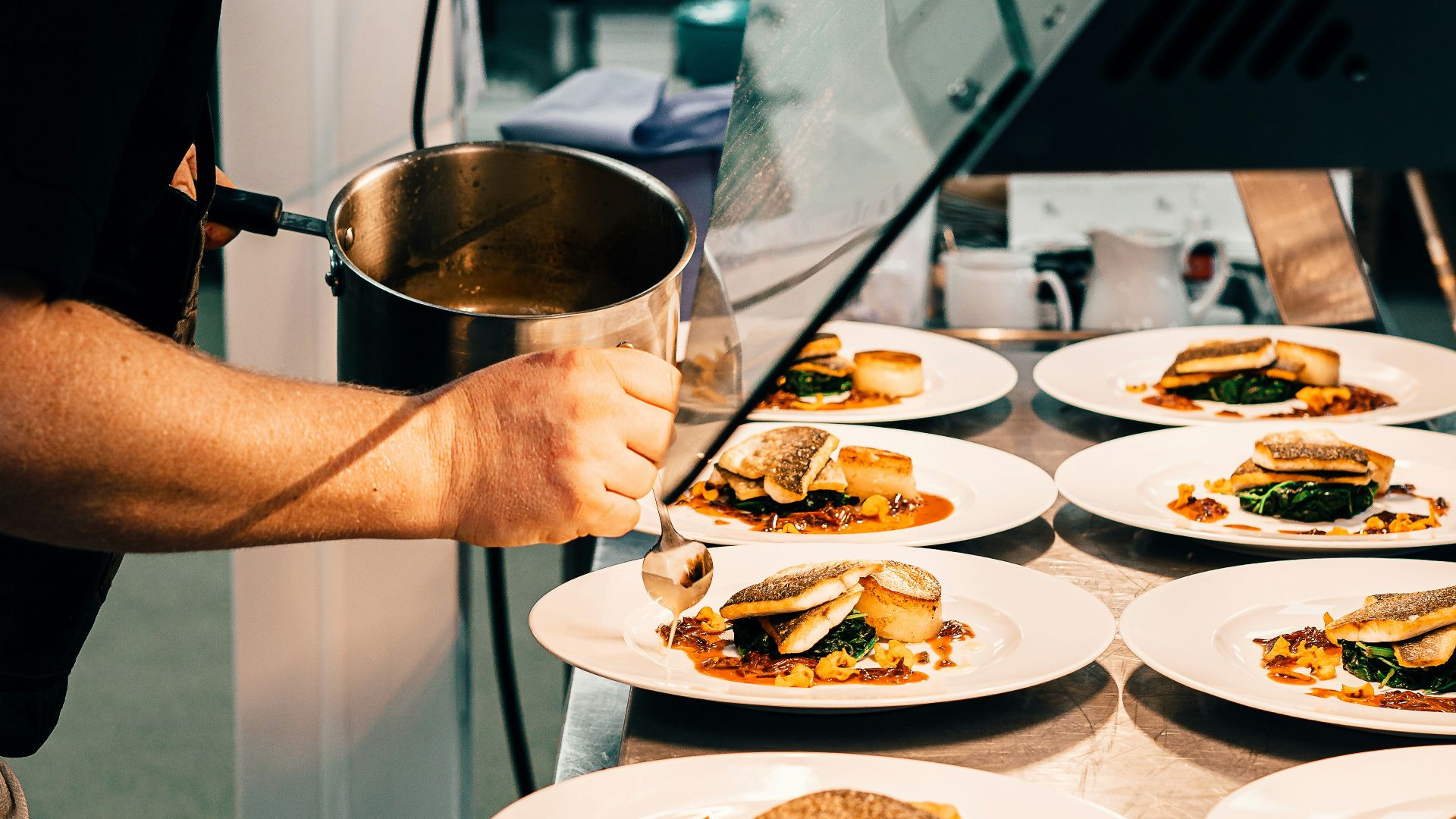
Fast-casual seafood chains, grocery store prepared meals, and at-home meal kits all ate away at Red Lobster’s value proposition. The chain was no longer occupying a unique niche, especially as consumers were getting canny about prices and less loyal to legacy restaurant brands.
 Sebastian Coman Photography, Unsplash
Mounting Debt, Declining Traffic
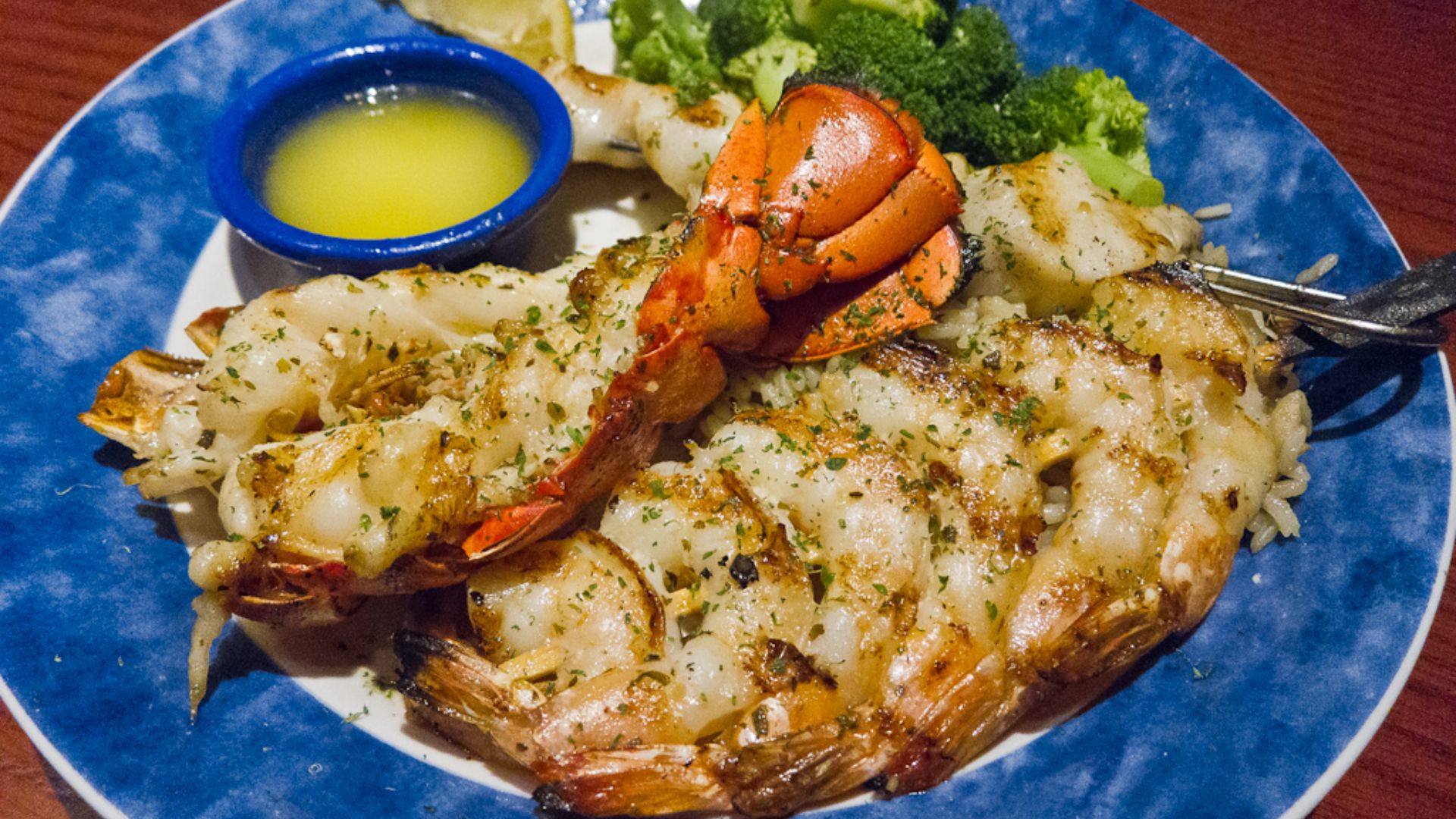
By 2024, Red Lobster was saddled with debt, rising rent payments, declining traffic, and inconsistent leadership. Despite halfhearted and belated attempts to simplify menus and cut costs, the company had no financial runway with which they could reverse years of underinvestment and operational strain.
 David Blaikie from Hampshire, UK, Wikimedia Commons
Filing For Bankruptcy Protection
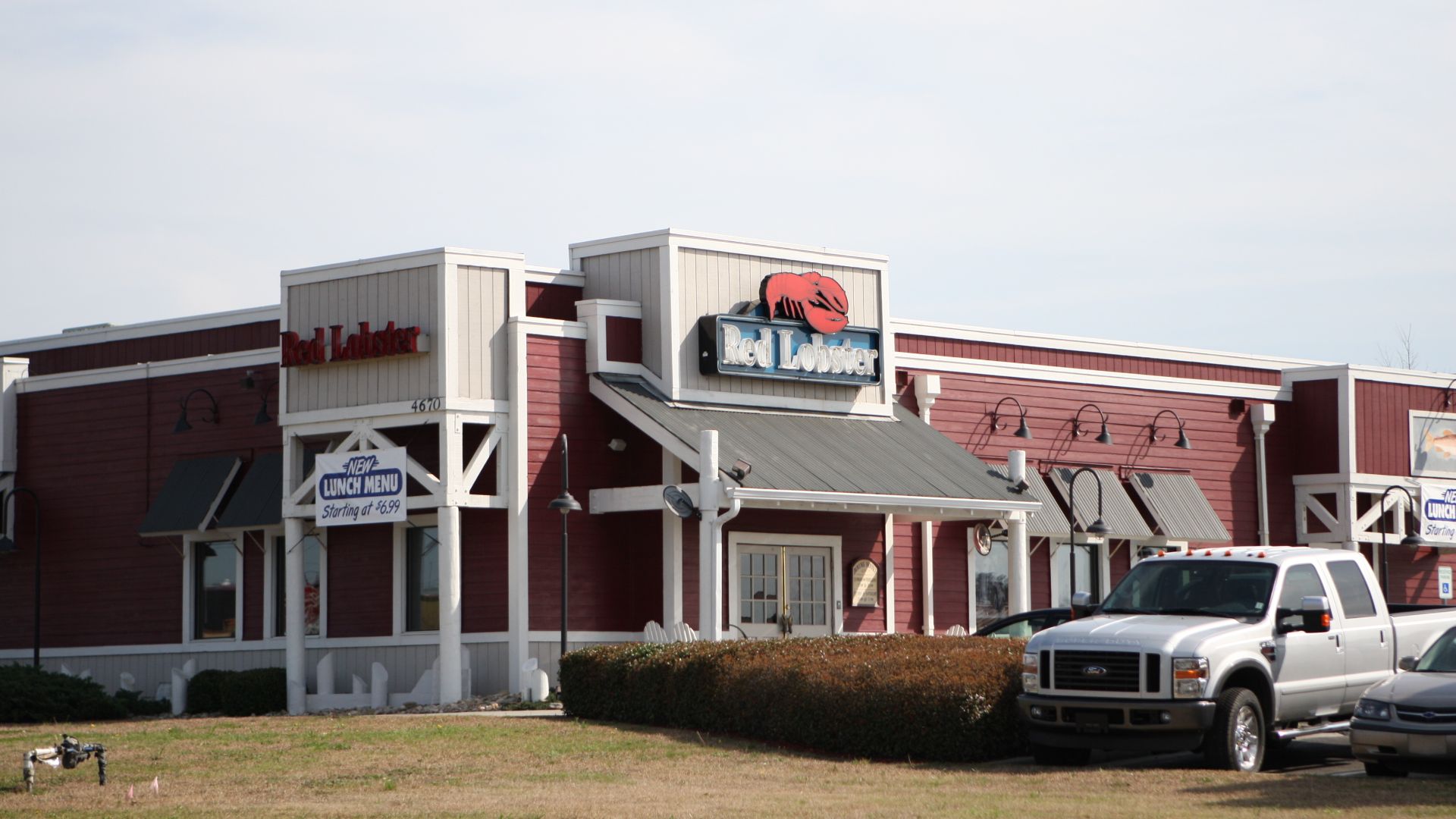
In May 2024, Red Lobster filed for Chapter 11 bankruptcy protection. The filing gave the company the ability to close underperforming locations, renegotiate leases, and undertake a badly-needed restructuring that could put operations back on a firm footing while maintaining the brand’s remaining core business.
 hattiesburgmemory, Wikimedia Commons
Private Equity Under Scrutiny
The bankruptcy sparked a new round of criticism of private equity ownership in the restaurant industry. Analysts pointed to sale-leasebacks, dividend extraction, and aggressive cost cutting moves as factors that weakened Red Lobster’s resilience during crucial economic and consumer-behavior shifts.
New CEO And A Reset Strategy
Following the bankruptcy, Red Lobster appointed Damola Adamolekun as CEO. His mandate was focused on operational discipline, menu simplification, renegotiated leases, and regaining trust with franchisees, employees, and customers who had watched transfixed as the brand steadily declined.

Closing Stores To Save The Chain
As part of restructuring, dozens of underperforming restaurants were permanently shut down. The closures were done to reduce losses and focus as much of the company’s resources as possible on locations with stronger demand. The closings marked the end of Red Lobster’s once-ubiquitous nationwide presence.
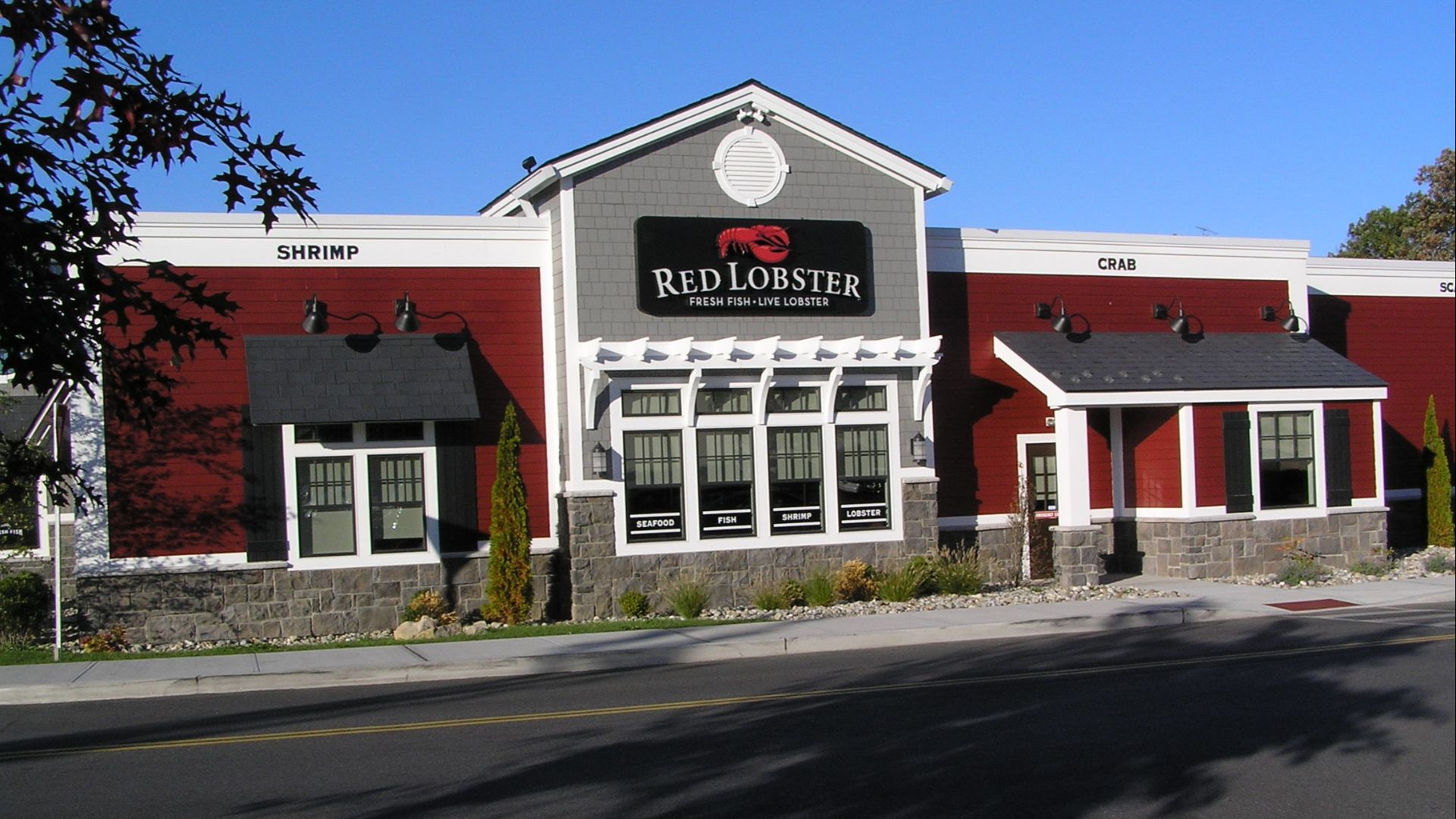
Updated Menu
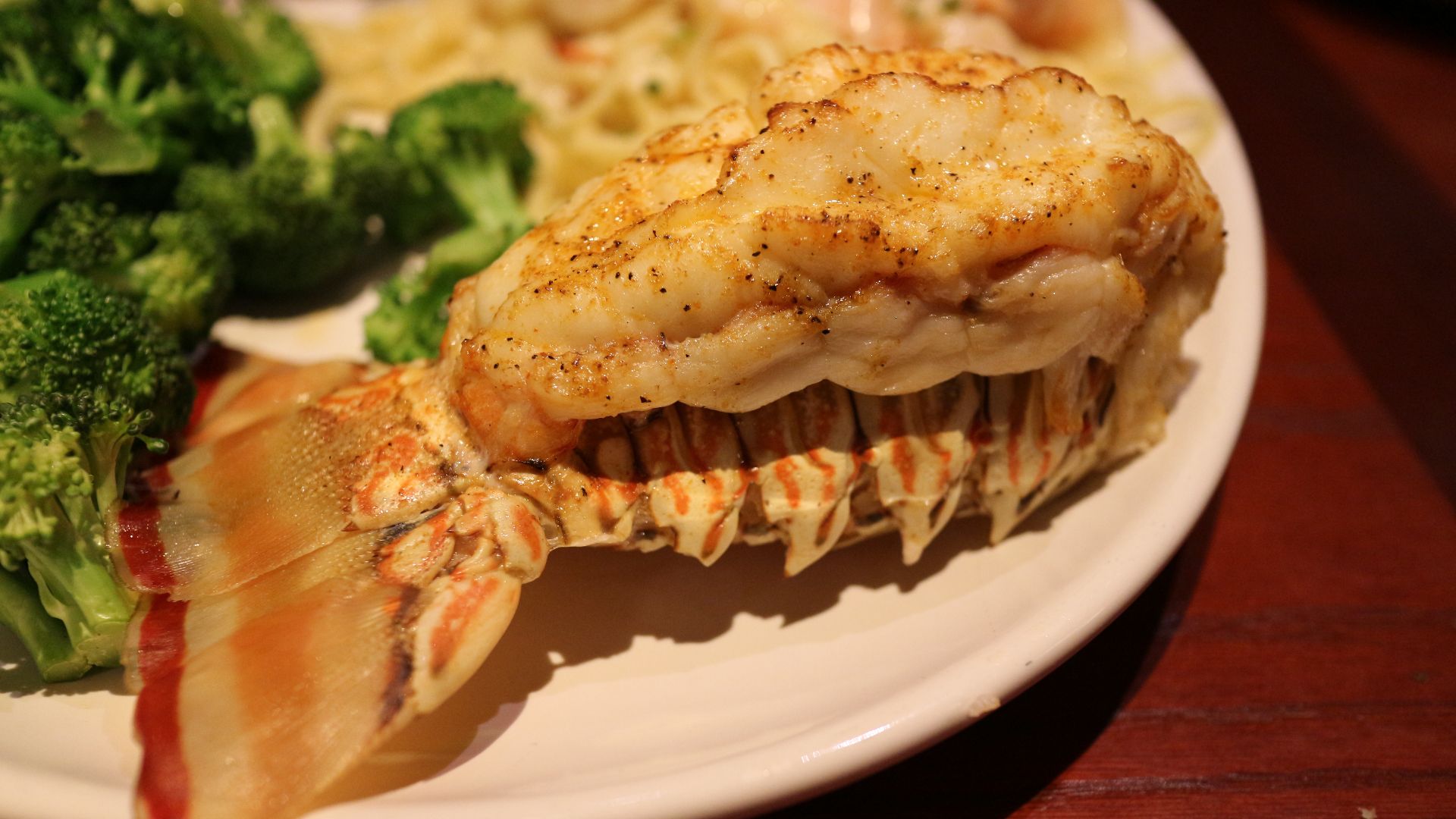
Management started reassessing their promotions, portion sizes, and general approach to pricing. Unlimited deals were scaled way back, and the company tried to get back to basics by aligning menu offerings more closely with food costs and kitchen capacity instead of marketing gimmicks.
Rebuilding After Bankruptcy
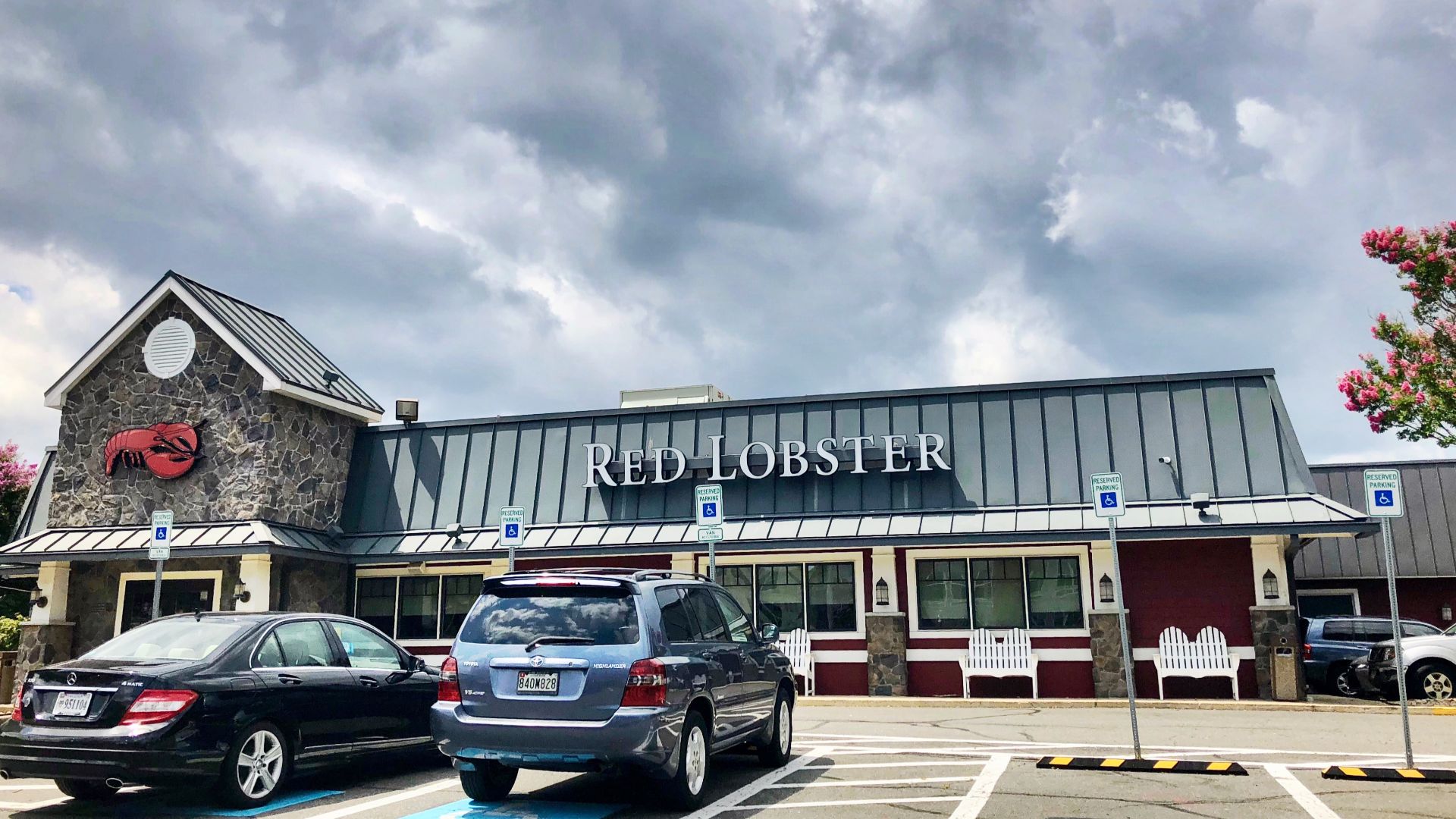
Red Lobster is now running a lot fewer locations with tighter controls, and a renewed focus on profitability over expansion. The company’s survival will hang in the balance of nostalgia with modernization while adjusting to an industry that punishes excess and inefficiency.
Can Red Lobster Get Back On Its Feet?
Red Lobster’s future rides on disciplined management, realistic pricing, and renewed relevance in the always highly competitive restaurant business. Once a casual-dining behemoth, the brand’s comeback will depend on whether it can operate sustainably in a world far different from the one that built it six decades ago.

You May Also Like: