
When Grief Meets The Parking Rules
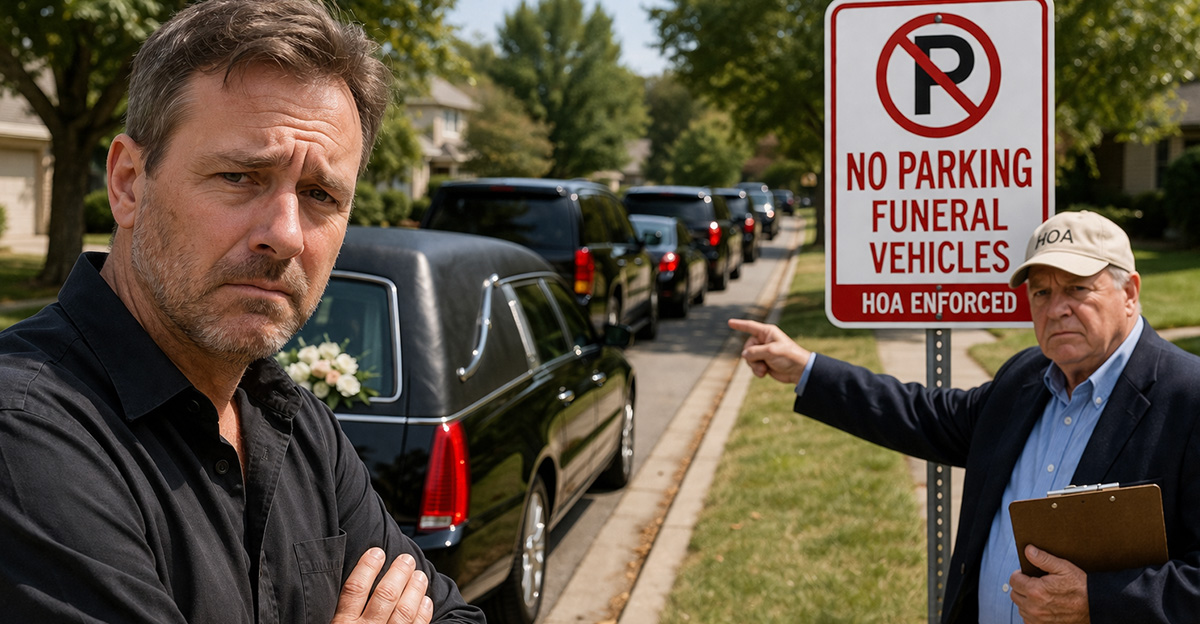
Losing a parent is already one of life’s hardest moments, so discovering that your HOA wants to weigh in on where funeral cars can park feels less like community management and more like a cosmic prank. You are trying to say goodbye with dignity, and suddenly the street becomes the star of the drama.
The Goodbye You Imagined
An in-house funeral often comes from a simple, deeply human instinct: keep things close, quiet, and personal before the cemetery portion begins. For many families, home feels warmer than a chapel, more intimate than a funeral parlor, and far better suited to stories, tears, casseroles, and one last cup of coffee.

Then The HOA Enters The Chat
Just when emotions are already running high, an HOA notice can land like a badly timed cymbal crash. No funeral cars on the street, no exceptions, rules are rules. It is the kind of message that makes people stare at the paper and wonder whether anyone involved has met an actual human being.

The Big Question Is Not Really About Funerals
As frustrating as it sounds, the legal question usually is not, “Can they ban grief?” It is more like, “Do they actually control that street?” If the road is public, the city or county usually has the main say over parking. If it is private, the HOA may have much more room to flex.

Public Street Or Private Street
This is the first fact to pin down before anyone starts arguing in all caps. Public streets are typically governed by local traffic and parking laws. Private streets inside an HOA community are often subject to association rules, especially when the HOA maintains them and the covenants clearly cover parking.

The HOA Rulebook Matters More Than The Newsletter
A board member saying, “We do not allow that,” is not the same thing as the rule actually existing in enforceable form. The real power usually lives in the declaration, CC&Rs, bylaws, and adopted parking rules. If the restriction is vague, selectively enforced, or unsupported, the HOA’s confidence may be doing more work than the documents.

Rules Need Actual Authority
Even HOA-friendly guidance says rules should be tied to proper legal authority, including statutes, court precedent, and the governing documents. That matters because an HOA cannot simply invent a parking ban out of thin air because a board dislikes the look of several black sedans in a row.

Funeral Cars Sound Special, But Parking Law Can Be Boring
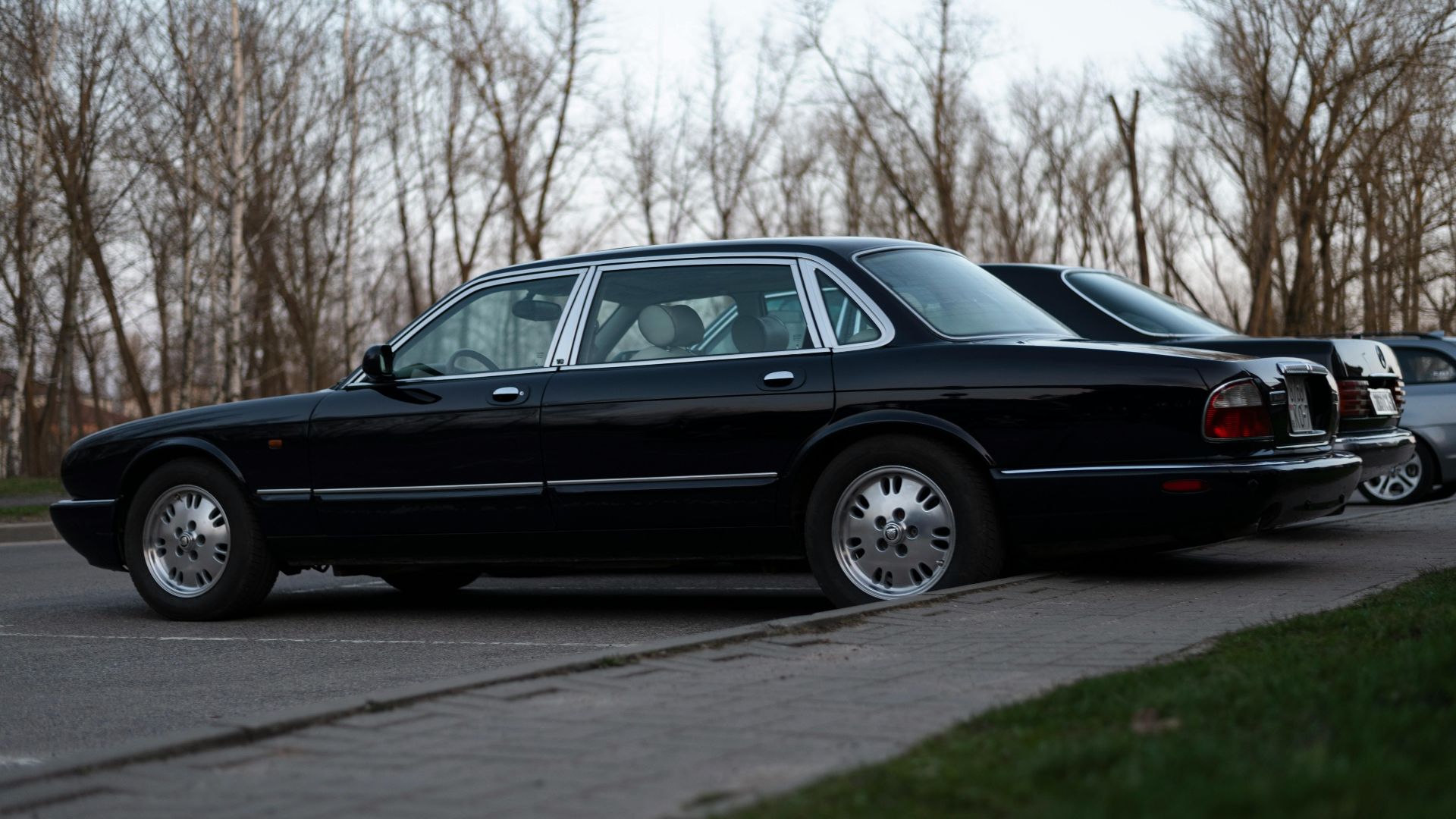
Here is the awkward truth: the law often treats funeral vehicles less like sacred objects and more like, well, vehicles. Unless a local ordinance, permit, or police escort rule creates a specific exception, the question may come down to ordinary parking restrictions, curb access, fire lanes, and traffic flow.
The Home Funeral Piece Is Real
Many people assume every funeral step must run through a commercial funeral home, but that is not true everywhere. In most states, families can handle at least some after-death care and arrangements themselves, though the exact rules vary a lot. That means the home gathering itself may be perfectly reasonable even if the parking dispute is not.

Why Families Choose Home In The First Place
A home-based farewell is not just about saving money, though it can help. It is often about control, familiarity, and comfort. People want music Dad loved, faces he knew, and a room that smells like home instead of industrial floral spray and aggressively beige carpet.

Where The HOA Might Have A Point
To be fair, associations do sometimes have legitimate concerns. Narrow roads, emergency access, towing lanes, school traffic, and limited guest parking can all create real issues. A short procession may feel respectful to one family and like total chaos to a neighborhood designed by somebody who hated wide streets.
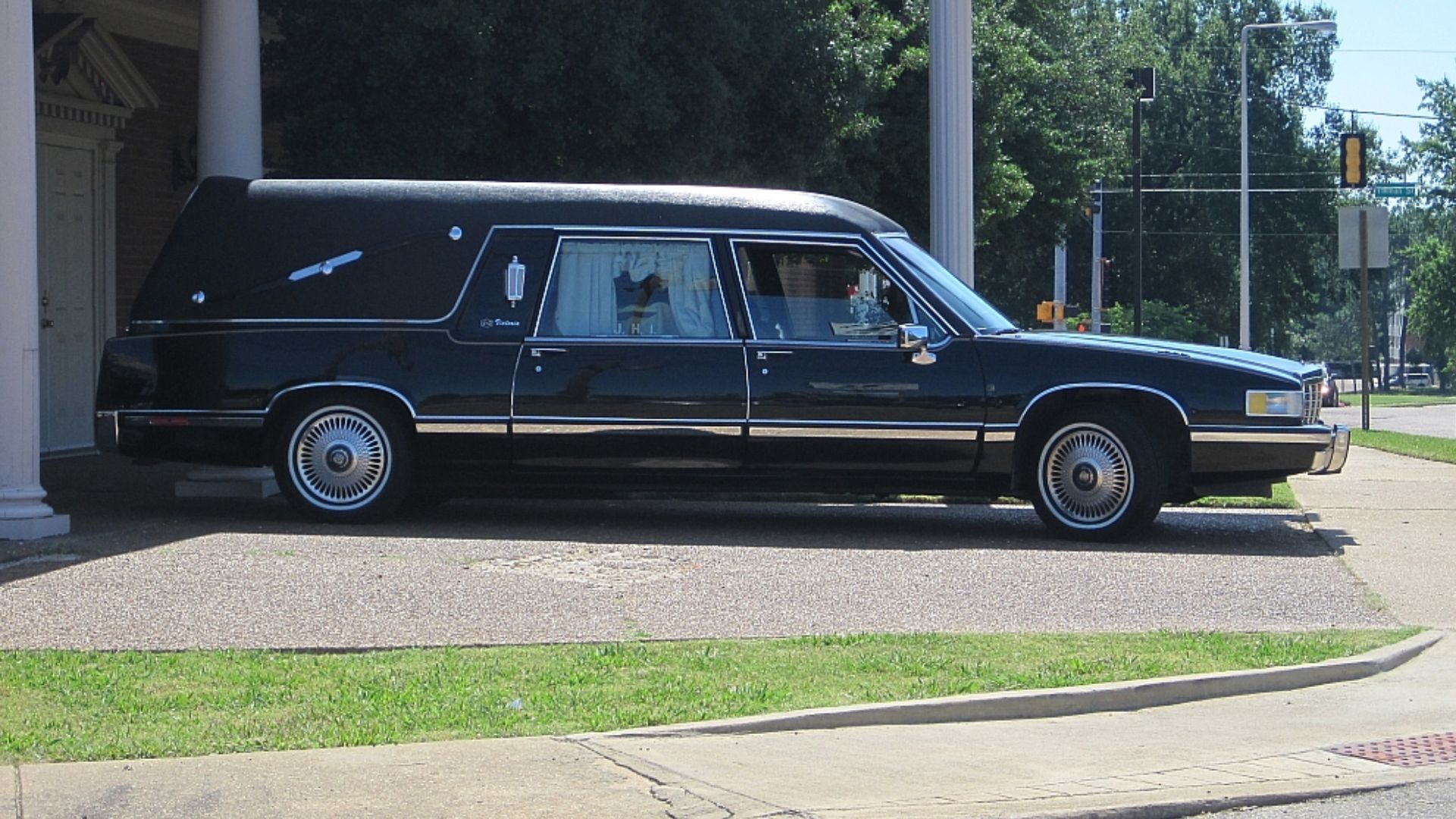 Thomas R Machnitzki ([email protected]), Wikimedia Commons
Where The HOA Might Be Overreaching
Still, there is a difference between managing safety and acting like the grief police. If the street is public, if similar parking is tolerated for parties and contractors, or if the board has no clear written basis for the restriction, the HOA may be leaning on bluster more than authority.

Selective Enforcement Is A Terrible Look
Nothing inflames a dispute faster than the suspicion that the rules are only strict when emotions are involved. If neighbors can line the curb for birthdays, graduations, football Sundays, and pool remodels, a sudden crackdown on a funeral may look less like policy and more like astonishingly bad judgment.

Timing Matters In A Crisis
The cruel thing about these conflicts is that they unfold on a family’s worst week. You are not in the mood to request plats, read covenant amendments, and debate easement language. Yet that is often exactly what determines whether the HOA can enforce the rule or whether it is just issuing stern letters into the void.

Start With A Calm Paper Trail
As tempting as it is to march to the clubhouse fueled by sorrow and caffeine, start by asking for the exact rule in writing. Request the section of the governing documents, ask whether the street is public or private, and get clarification on whether any temporary exception process exists. Calm beats chaotic here.

Call The City If The Street Is Public
If the road is publicly owned, the local public works department, police department, parking office, or city clerk may be more relevant than the HOA. In that situation, the association may complain, but actual enforcement usually rests with the local government, not the board president with the laminated badge energy.

Check For Short-Term Workarounds
Even when the HOA does have some authority, there may be practical solutions. Temporary guest parking areas, staggered arrivals, valet assistance, church overflow lots, nearby community centers, or a brief loading zone can all preserve the spirit of the home farewell without turning the street into a standoff.

Funeral Homes May Still Help With Logistics
Even families planning a home-based service sometimes work with a funeral provider for transportation, paperwork, or cemetery coordination. Federal rules also require funeral providers to give itemized price information and let consumers choose only the goods and services they want, which can make partial arrangements easier to navigate.

This Is Also About Tone
A huge part of this situation is not only legality but decency. A board can be technically right and still handle the moment terribly. The most functional communities understand that rules are supposed to support neighborly life, not bulldoze it during bereavement with the warmth of a parking citation.

Neighbors Can Change Everything
Sometimes the smoothest fix is not legal at all. One supportive neighbor offering a driveway, another coordinating carpools, and a few residents choosing grace over gossip can take a tense situation and make it manageable. Community is supposed to show up strongest when somebody is grieving, not disappear behind procedural language.

If The HOA Refuses To Budge
If the board insists, ask whether there is an emergency hearing, a board vote, or a one-time exception request. Some HOAs become much more reasonable when they realize the issue is documented, the family is being polite, and their position may look absurd if repeated back slowly in daylight.

The State Law Wild Card
This is where things get messy. Funeral and disposition laws vary from state to state, and so do HOA statutes and municipal codes. One family’s easy home farewell in one state may require extra paperwork or professional involvement in another, which is why broad internet certainty tends to fall apart on contact.

What “Can They Do That?” Really Means
Usually, the honest answer is: maybe, but not automatically. They may have power if the street is private and the documents clearly allow parking restrictions. They may have much less power if the street is public or if their rule is unsupported, inconsistently enforced, or contradicted by local law.

What Families Should Focus On First
In the moment, the smartest path is practical, not theatrical. Confirm who controls the street, get the exact rule, ask for a temporary exception, and line up a backup parking plan. That does not make the situation fair, but it does make it less likely that a goodbye gets hijacked by avoidable chaos.

The Emotional Truth Nobody Should Miss
At the heart of this story is a family trying to honor a father, not stage a neighborhood uprising. That matters. Even when logistics must be sorted out, the human center of the issue should not get lost under rulebooks, curb maps, and somebody’s suspiciously enthusiastic knowledge of towing procedures.

A Little Compassion Would Go A Long Way
Imagine how different this feels if the HOA says, “We are sorry for your loss. Here is what we can allow, and here is how we can help.” Same neighborhood, same pavement, entirely different experience. Rules may structure a community, but compassion is what keeps it from feeling like a themed parking lot.

The Bottom Line On Saying Goodbye
So, can the HOA do that? Sometimes yes, sometimes no, and almost never as simply as they make it sound. The real answer depends on the ownership of the street, the HOA documents, and local law. But from a human perspective, this much is obvious: the best communities make room for grief, not just cars.

You May Also Like: