
The Cross-Country Banking Catch
After the big move, you update your mailing address and expect life to keep going. Then your bank says the only way to close your account is to show up in person, even though you now live across the country. It would make anyone frustrated, but the real question is whether the bank can legally make you do it.
 Antoni Shkraba Studio, Pexels, Modified
The Short Answer
Often, yes. A bank can usually require an in-person visit to close an account if its deposit agreement or internal rules allow it. Federal law does not generally give consumers a blanket right to close a checking or savings account by phone, mail, or online. That does not mean you are out of options, but it does mean the answer usually starts with the contract you agreed to when you opened the account.

Your Account Agreement Matters Most
The Consumer Financial Protection Bureau regularly tells consumers to check their account agreement when disputes come up over fees, access, and closure rules. Banks and credit unions usually lay out account-closing procedures in those agreements, including whether they can require written instructions, identity checks, or branch visits. If the agreement gives the bank that power, your room to argue may be limited.

Banks Have Broad Leeway
Federal regulators give banks a lot of discretion over how they manage deposit accounts, especially when fraud, identity theft, or account abuse is a concern. The Office of the Comptroller of the Currency notes that deposit account agreements help define the terms of the customer relationship. In practice, that means a bank can often set the rules for how an account is opened, used, restricted, or closed.

Why Banks Sometimes Demand A Branch Visit
The bank's reason is usually not personal. It is usually about confirming identity, making sure the request is real, and lowering the risk that someone is trying to take over an account. Those concerns are tied to anti-money-laundering rules and customer identification duties under federal banking regulation.

The Patriot Act Still Shapes This
After the USA PATRIOT Act became law in 2001, financial institutions had to tighten their customer identification programs. Federal rules adopted in 2003 required banks to keep procedures for verifying the identity of customers opening accounts. Those rules focus on opening accounts, but the same anti-fraud mindset often spills over into account maintenance and closure policies.

Fraud Risk Is Not Just A Talking Point
The Federal Trade Commission still warns consumers about identity theft and account takeover. If a bank gets a remote request to close an account and send out the remaining balance, that creates a fraud risk if the identity check is weak. From the bank's point of view, face-to-face closure can seem like the safest option, even when it creates a major hassle.
 Harrison Keely, Wikimedia Commons
That Does Not Mean The Policy Is Always Reasonable
A bank can have broad power and still handle a situation badly. If you moved for work, military orders, family needs, or safety reasons, requiring an in-person visit may be unrealistic. The practical issue is whether the bank will offer another secure option, like a notarized letter or medallion signature guarantee, instead of forcing you to buy a plane ticket.

There Is No General Federal Rule Saying They Must Let You Close Remotely
This is the part that catches many people off guard. There is no broad federal law saying a bank must accept an account closure request by mail, email, phone, or secure message. Unless state law or the deposit contract says otherwise, the bank usually gets to decide the process.

The CFPB Has Heard Plenty Of Complaints
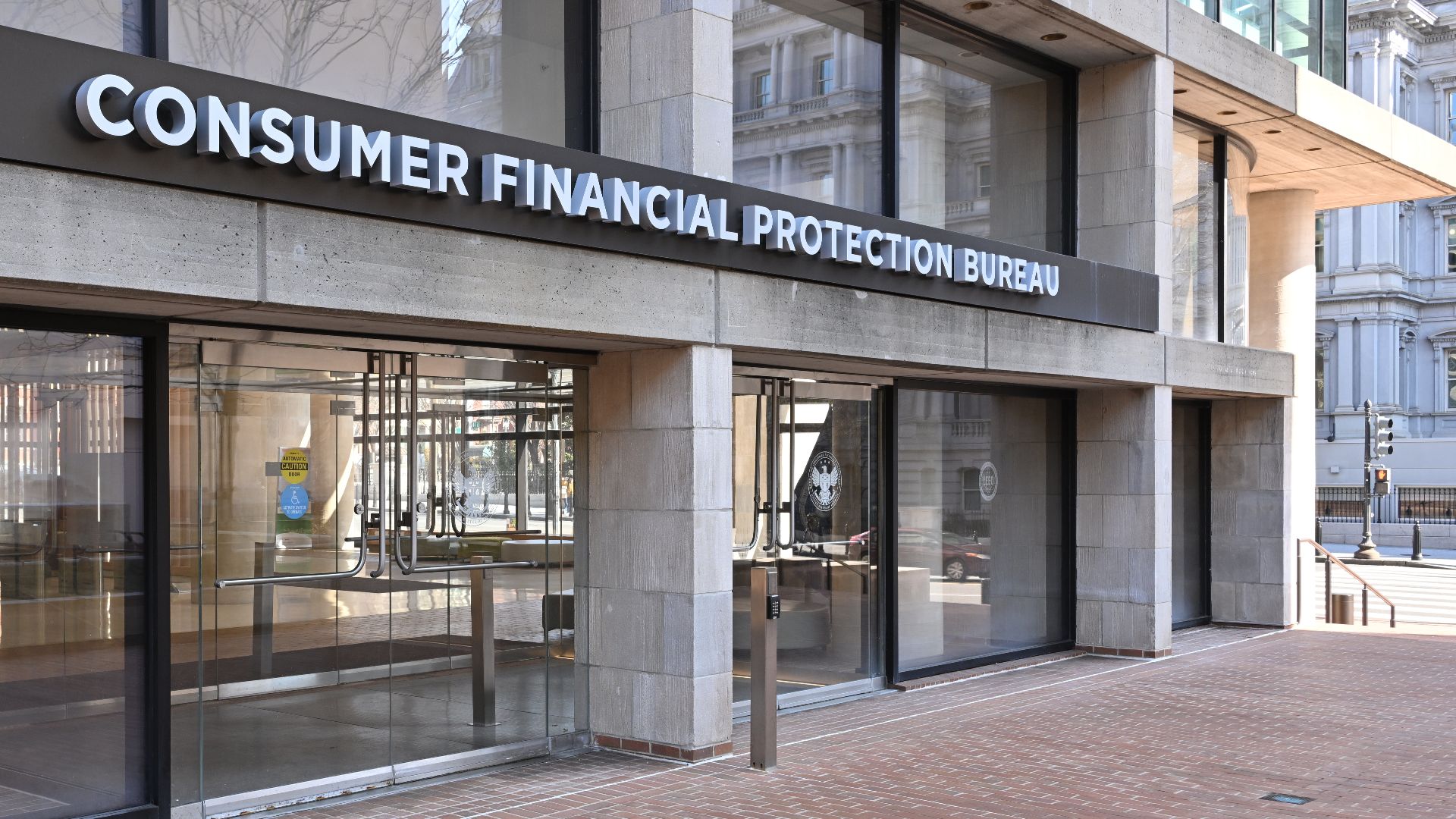
The Consumer Financial Protection Bureau's complaint system includes many complaints from consumers who had trouble closing accounts or ran into branch-visit requirements. That does not automatically mean the bank broke the law, but it does show this is a common problem. It keeps coming up, especially as people move more often and banks keep trimming branch networks.
 G. Edward Johnson, Wikimedia Commons
Branch Closures Make The Problem Worse
The Federal Reserve has tracked the changing banking landscape, including problems with branch access in some communities. When banks cut physical locations but still require branch visits for certain account actions, customers can end up stuck. A policy that once felt routine can become almost impossible after a long-distance move.

State Law Can Add Another Layer
Most checking and savings account disputes are based more on contract law and state commercial law than on one clear federal rule. That means your state's consumer protection laws may matter, especially if the bank's conduct is deceptive or does not match its own written terms. If the bank promised easy remote service but later refused to provide it, the legal picture may change.

Military Families May Have Extra Leverage
If you moved because of military service, tell the bank right away and ask for a supervisor familiar with Servicemembers Civil Relief Act issues. The SCRA does not specifically require banks to allow remote account closures, but many financial institutions have special accommodation procedures for active-duty customers. A policy exception may be more realistic than a legal fight.

Credit Unions May Play By Similar Rules
Credit unions also rely on membership and account agreements that can require specific steps to close an account. The National Credit Union Administration explains that federal credit unions disclose account terms and conditions to members, and those documents often control closure procedures. If your account is at a credit union, the same basic approach applies: get the written rules and read the fine print.

Start By Asking For The Exact Written Policy
Do not settle for a vague answer from a frontline employee. Ask the bank to show you the exact section of the deposit agreement or closure policy that requires an in-person visit. If they cannot point to it, you may have a stronger case for pushing the issue higher.

Ask About Alternatives That Still Verify Identity
Many institutions have workarounds if you keep asking the right questions. Ask whether they will accept a notarized closure request, a secure online message through your account portal, a signature verified at another branch location, or identity confirmation through a video appointment. The first no is not always the final answer.

Move Your Money Out Carefully
If the bank refuses to close the account remotely, you may still be able to lower your risk by moving out most of the balance. Leave enough money to cover any pending transactions and automatic payments while you sort things out. An account with almost no money in it is still open, but it may reduce the chance of bigger problems.

Do Not Forget Automatic Payments
Before you push for closure, make a list of every direct deposit, subscription, and recurring debit tied to the account. The CFPB warns consumers that automatic transfers and bill payments can keep causing trouble if an account change is not handled carefully. A closure dispute gets much messier when your paycheck, rent, or insurance is still linked to the old account.

Watch Out For Monthly Fees
A half-forgotten account can quietly get expensive. If the bank will not close it right away, ask whether it can waive maintenance fees while the matter is being reviewed or switch the account to a no-fee option. If possible, get that promise in writing.

Send Your Request In Writing Anyway
Even if the bank says no, send a written request to close the account and keep copies. Include your account number, current address, the date, and the fact that you moved across the country and cannot reasonably appear in person. That paper trail can matter later if you file a complaint or challenge fees.

Escalate Inside The Bank First
Ask for a branch manager, deposit operations team, or executive customer service contact. Calmly explain that you are not refusing identity verification, you are asking for a reasonable alternative. Banks sometimes bend when the issue reaches someone with more authority.

If That Fails, File A Regulatory Complaint
If your bank is nationally chartered, the Office of the Comptroller of the Currency handles customer assistance complaints. If it is state-chartered or insured by the FDIC, another regulator may be the right place, and the CFPB also accepts complaints about bank accounts. A complaint does not guarantee a win, but it can force the bank to give a formal response.
 ANTONI SHKRABA production, Pexels
Be Specific In Any Complaint
Include dates, names, screenshots, copies of letters, and the exact hardship caused by the in-person rule. Explain whether the bank's agreement mentions the requirement and whether you asked for alternatives like notarized instructions. Regulators are much more useful when the facts are clear and easy to check.

Consider Closing By Attrition
In some cases, consumers stop using the account, move every transaction elsewhere, and leave it dormant until the bank agrees to close it or later closes it for inactivity. This is not a great option if the account charges fees or has minimum-balance rules. It is only a fallback if you have confirmed there is no risk of overdrafts, monthly charges, or incoming deposits.

What The Bank Usually Cannot Do
The bank generally cannot hold your money hostage forever while ignoring its own rules and the law. If it insists on in-person closure, it still has to handle your funds, disclosures, and fees in line with the contract and consumer protection rules. If it piles on unfair charges because you could not travel, that may become the real dispute.

The Smartest Question To Ask
Instead of asking only, "Can you force me to come in," ask, "What verified alternatives will you accept to close this account from out of state?" That changes the conversation from a flat no into a search for a workable solution. It also makes it harder for the bank to hide behind a script.

The Bottom Line
Yes, a bank can often require an in-person visit to close an account if its agreement and procedures allow it. But that does not mean you should stop after the first refusal, especially if you have moved across the country and are willing to verify your identity another way. Get the written policy, ask about alternatives, document everything, and escalate if the bank's position seems more stubborn than necessary.