
When Your Landlord Suddenly Wants To Replace Your Windows
You wake up to an email from your landlord: the building is getting new windows, and you need to clear everything away so contractors can work. Not just a little rearranging, either—they want furniture moved, belongings packed up, and full access to your apartment. The problem? The windows seem perfectly fine, and you have absolutely nowhere to put your things. If you’re feeling confused, stressed, or a little suspicious, you’re not alone. Situations like this happen more often than you’d think, and tenants actually have more rights than many landlords hope you realize.

Why Landlords Sometimes Push Sudden Renovations
First things first: window replacements aren’t automatically suspicious. Landlords sometimes update windows to improve insulation, comply with safety codes, or boost property value. In older buildings, window upgrades can even be required for energy efficiency standards. That said, the way renovations are handled matters. If your landlord suddenly demands that you empty your apartment with little notice or accommodation, that’s a red flag. Even when upgrades are legitimate, landlords still have legal responsibilities to minimize disruption to tenants.

The Key Question: Do They Have The Right To Do This?
In most places, landlords are allowed to make repairs and improvements to their property—even when tenants are living there. However, that right usually comes with conditions. They must give proper notice, perform the work at reasonable times, and avoid interfering with your ability to live in the unit. Requiring you to move every single item out of your apartment could cross that line, especially if it effectively makes the unit unusable for days or weeks.

Notice Is Often Required By Law
Tenant laws usually require landlords to give written notice before entering your apartment for repairs or renovations. The required timeframe varies depending on where you live, but 24 to 48 hours is a common minimum. However, for larger renovation projects like replacing all the windows in a unit, many jurisdictions expect significantly more notice. A last-minute demand to clear your entire apartment tomorrow is unlikely to meet legal standards.

Renovations Shouldn’t Make Your Home Unlivable
Here’s an important concept in tenant law: the “right to quiet enjoyment.” Despite the peaceful name, it simply means you have the right to live in your home without unreasonable disruption. If a renovation project essentially forces you out of your apartment—or makes it impossible to use rooms safely—your landlord may be required to provide compensation, temporary accommodations, or other solutions.

You Usually Don’t Have To Store Everything Yourself
Moving your belongings is one thing; finding somewhere to put them is another. If a renovation requires tenants to empty large portions of their apartment, landlords are sometimes responsible for covering storage costs. Some landlords arrange temporary storage containers or pay for off-site storage. Others schedule work room by room so tenants don’t have to move everything at once. If your landlord expects you to figure it out entirely on your own, it’s reasonable to push back.

Ask For A Detailed Plan
Before agreeing to anything, ask your landlord for specifics. How long will the work take? Which rooms will be affected? Do you actually need to move everything, or just clear the window areas? Sometimes contractors exaggerate what’s required because it’s easier for them if the space is empty. A clear timeline and work plan can reveal whether the request is reasonable—or unnecessarily extreme.

Clarify Exactly What Needs To Move
You might be surprised how often miscommunication causes tenant panic. Window replacements usually require space around the window itself, but not the entire apartment emptied out. Asking exactly how many feet of clearance the contractors need could drastically reduce the disruption. Instead of packing up your whole life, you may only need to shift furniture a few feet away from the wall.

Document Everything Early
If this situation starts to feel contentious, start keeping records. Save emails, text messages, and notices from your landlord. Take photos of the current windows if they appear perfectly functional. While documentation might feel dramatic, it’s incredibly helpful if the situation escalates into a dispute or you need to contact a tenant advocacy organization.

Check Your Lease Agreement
Your lease might contain clauses about repairs, renovations, and access to the apartment. Some leases give landlords broader rights to perform upgrades, while others outline specific limits. However, even if your lease allows renovations, it typically can’t override local tenant laws. If the lease seems to give the landlord sweeping powers, it’s still worth verifying whether those provisions are actually enforceable.

Local Tenant Laws Matter A Lot
Tenant rights vary dramatically depending on where you live. In some regions, landlords must provide relocation assistance for major renovations. In others, they must temporarily reduce rent if parts of the apartment become unusable. Because rules differ so widely, checking your local housing authority or tenant board can give you a much clearer picture of your options.

Renovations Versus “Renovictions”
Some tenants worry about something called a “renoviction”—when landlords use renovations as an excuse to push tenants out so they can raise rent afterward. While not every renovation is suspicious, sudden major upgrades with aggressive demands can raise eyebrows. If the project seems unnecessary and your landlord is pressuring you to leave, it may be worth investigating whether stronger tenant protections apply.

Ask Whether Temporary Relocation Is Required
If contractors need full access to your unit for several days, living there might not be realistic. In some jurisdictions, landlords must provide temporary accommodations in those situations. That could mean covering a hotel stay, offering a vacant unit in the building, or compensating you for alternative housing. It’s reasonable to ask directly: “Where am I supposed to stay while this work is happening?”

Storage Costs Can Be Negotiated
Even if your local laws don’t clearly require the landlord to pay for storage, it’s still worth asking. Many landlords would rather cover a few days of storage costs than deal with a tenant dispute or legal complaint. Frame the conversation practically: if the renovation requires moving everything, you need a safe place to store your belongings.

Try Suggesting A Phased Approach
Instead of emptying your apartment entirely, ask whether the work can happen in stages. For example, contractors might replace windows on one side of the apartment first, then the other side the next day. This approach allows tenants to shift furniture around instead of packing up their entire home.

Talk To Your Neighbors
If you live in an apartment building, chances are your neighbors received the same notice. Comparing notes can reveal a lot. Are they being asked to empty their units too? Did anyone get more details about the project timeline? Sometimes tenants who communicate with each other can push back more effectively than individuals dealing with the landlord alone.

Tenant Advocacy Groups Are Extremely Helpful
Most cities have tenant unions, legal clinics, or housing advocacy groups that help renters navigate situations like this. These organizations often know local landlord tactics and tenant protections inside and out. Even a quick phone call can clarify whether your landlord’s request is normal—or way out of line.

You Don’t Have To Agree Immediately
It’s easy to feel pressured when a landlord sends urgent messages about contractors arriving soon. But unless there’s a true emergency—like a burst pipe—you generally have time to review your options. Respond politely, ask questions, and request more information before committing to moving everything out.

Communication Matters More Than Confrontation
While it might be tempting to assume the worst, starting with a calm conversation can sometimes solve the problem quickly. Explain that you don’t have storage space and need a workable solution. Many landlords simply haven’t thought through the logistics from the tenant’s perspective.

Get Agreements In Writing
If you reach a compromise—whether that’s paid storage, temporary accommodations, or a staged renovation—ask for confirmation in writing. A simple email summary helps prevent misunderstandings later. It also creates a record of what the landlord agreed to provide.

Consider Rent Reductions If The Work Is Disruptive
If the renovation significantly disrupts your ability to use the apartment, you may be able to request a temporary rent reduction. For example, if your living room is unusable for several days while windows are replaced, it’s reasonable to ask for compensation reflecting that inconvenience.

Safety Should Be A Priority
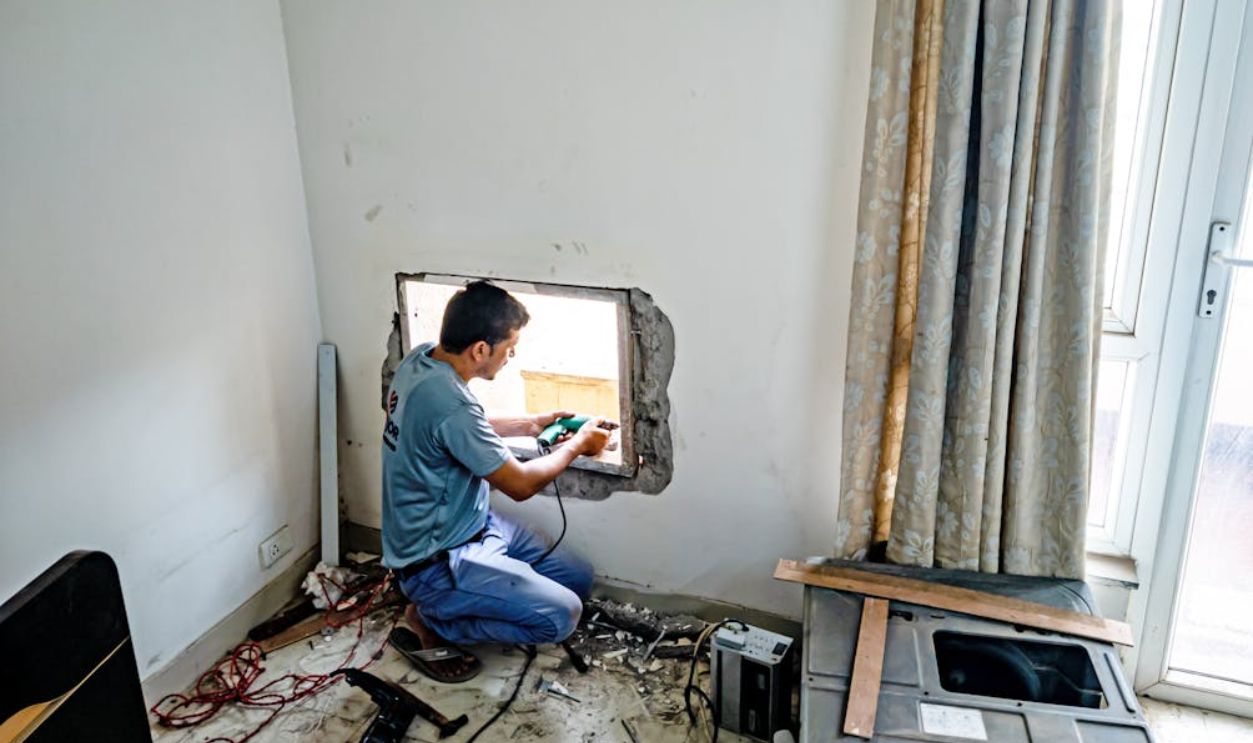
Window replacements involve tools, ladders, debris, and sometimes open exterior walls. If contractors expect you to remain in the apartment while work is happening, make sure the environment will still be safe and secure. Your landlord is responsible for ensuring that renovation work doesn’t create hazards for tenants.
Know When To Seek Legal Advice
If your landlord insists you must completely empty the apartment without offering solutions—and threatens consequences if you refuse—it may be time to speak with a tenant lawyer or legal clinic. Many offer free consultations and can quickly tell you whether the landlord’s demands are legally enforceable.

Remember That Tenants Have Rights
It’s easy to feel powerless in landlord disputes, but tenant laws exist for a reason. You’re not just borrowing space—you’re paying for the right to live there. That means landlords must balance property improvements with your ability to actually use your home.

Practical Tips For Handling The Situation
Start by asking for details, checking local laws, and documenting communications. Clarify how much space contractors truly need, request help with storage if necessary, and explore staged renovations that reduce disruption. Most importantly, don’t panic—many renovation disputes are resolved through simple negotiation once expectations are clarified.

Renovations Shouldn’t Turn Your Life Upside Down
Landlords can absolutely upgrade their properties, but that doesn’t mean tenants should be forced into chaos with nowhere to put their belongings. With clear communication, knowledge of your rights, and a willingness to ask questions, you can often find a solution that works for both sides. And if your landlord refuses to be reasonable, remember: tenant protections exist to ensure that “home improvement” doesn’t come at the cost of your home.
You May Also Like:
I accidentally deposited the same check twice using mobile deposit. What actually happens now?