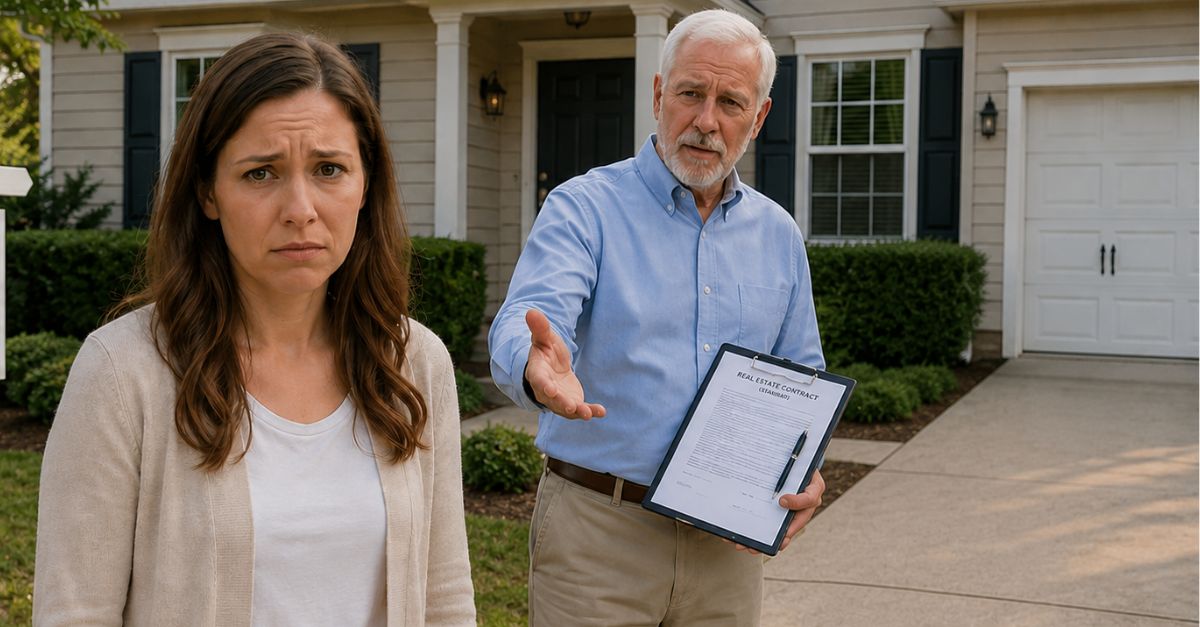
The Family Promise Sounds Sweet
When a parent says, “Put my name on the house so it stays in the family,” it can sound caring, practical, and hard to push back on. But adding someone to your home’s title is not just a warm family gesture. It is a legal and financial move that can change ownership, taxes, debt risks, and what happens later if life takes a turn.
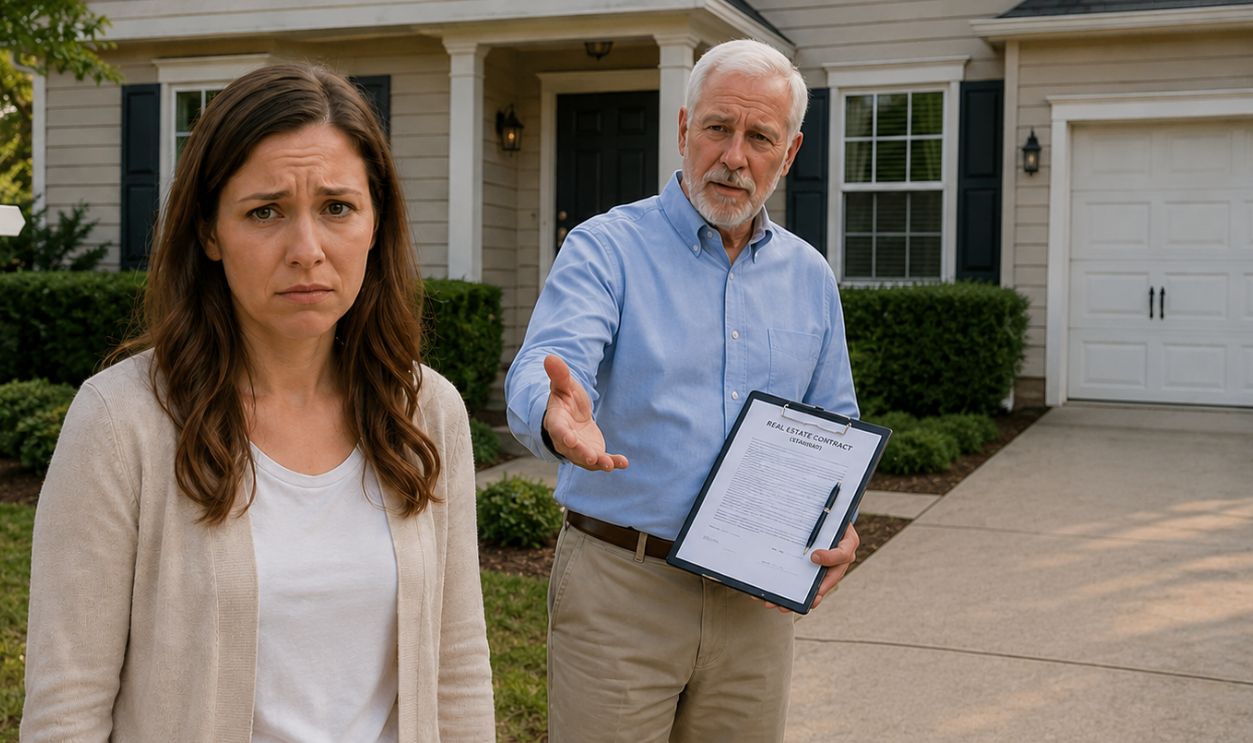
A House Title Is Not Just A Piece Of Paper
Your deed says who legally owns the property. If you add your dad’s name, you may be giving him a real ownership stake, not just a symbolic spot in the family story. That can affect your ability to sell, refinance, borrow against the home, or decide what happens to it when someone dies.
 LightField Studios, Shutterstock
The First Big Question Is What He Really Means
Families often say they want a house to “stay in the family” without being clear about what that actually means. Does your dad want to inherit it automatically if you die, avoid probate, protect it from a future spouse, or just feel included? Those are different goals, and putting him on the deed is often the bluntest and riskiest way to try to solve them.

Adding A Name Can Count As A Gift
The IRS says adding someone to real estate can trigger federal gift tax rules if you give away part of the property for less than full value. The annual exclusion for 2024 is $18,000 and rises to $19,000 for 2025. That does not always mean you owe tax right away, but it can mean filing a gift tax return and using part of your lifetime exemption.

The Mortgage Company May Get A Say
If you still have a mortgage, your loan papers matter a lot. The Consumer Financial Protection Bureau warns that transferring ownership can trigger a due-on-sale clause in some cases, meaning the lender could demand full repayment. Some family transfers are protected under federal law, but you should not assume your lender will ignore the change.

Your Dad’s Creditors Could Become Your Problem
Once your father is on title, his financial troubles may not stay separate from your house. If he gets sued, owes certain debts, or files for bankruptcy, his share of the property could come into play. That can drag your home into someone else’s legal and money problems.

Medicaid Rules Make This Even Trickier
If your dad may need long-term care one day, things get even more complicated. Medicaid rules include a five-year look-back period for certain asset transfers. A title change made with good intentions can cause serious problems later if nursing home care or other long-term care costs enter the picture.

Capital Gains Tax Is Where Many Families Get Burned
This is one of the biggest hidden risks. If someone inherits property at death, the tax basis usually gets stepped up to the home’s fair market value at that time. But if your dad is added now and gets his interest through a gift-style arrangement instead of a full inheritance, the basis rules can be much less favorable. If the home is sold later, that can mean a much bigger tax bill.

An Inheritance Is Often Tax Smarter Than A Gift
The IRS treats lifetime gifts and inherited property very differently. A gift usually carries over the original tax basis. Inherited property usually gets a stepped-up basis. That difference can mean little to no capital gains tax after a sale, or a nasty surprise.

Joint Tenancy Is Not A Magic Fix
Many people think joint tenancy with right of survivorship solves everything because the home passes automatically to the surviving owner. It can help avoid probate for that asset, but it also means you are giving away part of the property now. The American Bar Association notes that joint ownership can also bring unintended problems, including creditor issues and loss of control.

Tenants In Common Can Be Even Messier
If you add your dad as a tenant in common, his share may not pass automatically to you or stay “in the family” the way you expect. His portion could pass under his will or under state intestacy law if he has no will. That could leave you owning your home with siblings, step-relatives, or other heirs you never planned to deal with.

You Could Lose Some Control Over Selling
Once another owner is on title, big decisions usually need that person’s cooperation. If you want to sell, refinance, or use the home as collateral, your dad may need to sign off. Even if you trust him completely, illness, incapacity, conflict, or simple delays can turn that into a real headache.

Refinancing Can Get Awkward Fast
Lenders care a lot about who owns the property backing a loan. If title changes, refinancing can get more complicated, and the lender may have questions about ownership and occupancy. A move meant to create peace of mind can instead limit your financial flexibility.

Marriage, Divorce, And Blended Families Change Everything
Family plans do not stay frozen. If you marry, divorce, remarry, or have children, your view of who should control or inherit the house may change. Adding your dad now can lock you into a setup that stops making sense later.

Your Dad Might Not Be Trying To Hurt You
It helps to say this plainly. A parent can mean well and still suggest a bad legal plan. Wanting the home to stay in the family is understandable, but the safest tool usually is not “just put me on the deed.”

A Will May Be A Better Fit
If your goal is to decide who gets the house after you die, a will is one common option. It does not avoid probate by itself, but it lets you keep full ownership during your lifetime. That means no accidental co-owner, no immediate gift, and no loss of control.

A Revocable Living Trust Often Solves The Real Problem
A revocable living trust can let you keep control of your home while naming who gets it later. The Consumer Financial Protection Bureau notes that estate planning tools like trusts can help families manage what happens to assets at death or incapacity. For many people, this is a cleaner fix than giving away ownership during life.

A Transfer On Death Deed May Exist In Your State
Some states allow transfer on death deeds, also called beneficiary deeds, which let real estate pass automatically at death without probate. The Uniform Law Commission created the Uniform Real Property Transfer on Death Act in 2009, and many states have adopted some version of it. If your state allows it, this can let you keep control during life while still naming who gets the home later.

A Life Estate Is Another Specialized Option
Some families use a life estate deed, where one person keeps the right to live in the home for life and the property passes to someone else at death. This can work in narrow situations, but it also raises tax, Medicaid, and control issues that need careful review. It is not a simple shortcut.

If He Wants Protection, Consider The Right Documents
Sometimes a parent asks to be on title because they are worried about chaos if you become sick or die unexpectedly. In that case, a financial power of attorney, health care directive, will, or trust may solve the real concern more directly. Those tools can give authority or set inheritance rules without turning your house into shared property right now.

State Law Matters More Than People Think
Real estate ownership, probate, homestead protections, and transfer-on-death rules vary by state. A strategy that works well in one place can backfire in another. That is why advice from a neighbor, cousin, or social media thread should never be treated like solid legal guidance.

There Is Also The Property Tax Angle
Changing title can affect property tax assessments, exemptions, or filing rules depending on the state or county. Some places offer parent-child exclusions or homestead protections, but only under very specific rules. Before signing anything, it is smart to check with your local assessor and a qualified attorney.

If Your Dad Has Other Children, Think Ahead
Adding your father to the deed may accidentally open the door for other heirs later. If he dies owning part of the property and there is no survivorship feature, his share may pass through his estate. That can create a messy shared ownership situation with siblings or half-siblings who were never part of the original plan.

Sentiment Is Powerful, But Paperwork Wins
Families often make title decisions based on emotion, gratitude, or pressure. Courts and lenders do not care that everyone had good intentions at the dinner table. They care about what the deed says, what the mortgage says, and what state law says.

What To Ask Before You Even Consider It
Ask what exact problem this move is meant to solve, what happens if your dad gets sued, whether there is a mortgage, and how taxes would work if the home is sold later. Ask whether your state allows transfer on death deeds and whether a trust would do the same job with fewer risks. If nobody can answer those questions clearly, that is your sign to slow down.

The Practical Answer Is Usually No
For most people, putting a parent on the title just so a home “stays in the family” is not the smartest move. It can create gift tax reporting issues, complicate your mortgage, expose the property to another person’s creditors, and make future tax treatment worse. In plain English, yes, it can be a terrible idea.

The Smarter Next Step Is Professional Advice
If this conversation is happening in your family, bring the emotions to the table but let a local estate planning attorney handle the legal structure. One short meeting could save years of tax and legal trouble. The point is not to shut your dad out. It is to choose a plan that really protects both the home and the family.