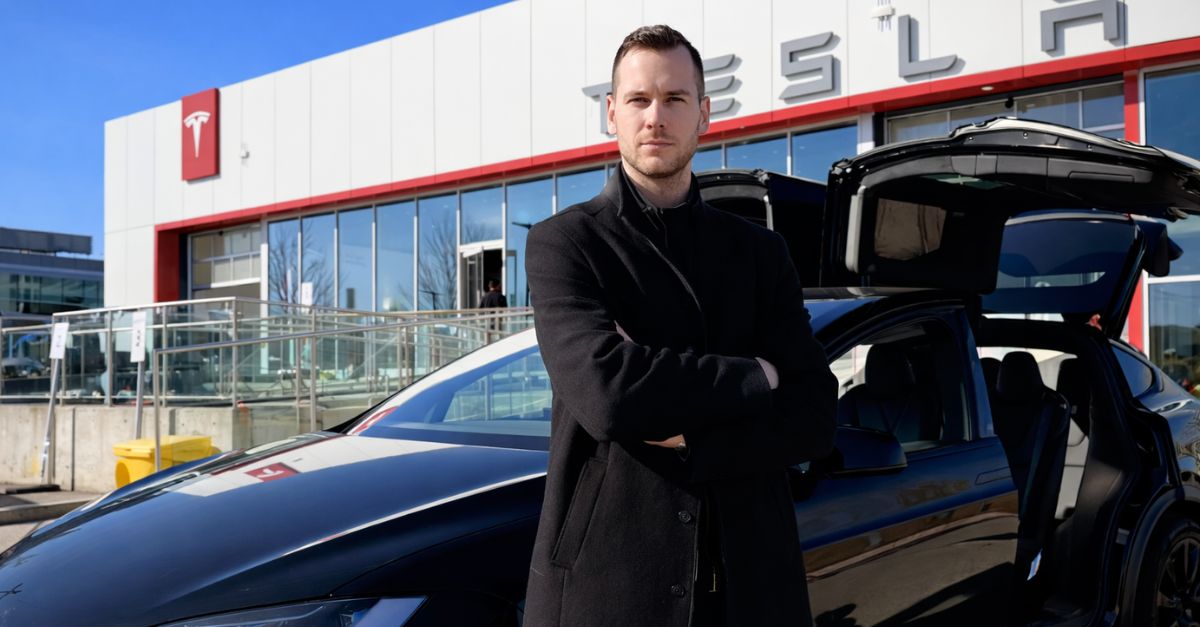

Smooth white paint, flush door handles, a charging cable coiled like a sleeping snake. A Tesla still carries a certain hum of modern confidence, even while parked. But honestly, rising insurance bills and the steady drip of subscription charges have a way of dulling that shine. Downgrading no longer signals failure; it signals discipline. The question lingers in the air like the smell of warm asphalt after a summer drive: is this a smart financial pivot or penny-pinching that misses the bigger picture? The answer sits at the intersection of math, lifestyle, and long-term value, and it deserves a closer look.
The Monthly Math That Refuses To Stay Simple
Feelings do not pay bills, so start with the real numbers. After accounting for insurance, depreciation, financing, and charging, the average annual cost to own and run a new electric vehicle in 2023 was approximately $12,000, according to AAA. Among these, insurance continues to be the sore point. In case you were unaware, Tesla models are among the most costly cars to insure in the US. And the cost of repairs associated with integrated electronics and aluminum bodies is a major contributing factor. A small fender scrape can become a four-figure claim. The "cheap to run" promise begins to falter as those premiums rise, don't you think?
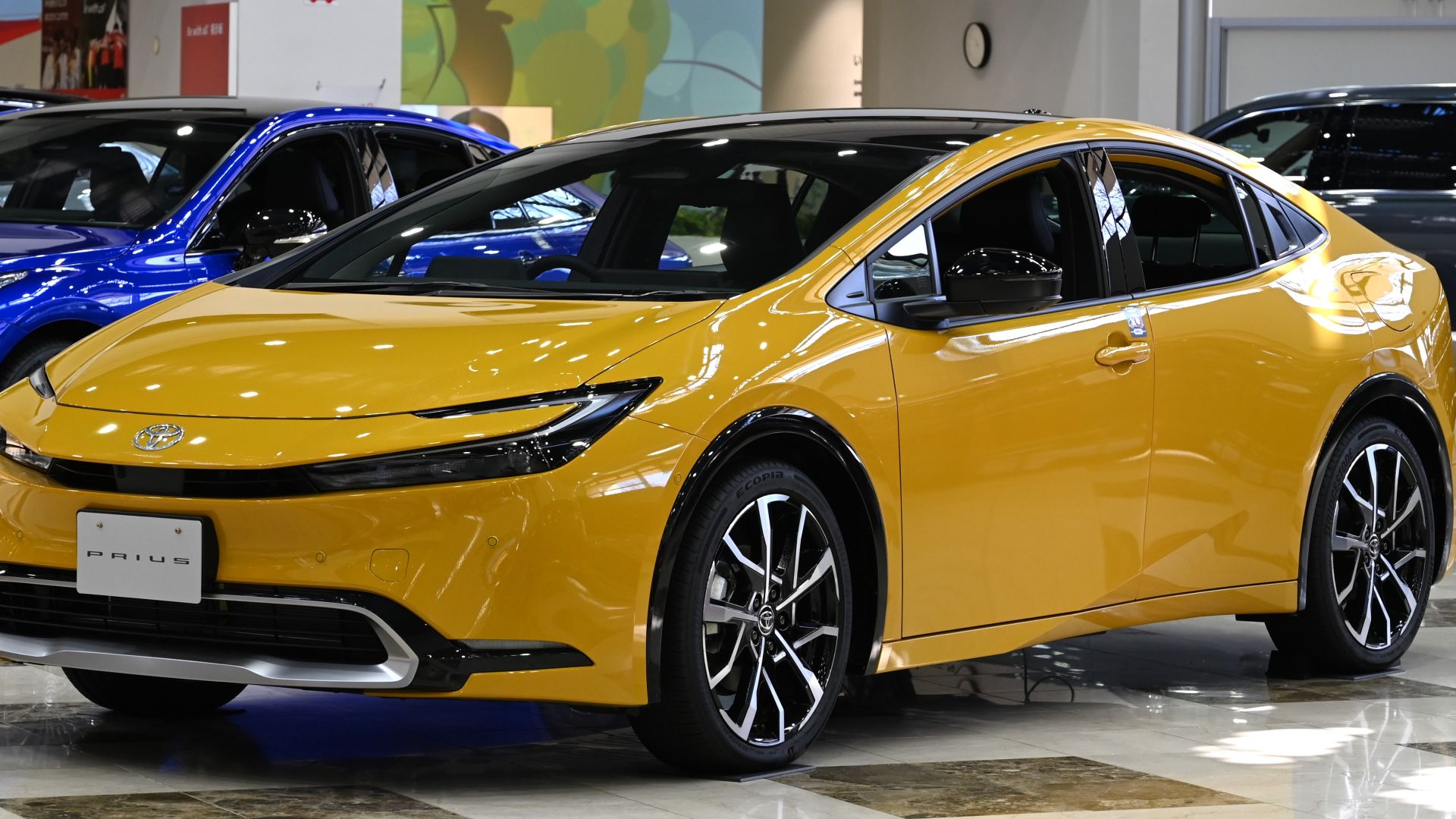
From there, the comparison widens. Popular hybrids like the Toyota Prius or Honda Accord Hybrid often cost thousands less upfront and carry lower insurance rates. Fuel expenses rise, yes, but hybrids still average 45 to 50 miles per gallon, softening the hit at the pump. In 2024, Consumer Reports noted that hybrids often had lower overall ownership costs than comparable electric vehicles, largely because insurance premiums and depreciation were higher for EVs. The gap also varied by model, with hybrids sometimes coming out ahead when insurance and resale value were factored in, but as some would argue, EVs still offered savings in fuel and maintenance. If you take a closer look, that gap tends to matter more to households watching cash flow than charging costs ever did. Numbers.
 Karolina Grabowska www.kaboompics.com, Pexels
Convenience Has A Dollar Value Too
Still, money is not the whole ledger. Daily friction carries its own price tag. Home charging feels effortless until an unexpected road trip appears on the calendar. Public fast chargers have expanded quickly, yet reliability remains uneven. JD Power’s 2023 US Electric Vehicle Experience Study found that one in five charging attempts failed or delivered slower-than-expected speeds. That translates into lost time, stress, and planning fatigue. A hybrid skips that drama entirely, refueling anywhere gasoline flows. Such ease can quietly restore flexibility to your schedule, turning transportation back into a background detail rather than a recurring mental calculation.
This is where lifestyle sneaks back into the equation. For drivers covering long distances each week, or those living in colder regions where winter range drops sharply, hybrids often deliver a calmer ownership experience. Gas engines handle frigid mornings without range anxiety, while regenerative braking still trims fuel use. Over time, reduced hassle can feel like savings, even if it never appears on a spreadsheet. When transportation supports daily routines rather than complicates them, that reliability holds real financial value, especially for adults balancing work, family, and aging parents.
Frugal Or Focused On The Long Game?
The final layer asks a harder question: what does “saving money” really mean? Depreciation answers bluntly. Used Tesla values fell sharply in 2023 and 2024 as price cuts on new models rippled through the resale market. iSeeCars reported that some used Teslas dropped by more than 20% in a single year. Hybrids, by contrast, have held value remarkably well, buoyed by steady demand and proven longevity. A Prius routinely reaches 200,000 miles with minimal drivetrain issues, a reputation built over two decades. That difference matters more than it first appears, because resale value often surfaces years later as one of the biggest financial realities of ownership.
From this angle, switching vehicles can resemble risk management rather than thrift. Lower depreciation and predictable maintenance reduce financial surprises. This part matters more than chasing the lowest possible monthly expense. Frugality becomes a problem only when it sacrifices long-term stability for short-term comfort. A hybrid may lack the silent thrill of instant torque, yet it can free up cash for travel or simply breathing room. The smarter move depends on priorities, not pride. Before making the swap, run the numbers honestly, weigh daily convenience, and decide which vehicle actually supports the life being lived.