
Paying Rent Just Got More Expensive
You pay your rent on time on the first of every month, but every available option comes with a fee. Credit cards charge a percentage, the online portals used by your property manager adds “convenience fees,” and your landlord refuses to accept cash, checks, or money orders. What should be a simple monthly obligation has turned into a forced surcharge just to pay what you already owe. That seems blatantly unfair, if not illegal.

Why Landlords Push Digital Payments
A lot of landlords now prefer online payment systems because they are easier to track and automate. Digital payments create records, reduce administrative work, and limit disputes over whether rent was paid. Cash and checks demand a lot more manual handling on the part of office staff, which increases the risk of errors or lost documentation.

The Myth Of “Legal Tender”
You may assume that landlords have to accept cash because it is legal tender. In reality, there is no general federal rule requiring private businesses or landlords to accept cash. Payment methods are usually governed by lease terms and local laws, not the concept of legal tender alone.

Start With Your Lease
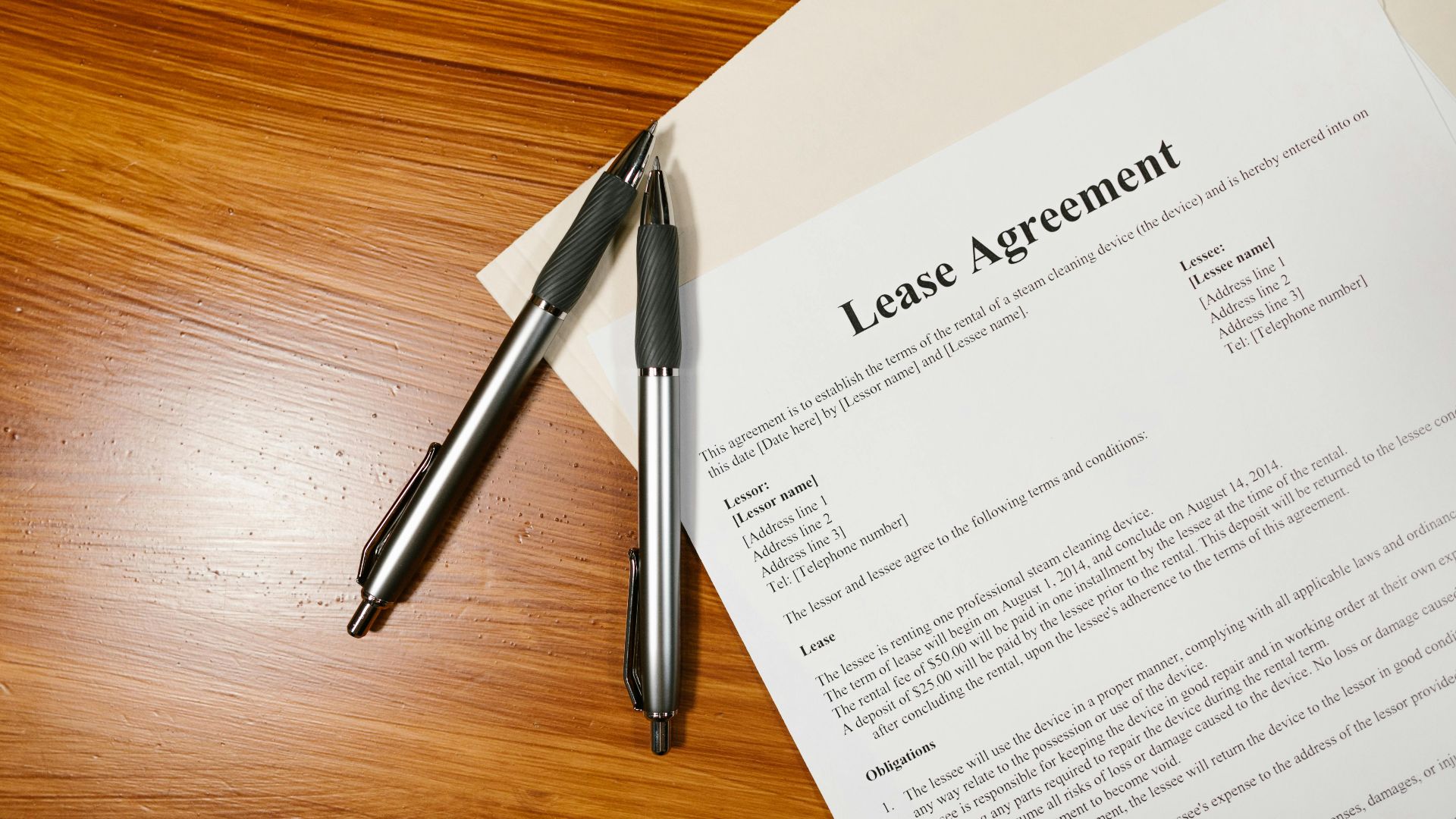
The most important document here is your lease. If it clearly states acceptable payment methods, those terms typically control what happens. Landlords generally can’t change payment requirements mid-lease without your agreement, which means any sudden switch to fee-heavy systems may not be enforceable.
When Landlords Can Limit Payment Methods
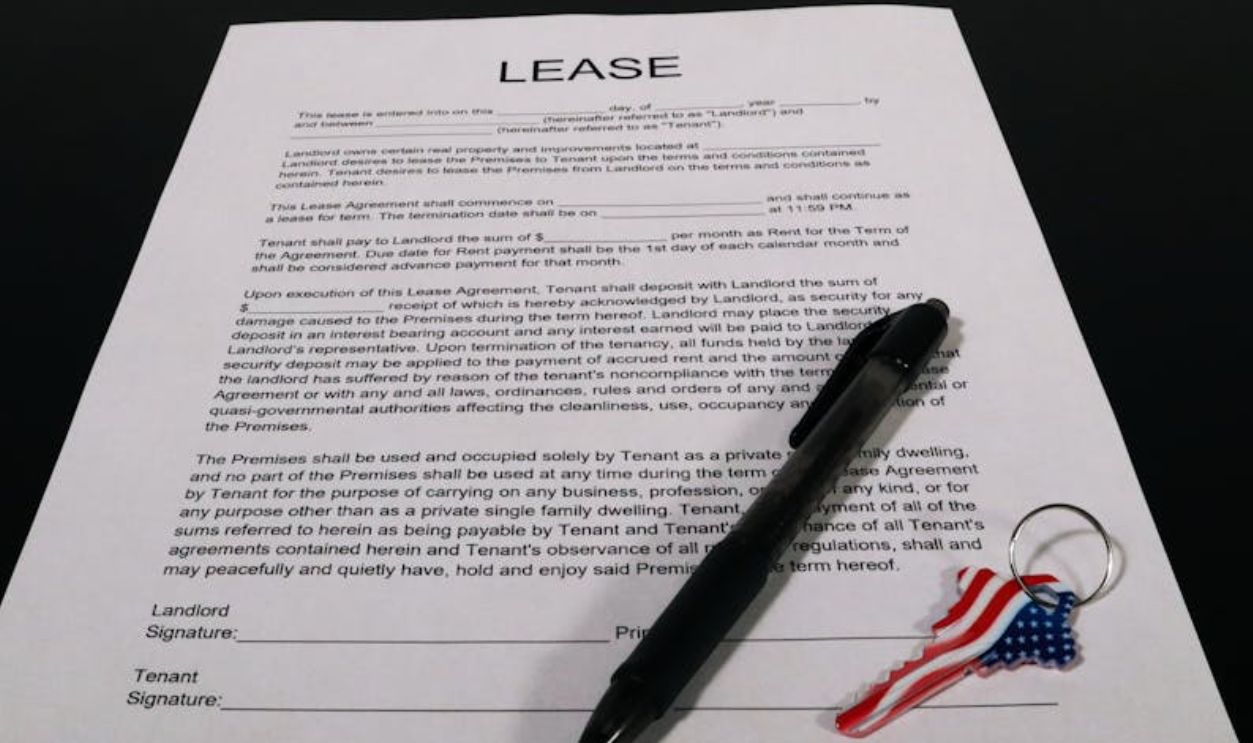
In many areas, landlords can require certain payment methods, including online systems; but again, this is only if it’s written into the lease. However, they still have to act reasonably. Requiring methods that impose unavoidable fees on tenants can raise legal and practical concerns.
States Where Rules Are Stricter
Some states go further and protect tenants from being forced into electronic payments. For example, laws in places like New York prohibit landlords from requiring online-only payments and may prevent them from charging fees tied to those requirements.

You May Be Entitled To A Fee-Free Option
A key principle in many jurisdictions is that tenants should have at least one reasonable way to pay rent without extra charges. If every available method includes a fee, your landlord could be pushing into questionable territory. But again, this depends on local laws.

Optional Vs Mandatory Fees
There’s an important distinction to make here between optional and mandatory fees. If a fee is tied to a voluntary payment method, like using a credit card, it’s usually allowed. But if all available methods require you to pay a fee, it may no longer be considered optional.

Why Credit Card Fees Are Common
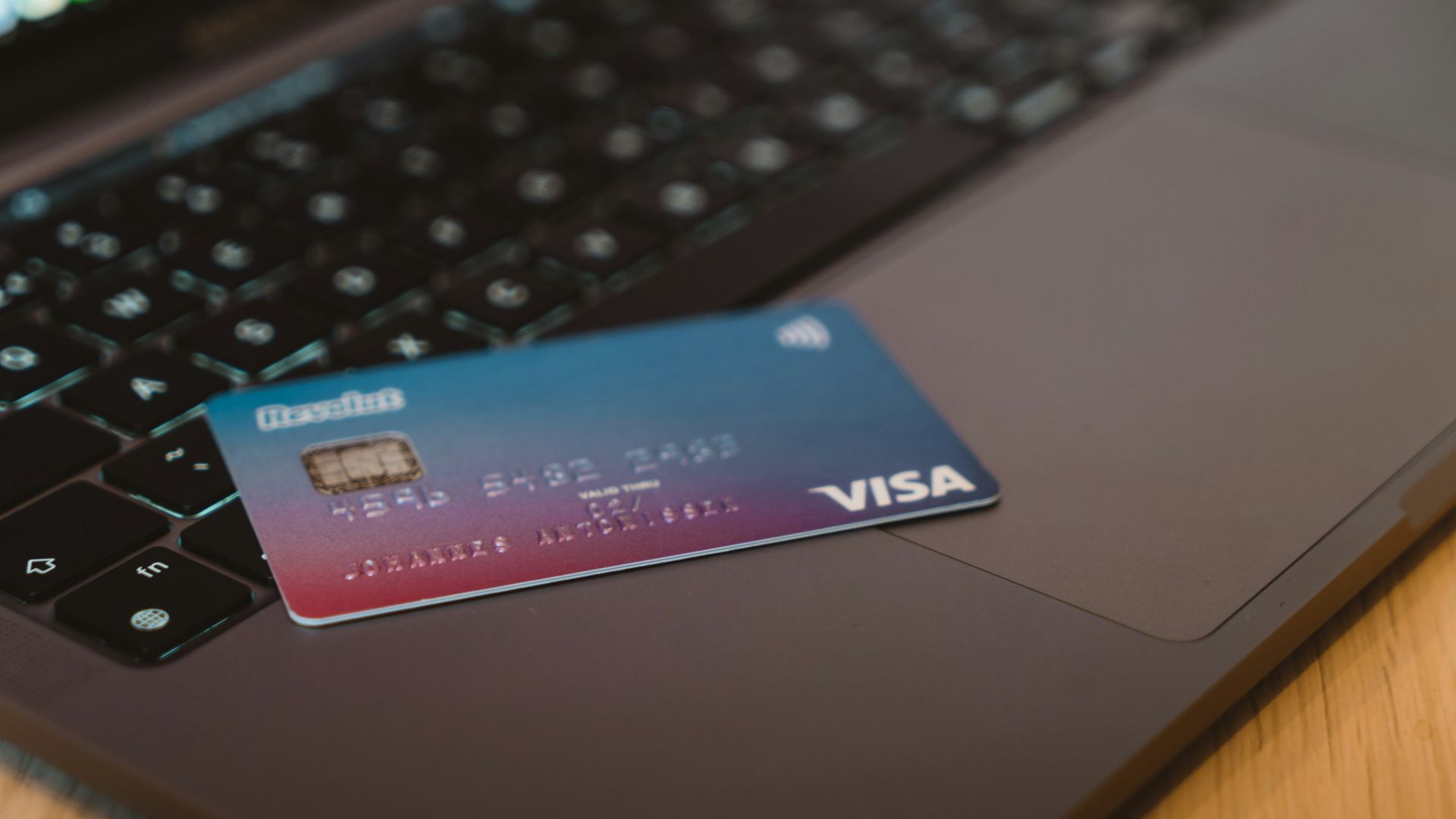
Credit card payments often include processing fees that range from one to several percent. Landlords pass these costs along because the payment processors charge them directly. While this is a frustrating state of affairs, these fees are generally legal when the payment method is optional.
Online Portal Fees And “Convenience Charges”
Many apartment complexes now use online payment portals that add flat fees or percentages. These fees often get labelled as convenience fees, but they can feel unavoidable if no alternative exists. That hardly feels very convenient to the person paying. These systems are set up solely to streamline rent collection, but they can shift costs onto tenants.

What Happens If You Offer Payment Anyway
If you attempt to pay using a method your landlord refuses, such as a check, that refusal could matter. In some cases, tenants can use a landlord’s refusal to accept payment as a defense in disputes over late rent or nonpayment.

Risk Of Not Having A Paper Trail
One reason landlords avoid taking cash is the lack of documentation. Without a receipt, it can be difficult to prove that a payment was made. This creates risk for both sides, especially if disagreements arise later.

Why Some Landlords Avoid Checks Too
Checks can bounce, delay payment, or require manual processing. For large apartment complexes, this can be a constant source of administrative headaches. That’s one reason why many landlords push tenants toward automated systems, even if those systems come with fees.
 Esgonzalezz, Wikimedia Commons
Can They Refuse Cash Completely?
Unfortunately, in many places, yes, they can—unless local laws say otherwise. Cash payments are often allowed only if both parties agree. Some jurisdictions require acceptance of certain payment types, but others leave it entirely up to the lease agreement.

What About Money Orders?
Money orders are often treated as a middle ground. They provide a paper trail without requiring a bank account. In some areas, tenants have the right to use money orders even if landlords prefer to receive digital payments. Your landlord’s refusal to take a money order is very much similar to their refusal to take cash or a check: it requires extra processing and can be lost or forged.

When Fees Become A Legal Issue
Fees can become problematic if they are excessive, hidden, or in effect have become mandatory. Courts and regulators often look at whether the tenant had a realistic, fee-free way to pay rent. If you don’t, the fees may be challenged.

How To Push Back Effectively
Start by reviewing your lease and the local tenant laws. Then raise the issue in writing with your landlord. Confirm with them if there is a fee-free option and request clarification on why all the current methods include charges.

Document Everything
This should go without saying, but keep records of all communications and all your payment attempts. If a dispute comes up, documentation can help prove that you made a good faith effort to pay rent and that the issue lies with the payment system, not your willingness to pay.

Consider Local Tenant Resources
Tenant advocacy groups and local housing agencies can offer guidance specific to your area. Laws vary quite a bit from one place to another, so what is allowed in one state may not be allowed in another. Local advice can make a major difference.

When To Seek Legal Advice
If the fees are significant or the landlord refuses all reasonable alternatives, it may be worth getting in touch with a tenant lawyer. Even a brief consultation can clarify your rights and help you decide your next steps.

What You Should Do Next
You aren’t powerless here. Review your lease, check local laws, and push for at least one fee-free payment option. If your landlord refuses, then by all means, escalate through tenant resources or legal channels. The key here is to understand that convenience fees are not always as mandatory as they appear.

You May Also Like: