Attention, Kmart Shoppers!
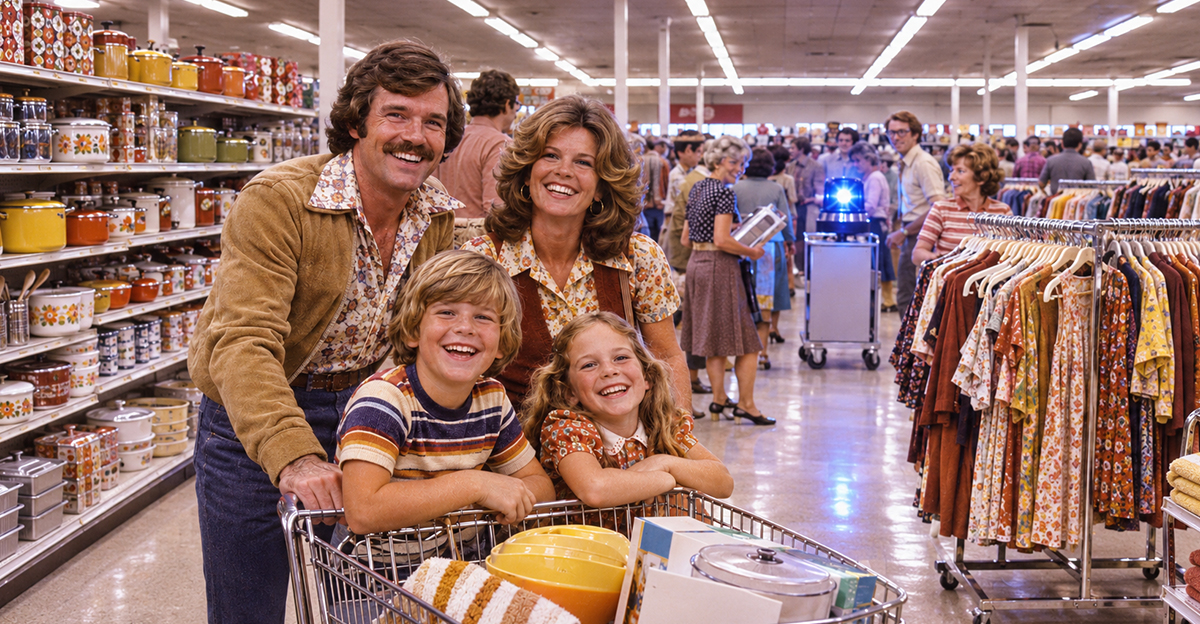
If you grew up shopping at Kmart in the 1960s, 1970s, or 1980s, you probably remember those three magical words: "Attention, Kmart shoppers!" Suddenly, everyone was looking around for a flashing blue light. Something was on sale, and you didn't want to miss it. Shopping was about to get interesting.
When Kmart Was King
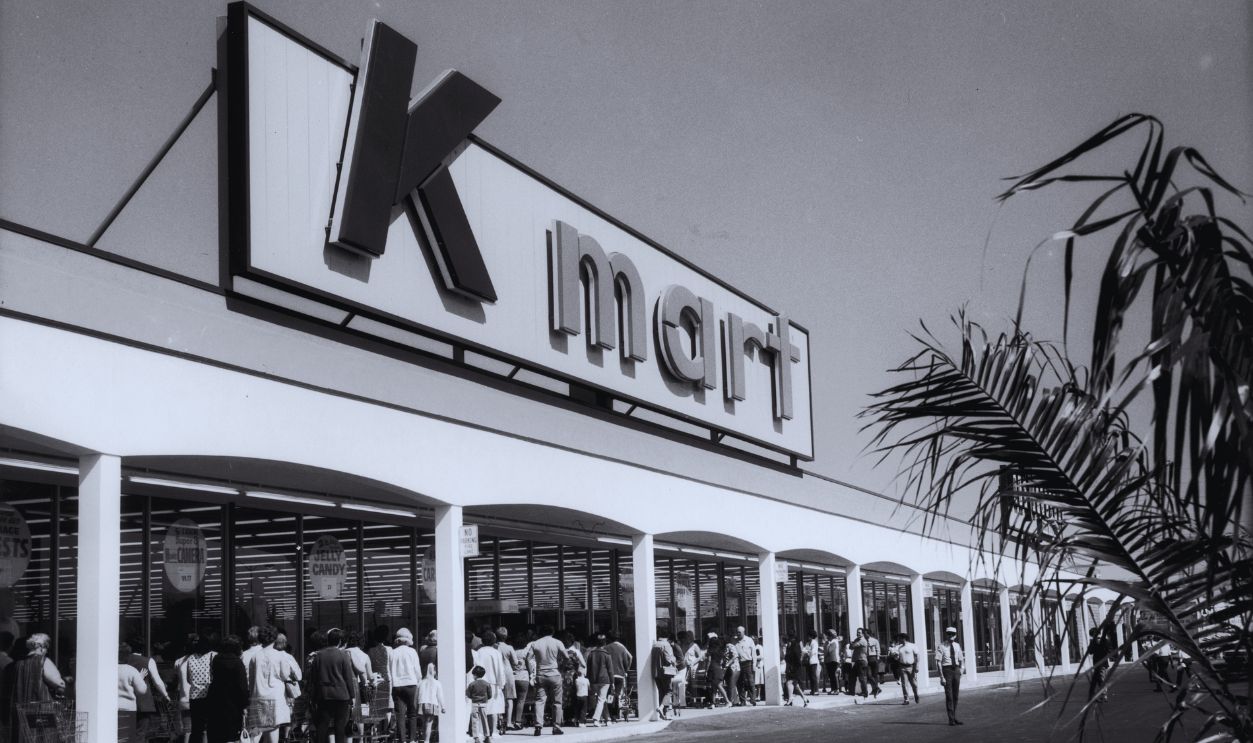
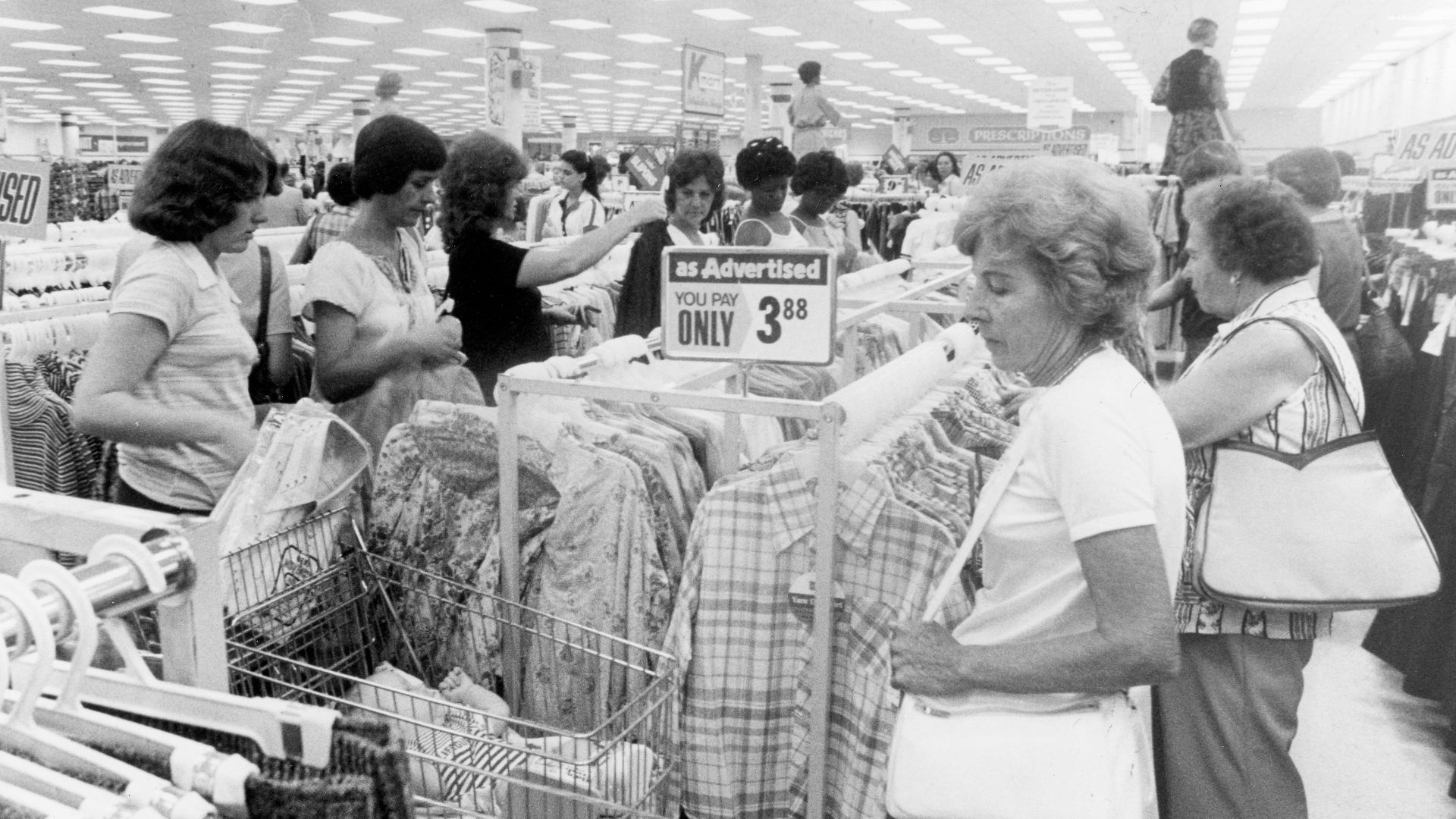
Long before online shopping became the norm, Kmart was one of America's favorite places to find a bargain. The discount chain opened its first Kmart-branded store in 1962, offering everything from clothing to household goods. By the 1970s, it was becoming a fixture of suburban American life.
 American Stock Archive, Getty Images
A Brilliant Idea In 1965
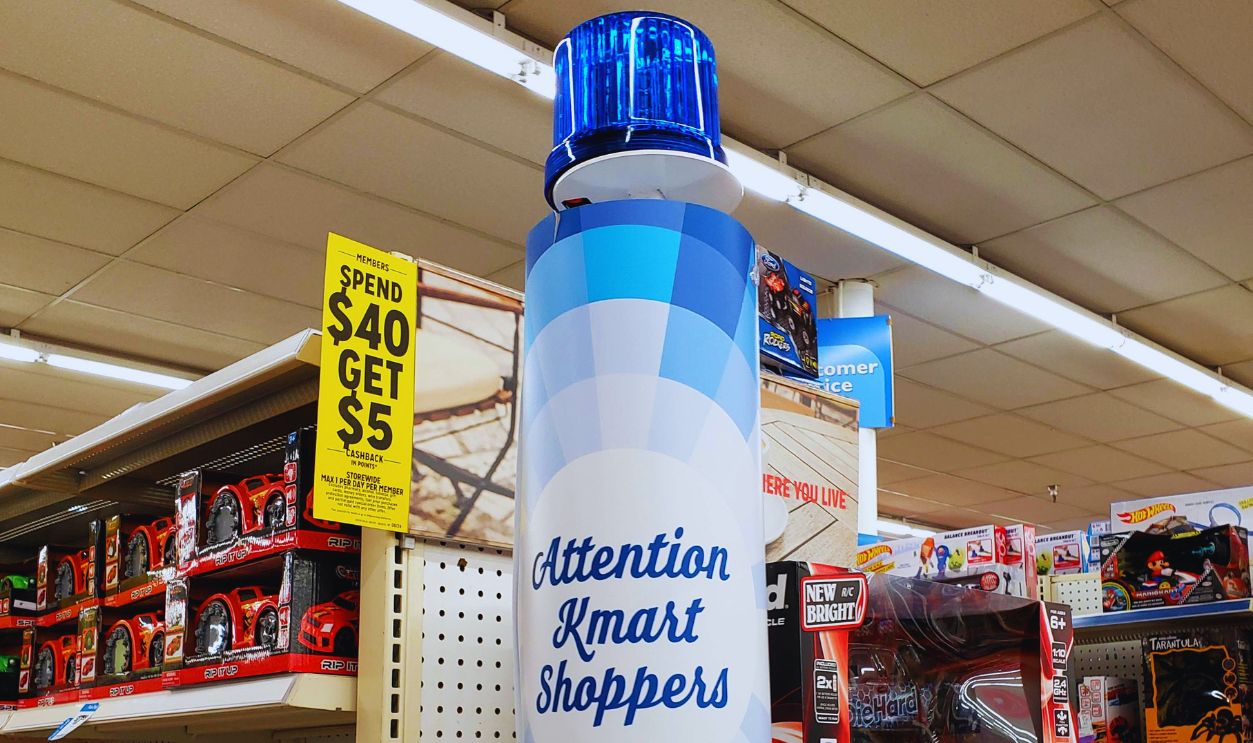
The famous Blue Light Special began in 1965, thanks to an inventive assistant manager named Earl Bartell. His idea was wonderfully simple: use a flashing light to attract shoppers to discounted merchandise. What started as a practical solution became one of the most recognizable promotions in American retail history.
 Retail Photographer, Shutterstock
The Light That Started It All
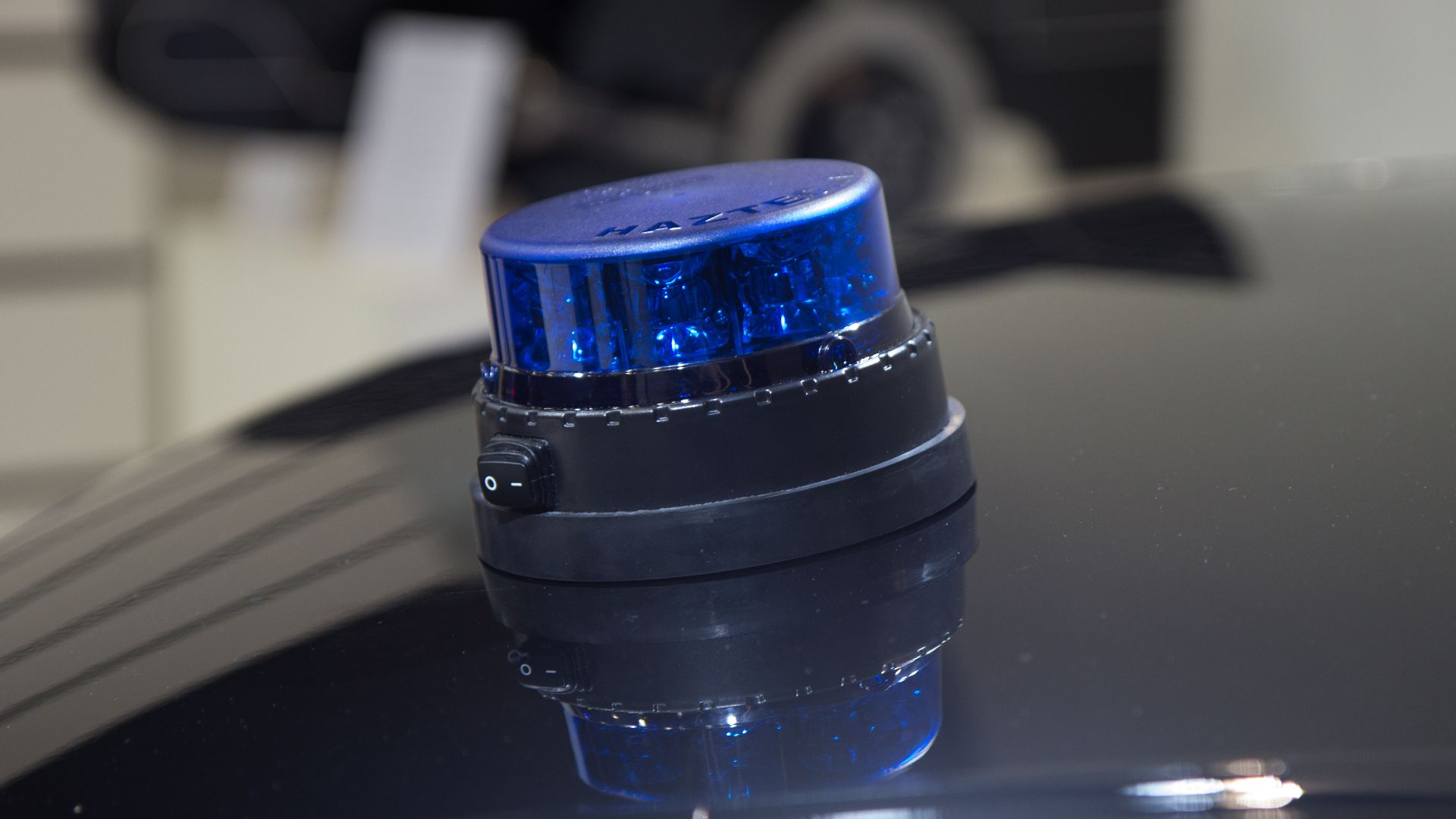
Early versions of the promotion used a flashing light mounted on a makeshift stand. The idea was to make a sale impossible to overlook. Instead of searching through advertisements, shoppers could simply follow the signal to a bargain waiting somewhere inside the store.
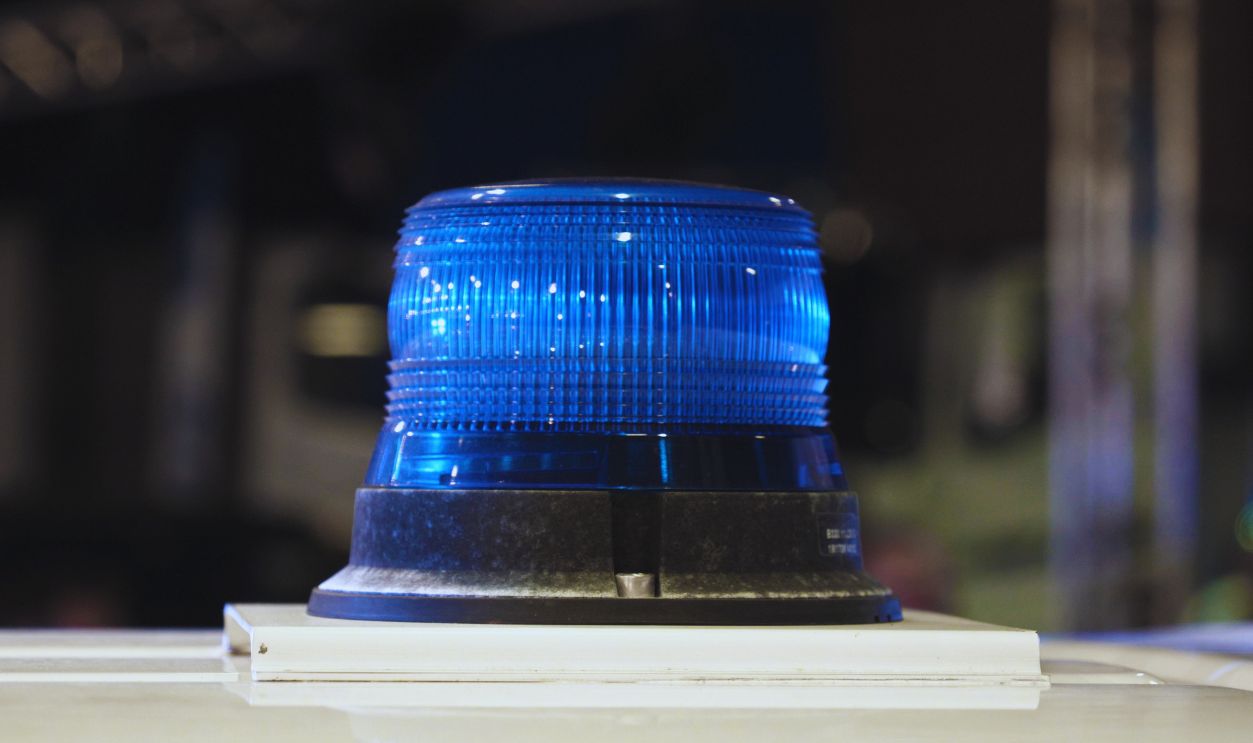
The Announcement Everyone Remembered
There was something exciting about hearing "Attention, Kmart shoppers!" over the loudspeaker. Ordinary shopping suddenly became a little adventure. Whether you were buying groceries, socks, or school supplies, that familiar announcement could stop you in your tracks. What was on sale this time?
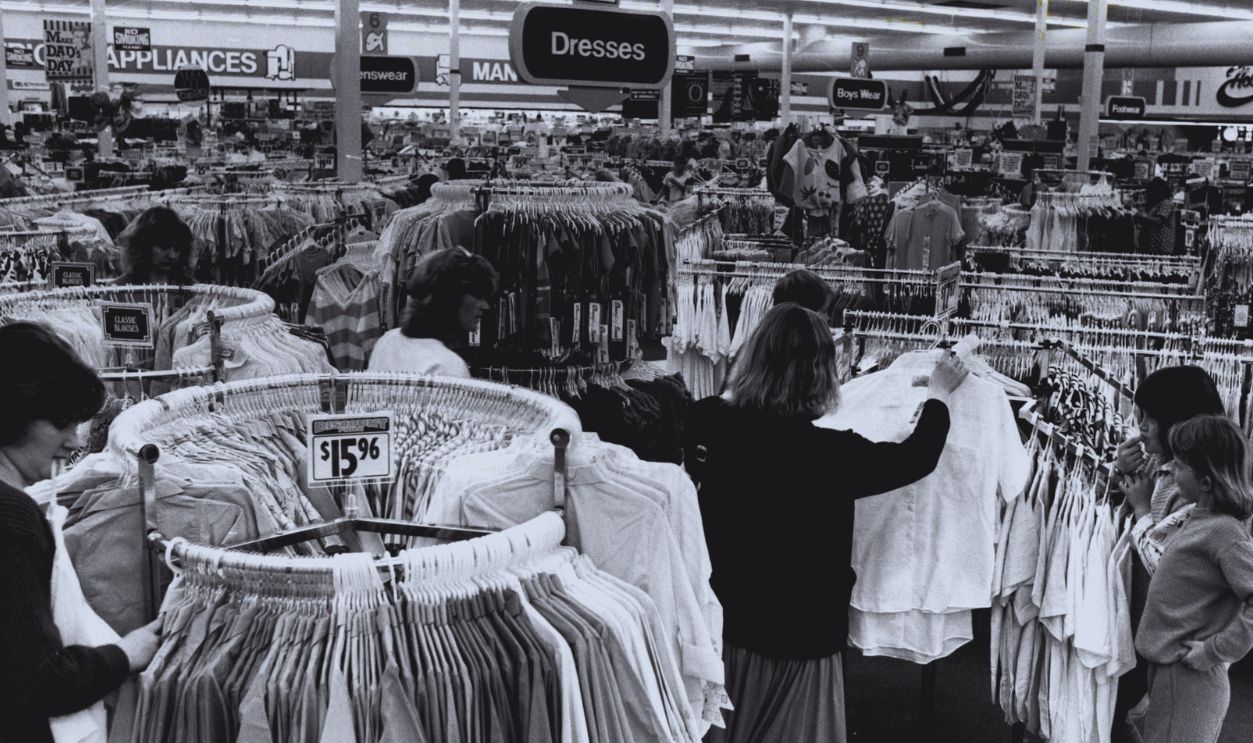 Fairfax Media Archives, Getty Images
You Had To Find The Light
Unlike today's online deals, Blue Light Specials required a little legwork. The flashing light appeared near the discounted merchandise, and shoppers had to make their way toward it. If you were on the opposite side of the store, finding that bargain became a race against the clock.
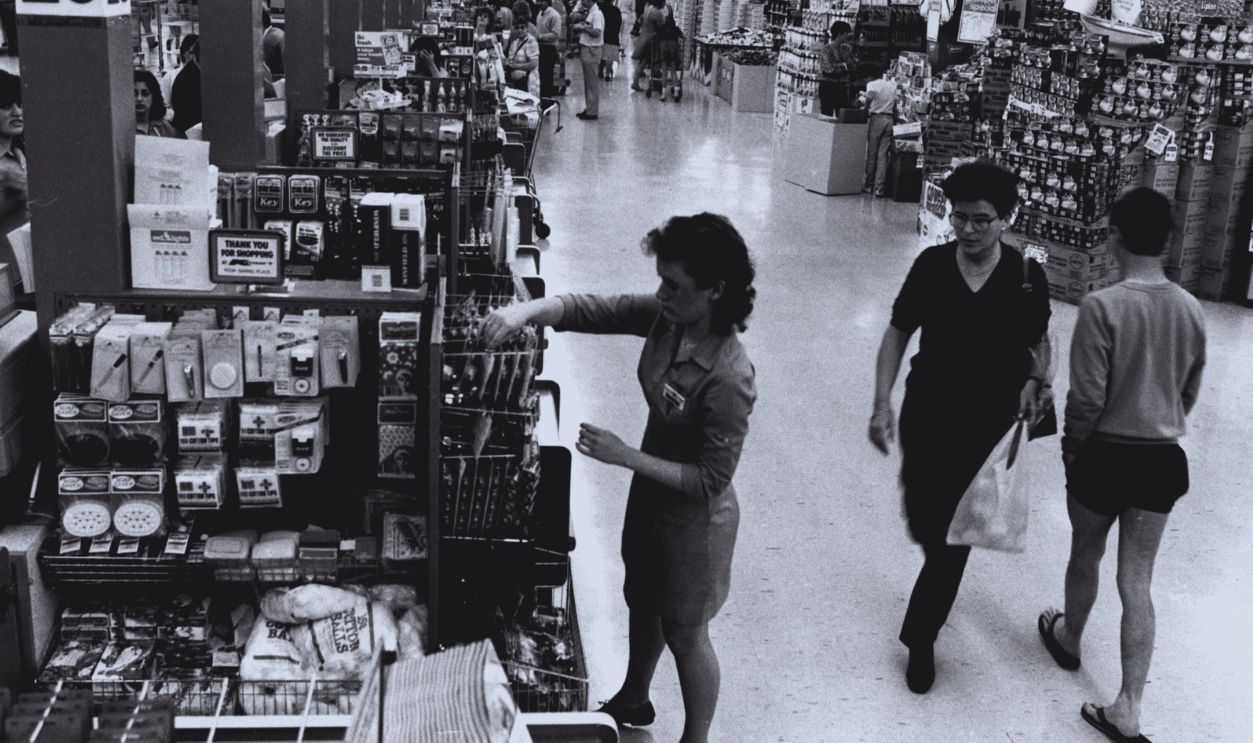 Fairfax Media Archives, Getty Images
The Clock Was Ticking
A typical Blue Light Special lasted around 15 minutes. That meant you couldn't spend forever deciding whether you needed another set of towels. The limited-time offer encouraged quick decisions, and shoppers knew the special price wouldn't necessarily be waiting when they returned later.
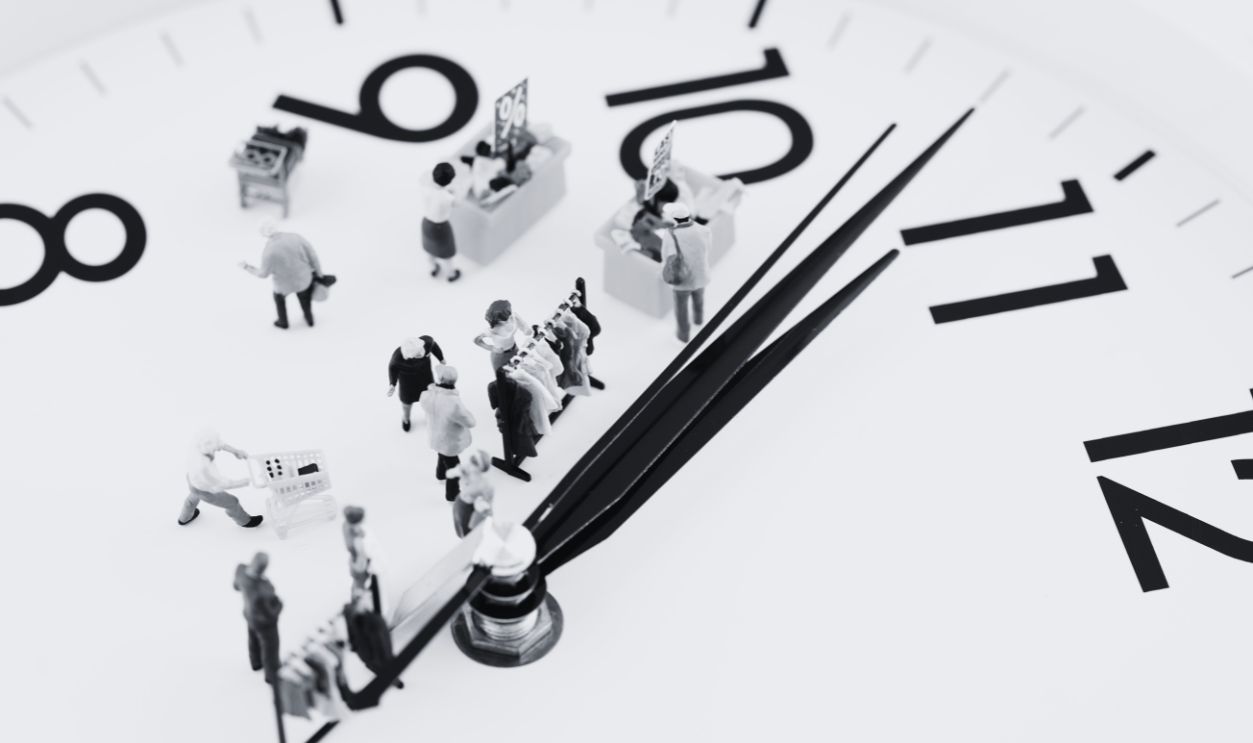
Nobody Knew What Was Coming
Part of the fun was not knowing what the next special would be. You might walk into Kmart looking for toothpaste and suddenly find yourself considering a discounted kitchen gadget. The surprise was half the attraction, turning an ordinary shopping trip into something unexpectedly entertaining.
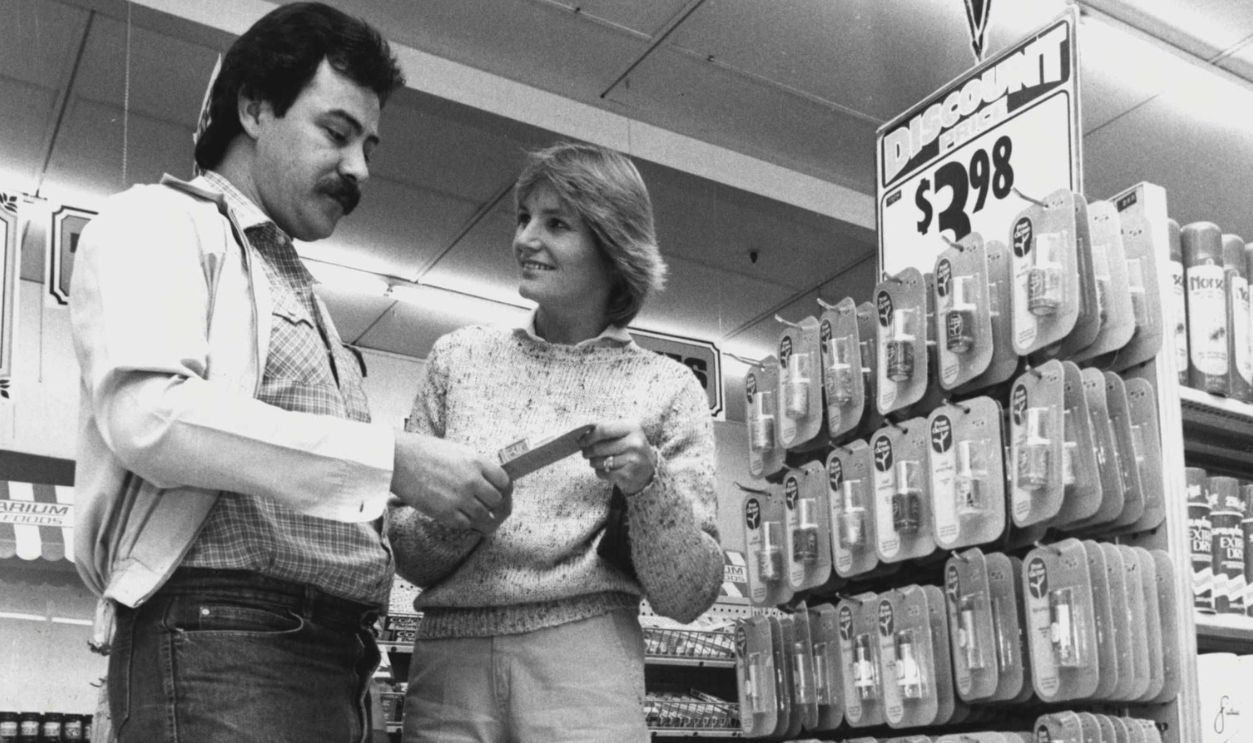 Fairfax Media Archives, Getty Images
It Could Be Almost Anything
One of the cleverest things about the Blue Light Special was the variety. Clothing, bedding, toys, household supplies, and other everyday products could all receive the flashing-light treatment. You never knew whether the next announcement would offer something useful or something you hadn't even considered buying.
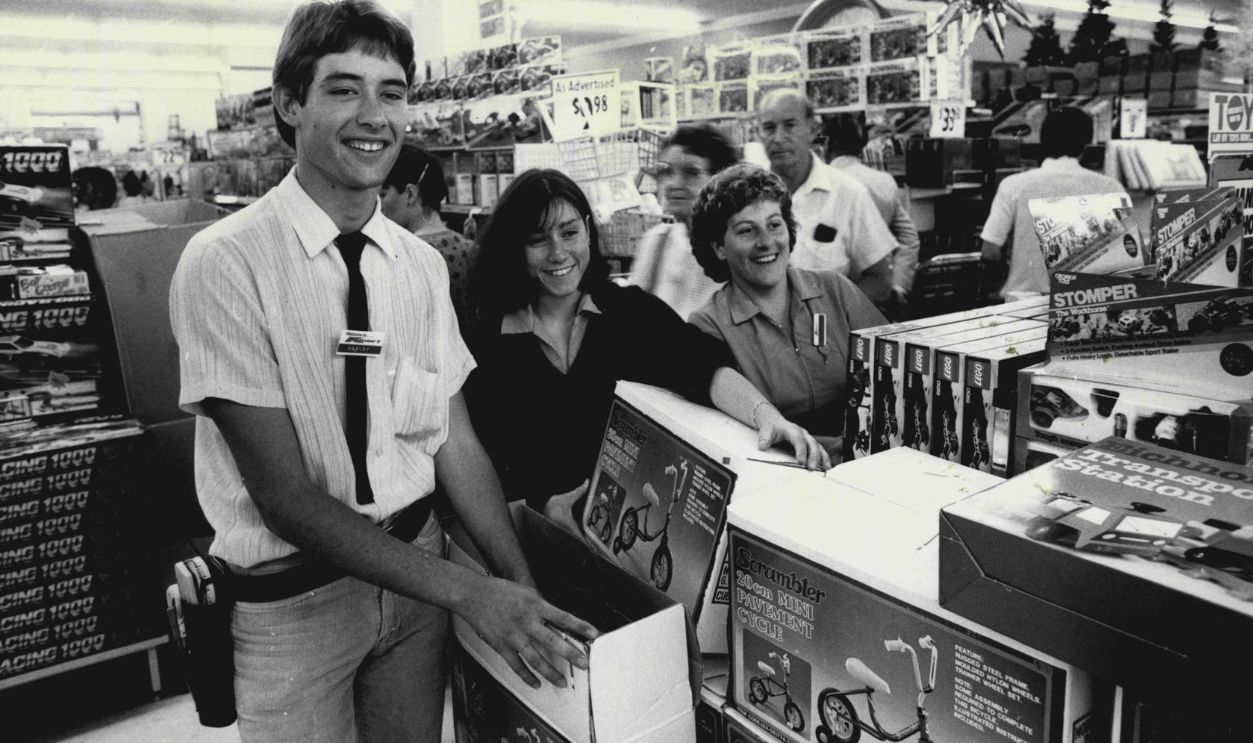 Fairfax Media Archives, Getty Images
Everyone Wanted A Bargain
For many American families, stretching the household budget was practically an art form. Blue Light Specials fit right into that tradition. A good discount meant more money left for groceries, gas, or the occasional family treat. Finding something useful at a surprisingly low price felt like a little victory.
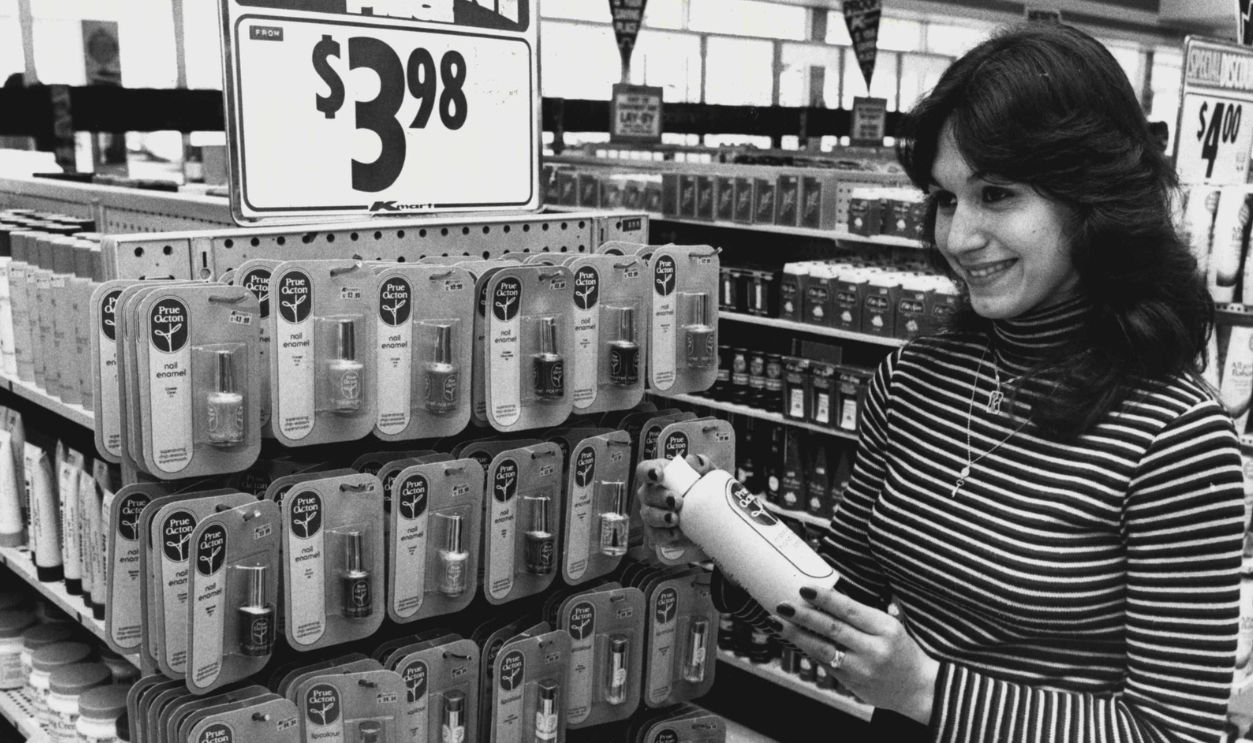 Fairfax Media Archives, Getty Images
Shopping Became A Family Outing
Back then, shopping wasn't always a quick errand. Families often spent a good part of Saturday browsing department and discount stores. Kmart offered plenty to explore, and the possibility of stumbling upon a Blue Light Special made bringing the whole family along a little more interesting.
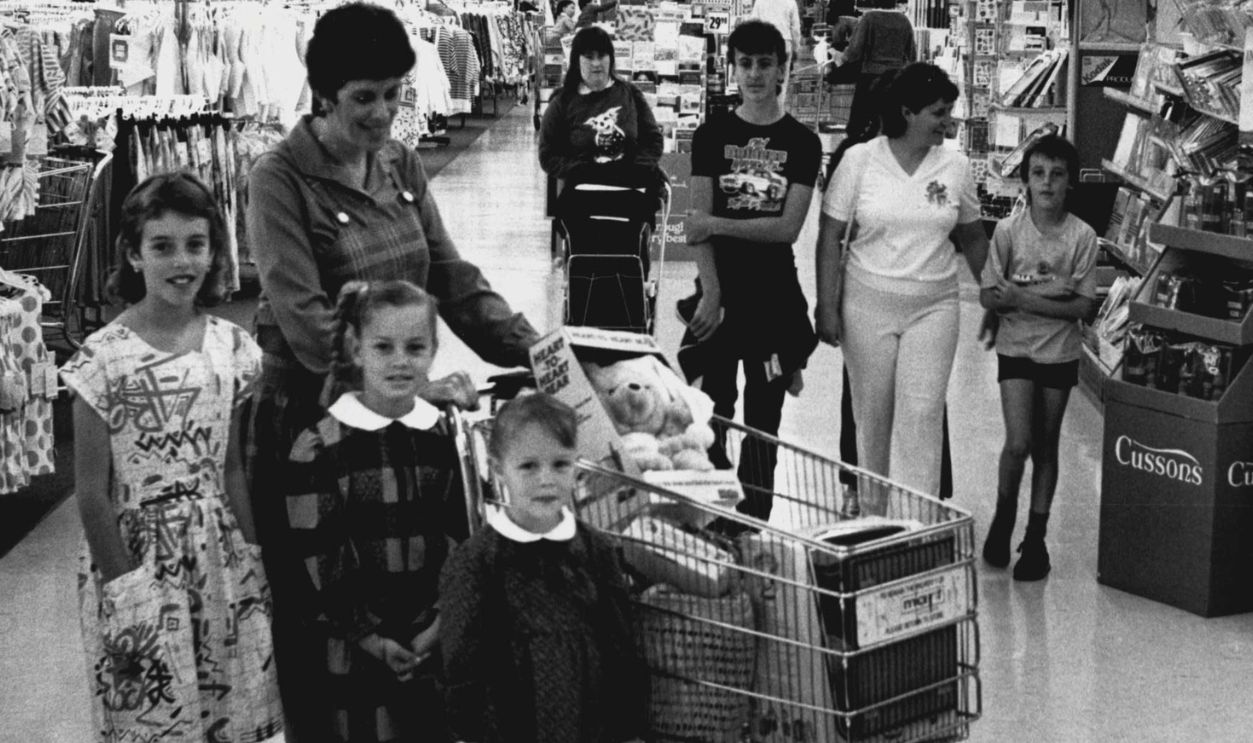 Fairfax Media Archives, Getty Images
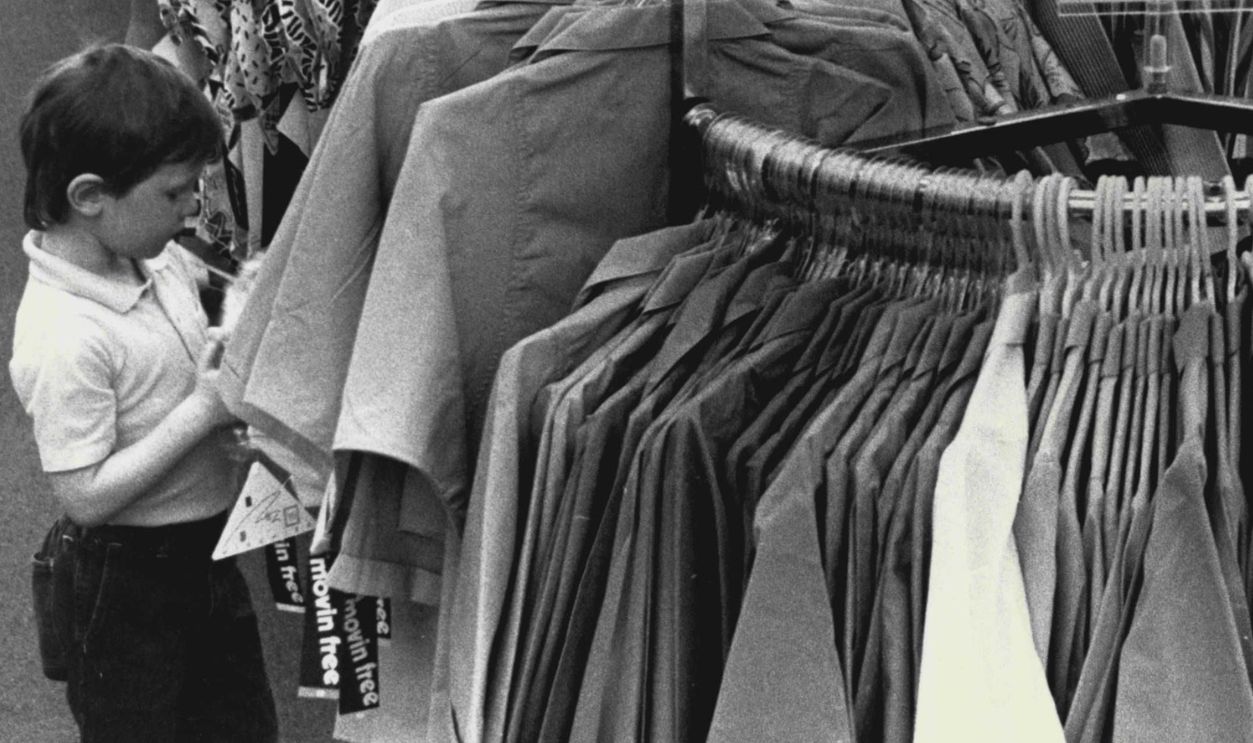
Kids Remembered The Excitement
For children accompanying their parents, the Blue Light Special added some excitement to an otherwise ordinary shopping trip. Imagine wandering through the clothing department when suddenly a mysterious flashing light appeared. Even if the bargain was something boring, like towels, it was still fun finding out.
 Fairfax Media Archives, Getty Images
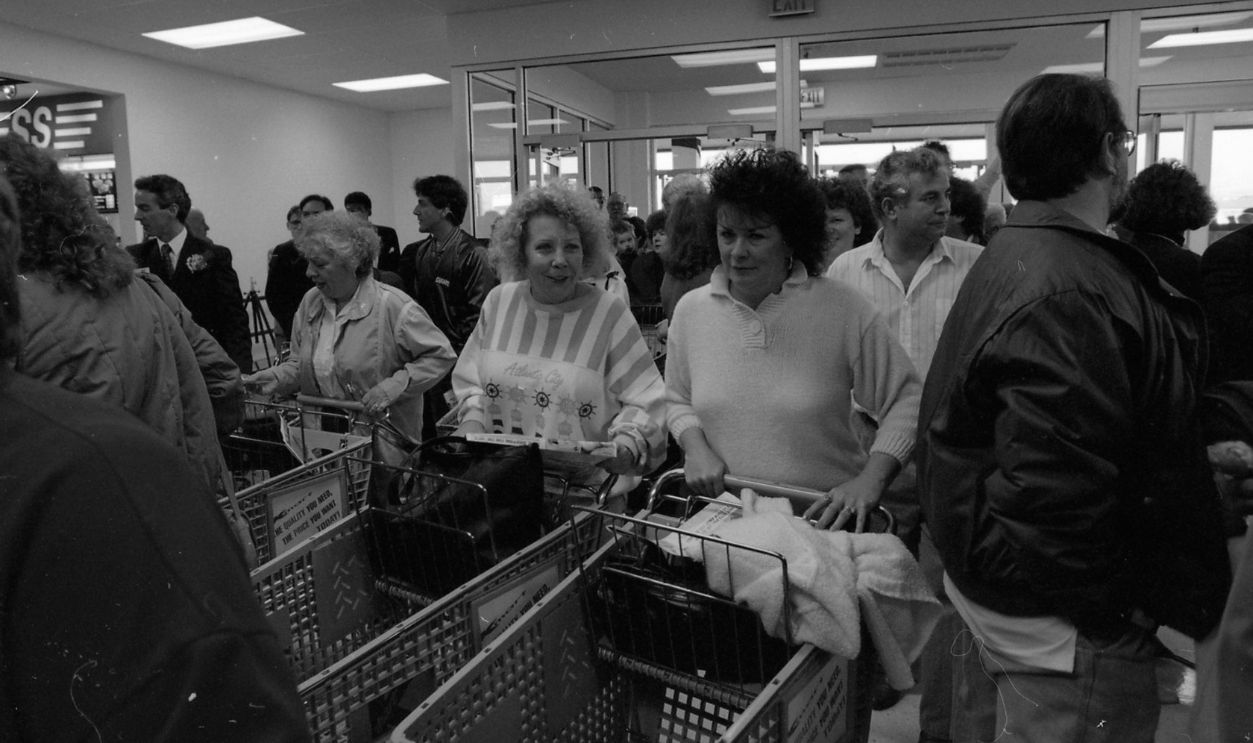
The Shopping Carts Started Moving
When the announcement sounded, shoppers sometimes hurried toward the flashing light with their carts. The attraction was understandable. Nobody wanted to arrive after the best bargains disappeared. Watching a group of shoppers suddenly change direction was part of the experience, especially during particularly popular specials.
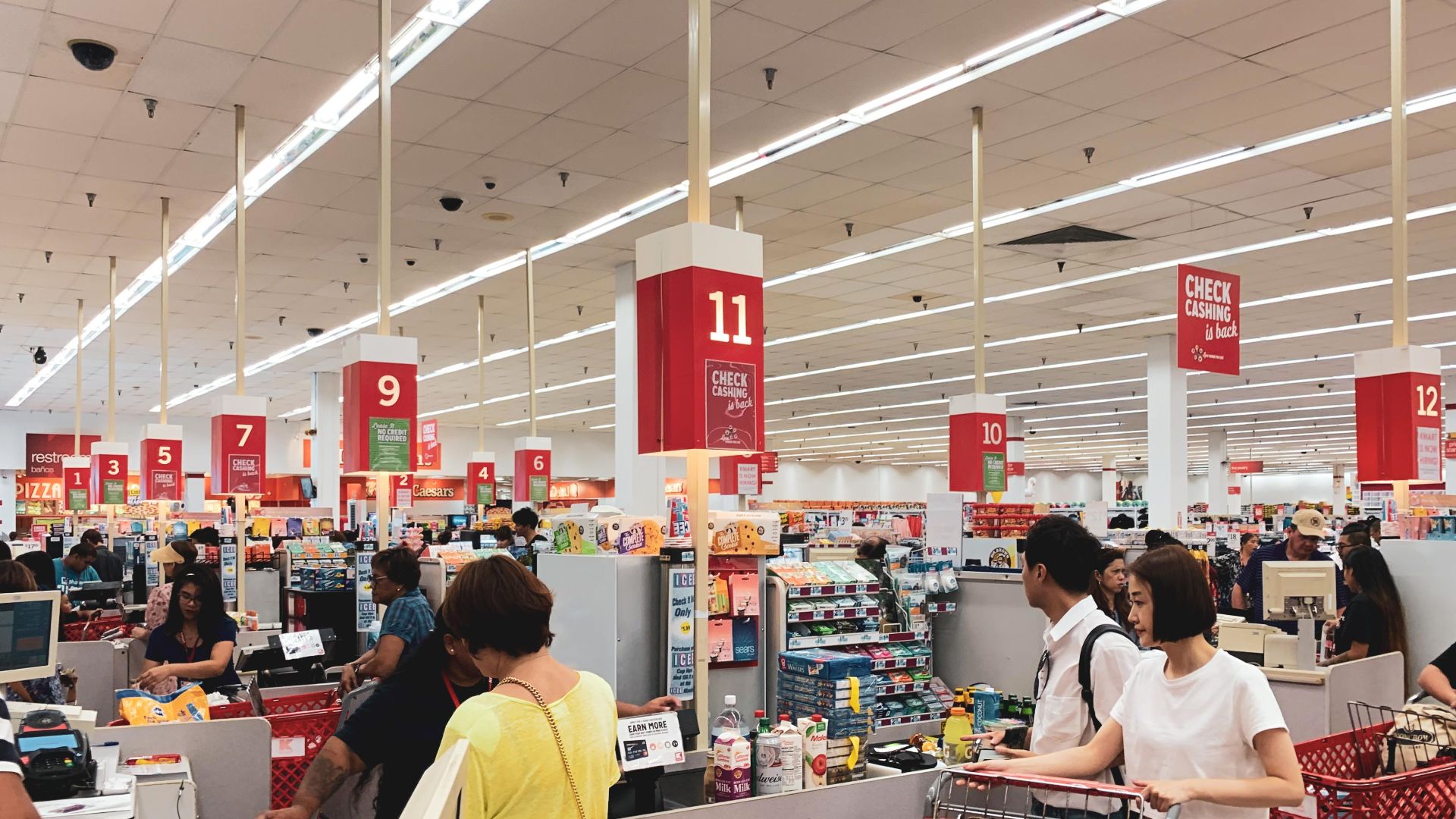
You Couldn't Just Check Your Phone
Today, shoppers can compare prices or receive sale notifications without leaving the couch. In Kmart's heyday, things worked differently. You had to be inside the store when the announcement happened. If you missed it, there was no smartphone notification waiting to tell you what you'd lost.
 Daniel Ramirez from Honolulu, USA, Wikimedia Commons
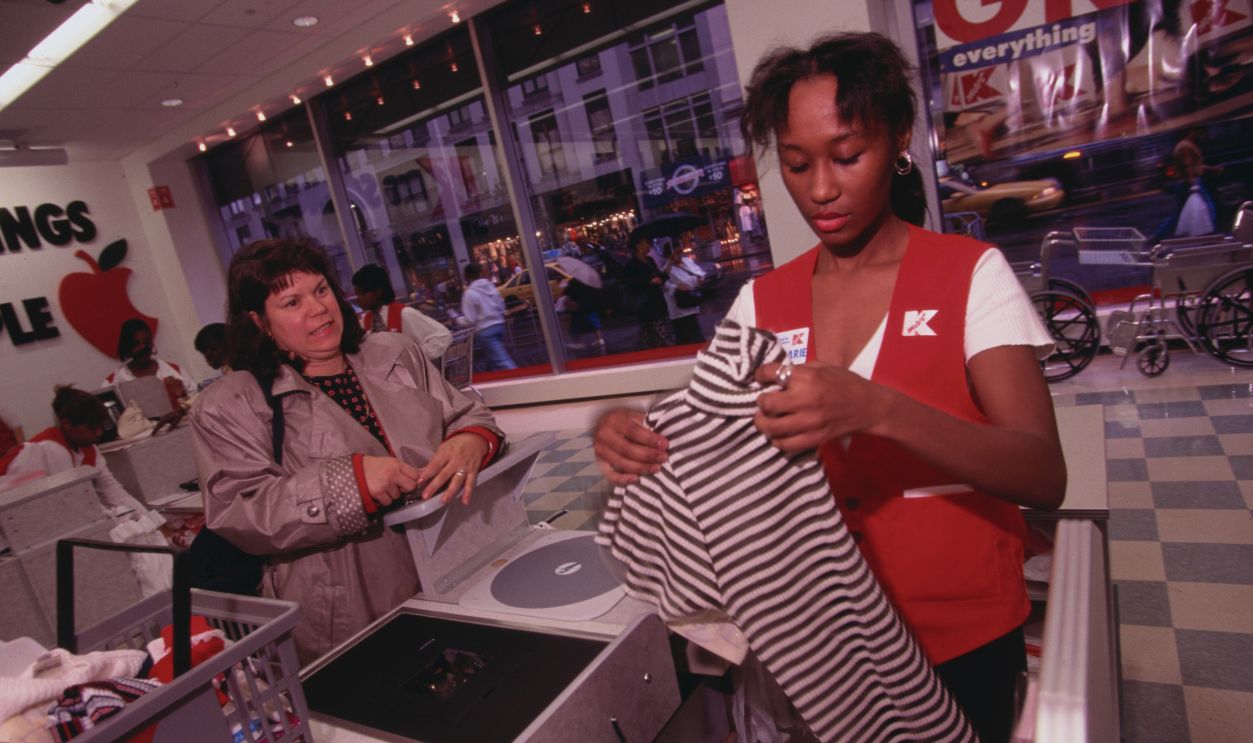
The Bargain Wasn't Always Planned
Here's something longtime Kmart shoppers will recognize: sometimes you bought something simply because the price seemed too good to pass up. You might not have needed another tablecloth, but at that discount, why not? Blue Light Specials made impulse purchases feel like smart financial decisions.
Finding A Deal Felt Like Winning
There's a particular satisfaction that comes from discovering a bargain before everyone else. Blue Light Specials tapped directly into that feeling. Customers weren't simply purchasing merchandise. They were participating in a small shopping event, complete with anticipation, excitement, and the pleasure of getting there in time.
 Phillip Pessar, Wikimedia Commons
The Blue Light Became Famous
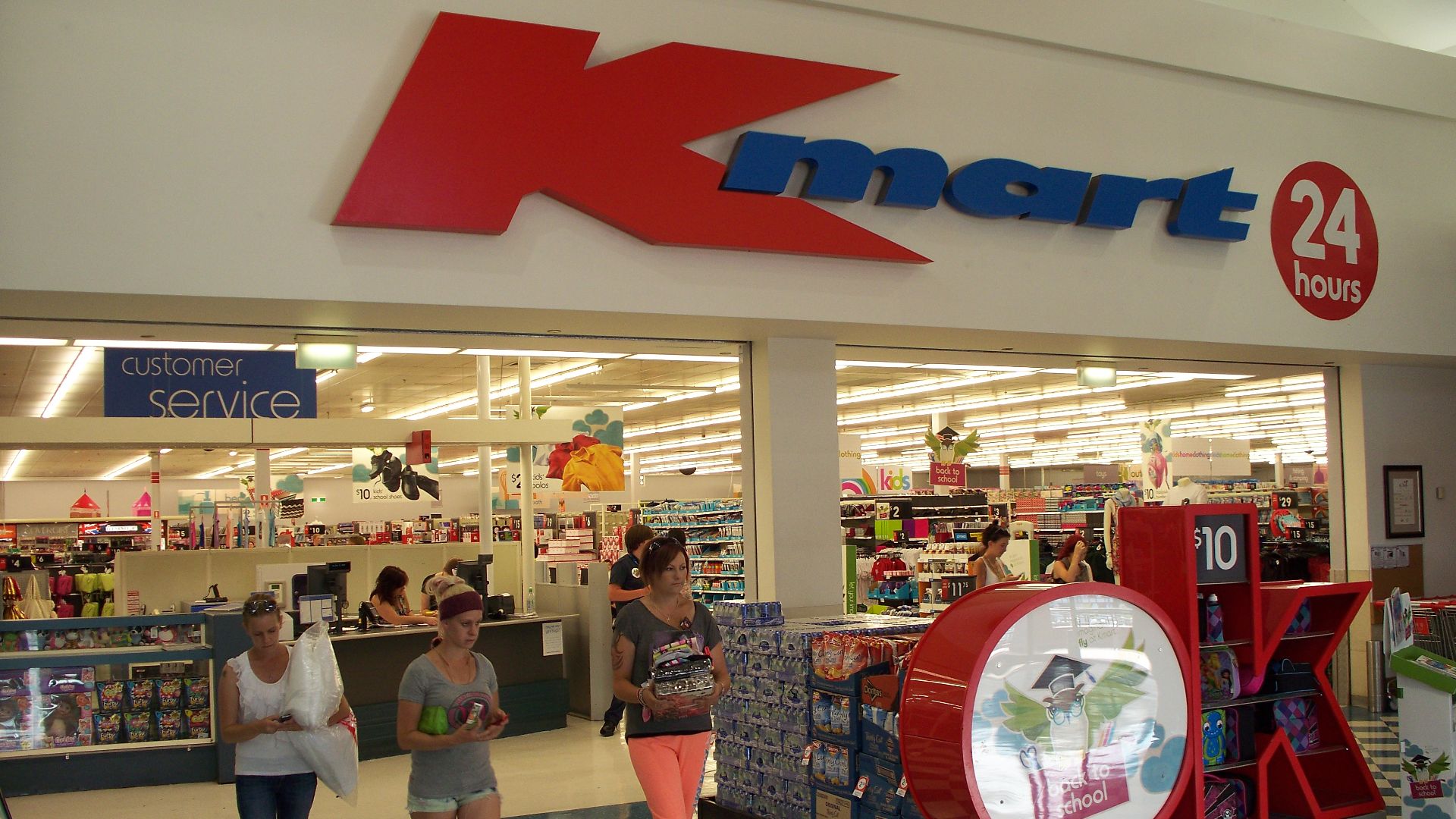
By the 1970s and 1980s, the Blue Light Special had become closely associated with Kmart itself. Even people who rarely visited the store recognized the expression. The flashing light was more than a sales tool. It had become part of America's everyday shopping vocabulary.
A Catchphrase That Escaped The Store
Eventually, people began using "Blue Light Special" as a joking reference to almost any bargain. The expression appeared in popular conversation and entertainment. Kmart had accomplished something advertisers dream about: creating a promotion so recognizable that its name became a familiar phrase far beyond the business itself.
 Ralf Roletschek, Wikimedia Commons
Kmart Was A Retail Powerhouse
During the 1970s and 1980s, Kmart grew into a giant of American discount retailing. Its stores attracted millions of bargain-conscious shoppers, and the Blue Light Special helped make shopping there distinctive. At a time when discount chains were expanding rapidly, a memorable gimmick could make a difference.
 Mr Stan Zemanek, Wikimedia Commons
The Competition Was Getting Fierce
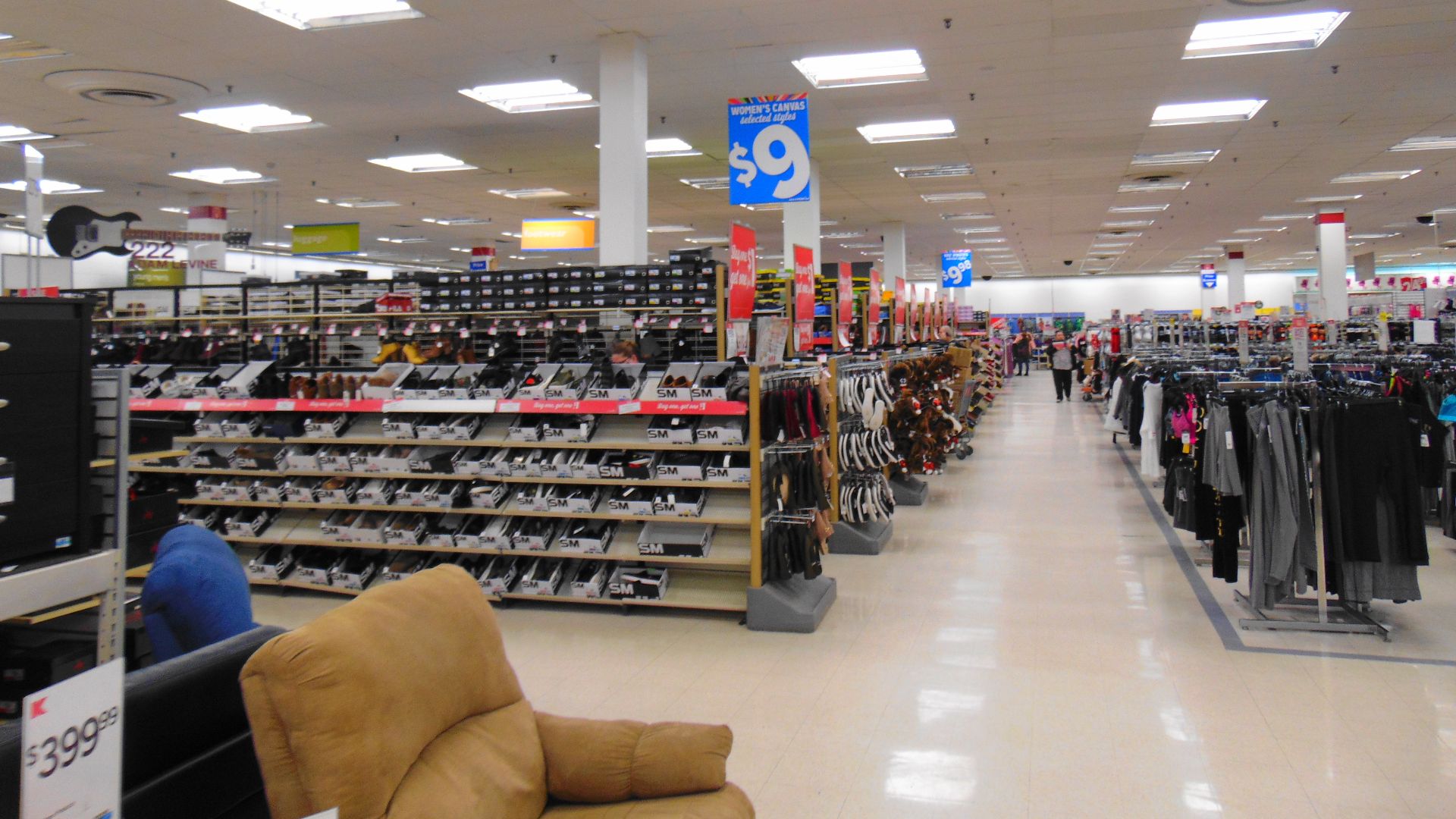
By the late 1980s, however, competitors such as Walmart and Target were presenting serious challenges. Low prices alone weren't enough to guarantee customer loyalty. Kmart needed to keep its stores appealing, but the shopping landscape was changing, and its famous flashing light was beginning to look old-fashioned.
The Lights Went Out
In 1991, Kmart discontinued its traditional Blue Light Specials. The company was trying to modernize its image, and the old promotion no longer seemed to fit. For shoppers who had grown up chasing the flashing light, its disappearance marked the end of a familiar retail tradition.
 Olaf Kosinsky, Wikimedia Commons
Kmart Tried Bringing Them Back
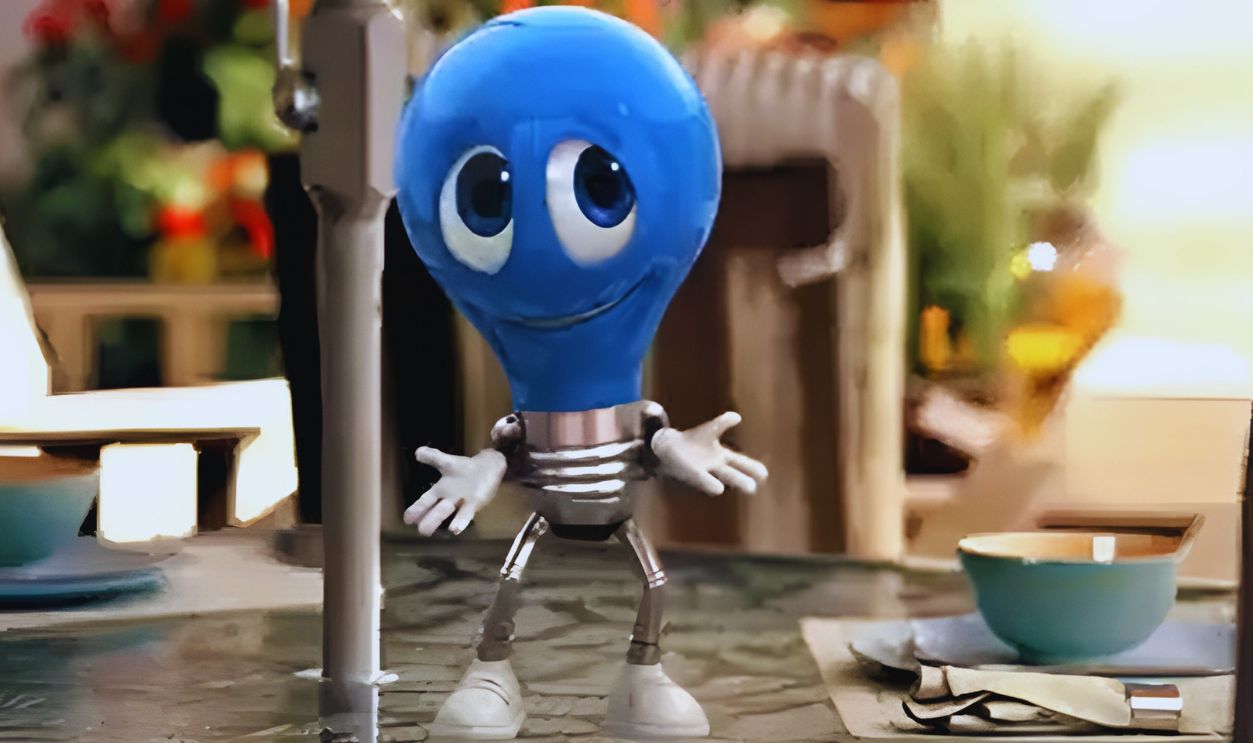
In 2001, Kmart revived the Blue Light Special, hoping nostalgia would encourage customers to return. The company even launched a major advertising campaign around the idea. But competing against Walmart and Target was proving difficult, and the revived promotion couldn't solve the retailer's larger problems.
 Screenshot from Mr. Bluelight Sparkle TV, Kmart Corporation (2007)
Another Chance For The Blue Light
Kmart tried the idea again in later years, including a notable revival in 2015. This time, the promotion incorporated online shopping and mobile notifications. The familiar flashing light returned to stores, but the world had changed considerably since its original 1960s debut.

The Internet Changed Everything
Today's online retailers use countdown clocks, flash sales, and limited-time discounts to encourage quick purchases. The basic idea would have sounded familiar to anyone who remembered Kmart's Blue Light Specials. The difference is that shoppers now chase bargains on screens instead of following a flashing light through store aisles.

Why The Original Was Different
Modern flash sales may offer incredible convenience, but they can't completely recreate the original experience. At Kmart, the announcement, flashing light, and gathering shoppers made everything feel like an event. The bargain was important, certainly, but being there was part of the fun.
More Than Just A Discount
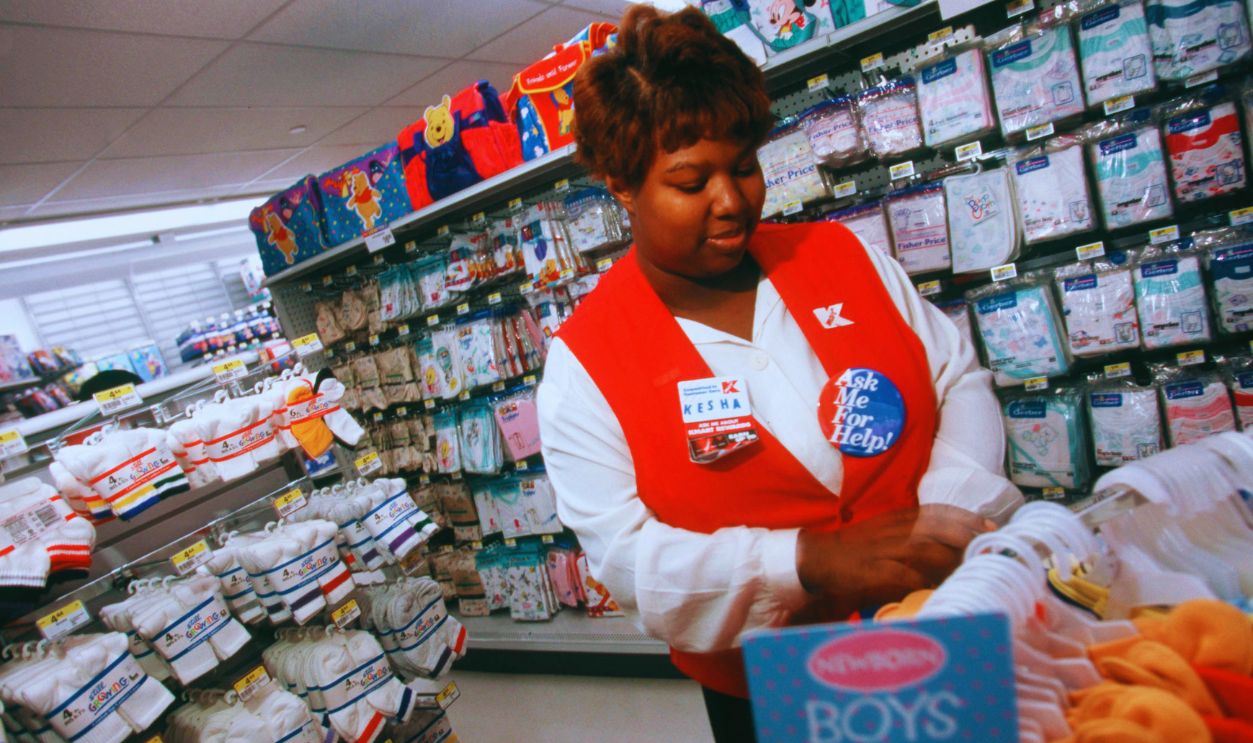
What made Blue Light Specials memorable wasn't necessarily what people bought. It was the excitement of finding the light, getting a bargain, and sharing the moment with other shoppers. For many Baby Boomers, those memories are tied to family shopping trips and a very different kind of retail experience.
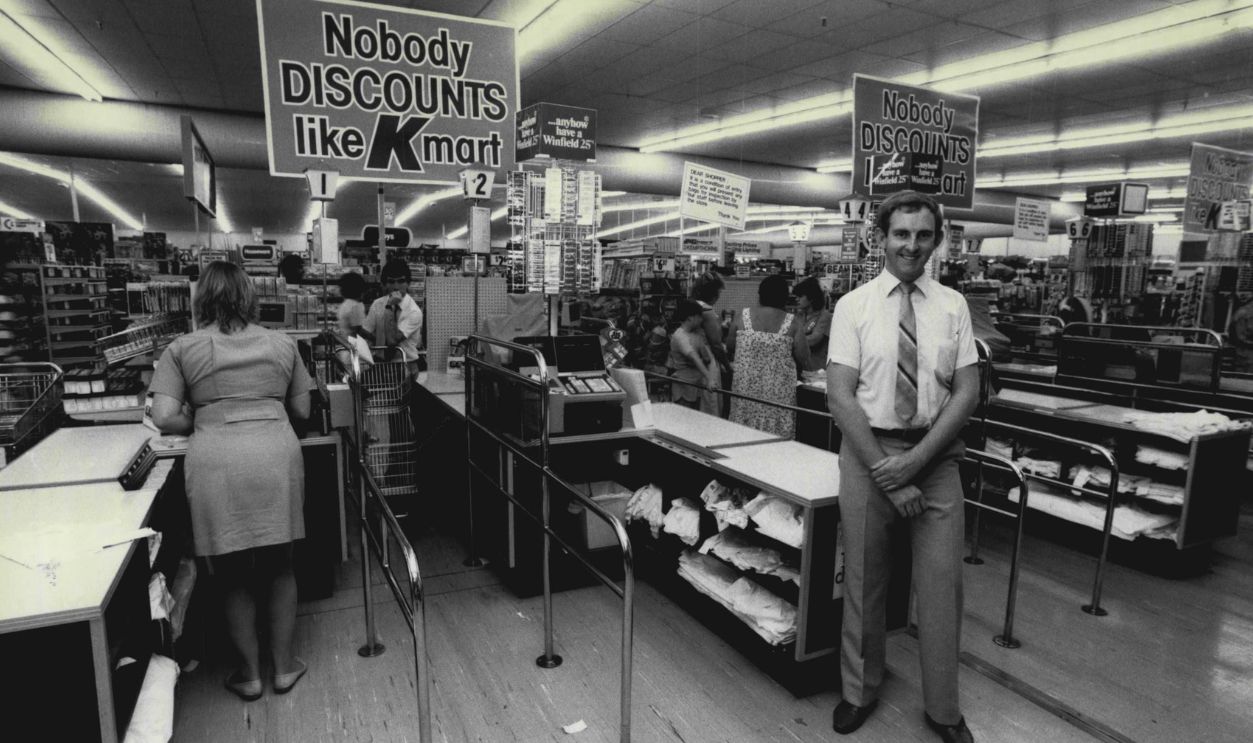
 Fairfax Media Archives, Getty Images
A Shopping Tradition Worth Remembering
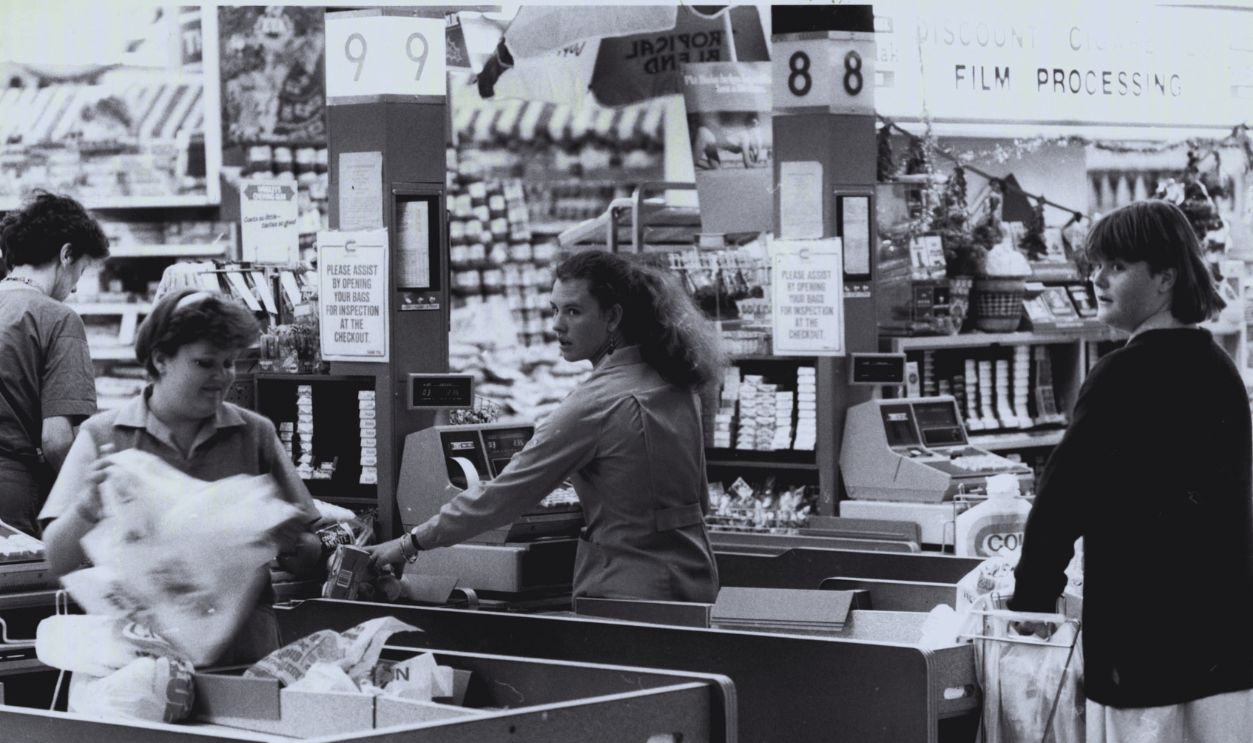
Kmart's Blue Light Specials belonged to an era when shopping could be an afternoon adventure rather than a few clicks on a phone. The flashing lights may have faded, but the memories haven't. And if you ever found yourself hurrying toward that familiar blue glow, you know exactly why.
 Fairfax Media Archives, Getty Images
You May Also Like:
I Discovered My Employer Has Been Paying Me Too Much For Months. Can They Demand Every Dollar Back?
Baby Boomers Remember Paying To Develop Photos, But Millennials Will Be Shocked By How Much It Cost