When Family And Finances Collide
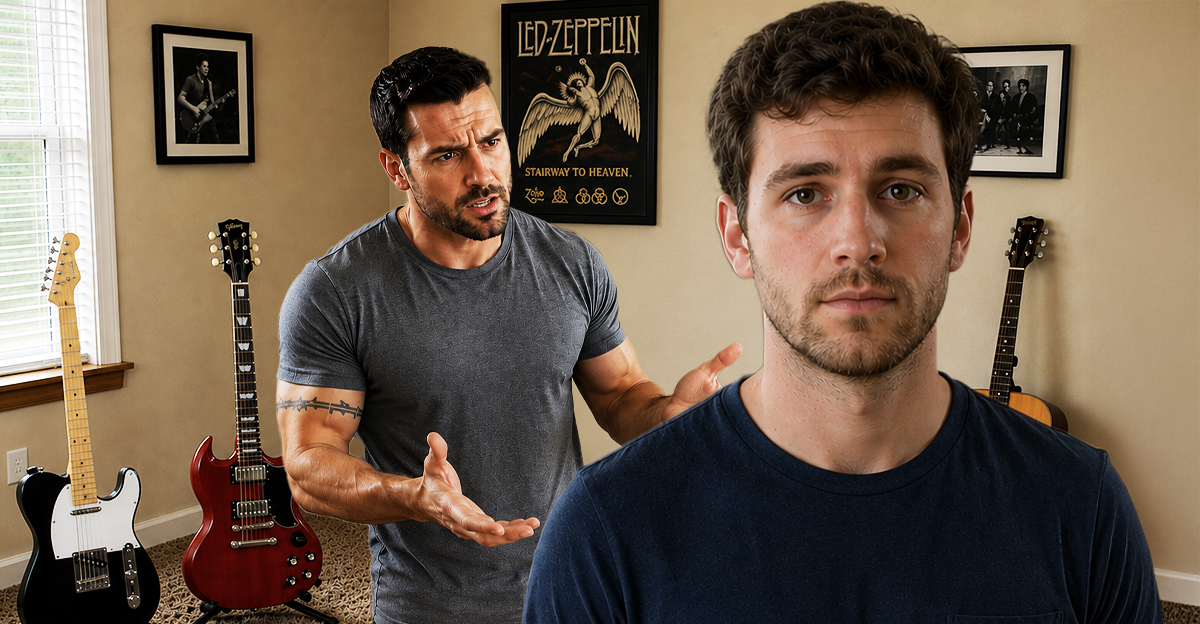
Needing a guarantor for a mortgage can feel like a curveball—especially when the only person who qualifies is someone you haven’t spoken to in years. If that person is your estranged father, things get complicated quickly. This isn’t just about getting approved anymore—it’s about reopening a relationship that may have been closed for a reason. So is this a smart workaround, or something that could backfire emotionally?

What A Guarantor Actually Does
A guarantor isn’t just signing a form—they’re taking on real responsibility. If you can’t make your mortgage payments, they’re legally required to step in and cover them. From the lender’s point of view, they’re a backup plan with strong credit and stable finances. It’s a serious commitment, and definitely not something either of you should take lightly.

Why Lenders Ask For One
Lenders are all about reducing risk. If your income, credit score, or debt levels fall short, they’ll look for extra security. A guarantor gives them that confidence. It’s basically the bank saying, “We’ll approve you, but only if someone financially stronger stands behind you.” It’s not personal—it’s just how lending works.

The Emotional Twist In Your Case
Here’s where things get tricky. Asking an estranged parent for help isn’t just a financial move—it’s emotional. There may be history, tension, or long-standing silence. Bringing money into that mix can make everything feel heavier. What seems like a simple request to you might feel loaded or uncomfortable to him.

The Potential Upside
To be fair, there’s a clear upside if it works out. You could get approved faster, secure a better rate, and move into your own place sooner. Instead of waiting years to build your credit or savings, this could fast-track your plans. Financially, it can look like a pretty appealing option.

But It’s Not Just About The Mortgage
Once money enters a complicated relationship, things rarely stay simple. A guarantor agreement ties you and your father together financially, even if you don’t interact much. That connection can blur boundaries you may have worked hard to create. Even if everything goes smoothly, that link doesn’t just disappear.

Power Dynamics Can Shift
Even if no one says it out loud, the dynamic can change. Your father might feel more entitled to give input or ask questions. You might feel pressure to keep him updated or make certain choices. These shifts are often subtle, but they can affect how comfortable you feel moving forward.

What If Payments Become An Issue?
This is the worst-case scenario—but it matters. If you miss payments, your father becomes responsible. That could hurt his credit and create serious financial stress. It could also damage your relationship further. What started as a helpful gesture could quickly turn into resentment on both sides.

Legal Obligations Are Real
This isn’t just a casual agreement—it’s legally binding. If things go wrong, the lender can go after your guarantor for payment. In extreme cases, that could mean collections or legal action. That’s a lot to put on anyone, especially someone you don’t have a close relationship with.

Consider His Perspective
Before you ask, think about how this might look from his side. Would you take on a large financial risk for someone you’re not close to? He might hesitate—not just because of money, but because of trust or history. Understanding that can help you approach the conversation more thoughtfully.

Reopening Old Wounds
Reaching out after a long time can bring up old feelings. You might revisit past issues or awkward conversations. He might respond warmly—or not at all. Either way, this isn’t just about money. It’s a personal step that could change your relationship in unexpected ways.

Setting Clear Boundaries Early
If you move forward, boundaries are key. Be clear about what this arrangement means—and what it doesn’t. For example, agreeing that he won’t be involved in your financial decisions can prevent future tension. It might feel uncomfortable to spell it out, but it helps avoid misunderstandings later.

Put Everything In Writing
Even if things feel friendly, get everything in writing. This protects both of you. Outline responsibilities, expectations, and what happens if something changes. Having it documented keeps things clear and avoids confusion down the line. It’s not about mistrust—it’s about being practical.

Think About Exit Plans
A guarantor setup shouldn’t be forever. Many lenders allow you to remove them once your finances improve. It’s important to understand those rules upfront. Having an exit plan makes the situation feel less permanent and gives both of you something to work toward.

Your Financial Independence Matters
Using a guarantor can help in the short term, but it may affect how independent you feel. Owning a home tied to someone else’s finances feels different. It’s worth asking if waiting and qualifying on your own might lead to a better long-term situation.

Alternatives Worth Exploring
Before you pick up the phone, look at other options. Could you save more, improve your credit, or explore first-time buyer programs? These paths might take longer, but they avoid bringing a complicated relationship into your finances. Sometimes slower is actually safer.

Could Someone Else Step In?
Even if no one has perfect credit, there may be other ways to make it work. A smaller loan, help with a down payment, or a different lender could change things. It’s worth exploring all possibilities before turning to someone you’re not close with.

Timing Is Everything
Timing plays a big role here. If your relationship is especially strained, this might not be the right moment. If things have recently improved, it could be easier. The same request can land very differently depending on when—and how—you make it.

The Risk To Him Is Significant
It’s easy to focus on your goal, but the risk to your father is real. If things go wrong, his credit and finances take the hit. This isn’t just a supportive gesture—it’s a serious financial commitment that could affect him for years.

The Risk To You Is Emotional
Even if everything works out financially, there’s still an emotional cost. You might feel pressure, guilt, or a sense of obligation. The arrangement could also change how you see your relationship. Those feelings can stick around longer than the mortgage itself.

When It Might Make Sense
There are cases where this can work. If you both communicate clearly and understand the risks, it can be a practical solution. The key is honesty and mutual comfort. When both sides feel informed and respected, things are more likely to go smoothly.

When It’s Probably A Bad Idea
If there’s unresolved conflict or lack of trust, this is probably not the best move. Adding money into an already fragile situation can make things worse. In those cases, it’s usually better to find another path—even if it takes more time.

How To Approach The Conversation
If you decide to ask, keep it simple and respectful. Explain your situation, acknowledge the weight of the request, and don’t pressure him. Make it clear you’ll understand if he says no. That approach makes a tough conversation easier for both of you.

Be Ready For Any Answer
You might hope for a yes, but be ready for anything. He could agree, decline, or need time. Preparing yourself emotionally helps you handle whatever response you get without added stress or disappointment.

Protecting The Relationship First
At the end of the day, think about what matters more. Is it getting into a home right now, or protecting your emotional well-being? There’s no universal answer, but being honest with yourself will help you make a better decision.

A Financial Decision With Personal Stakes
This isn’t just a financial choice—it’s personal. The benefits might be clear, but the emotional side is harder to measure. Taking time to think through both angles will help you make a decision that actually feels right.

The Bottom Line
Using an estranged father as a guarantor isn’t automatically a bad idea—but it’s rarely simple. If you go ahead, set clear boundaries and have a plan. And if something feels off, trust that instinct. Protecting your peace matters just as much as buying a home.

You May Also Like:
What Would Happen If Billionaires Paid The Same Tax Rate As Teachers? The Numbers Are Wild