
Small Decisions Can Follow You For Decades
Social Security can look deceptively simple: reach retirement age, file, and start collecting a monthly check. In reality, decisions involving work, spouses, taxes, Medicare, and even one unusually large retirement-account withdrawal can change what retirees ultimately keep. Some of the most expensive mistakes happen because a perfectly reasonable choice has consequences that aren’t obvious until later.
Claiming Social Security At 62 Without Running The Numbers
Age 62 is the earliest most people can claim retirement benefits, but that convenience comes with a permanently reduced monthly payment. Someone whose full retirement age is 67 can receive roughly 30% less by starting at 62 instead. Claiming early can still make sense in some situations, but it shouldn’t happen simply because the first check became available.

Assuming Full Retirement Age Is Still 65
Medicare eligibility at 65 has helped keep the idea of 65 as “retirement age” alive, but Social Security works differently. Full retirement age varies by birth year and reaches 67 for people born in 1960 or later. Filing at 65 without checking that number can therefore mean voluntarily accepting a reduced monthly benefit.

Waiting Past 70 To Claim
Waiting can substantially increase Social Security, but there’s a point where waiting stops accomplishing anything. Delayed retirement credits end at age 70. Someone who postpones claiming until 72 doesn’t receive two additional years of credits, so leaving benefits unclaimed beyond 70 generally just means missing checks without increasing the eventual monthly retirement benefit.

Claiming Early While Still Working
Social Security and a paycheck can coexist, but retirees below full retirement age need to understand the earnings test. In 2026, someone below full retirement age for the entire year can earn up to $24,480 before benefits begin being withheld. Above that, Social Security generally withholds $1 in benefits for every $2 of excess earnings.
 Yakobchuck Viacheslav, Shutterstock
Thinking Withheld Benefits Are Gone Forever
The earnings test sounds harsher than it ultimately is. Once someone reaches full retirement age, Social Security recalculates the monthly benefit to account for months when checks were withheld because earnings were too high. That doesn’t eliminate the cash-flow headache in the meantime, though, which is why claiming while earning a full salary can still create an unpleasant surprise.

Ignoring The Value Of Delaying Benefits
For people born in 1943 or later, delaying retirement benefits beyond full retirement age adds delayed retirement credits at an annual rate of 8% until 70. For someone expecting a long retirement, that larger guaranteed monthly payment can become extremely valuable. Filing early without comparing that alternative can mean giving up substantial future income.
 Monkey Business Images, Shutterstock
Failing To Coordinate Benefits Between Spouses
A married couple really has two Social Security decisions, but those decisions interact. Each spouse’s earnings record, age, expected longevity, retirement savings, and survivor benefits can affect the best strategy. Treating both filing dates independently can produce a result that looks fine for each person individually but leaves the household with less lifetime protection.

Having The Higher Earner Claim Too Early
For couples, the larger Social Security benefit can eventually become particularly important to the surviving spouse. A surviving spouse can potentially receive a benefit based on the deceased worker’s record, and delayed retirement credits earned by the higher earner can increase that survivor protection. An early claim by the higher earner can therefore have consequences long after that person dies.

Overlooking Survivor Benefits
Survivor benefits have their own rules and shouldn’t simply be treated like ordinary retirement benefits. Eligible widows and widowers may be able to begin survivor benefits as early as 60, with reductions for claiming before survivor full retirement age. Some people can also take one type of benefit first and switch to another later, making timing particularly important.

Assuming A Surviving Spouse Gets Both Checks
This can create a serious retirement-budget shock. Social Security generally doesn’t allow a surviving spouse to simply keep their own full retirement check and add the deceased spouse’s full check on top. Instead, the surviving spouse generally receives the higher benefit they qualify for, meaning household Social Security income can drop substantially after one spouse dies.

Ignoring Divorced-Spouse Benefits
A long-ago divorce can still matter to Social Security. Someone who was married for at least 10 years may qualify for benefits based on an ex-spouse’s record if other eligibility requirements are met. Because claiming on an ex-spouse’s record generally doesn’t reduce that ex-spouse’s benefit, failing to investigate the option can mean overlooking money that was already available.

Claiming A Spousal Benefit Too Early
A spouse can potentially receive as much as half of the worker’s full-retirement-age benefit, but age matters. Claiming a spousal benefit before the applicable full retirement age generally reduces it. Retirees sometimes assume the 50% figure applies automatically at 62, only to discover that their actual check is significantly smaller.

Stopping Work Before Replacing Low-Earning Years
Social Security generally bases retirement benefits on the highest 35 years of indexed earnings. If someone has fewer than 35 years, zero-earning years can enter the calculation. Even someone with 35 years may benefit from working longer if a strong recent year replaces a much weaker year earlier in their career.

Assuming 40 Credits Means You’ve Maxed Out Your Benefit
Forty credits generally gets a worker over the eligibility threshold for retirement benefits. It doesn’t mean the worker has earned the maximum possible monthly check. Social Security specifically separates the credits used to determine eligibility from the earnings history used to calculate how much the retirement benefit will actually be.

Not Checking Your Earnings Record For Errors
Social Security calculations are only as good as the earnings history behind them. Missing wages, incorrect self-employment income, or another reporting problem can affect the eventual benefit. A my Social Security account lets workers review recorded earnings, and correcting errors is much easier when W-2s, tax returns, or pay records are still available.
Failing To Account For Taxes On Social Security
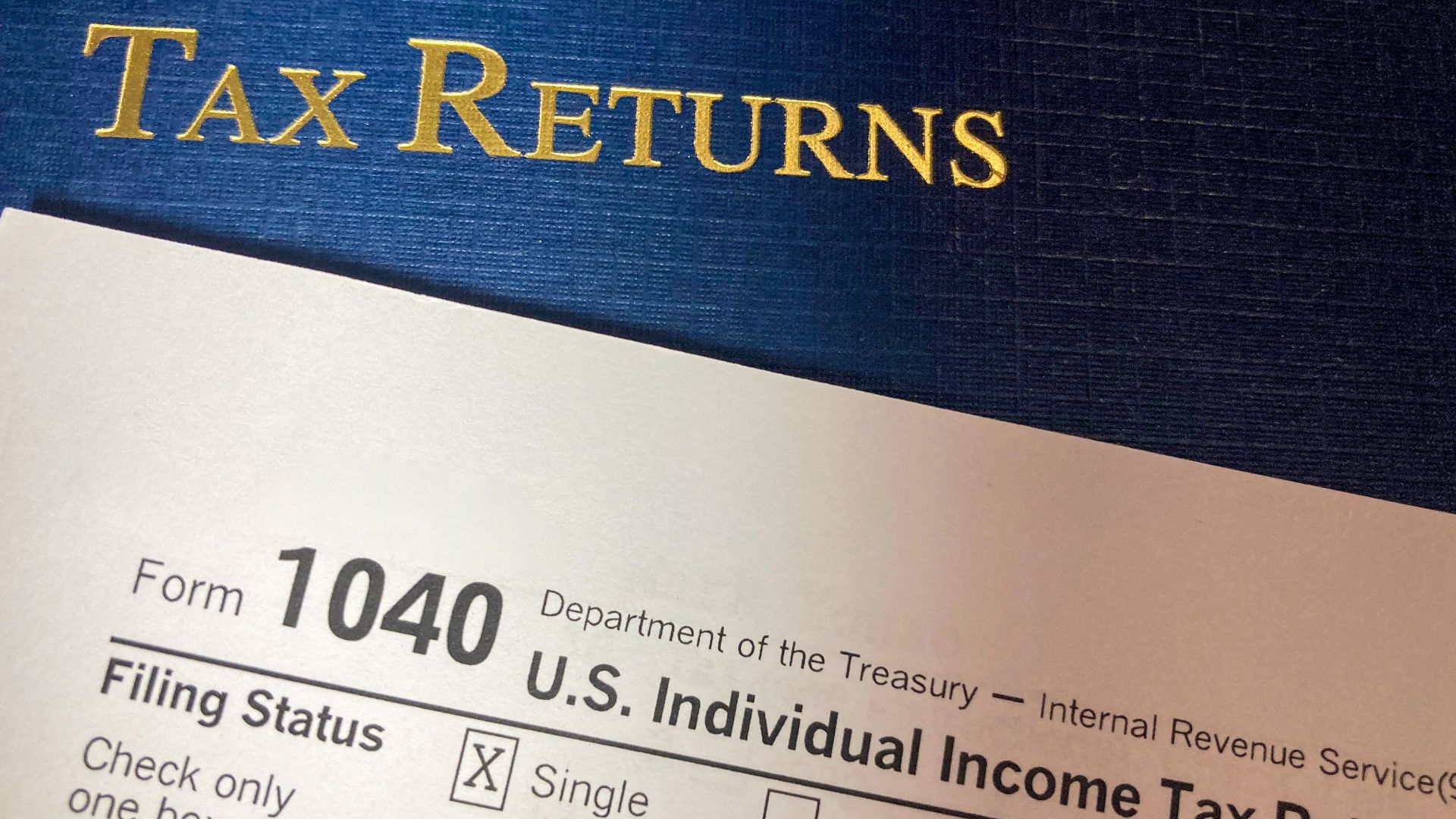
Social Security isn’t automatically tax-free. The IRS looks at one-half of Social Security benefits plus other income, including tax-exempt interest, when determining whether benefits may be taxable. Depending on filing status and income, as much as 85% of Social Security benefits can be included in taxable income, which isn’t the same thing as paying an 85% tax rate.

Taking Large Retirement-Account Withdrawals Without Considering Social Security
An IRA or 401(k) withdrawal can do more than produce its own income-tax bill. By increasing other income, it can also cause a larger portion of Social Security benefits to become taxable. Retirees planning a large home purchase, family gift, or other one-time expense should consider the tax consequences before pulling everything from a traditional retirement account at once.

Ignoring How Roth Conversions Affect The Tax Picture
Roth conversions can be useful retirement-planning tools, but the amount converted generally increases taxable income in the year of the conversion. That temporary income spike can affect the taxation of Social Security and potentially other retirement costs. Splitting conversions over several years may produce a very different result from doing one enormous conversion without modeling the consequences.

Delaying Social Security But Forgetting About Medicare At 65
Someone may sensibly delay Social Security until 67, 68, or 70 and assume Medicare can wait too. That can be an expensive mistake. Social Security specifically warns people delaying retirement benefits to consider Medicare enrollment at 65 because missing the appropriate enrollment period can delay coverage or result in higher premiums unless an exception, such as qualifying employer coverage, applies.

Assuming Medicare Enrollment Takes Care Of Itself
Automatic Medicare enrollment depends partly on whether someone is already receiving Social Security benefits. People who haven’t started Social Security generally shouldn’t assume a Medicare card will simply appear at 65. Retirement timing, employer coverage, Part B enrollment, and prescription coverage all need to be reviewed separately.

Triggering Higher Medicare Premiums With One Big Income Year
Higher-income Medicare beneficiaries pay an Income-Related Monthly Adjustment Amount, or IRMAA, on Parts B and D. For 2026, the first IRMAA tier begins above $109,000 of modified adjusted gross income for individual filers and $218,000 for joint filers. Because 2026 premiums are generally based on 2024 tax information, a large capital gain, retirement withdrawal, or Roth conversion can create higher Medicare costs two years later.

Claiming Based Only On The Break-Even Age
Many claiming discussions reduce the decision to one question: “At what age will waiting finally pay off?” That calculation can be useful, but it misses important considerations. A larger monthly benefit can protect against living much longer than expected, provide a bigger inflation-adjusted income stream later in retirement, and potentially improve survivor protection for a spouse.

Ignoring Longevity When Choosing A Claiming Age
Nobody knows exactly how long they’ll live, but family history, health, finances, and household circumstances still matter. Someone who expects a lengthy retirement may place too much emphasis on collecting several additional years of smaller checks and too little on what a larger monthly benefit could mean at 85, 90, or beyond.

Using A Generic Estimate Instead Of Your Actual Earnings Record
Online rules of thumb can illustrate how Social Security works, but they can’t substitute for a personalized estimate. A my Social Security account uses the worker’s actual recorded earnings and can show estimated retirement benefits at different claiming ages. It can also help expose missing earnings before those mistakes reach the final calculation.

Making The Filing Decision In Isolation
The Social Security claiming age shouldn’t be chosen without looking at everything else. Pension income, IRA withdrawals, taxes, Medicare premiums, employment, a spouse’s benefits, survivor income, investment balances, and expected spending all interact with the decision. The most expensive Social Security mistake may be treating the monthly check as a separate problem when it’s really one piece of the entire retirement plan.
 StockPhotoDirectors, Shutterstock
You May Also Like:
Bills Retirees Should Recheck Every Year Before They Drain Their Fixed Income
Changing Social Security Rules In 2026 Could Take Some Americans By Surprise