
You Can Work And Collect Social Security, But There’s A Catch
The plan seemed straightforward: keep working, collect Social Security, and put the extra money to good use. That combination can work, but there’s one rule that catches a lot of early claimers completely off guard.
This Isn’t Really A “Penalty”
People often describe the earnings test as a penalty, but that makes it sound more permanent than it is. Social Security may temporarily withhold some of your benefits because your wages exceed the limit. Once you reach full retirement age, your monthly benefit is recalculated to account for months when benefits were withheld because of your earnings.

Claiming Early Is A Separate Issue
The earnings test shouldn’t be confused with the reduction for claiming Social Security early. Starting retirement benefits before full retirement age generally means accepting a smaller monthly benefit. That reduction is built into your benefit calculation and can affect what you receive for the rest of your life.

Age 62 Is The Earliest Starting Point
Most workers can begin Social Security retirement benefits at age 62. But being eligible doesn’t necessarily mean it’s the best time to claim. If your full retirement age is 67 and you claim right at 62, your basic monthly retirement benefit can be about 30% lower than it would’ve been at 67.

Full Retirement Age Isn’t 65 Anymore
A lot of retirees still think 65 is the magic Social Security age because it’s closely associated with Medicare. Social Security’s full retirement age is different. For people born in 1960 or later, it’s 67, while people born earlier may have a full retirement age somewhere between 66 and 67.

The Earnings Test Applies Before Full Retirement Age
If you’re younger than full retirement age and continue earning wages, Social Security compares those wages with an annual limit. Earn less than the limit and the earnings test generally doesn’t reduce your retirement checks. Earn more and some benefits may be withheld.

The 2026 Limit Is $24,480
For someone who will remain below full retirement age throughout 2026, the Social Security earnings limit is $24,480. That’s relatively low compared with a typical full-time salary. Someone earning substantially more while collecting early benefits could therefore see a significant portion of those benefits withheld.

Social Security Withholds $1 For Every $2 Over The Limit
Before the year you reach full retirement age, Social Security generally withholds $1 in benefits for every $2 of wages or net self-employment income above the annual limit. That can add up quickly for someone who’s working full time.

A Full-Time Salary Can Wipe Out Most Of The Checks
If you’re earning considerably more than the annual limit, Social Security may need to withhold several monthly payments. For someone receiving a relatively modest retirement benefit while earning a strong salary, the earnings test can potentially consume much or even all of the benefit they expected to receive during the year.

Social Security Usually Withholds Whole Checks
The process may not look like a neat little deduction from every payment. Social Security can withhold entire monthly checks until it has withheld the required amount. That can be jarring if you started counting on Social Security as regular monthly income.

The Rules Get Easier In The Year You Reach Full Retirement Age
There’s a higher earnings limit during the calendar year in which you reach full retirement age. In 2026, that limit is $65,160, and only earnings before the month you reach full retirement age count toward that particular test.

The Withholding Rate Gets Better Too
During the year you reach full retirement age, Social Security generally withholds $1 in benefits for every $3 earned above that higher limit. That’s considerably more forgiving than the $1-for-$2 rule that applies in earlier years.

Then The Earnings Limit Disappears Completely
Beginning with the month you reach full retirement age, you can earn as much as you want without Social Security reducing retirement benefits because of your wages. You could continue working full time and still receive the entire monthly benefit.

Not Every Kind Of Income Counts
The earnings test focuses primarily on wages from a job and net earnings from self-employment. Pension income, annuities, investment income, interest, and many other forms of retirement income don’t count toward this particular earnings limit.
Bonuses And Commissions Do Count
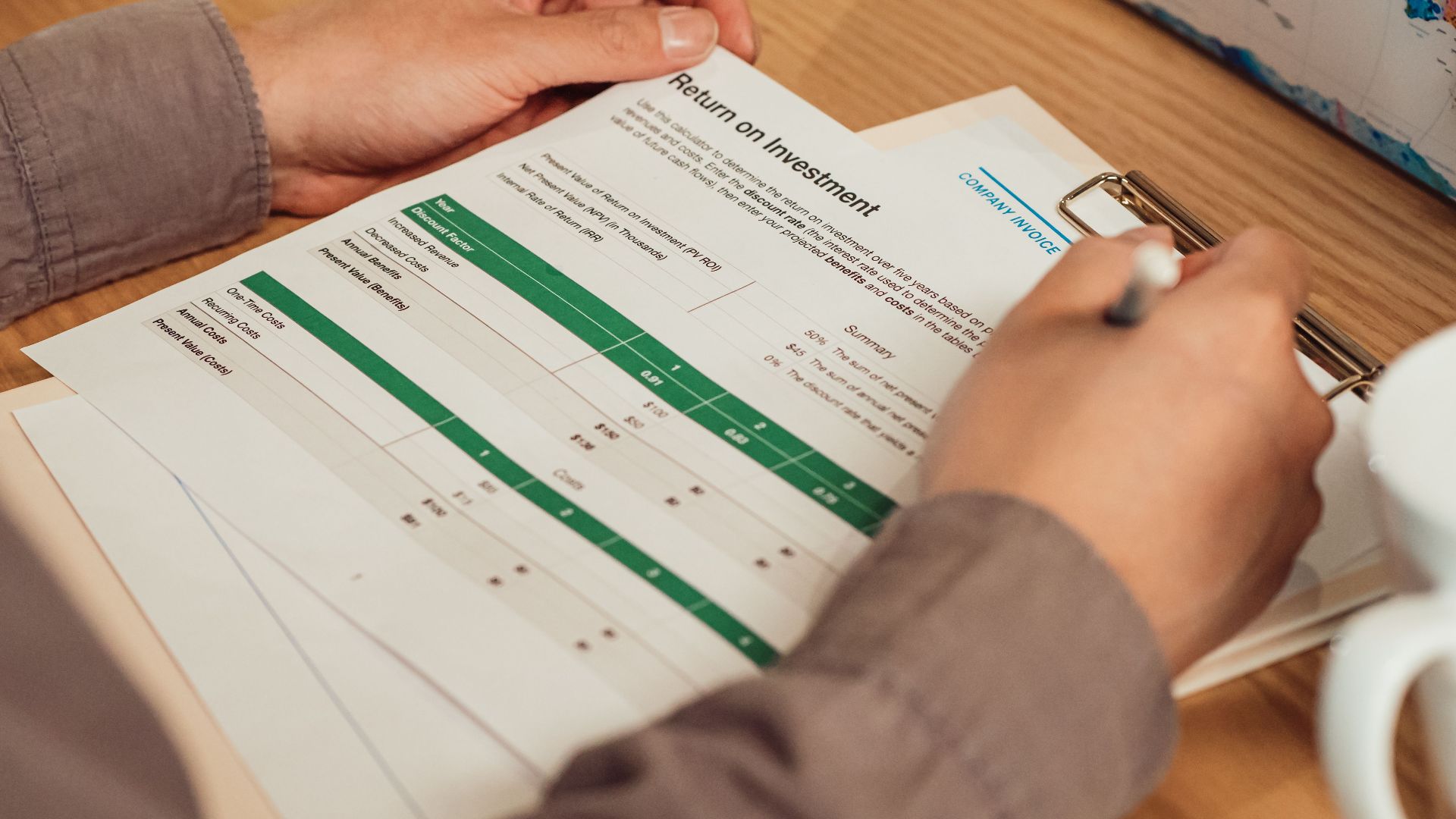
People sometimes underestimate earnings because they focus only on base salary. Social Security can also count bonuses, commissions, and vacation pay. If you’re hovering near the limit, those extra payments can change the calculation.

Investment Income Won’t Trigger The Earnings Test
Selling investments for a gain or receiving dividends may affect your income taxes, but those amounts generally aren’t wages for purposes of Social Security’s retirement earnings test. That distinction is particularly important for retirees living on a combination of part-time work and investments.

Continuing To Work Can Actually Raise Your Future Benefit
Working while receiving Social Security isn’t entirely a negative. Social Security bases retirement benefits on your highest 35 years of earnings. If your current salary replaces a lower-earning year in that calculation, your benefit can be recalculated upward.

Social Security Reviews Your Earnings Record
The agency reviews beneficiaries’ earnings and can adjust benefits when a newly reported year belongs among their highest earning years. So continuing to work can still improve the underlying benefit calculation even after you’ve started collecting.
 Yoshi Canopus, Wikimedia Commons
But Starting Early Still Locks In A Lower Starting Benefit
This is where the decision gets more complicated. Additional earnings can improve your record, but they don’t simply erase the fact that you claimed before full retirement age. The early-claiming reduction and the earnings test are two separate parts of the system.

Withheld Benefits Aren’t Simply Gone Forever
This is one of the most reassuring parts of the rule. When you reach full retirement age, Social Security recalculates your benefit to give you credit for months when benefits were withheld because you earned too much. That can result in a larger monthly payment going forward.

That Doesn’t Mean You Get A Big Refund Check
The adjustment isn’t normally handled by simply mailing back every dollar that was withheld. Instead, your monthly benefit is recalculated at full retirement age based on how many benefit months were effectively withheld. Think of it as getting credit later rather than getting the exact same cash back immediately.
The First Year Of Retirement Has A Special Rule
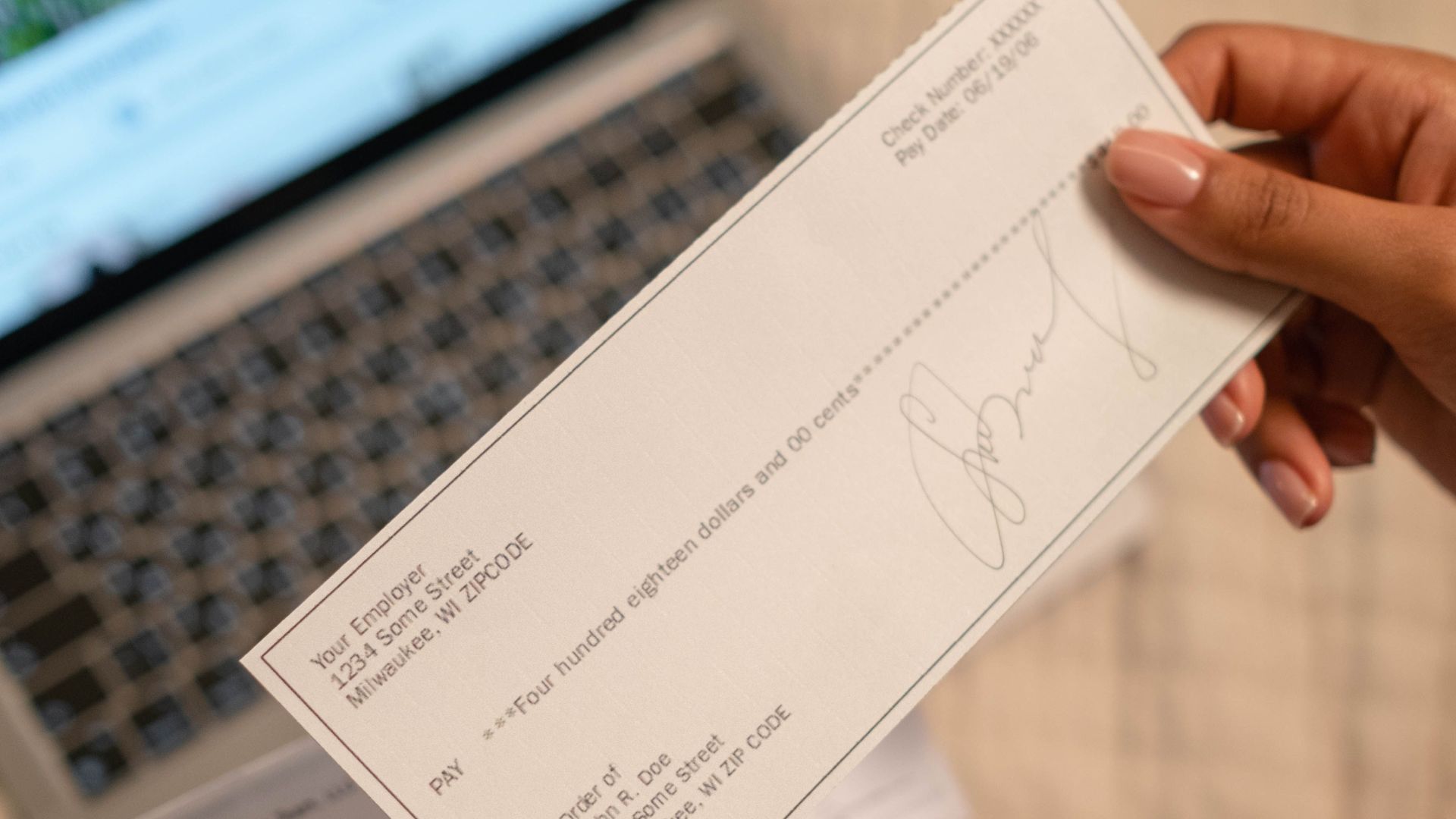
The annual earnings limit can look unfair to someone who earns a lot during the first half of the year and then truly retires. Social Security has a special monthly rule that can help in certain first-year situations, allowing full benefits for qualifying months when earnings are low enough and you’re considered retired.

That Rule Usually Won’t Rescue Someone Still Working Full Time
The special monthly rule is particularly useful for people who stop working partway through a year. Someone who continues working full time month after month usually won’t fit the same situation. If that’s you, the regular annual earnings test may be the more important number.

Tell Social Security If Your Earnings Estimate Changes
If you started benefits while working and your actual wages will be substantially higher than you originally estimated, don’t wait for Social Security to discover it much later. Reporting the change can help the agency adjust payments and reduce the risk of an overpayment.

An Overpayment Can Create A Nasty Surprise
If Social Security pays more than you were entitled to receive under the earnings test, the agency may later seek repayment. That can turn what felt like extra income into an unexpected bill. Keeping your earnings estimate current is much easier than dealing with a large correction later.

Income Taxes Are A Second Issue
Even if the earnings test doesn’t concern you, working while collecting Social Security can make part of your benefits taxable. Federal tax rules use a measure called combined income, which includes adjusted gross income, tax-exempt interest, and half of your Social Security benefits.

Up To 85% Of Benefits Can Become Taxable
For federal income-tax purposes, up to 85% of Social Security benefits can be taxable once combined income exceeds certain thresholds. That doesn’t mean the government takes 85% of your Social Security. It means as much as 85% can be included in the income used to calculate your tax bill.

Full-Time Workers Should Pay Particular Attention To Taxes
Someone drawing Social Security on top of a full-time paycheck can reach the taxation thresholds fairly easily. If you didn’t account for that when claiming, consider adjusting tax withholding or estimated payments so you aren’t surprised at tax time.

It May Not Be Too Late To Undo The Decision
If you started Social Security recently and regret it, there may be an escape hatch. Social Security generally allows you to withdraw a retirement-benefit application within 12 months of approval, but you normally have to repay the benefits already received, along with certain amounts paid on your behalf. You can only use this withdrawal option once.

After Full Retirement Age, Suspension Is Another Option
Once you reach full retirement age, but before age 70, you can ask Social Security to suspend retirement payments. During the suspension, delayed retirement credits can increase your future monthly benefit. This doesn’t undo early claiming entirely, but it can help increase the amount you receive later.

So, Did You Make A Big Mistake?
Not necessarily, but collecting early while continuing to earn a full-time salary deserves a closer look. If you’re below full retirement age and making well above the 2026 earnings limit, Social Security may withhold a significant amount, and your early claiming decision also means a smaller underlying monthly benefit than if you had waited. Check your exact full retirement age, estimate your 2026 earnings, compare what will actually be paid after the earnings test, and find out whether withdrawing your application is still an option if you claimed recently. The important thing isn’t beating yourself up over the decision. It’s understanding the rules now, while you may still have choices.

You May Also Like: