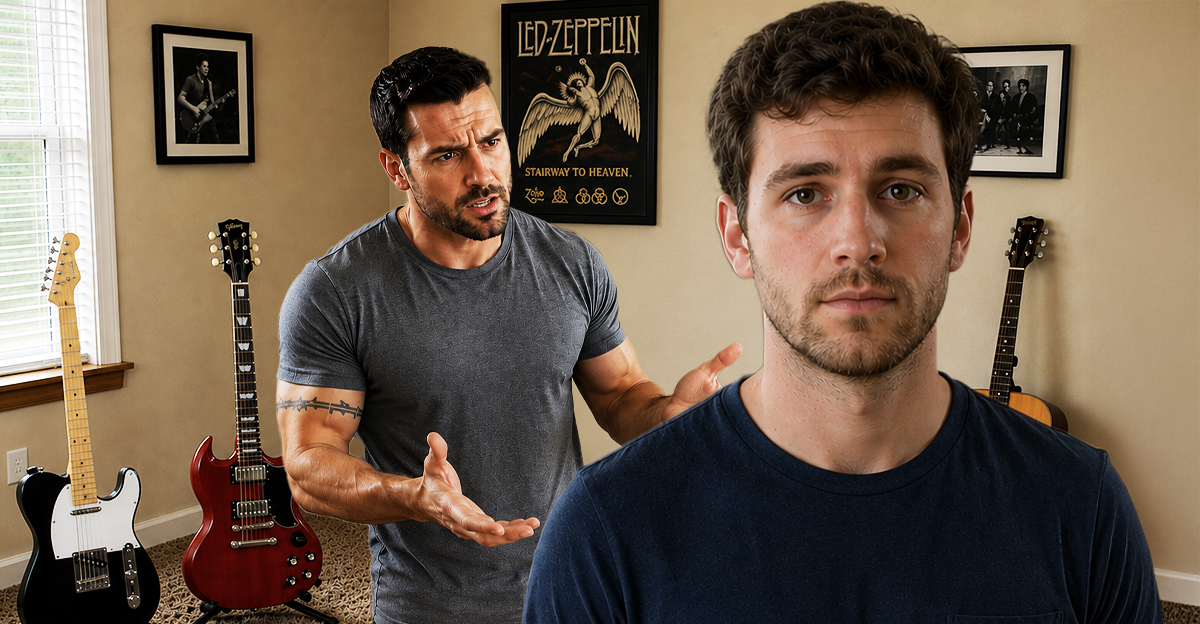
You Have The Guitars
Your uncle asked you to store several classic guitars, and you agreed. Now he has died, and his son says you have to hand them over. You may wonder whether the guitars are actually his. Before anyone moves an instrument, you need to establish ownership and estate authority.
Possession Is Not Ownership
The fact that the guitars are physically in your home does not necessarily make them yours. American law distinguishes possession from ownership. A temporary transfer of personal property for storage can create a bailment, meaning you hold the property without acquiring title to it.

Storage May Create Bailment
If your uncle gave you the guitars specifically for safekeeping, the arrangement may be treated as a bailment. That can exist even without a formal storage contract. The important question is whether you received possession temporarily while your uncle retained ownership of the instruments.
Start With The Agreement
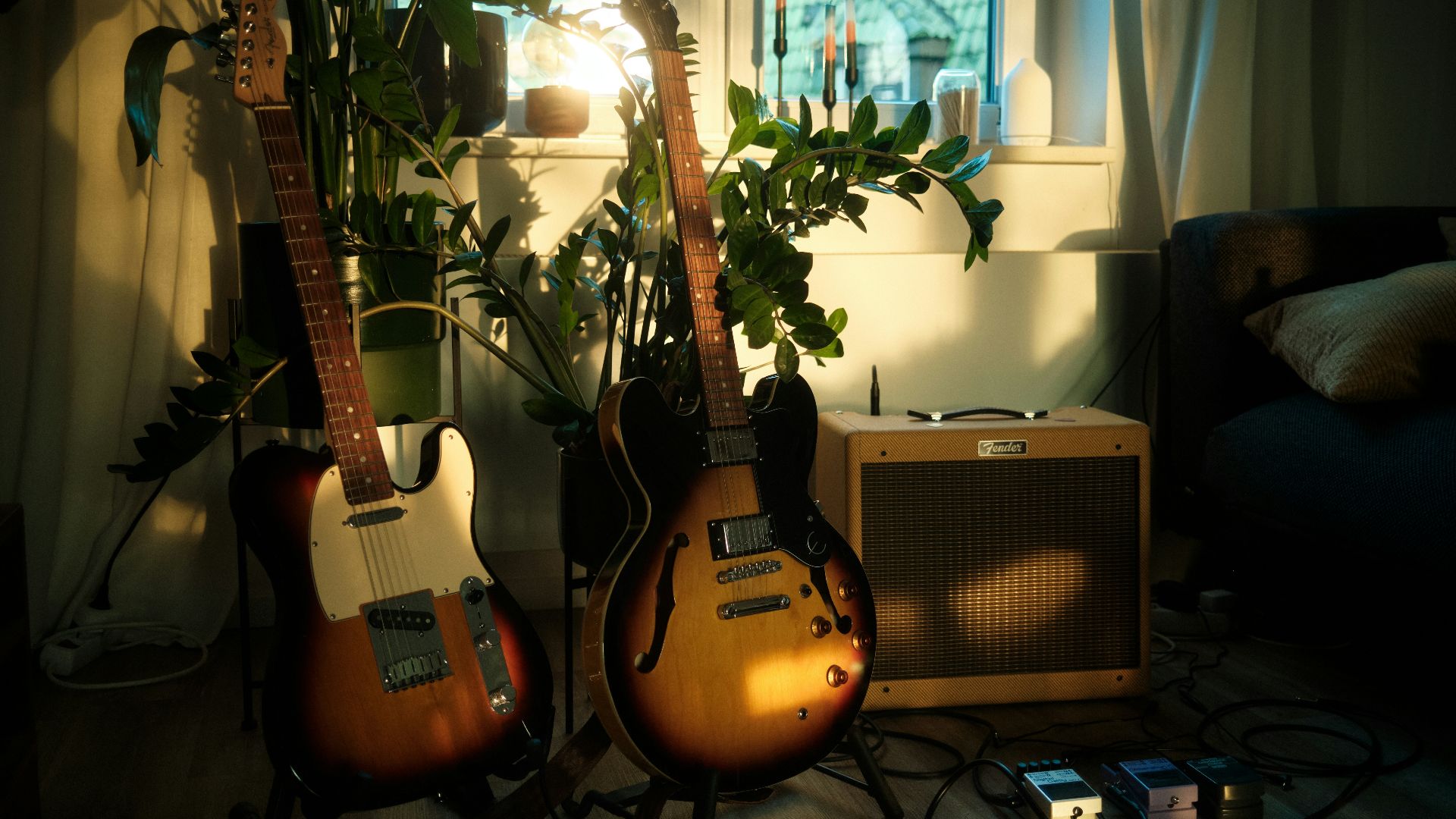
Think carefully about what your uncle actually said when he brought over the guitars. Did he ask you to store them, give them to you, or say something more ambiguous? Emails, text messages, witnesses, photographs, receipts, and insurance records may help establish the arrangement.

Gifts Work Differently
If your uncle genuinely gave you the guitars while he was alive, the analysis changes. However, simply having possession is not automatically proof of a gift. A dispute may turn on the circumstances surrounding the transfer and whatever evidence exists concerning your uncle’s intentions.
The Will Still Matters
Your instinct to ask about the will is reasonable, but an individual asset does not necessarily have to be specifically named. A will can distribute personal property through broader provisions, such as leaving all tangible personal property or the remainder of an estate to particular beneficiaries.

Ask Who Is Executor
Instead of treating your cousin’s demand as automatically valid, find out who has legal authority to administer the estate. A personal representative, commonly an executor or court-appointed administrator, manages and distributes estate property under the will or applicable state intestacy law.

Request Proper Documentation
You can reasonably ask for documentation showing who is administering the estate. Depending on the state and circumstances, this could include court-issued letters or similar proof of authority. You are not being difficult by verifying that valuable property is being transferred to the correct person.

His Son May Inherit
Your cousin could ultimately be entitled to the guitars, but being the deceased owner’s son doesn't necessarily establish immediate authority to collect a particular asset. The answer may depend on the will, other estate-planning arrangements, probate proceedings, and the intestacy law of the relevant state.

What If No Will?
If your uncle died without a valid will, his probate property generally passes according to state intestacy law. The exact result depends on the state and which relatives survive him. An administrator may still need to collect estate assets and distribute them through the proper process.

Secure Everything For Now
Until authority and ownership are clarified, keep the guitars secure and in their existing condition. Do not sell, lend, play, modify, repair, or relocate them unnecessarily. Photograph each instrument, case, serial number, distinctive feature, and any accessory that arrived with the collection.
Create A Written Inventory
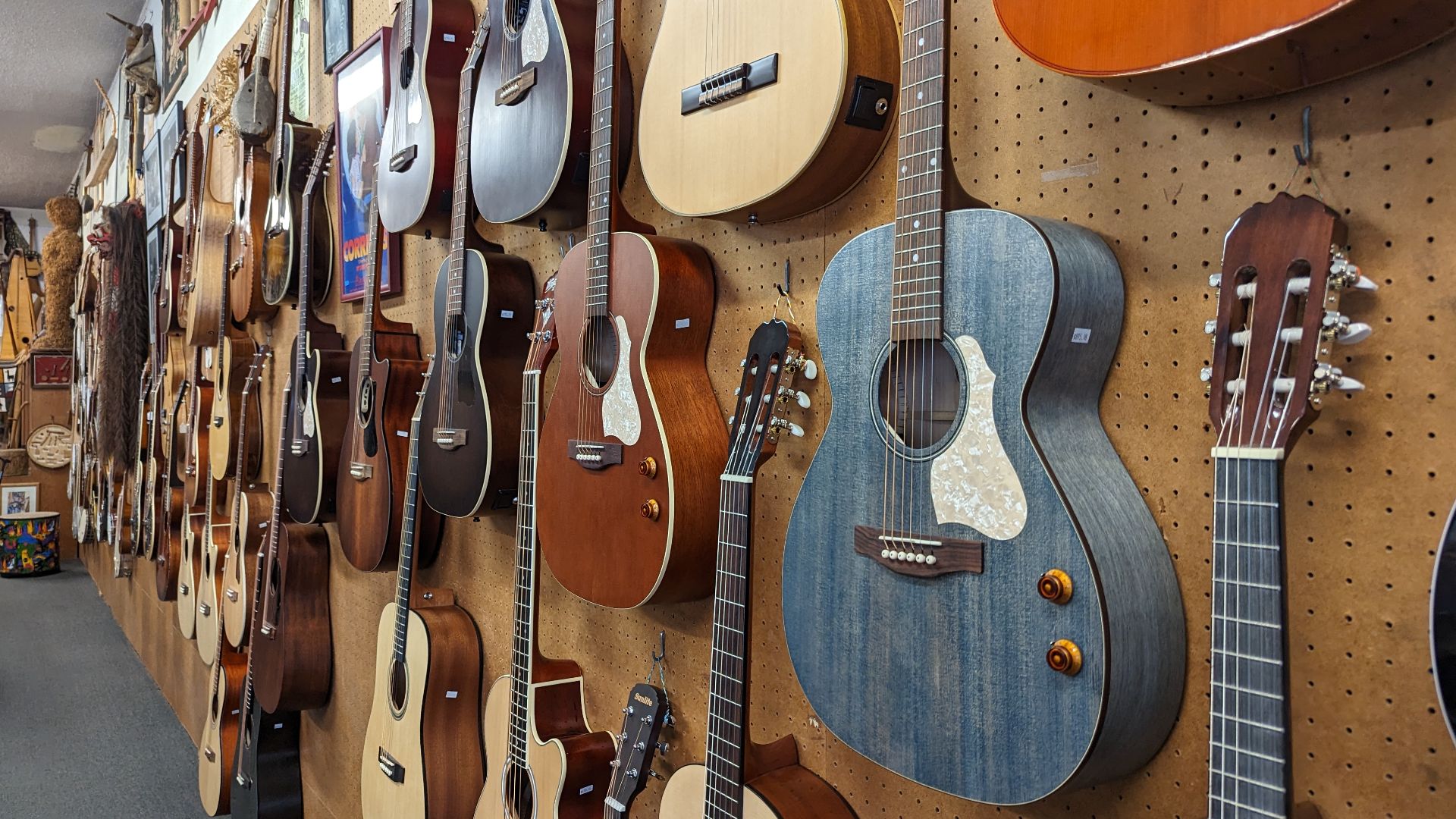
Make a detailed inventory while everything is still calm. Record manufacturers, models, serial numbers, finishes, visible condition, cases, amplifiers, pedals, straps, and documents. A signed and dated inventory can reduce later arguments about whether an item disappeared or suffered damage while stored.

Classic Guitars Need Valuations
Do not assume an old guitar’s value based on appearance or a quick online listing. Vintage instruments can require specialized appraisal. For federal estate-tax valuation purposes, household and personal effects are generally valued according to what knowledgeable, willing buyers and sellers would agree upon.
Condition Can Change Value
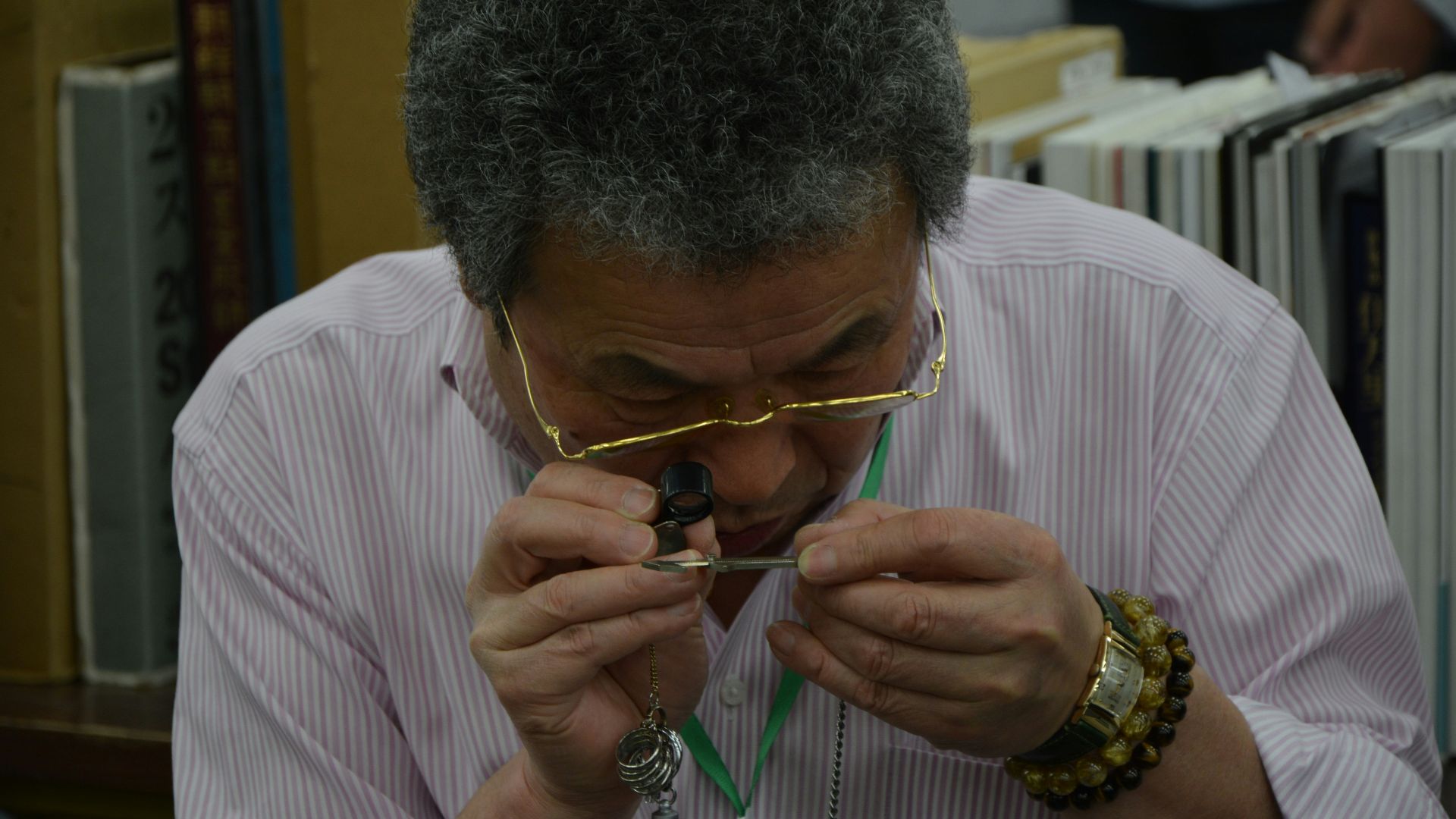
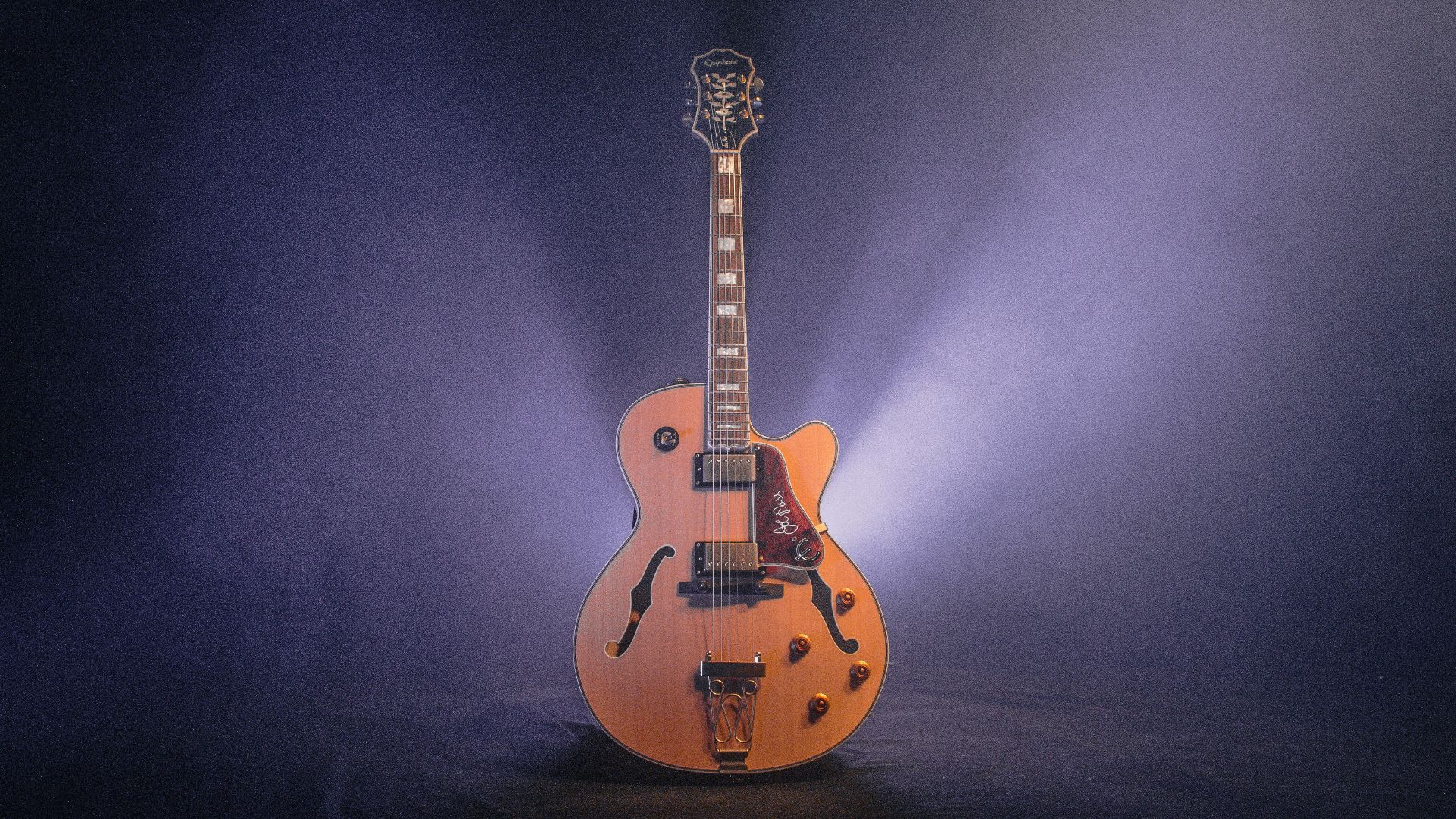
Two apparently similar guitars can have very different market values depending on originality, condition, provenance, modifications, and replaced components. That makes detailed photographs especially useful. An appraisal from someone qualified to evaluate vintage instruments may be more appropriate than a casual estimate from a general resale shop.
Do Not Negotiate Ownership
Avoid trying to settle the issue by offering your cousin one guitar while keeping another. If the instruments belong to the estate, you may have no authority to divide them. Informal bargaining could create additional problems among beneficiaries or complicate the personal representative’s administration.

Put Communication In Writing
Move important discussions to email or another written format. Keep your tone neutral and ask your cousin to have the estate’s authorized representative contact you. Written communication creates a record of what was requested, what you said, and why you did not immediately release valuable property.

Avoid Family Confrontations
A disagreement over valuable guitars can quickly become emotional because the instruments may carry both financial and sentimental importance. Do not let a heated family argument determine legal ownership. Keep conversations focused on documentation, estate administration, preservation, and a controlled transfer process.

Consider Storage Expenses
If storing the guitars has cost you money, keep records of actual expenses such as specialized insurance, climate-controlled storage, or necessary preservation measures. Whether you can recover those costs depends on the arrangement and applicable law, so avoid deducting expenses from estate property on your own.

Check Your Insurance
Find out whether your homeowners or renters policy covers valuable instruments owned by someone else and whether coverage limits or exclusions apply. Do not assume that a collection of classic guitars is fully protected simply because it is inside your house. Ask the insurer specific coverage questions.

Arrange A Careful Transfer
Once the proper recipient is established, document the handover. Photograph the instruments immediately beforehand, prepare a detailed receipt, identify every transferred item, and obtain the recipient’s signature. For valuable guitars, consider having a neutral witness present during pickup or delivery.

Keep Copies Of Everything
Preserve copies of messages, inventories, photographs, receipts, appraisals, and transfer documents. If someone later claims a guitar was missing, damaged, or improperly withheld, contemporary records can help establish what you received, how you stored it, and exactly what you eventually transferred.

A Lawyer May Help
If the guitars are extremely valuable, multiple relatives are making competing claims, or someone threatens legal action, consult a probate attorney licensed in the relevant state. A short consultation may be far less expensive than making an irreversible transfer to someone who lacks authority to receive the property.

State Law Controls
Probate rules are not identical nationwide. The Uniform Probate Code provides a model framework, but states have adopted it differently or created their own rules. Questions about personal representatives, estate possession, intestacy, and property disputes therefore require attention to the law of the relevant jurisdiction.
The Safest Middle Ground
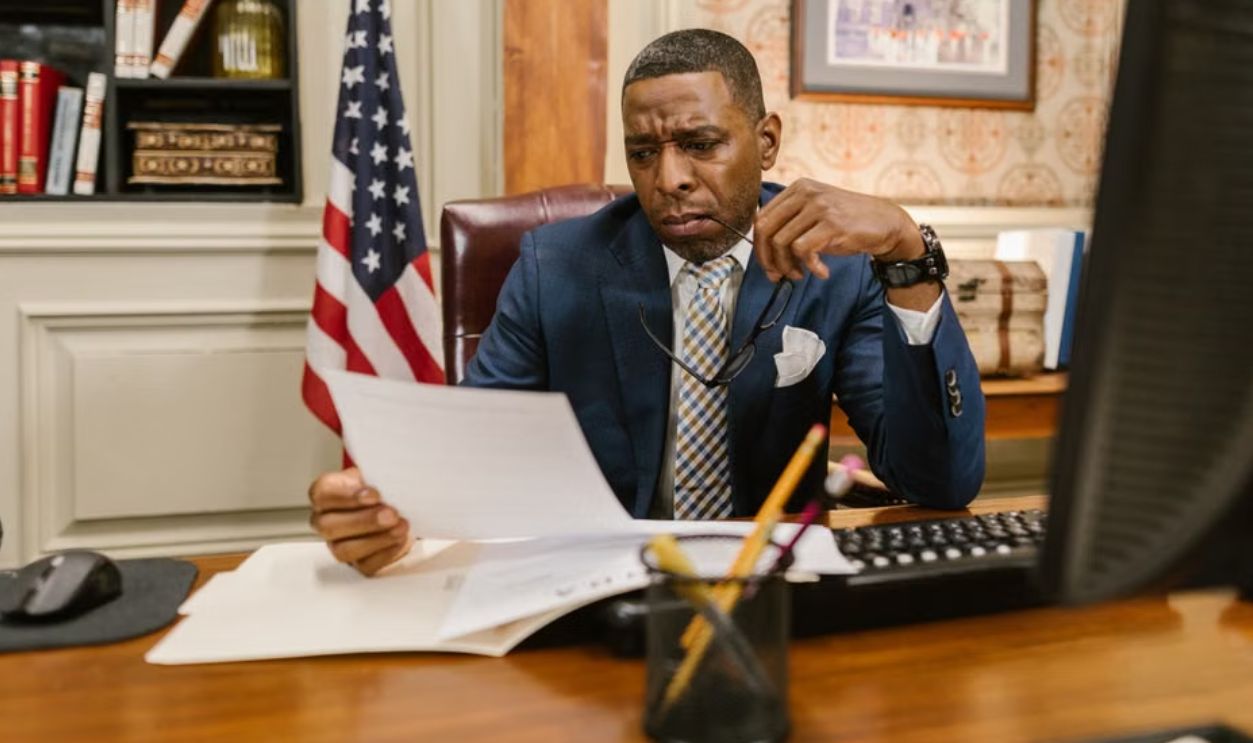
You do not need to declare the guitars yours, but you also should not casually hand a valuable collection to the first relative who demands it. Preserve the instruments, document them, identify the estate representative, and cooperate with a properly authorized transfer once the legal situation is clear.

Make The Paper Trail
The real lesson is that valuable personal property deserves documentation before a crisis. Owners should identify important possessions, record serial numbers, clarify gifts, and provide estate-planning instructions. Families should not have to reconstruct ownership of valuable instruments from memories after the owner is gone.
You May Also Like: