When Christmas Shopping Was An Experience
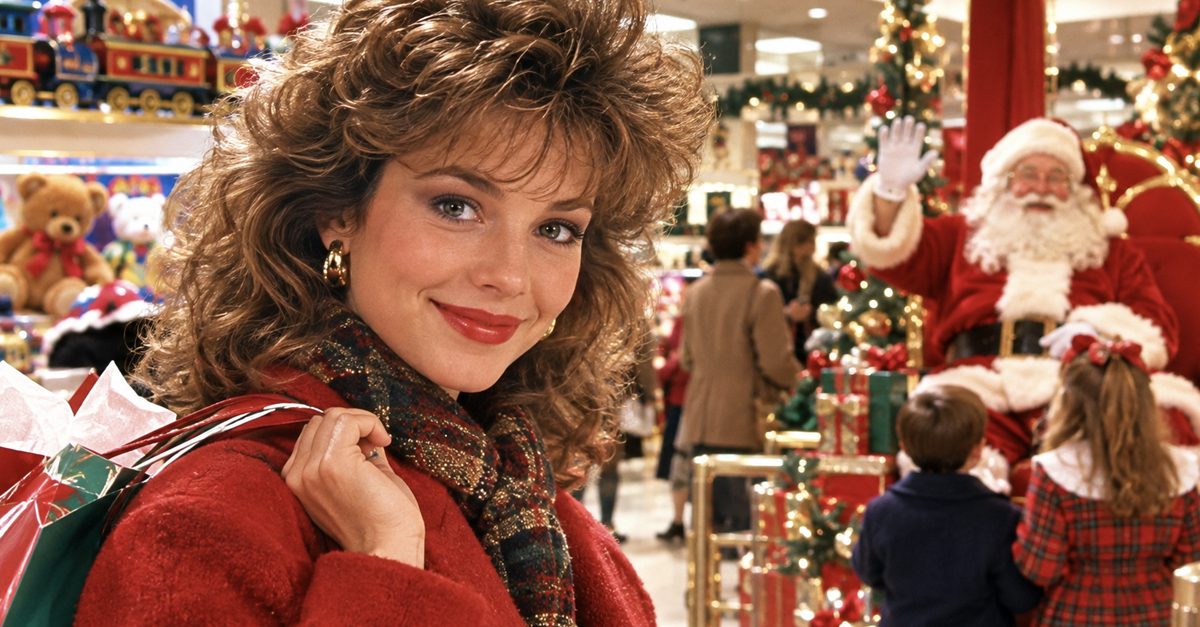
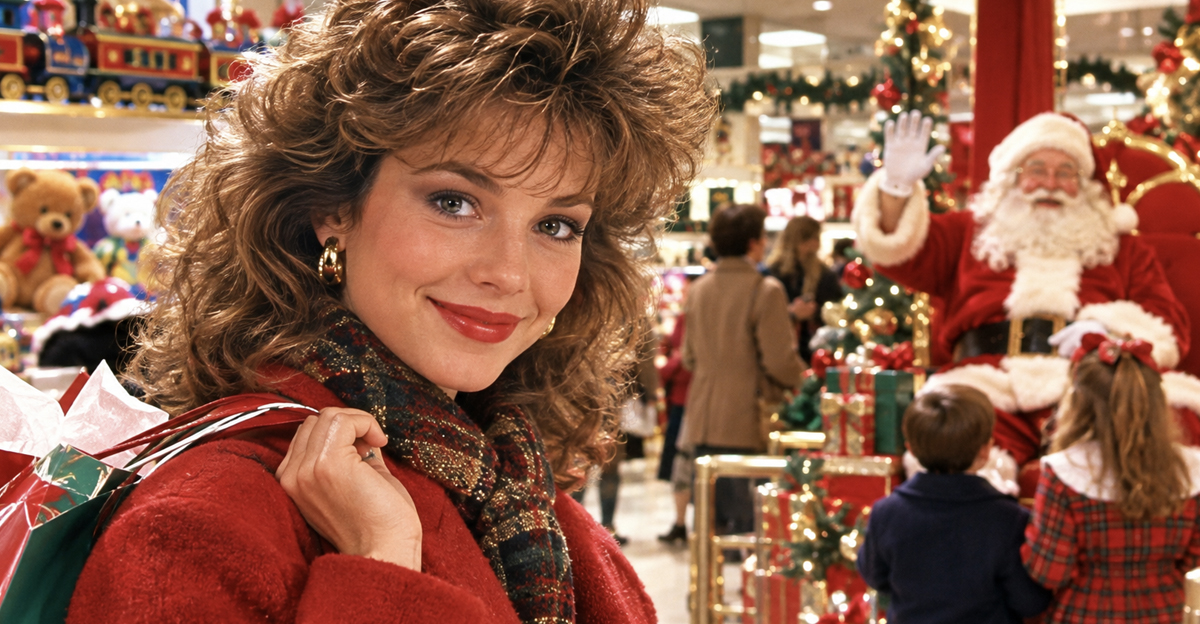
Before online shopping and same-day delivery, Christmas meant crowded department stores, enormous toy displays, and festive window decorations that could stop an entire family in its tracks. Throughout the 1980s, America's biggest retailers competed for holiday shoppers with elaborate displays, Christmas catalogs, and visits with Santa Claus. Some of those stores are still around, while others have disappeared completely. How many of these legendary shopping destinations do you remember?
Sears: The King Of Christmas Wish Lists
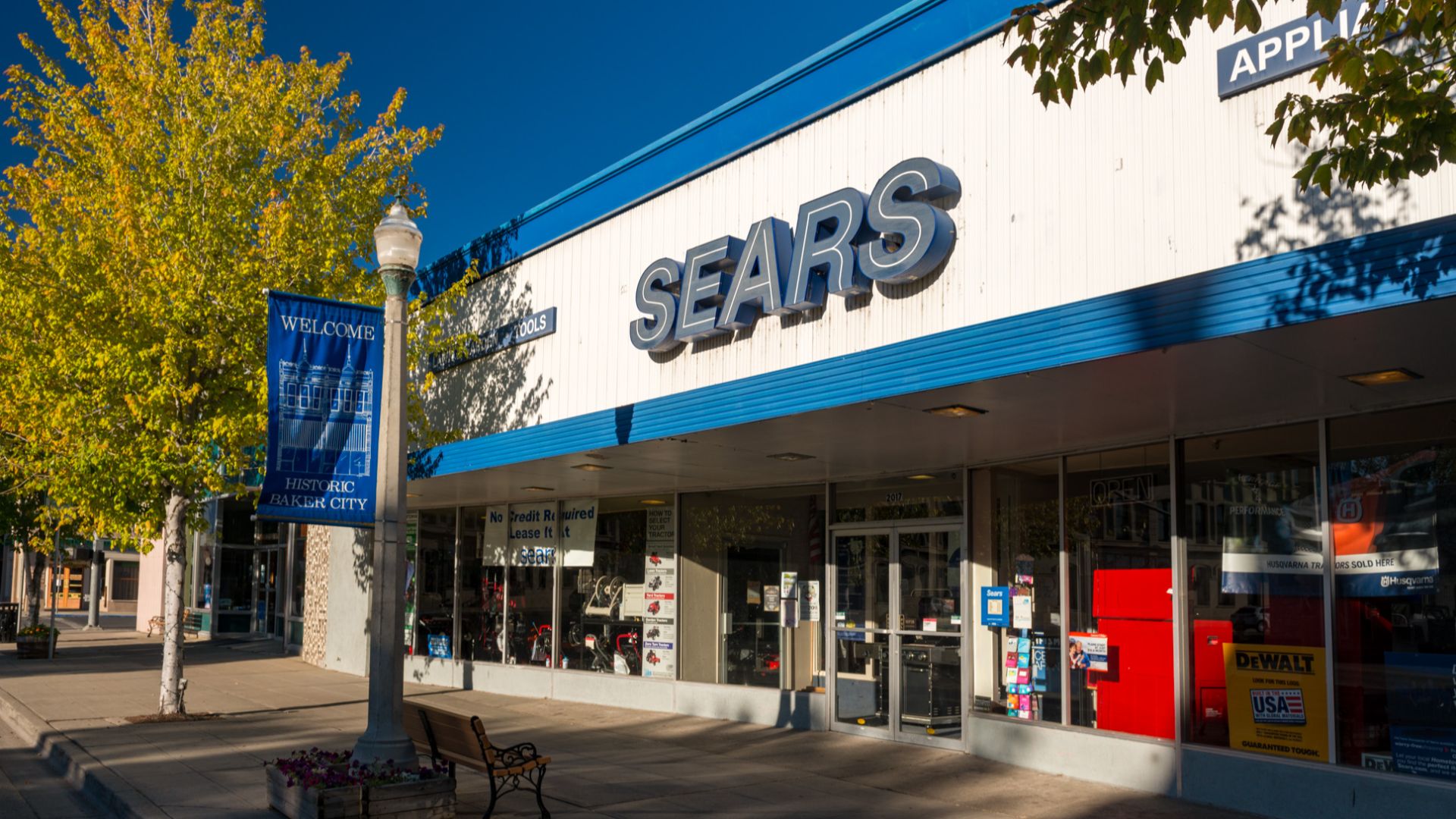
For millions of American families, Christmas shopping started with the Sears Wish Book, a catalog packed with toys, clothing, electronics, and household gifts. Sears had introduced its Christmas catalog in 1933, and by the 1980s, the Wish Book had become a holiday institution. Children could spend hours studying the toy pages while parents compared prices and planned purchases. The catalog helped make Sears one of the country's most recognizable Christmas retailers.
 Gary Halvorson, Oregon State Archives, Wikimedia Commons
Sears: Where Parents Bought The Big Gifts
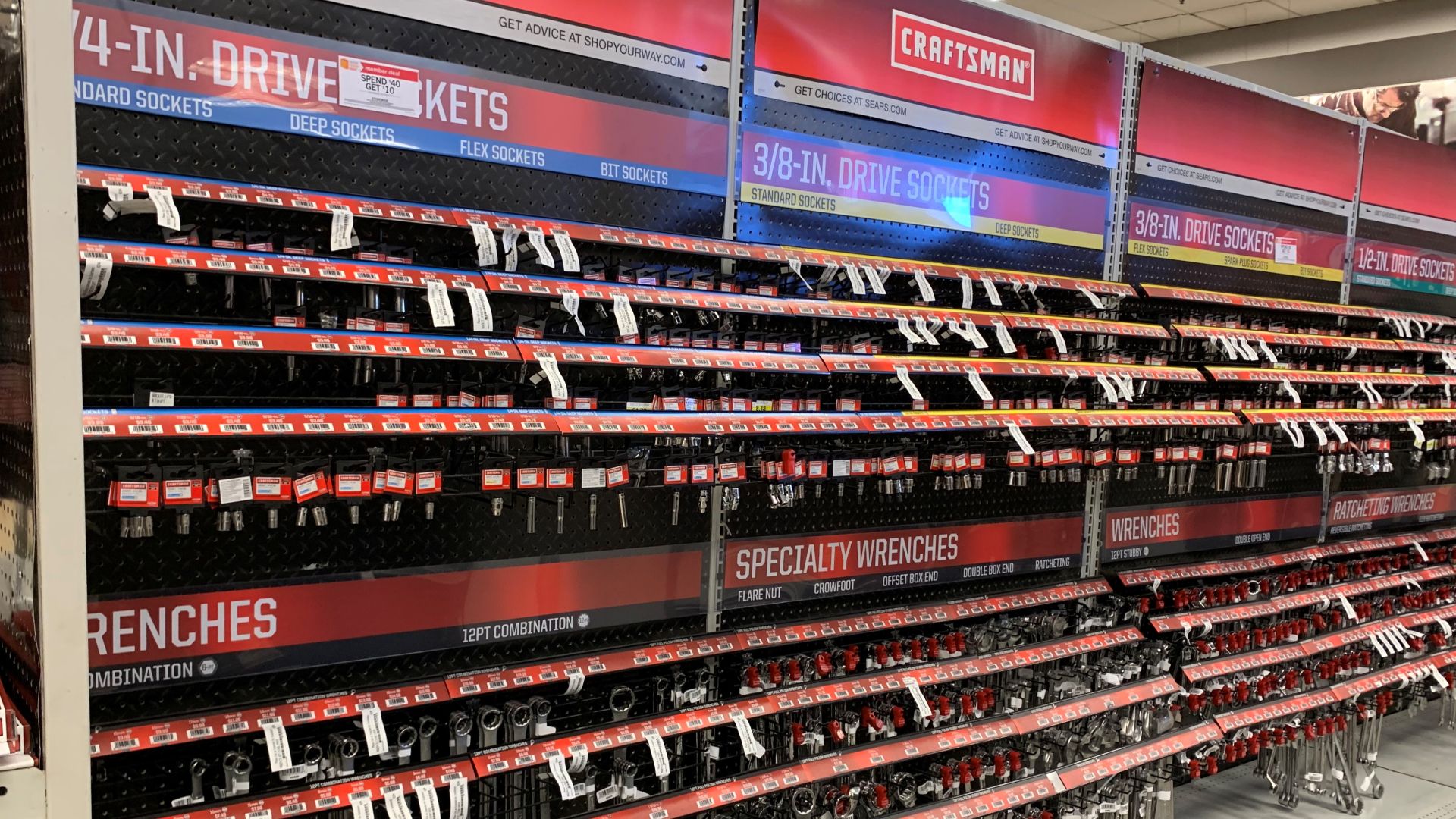
Sears offered considerably more than toys, making it a practical destination for families trying to complete their Christmas shopping in one place. Its stores and catalogs carried Kenmore appliances, Craftsman tools, clothing, and other household merchandise alongside traditional holiday gifts. This broad selection helped Sears appeal to shoppers with different budgets and shopping priorities. However, growing competition from discount chains would eventually undermine its position as America's leading retailer.
 Phillip Pessar, Wikimedia Commons
JCPenney: The Other Christmas Catalog Everyone Loved
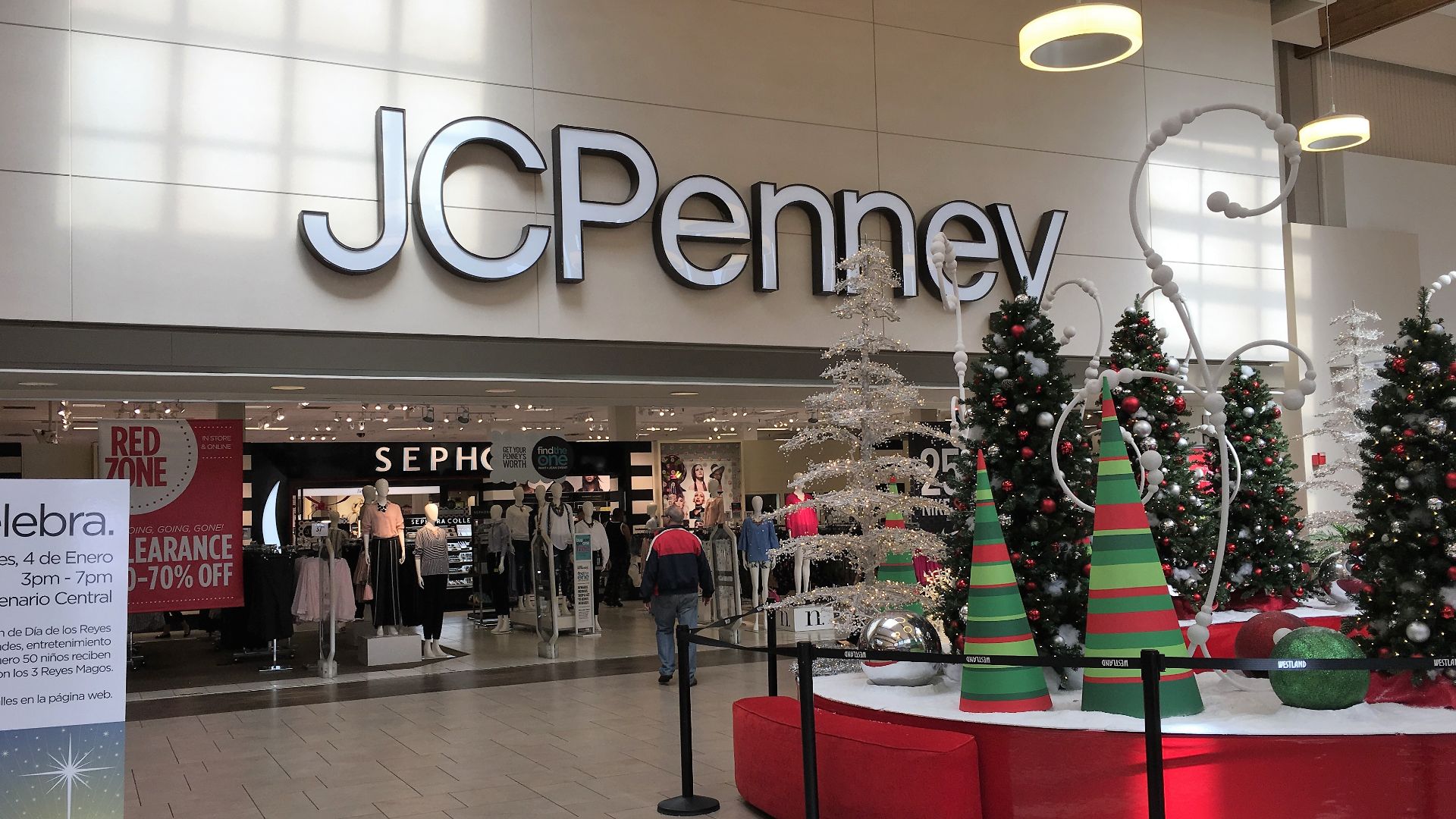
If the Sears Wish Book wasn't sitting on the coffee table, there was a good chance a JCPenney Christmas catalog was nearby. JCPenney introduced its first Christmas catalog in 1963, and its 1980 edition featured hundreds of pages of toys and other merchandise. Families could browse everything from children's clothing to holiday decorations without leaving home. For budget-conscious shoppers, the catalog offered a convenient way to compare gift possibilities before heading to the store or placing an order.
 Phillip Pessar from Miami, USA, Wikimedia Commons
JCPenney: The Family Clothing Headquarters
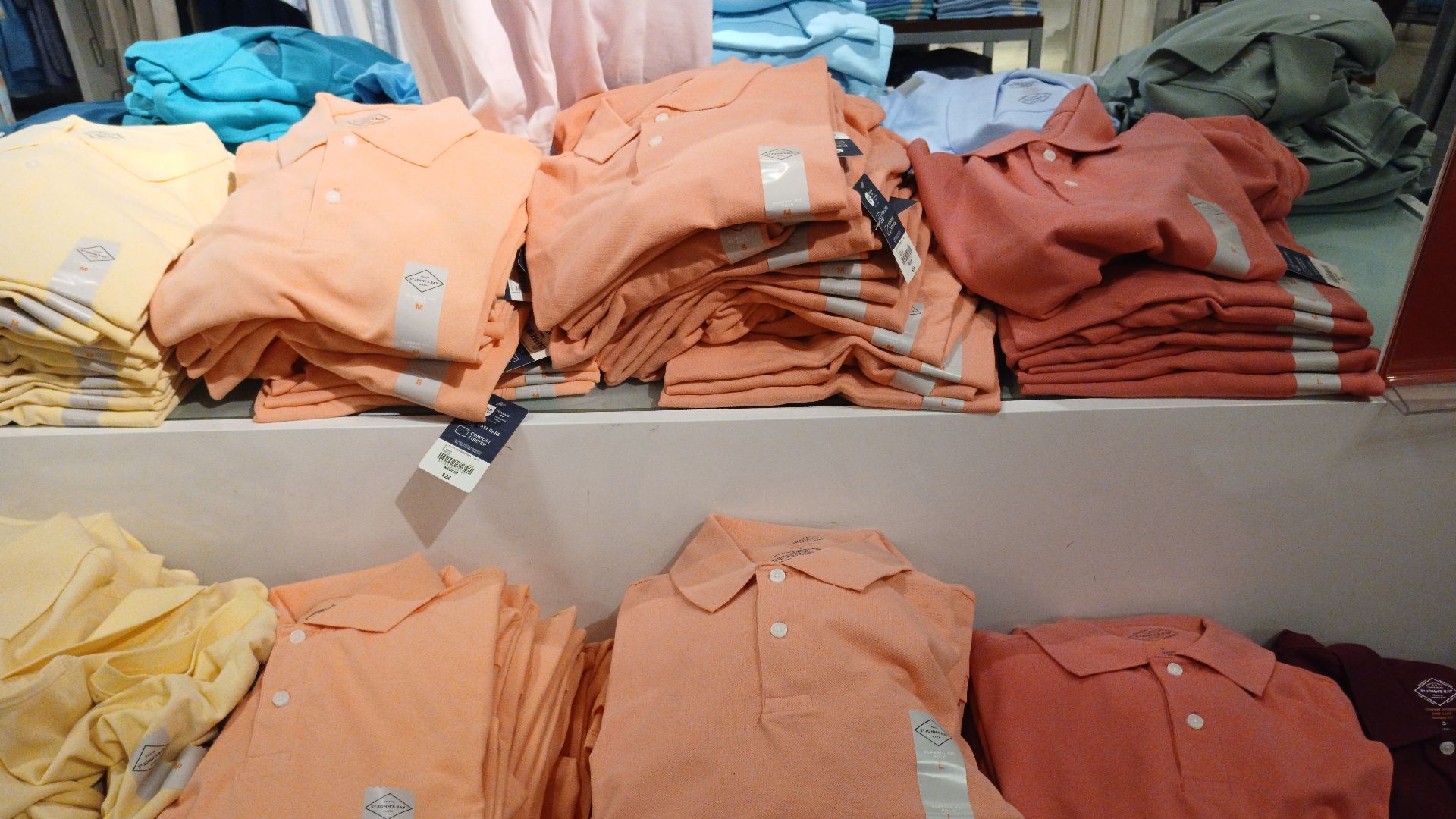
JCPenney was also a major destination for practical Christmas gifts, particularly clothing and household essentials. Its 1980s catalogs advertised merchandise for men, women, and children, allowing families to shop across several departments from a single retailer. Shopping at JCPenney wasn't necessarily about extravagant presents, but about finding useful gifts that fit the household budget. That combination of selection and convenience helped make the chain a familiar presence in American shopping malls.
 Ser Amantio di Nicolao, Wikimedia Commons
Macy's: Where Christmas Felt Like A Movie
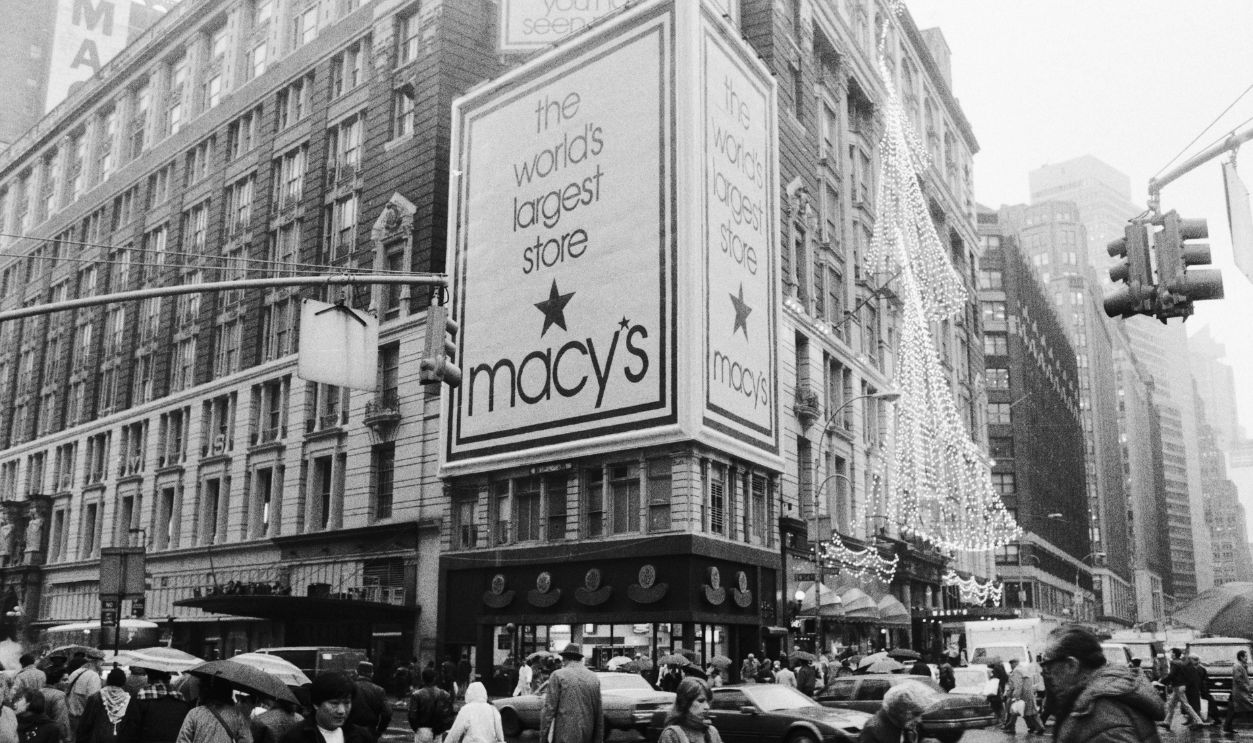
Few department stores were as closely associated with Christmas as Macy's, particularly its enormous Herald Square flagship in New York City. The retailer had been welcoming Santa Claus since the nineteenth century and became even more closely linked to the holiday through the 1947 film Miracle on 34th Street. By the 1980s, its Thanksgiving Day Parade, Christmas windows, and Santaland were already established traditions. Macy's demonstrated how holiday entertainment could bring potential customers through the doors.
Macy's: The Magic Of The Holiday Windows
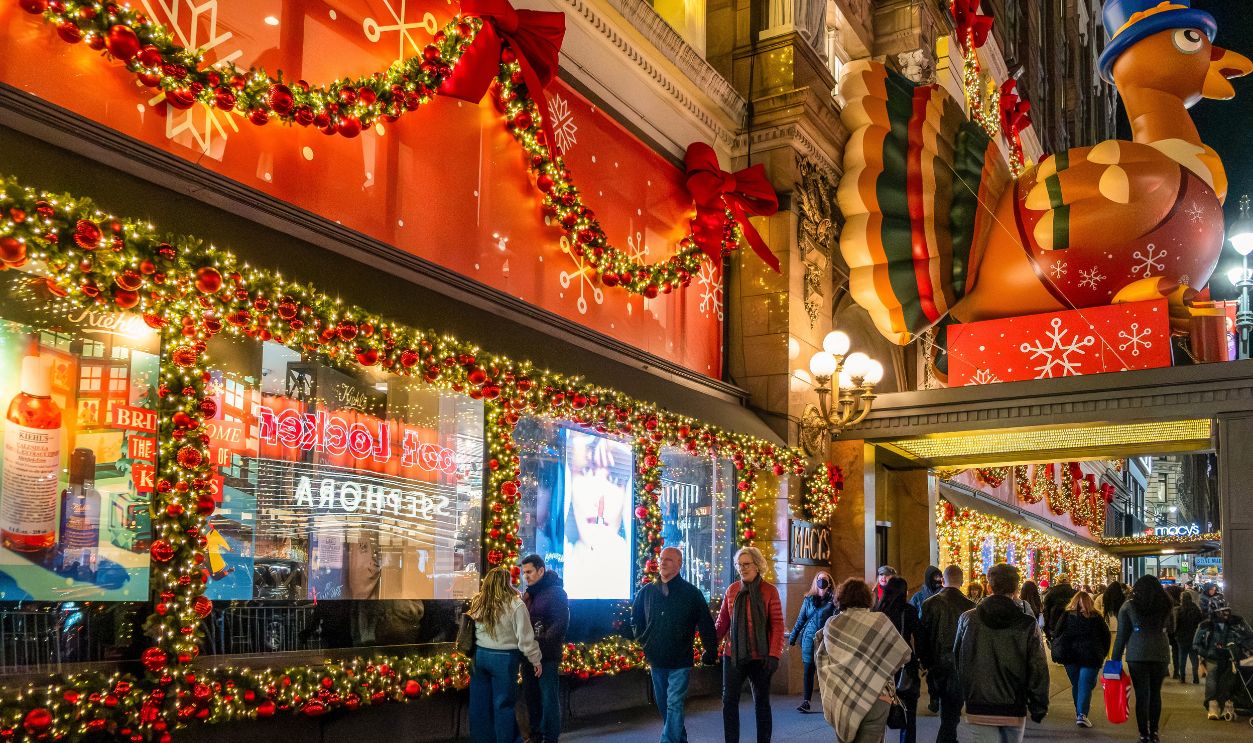
Macy's festive window displays turned ordinary department-store shopping into something families could enjoy before spending a dollar. The company's history traces its holiday-window tradition back to 1874, long before animated decorations became a major seasonal attraction. Elaborate displays helped build excitement around the shopping season while drawing attention to the retailer's name. It was a reminder that successful merchandising could begin on the sidewalk rather than inside the store.
Montgomery Ward: Sears Had Serious Competition
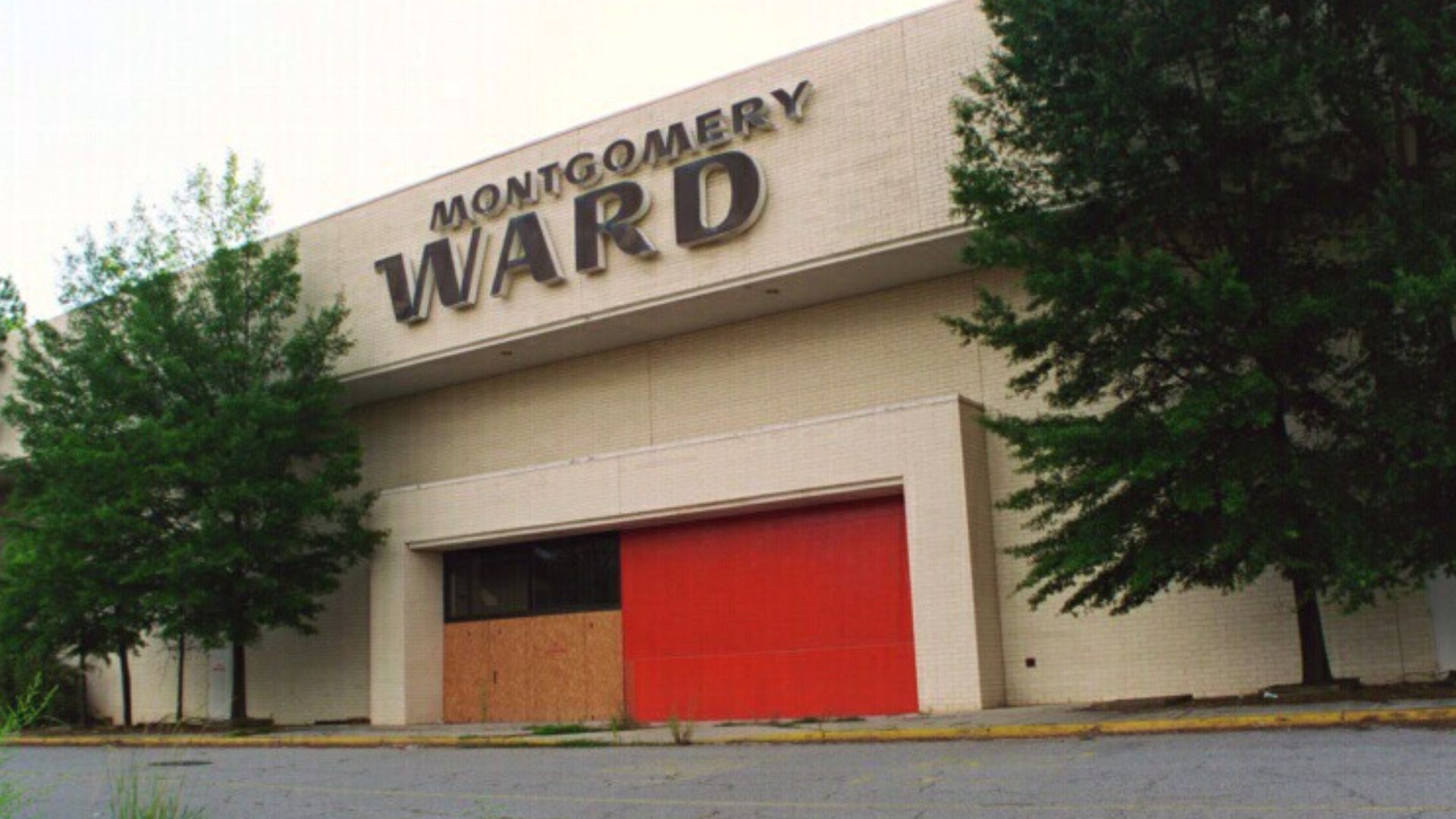
Montgomery Ward was another household name that combined department stores with a famous mail-order catalog. The company had been selling merchandise through catalogs since 1872, and its Christmas editions competed for families' holiday shopping dollars. In 1985, however, Montgomery Ward announced that it would abandon its money-losing catalog business, ending an important chapter in American retail history. For shoppers who remembered ordering Christmas presents from Ward, the decision marked the disappearance of a familiar tradition.
 The original uploader was Caldorwards4 at English Wikipedia., Wikimedia Commons
Montgomery Ward: The Store That Gave America Rudolph
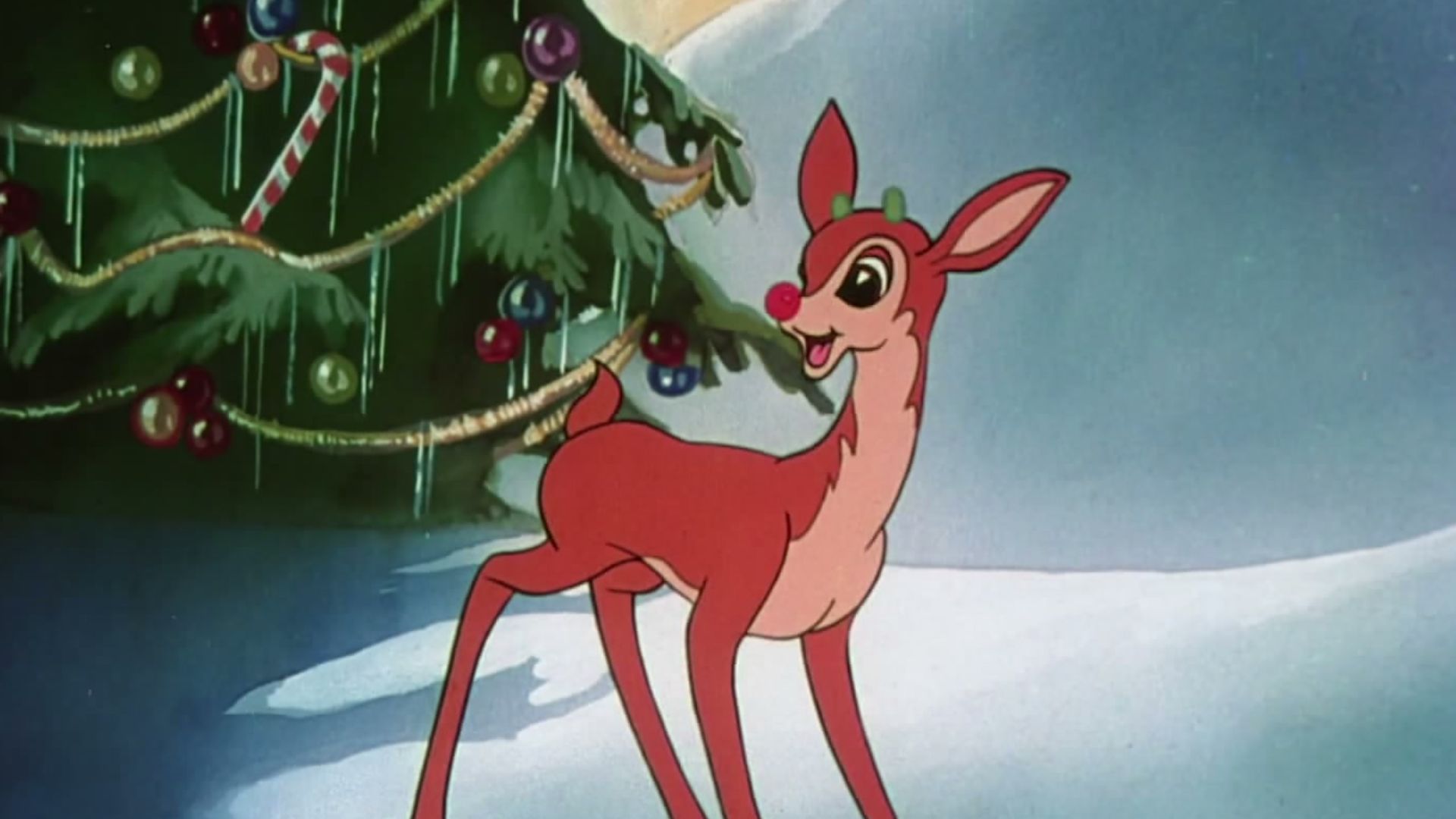
Montgomery Ward made a Christmas contribution that extended far beyond merchandise and holiday sales. In 1939, company copywriter Robert L. May created Rudolph the Red-Nosed Reindeer as part of a holiday promotional campaign. The character eventually became one of the most recognizable figures in American Christmas culture. It's difficult to imagine a more successful example of holiday marketing than a department-store promotion that became a lasting Christmas tradition.
 Max Fleischer, Wikimedia Commons
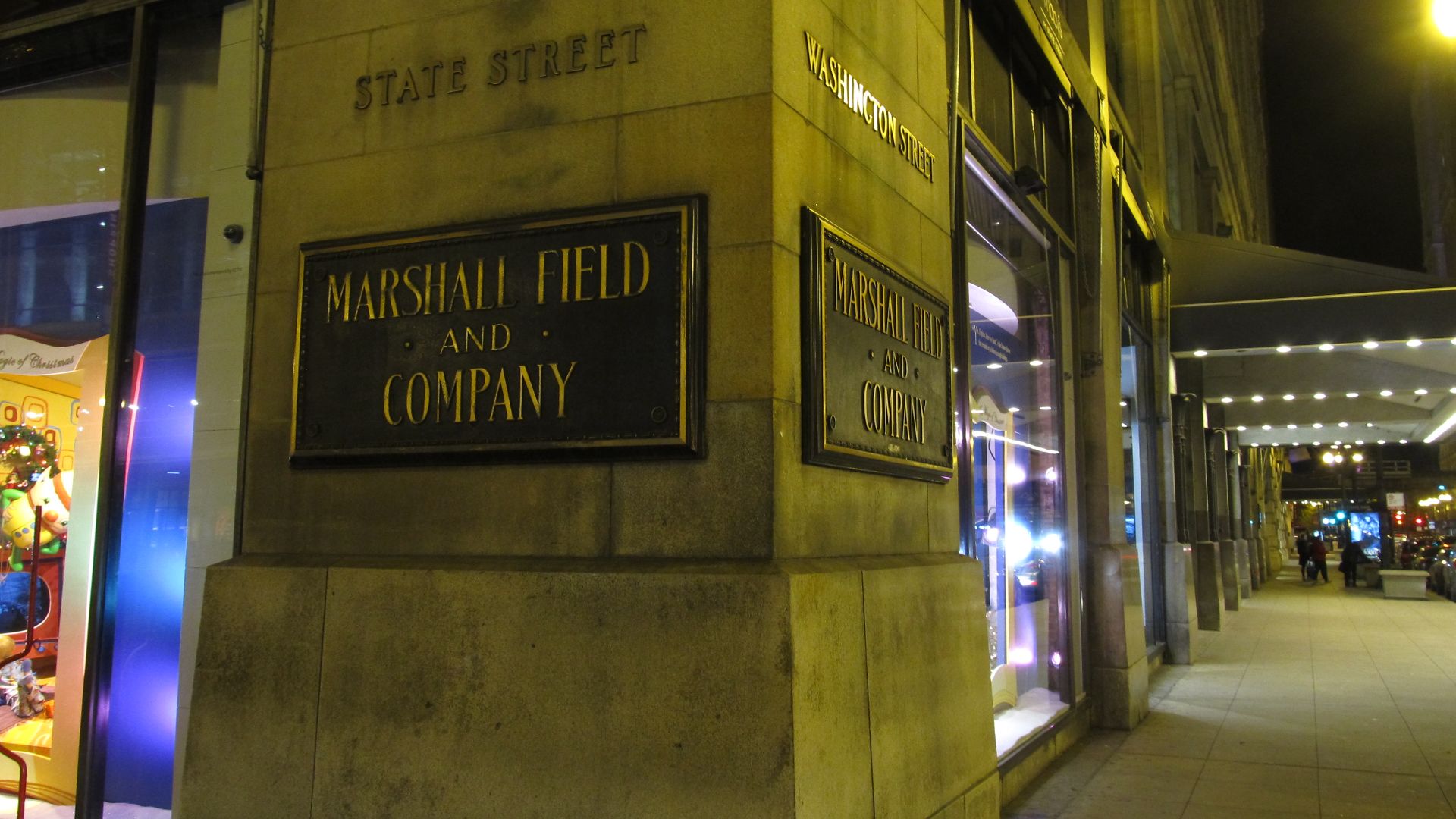
Marshall Field's: Chicago's Christmas Wonderland
For Chicago families, Marshall Field's on State Street was one of the city's most celebrated Christmas shopping destinations. Its holiday traditions included animated window displays, an enormous Christmas tree, and festive decorations that transformed the downtown store. The famous Walnut Room restaurant provided another reason for families to make the trip. Marshall Field's understood that a memorable shopping experience could become an annual family tradition.
 Ken Lund from Reno, Nevada, USA, Wikimedia Commons
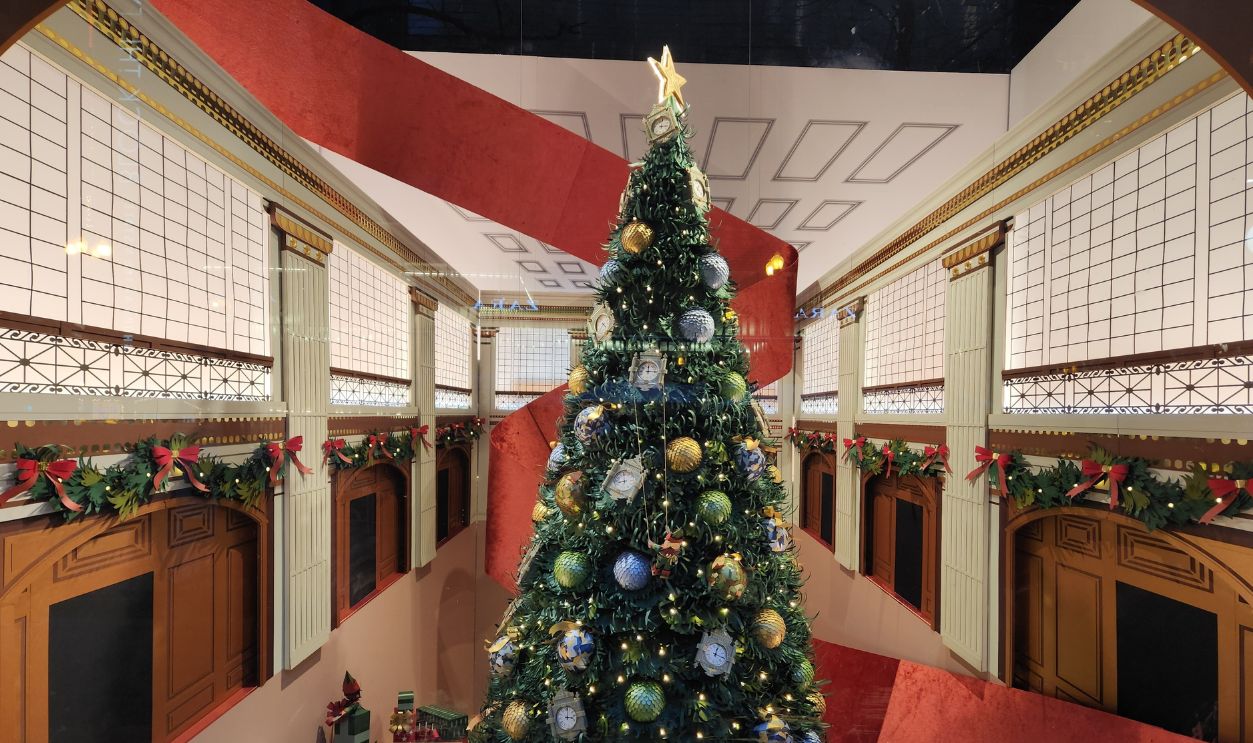
Marshall Field's: Christmas Dinner Under The Great Tree
A holiday visit to Marshall Field's often included more than looking for presents. The Walnut Room, which opened with the State Street building in 1907, became closely associated with the store's spectacular Great Tree. Families could combine a restaurant outing with shopping and sightseeing under one roof. That approach encouraged customers to spend more time in the building, something modern shopping centers and retailers still try to achieve.
 ChicagoPhotographer, Shutterstock
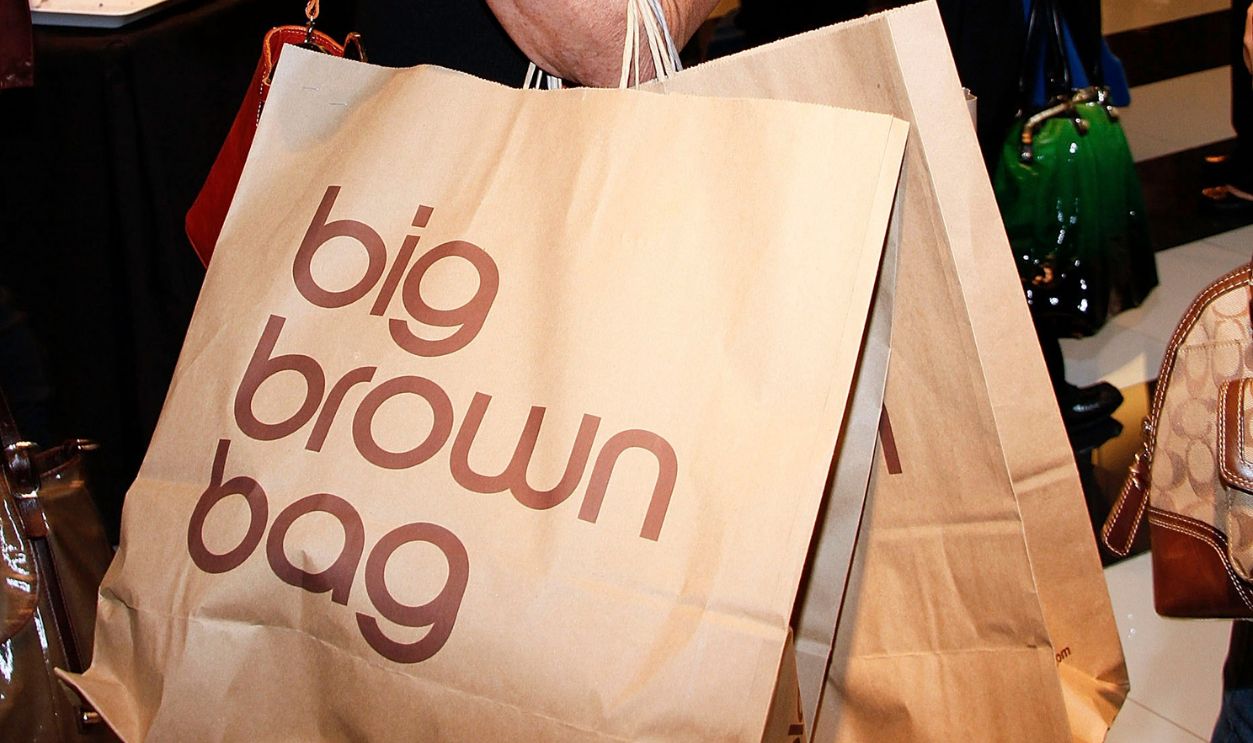
Bloomingdale's: The Gift Bag Was Part Of The Gift
Bloomingdale's helped turn department-store packaging into a recognizable fashion statement with its famous Big Brown Bag. Introduced in 1973, the shopping bag became an enduring symbol of the New York retailer. During the 1980s, Bloomingdale's also developed elaborate seasonal shopping bags, including special Christmas designs created by prominent artists. Its approach showed how attractive packaging could make a department-store purchase feel more special.
 Janette Pellegrini, Getty Images
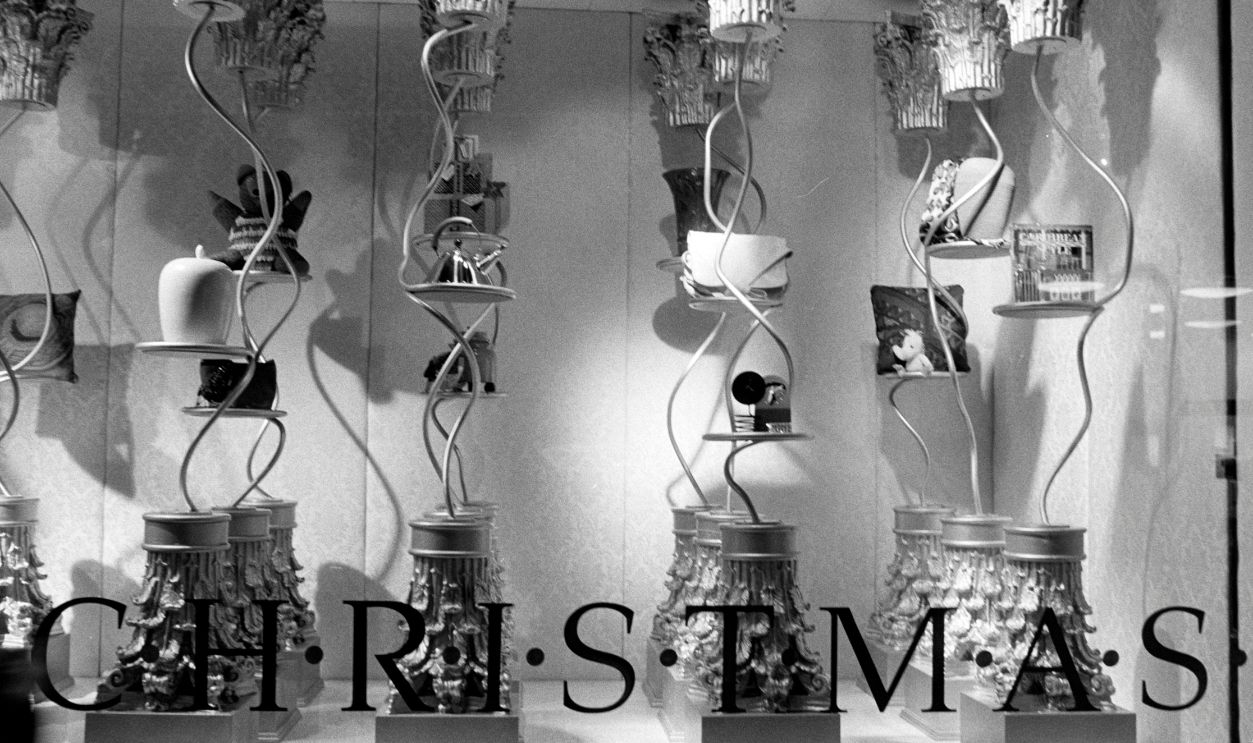
Bloomingdale's: When Christmas Shopping Became Fashionable
Bloomingdale's approached holiday retailing as an opportunity to sell style as well as merchandise. For Christmas 1982, the retailer commissioned artist Karen Jakobsen to create illustrations of its Lexington Avenue storefront for seasonal shopping bags. The artwork also appeared in its holiday catalog and was sold as posters. By turning store imagery into collectible merchandise, Bloomingdale's demonstrated how branding itself could become part of the shopping experience.
 Fairchild Archive, Getty Images
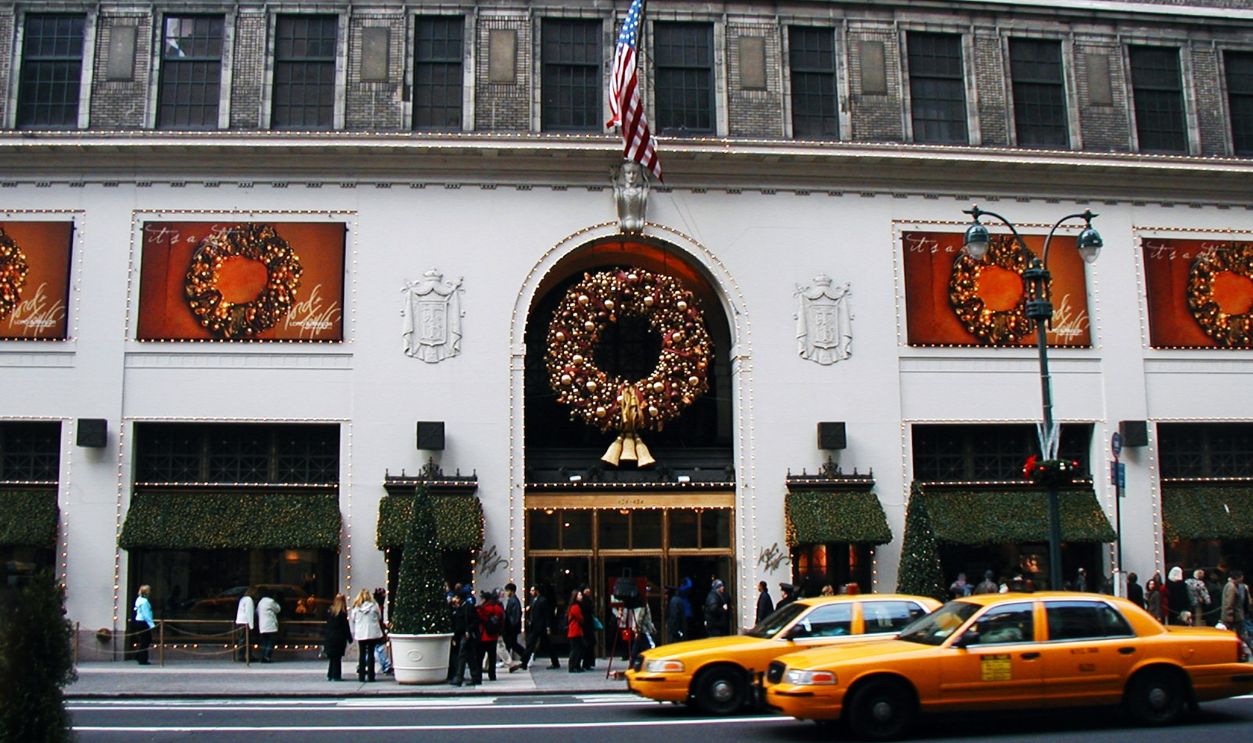
Lord & Taylor: Fifth Avenue's Holiday Spectacle
Lord & Taylor was another New York department store famous for its elaborate Christmas windows. In December 1988, the Los Angeles Times described the specialized designers creating mechanical holiday displays for Lord & Taylor and neighboring Saks Fifth Avenue. These installations attracted crowds to Fifth Avenue throughout the festive season. Even shoppers who couldn't afford the expensive merchandise could enjoy the spectacular decorations for free.
 Dominick Corrado, Shutterstock
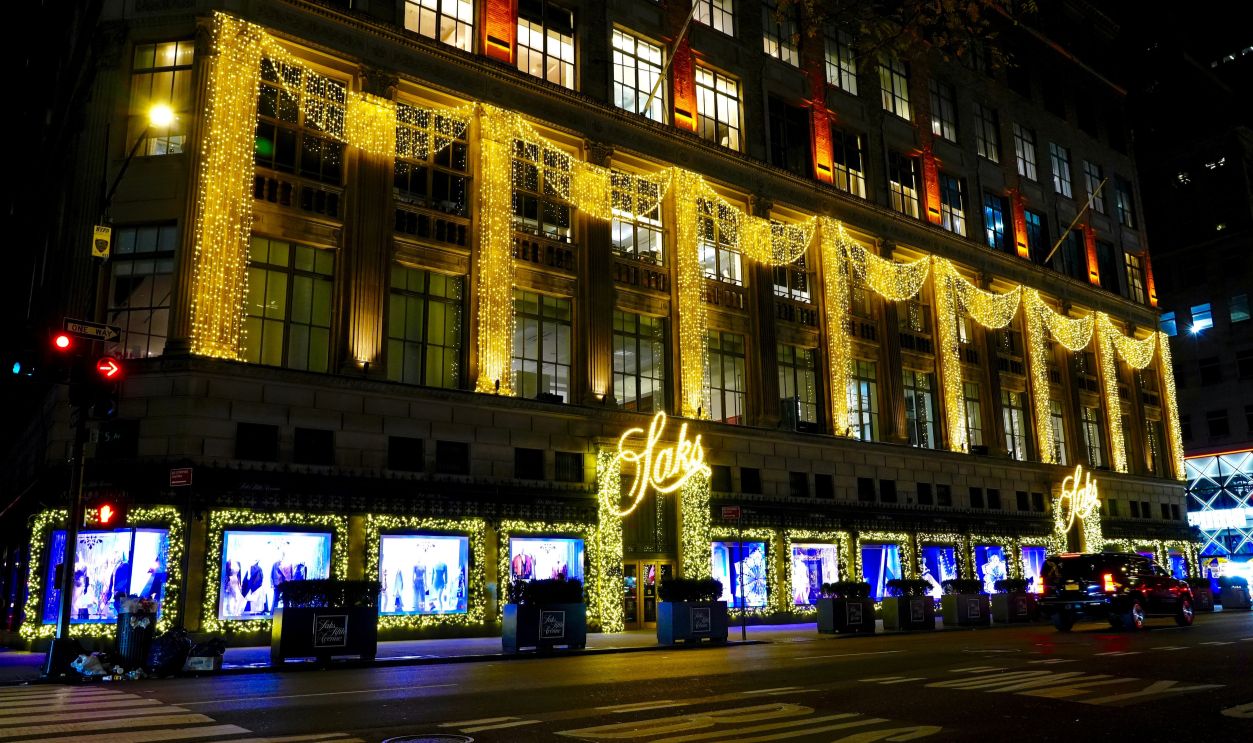
Saks Fifth Avenue: Luxury Shopping With A Christmas Show
Saks Fifth Avenue brought its upscale reputation to the holiday shopping season with elaborate mechanical Christmas-window displays. In 1988, specialized craftspeople were preparing seasonal installations for both Saks and Lord & Taylor, continuing a tradition that drew crowds to New York's famous shopping district. The displays created a festive atmosphere around stores known for premium merchandise. For luxury retailers, Christmas offered a valuable opportunity to strengthen their image while encouraging gift purchases.
Dayton's: The Eighth Floor Was Pure Magic
In Minneapolis, Dayton's transformed the eighth floor of its downtown department store into a magical holiday attraction. The annual themed displays featured everything from Alice's Wonderland Christmas in 1980 to The Velveteen Rabbit in 1985. In 1988, the theme was The Polar Express, bringing the popular children's book into the department-store setting. These productions gave families a reason to return year after year, whether or not they arrived with a shopping list.
Dayton's: Remember The Santabear?
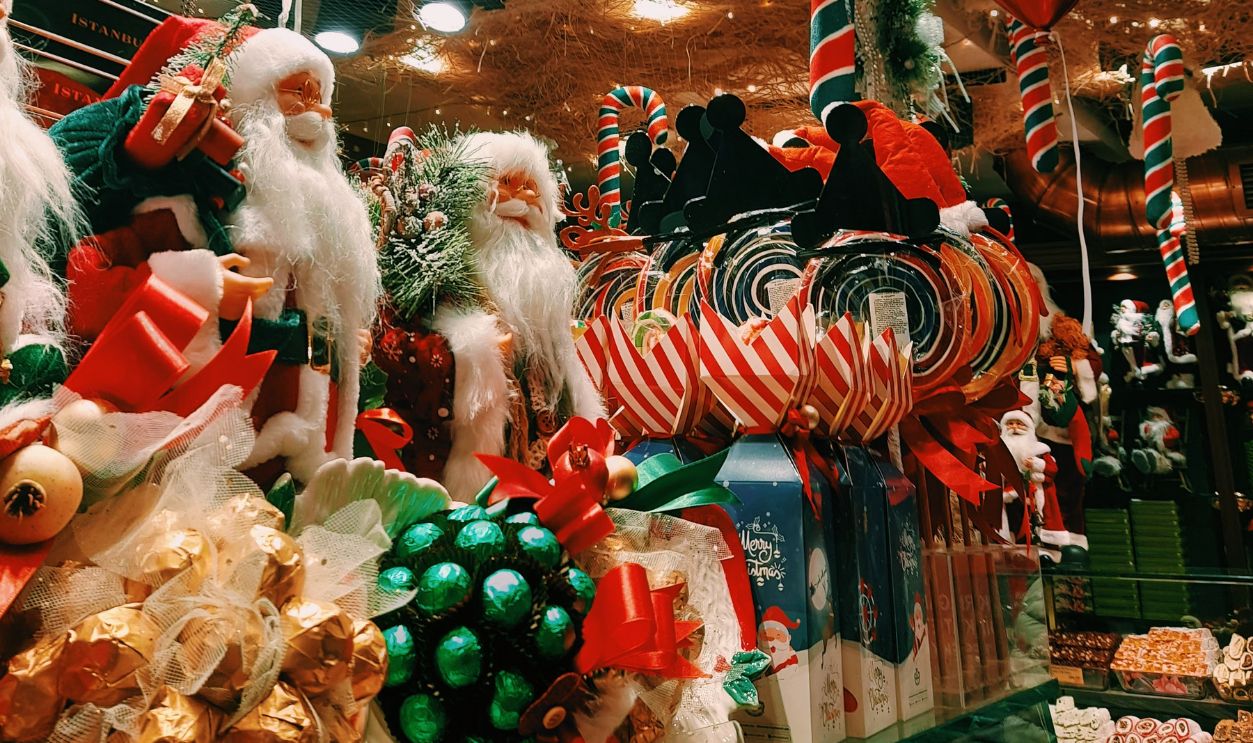
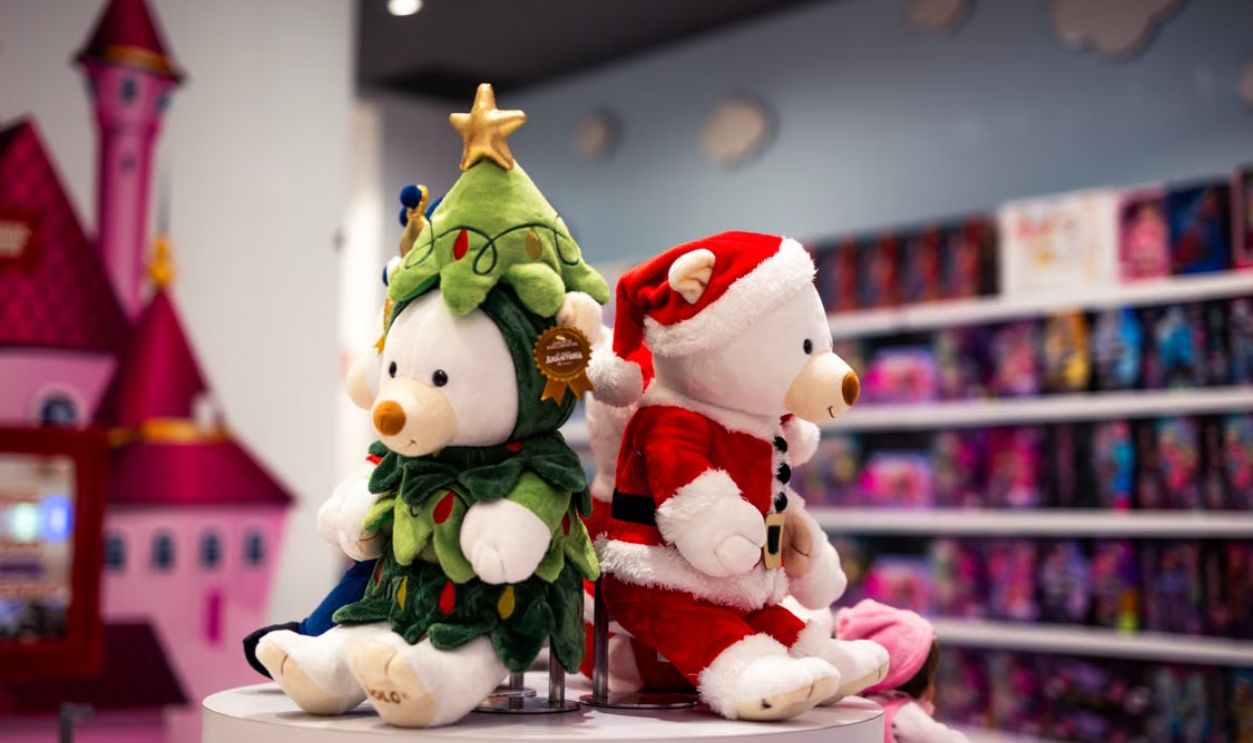
Dayton's also developed its own Christmas characters, including Santabear, whose adventures became the subject of the store's 1986 and 1987 eighth-floor holiday shows. The annual attraction blended storytelling, familiar characters, and shopping in a way that few ordinary retailers could match. Families came for the entertainment and could explore the department store during the same visit. It was an effective example of how exclusive seasonal attractions could distinguish one retailer from its competitors.
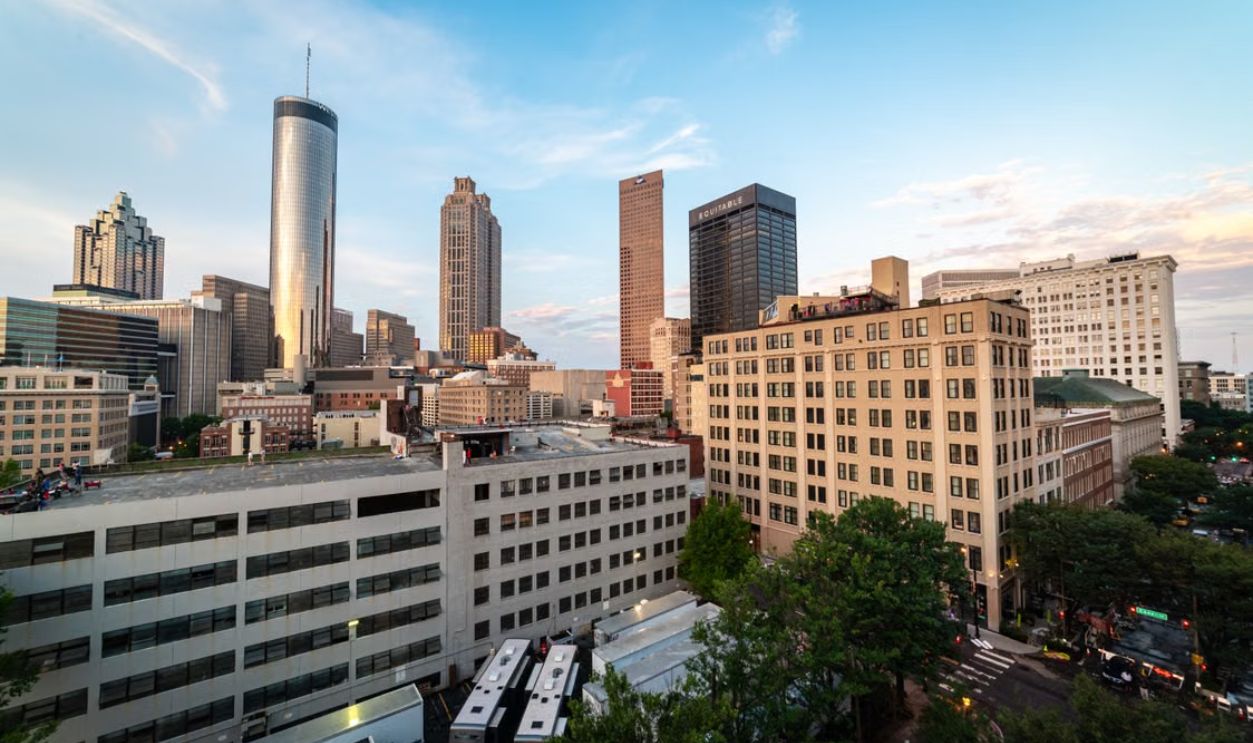
Rich's: Atlanta's Incredible Pink Pig
Christmas shopping at Rich's in Atlanta offered something most department stores couldn't match: a ride on the Pink Pig. Introduced in 1959, the unusual monorail carried children above the toy department and later around the rooftop. The attraction became so popular that its removal in the 1960s sparked complaints and helped bring it back. By the 1980s, the Pink Pig was firmly established as one of Atlanta's best-loved Christmas traditions.
Rich's: The Christmas Tree That Lit Up Atlanta
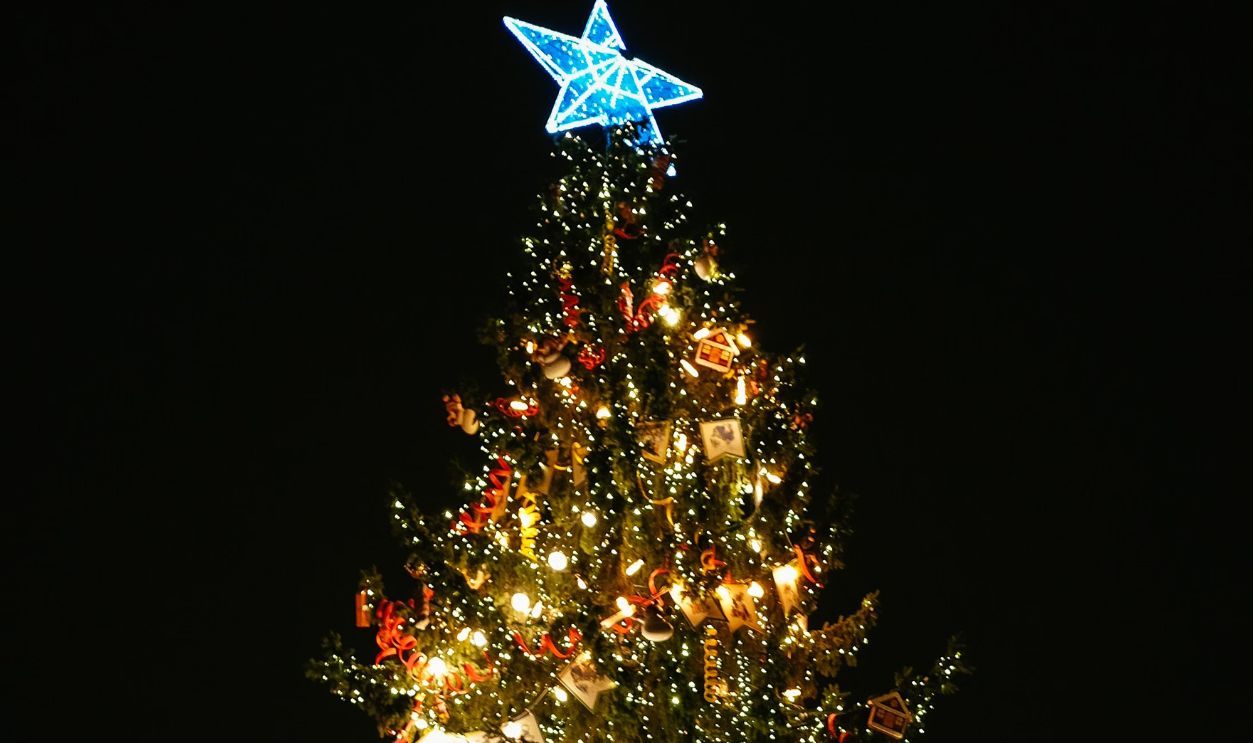
Rich's was also famous for its enormous Great Tree, first installed on the department store's Crystal Bridge in 1948. Its annual Thanksgiving lighting ceremony became a major Atlanta holiday tradition that continued downtown through the 1980s. The combination of the tree, the Pink Pig, and holiday shopping made Rich's a seasonal gathering place for generations of families. It also demonstrated how a store could build customer loyalty through experiences people couldn't purchase from a competitor's catalog.
John Wanamaker: Philadelphia's Dazzling Light Show
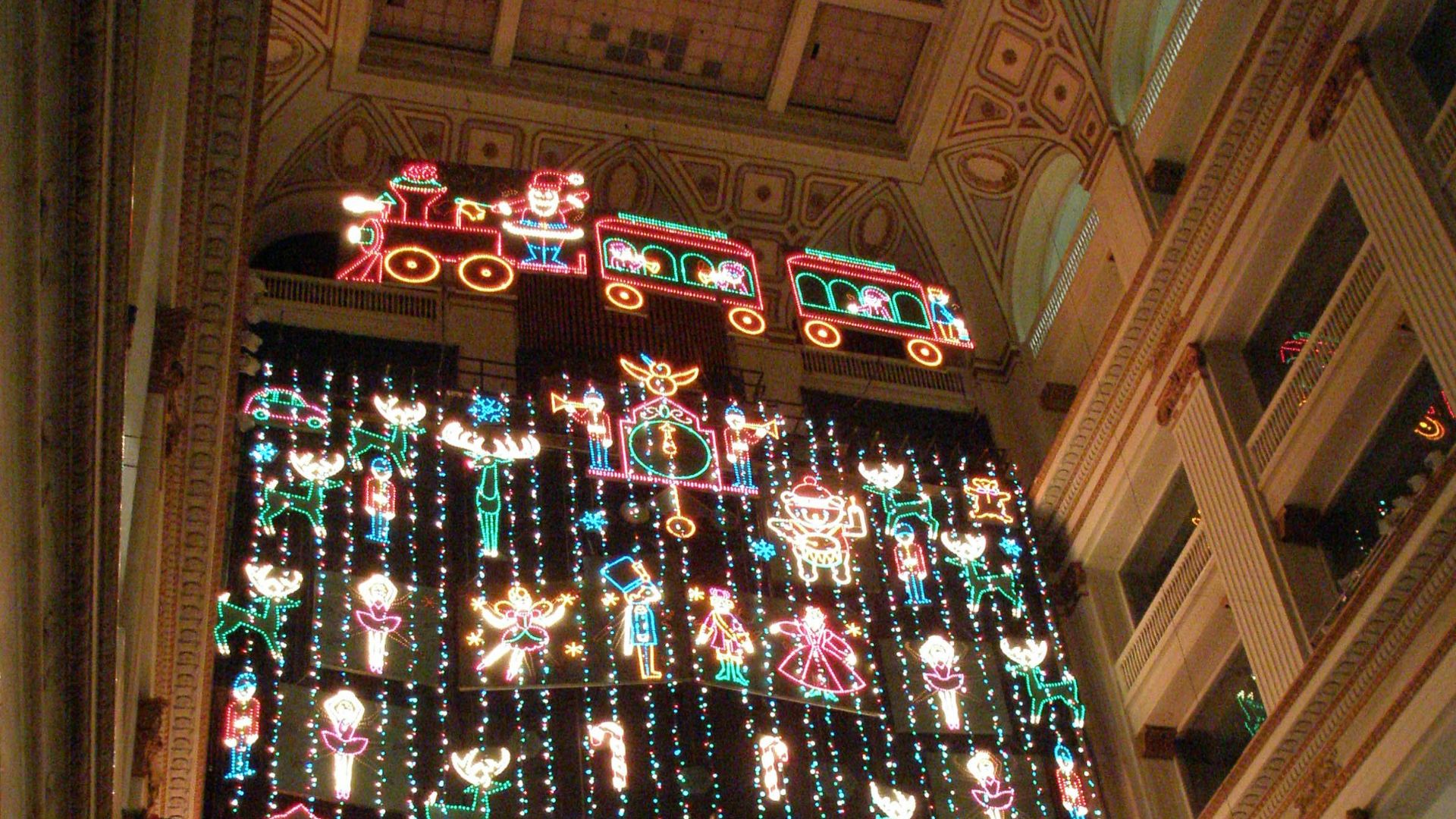
John Wanamaker's flagship Philadelphia department store offered one of America's most elaborate indoor Christmas spectacles. Its famous holiday light show began in the 1950s and continued evolving throughout the following decades. During the 1980s, the display even incorporated contemporary popular-culture figures, including E.T. in 1982. The combination of lights, music, and holiday storytelling turned a trip to Wanamaker's into something resembling a theater performance.
 Bruce Andersen, Wikimedia Commons
John Wanamaker: A Christmas Show That Sold Toys
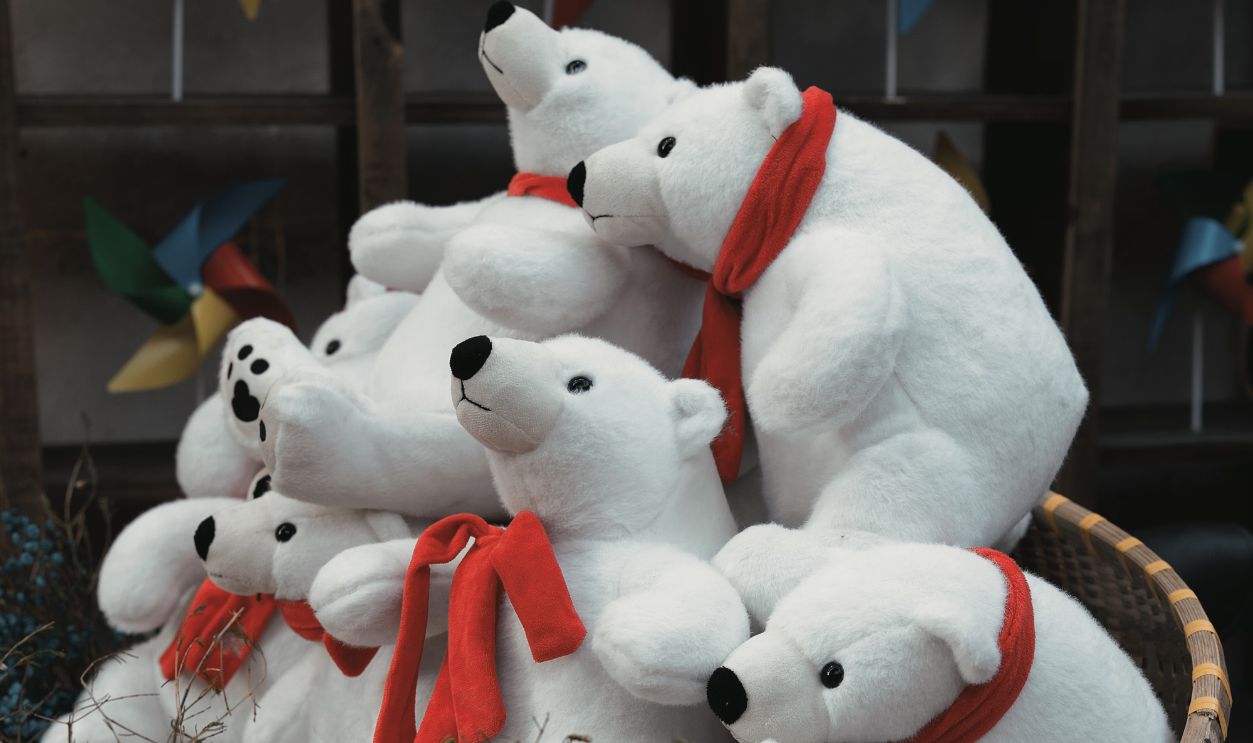
Wanamaker's understood that holiday entertainment and merchandise could reinforce each other. In 1985, the retailer replaced the trumpeting eagles in its Christmas light display with Rudi Bears as part of a stuffed-animal promotion. The famous show helped introduce a seasonal product to families already gathered inside the store. It was an early example of an experience-driven retail strategy that connected entertainment directly with merchandise sales.
Kaufmann's: Pittsburgh's Christmas Window Wars
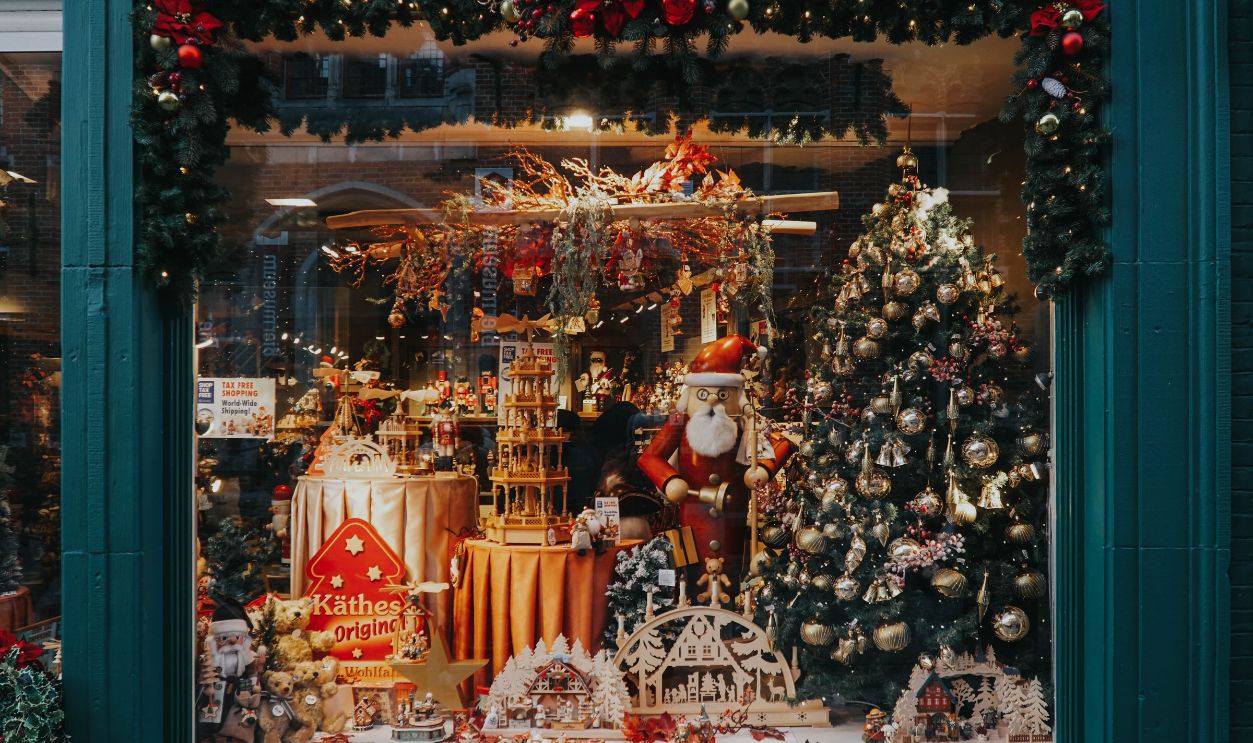
In Pittsburgh, Kaufmann's was famous for spectacular Christmas windows that drew families downtown. According to the Heinz History Center, Kaufmann's, Joseph Horne Company, and Gimbels competed through the 1980s to produce the city's most impressive seasonal displays. These elaborate attractions directed shoppers toward toy departments and visits with Santa. Behind the cheerful decorations was a serious commercial contest for holiday spending.
Gimbels: A Christmas Tradition That Disappeared
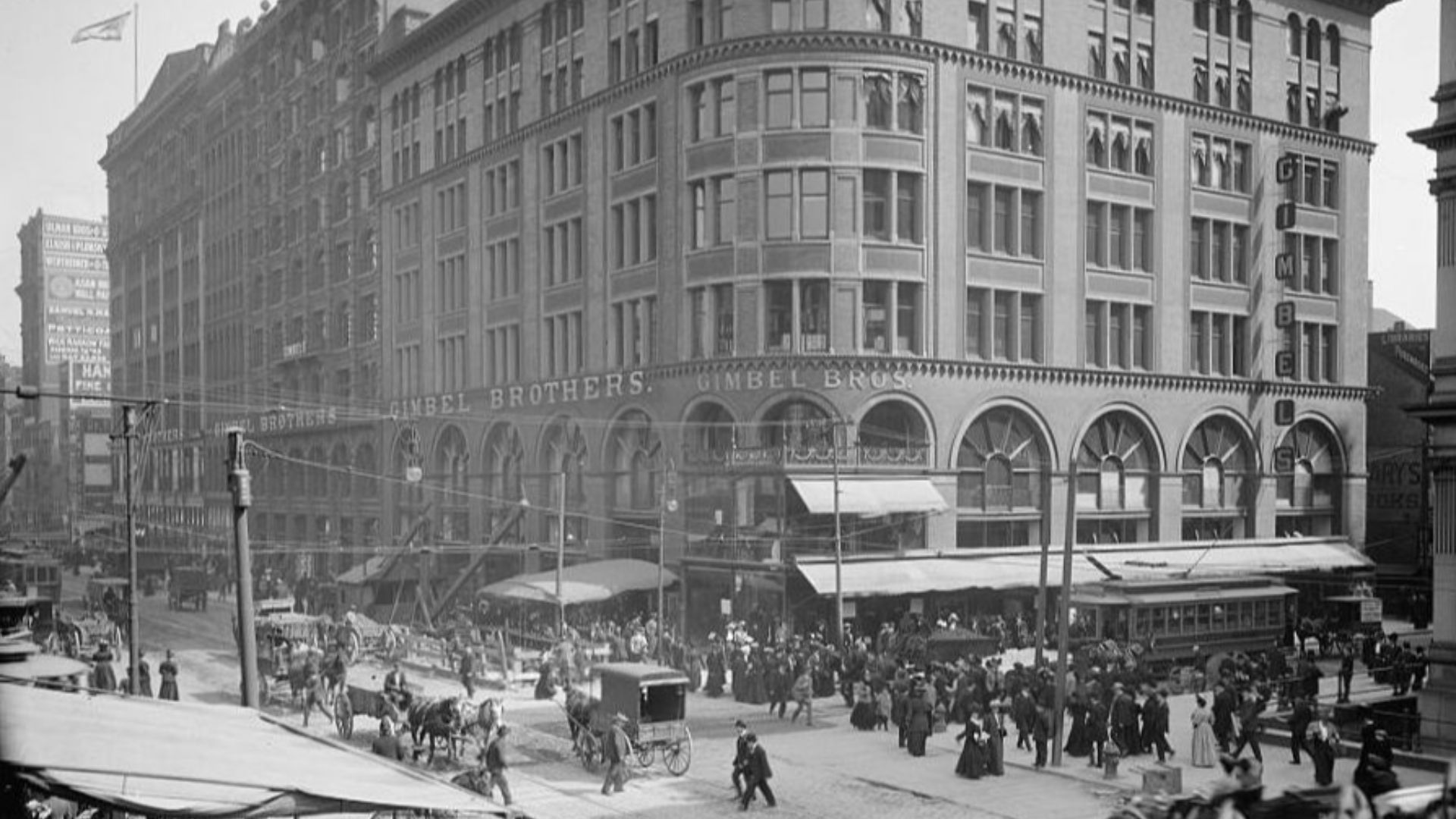
Gimbels was once a major department-store competitor in cities including New York, Philadelphia, Pittsburgh, and Milwaukee. In Pittsburgh, its Christmas windows competed with those of Kaufmann's and Horne's, helping make downtown shopping part of the holiday experience. The retailer disappeared from Pittsburgh in 1986, and the broader Gimbels chain closed in 1987. For families who grew up shopping there, the end of Gimbels meant losing a familiar piece of their Christmas routine.
 Unknown authorUnknown author, Wikimedia Commons
L.S. Ayres: Indianapolis Had Its Own Christmas Angel
Indianapolis families had a special reason to visit L.S. Ayres during the holidays: a bronze cherub perched above the store's famous clock. The tradition began in 1947, and the sculpture became a treasured seasonal landmark. The department store also offered decorated Christmas windows and a Santa Claus Express train that carried children to meet Santa. These attractions made the downtown retailer a destination even for families who weren't planning a major purchase.

Frederick & Nelson: Seattle's Sweetest Christmas Memories
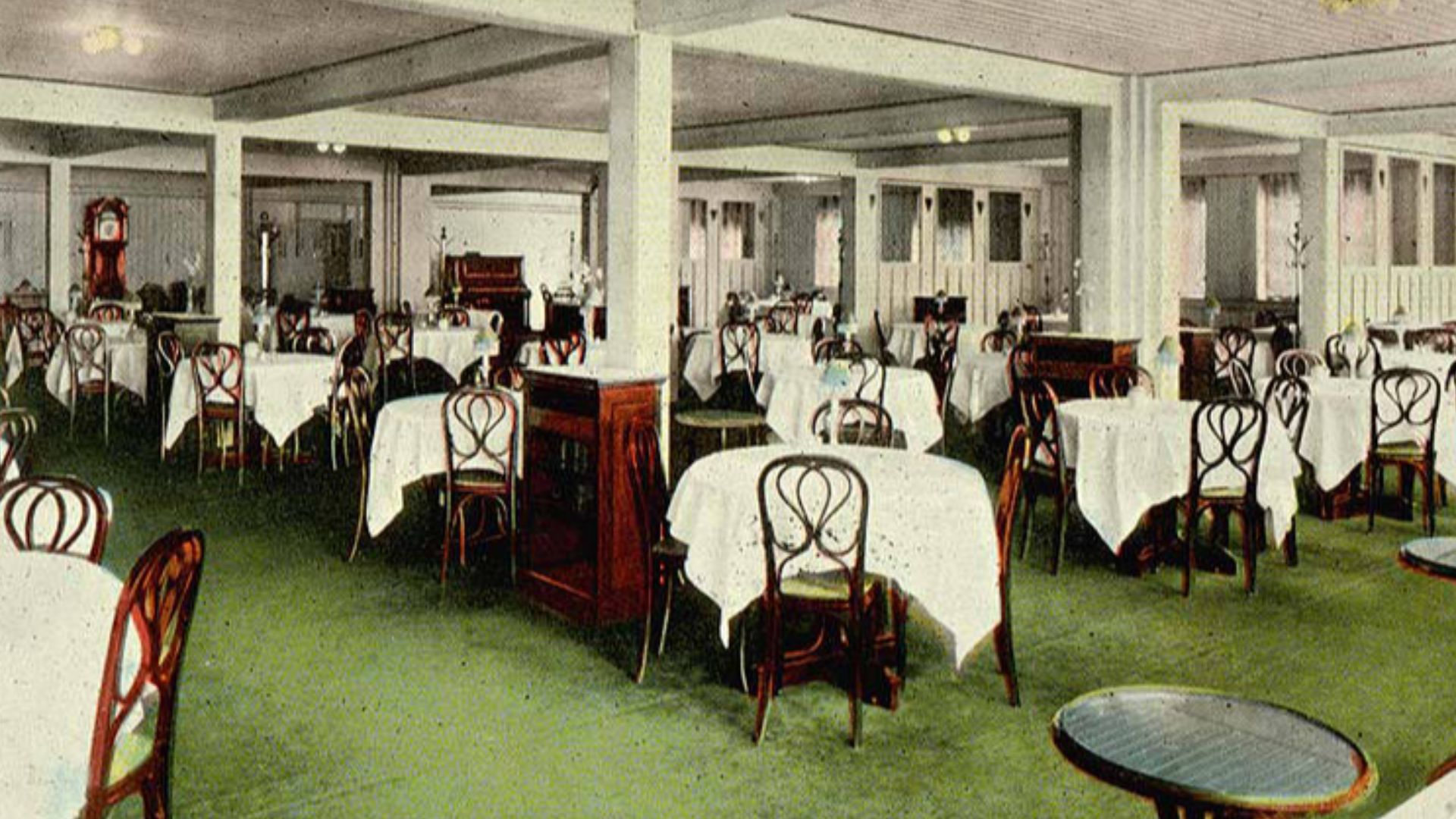
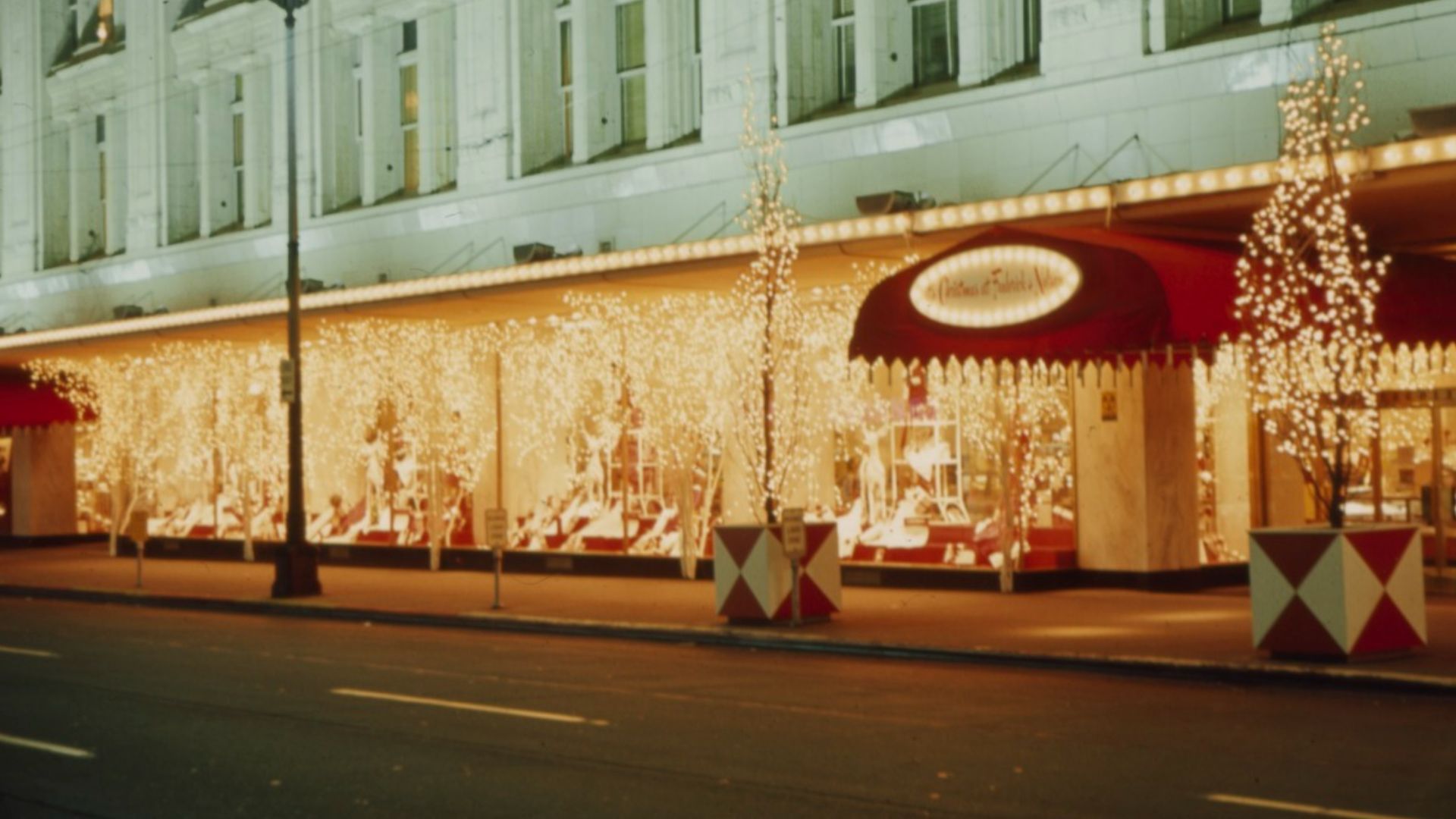
Frederick & Nelson was a Seattle department-store institution, especially during the Christmas shopping season. The retailer was known for its holiday window displays, elegant tearoom, and famous Frango chocolates. Generations of Seattle families associated the downtown store with Christmas shopping and seasonal treats. Its closure in 1992 ended a tradition that had survived throughout the 1980s.
 Unknown authorUnknown author, Wikimedia Commons
The Bon Marché: Seattle's Other Holiday Favorite
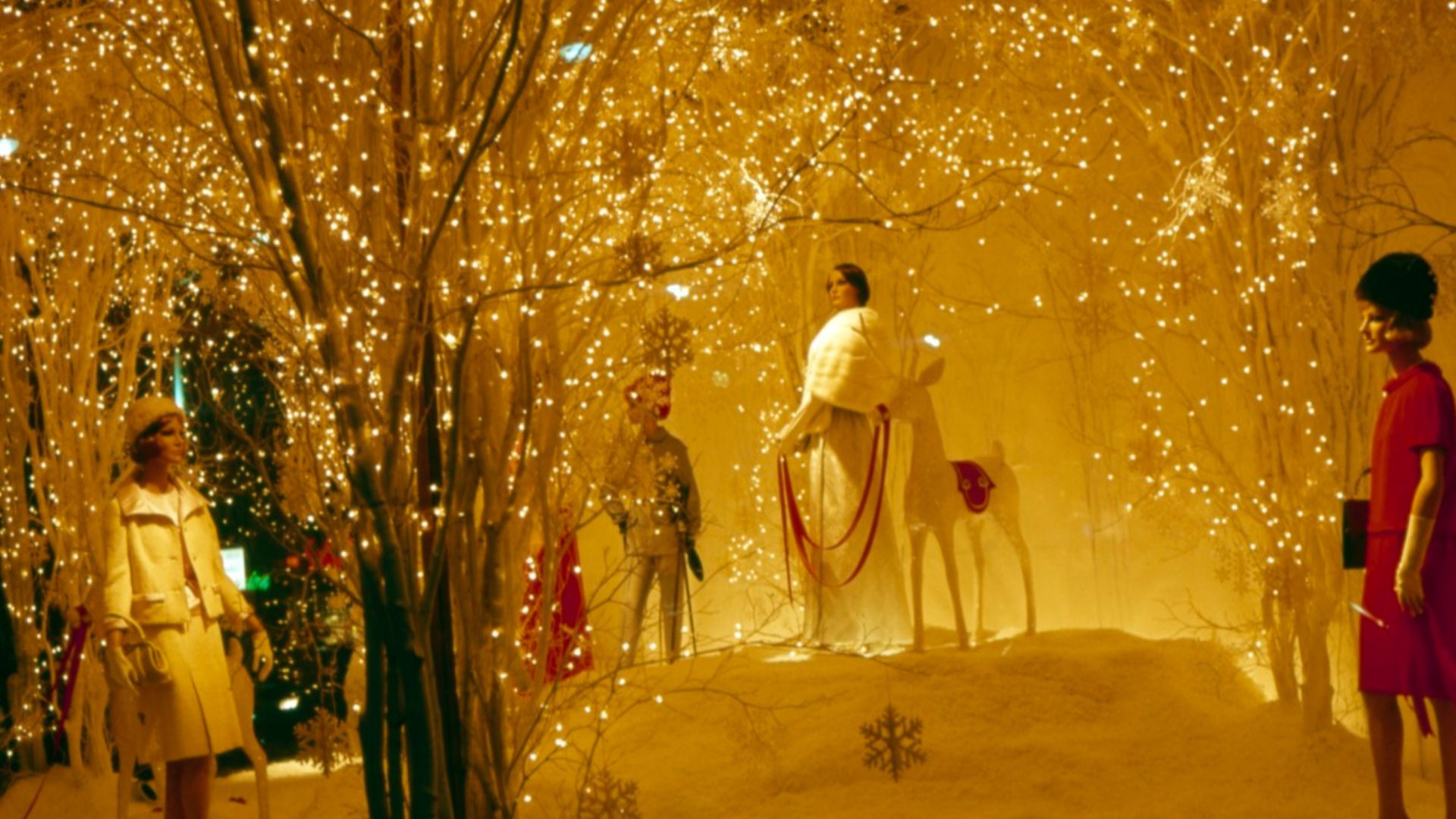
Frederick & Nelson wasn't Seattle's only famous department store, because the Bon Marché was another major destination for local shoppers. Its downtown store featured a children's toy attraction called Toytropolis, remembered in historical photographs of Seattle's retailing past. The Bon continued operating through the 1980s, maintaining the city's tradition of large downtown department stores. Its eventual conversion to Macy's in 2005 reflected the consolidation that gradually eliminated many familiar regional retail names.
 Seattle Municipal Archives from Seattle, WA, Wikimedia Commons
Neiman Marcus: Christmas Gifts That Defied The Budget
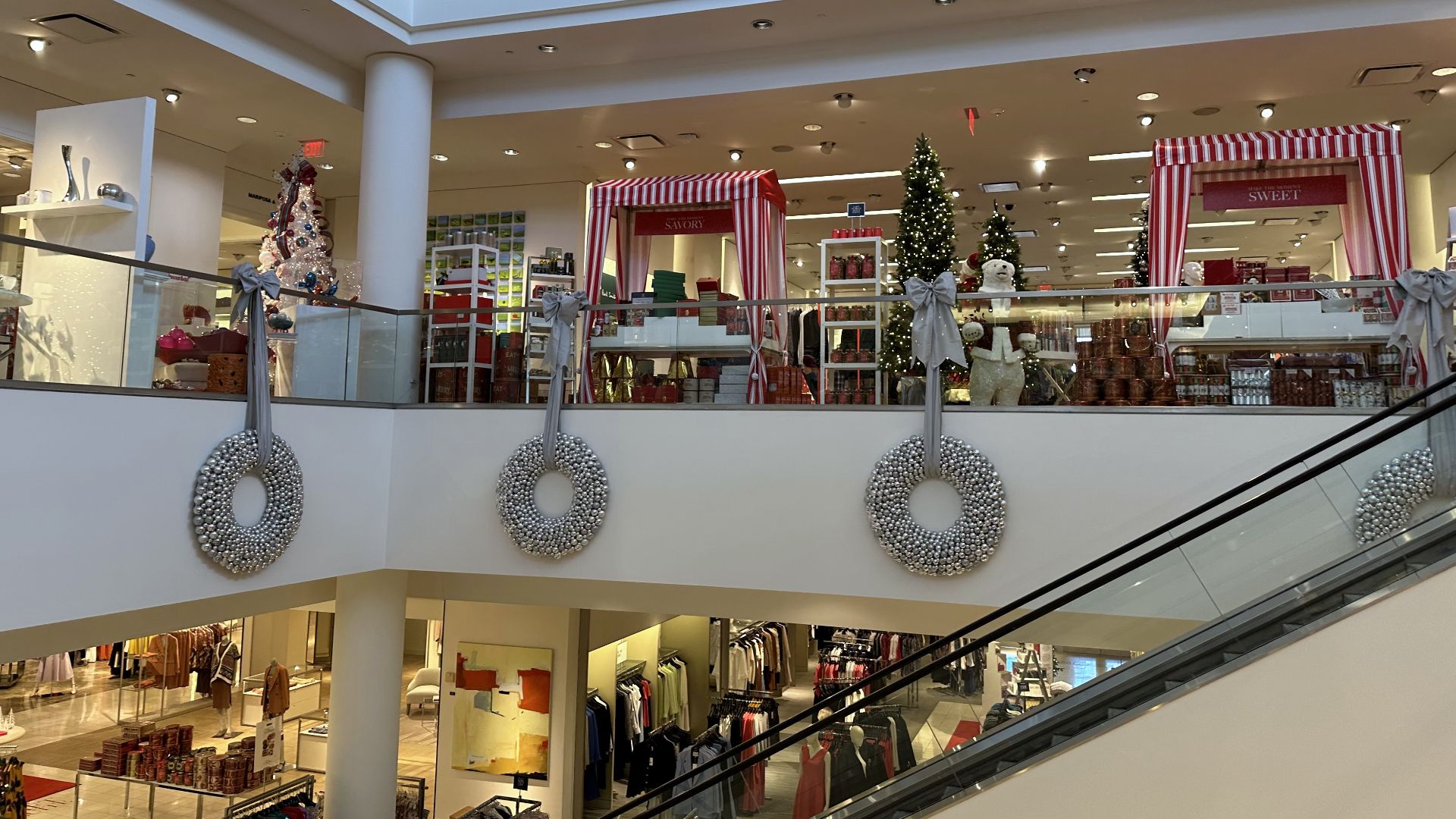
While many families searched for bargains, Neiman Marcus became famous for the extravagant fantasy gifts featured in its Christmas Book. Its unusual holiday offerings had attracted national attention since the 1950s, including enormous presents such as airplanes and other extraordinary purchases. These luxury gifts generated publicity far beyond the customers who could actually afford them. Neiman Marcus showed that a Christmas catalog could function as both a sales tool and an advertising campaign.
 Phillip Pessar, Wikimedia Commons
Dillard's: The Department Store That Kept Growing
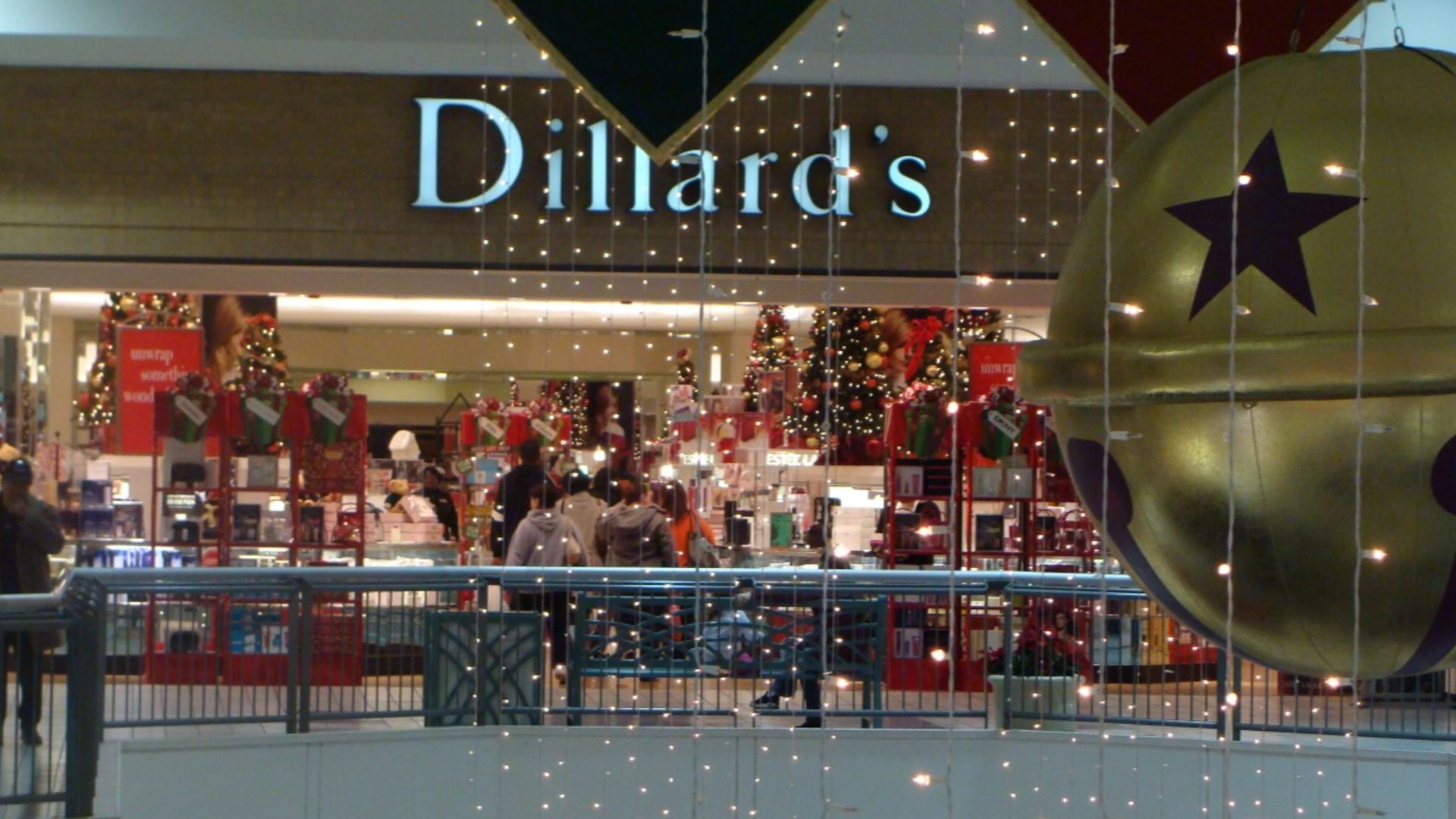
While some traditional department stores were struggling, Dillard's spent much of the 1980s expanding through acquisitions. The company purchased regional chains and store groups, including Stix, Baer & Fuller in 1983 and Joske's in 1987. These purchases helped Dillard's grow its presence in shopping malls across the South and Midwest. For holiday shoppers, the expansion meant that familiar local shopping destinations increasingly operated under a larger corporate retail umbrella.
What Happened To All Those Christmas Department Stores?
The retail landscape was already changing during the 1980s, with discount competition, suburban shopping, and struggling catalog operations reshaping the industry. Gimbels closed in 1987, Montgomery Ward abandoned its famous catalog business, and Sears eventually closed its main catalog division in 1993. Other names, including Rich's, Marshall Field's, and Dayton's, would later disappear through mergers and rebranding. The Christmas shopping trips many Americans remember were part of a retail world that was steadily becoming more consolidated.
 Seattle Municipal Archives from Seattle, WA, Wikimedia Commons
The Christmas Shopping Lesson That's Still Relevant Today
Looking back at the department stores of the 1980s reveals how retailers mixed entertainment, convenience, advertising, and merchandise to win holiday customers. Catalogs helped shoppers compare products, while memorable attractions encouraged them to visit physical stores and spend time browsing. The same commercial principles remain relevant today, even though shoppers now have websites, mobile apps, and digital price-comparison tools. Enjoying the shopping experience is still part of the fun, but setting a gift budget and comparing prices remain among the smartest ways to protect your holiday finances.
You May Also Like:
Companies That Were Everywhere In The 1980s, But Don't Sound Real To Younger Generations
Vintage Snow Globes That Are Now Collectibles—And Worth Big Bucks
Sources: 1, 2, 3, 4, 5, 6, 7, 8, 9, 10, 11, 12, 13, 14, 15, 16, 17, 18, 19, 20, 21, 22, 23, 24