Would You Like A Burger With That Gimmick?
In the 1990s, apparently serving dinner wasn’t enough. Restaurants needed movie stars, spaceships, fashion models, or something expensive hanging from the ceiling. Investors saw the future. Families saw somewhere the kids might actually behave.
Do you remember any of these?
Mars 2112 Made You Leave Earth For Dinner
Opened near Times Square in 1998, Mars 2112 sent customers through a simulated spaceflight before seating them in an enormous Martian landscape. Costumed aliens wandered among the tables. For children, this was practically a space mission. For parents, it was an elaborate way to get everyone fed.
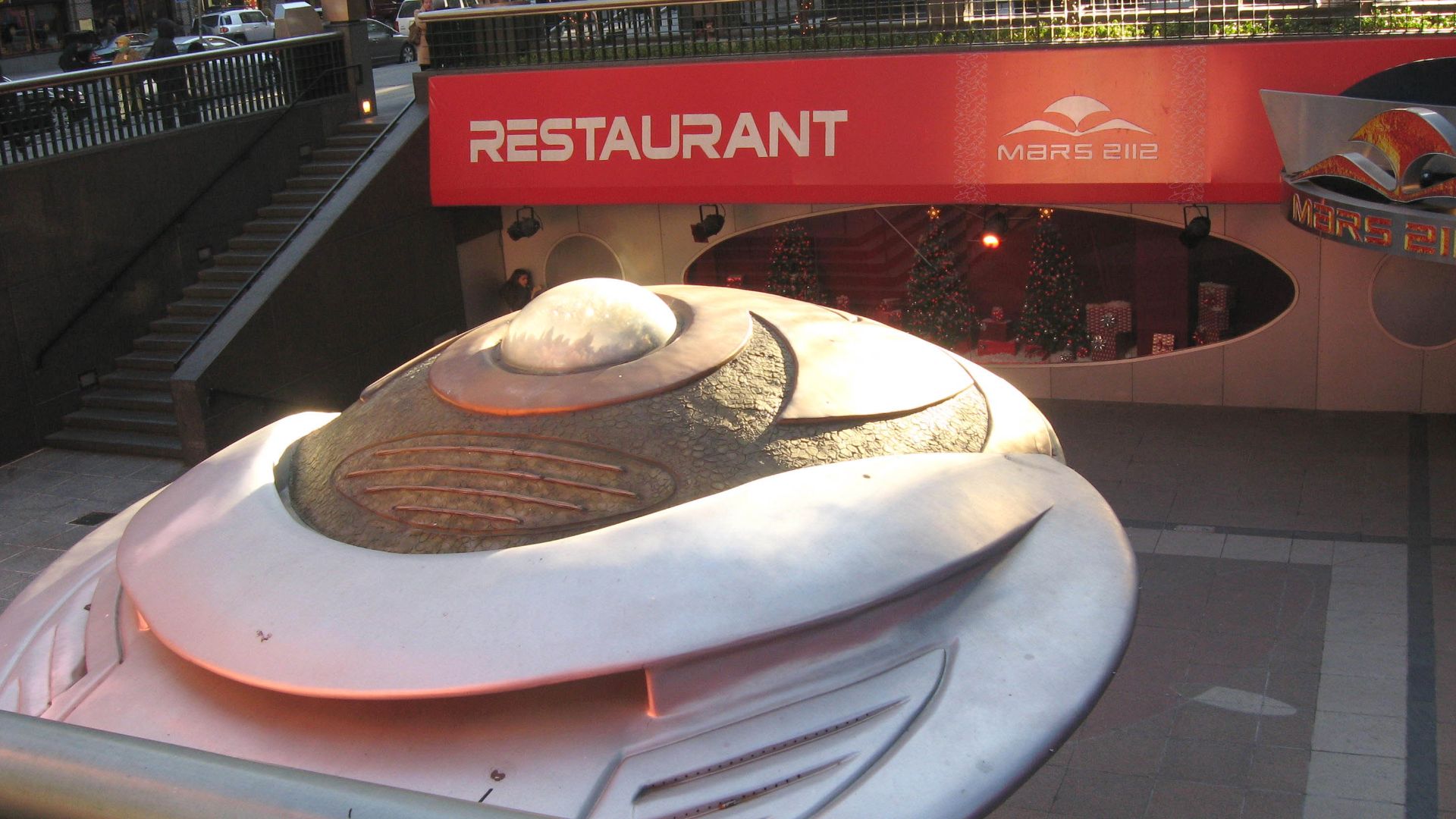 Jim.henderson, Wikimedia Commons
Mars 2112 Eventually Returned To Earth
A preopening report estimated the project’s cost at $12 million. This wasn’t a few planets painted above the booths. It was an enormous undertaking built around transporting diners somewhere else. The New York restaurant lasted until 2012—a respectable run, but considerably short of the year on its sign.
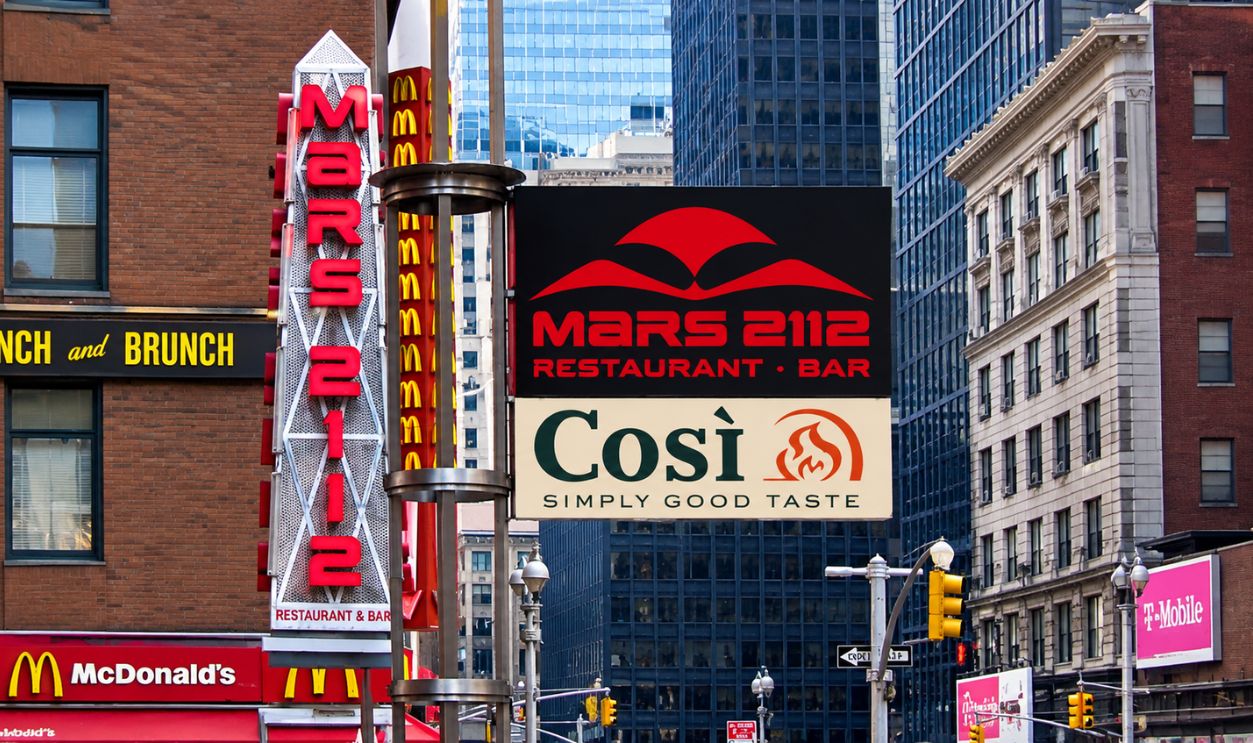 Americasroof, Wikimedia Commons
Mickey’s Kitchen Put Disney Beside The Food Court
Disney opened Mickey’s Kitchen in Montclair, California, in 1990, followed by a second location in Illinois. Attached to Disney Stores, the restaurants offered healthier fast food and elaborate themed seating areas. You could finish shopping for Mickey merchandise and immediately give Mickey some more of your money.
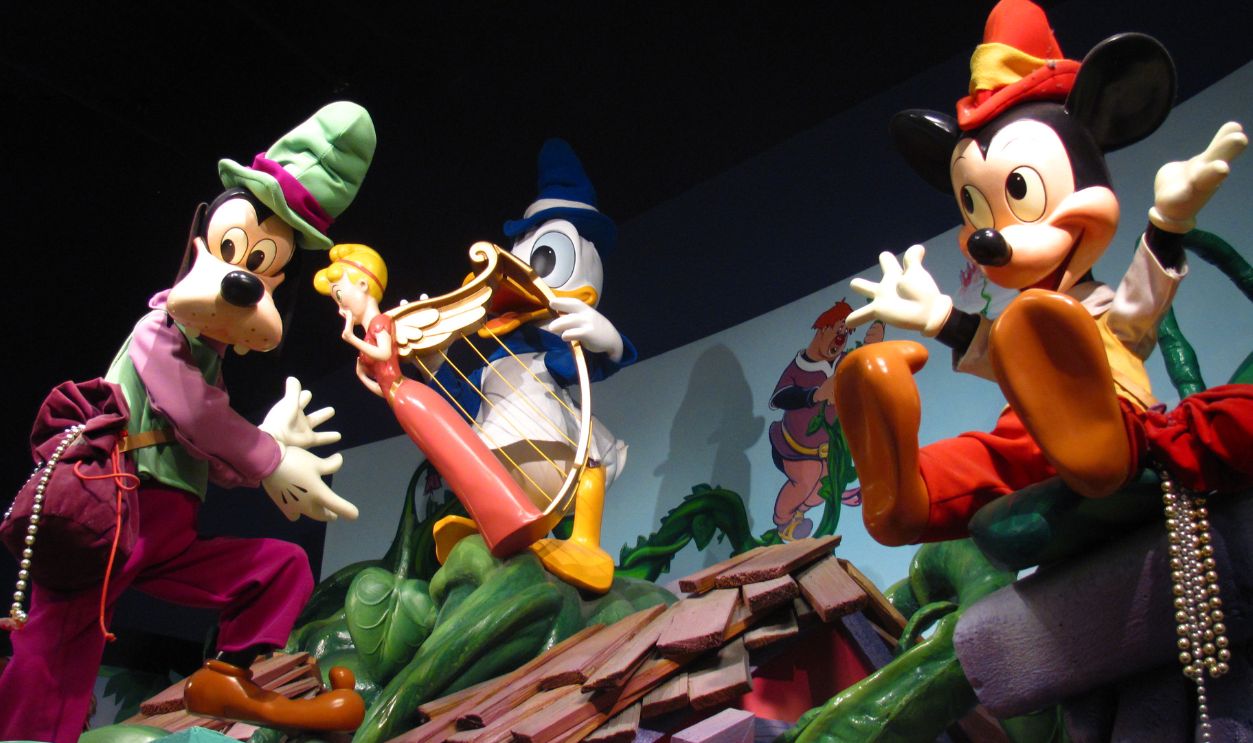
Mickey’s Kitchen Couldn’t Make The Magic Travel
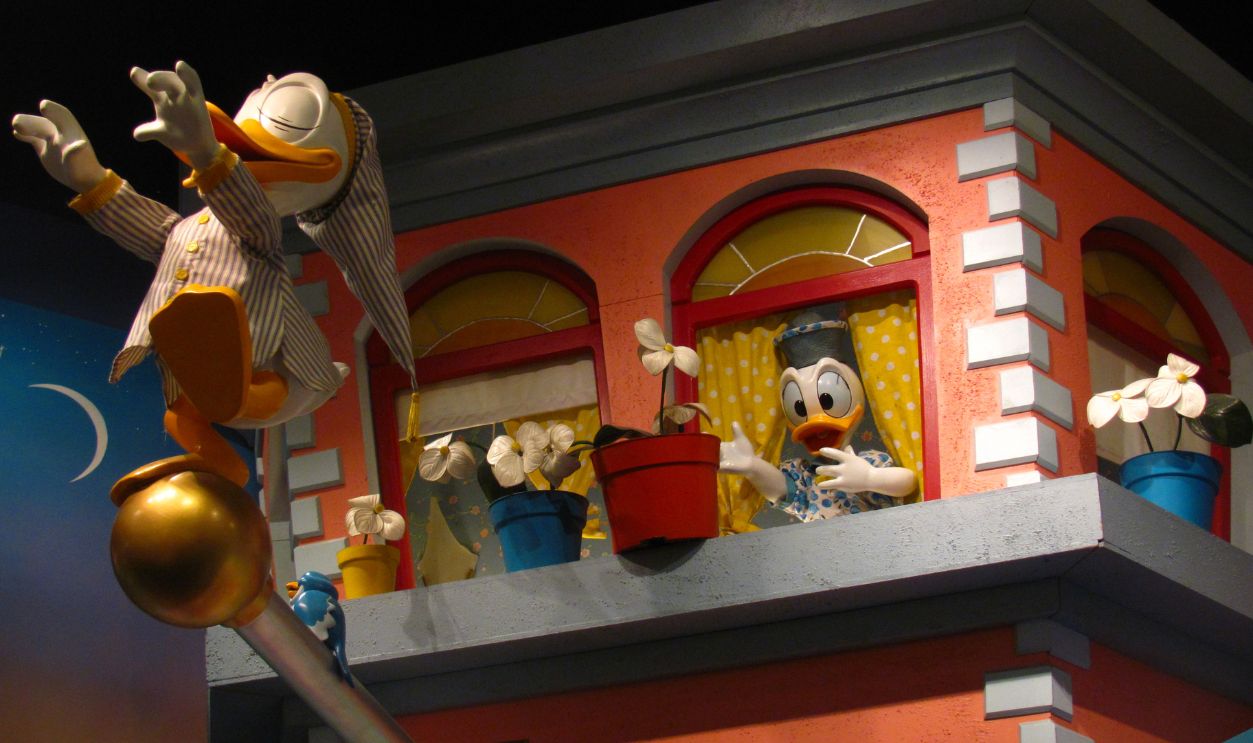
The experiment reached only two locations, but these weren’t tiny counters: the Illinois restaurant occupied about 14,000 square feet. Both closed in 1992. Disney said it would focus on expanding its stores overseas. Feeding theme-park visitors hadn’t automatically translated into beating the competition at the mall.
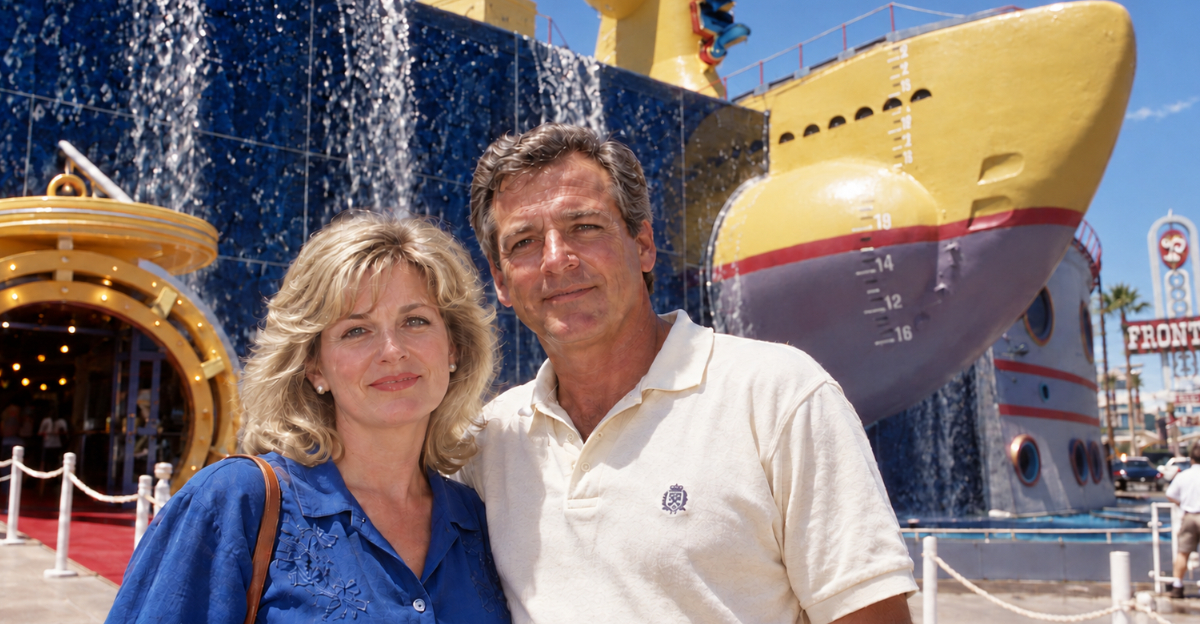
Dive! Took The Submarine Sandwich Literally
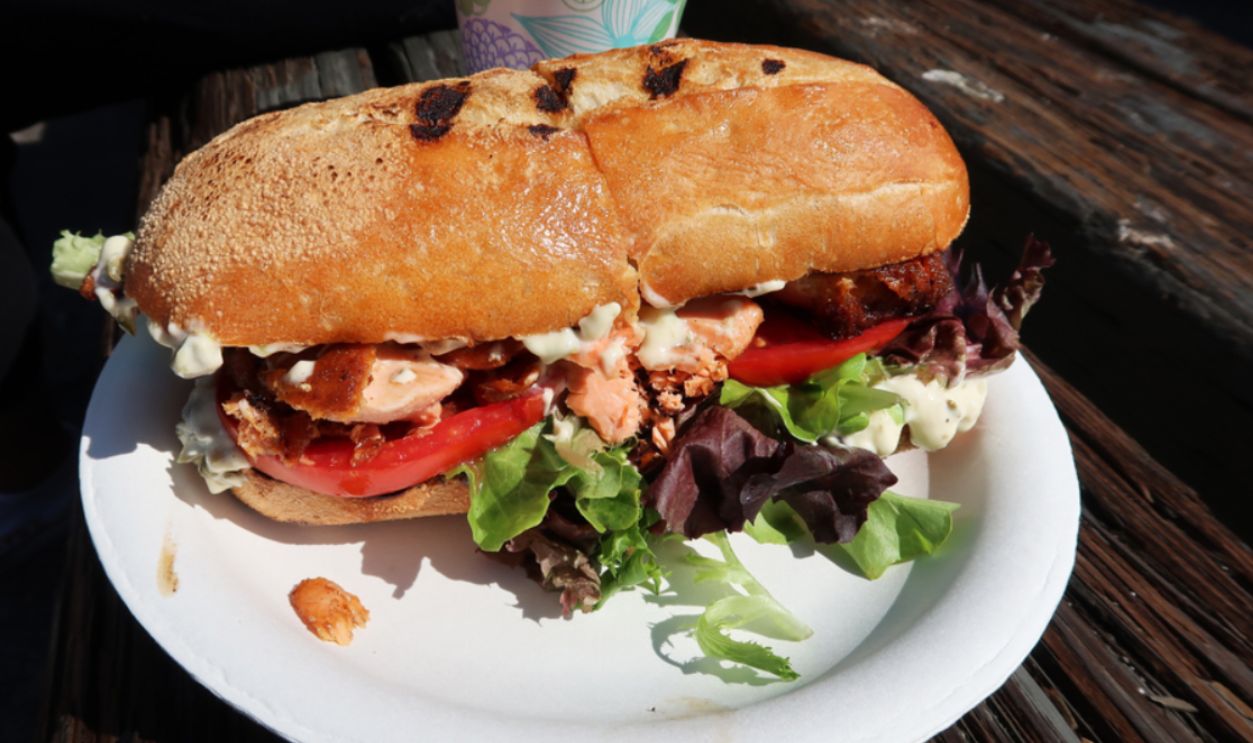
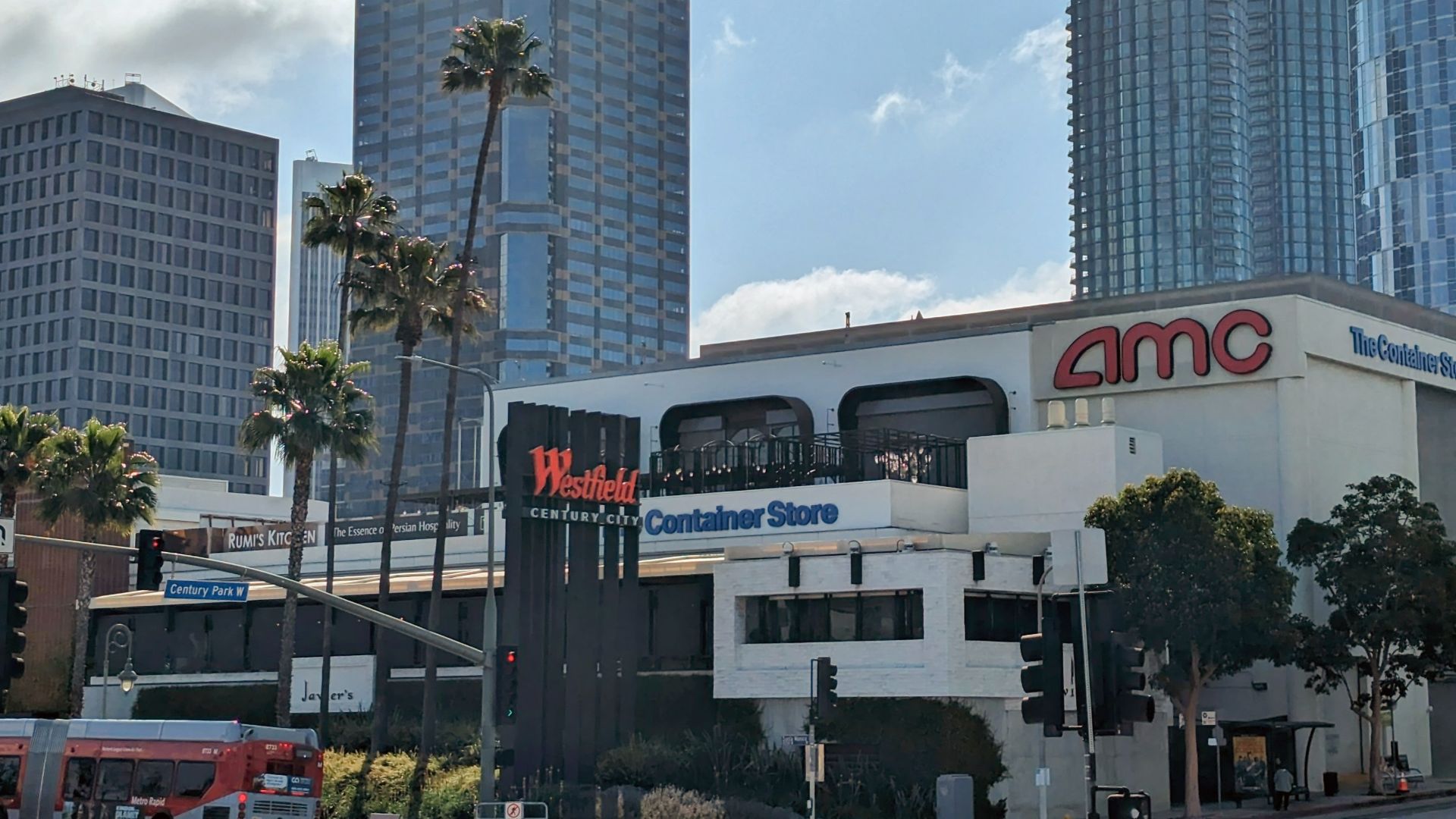
Steven Spielberg and Jeffrey Katzenberg helped launch Dive! in Los Angeles in 1994. The building looked like a bright yellow submarine, with bubbling portholes inside. Periodically, alarms and flashing lights announced a simulated underwater dive. All that production value, and you were still there for a sandwich.
Dive! Couldn’t Keep Its Head Above Water
The original closed in January 1999, less than five years after opening. Operator Levy Restaurants explained that it “hasn’t been economically feasible for us.” The Las Vegas branch initially survived, but the dream of turning submarine dining into the next big chain was sinking.
Fashion Cafe Put Supermodels On The Menu
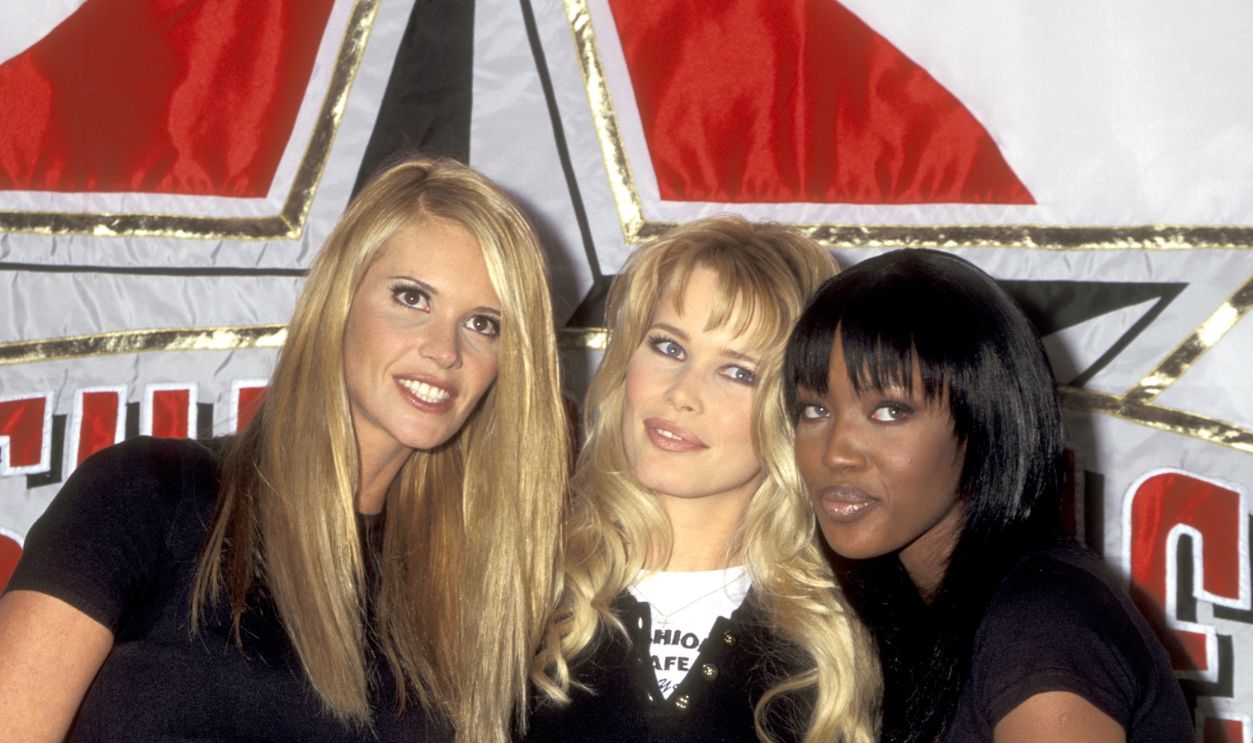
Fashion Cafe opened in New York in 1995 with Naomi Campbell, Elle Macpherson, and Claudia Schiffer as its famous faces. Fashion memorabilia filled the rooms, and waiters carried chicken wings down a runway at the opening. Finally, a restaurant where the appetizers had a modeling career.
Fashion Cafe Went Out Of Style Quickly
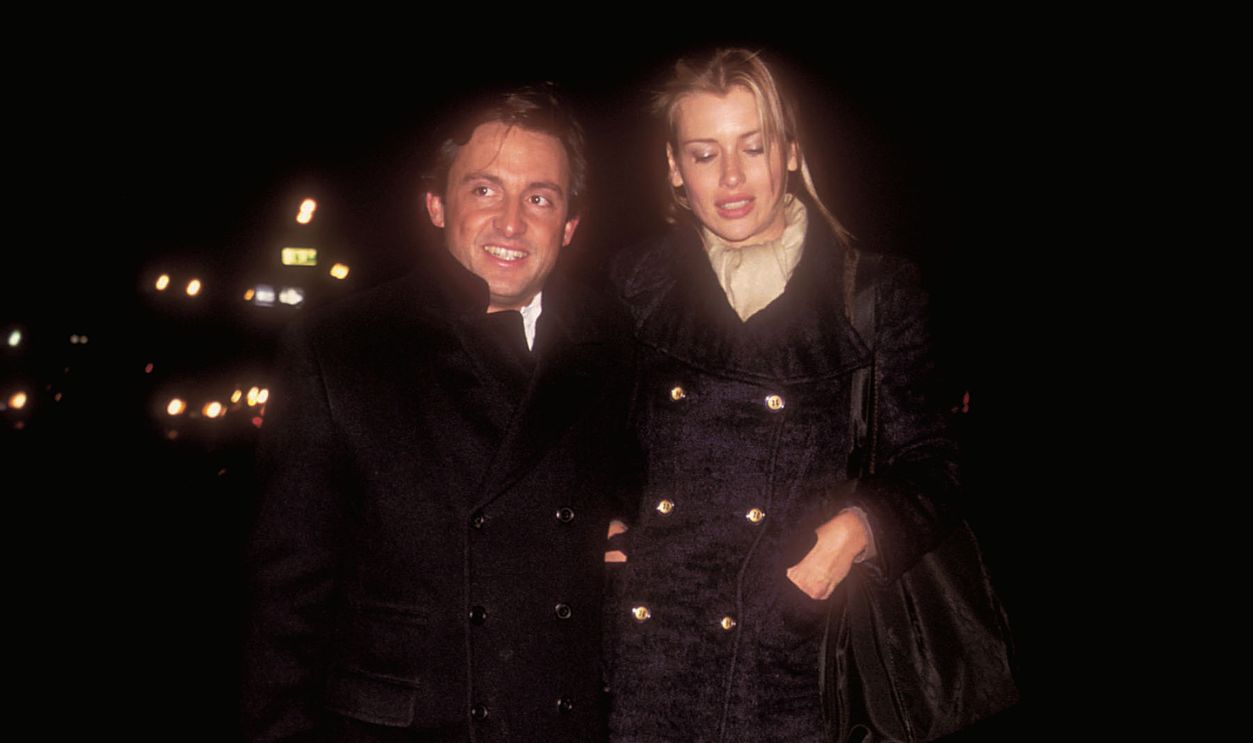
By 1998, the New York restaurant faced unpaid taxes, back rent, and investor disputes involving cofounder Tommaso Buti. It closed that year. The supermodels had attracted the cameras, but the financial problems behind the scenes were considerably less glamorous than opening night.
The Official All Star Cafe Had A Ridiculous Roster
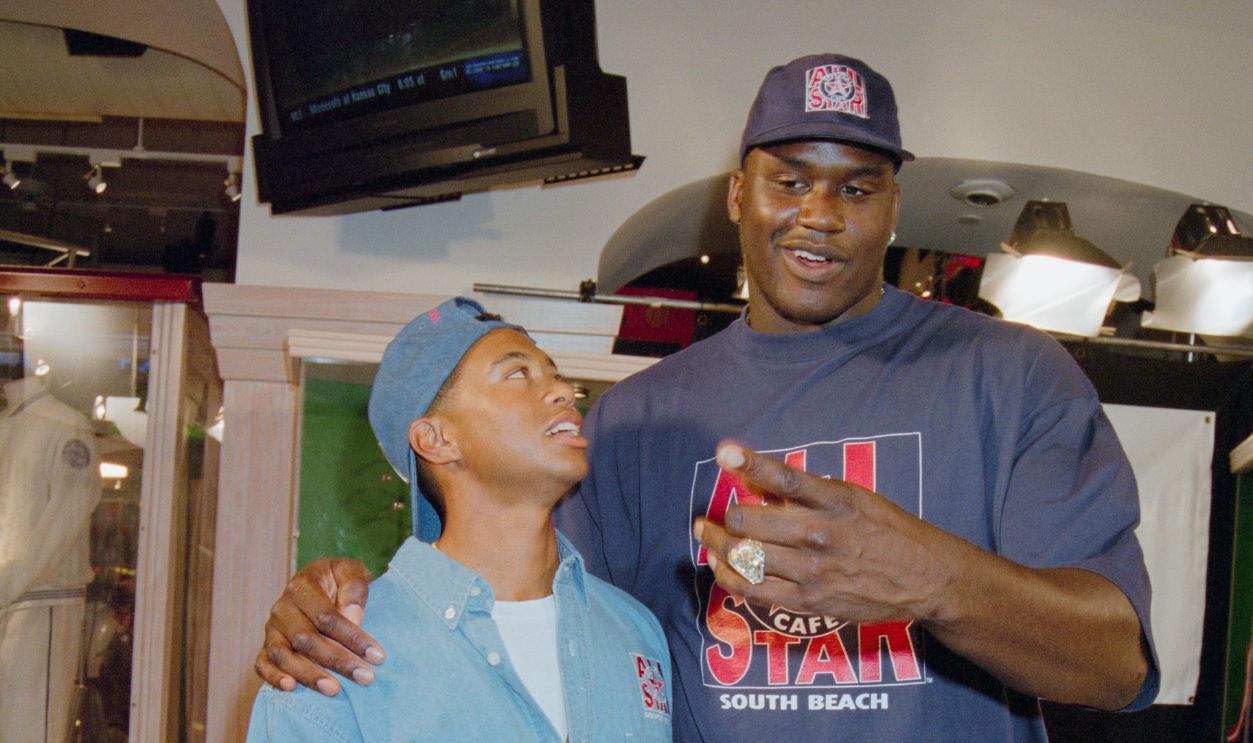
The first Official All Star Cafe opened in Times Square in 1995. Its celebrity lineup eventually included Andre Agassi, Wayne Gretzky, Shaquille O’Neal, and Tiger Woods. Inside were sports memorabilia, baseball-glove booths, and a miniature blimp. Apparently, watching the game also required an aviation department.
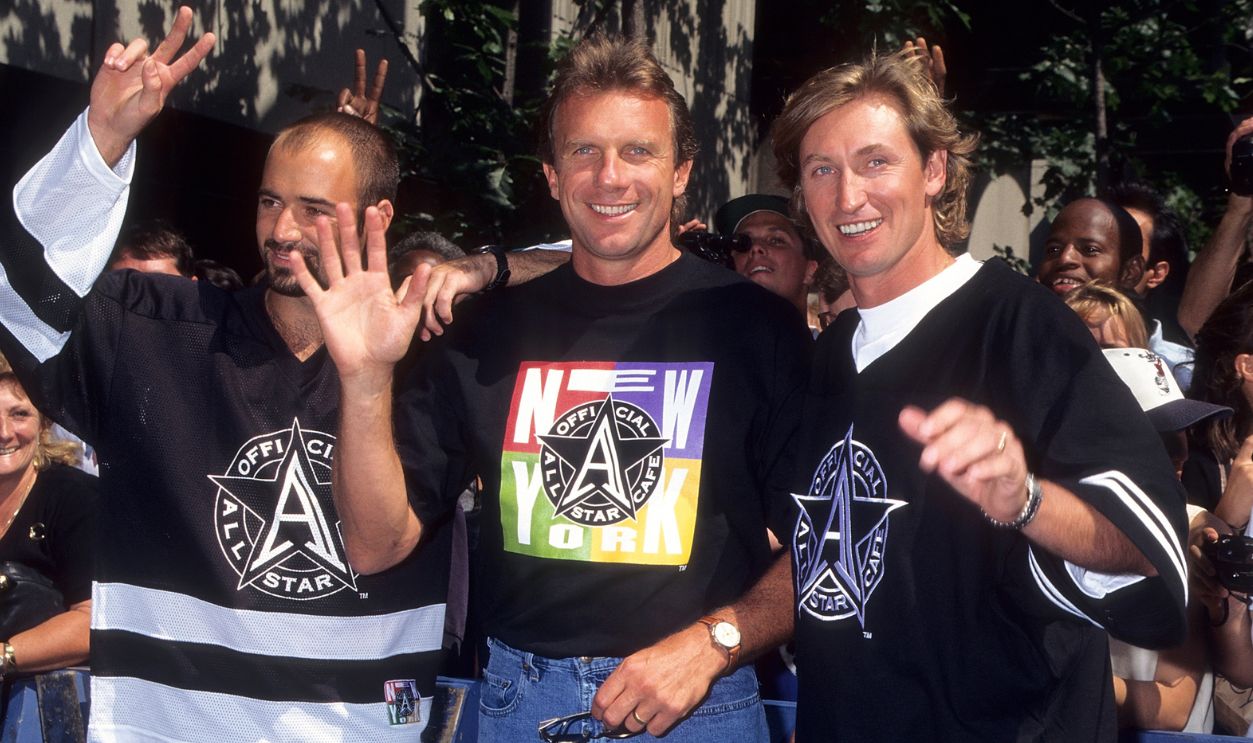
The Official All Star Cafe Couldn’t Beat The Numbers
Its connection to Planet Hollywood became a problem when the parent company entered bankruptcy in 1999. Most All Star locations soon closed. Athletes later sought the return of their memorabilia and removal of their names. Being famous enough to fill a stadium hadn’t guaranteed a profitable restaurant.
Bugaboo Creek Brought A Talking Moose To Dinner
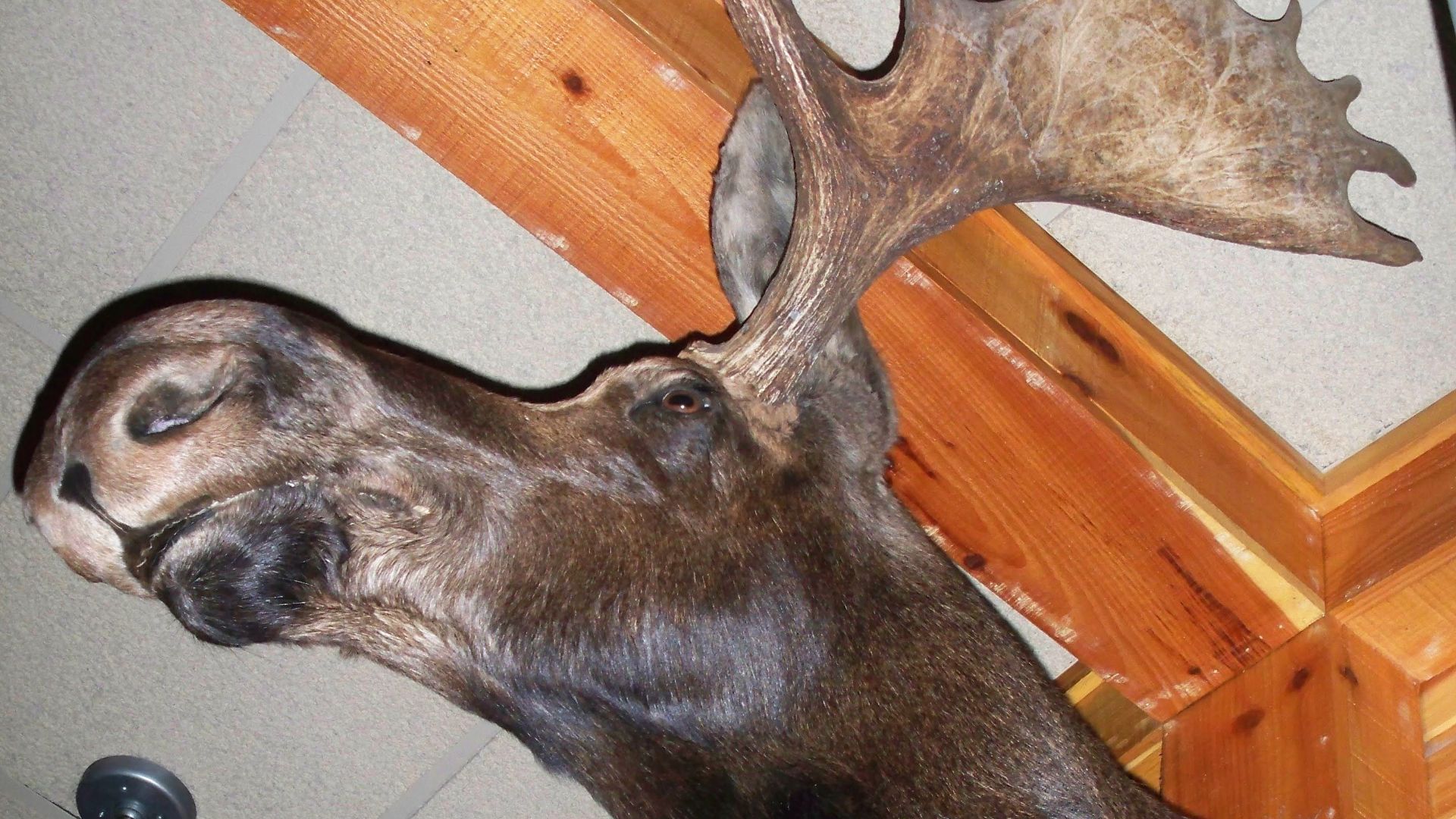
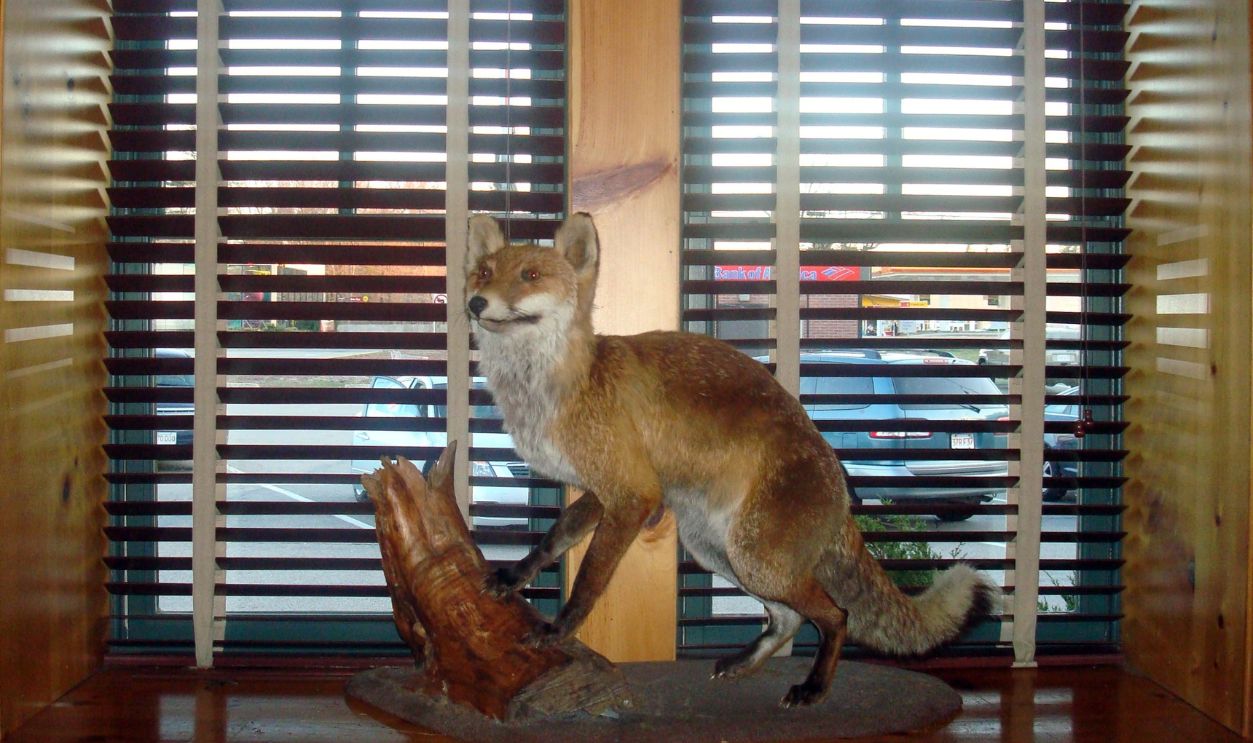
Bugaboo Creek Steakhouse emerged in the early 1990s, bringing a Canadian wilderness lodge theme to American diners. Rustic surroundings came with animatronic animals that talked and moved, including moose and buffalo characters. Other steakhouses offered a waiter asking how everything tasted. This one had wildlife joining the conversation.
 EgorovaSvetlana, Wikimedia Commons
Bugaboo Creek Eventually Ran Out Of Wilderness
The chain grew to roughly 30 restaurants, but its parent company entered bankruptcy in 2010. New ownership tried to revive the business, and some distinctive animal features were phased out. Closures continued through 2016. The talking moose couldn’t talk its way out of this one.
Motown Cafe Came With A Soundtrack Worth Hearing
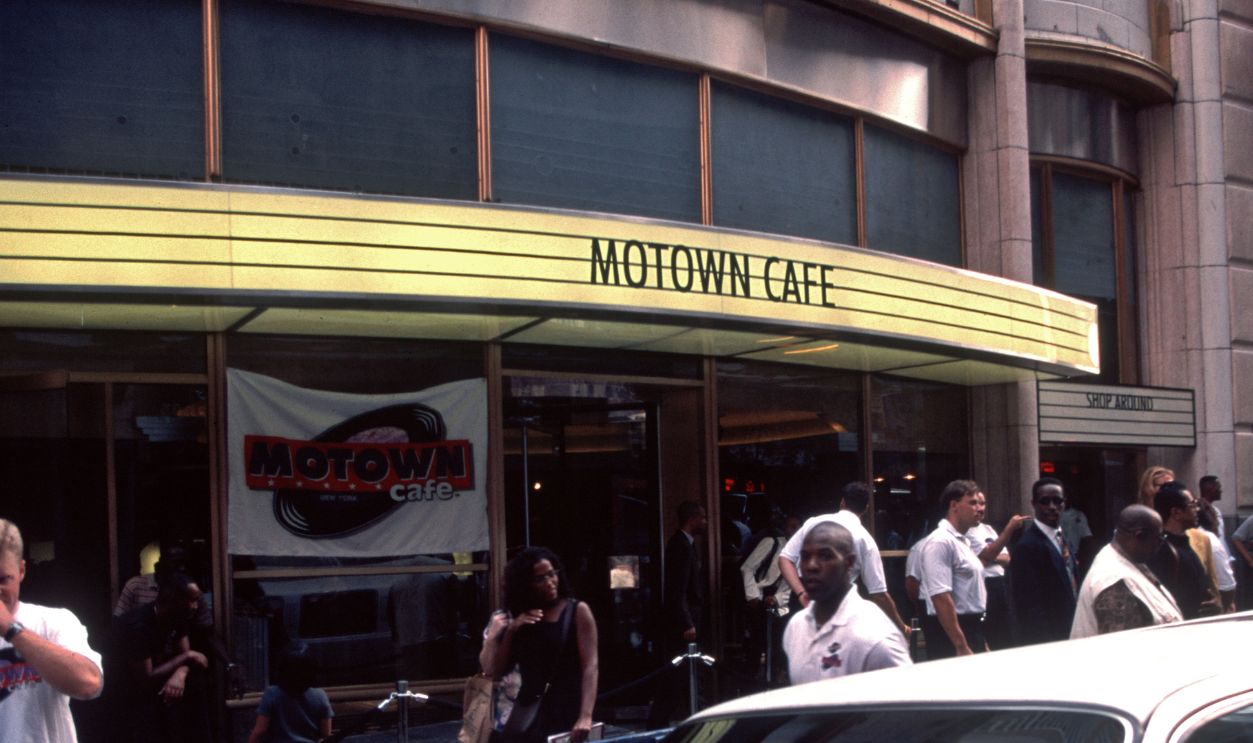
Motown Cafe opened in New York in 1995, with Diana Ross cutting the ribbon. Performers brought the label’s music into the dining room, while statues and memorabilia celebrated its stars. A giant “Stop! In The Name Of Love” record hung overhead. At least nobody could complain about the playlist.
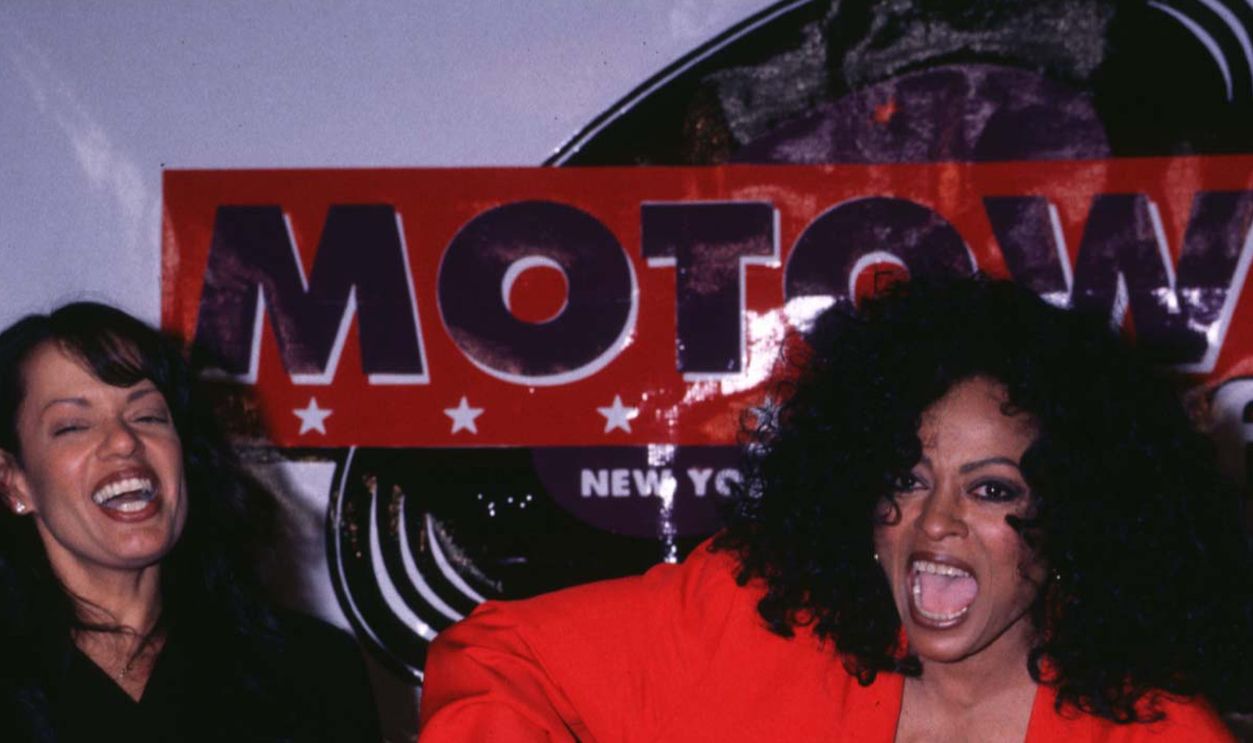
Motown Cafe Needed More Than A Hit Catalogue
Former finance executive Lawrence Fish recalled revenue below forecasts and restaurants “built to run at high volume.” High operating costs and weaker merchandise sales hurt profitability. Las Vegas closed in 2000; Orlando stopped operating as Motown Cafe in January 2005. The songs had considerably more staying power.
 Allan Tannenbaum, Getty Images
Marvel Mania Arrived Before Superheroes Took Over Everything
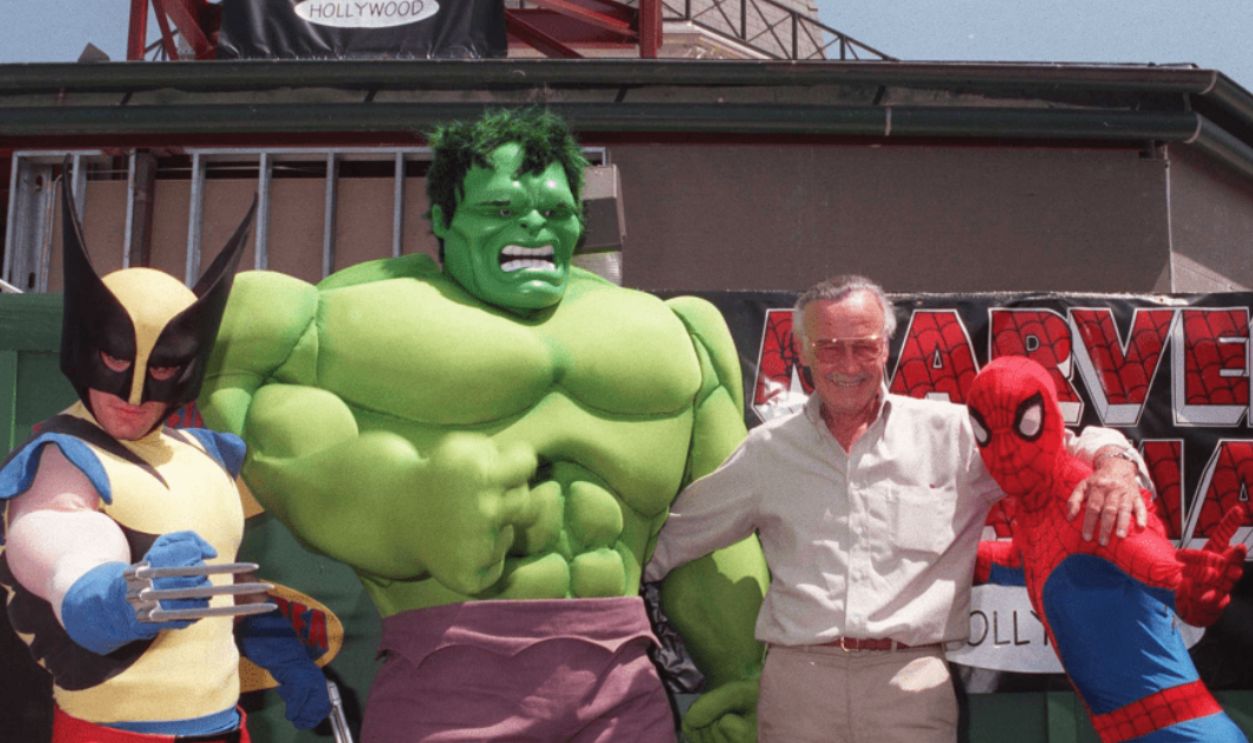
Marvel Mania opened at Universal Studios Hollywood in 1998, long before the Marvel Cinematic Universe became a box-office giant. The restaurant offered comic-book surroundings, memorabilia, and dishes including Captain America burgers and Fantastic Four Cheese Pizza. Honestly, that last one sounds like a menu item that practically wrote itself.
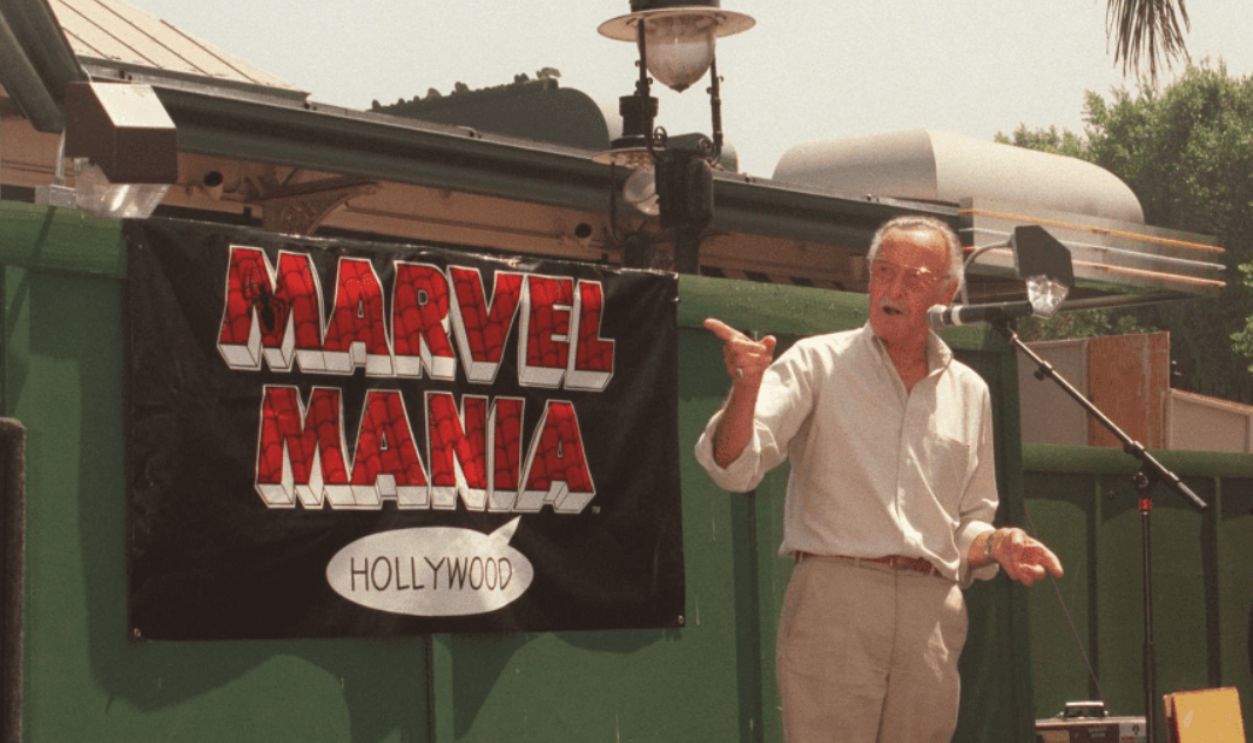
Marvel Mania Didn’t Get A Sequel
Developed through a venture involving Marvel and Planet Hollywood, the restaurant was supposed to launch a larger chain. Instead, it closed in September 1999 amid financial difficulties. In hindsight, the timing looks unfortunate. It left the table before Marvel’s biggest movie successes even arrived.
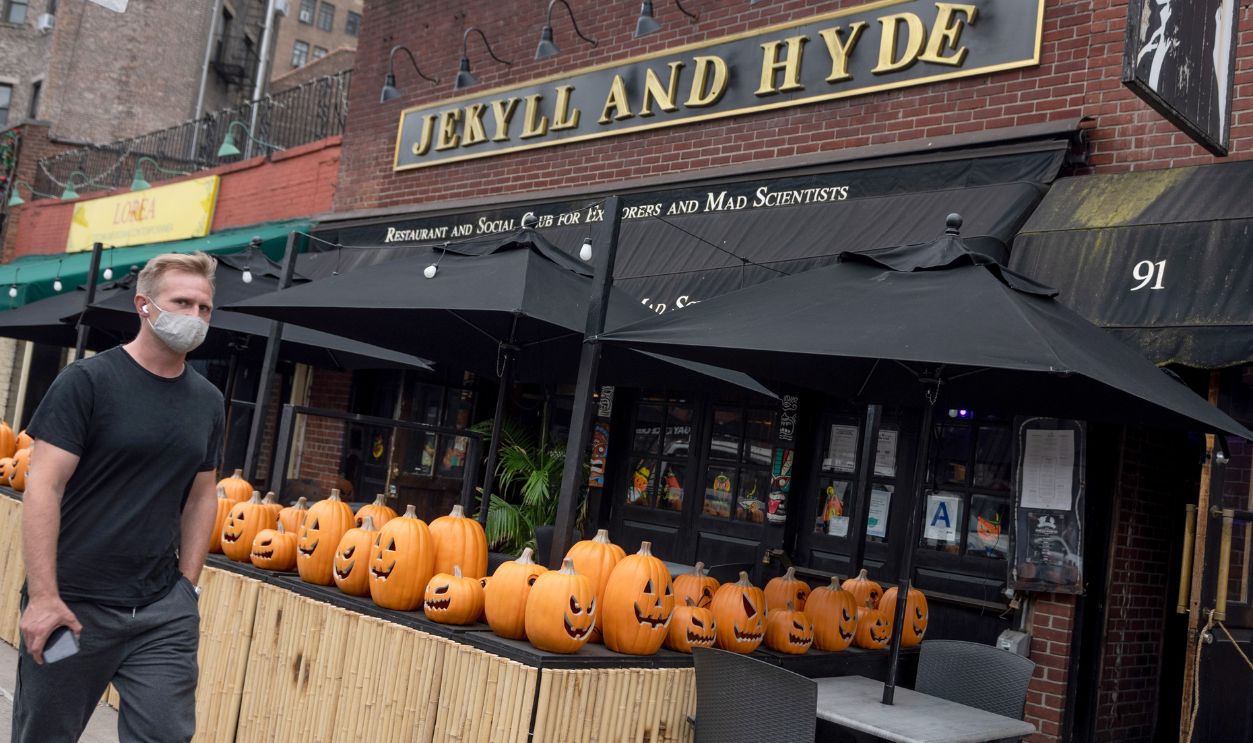
Jekyll & Hyde Made Dinner A Haunted Attraction
Jekyll & Hyde opened in New York in 1991, turning dinner into a haunted-house experience with costumed performers and elaborate theatrical surroundings. A larger Manhattan branch occupied four floors. If your children thought sitting quietly through dinner was frightening, this place offered something else to worry about.
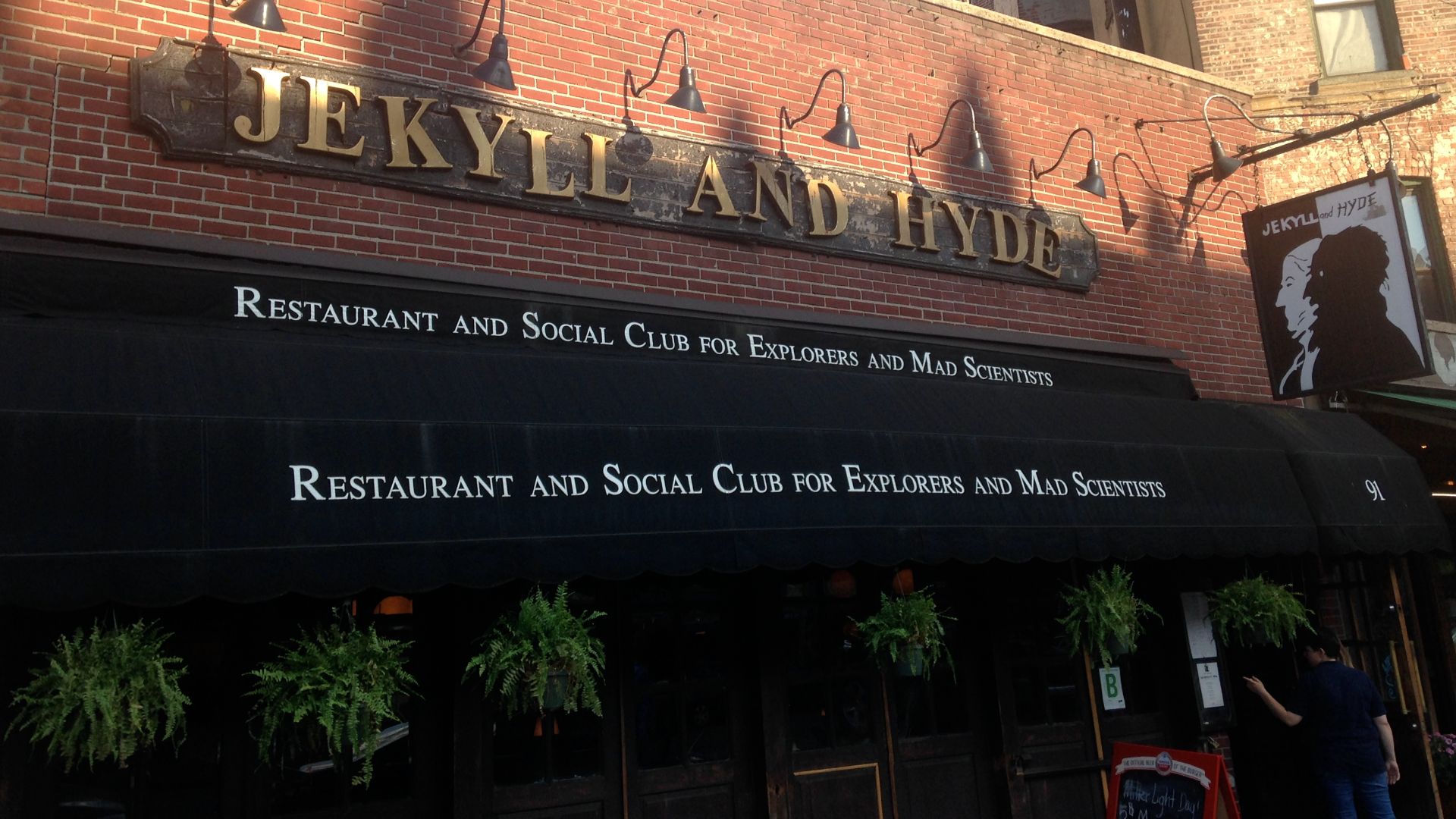 TFSyndicate, Wikimedia Commons
Jekyll & Hyde’s Financial Problems Were Real
This one lasted decades, so calling it an overnight flop would be unfair. But the remaining Greenwich Village restaurant filed for bankruptcy in 2022, reportedly owing nearly $7.5 million overall, including $1.5 million in back rent. It closed that June. Eventually, even the monsters couldn’t keep the doors open.
WWF New York Brought Wrestling To The Dinner Table
WWF New York opened in Times Square in late 1999, combining a restaurant, nightclub, and merchandise store. Fans could watch wrestling broadcasts and attend appearances by performers. For anyone whose ideal dinner conversation involved debating The Rock, this probably sounded like an excellent use of prime Manhattan real estate.
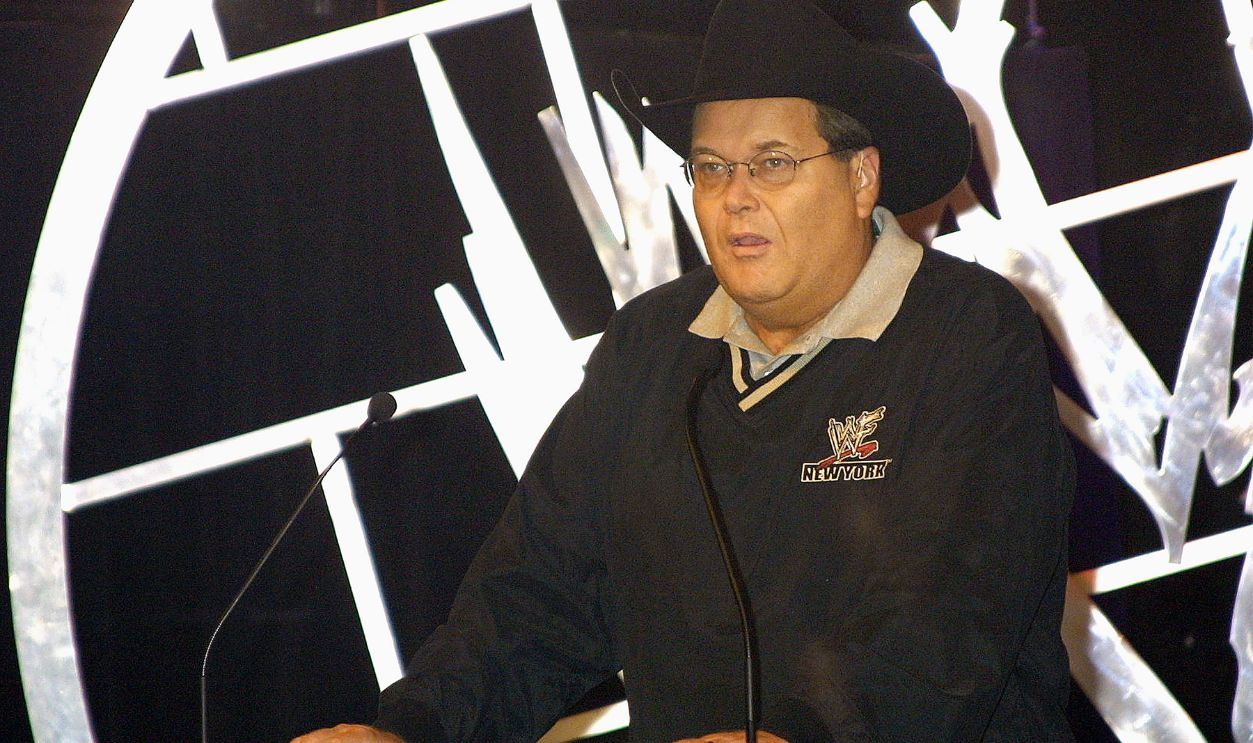
WWF New York Faced An Opponent It Couldn’t Pin
Later renamed The World, the complex kept losing money. WWE reported $7.7 million in operating losses for nine months ending in January 2003, plus a separate $32.9 million asset write-down. Restaurant operations ended that February. Those are expensive numbers to put beside an order of fries.
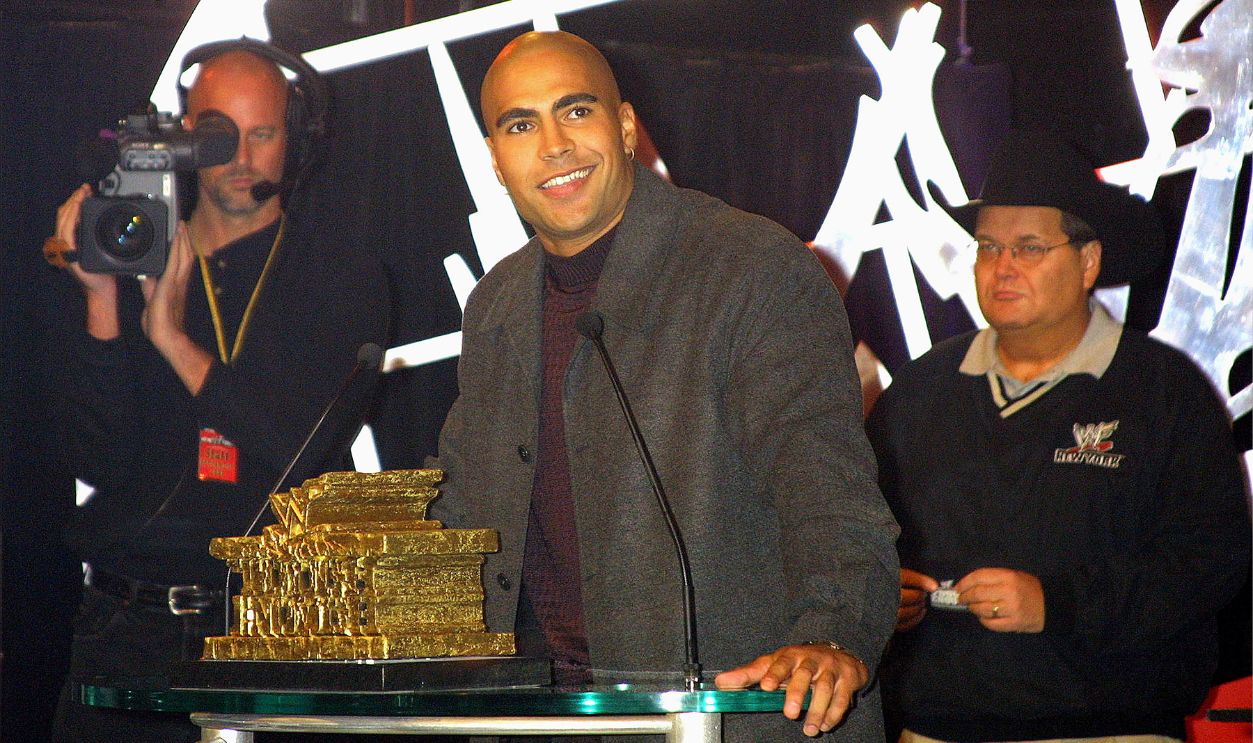
WCW Nitro Grill Took The Rivalry To Las Vegas
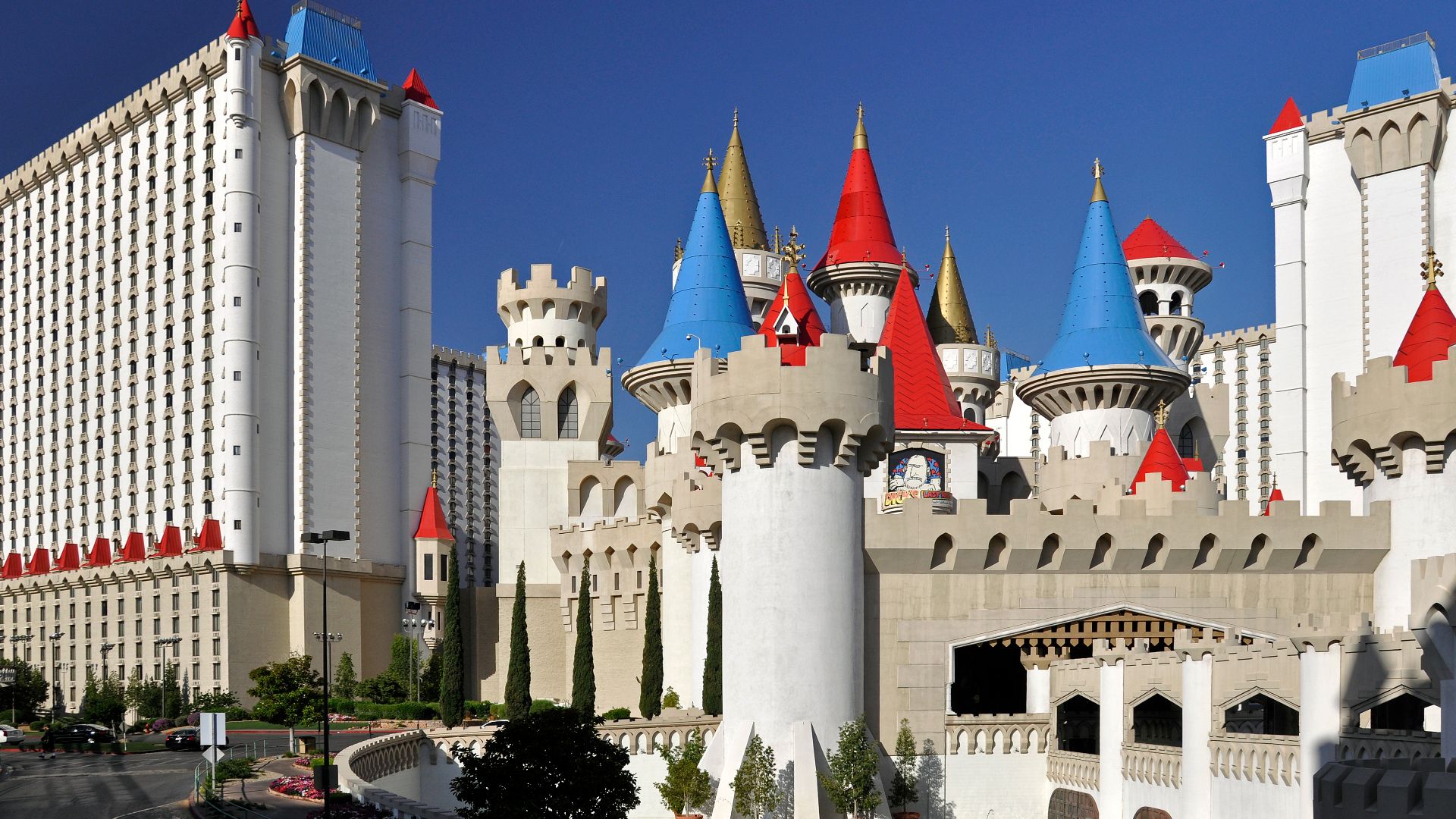
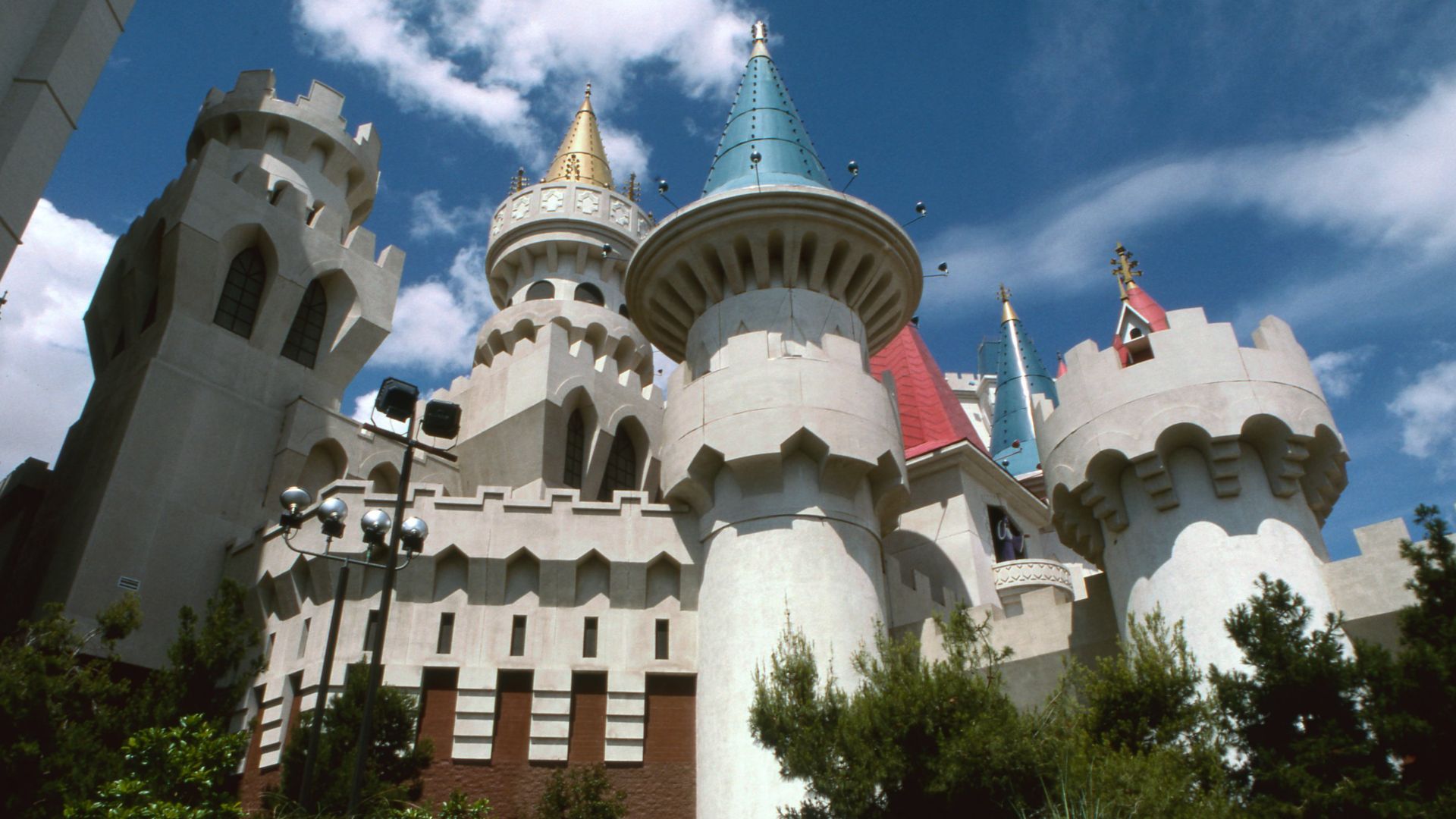
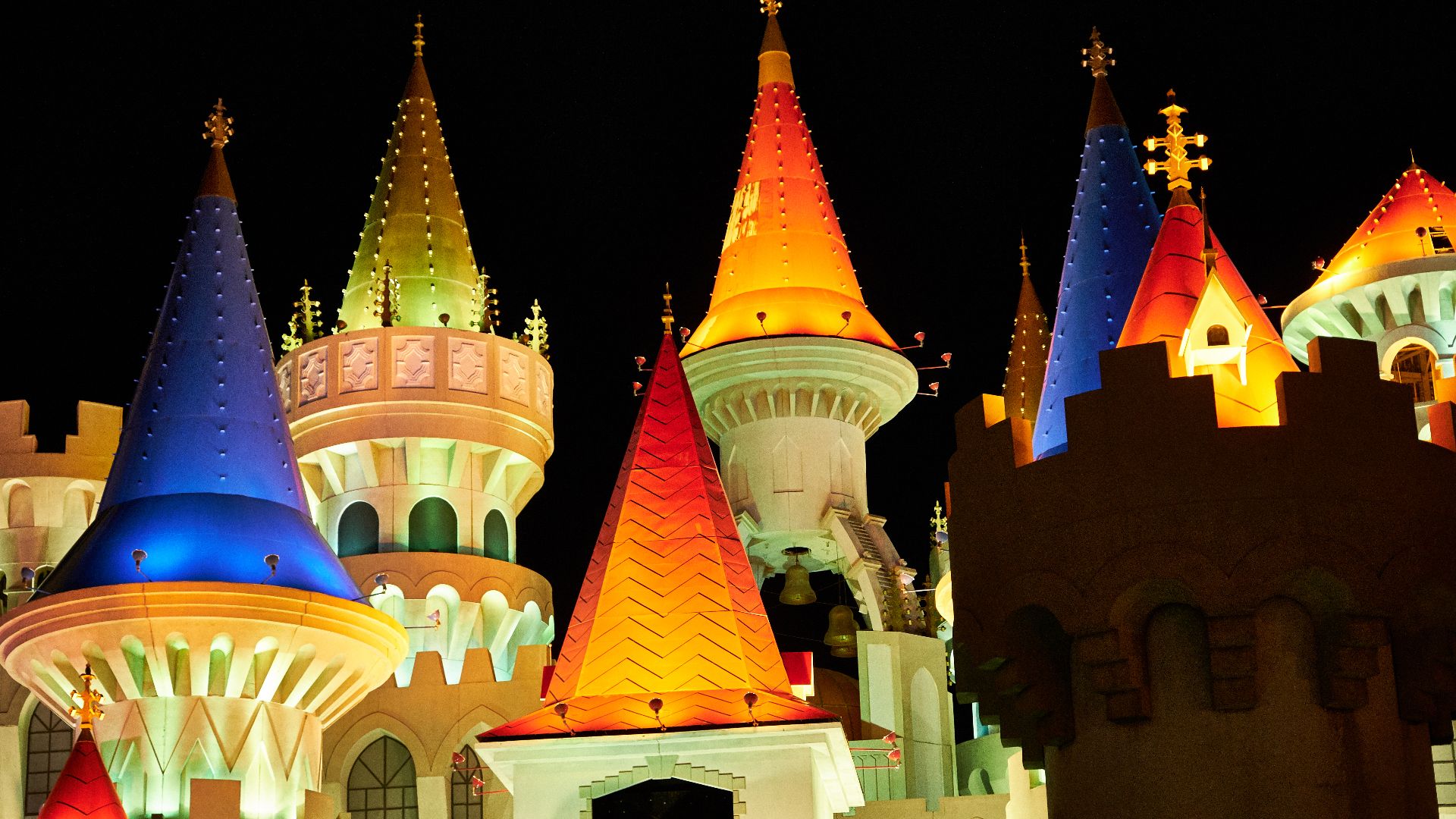
WCW Nitro Grill opened at Las Vegas’s Excalibur in May 1999, giving wrestling fans another place to turn their television obsession into dinner plans. By year’s end, WWF had its restaurant in New York; WCW had one in a castle-shaped casino. Subtlety wasn’t the theme.
WCW Nitro Grill Didn’t Last Long In The Ring
The restaurant closed in September 2000, roughly 16 months after opening. Its operator, American Vantage, reported taking a $1.2 million loss in connection with the closure during a company restructuring. Wrestling could attract an enormous television audience. Getting enough of those fans through a restaurant door was another contest.
 Andre Corboz, Wikimedia Commons
ESPN Zone Turned Watching Sports Into An Outing
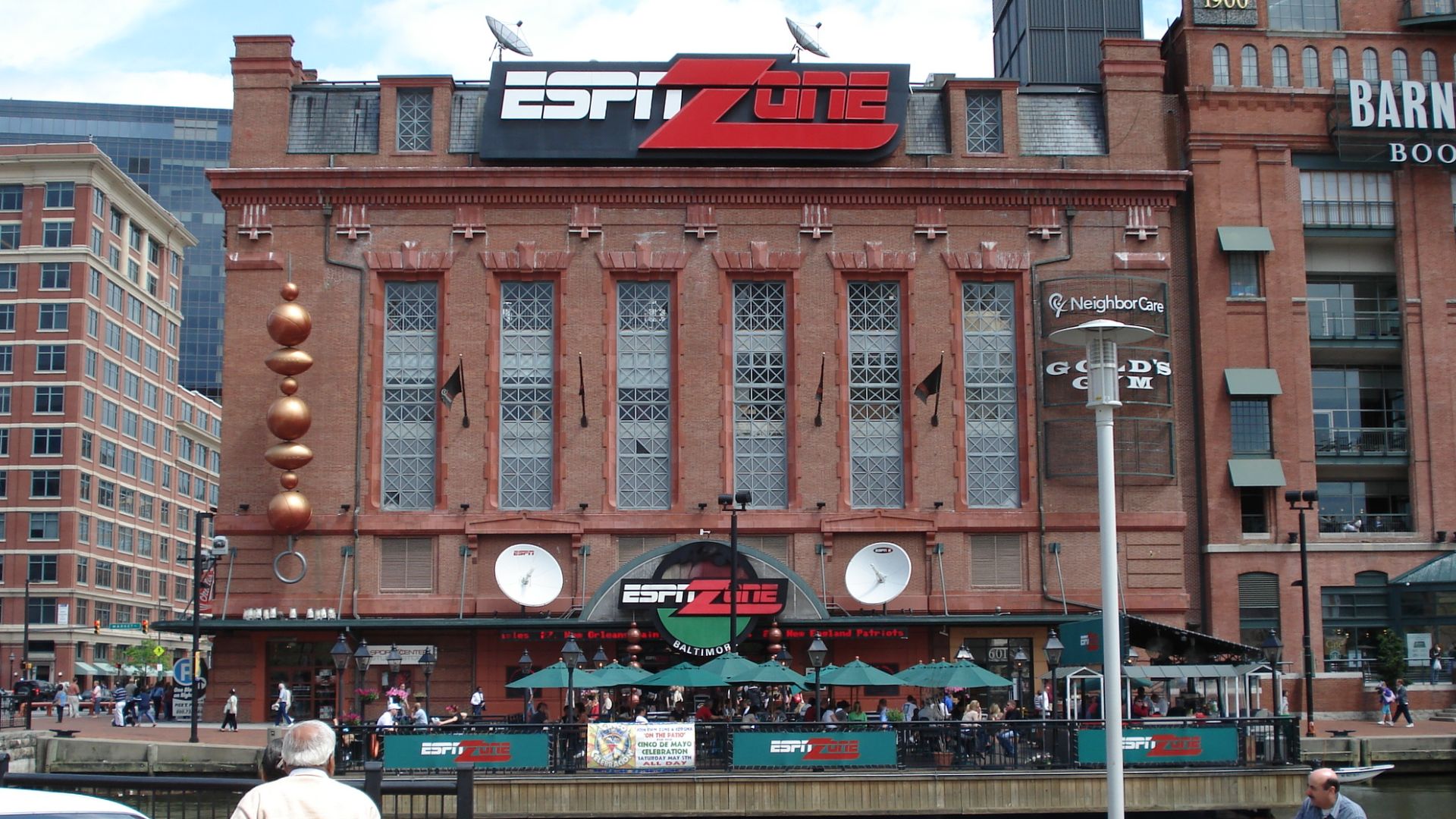
ESPN Zone launched in Baltimore in 1998 and expanded to other major cities. It combined sports viewing, dining, and interactive games under one roof. You could watch athletes compete, then wander off and test your own skills. Presumably, the comparison went better before ordering the second round of appetizers.
 Palffy at en.Wikipedia, Wikimedia Commons
ESPN Zone’s Final Whistle Came In Stages
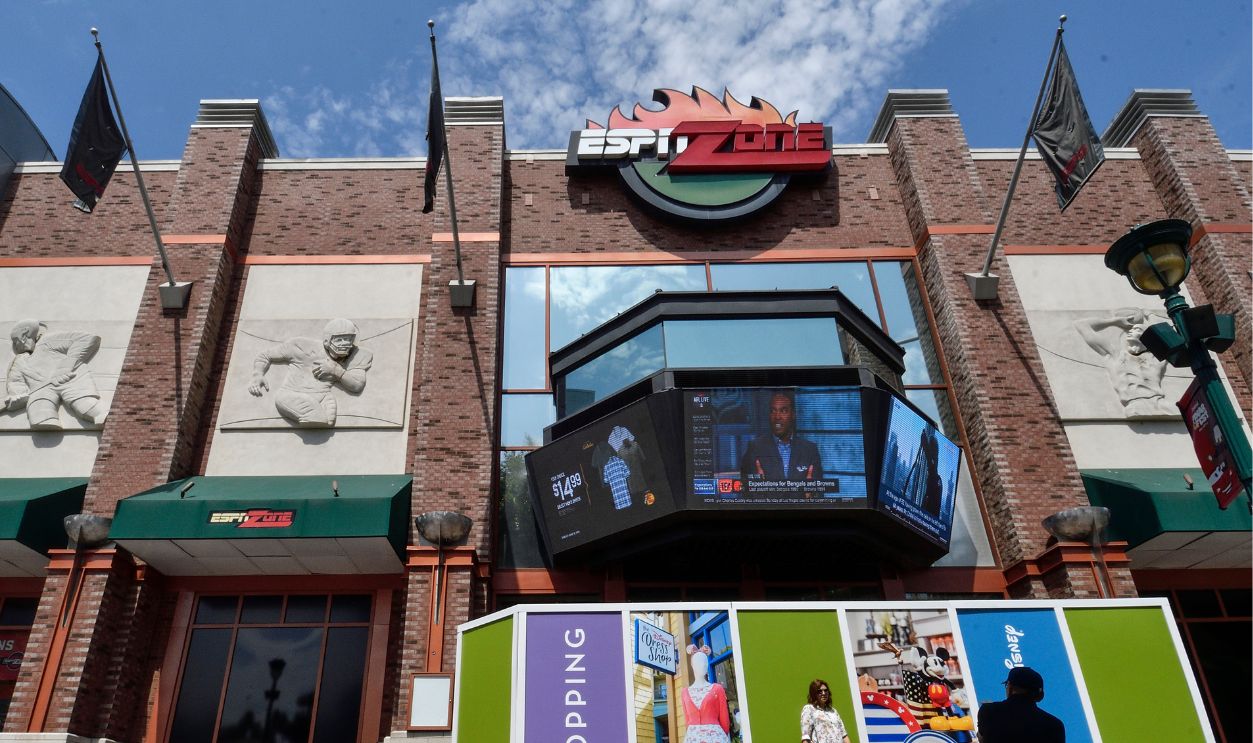
Disney closed five locations in June 2010, citing difficult economic conditions. The final Anaheim restaurant lasted until 2018, closing for a planned hotel development that was subsequently canceled. The chain’s retreat and its last location’s closure were different stories, even if they ended with the same empty tables.
 MediaNews Group/Orange County Register via Getty Images, Getty Images
Planet Hollywood Made Dinner Feel Like A Premiere
When Planet Hollywood opened in New York in 1991, movie memorabilia became restaurant décor on a spectacular scale. Celebrity backers including Arnold Schwarzenegger, Sylvester Stallone, and Bruce Willis helped sell the fantasy. You weren’t just ordering dinner. You were eating somewhere action stars supposedly checked on the business.
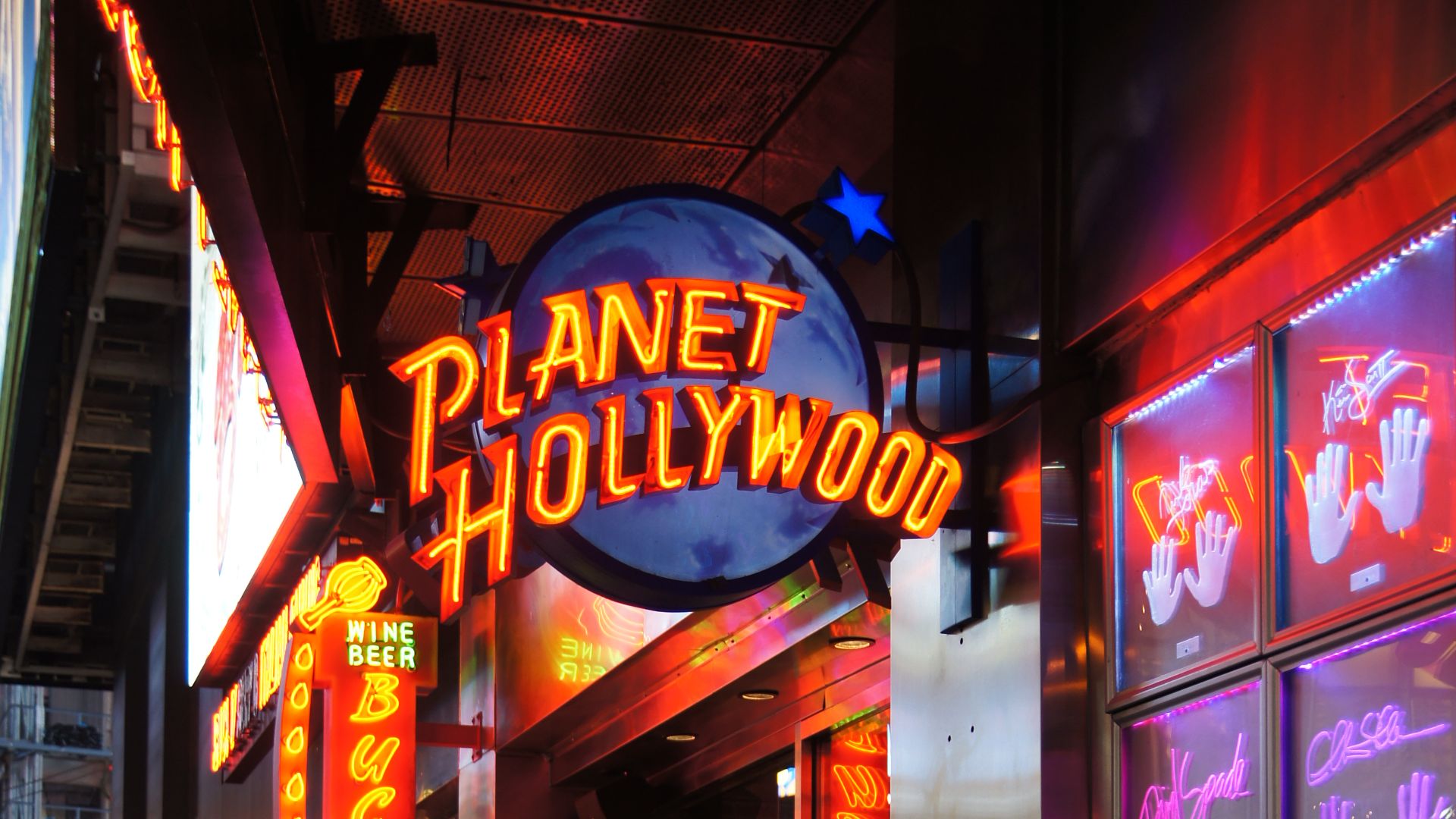 Emanuela Meme Giudic…, Wikimedia Commons
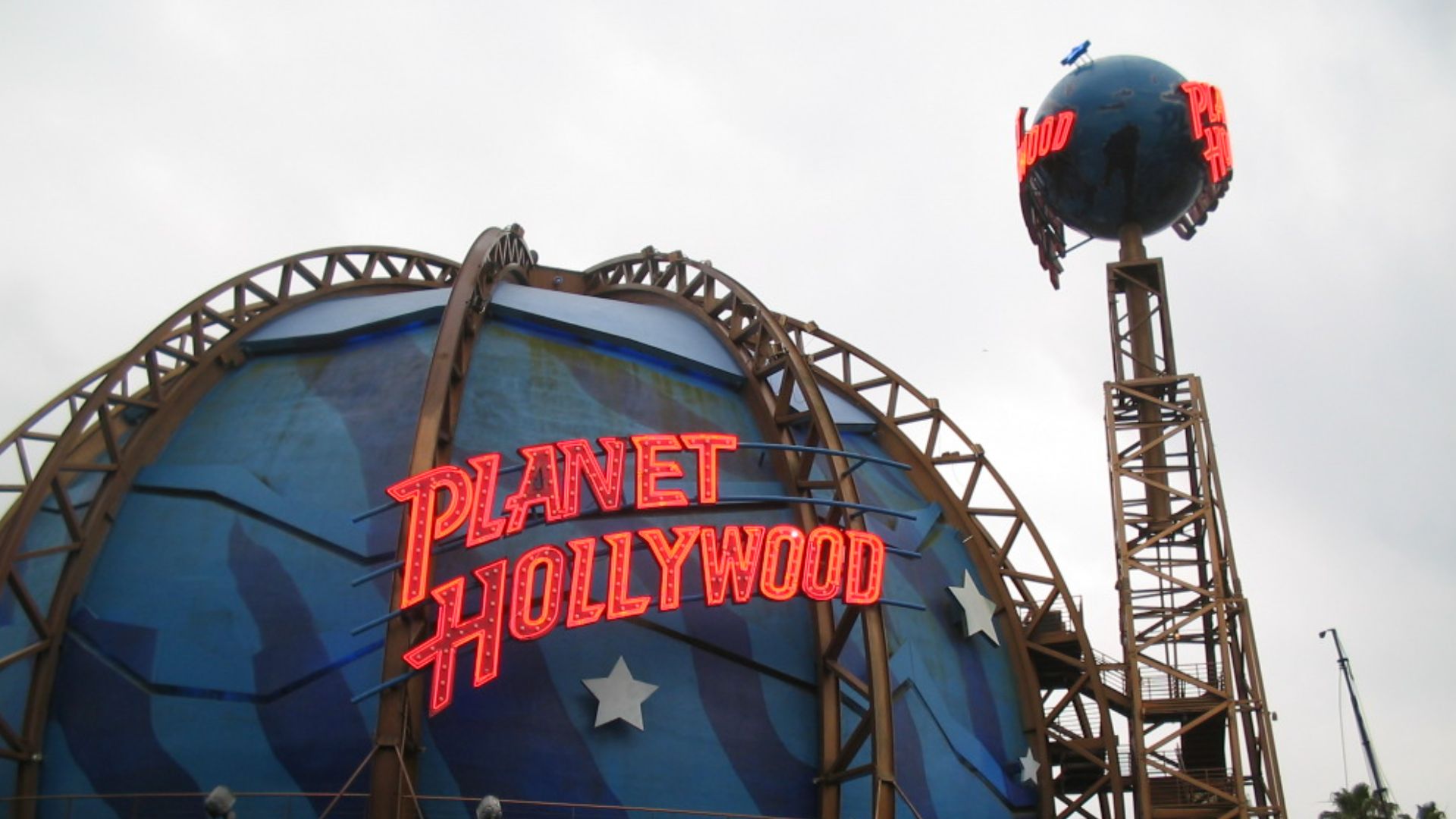
Planet Hollywood Needed More Than Star Power
Expansion, rising costs, and falling customer traffic caught up with the company. Carrying roughly $359 million in debt, it filed for bankruptcy in 1999, then again in 2001. The brand still operates restaurants, but the original expansion dream suffered a collapse worthy of its own disaster movie.
 M.Minderhoud, Wikimedia Commons
Which One Deserves Another Chance?
Maybe you wouldn’t bring back the entire craze. But a submarine sandwich inside a submarine? Dinner on Mars? A Motown performance between bites? There was something fun about restaurants trying this hard. Which one would you bring back—and which one was already too much the first time?
 Luca Sartoni, Wikimedia Commons
You Might Also Like:
Forgotten Buffet Chains That Americans Loved Because They Seemed Like A Deal—Even If They Weren't