Don’t They Have To Take Cash?
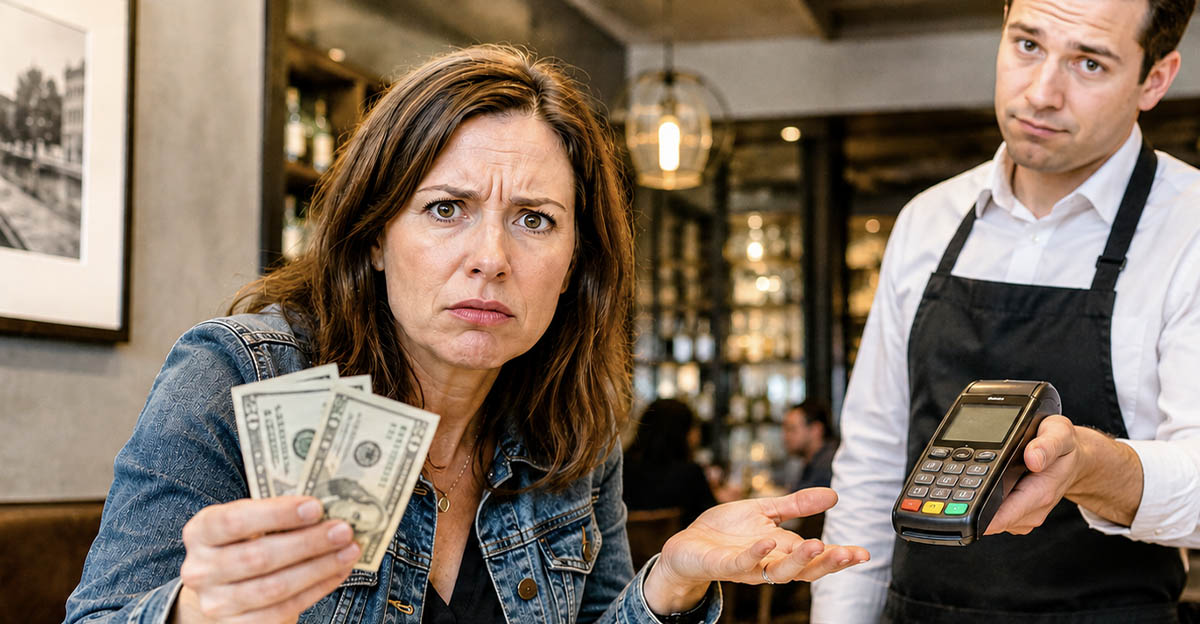
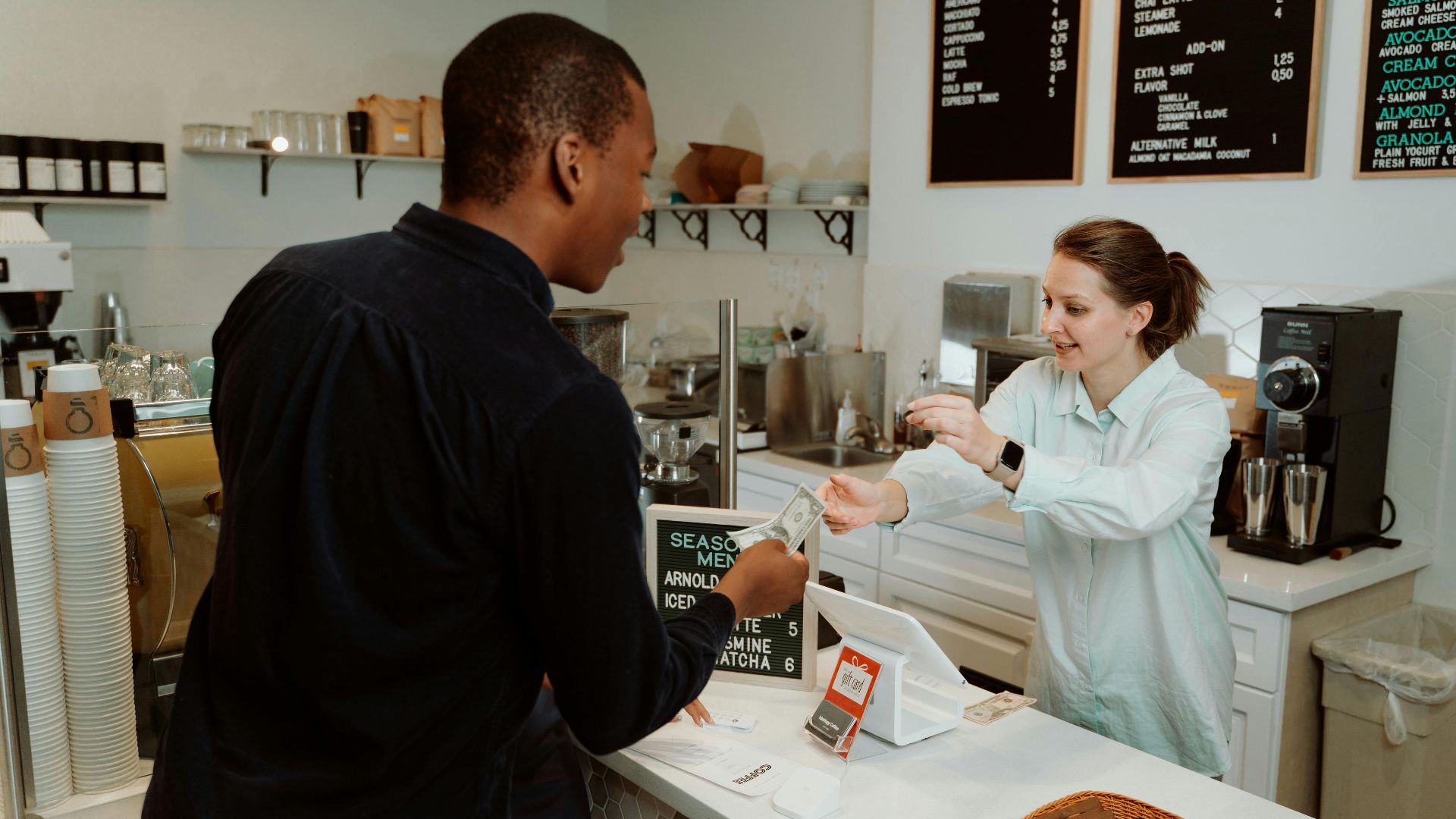
You finish your meal, pull out cash to pay, and the restaurant says they don’t accept it. Suddenly you’re standing there confused and wondering how that’s even legal. After all, cash literally says “legal tender” right on it. Doesn’t that mean businesses are forced to accept it? Surprisingly, not always. And while it feels ridiculous, the rules around cash payments are more complicated than most people realize. The good news is, once you understand how these policies work, the situation starts to make a lot more sense.
“Legal Tender” Doesn’t Mean What Most People Think
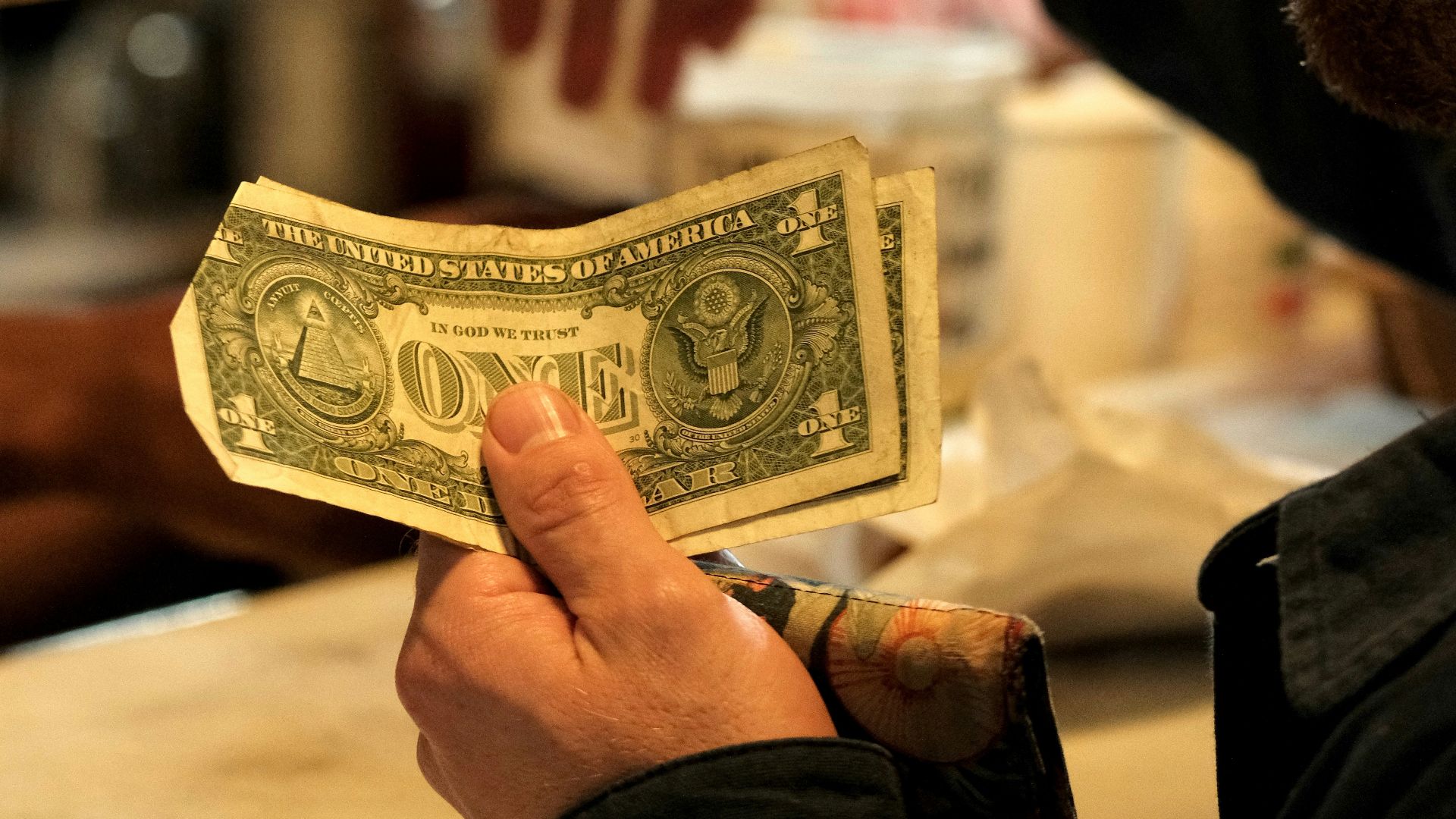
This is the part that surprises almost everyone: US currency is considered legal tender for debts, but federal law generally does not require private businesses to accept cash for every transaction. In many cases, businesses can choose what forms of payment they accept before the transaction happens. So yes, a restaurant can often refuse cash if it has a clearly posted policy.
Why More Businesses Are Going Cashless
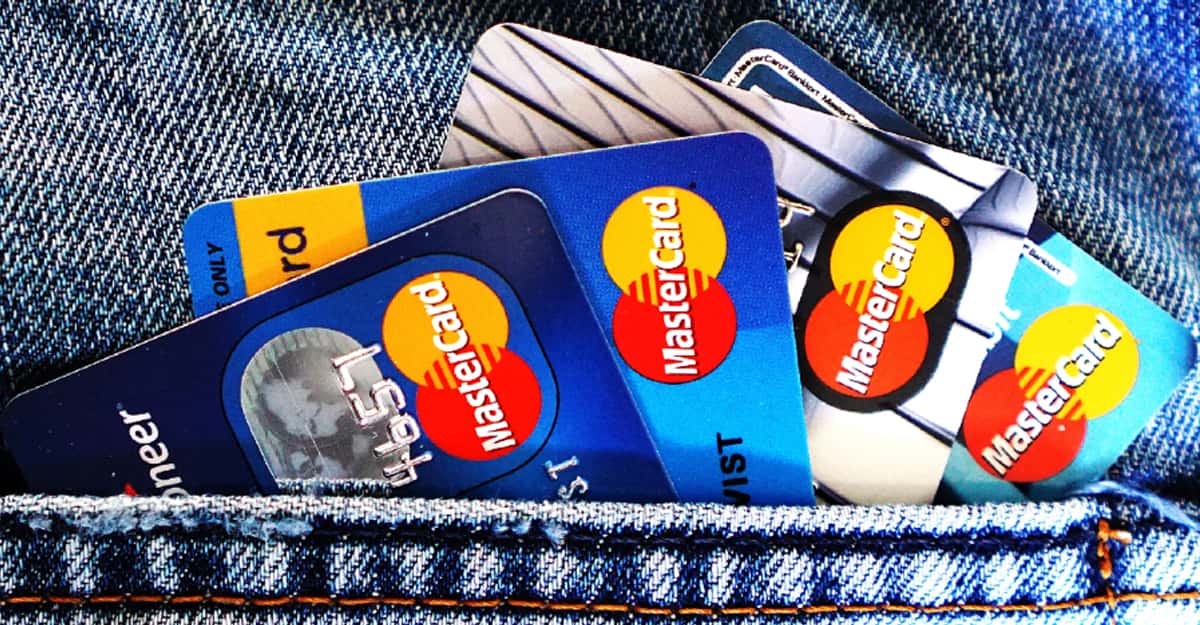
A lot of restaurants moved toward card-only systems in recent years. Some say it speeds up service, reduces theft risk, and simplifies accounting. Others claim it’s cleaner or safer because employees handle less physical cash. Whether customers like it or not, cashless policies have become much more common, especially in cities and larger chains.

But Some Places Actually Ban Cashless Businesses
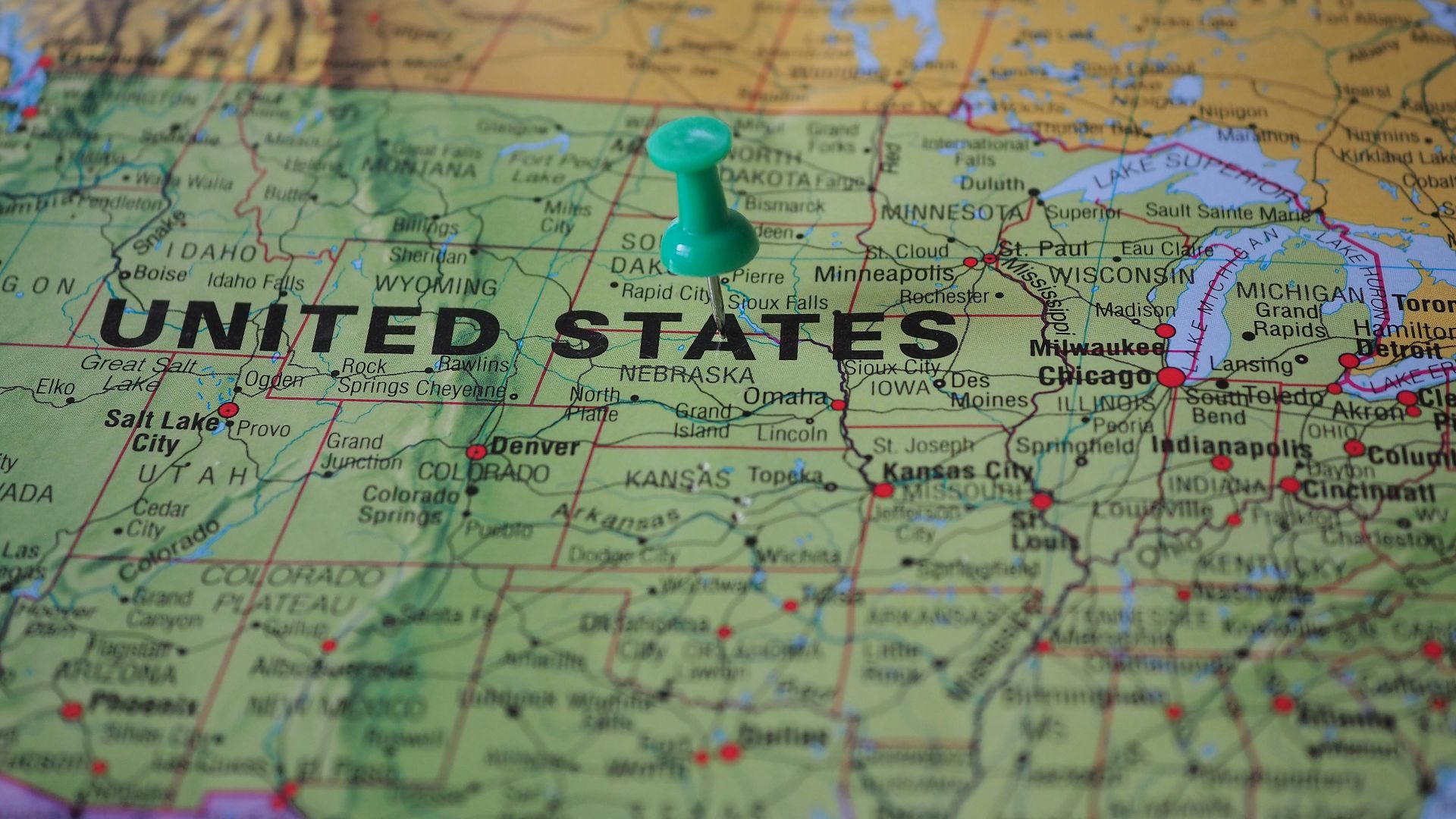
Here’s where things get interesting. Some states and cities do require businesses to accept cash. Places like New York City, Philadelphia, and San Francisco have passed laws limiting or banning fully cashless retail businesses. That means whether the restaurant can legally refuse your cash depends heavily on where you are.
Your Location Matters A Lot
This isn’t one of those situations with a simple nationwide answer. In one state, a restaurant refusing cash might be completely legal. In another, it could violate local consumer protection laws. That’s why your first step is figuring out what rules apply in your city or state instead of relying on what “should” happen.
Restaurants Usually Have To Tell You Upfront
If a restaurant is cashless, they generally need to make that clear before you order. Many post signs near the entrance, register, or online ordering page. If there was no notice at all, that’s where things can start getting questionable, especially in places with stricter consumer protection laws.

The Timing Can Matter
There’s a difference between refusing cash before you order and refusing it after you’ve already eaten. If you already received the food or service without knowing about the policy, things get murkier. At that point, you may argue you weren’t properly informed about payment restrictions ahead of time.

Businesses Can Usually Set Payment Policies
In general, private businesses have broad freedom to decide how they operate. Just like stores can refuse personal checks, many can also choose not to handle cash. From the business perspective, it’s often about efficiency and security rather than trying to inconvenience customers.

But There’s Been Pushback
Critics argue that cashless policies unfairly affect people who don’t have credit cards or bank accounts. That’s one reason some cities and states stepped in with laws requiring businesses to accept cash. The debate has become bigger than restaurants, it’s now a broader consumer access issue.
Step One: Check Whether Cashless Policies Are Legal Where You Live
If you think the restaurant may have violated local rules, look up your city or state laws on cashless businesses. A quick search can tell you whether businesses in your area are required to accept cash.

Step Two: Look For Posted Policies
Think back to whether the restaurant had signs or notices about being cashless. If they clearly disclosed the policy before you ordered, your argument becomes weaker. If there was no notice at all, you may have more grounds to complain.

Don’t Escalate The Situation At The Restaurant
As frustrating as it feels, getting into a heated argument with employees usually won’t help. Front-line staff typically don’t control payment policies. Staying calm gives you a much better chance of resolving the issue without turning it into an unnecessary confrontation.

Ask To Speak To A Manager
If the situation caught you completely off guard, ask politely for a manager. Sometimes businesses will make exceptions, especially if you genuinely had no other way to pay. Even if they don’t, you may at least get a clearer explanation of the policy.

Consumer Complaints Are An Option
If cashless businesses are restricted in your area and you believe the restaurant violated the rules, you may be able to file a complaint with a local consumer protection agency or city department.

Leave A Review If You Feel Misled
If the restaurant failed to disclose its policy clearly, leaving an honest review can help warn other customers. A lot of people still assume cash is universally accepted, so transparency matters.

Carrying A Backup Payment Method Helps
Even if you strongly prefer cash, situations like this are becoming more common. Having a backup card or digital payment option can save you a lot of stress in the moment.
Why Some Businesses Prefer Cards
From the restaurant’s side, cards reduce the risk of robberies, counting mistakes, and employee theft. Digital payments also make bookkeeping easier and often speed up transactions. You may not agree with the policy, but there’s usually a business reason behind it.

Cash Still Isn’t Going Away Anytime Soon
Even though cashless businesses are increasing, cash remains widely used and legally protected in many contexts. Plenty of businesses still prefer or heavily rely on cash transactions. So this isn’t a sign that physical money is disappearing tomorrow.

You’re Definitely Not The Only One Confused By This
A lot of people are surprised the first time this happens to them. The phrase “legal tender” makes it sound like cash must be accepted everywhere, so the confusion is understandable. It’s one of those situations where common assumptions don’t fully match the law.

So What Should You Do Right Now?
If this just happened, first check whether cashless policies are legal where you live. Then think about whether the restaurant clearly disclosed the policy before you ordered. From there, decide whether it’s worth filing a complaint or simply treating it as an annoying lesson for next time.

Final Thoughts
Yes, in many places, restaurants can legally refuse cash, even though it feels counterintuitive. But the rules vary depending on local laws, and businesses generally need to be transparent about their policies. While you may not be able to force them to take your cash, understanding your rights helps you know when a business is following the rules and when something actually seems off.

You May Also Like: