Paying More While Seeing Less
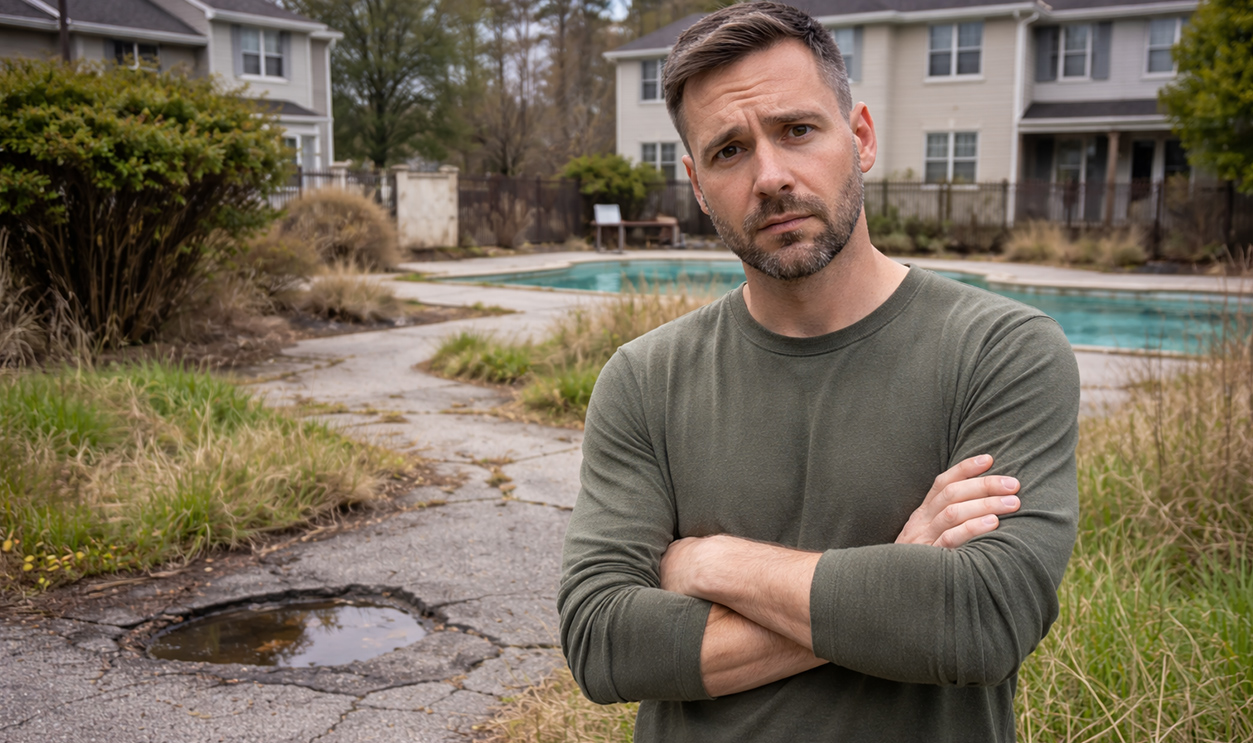
Your HOA board announces a fee increase, and they say it's because the community needs more money for maintenance and landscaping. In theory that makes sense. But when you walk around the neighborhood, the grass still looks overgrown, common areas seem neglected, and maintenance issues linger for months. It leaves many homeowners wondering the same thing: if the HOA isn’t delivering better service, do you still have to pay the higher dues?

HOA Fees Are Usually Mandatory
When you buy a home in a community governed by a homeowners association, you agree to follow the association’s rules and pay its fees. These obligations are usually written into the community’s covenants, conditions, and restrictions, often called CC&Rs. Because these obligations are tied to the property itself, refusing to pay dues can trigger penalties such as late fees, collection actions, or even liens against the property.

Why HOAs Raise Fees
HOA fees typically cover the cost of maintaining shared property and services. That can include landscaping, exterior maintenance, insurance for common areas, utilities for shared facilities, and contributions to reserve funds for future repairs. If costs rise or reserve funds are underfunded, the board may increase dues to keep the community financially stable.
Neglect Does Not Automatically Cancel The Obligation
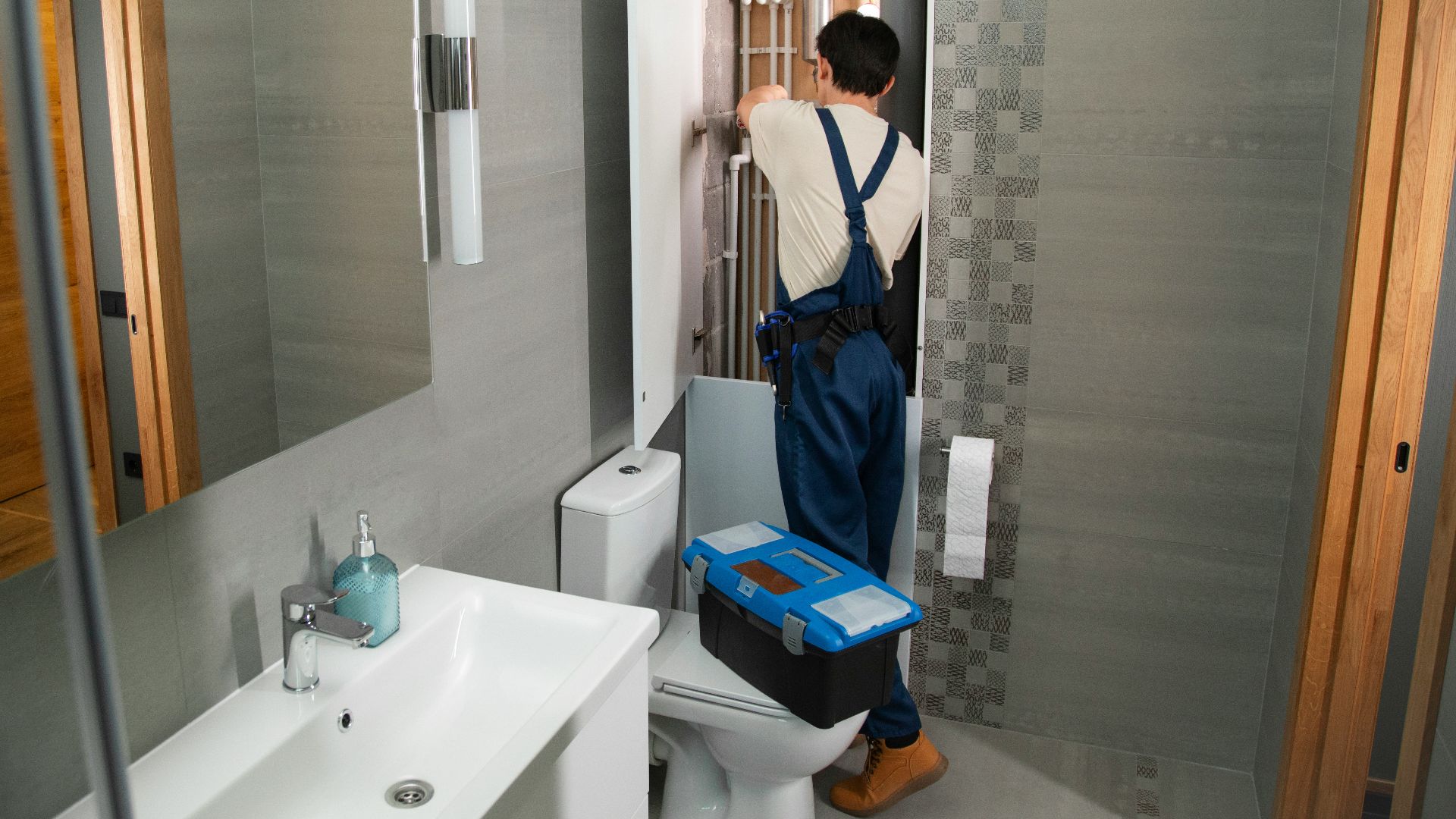
Even if you believe the HOA is failing to maintain the property properly, that usually does not cancel your obligation to pay dues. Courts generally treat HOA fees as contractual obligations tied to the ownership of the property. In other words, dissatisfaction with how money is spent rarely allows homeowners to stop paying entirely.
 Nicoleta Ionescu, Shutterstock
Why Refusing To Pay Can Backfire
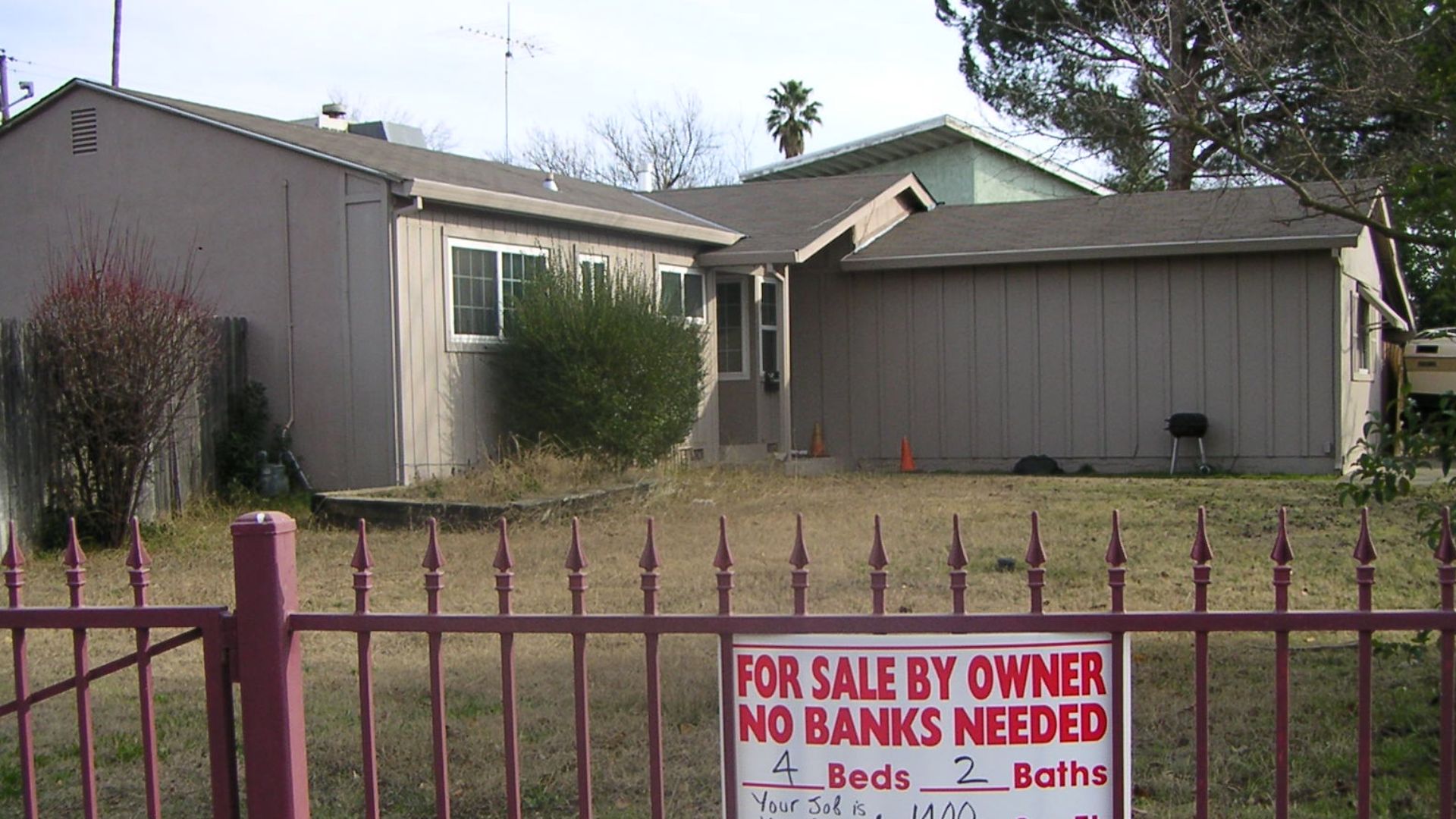
Withholding HOA payments can escalate quickly. Associations often have legal authority to charge late fees, interest, and collection costs. In some states they can place a lien on the home and eventually pursue foreclosure for unpaid assessments. For that reason, withholding dues is usually the riskiest way to protest HOA management.
 Casey Serin, Wikimedia Commons
The HOA Board Has A Legal Duty
While homeowners must pay fees, HOA boards also have legal responsibilities. Board members are typically required to act in the best interest of the association and manage funds responsibly. This responsibility is often called a fiduciary duty, meaning the board must make financial decisions for the benefit of the community rather than for personal gain.
 Christina @ wocintechchat.com M, Unsplash
Poor Results Do Not Always Mean Mismanagement
It is possible for a property to look neglected even when the HOA is spending money responsibly. Maintenance delays can happen due to contractor shortages, weather problems, supply costs, or long project timelines. Sometimes the issue is not misuse of funds but simply that repairs take time.
Review The HOA Budget
One of the most useful steps is reviewing the association’s annual budget. Most HOAs are required to provide homeowners with financial statements that show how dues are being spent. Looking at the budget can help you determine whether funds are going toward maintenance, reserves, management fees, or other expenses.

Reserve Funds Often Drive Fee Increases
A common reason for higher dues is the need to rebuild reserve funds. Reserve funds are savings accounts used for major repairs such as roof replacement, pavement work, pool renovations, or structural repairs. If the association did not save enough money in the past, dues may increase even before visible improvements begin.

Attend HOA Meetings
Homeowners often have the right to attend association meetings where financial decisions are discussed. These meetings allow residents to ask questions about budgets, maintenance plans, and contractor work. Showing up to meetings can give you insight into what the board is actually doing with the funds.

Ask For Detailed Explanations
If the property looks neglected while fees are increasing, ask the board for specific explanations. Questions might include what maintenance projects are scheduled, why repairs have been delayed, how new funds will be used, and whether contractors have already been hired. Clear communication often reveals whether there is a legitimate plan behind the fee increase.

Organize With Other Homeowners
If multiple residents share the same concerns, organizing as a group can increase pressure for transparency. HOAs are typically governed by a board elected by the homeowners themselves. Collective action often gets more attention than individual complaints.
 Matej Grochal, Wikimedia Commons
Consider Running For The Board
One of the most effective ways to influence how an HOA operates is to join the board. Board elections allow homeowners to replace leadership if they believe management is ineffective. Serving on the board provides direct involvement in budgeting and maintenance decisions.

Review The Governing Documents
Your HOA’s governing documents explain exactly how dues can be raised and what procedures the board must follow. Some associations require homeowner votes for large increases, while others allow the board to approve increases within certain limits. Understanding these rules can help you determine whether the increase was handled properly.

Look For Signs Of Financial Problems
If the property looks neglected and fees keep rising, it may indicate deeper financial issues. Examples include unpaid dues from other homeowners, underfunded reserves, or unexpected repair costs. Financial statements can reveal whether the HOA is struggling to cover its obligations.

When Mismanagement May Be A Problem
In some cases, persistent neglect combined with rising dues could signal mismanagement or poor oversight. Examples might include repeated contractor failures, unexplained expenses, or lack of financial transparency. If homeowners suspect mismanagement, further investigation may be necessary.

Filing A Formal Complaint
Many states have agencies that oversee HOA disputes or consumer protection issues. If the board refuses to provide financial information or appears to violate governing rules, homeowners may be able to file a complaint. State housing departments or consumer protection offices often handle these cases.

Legal Action Is A Last Resort
In serious situations where funds appear to be misused, homeowners sometimes pursue legal action against the association or its board. This step should usually come after attempts at communication, elections, and mediation. Legal cases can be expensive and time-consuming, so they are typically a last option.

Focus On Accountability Rather Than Nonpayment
The most effective strategy is usually pushing for accountability rather than withholding dues. Paying fees while demanding transparency keeps you on the right side of the rules while still addressing the problem. Accountability often comes through meetings, elections, and financial oversight.

Final Thoughts
Even if the property appears neglected, homeowners usually must continue paying HOA fees because those obligations are written into the community’s governing documents. Refusing to pay can lead to penalties or legal consequences.
However, homeowners are not powerless. Reviewing budgets, attending meetings, organizing with neighbors, and participating in board elections can all help ensure that HOA funds are being used properly. When dues increase but the community still looks neglected, the solution is often oversight and involvement rather than simply stopping payment.

You May Also Like: