I went to the ATM to take out $500 and it gave me $6,500 instead. I kept it and spent it—now my bank is calling. Am I in serious trouble?

I went to the ATM to take out $500 and it gave me $6,500 instead. I kept it and spent it—now my bank is calling. Am I in serious trouble?


April 1, 2026 | Jesse Singer

I went to the ATM to take out $500 and it gave me $6,500 instead. I kept it and spent it—now my bank is calling. Am I in serious trouble?


That was not the amount I asked for

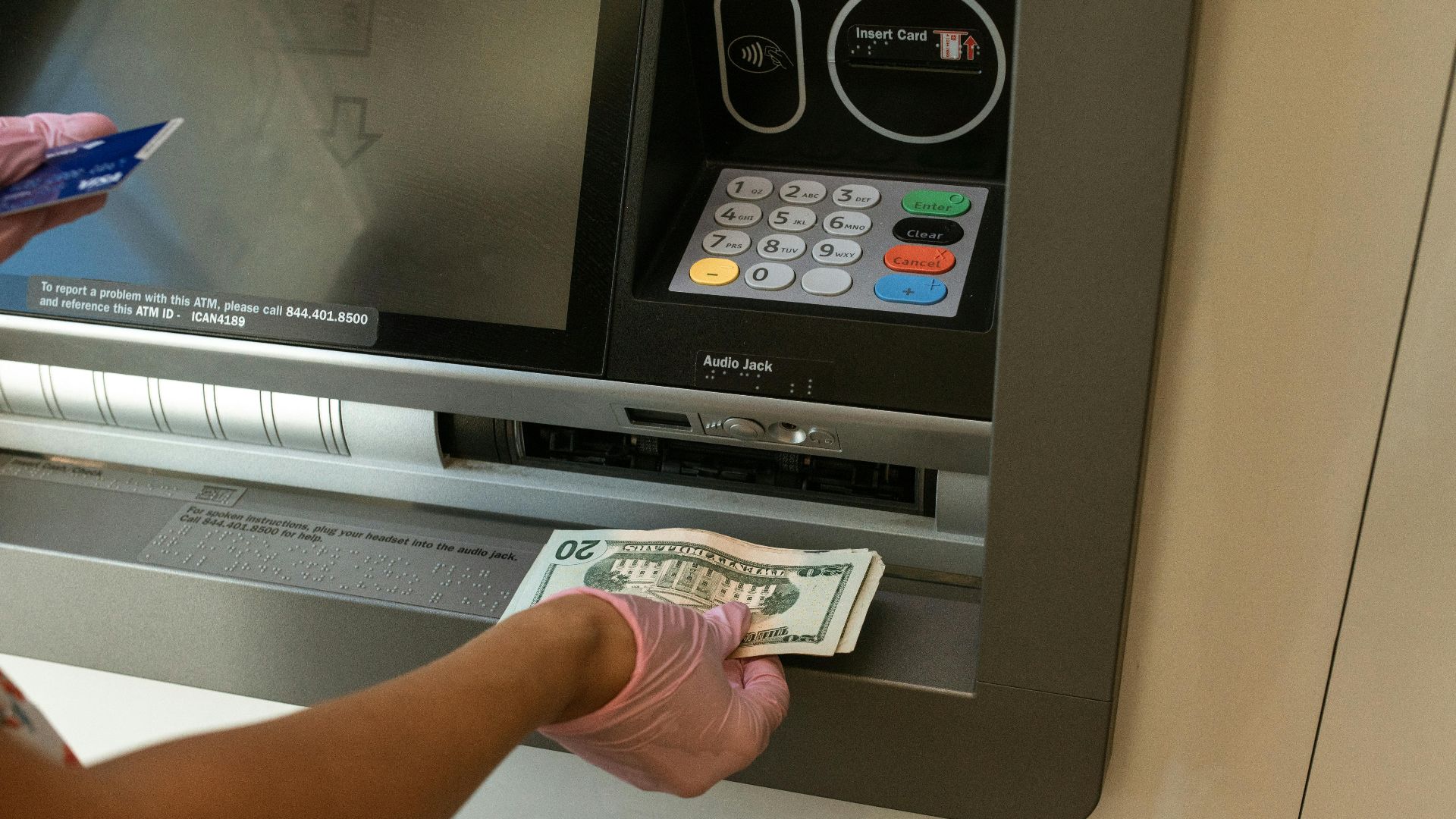
You walk up to the ATM, punch in your PIN, and request $500. Completely routine. But instead of stopping, the machine keeps dispensing cash. You count it...$6,500. No warning, no error message, nothing unusual on screen. Just stacks of bills. It feels like a lucky glitch—but it’s actually the start of a situation banks take very seriously.

Woman lots of cash at ATMFactinate

Advertisement

Wait…did that just happen?

At first, it doesn’t even feel real. The receipt might still say $500, which makes it even more confusing. You double-check the cash, look around, and realize this wasn’t a visual mistake—you actually received an extra $6,000.
1774851717eafa77ff3a7e24c971c8cf41d69aba8c497bdb9e.jpegRDNE Stock project, Pexels

Advertisement

Is this actually free money?

It’s easy to rationalize it. You didn’t force the machine or do anything unusual. But banks process large volumes of ATM transactions every day, and their systems are built to catch discrepancies, especially ones this large.
1774851759a9880af6b4048afe11a3ffac0650bc19f6eaef91.jpegCentre for Ageing Better, Pexels

Advertisement

Why it feels so tempting

That extra cash can feel like relief. The Federal Reserve has found many Americans struggle to cover even a $400 emergency. So, suddenly having thousands in hand can feel like a rare chance to get ahead fast.

17748518480ebed4f44a82ee0cc17de2e24c834bdd017d1b93.jpegwww.kaboompics.com, Pexels

Advertisement

Spending it happens faster than you think

Because it doesn’t feel earned, it often gets spent quickly. Paying bills, clearing debt, or making purchases can burn through thousands faster than expected. Studies on “windfall spending” show people are far more likely to spend unexpected money quickly rather than save it.

177485190722c4f8c720cce6f1ba0d3101e24d9c6231f08f67.jpegVitaly Gariev, Pexels

Advertisement

ATMs don’t just lose money like that

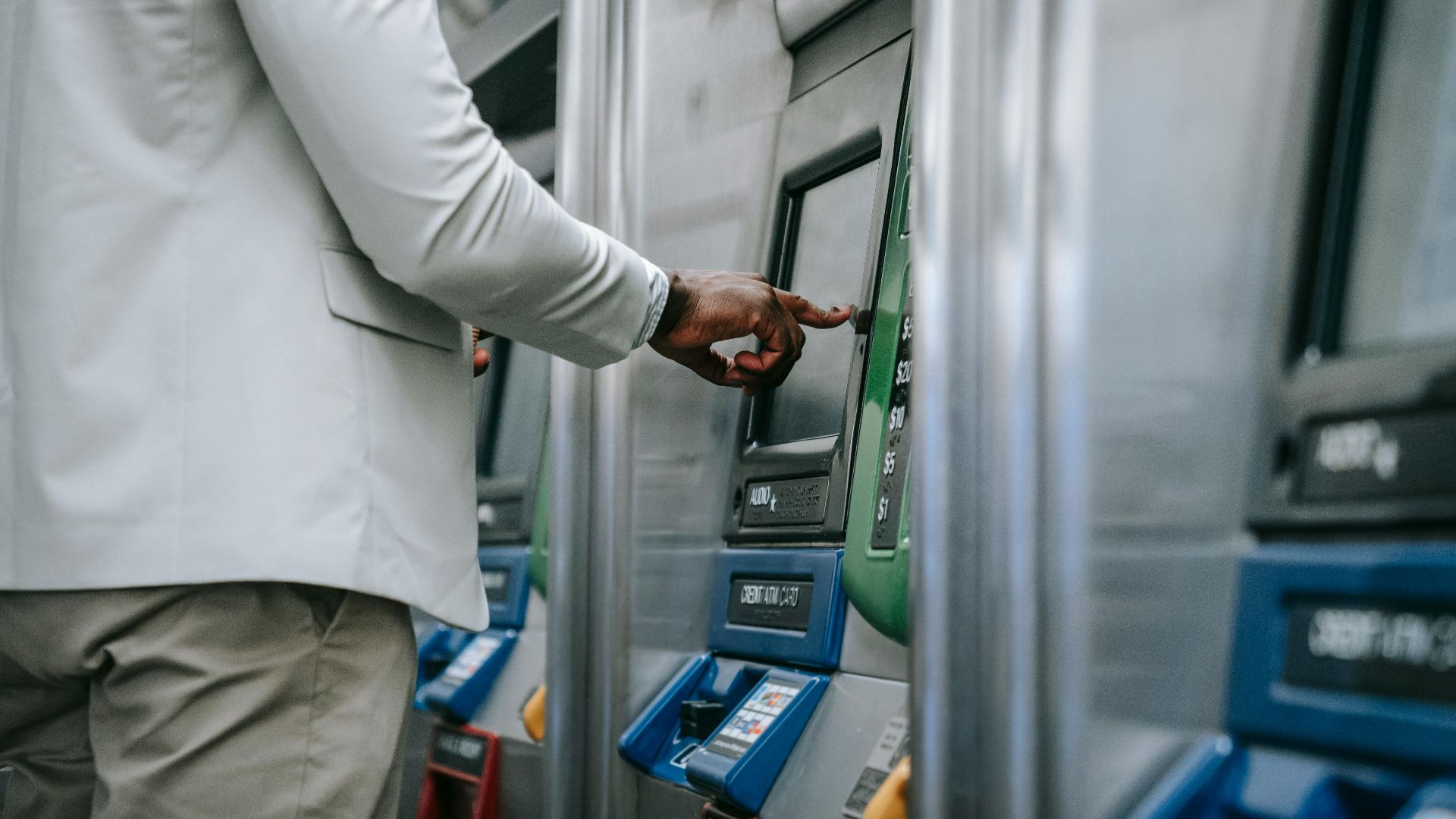
Modern ATMs track every bill using internal sensors and counters. Banks process large volumes of ATM transactions daily, and machines are regularly balanced against expected totals—so even small discrepancies tend to get flagged quickly.
1774852044dbd4deabacfcec62717a5d51a2f967853babf523.jpegLiliana Drew, Pexels

Advertisement

Every dollar gets tracked and reconciled

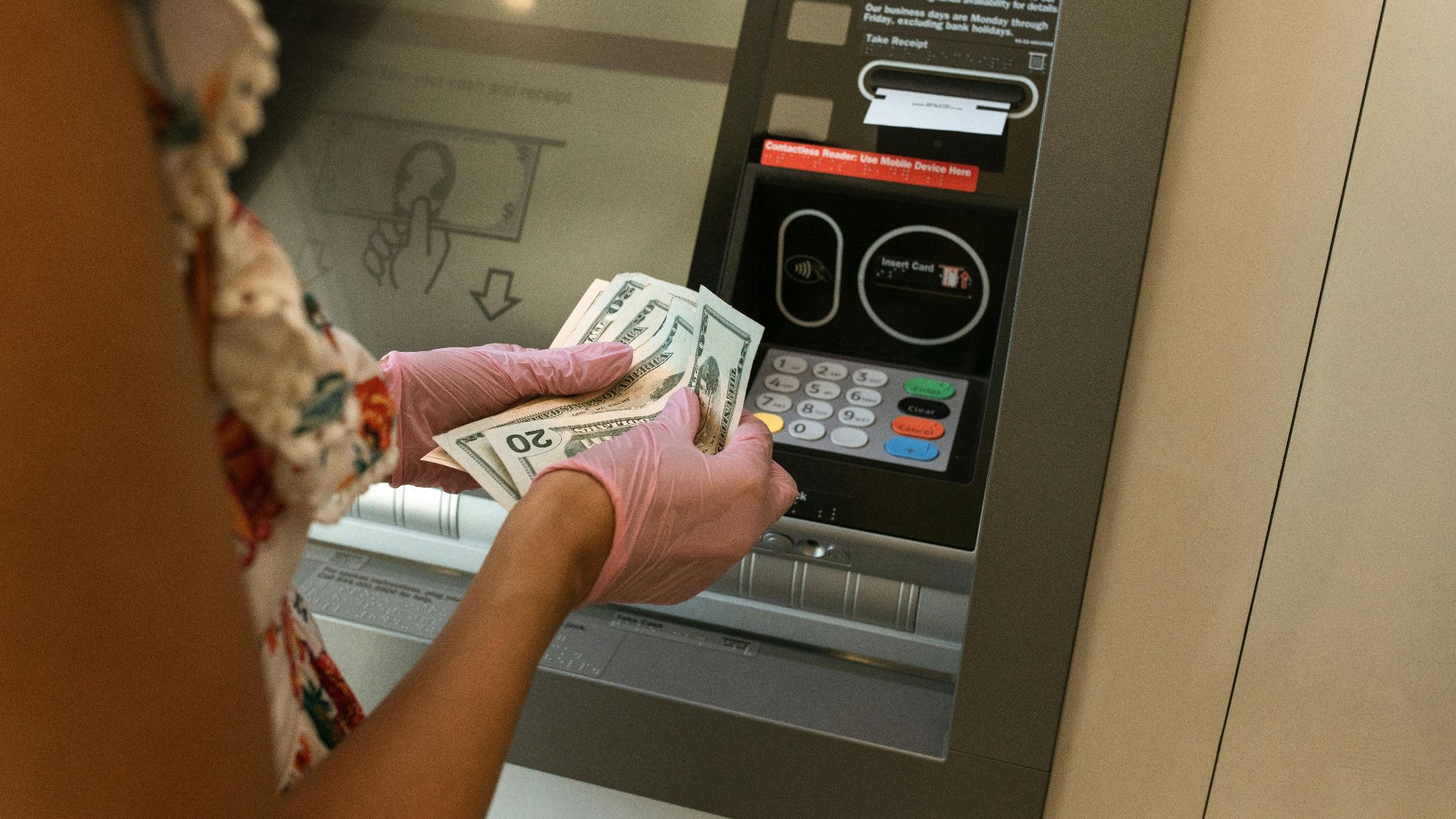
Banks regularly reconcile ATM balances, often daily or within 1–2 business days. If a machine is short thousands, it’s flagged and investigated during these checks, even if the customer says nothing.
177485214004120b417143c5dd099b3ce2b196b9bb07c9c0bb.jpegRDNE Stock project, Pexels

Advertisement

Yes, there are cameras watching

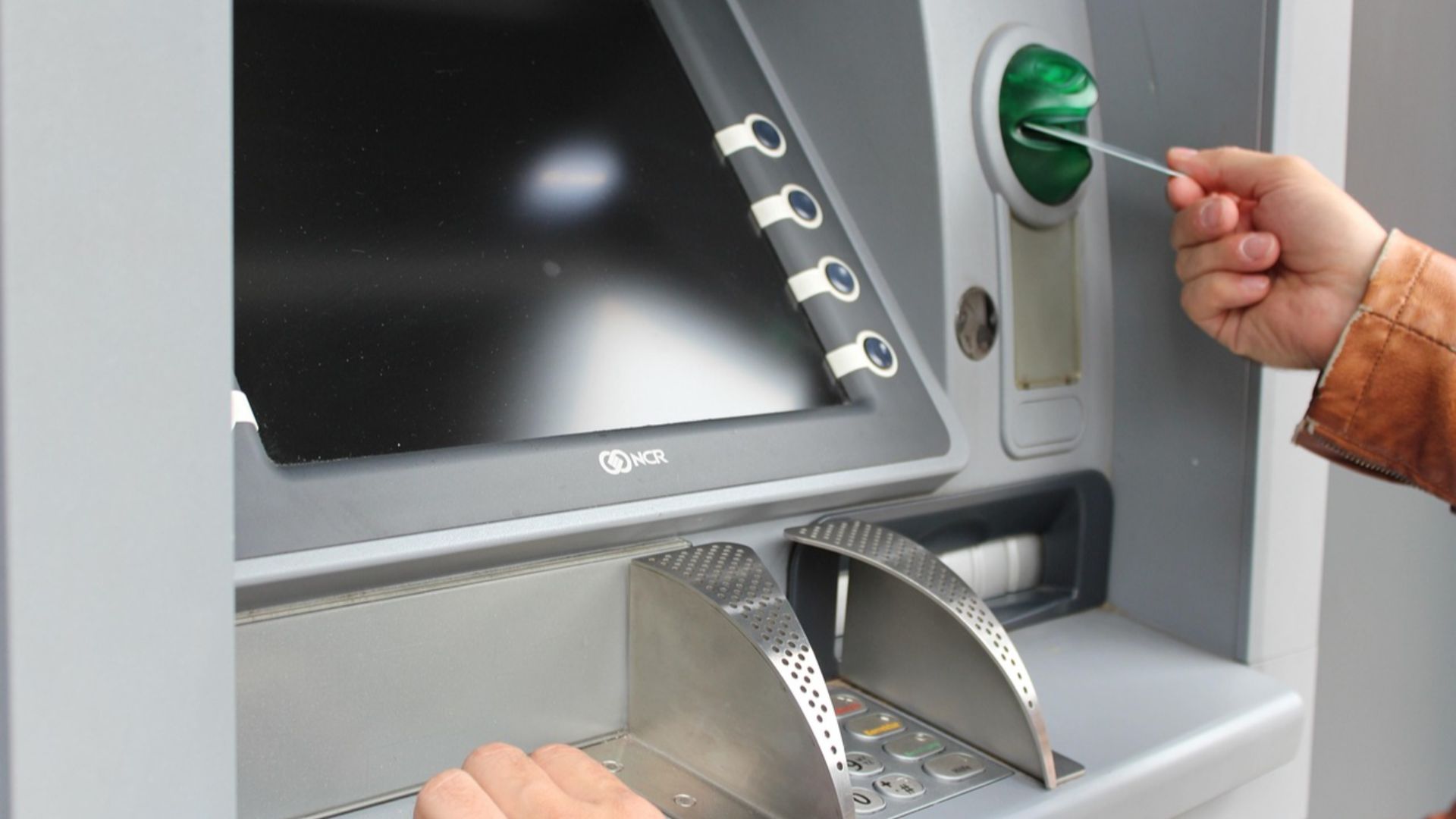
Most ATMs have high-resolution cameras recording every transaction. Banks can match the exact time of the error with footage to identify who was at the machine.
177485221258d3ab14741962e15e98c9703b8f03706047e7b4.jpgPeggy_Marco, Pixabay

Advertisement

There’s also a full digital trail

Your card, account, withdrawal request, and timestamp are all logged. Even if the receipt says $500, the system can identify when excess cash was dispensed and tie it to your transaction.
1774852263b01978cefe821db9bec108bbf6267dc61f893d1b.jpegPixabay, Pexels

Advertisement

The money is not legally yours

Even though the ATM made the mistake, that doesn’t shift responsibility. Banking errors don’t transfer ownership—the money still belongs to the bank, and you’re expected to return it once the error is identified.

1774852784872b44c7940bcea8a0483ffd66657ed35b552aa0.jpegwww.kaboompics.com, Pexels

Advertisement

This is called unjust enrichment

Legally, this situation is known as unjust enrichment—you benefited from a mistake at someone else’s expense. Once you become aware of the error, you’re expected to return the money. It doesn’t matter that you didn’t cause the mistake, what matters is knowingly keeping funds that aren’t yours.

Unaccepted transaction at the bank counterFactinate

Advertisement

Spending it is where it becomes a problem

There’s a big difference between receiving the money and deciding what to do with it. If you immediately report it, it’s usually treated as a simple error. But if you knowingly keep and spend it, that’s when things escalate. In many cases, it starts as a civil issue (repayment), but it can become a criminal matter if it’s clear the money was knowingly used.

1774853036db988437200d629fbb5d7c31dd0cb8476561f616.jpegAntoni Shkraba Studio, Pexels

Advertisement

People have actually been charged for this

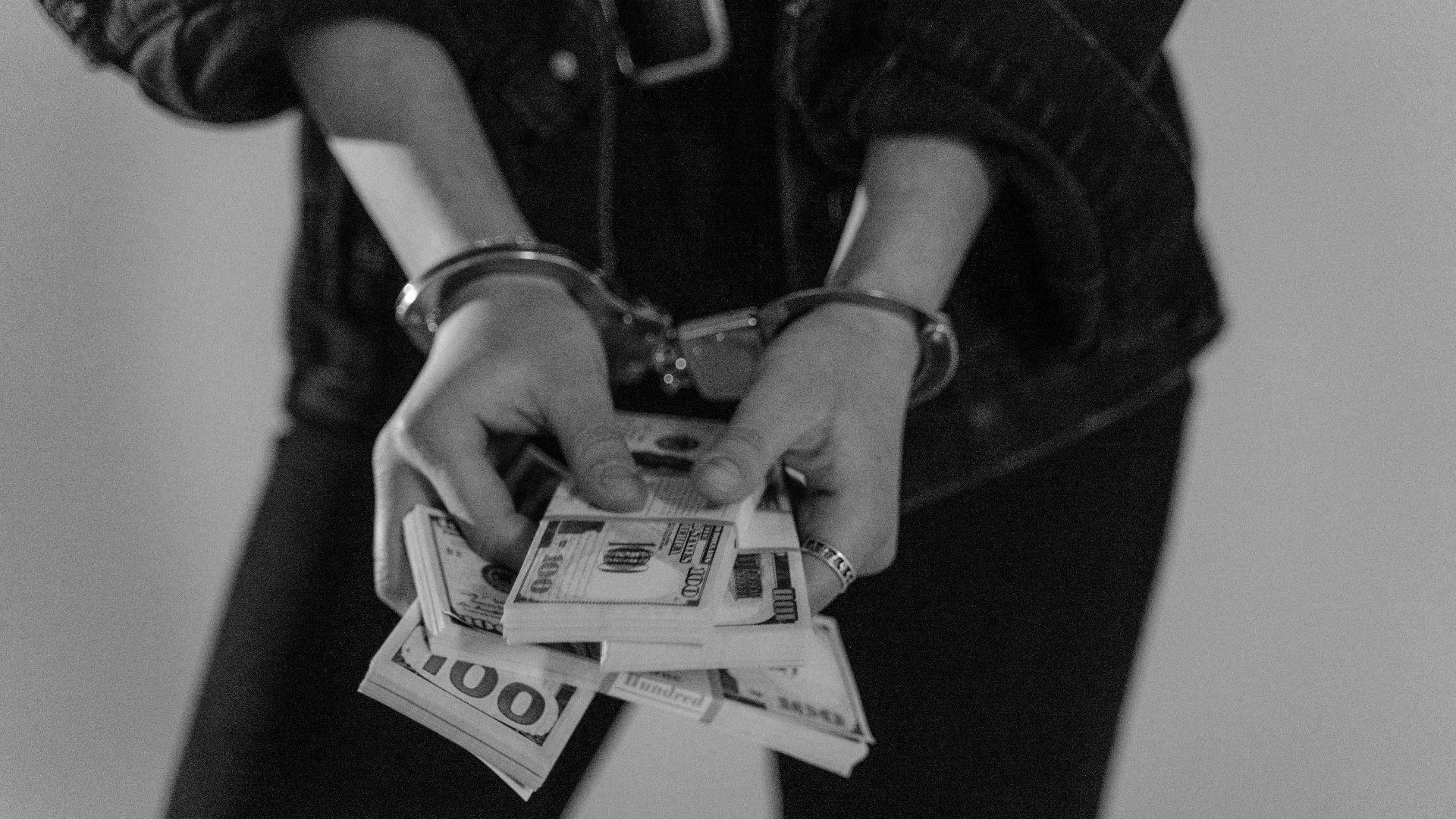
There are real cases of people facing theft or fraud charges after keeping ATM overpayments—especially when they knowingly spent the money. The outcome often depends on the amount involved and whether intent can be proven.
17748532560ffb85c317a3afc51240b4f8bc78f13f880102b7.jpegTima Miroshnichenko, Pexels

Advertisement

The bank will come looking for it

Banks don’t ignore missing money. You’ll likely get a call, email, or notice asking about the discrepancy. In many cases this happens within a few days, though sometimes it can take a few weeks, but it’s almost always discovered.

17748534135039192e2ae935b7083eeca0e30ef6acc258c33d.jpegSora Shimazaki, Pexels

Advertisement

They can take money back from your account

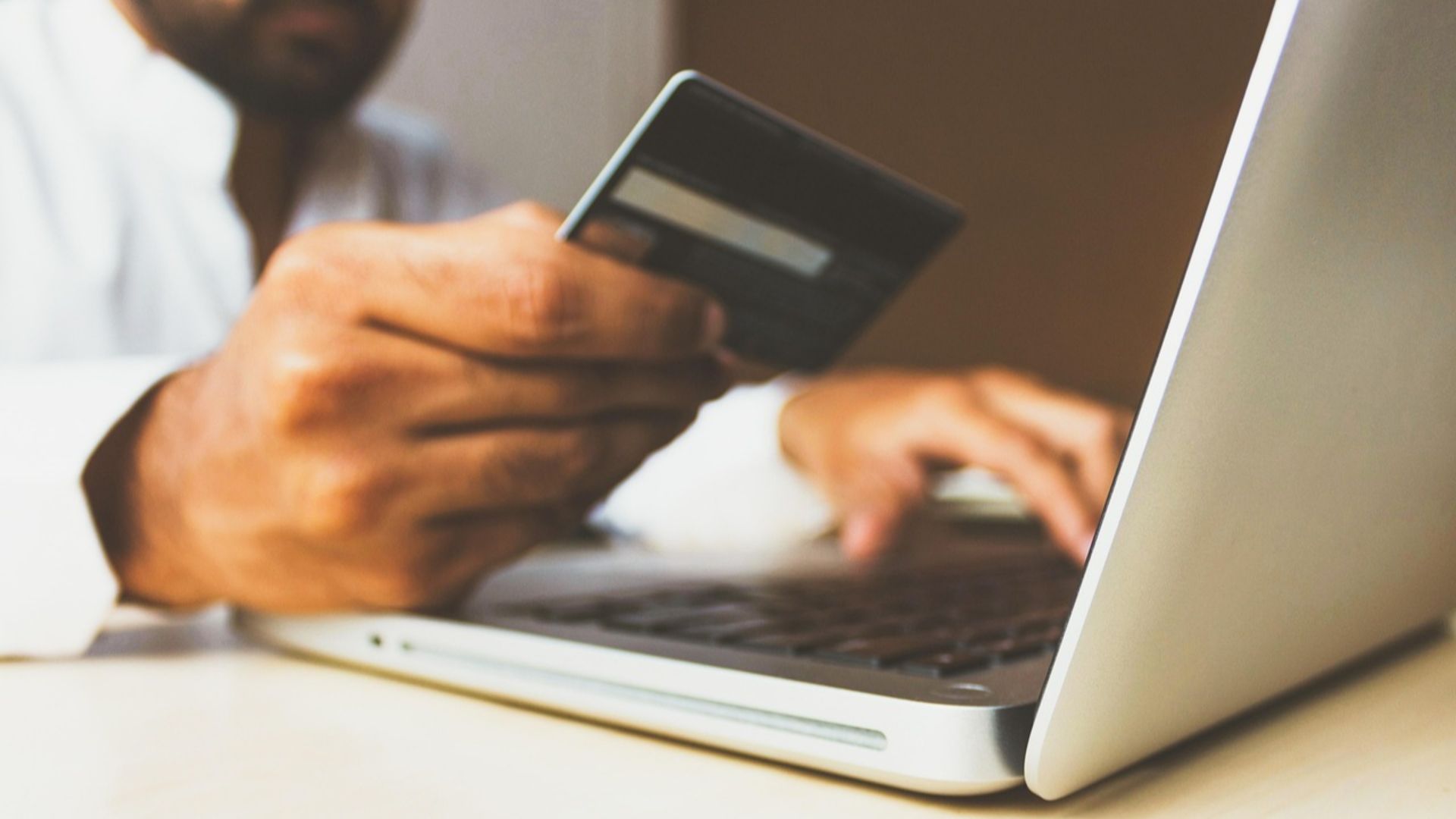
If the extra funds are still sitting in your account, the bank may reverse the transaction or debit the difference, depending on the situation. This is often the fastest way for them to correct the error.
1774853522419d2b8382d76a00e4130a7268b8e032f777964d.jpgrupixen, Pixabay

Advertisement

Your account could get frozen

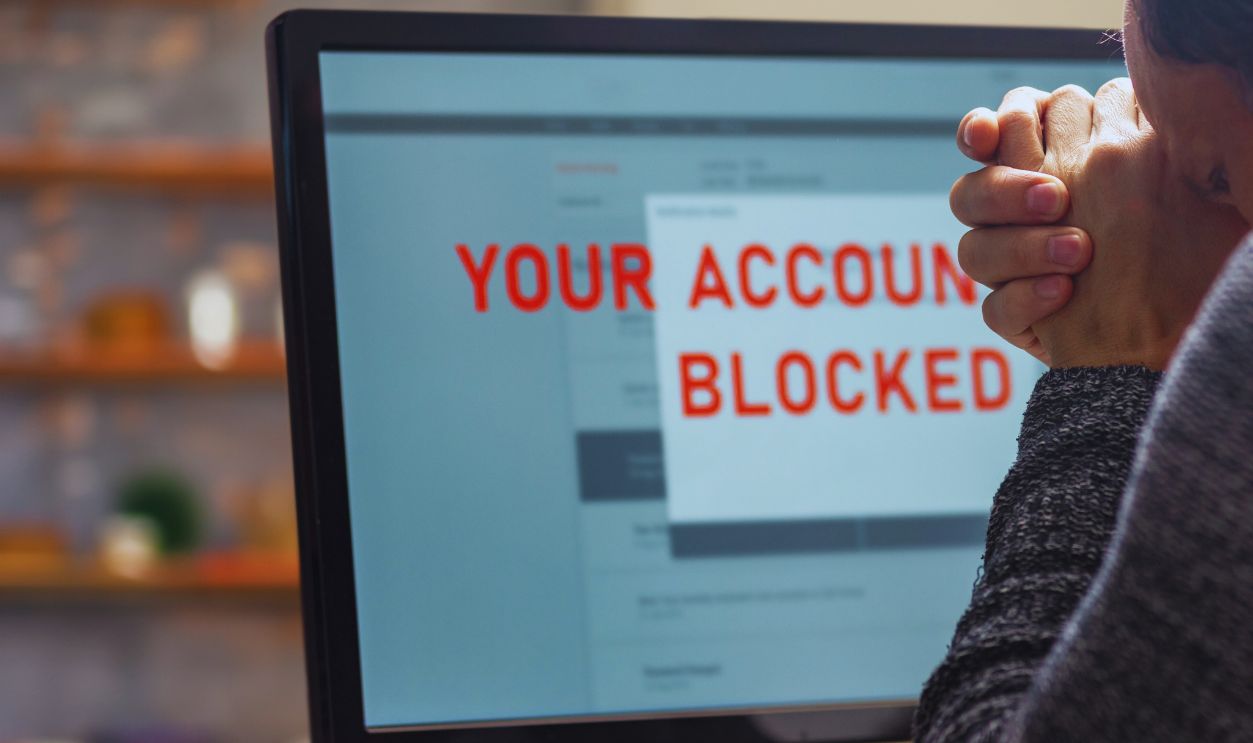
If the issue isn’t resolved quickly, your account may be restricted or frozen during the investigation. That can mean no withdrawals, no transfers, and even declined payments. Some people only realize something is wrong when their card suddenly stops working.
Bank account blockedDenys Kurbatov, Shutterstock

Advertisement

It can turn into a debt fast

If the money is already spent, the bank typically treats it as a debt you owe. That can come with repayment demands—and in some cases, additional costs may be added if the situation goes unresolved or is sent to collections.

1774853725f4af17bfdc67980b91a86add6f69b6681338c705.jpegMikhail Nilov, Pexels

Advertisement

You still have to pay it back

Spending the money doesn’t change anything. If you received $6,500 and used it, the bank will still expect the full amount back. At that point, it’s treated like a debt. If you can’t repay it right away, you may need a payment plan—or risk collections or legal escalation.

177485389676eb365d1bfb7761bc921c4b55f189913de6d345.jpegTima Miroshnichenko, Pexels

Advertisement

And it can hurt your credit

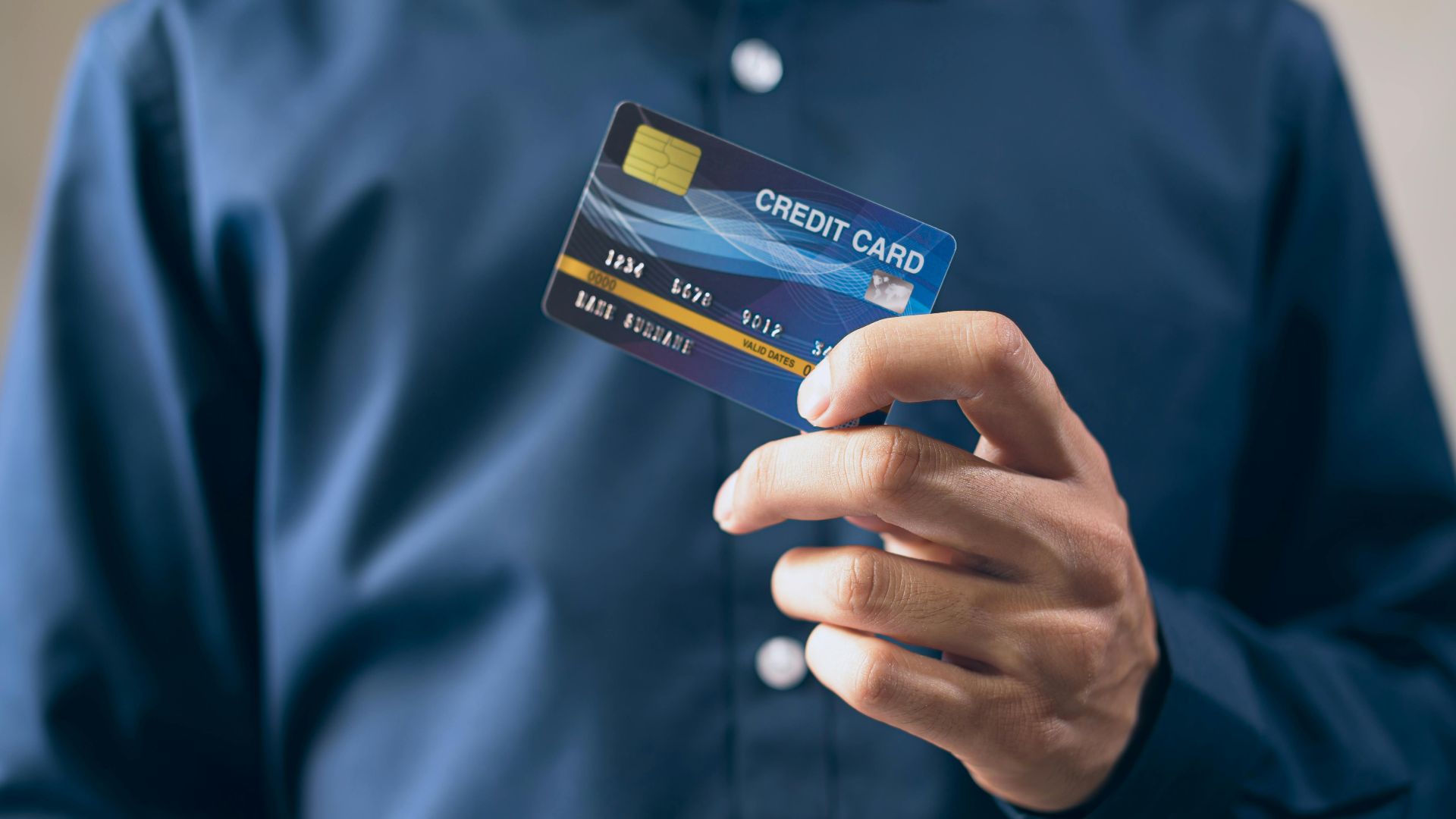
If the debt goes unpaid and gets sent to collections, it can stay on your credit report for up to 7 years. Collection agencies may also add fees or pursue further recovery.
1774853955e92050204b40b9041dc9ab5ee5c844682c832c99.jpegAukid phumsirichat, Pexels

Advertisement

This kind of ATM mistake does happen

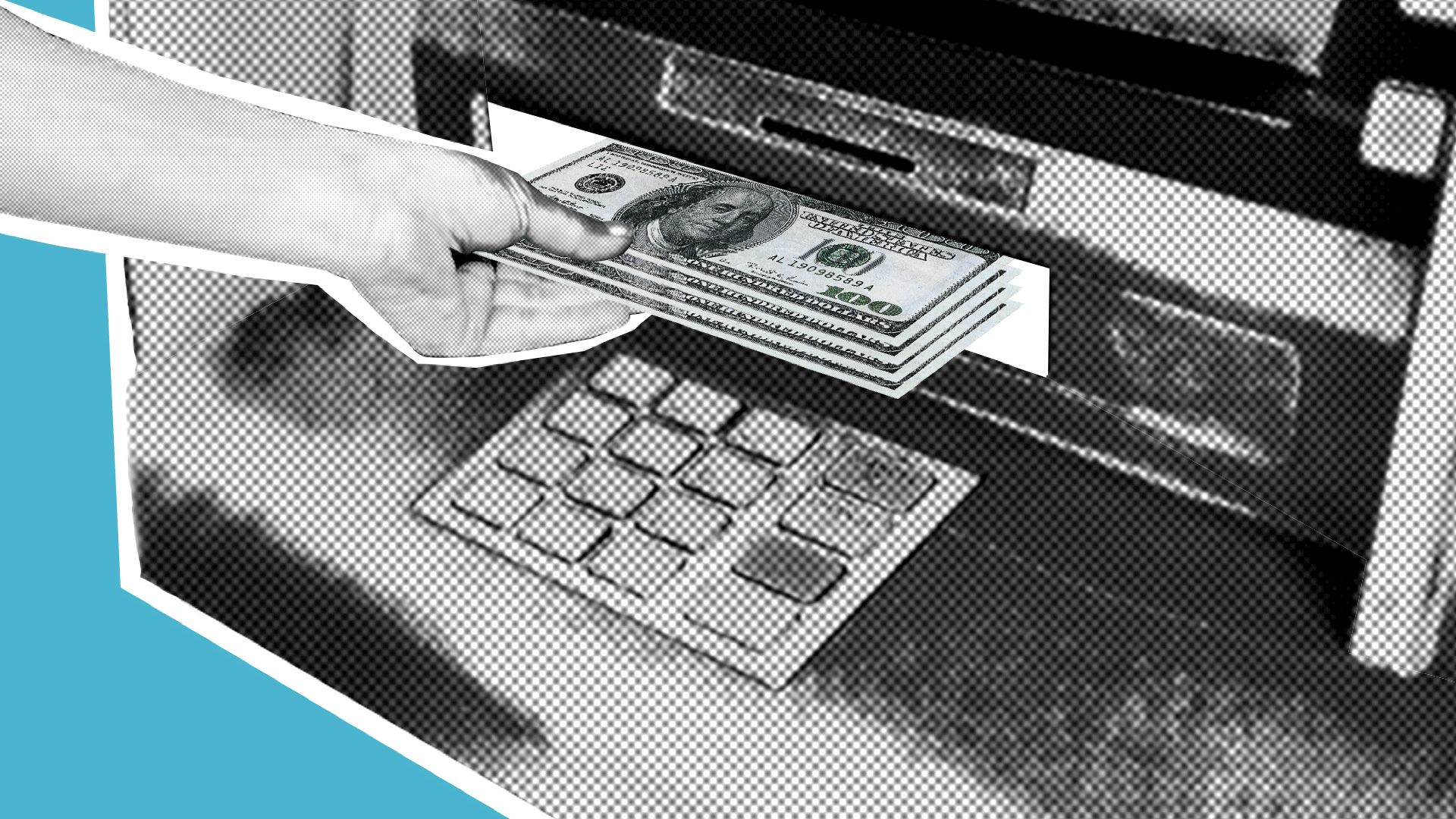
ATM errors are rare but real. One common issue is machines being loaded incorrectly—like dispensing $100 bills instead of $20s.
17748540106cf500bb90b72ab05ec6c71339b2708bcb605cfd.jpegMonstera Production, Pexels

But banks always catch it eventually

Between audits, tracking systems, and physical cash counts, missing thousands of dollars will be discovered. Banks are required to maintain strict internal controls, so even rare errors are investigated and corrected, sometimes weeks later.
177485408007fb2220145e600f49234cc5da593c810d4f825e.jpegJoaquin Carfagna, Pexels

Advertisement

If you act quickly, it usually stays a simple mistake

If you report the error right away or cooperate fully when contacted, banks typically treat it as a correction, not a crime. In many cases, there are no legal consequences, just repayment.

1774854137897547f27765f76187aa5cd5109ad65eeaf6ff8e.jpegMART PRODUCTION, Pexels

Advertisement

What you should have done instead

The safest move is to report the error immediately. Acting quickly shows good faith and usually prevents things from escalating.

177485425523d462519550773cdfc6fc8a27345d04c2ad6d9f.jpegMikhail Nilov, Pexels

Advertisement

What to do now that they’re calling

Don’t ignore the bank. Be honest and work with them. The sooner you deal with it, the better your chances of avoiding serious consequences.

1774854310ace60133e38fcca622de87b83f64ba012e3724e4.jpegAntoni Shkraba Studio, Pexels

Advertisement

The bottom line

It might feel like a lucky break, but it’s not free money. Keeping and spending an ATM error can lead to repayment demands, account restrictions, credit damage, added costs, and even legal trouble. That quick win can turn into a long-term headache fast.
A man uses an ATM on a dimly lit street at night, highlighting finance technology.Lorenzo Schiavi, Pexels

Advertisement

You Might Also Like:

I just got a letter from my bank saying my account activity looks suspicious, but I didn’t do anything wrong—what happens next?

I was told to deposit my cash in smaller amounts to avoid the $10,000 rule. Now I'm really worried—did I just make things worse?

Sources:  123


READ MORE

Why Wealth Determines Access to Marriage in Modern America

Marriage in America is increasingly a privilege of the financially secure as trends continue to change.

Marriage still carries cultural weight, but fewer Americans feel able to reach it. Financial pressure and widening inequality are quietly redefining who marries and when.
January 1, 2026 Marlon Wright

Managed vs. Self-Directed Investment Portfolios: Which Is Right For You?

Investing can be complicated, particularly if you're building your investment portfolio for the first time. Are you a passive investor, or do you want to be involved in the process? Let's explore whether managed or self-directed investing would be best for you.
July 1, 2025 Jack Hawkins
Internal - Power Bill Hack

Our power company was hacked and they delayed billing by 3 months to fix it. Now, my bill is over $1,000. Are they just guessing how much I owe?

Power bill delayed after a utility hack? Learn whether your electric company is estimating what you owe, how to read a catch-up bill, and what to do if a surprise $1,000 charge lands in your mailbox.
April 1, 2026 Jack Hawkins

My dad says I should always pay cash for houses. But my financial advisor says I need to get a credit card to apply for a mortgage. Who's right?

My dad says to always pay cash for a house, but my advisor says I need a credit card to get a mortgage. Here’s who’s right, how credit really works, and what future homebuyers should do.
April 1, 2026 Jack Hawkins
Financially worried woman

Everyday life is quietly becoming financially fragile for Americans, in small ways that add up fast.

The standard American dream is undergoing a silent, radical transformation, and before markets react, household finances often reveal economic trouble. Somehow, everyday decisions now carry more weight, and small missteps feel riskier than before.
January 1, 2026 Miles Brucker
Woman worried gold recession

My cousin says buying gold is the only way to protect your money right now. The economy has me worried, does he have a point?

When markets feel shaky, gold suddenly starts sounding like the answer to everything. It has a long history, it feels tangible, and it tends to get attention whenever inflation, recessions, or geopolitical stress are in the news. That’s probably why your friend is so confident about it right now. But “the only way” to protect your money is a much bigger claim than the evidence supports.
April 1, 2026 Miles Brucker


Disclaimer

The information on MoneyMade.com is intended to support financial literacy and should not be considered tax or legal advice. It is not meant to serve as a forecast, research report, or investment recommendation, nor should it be taken as an offer or solicitation to buy or sell any securities or adopt any particular investment strategy. All financial, tax, and legal decisions should be made with the help of a qualified professional. We do not guarantee the accuracy, timeliness, or outcomes associated with the use of this content.


Dear reader,


It’s true what they say: money makes the world go round. In order to succeed in this life, you need to have a good grasp of key financial concepts. That’s where Moneymade comes in. Our mission is to provide you with the best financial advice and information to help you navigate this ever-changing world. Sometimes, generating wealth just requires common sense. Don’t max out your credit card if you can’t afford the interest payments. Don’t overspend on Christmas shopping. When ordering gifts on Amazon, make sure you factor in taxes and shipping costs. If you need a new car, consider a model that’s easy to repair instead of an expensive BMW or Mercedes. Sometimes you dream vacation to Hawaii or the Bahamas just isn’t in the budget, but there may be more affordable all-inclusive hotels if you know where to look.


Looking for a new home? Make sure you get a mortgage rate that works for you. That means understanding the difference between fixed and variable interest rates. Whether you’re looking to learn how to make money, save money, or invest your money, our well-researched and insightful content will set you on the path to financial success. Passionate about mortgage rates, real estate, investing, saving, or anything money-related? Looking to learn how to generate wealth? Improve your life today with Moneymade. If you have any feedback for the MoneyMade team, please reach out to [email protected]. Thanks for your help!


Warmest regards,

The Moneymade team