

Oh, How The Times Have Changed...
Older American pantries were built for a different kind of household rhythm. They held foods that could survive storms, stretch paychecks, rescue last-minute dinners, and turn plain ingredients into something presentable for company.
Some of those staples are still around, but others now feel like relics from old cookbooks, church suppers, farm kitchens, and wartime cupboards. Younger generations might recognize the words, but many would have no idea why these things once belonged on a normal pantry shelf.
 ЮРИЙ ПОЗДНИКОВ, Adobe Stock Images, Modified
Chipped Beef In A Jar
Chipped beef was once a reliable pantry protein, especially for creamed chipped beef on toast. The dried, salty slices came packed in small jars and could wait on the shelf until needed. Older families knew it as a quick meal starter. Younger generations may only know the dish from old jokes, if they know it at all.

Pickled Pig’s Feet
Yes. Pickled pig's feet.
Pickled pig’s feet once appeared in jars at grocery stores, taverns, and home pantries, especially in communities that valued using every part of the animal. They were salty, gelatinous, and practical in an era when preserved foods mattered. Many younger shoppers would be startled to see them treated as a normal snack.

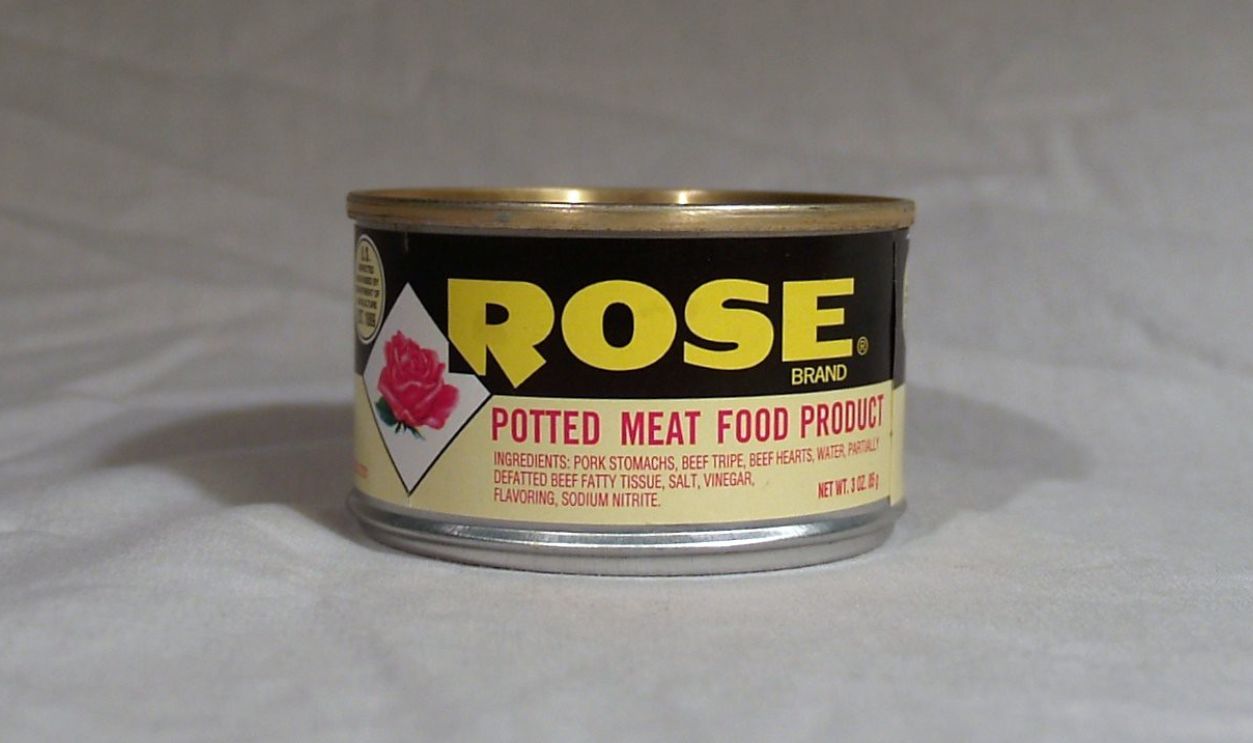
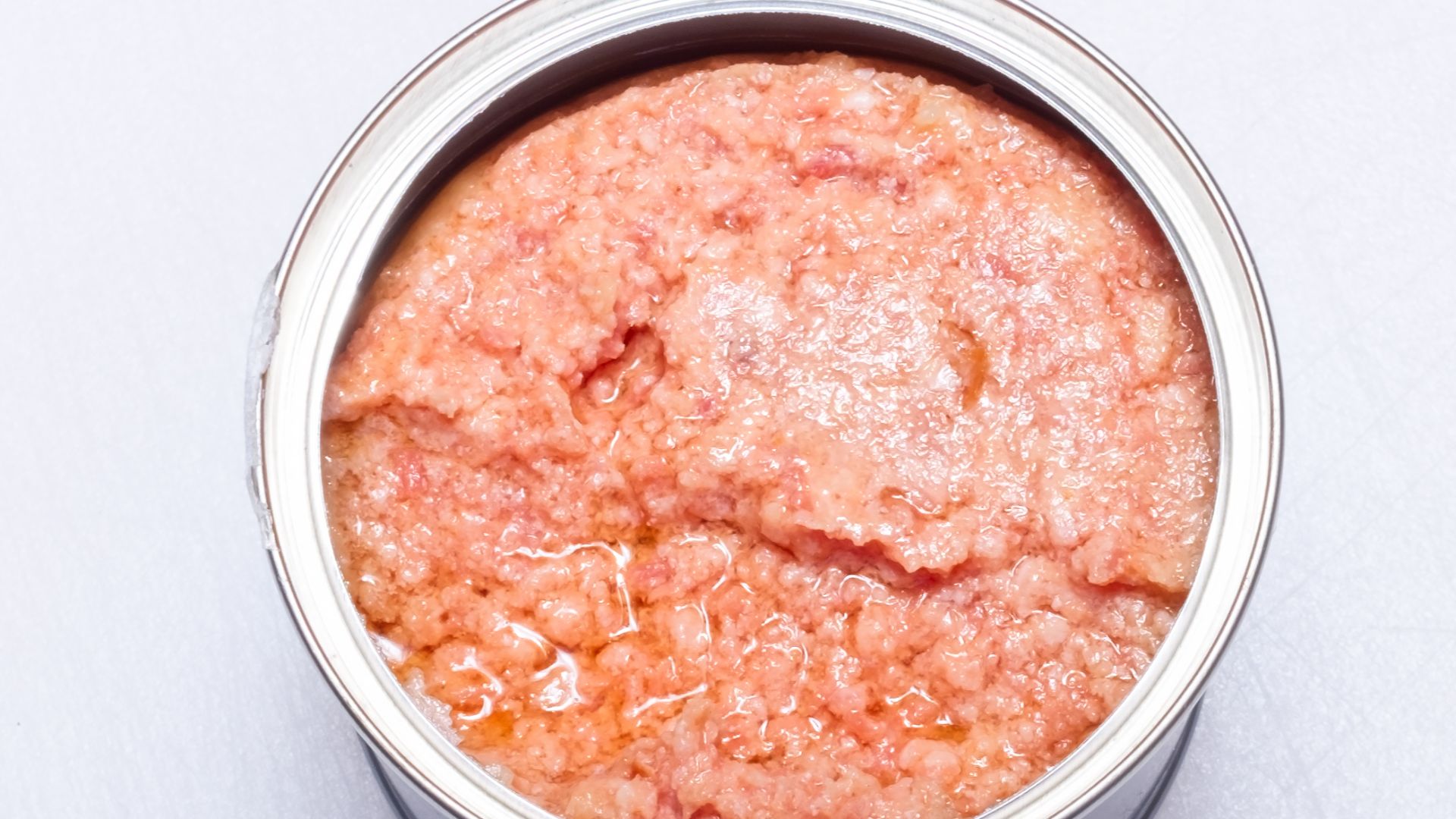
Potted Meat
Potted meat was inexpensive, spreadable, and shelf-stable, which made it useful for sandwiches, crackers, camping, and emergency meals. The little cans were part of a pantry culture that valued durability over glamour. Younger eaters raised on refrigerated dips and deli containers might find the texture and concept hard to understand.
Deviled Ham Spread
Small tins of deviled ham once offered instant sandwich filling or party spread. It could also be home made. It was seasoned, salty, and convenient at a time when canned meats solved real kitchen problems. Younger generations might recognize “deviled eggs,” but deviled ham as a pantry staple feels like something from a mid-century lunchbox.
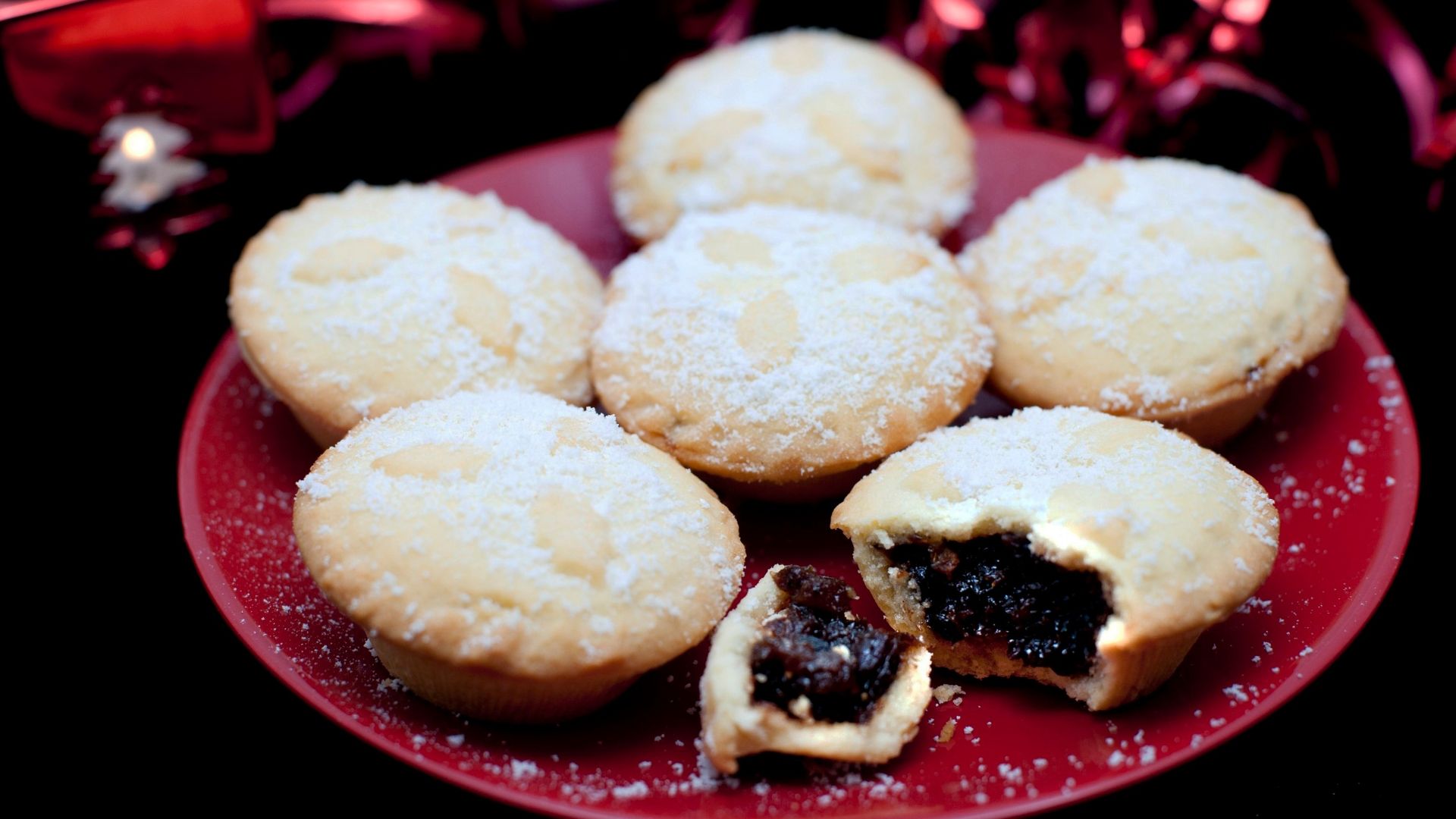
Mince Pie Filling
Mince pie filling used to be a recognizable holiday pantry item, even when families argued about whether they liked it. Its mixture of fruit, spices, and old suet-based traditions could confuse anyone expecting “mince” to mean ground meat. To many younger people, the jar seems mysterious before it even reaches a pie crust.
 christmasstockimages.com, Wikimedia Commons
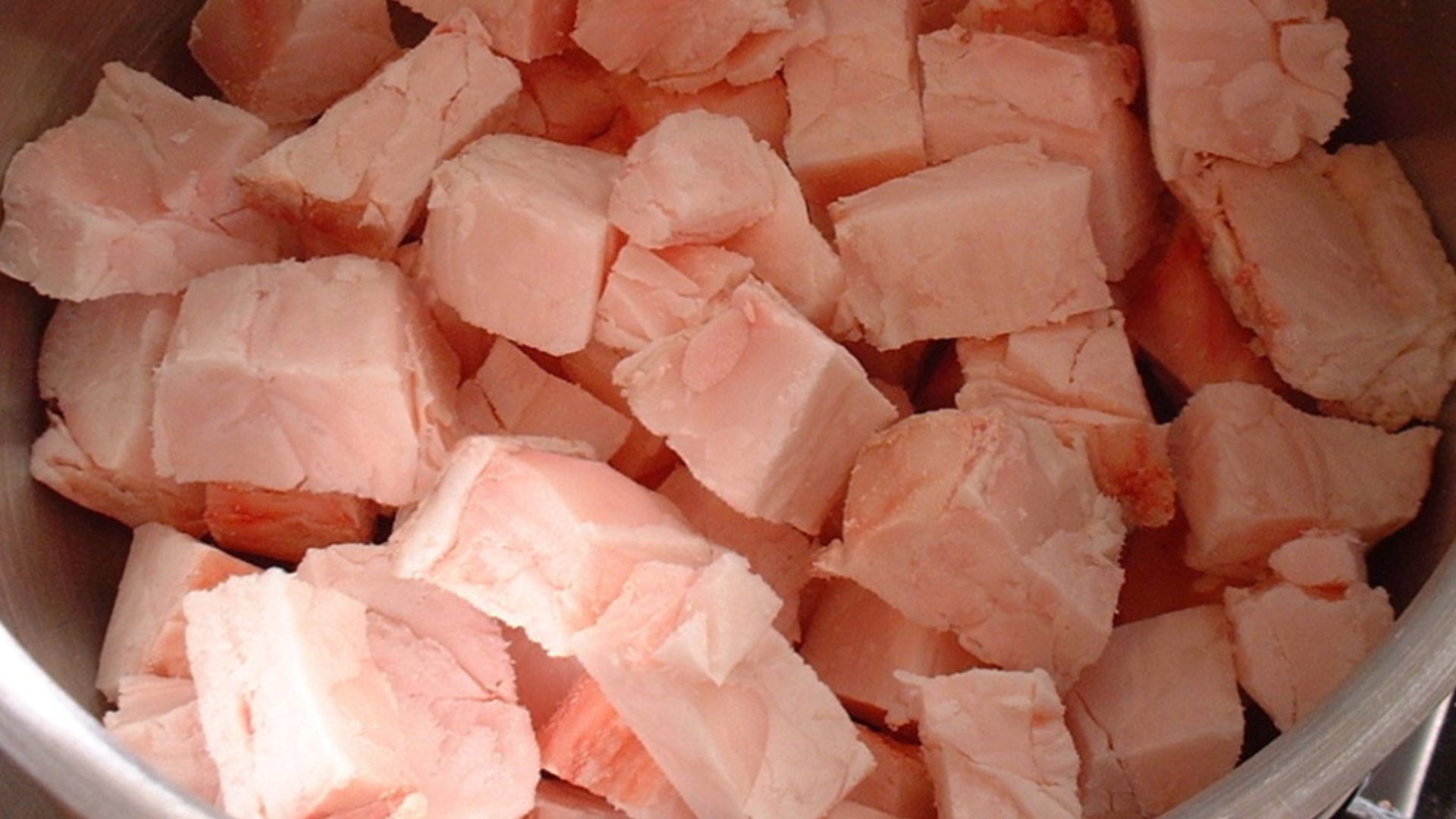
Suet
Suet once had a regular place in baking and old-fashioned holiday cooking. Families used it in puddings, mincemeat, dumplings, and certain traditional pastries. Younger cooks might know butter, shortening, and oil, but a hard animal fat kept for dessert recipes would strike many of them as baffling.
 FotoosvanRobin, Wikimedia Commons
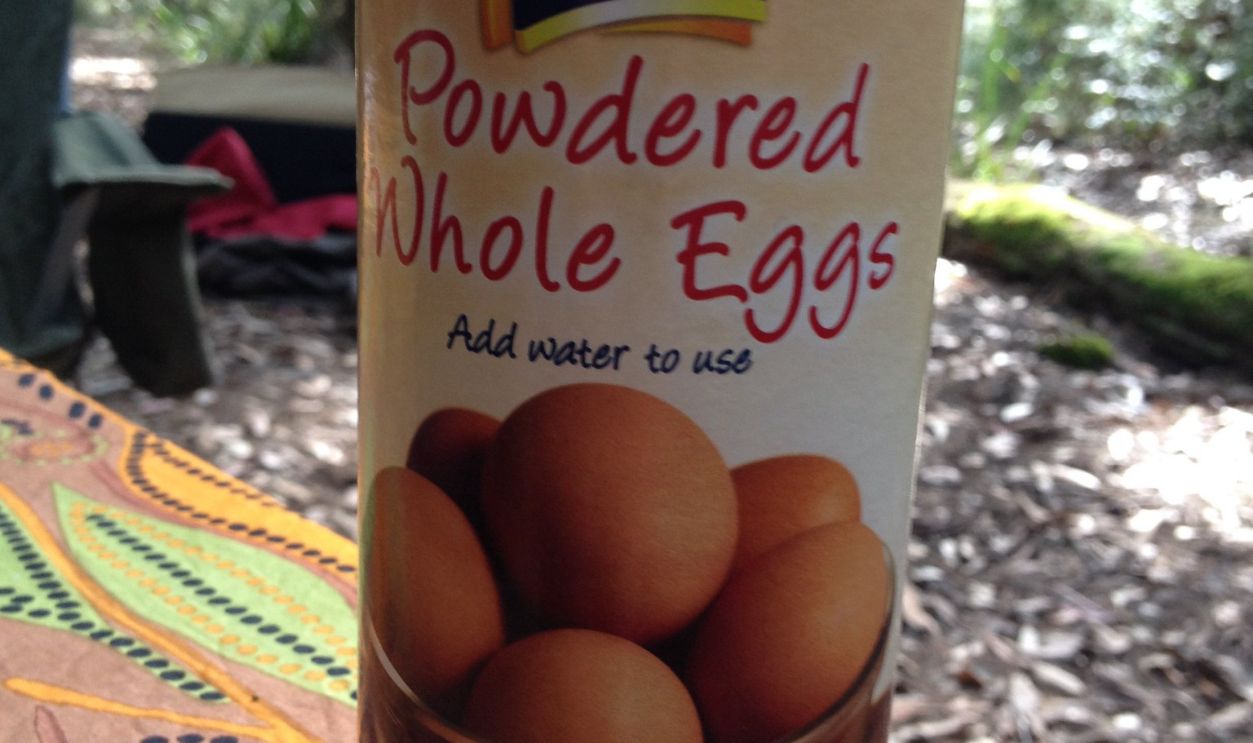
Powdered Egg Substitute
Powdered eggs were practical during wartime, camping, institutional cooking, and emergency storage. Families used them when fresh eggs were scarce, costly, or inconvenient. Today, many younger people would associate powdered eggs with survival kits or hotel buffets, not a sensible household backup.
Powdered Milk
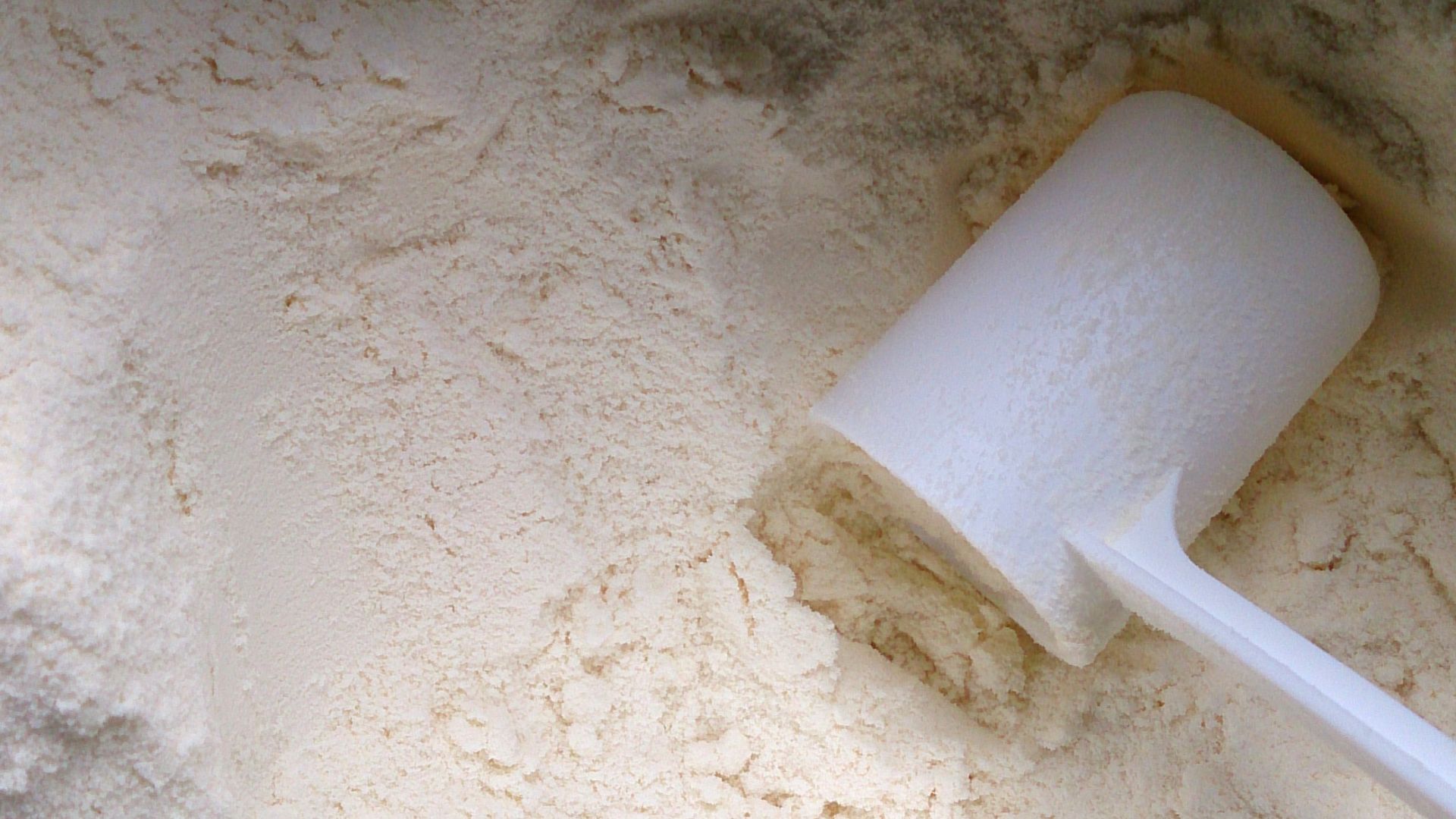
Powdered milk was not glamorous, but it was useful. Families kept it for baking, emergencies, camping, stretching fresh milk, or getting through lean weeks. Younger generations surrounded by fresh milk, oat milk, almond milk, and specialty creamers might see a box of dry milk powder as disaster supplies rather than groceries.
 ProjectManhattan, Wikimedia Commons
Powdered Custard Mix
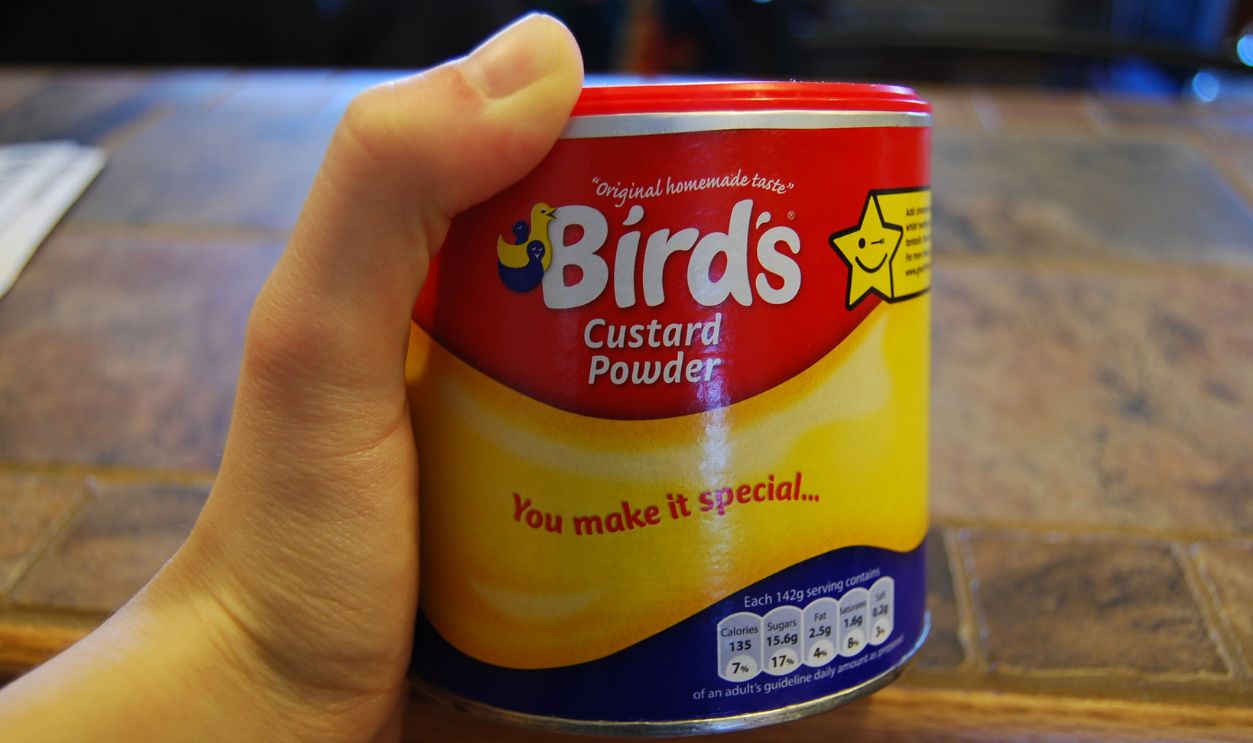
Powdered custard mix helped families make puddings, pie fillings, trifles, and simple desserts without starting from scratch. It belonged to a kitchen era that prized convenience but still expected home assembly. Younger shoppers may buy ready-made pudding cups, but powdered custard feels like a half-forgotten bridge between scratch cooking and packaged dessert.
Junket Tablets
Junket tablets were used to set milk into custards and rennet desserts. Older recipe books often assumed home cooks understood what they were and how to use them. Younger generations might see the word “junket” and have no idea whether it is food, medicine, or some kind of school trip.

Powdered Gelatin For Savory Molds
Plain gelatin was once much more than a dessert ingredient. Families used it to suspend vegetables, meat, seafood, and eggs in molded salads or aspics. Younger people may understand fruit gelatin, but a shimmering savory mold on a dinner table can feel like a culinary transmission from another century.
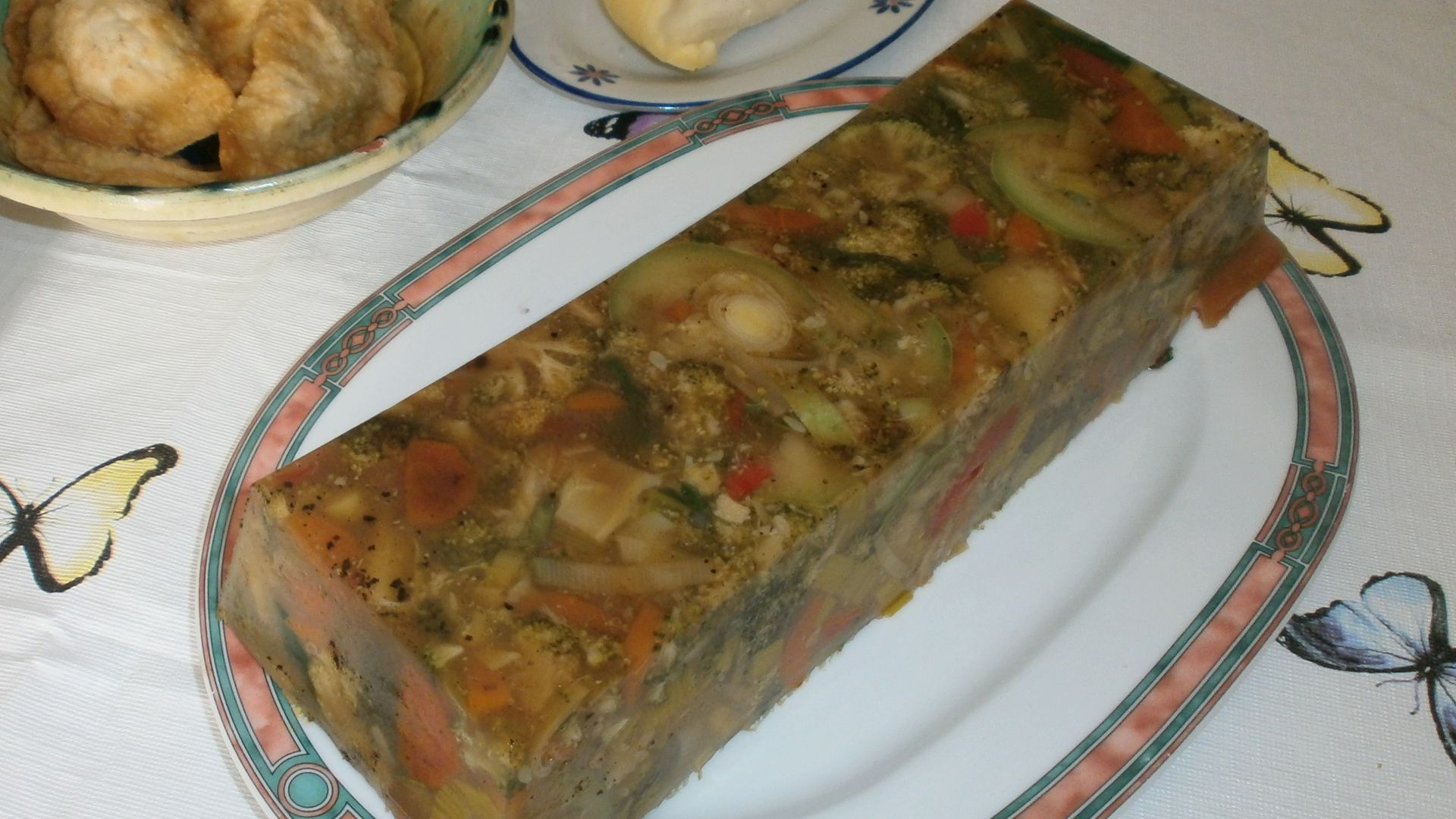
Aspic Mix
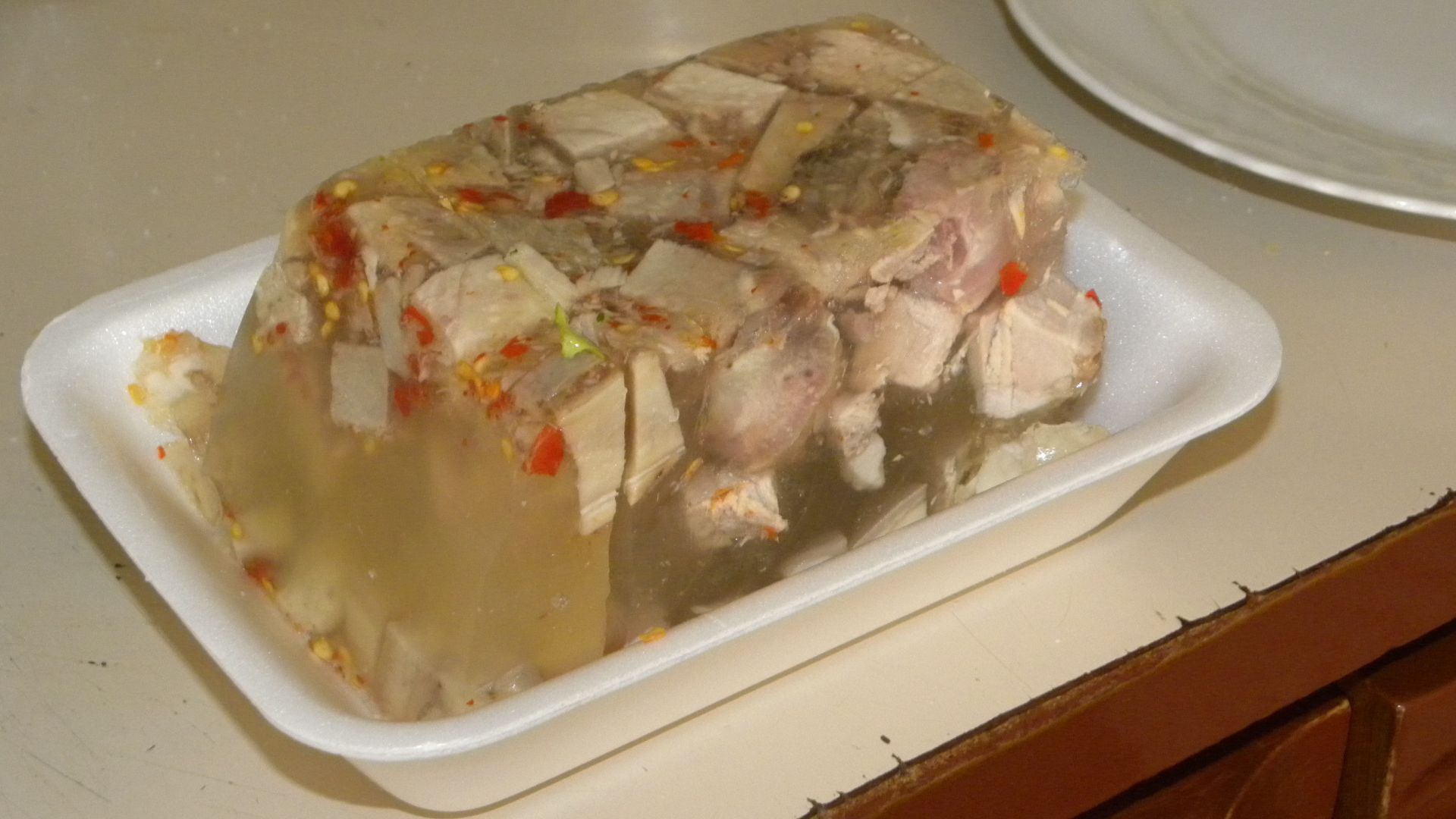
Aspic was a savory jelly used to encase meats, vegetables, or salads for presentation and preservation. It appeared in cookbooks, entertaining guides, and formal meals. Younger generations accustomed to fresh salads and charcuterie boards might find the idea of dinner trapped in clear meat jelly deeply confusing.
 El Caminito, Wikimedia Commons
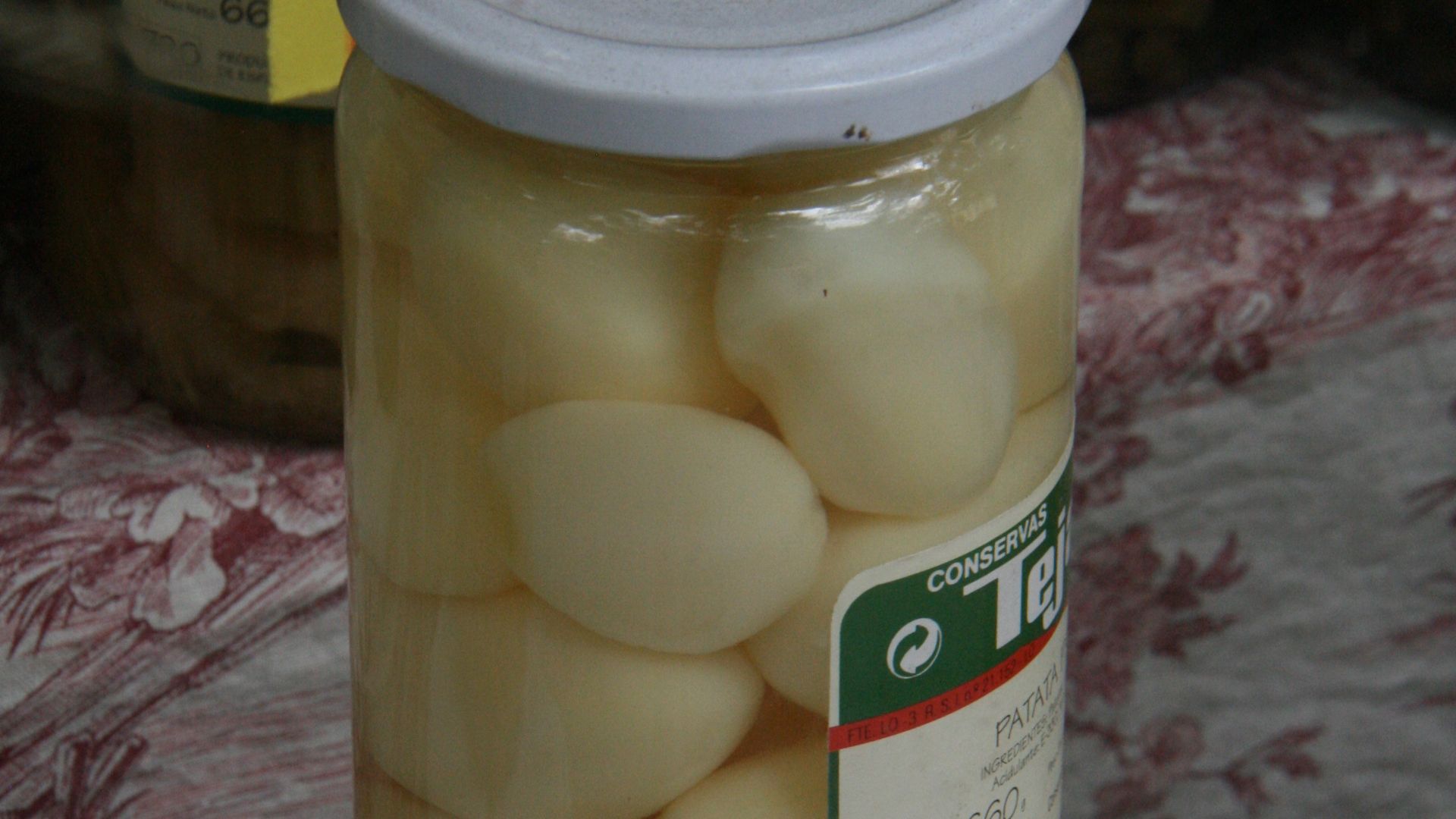
Canned Whole Potatoes
Canned whole potatoes once made sense as a fast, shelf-stable side dish. They could be fried, added to stews, or heated when fresh potatoes were gone. Younger shoppers may wonder why potatoes needed to be canned at all, which is exactly why they feel like a pantry relic.
Canned Wax Beans
Wax beans were once common in canned vegetable sections and three-bean salads. Their pale yellow color and soft texture were familiar to older households. Younger generations may recognize green beans, but canned wax beans feel far less obvious, especially outside old salad recipes and church supper tables.

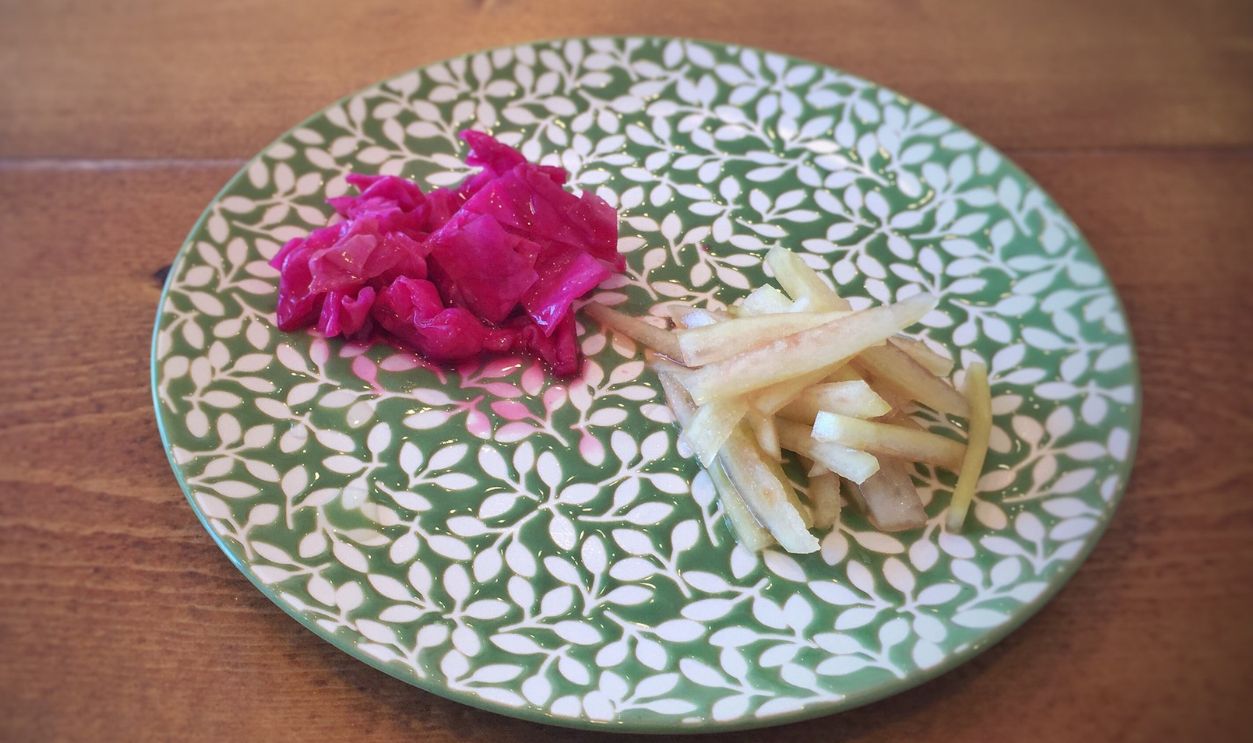
Pickled Watermelon Rind
Pickled watermelon rind turned scraps into something sweet, tangy, and shelf-stable. It reflected a kitchen culture that wasted very little and preserved seasonal abundance. Many younger people would never think of eating the rind at all, much less keeping jars of it for relish trays and holiday meals.
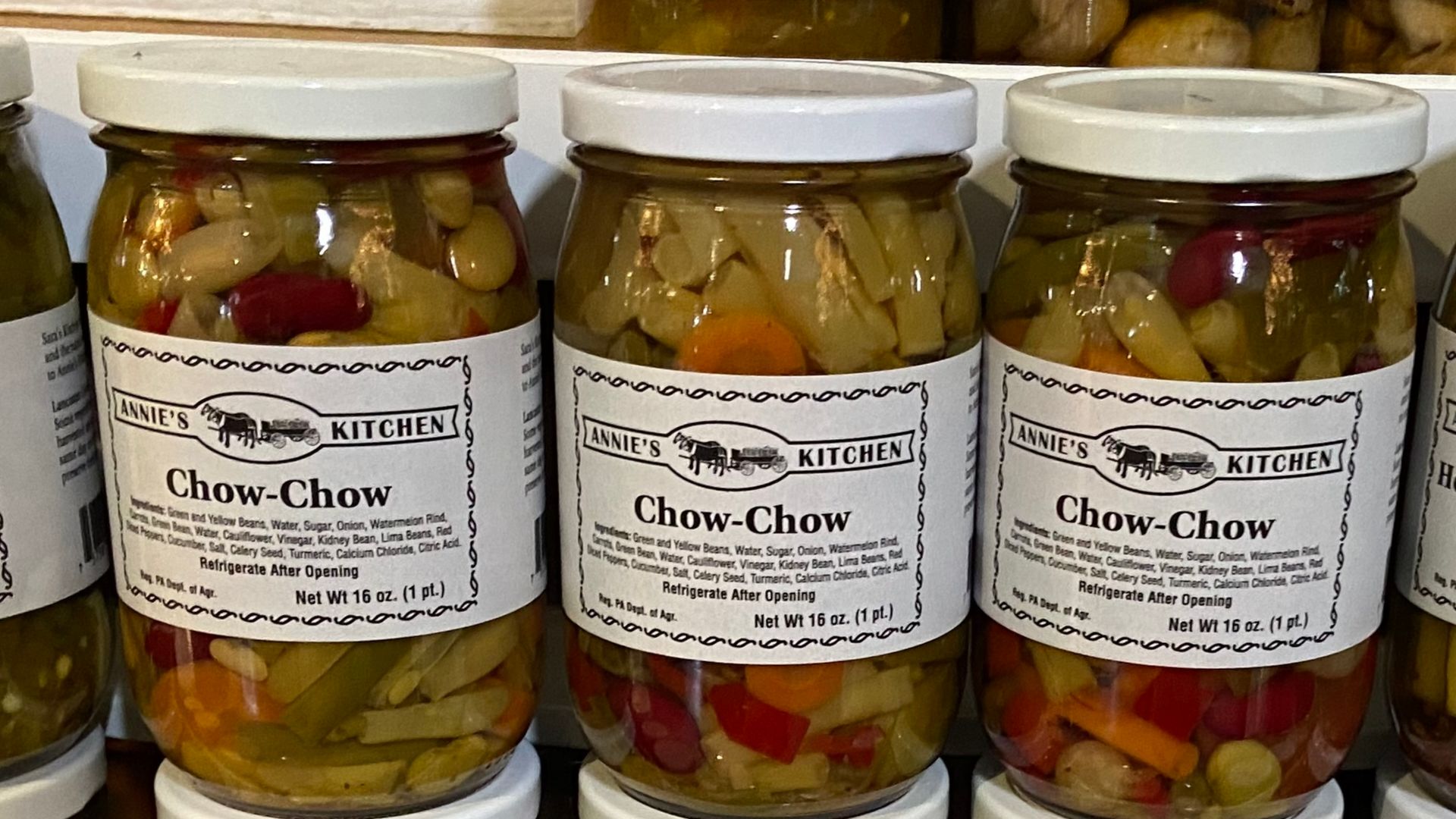
Chow-Chow Relish
Chow-chow was a chopped pickled relish made from vegetables such as cabbage, green tomatoes, peppers, and onions. It brightened beans, meats, sandwiches, and plain suppers. Younger generations may know salsa and hot sauce, but a jar of chow-chow can seem like a regional code from older Southern and rural kitchens.
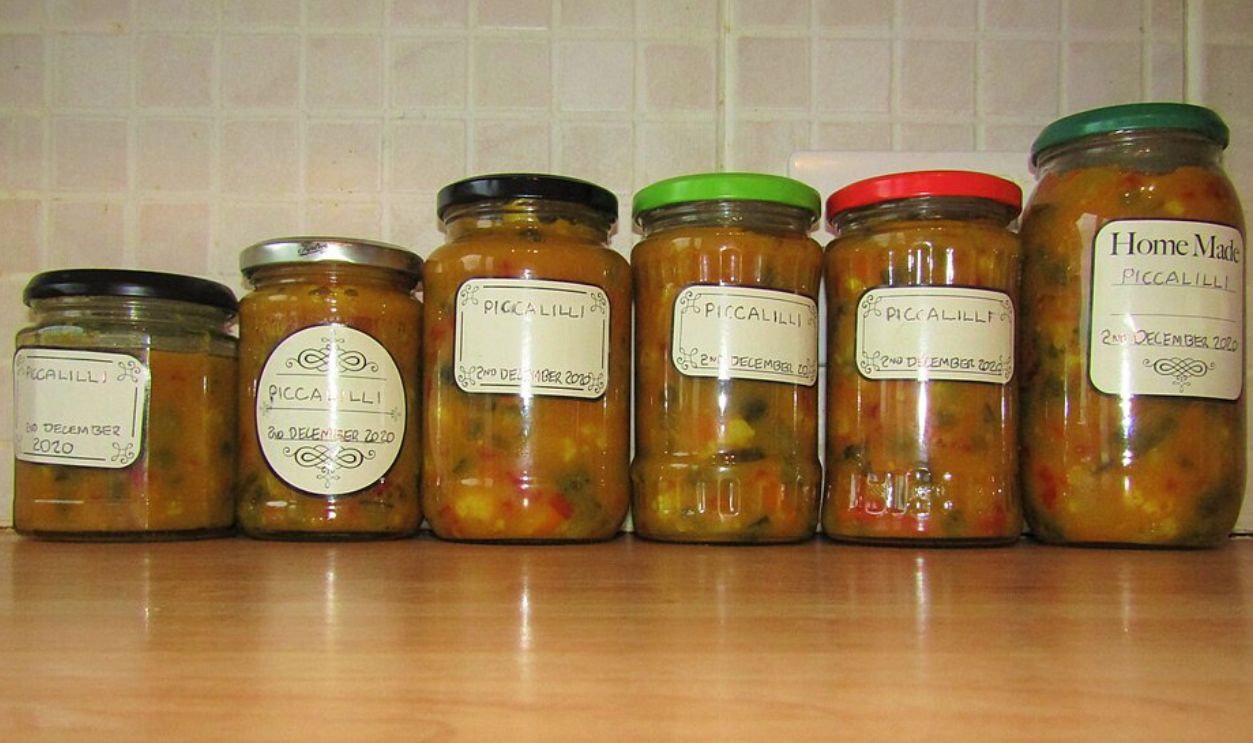
Piccalilli
Piccalilli was another tangy relish that once appeared beside cold meats, sandwiches, and pantry meals. Its mustardy bite and chopped vegetables made simple food more interesting. Younger shoppers might pass it without knowing whether it is a condiment, a pickle, or a word somebody made up.
 Kolforn (Wikimedia), CC BY-SA 4.0, Wikimedia Commons
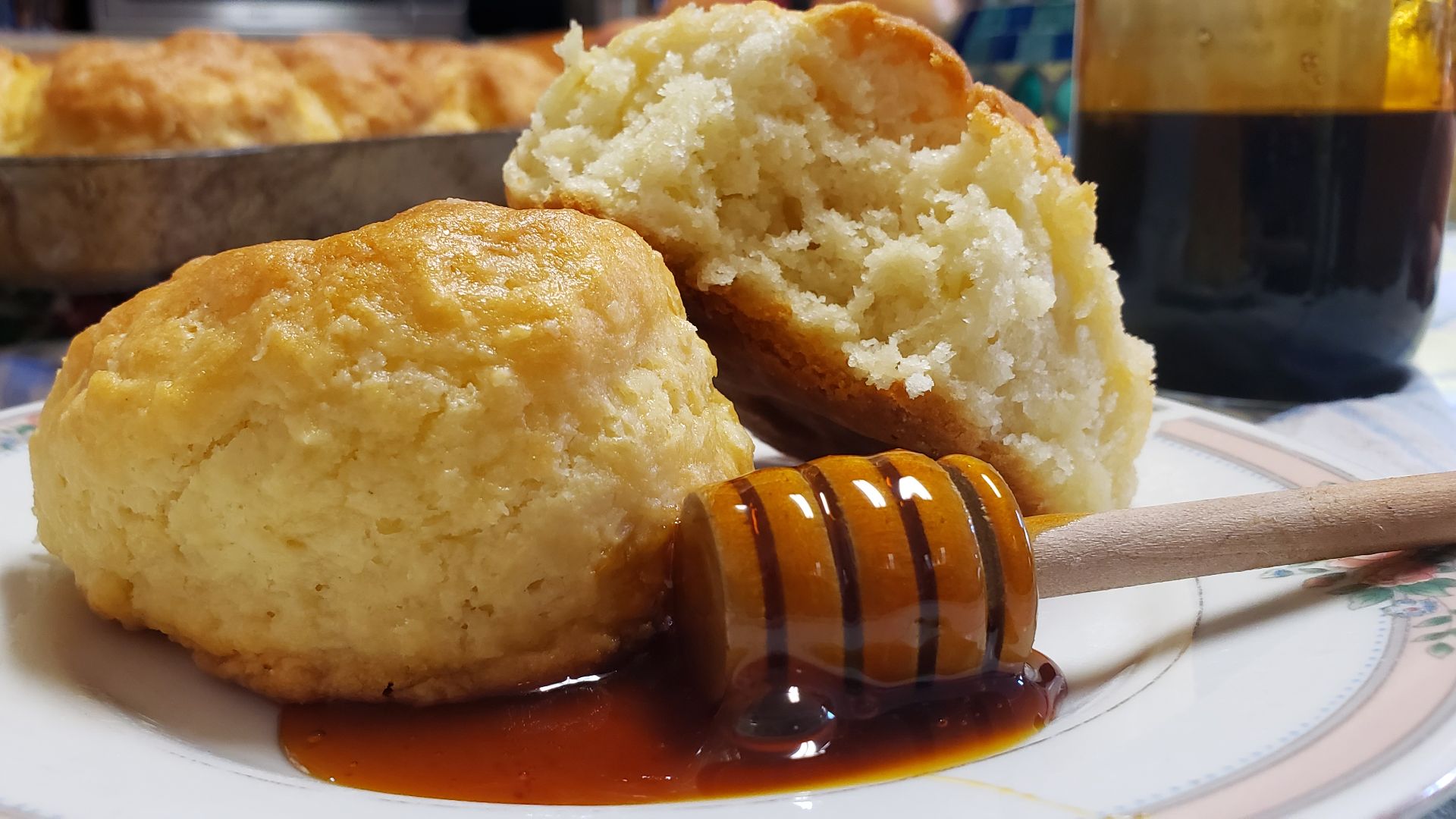
Sorghum Syrup
Sorghum syrup was a familiar sweetener in many rural and Southern households. Families poured it on biscuits, cornbread, pancakes, or used it in baking. Younger generations outside those regions might not know whether it belongs with molasses, maple syrup, or antique farm tools.
 Georgiabrown24, Wikimedia Commons
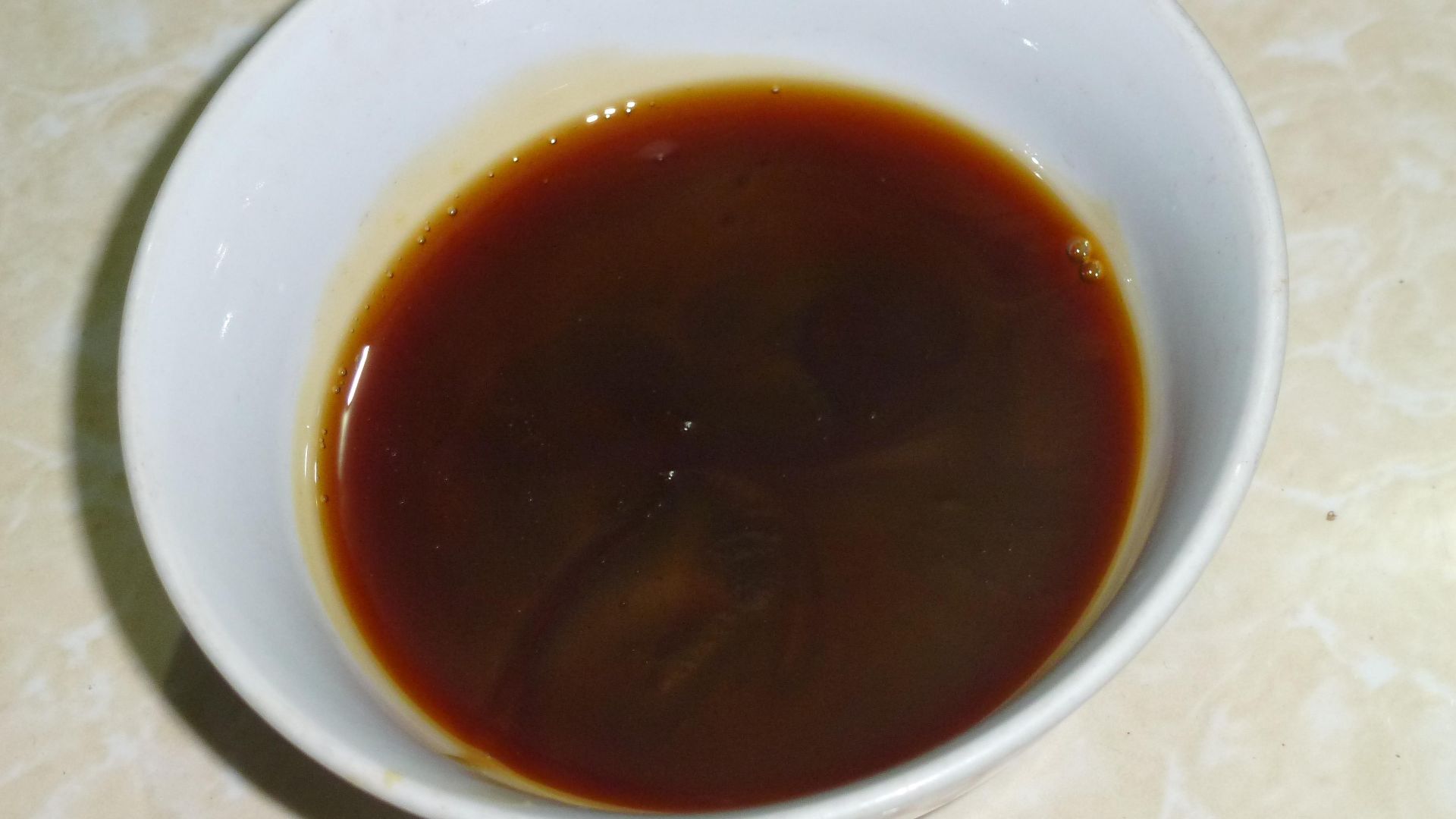
Cane Syrup
Cane syrup once had a strong place in parts of the South as a breakfast and baking sweetener. It carried a deep flavor and a sense of local tradition. Younger shoppers may recognize maple syrup and honey more easily, but ribbon cane syrup feels far more tied to older regional pantries.
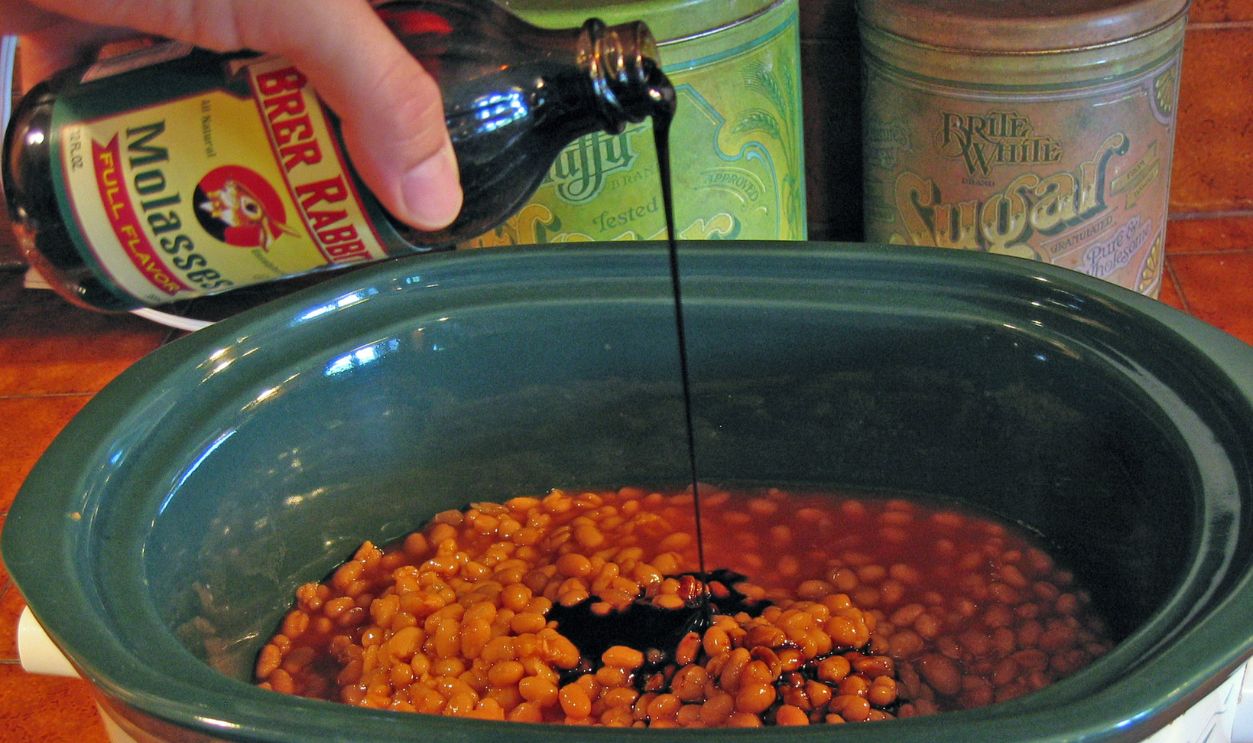
Molasses
Molasses itself is still recognizable, but older brands and everyday uses feel much less familiar now. Families once used dark molasses in baked beans, gingerbread, brown bread, cookies, and winter desserts. Younger cooks may only buy it for one holiday recipe, then leave the bottle untouched for years.
Corn Syrup For Candy Making
Corn syrup used to be a routine home-baking ingredient for candies, pecan pies, frostings, and glossy fillings. It was something families kept because homemade sweets were part of the household calendar. Younger cooks may associate corn syrup with processed food debates, not with someone making divinity or pralines in the kitchen.
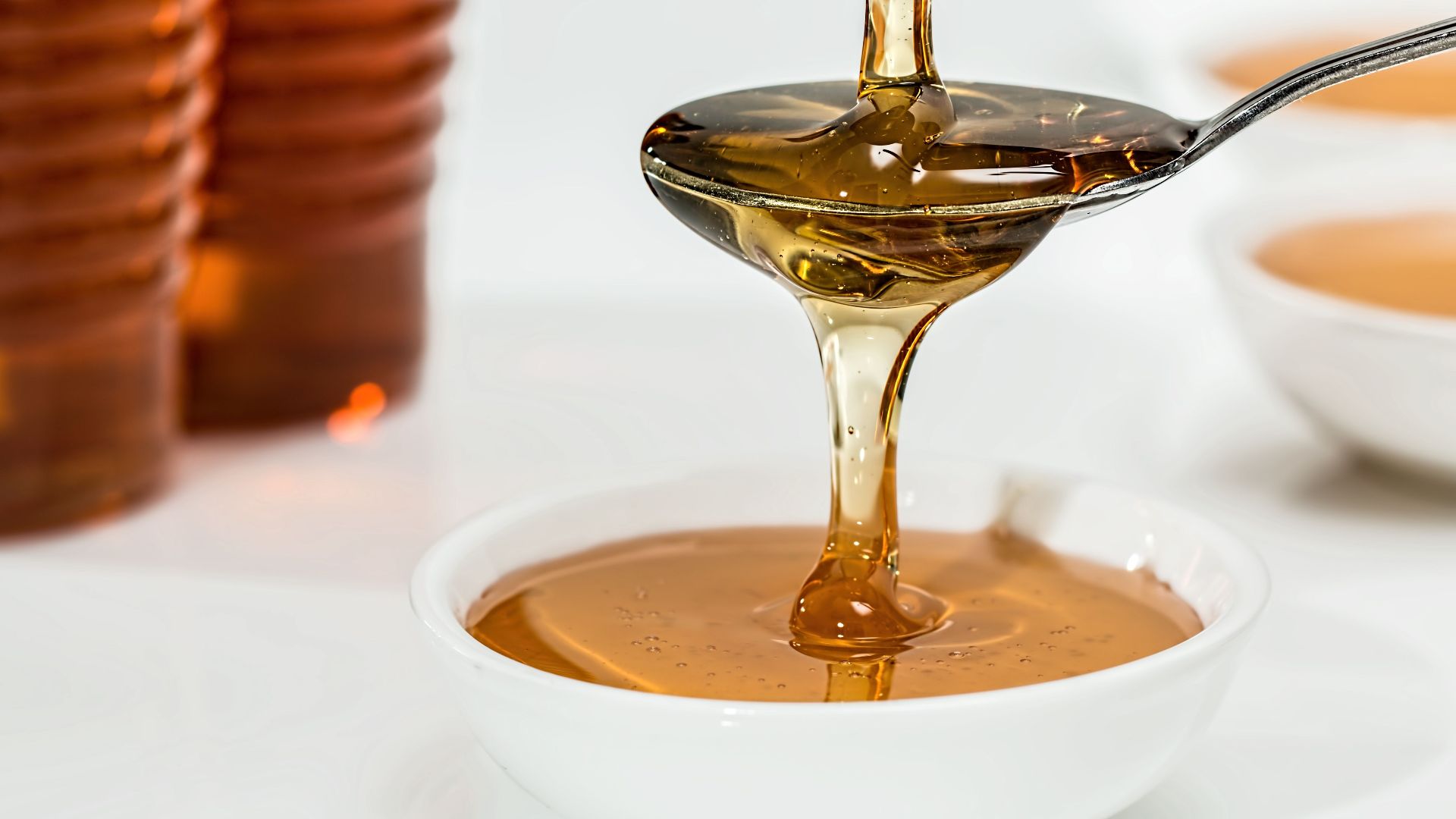
Imitation Maple Flavoring
Brands of flavorings helped families make imitation maple syrup at home. A small bottle could turn sugar syrup into something breakfast-worthy when real maple syrup was too expensive. Younger generations may understand artificial flavoring, but the idea of mixing your own pancake syrup from flavor drops feels distinctly old-fashioned.

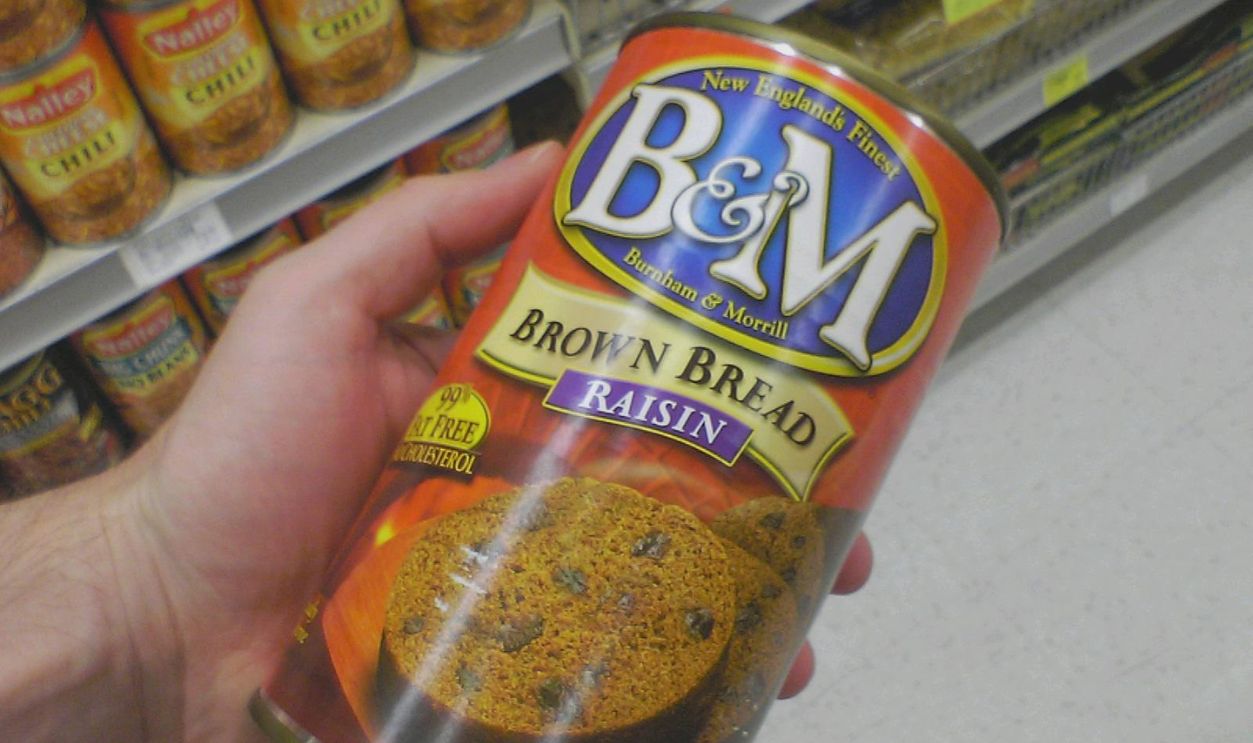
Canned Brown Bread
Canned brown bread, especially in New England, was once a real pantry item. The round loaf came out of the can ready to slice and serve with beans or simple meals. Younger generations might assume bread in a can is a novelty product, not something families once kept for supper.
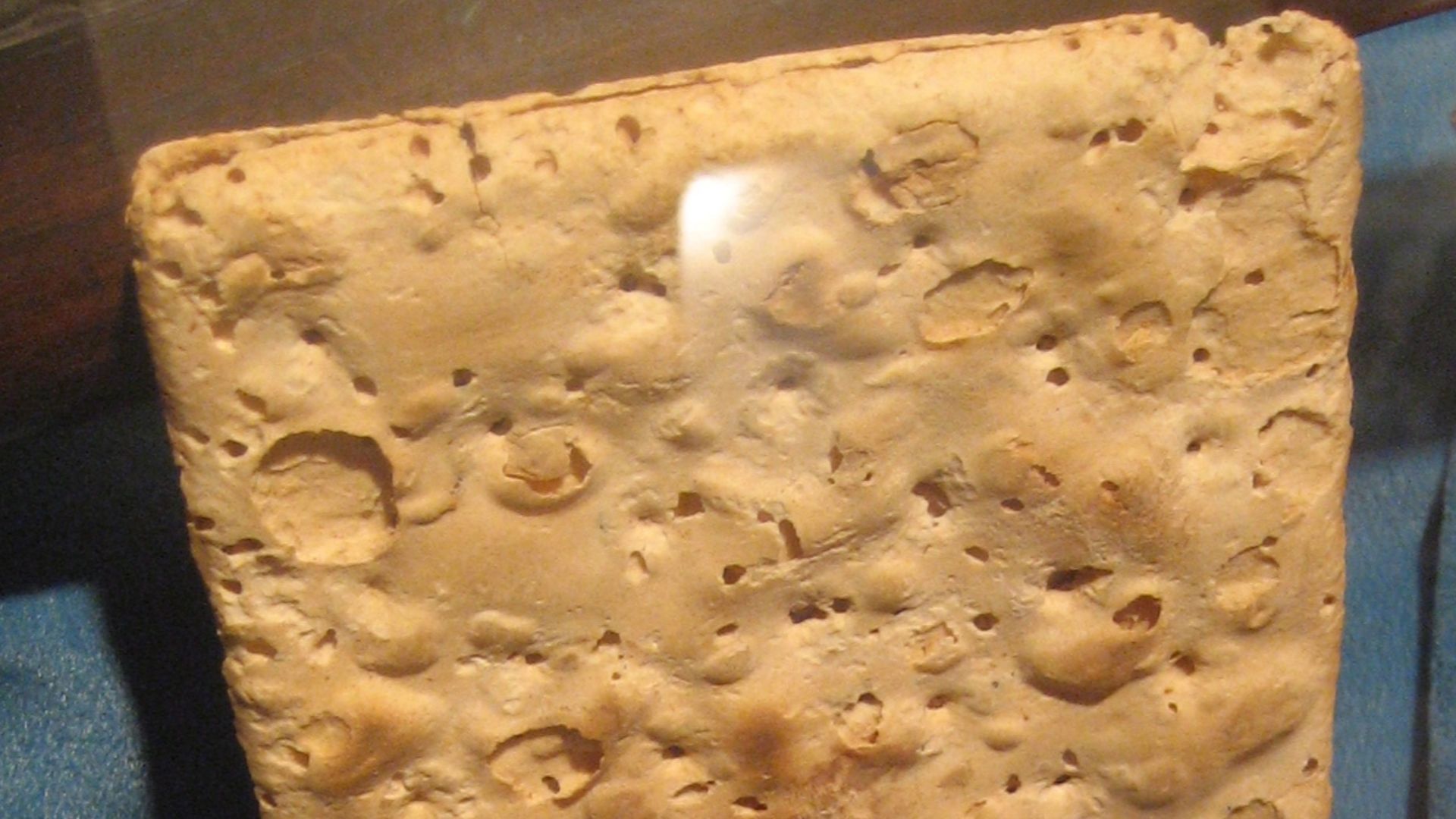
Hardtack
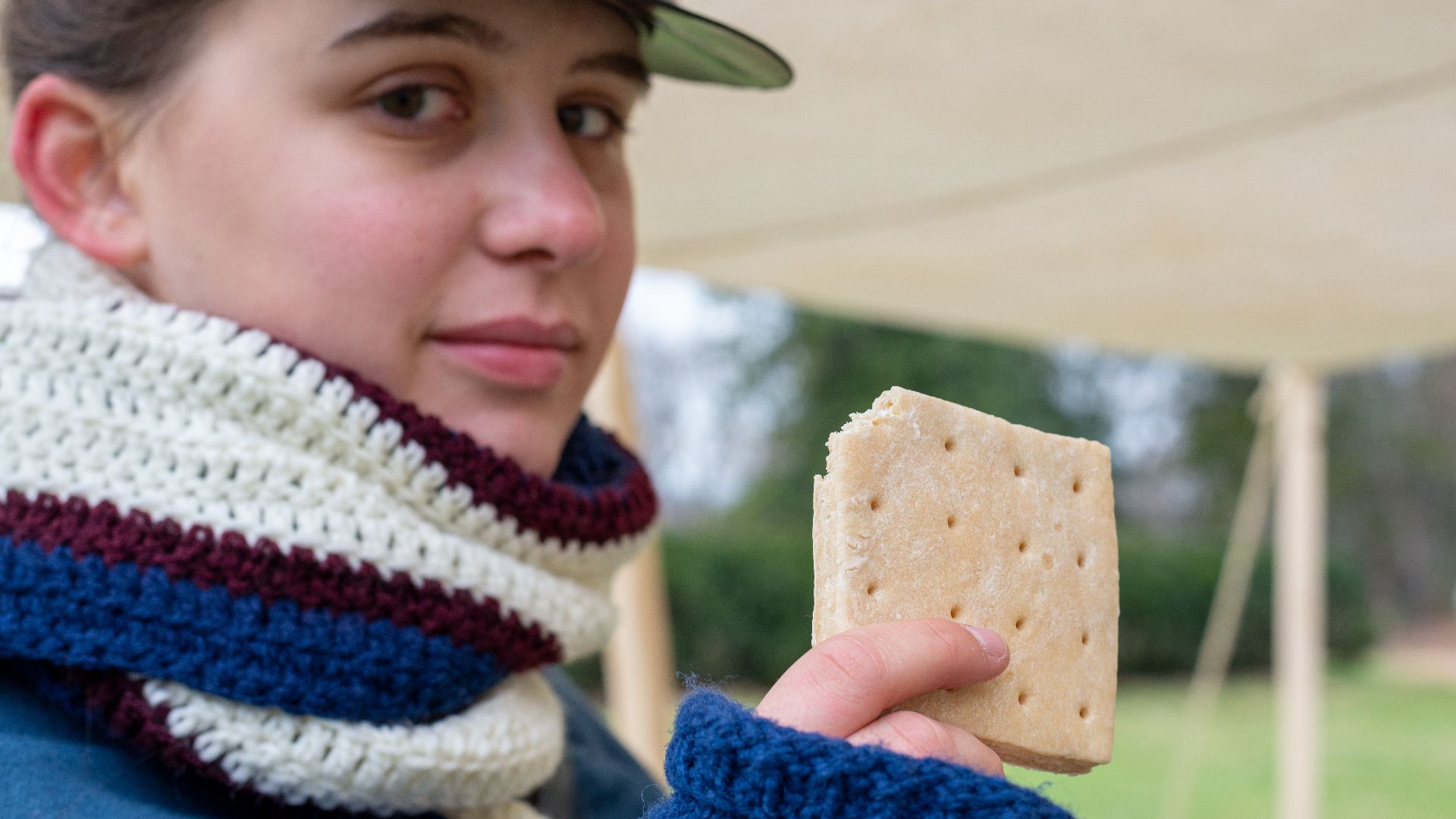
Hardtack was simple, dry, and nearly indestructible. It belonged more to military, frontier, and emergency food traditions than modern snacking. Older families and institutions understood its usefulness, but younger generations would probably see it as a historical prop rather than something anyone expected to eat.
 Infrogmation of New Orleans, Wikimedia Commons
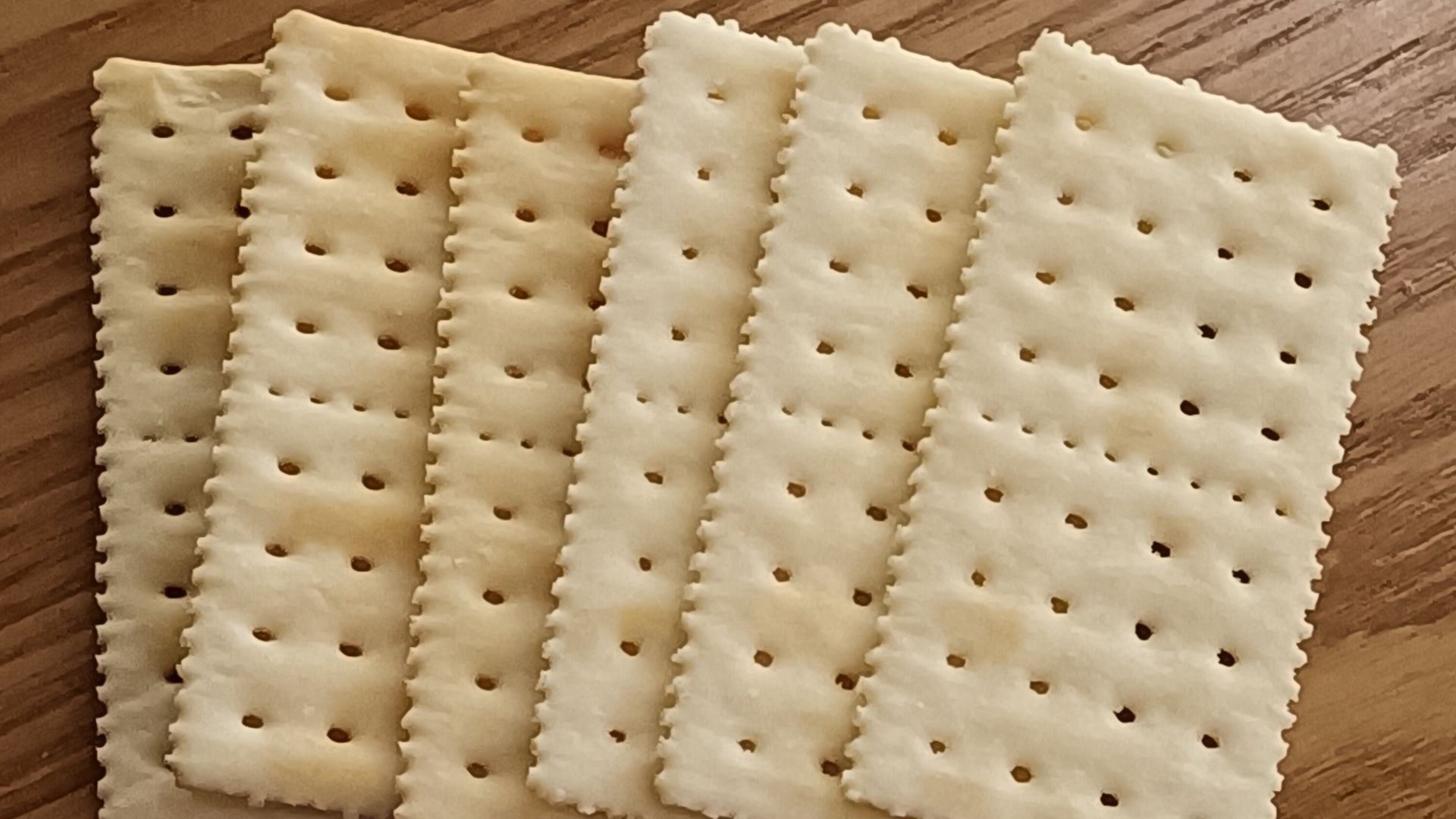
Soda Crackers In A Tin
Plain soda crackers once did more work than modern snack crackers usually do. They went with soup, stretched meatloaf, topped casseroles, soothed upset stomachs, and became emergency food. Keeping them in a tin helped them stay crisp. Younger people may recognize crackers, but not their old role as pantry infrastructure.
 Francois Nguyen, Wikimedia Commons
Pearl Tapioca
Pearl tapioca was once a familiar dessert ingredient, especially for puddings. It required soaking, patience, and a taste for a texture that not everyone loved. Younger generations may know bubble tea, but old-fashioned tapioca pudding made from pantry pearls is a very different kind of chewy nostalgia.
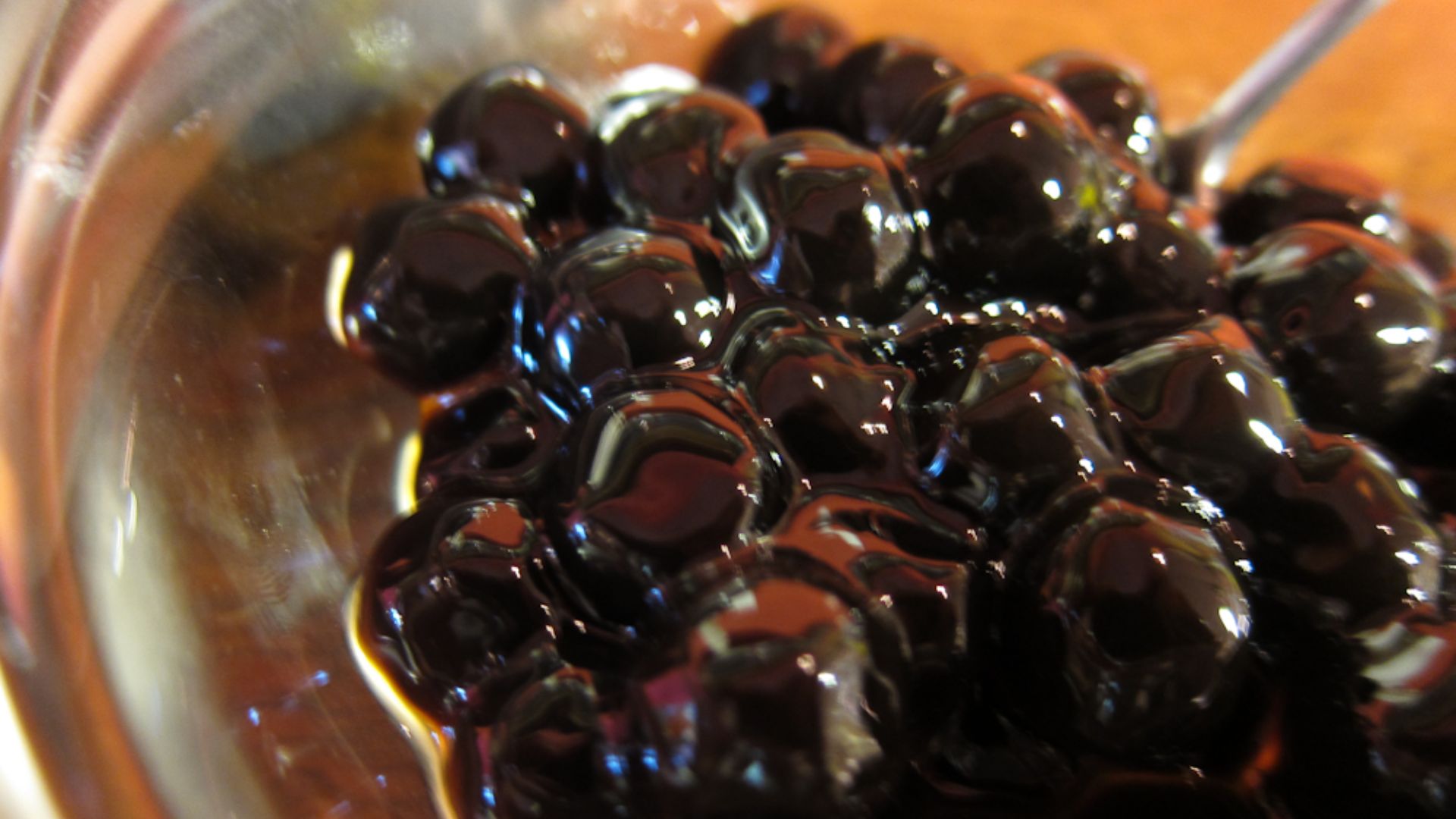
Whip-Style Dessert Topping Mix
Powdered whipped topping mix once made desserts feel special without needing fresh cream. Families used it for pies, gelatin salads, puddings, and layered desserts. Younger generations may know aerosol whipped cream or frozen whipped topping, but a packet that turns into dessert topping with milk and a mixer feels more obscure.

Canned Pie Filling For Emergency Dessert
Canned pie filling is still sold, but its old role was bigger. It meant a pie, cobbler, dump cake, or company dessert could appear with almost no warning. Younger generations may see it as occasional baking shortcut, while older families treated it as dessert insurance.
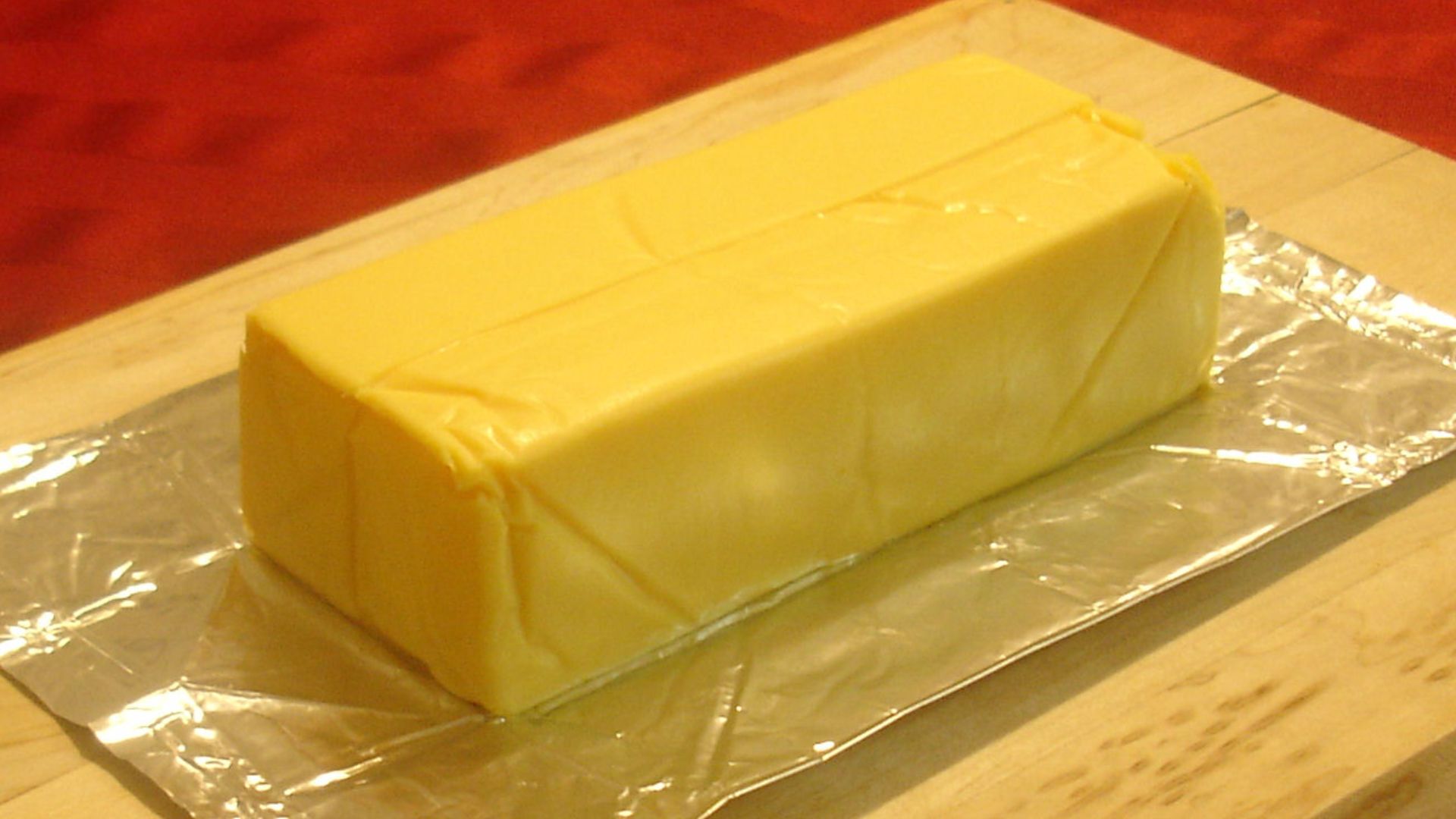
Shelf-Stable Processed Cheese Loaf
Shelf-stable processed cheese products once solved real pantry problems. They lasted longer than fresh cheese, melted predictably, and could become sandwiches, sauces, or emergency meals. Younger shoppers used to refrigerated cheese cases might find the idea of a cheese loaf that does not immediately need the fridge unsettling.
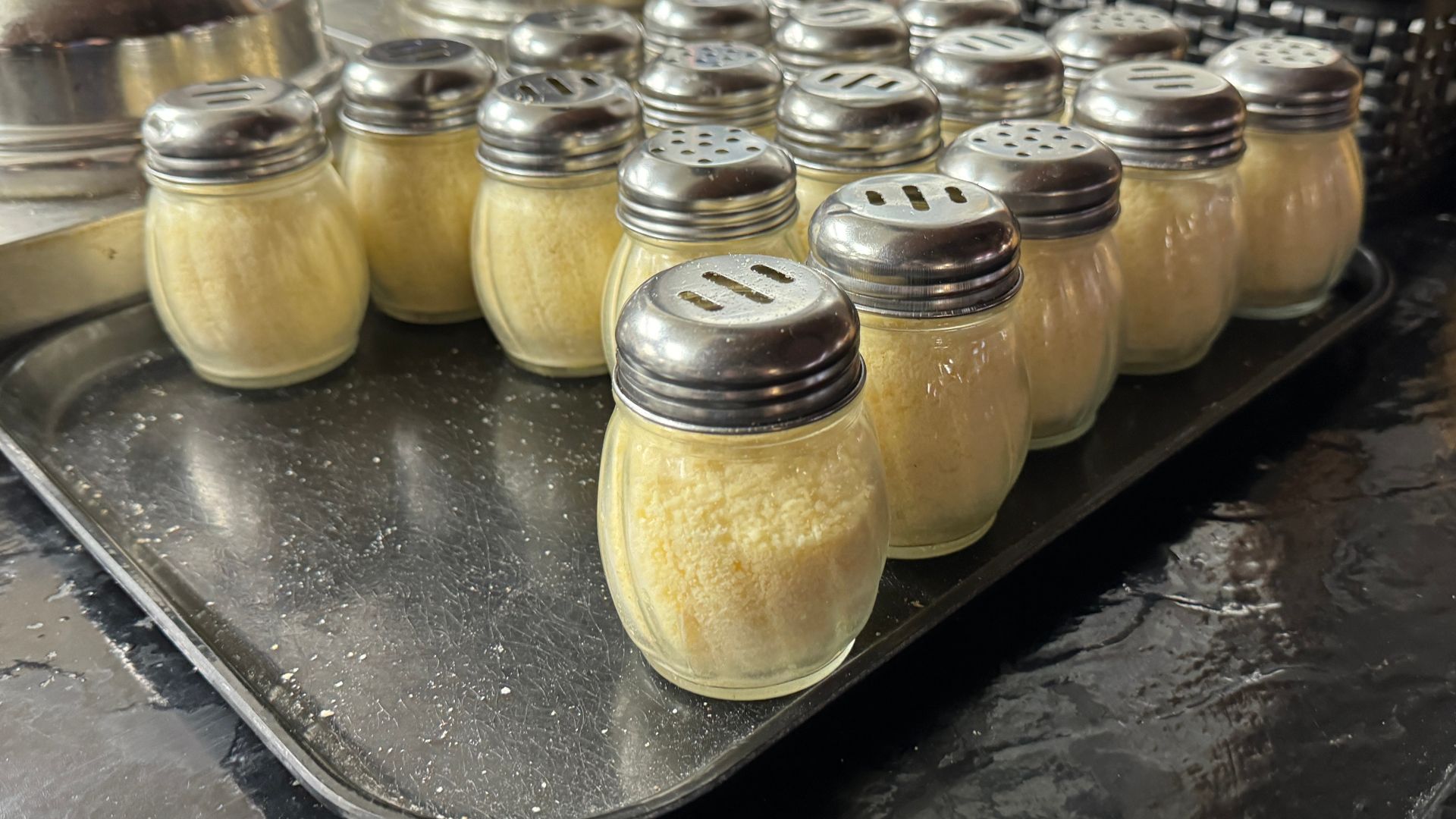
Powdered Cheese Packets
Powdered cheese was not limited to boxed macaroni. It could flavor noodles, popcorn, casseroles, sauces, and snack mixes. Older pantry cooking made room for powders, mixes, and shelf-stable shortcuts that younger cooks may see as overly artificial or oddly unfinished.
Instant Coffee Crystals
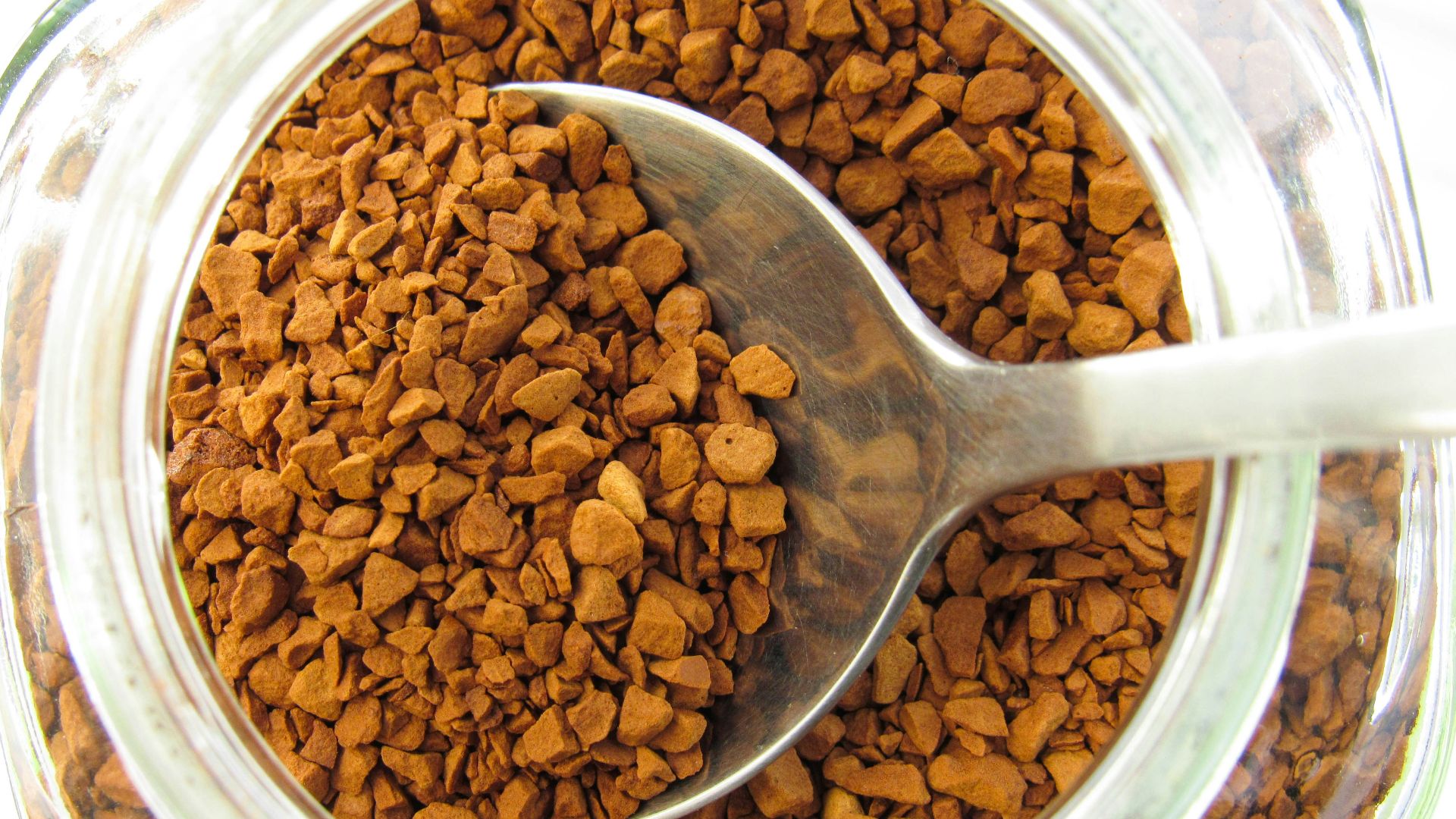
Instant coffee is still around, but its old household status has faded. Families once kept it for guests, baking, camping, emergencies, and quick cups without brewing a pot. Younger coffee drinkers raised on cafés, cold brew, pods, and pour-over rituals may find the jar of crystals strangely severe.
Powdered Breakfast Drinks
Before today’s protein shakes and bottled smoothies, powdered breakfast drinks promised quick nutrition mixed into milk. Older households kept them for children, dieters, or rushed mornings. Younger people may recognize the general concept, but the old tins and flavors belong to a very different convenience-food era.
 Samuel Heuberger Reichert, Unsplash
Malted Milk Powder
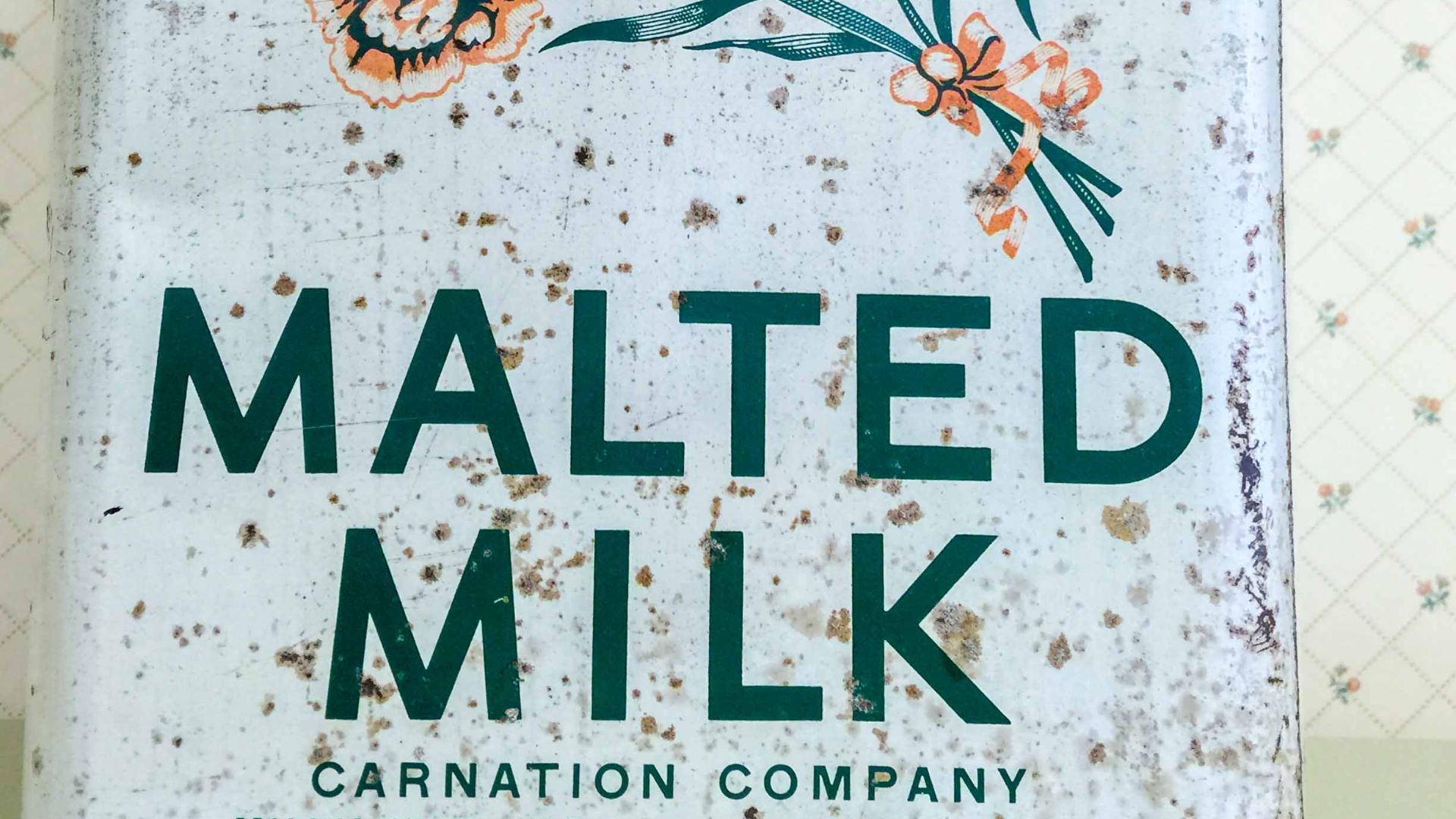
Malted milk powder was once common for drinks, desserts, milkshakes, and baking. It brought a distinctive sweet, toasted flavor to the pantry. Younger generations may know malt from candy or retro diners, but a canister of malted milk powder as a household staple feels much less familiar.
 Smash the Iron Cage, Wikimedia Commons
The Pantry Used To Solve Different Problems
Many of these foods seem strange now because the modern kitchen solves problems differently. Fresh groceries are more available, refrigerators are larger, takeout is easier, and specialty products are endless. Older pantries had to do more with less. They had to stretch, preserve, thicken, sweeten, season, and rescue meals without another trip to the store.

The Old Pantry Was A Form Of Insurance
A shelf full of cans, powders, jars, syrups, and mixes meant a family could feed guests, survive bad weather, make dessert, stretch meat, or handle a thin payday. Younger generations may not recognize every item, but they know the feeling of wanting backup. The ingredients have changed, but the household instinct has not.
 Mary O'Neill, Wikimedia Commons
You May Also Like:
Tips For Saving Money When Shopping For Groceries Online
Why More People Are Opting for Take-Out
Foods Middle-Class Families Bought Without Thinking That Now Feel Too Expensive






.JPG)