The Budget Usually Breaks At The Edges
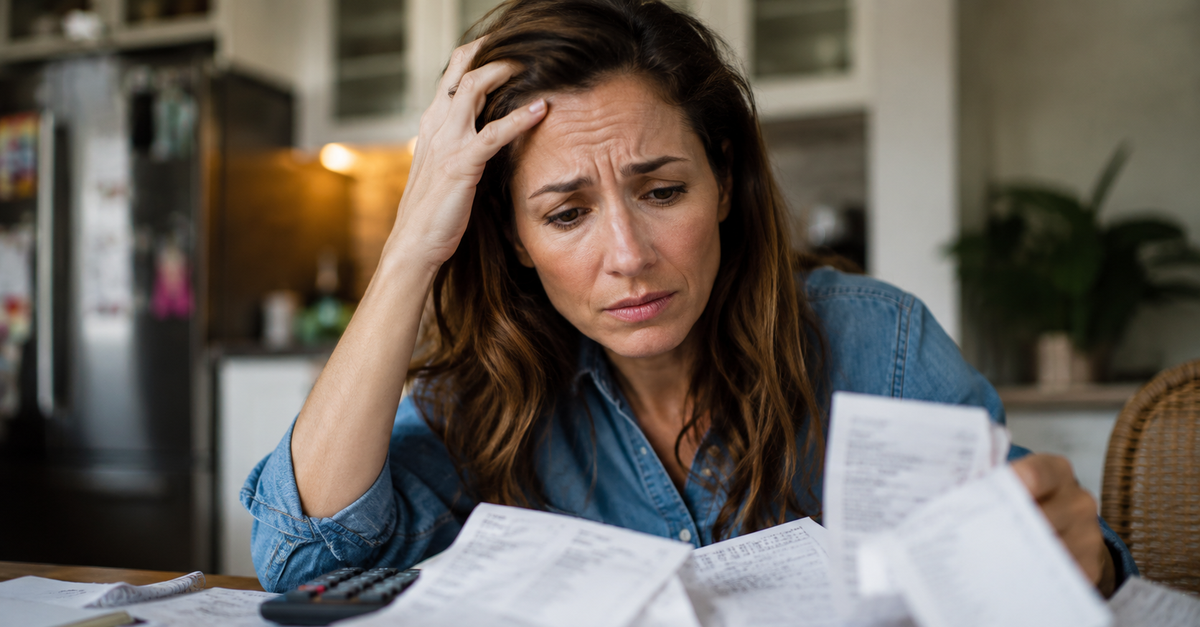
Most families know what they spend on rent, a mortgage, and major monthly bills. The trouble often comes from expenses that are smaller, irregular, seasonal, or easy to overlook until several arrive at once. Federal Reserve research found that 59 percent of U.S. adults had at least one major unexpected expense during 2025. A realistic family budget therefore needs room for more than predictable monthly payments. Factinate Ltd
Groceries Have A Way Of Creeping Higher
Food costs can quietly drift beyond the number a family originally placed in its budget. The Bureau of Labor Statistics found that U.S. consumer units spent an average of $10,169 on food in 2024, including $6,224 on food eaten at home. Even small changes in prices, household size, or shopping habits can noticeably alter the monthly total.

Growing Kids Can Rewrite The Grocery Budget
A grocery budget that worked when children were young may not hold as they get older. USDA food plans assign different estimated food costs according to age and gender, with older children and teenagers generally requiring larger food budgets than younger children. Families may therefore experience grocery inflation even when their shopping habits have barely changed.
 https://kaboompics.com/, Pexels
Takeout Can Hide Inside The Food Total
Restaurant meals are not the only form of dining out that adds up. Delivery fees, quick lunches, coffee stops, and takeout dinners can quietly become a second food budget. BLS data show that American households spent an average of $3,945 on food away from home in 2024. Tracking groceries and prepared meals separately can make this spending much easier to see.

Child Care Can Suddenly Rival Housing
Few expenses reshape a family budget as dramatically as paid child care. Child Care Aware of America calculated a national average annual child care price of $13,184 in 2025. The organization also found that the price of care for two children in a center exceeded median rent in every state for which it had comparable data.

School Costs Do Not Stop At Tuition
Even families using public schools can face a steady stream of education-related spending. Supplies, technology, field trips, yearbooks, activity fees, tutoring, and transportation can appear at different points during the year. BLS reported average education spending of $1,569 per consumer unit in 2024, although individual households vary widely. These expenses are easier to handle when treated as an annual category rather than a September surprise.

Activities Become A Second Calendar Of Bills
Sports, music lessons, clubs, camps, and other activities rarely involve only one registration fee. Equipment, uniforms, travel, meals, photographs, and tournament charges can follow later. Families sometimes budget for joining an activity while overlooking the costs of actually participating in it. Setting a total annual activity allowance can prevent enthusiasm from quietly overwhelming the rest of the budget.

Cars Cost Much More Than Their Payments
The monthly loan or lease payment is only one part of vehicle ownership. AAA includes depreciation, financing, fuel, insurance, registration, taxes, maintenance, repairs, and tires when calculating driving costs. Its 2025 study estimated that owning and operating a new vehicle averaged $11,577 a year. A household that focuses only on the payment can underestimate transportation costs by a wide margin.

Repairs Arrive Without Asking Permission
Brake work, tires, batteries, suspension repairs, and other mechanical problems rarely appear on a convenient schedule. In the Federal Reserve's 2025 household survey, a major vehicle repair or replacement was the most commonly reported major unexpected expense, affecting 30 percent of adults. That makes car repairs less of a freak event and more of a category worth funding regularly.

Auto Insurance Can Jump Faster Than Expected
Insurance is easy to treat as a fixed bill, but premiums can change significantly at renewal. BLS found that average household spending on vehicle insurance rose 12.3 percent from 2023 to 2024, reaching $1,993 annually. Adding a teenage driver, replacing a vehicle, moving, or changing coverage can alter a family's costs further.

The House Always Wants Something
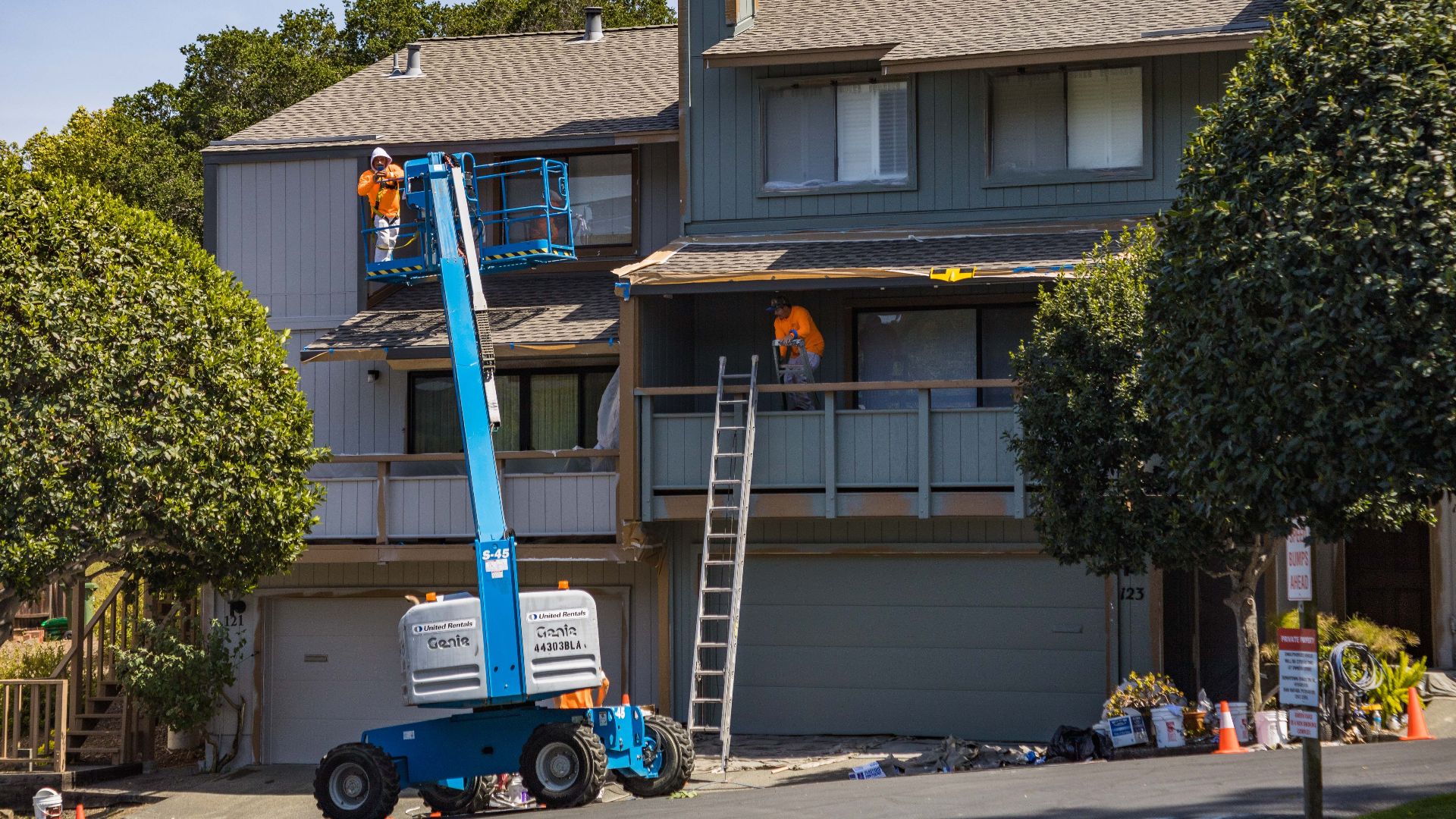
Homeowners frequently budget carefully for the mortgage while treating repairs as exceptional events. Roofs, appliances, plumbing, heating equipment, paint, landscaping, and ordinary wear eventually require money. Federal Reserve research found that 22 percent of adults experienced a major unexpected home or appliance repair during 2025. A home-maintenance fund turns some of those shocks into planned spending.
A Small Leak Can Become A Large Bill
Not every costly home problem announces itself dramatically. The Environmental Protection Agency says the average family can waste about 9,400 gallons of water annually through household leaks. EPA guidance also notes that repairing easily corrected leaks can save homeowners roughly 10 percent on their water bills. Watching utility usage can sometimes catch the problem before the bill gets worse.

Utility Bills Have Seasons
Electricity, natural gas, heating oil, and water costs are rarely identical throughout the year. A budget based on a mild spring month can look unrealistic once summer cooling or winter heating begins. EPA also notes that household water use can climb during hotter months because of outdoor watering. Looking at a full year of past bills produces a much better monthly estimate.

Furnishing A Home Never Really Ends
Furniture and appliances can look like one-time purchases when a household is first set up. In reality, mattresses wear out, refrigerators fail, children need different furniture, and electronics eventually require replacement. BLS households spent an average of $2,414 on household furnishings and equipment in 2024. A replacement fund can soften the impact when several items reach the end of their useful lives close together.

Healthcare Has Costs Beyond The Premium
Families with health insurance can still face deductibles, copayments, prescriptions, dental bills, vision care, and services that are not fully covered. U.S. households spent an average of $6,197 on healthcare in 2024, according to BLS. The Federal Reserve also found that 21 percent of adults experienced an unexpected major medical expense in 2025.

Employer Insurance Is Not Free Insurance
Workplace health coverage can feel less visible because premiums are deducted from paychecks. KFF found that the average annual premium for employer-sponsored family coverage reached $26,993 in 2025, with workers contributing an average of $6,850 toward that amount. That worker contribution is only part of what a family may ultimately spend on healthcare.

Prescription Costs Can Change Quickly
Medication is another category that can suddenly move higher after a diagnosis, insurance change, or new prescription. BLS reported that average household spending on drugs increased 11.3 percent in 2024, with prescription drug spending rising 21.7 percent. Families with recurring prescriptions may benefit from tracking medication separately from general medical expenses.
 National Cancer Institute, Unsplash
Clothing Comes In Expensive Bursts
Clothing expenses often arrive in clusters instead of evenly throughout the year. Growing children may need several replacements at once, while seasonal changes can trigger purchases of coats, shoes, uniforms, or sports gear. U.S. households spent an average of $2,001 on apparel and related services in 2024. Dividing an annual clothing target across 12 months can make those bursts easier to absorb.

Holidays Are Predictable Even When The Total Is Not
Birthdays, holidays, anniversaries, graduations, and other celebrations come around every year. Gifts are only part of the cost because families may also spend on meals, decorations, travel, entertainment, and hosting. Calling these events unexpected can make the budget seem more disciplined than it really is. Saving gradually throughout the year turns a predictable season into a planned expense.

Travel Costs Begin Before The Vacation
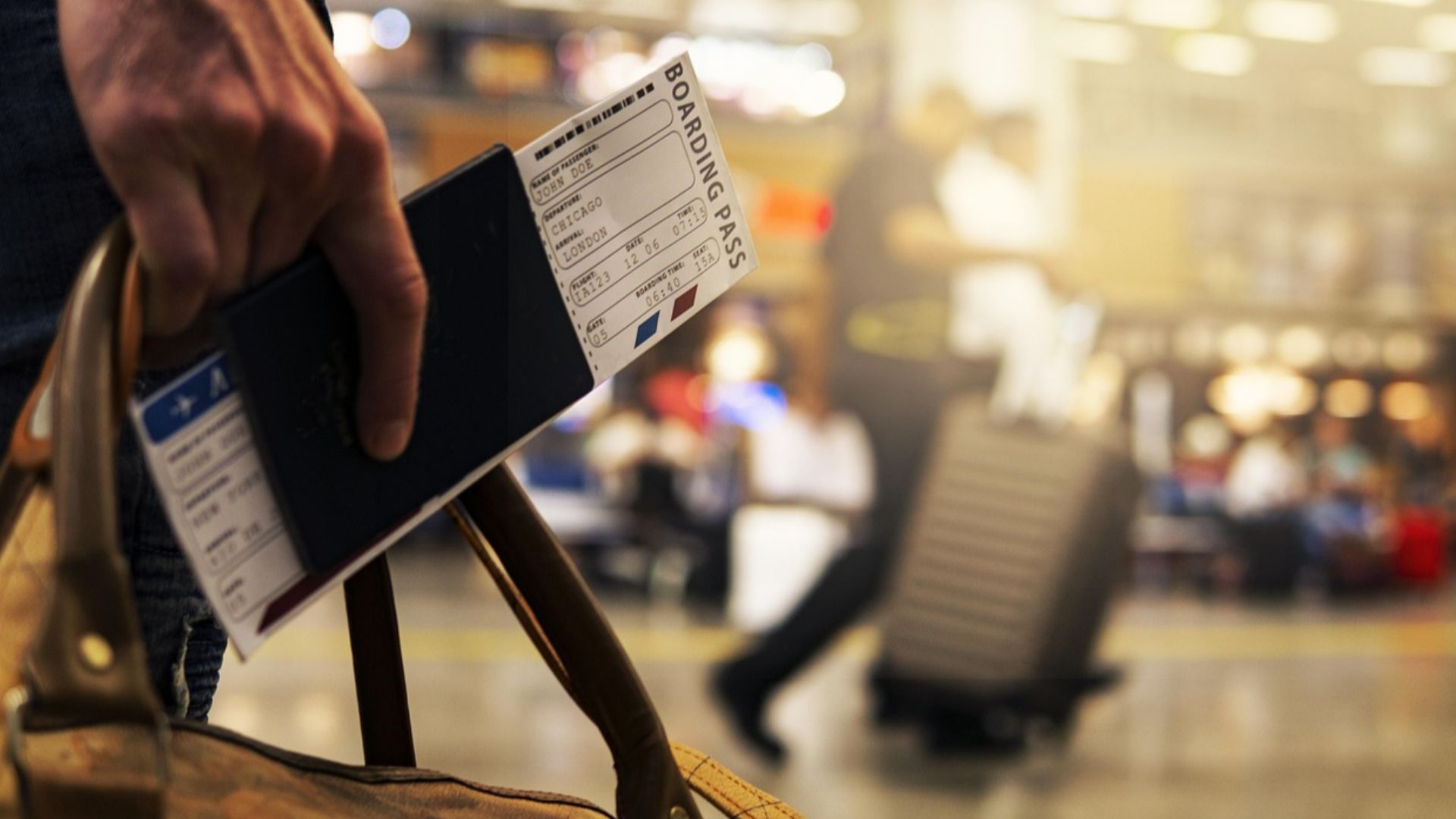
Airfare and hotel charges receive most of the attention when families estimate vacation costs. Parking, baggage, airport transportation, meals, rental-car fees, attractions, tips, and pet care can substantially expand the final total. BLS includes travel-related spending within several different categories, which helps explain why a vacation can affect more than one part of a household budget. A trip budget works better when it follows the entire journey rather than just the reservation screen.
Pets Can Create Their Own Emergency Fund
Routine pet expenses are generally manageable when they arrive one bag of food or one veterinary visit at a time. The budget becomes harder when illness, injury, medication, boarding, grooming, or specialized food enters the picture. Families with pets can treat veterinary emergencies much like car or home repairs by building a dedicated reserve. That approach keeps an unexpected animal-care bill from automatically becoming credit-card debt.

Entertainment Is Bigger Than Streaming
Streaming subscriptions are easy to notice because they recur every month, but entertainment spending extends much further. Tickets, gaming, hobbies, recreational equipment, events, and family outings all compete for the same discretionary dollars. BLS measured average entertainment spending at $3,609 per consumer unit in 2024. A broad entertainment category gives families a clearer picture than tracking subscriptions alone.
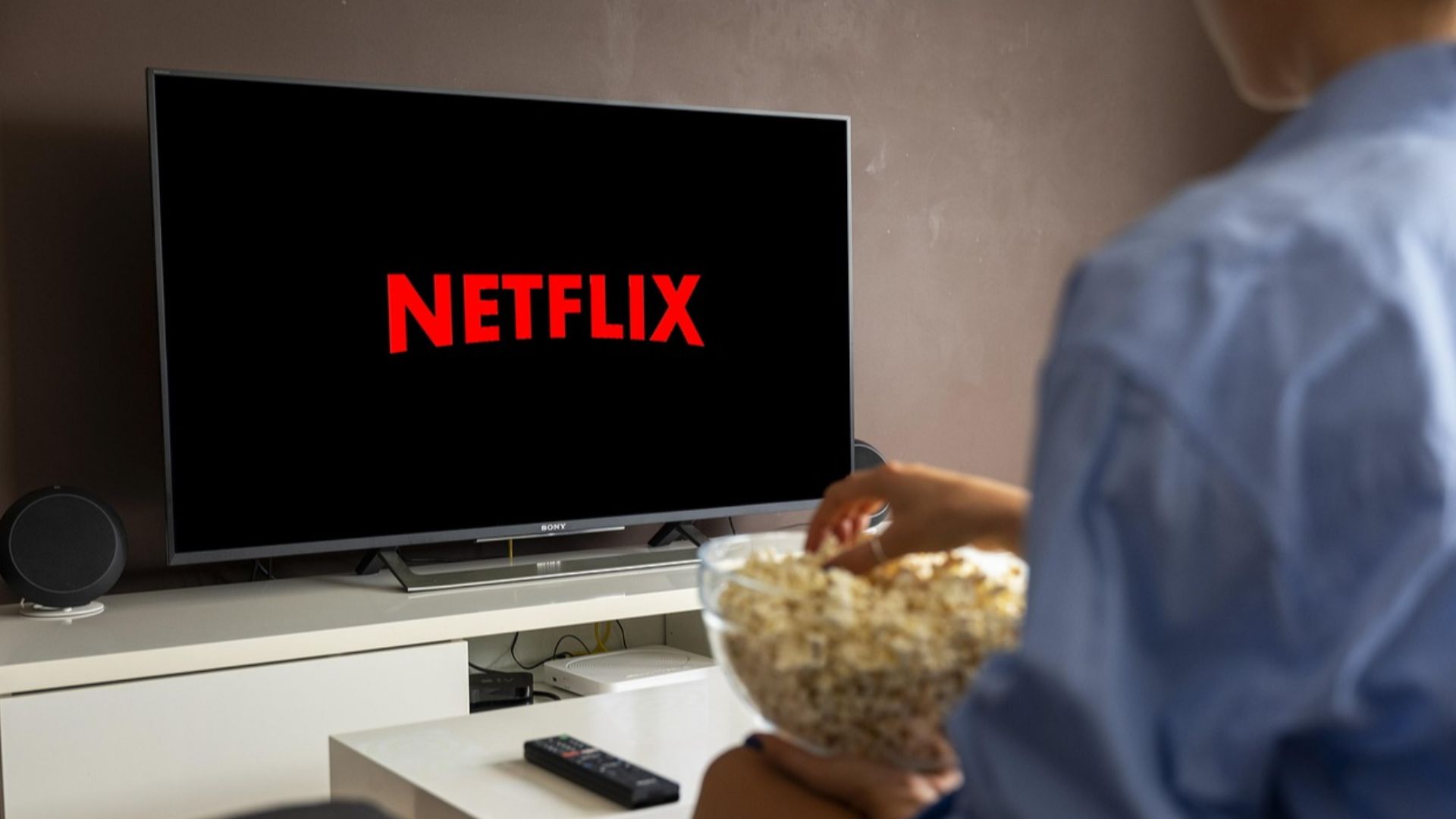
Subscriptions Disappear Into The Background
Recurring payments are particularly easy to underestimate because no new purchase decision happens each month. Video services, music, cloud storage, apps, memberships, software, delivery programs, and children's services can accumulate gradually. Reviewing bank and credit-card statements can reveal subscriptions that no longer provide enough value. The useful question is not whether each charge is small, but what all of them cost together over a year.

Personal Care Adds Up Quietly
Haircuts, cosmetics, skincare, toiletries, grooming services, and other personal-care purchases rarely feel like major financial events. Together, however, they form a recurring category that can become substantial in a larger household. BLS reported average spending of $978 on personal-care products and services in 2024. Tracking the category as a whole makes it harder for dozens of modest purchases to disappear from view.

Taxes Can Deliver An Unwelcome Surprise
Household income can change long before tax withholding catches up. Marriage, a new child, multiple jobs, side income, raises, and changes in deductions or credits can all affect the amount of tax ultimately owed. The IRS specifically recommends reviewing withholding after major family or income changes and provides a Tax Withholding Estimator for that purpose. Checking during the year can reduce the chance of an unpleasant filing-season surprise.

The Emergency Fund Is A Budget Category Too
Emergency savings can feel like money left over after everything else is paid, but that approach often means there is nothing left. Federal Reserve data show that only 63 percent of adults in 2025 said they could cover a $400 emergency entirely with cash or its equivalent. Among parents living with children under 18, the figure was lower at 55 percent. Treating savings as a recurring expense can make financial shocks easier to manage.

Irregular Expenses Need Monthly Money
Many budget blowups are not truly unpredictable. Car registrations, annual memberships, holiday spending, school costs, repairs, insurance premiums, and seasonal utility increases may be irregular, but families often know they will eventually happen. The solution is to convert annual or occasional expenses into monthly savings targets. A $600 annual expense becomes much easier to handle when $50 is reserved every month.

One Bad Month Is Often Several Categories Colliding
Financial pressure becomes especially intense when unrelated expenses arrive together. A car repair may appear during a high utility month just as school fees or a medical bill come due. The Federal Reserve found that 59 percent of adults experienced at least one major unexpected expense in 2025, showing how common these disruptions are. Building several small sinking funds can prevent one crowded month from becoming a long-term debt problem.

A Better Budget Leaves Room For Real Life
The strongest family budget is not necessarily the one with the tightest limits. It is the one that recognizes that homes need repairs, children grow, cars wear out, healthcare needs change, and celebrations happen every year. Housing, transportation, food, healthcare, and personal insurance and pensions together represented 83.7 percent of average U.S. household spending in 2024, leaving the remaining categories to compete for a relatively small portion of the budget. Planning for those smaller categories before they expand can make the entire household budget far more resilient.

You May Also Like:
I Tried To Return Spoiled Groceries, But The Store Said Fresh Food Is Final Sale. Is That Normal?