A $100 Gift Card That Turned Into A $0 Balance
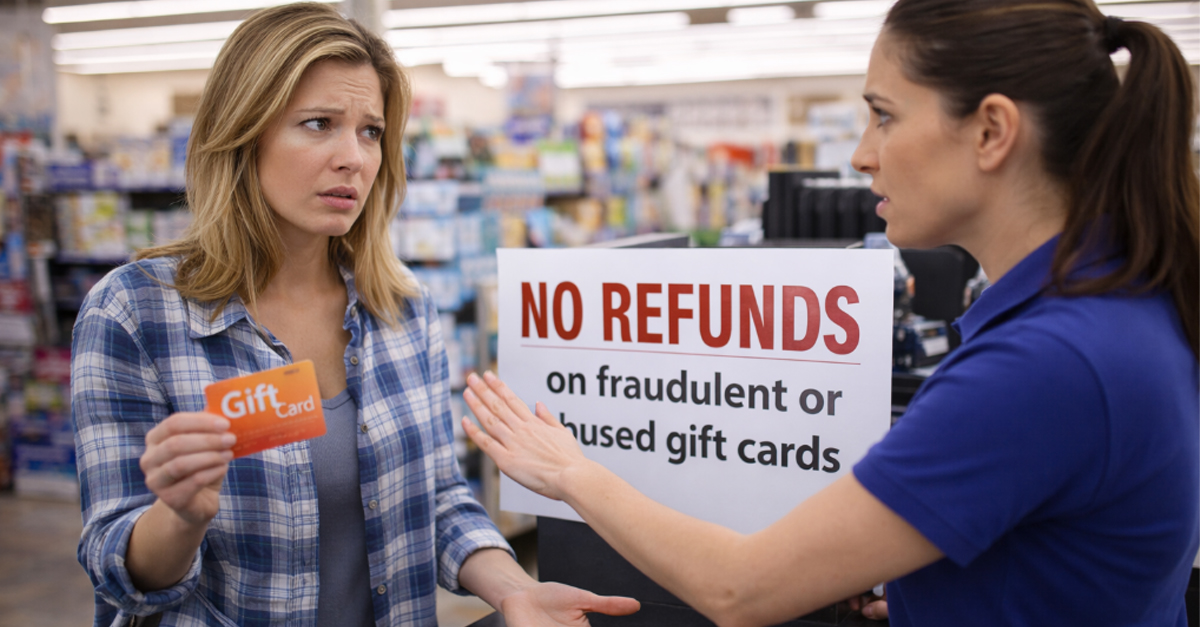
You bought your son a $100 gift card at a chain store, handed it over with a smile, and expected it to work like cash. Instead, he tried to use it and discovered the balance was zero. The store says the card was activated and shows as “redeemed.” Now you are stuck wondering how a brand new product can legally be empty.

How The Gift Card Scam Actually Works
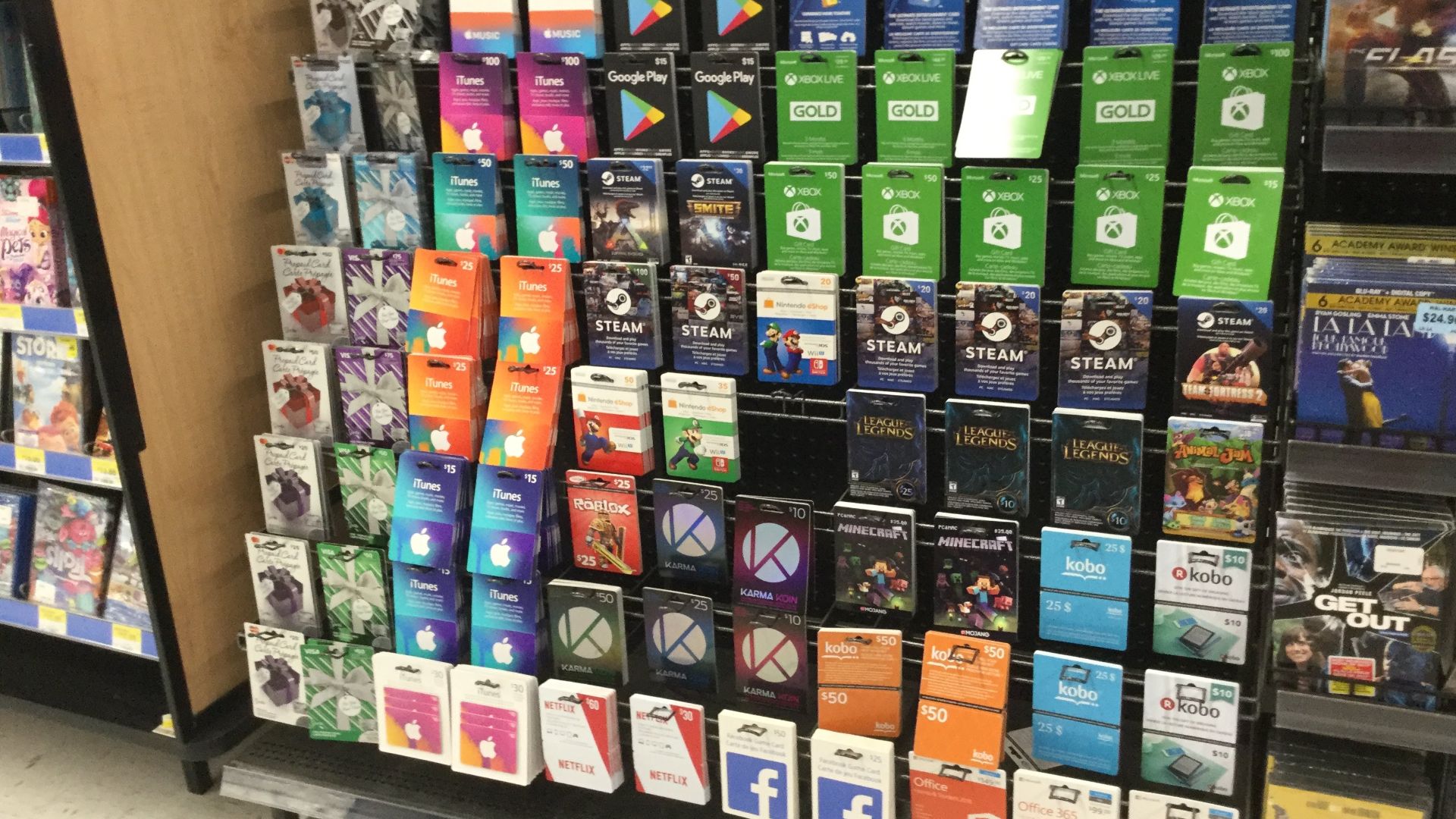
This is almost certainly not a defective card. It’s often part of a nationwide gift card scam. Criminals remove cards from store racks, record or alter the numbers, reseal the packaging, and put them back on the rack. When an unsuspecting shopper buys and activates the card, the scammers immediately drain the funds.
Why It Looks Like A Store Error
From your perspective, it feels like the store sold you a faulty product. The receipt proves you paid one hundred dollars. The card scans. The activation worked. But the money disappeared. The key issue is that once funds are loaded and redeemed digitally, the retailer’s system often shows a legitimate transaction instead of a visible theft.
The Activation And Drain Timing Trick
Scammers monitor gift card numbers that they’ve have copied. Once the card is activated at the register, they quickly transfer or spend the balance online. In many cases, the drain occurs within a matter of minutes or hours. By the time the recipient scratches the code or swipes the card, the money that was on the card is already gone.

Retailers Usually Refuse Refunds
Retailers often treat gift cards as equivalent to cash. Once the card is activated, they consider the sale final. Their systems typically show a valid activation and redemption, even if the person who spent the money was a criminal. Because of this, stores frequently deny automatic refunds unless a finer point of corporate policy provides otherwise.

Fraud Liability And The Middleman Problem
Another complication is that the retailer might not actually issue the gift card brand. A store might sell cards for Visa, Mastercard, Apple, or gaming platforms. The issuing bank or third party manages the funds. That causes a liability gray zone where each party may direct you somewhere else.

Why Stores Argue It Is Not A Product Defect
Retailers differentiate between a manufacturing defect and fraud. If the magnetic strip fails to scan, that’s an example of a defect. If a criminal drains the money using copied information, stores call that theft, not a faulty product. That legal framing is one reason why it’s so difficult to get your money back.
 JMUAIANWNC 3366688, Wikimedia Commons
The Rise Of Organized Gift Card Tampering
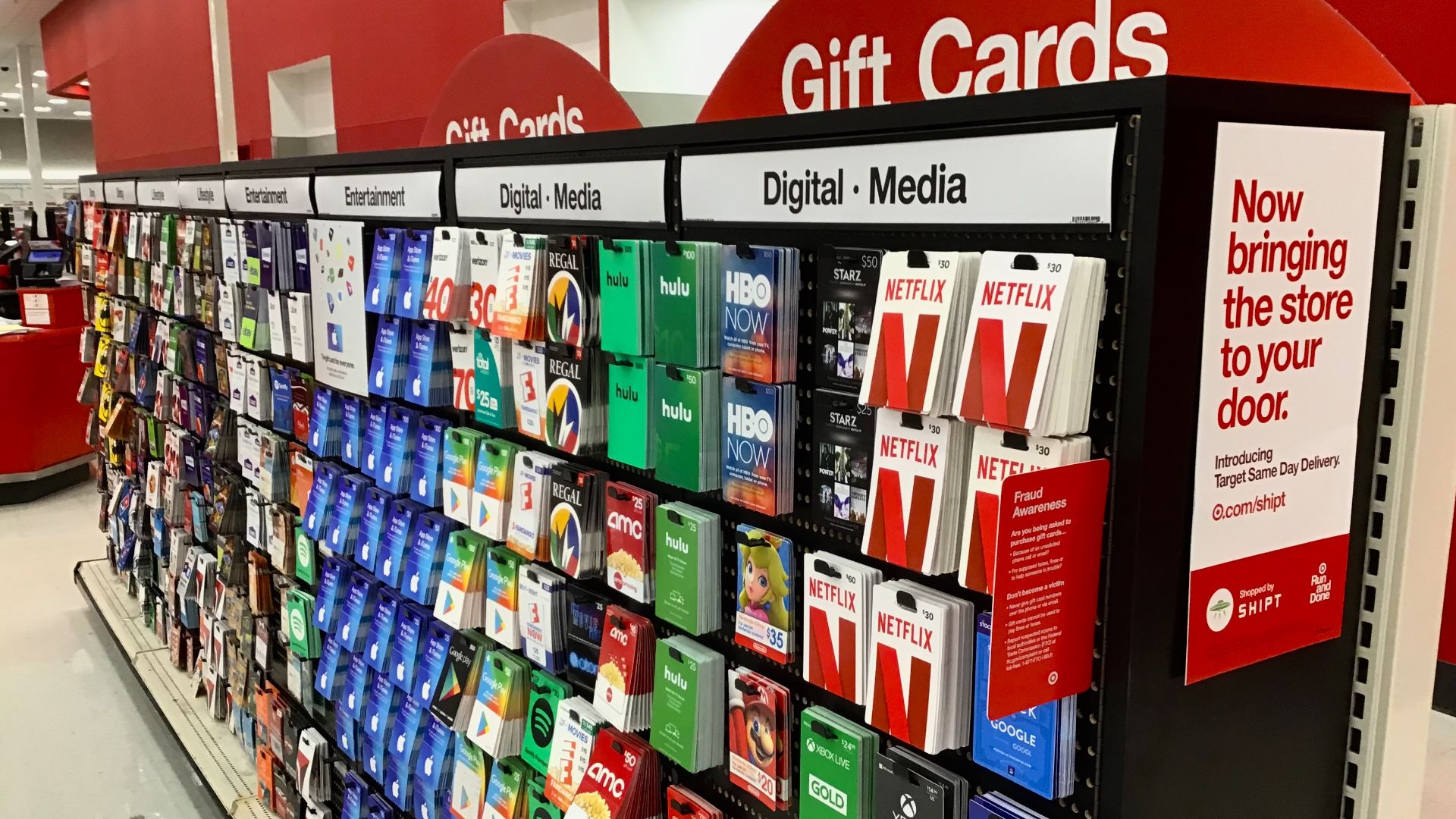
Law enforcement agencies have reported organized crime rings targeting large retail chains. These criminals often focus on high traffic stores where third-party gift cards hang openly on racks. The scale of the problem has ballooned to nationwide proportions, affecting pharmacies, supermarkets, and big box stores alike.
 Shane T. McCoy, Wikimedia Commons
Cash Equivalents Get Different Treatment
Gift cards are generally treated like prepaid stored value products. Similar to handing someone cash, once it’s spent or transferred, recovery gets complicated. Retail policies often reflect that risk. That is why consumers are told to safeguard these cards as carefully as they would physical currency.
When You Might Still Have A Case
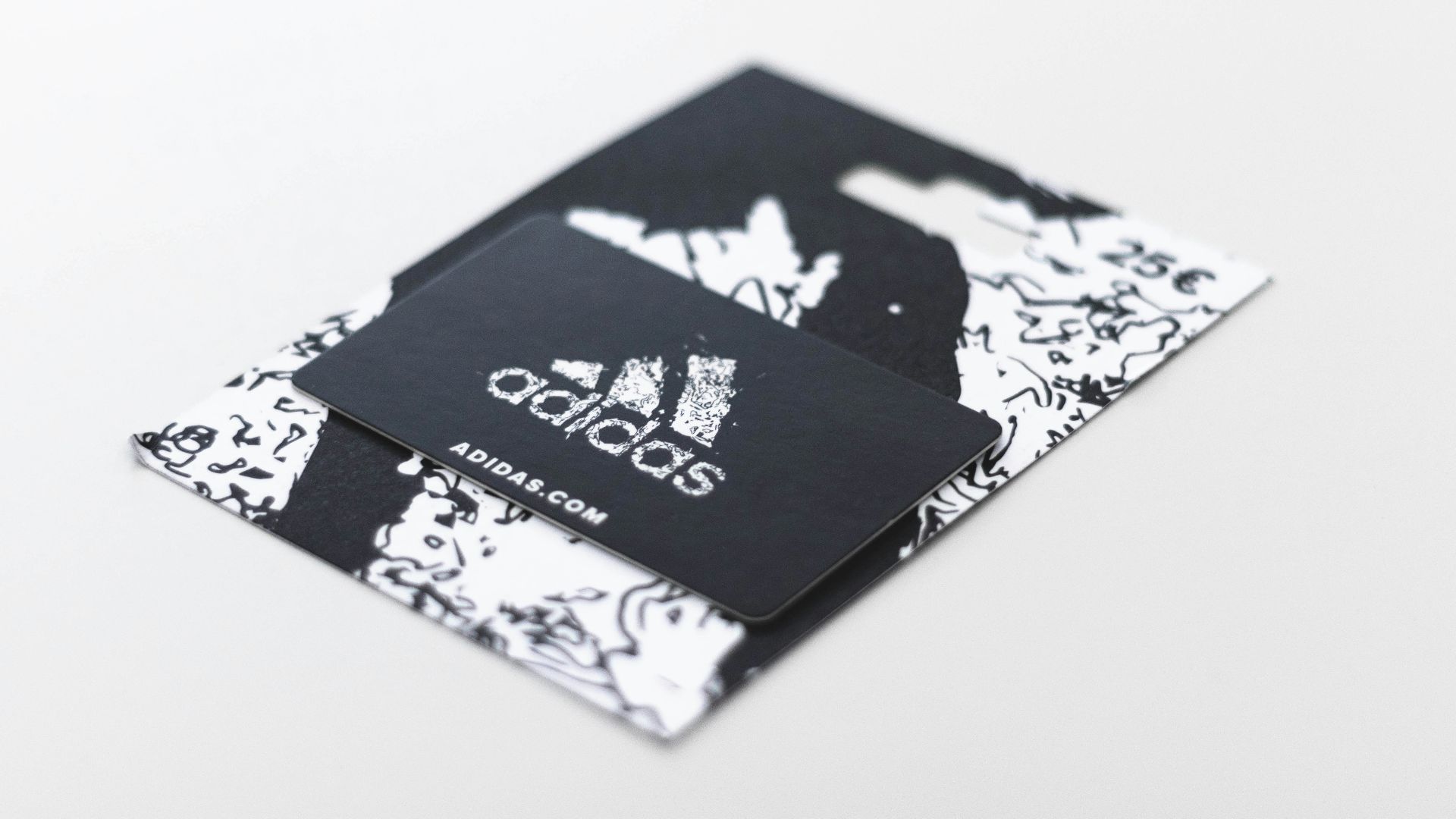
Even though retailers often resist giving out refunds, you may still have some options. Some companies will replace drained gift cards if you act quickly enough and provide proof of purchase, serial numbers, and receipts. Timing is important, but persistence and patience with customer service can sometimes lead to resolution.
 Karolina Grabowska www.kaboompics.com, Pexels
What To Do When You Discover A Zero Balance
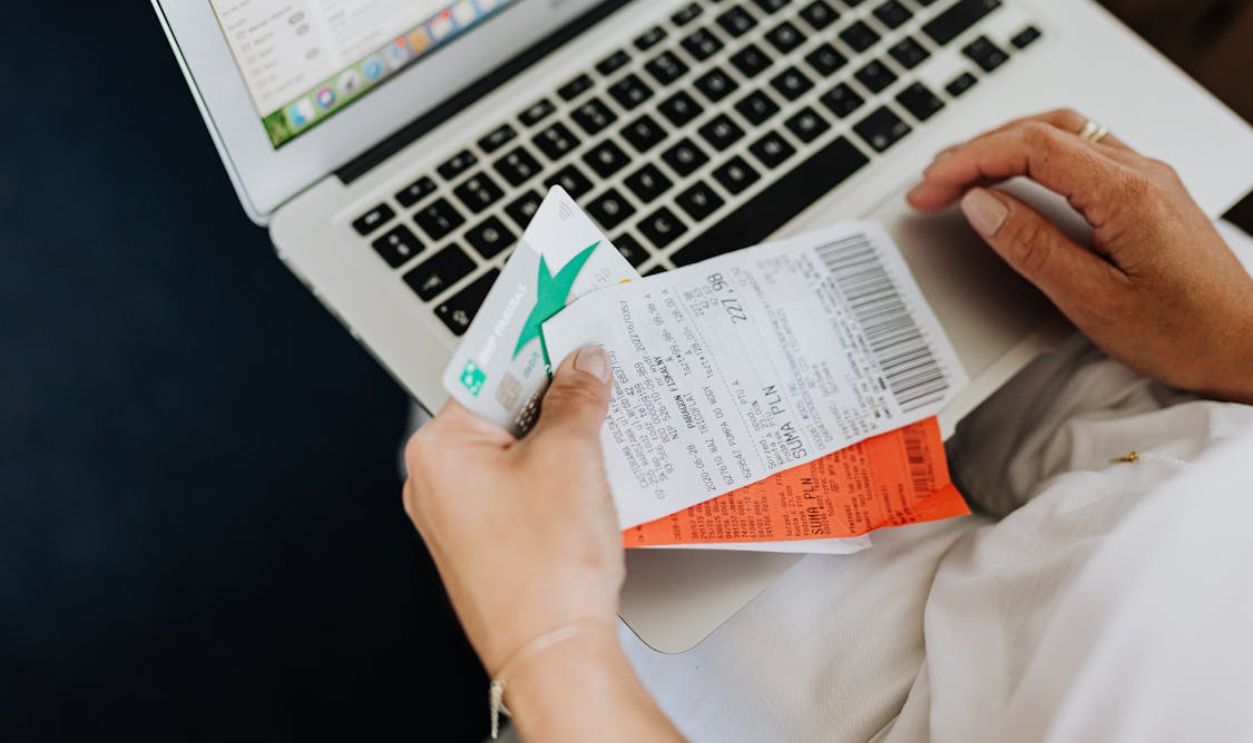
Contact the gift card issuer listed on the back of the card as soon as possible. Provide your receipt and any packaging. Ask for a transaction trace showing where the funds went. Then report the incident to the retailer’s corporate customer service team rather than only speaking with a local cashier.

File A Fraud Complaint
You can also report gift card fraud to the Federal Trade Commission. While that doesn’t guarantee reimbursement either, it at least generates a record and may help investigators track patterns. If the card was bank issued, you may also contact the bank’s fraud department for additional assistance.

Check Cards Closely Before You Buy
One key prevention strategy is to closely inspect packaging. Avoid cards with any kind of torn or resealed cardboard. Check that scratch-off PIN areas are fully intact. Look for mismatched numbers on the front and back. If anything looks remotely tampered with, choose a different card or ask for one from behind the counter.
 Mike Mozart from Funny YouTube, USA, Wikimedia Commons
Buy From Secure Locations
Whenever possible, buy gift cards stored behind service desks instead on the open revolving racks. Cards kept in locked displays are a lot harder for scammers to access. You can also buy digital gift cards directly from official websites, which pretty much eliminates the risk of physical tampering altogether.
Keep The Receipt And Packaging
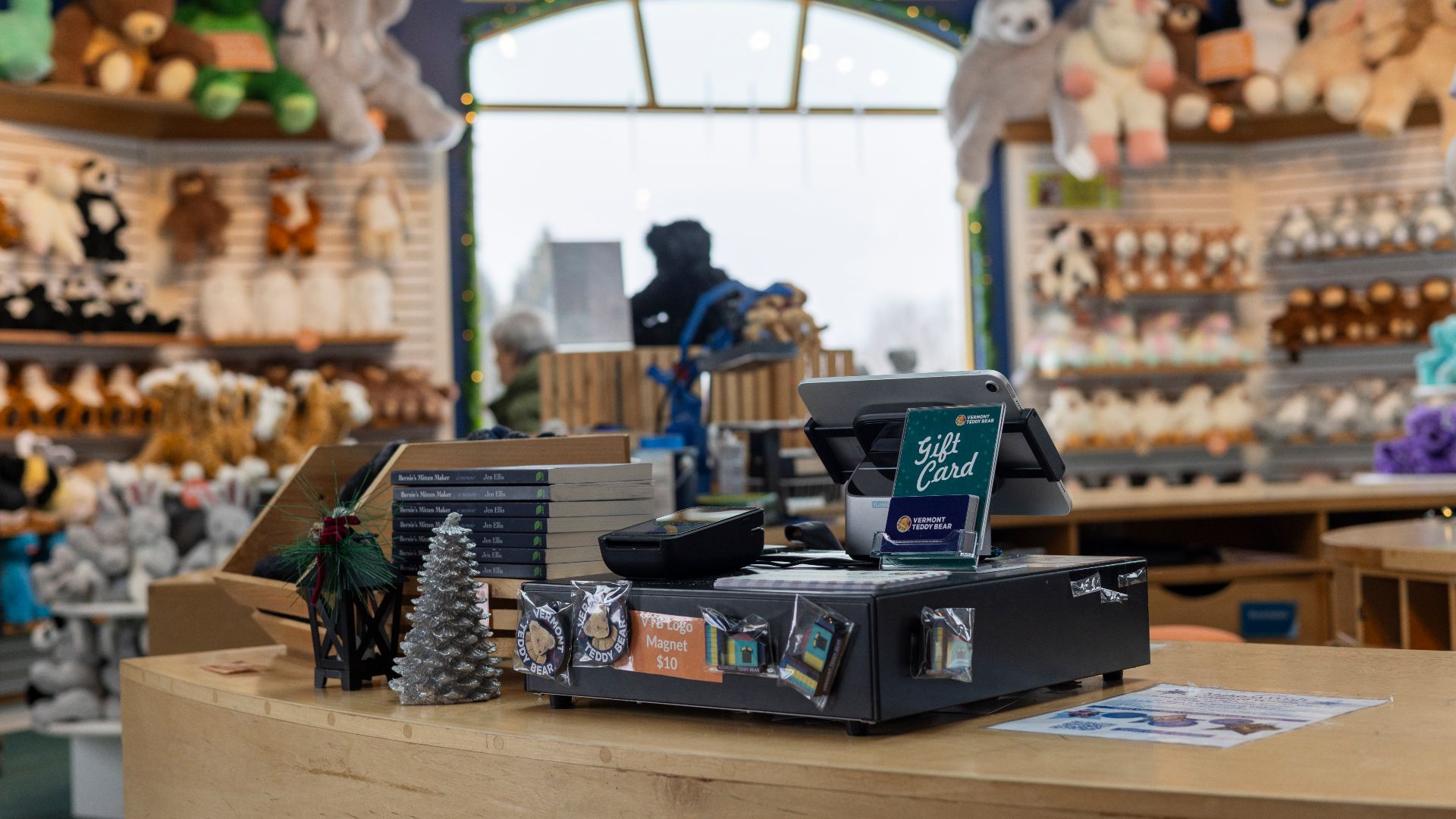
Don’t throw away the receipt or outer packaging until you’ve successfully used the gift card. Those materials often contain transaction numbers and serial codes needed for investigations. Without that proof, resolving a drained balance will be a lot more difficult.
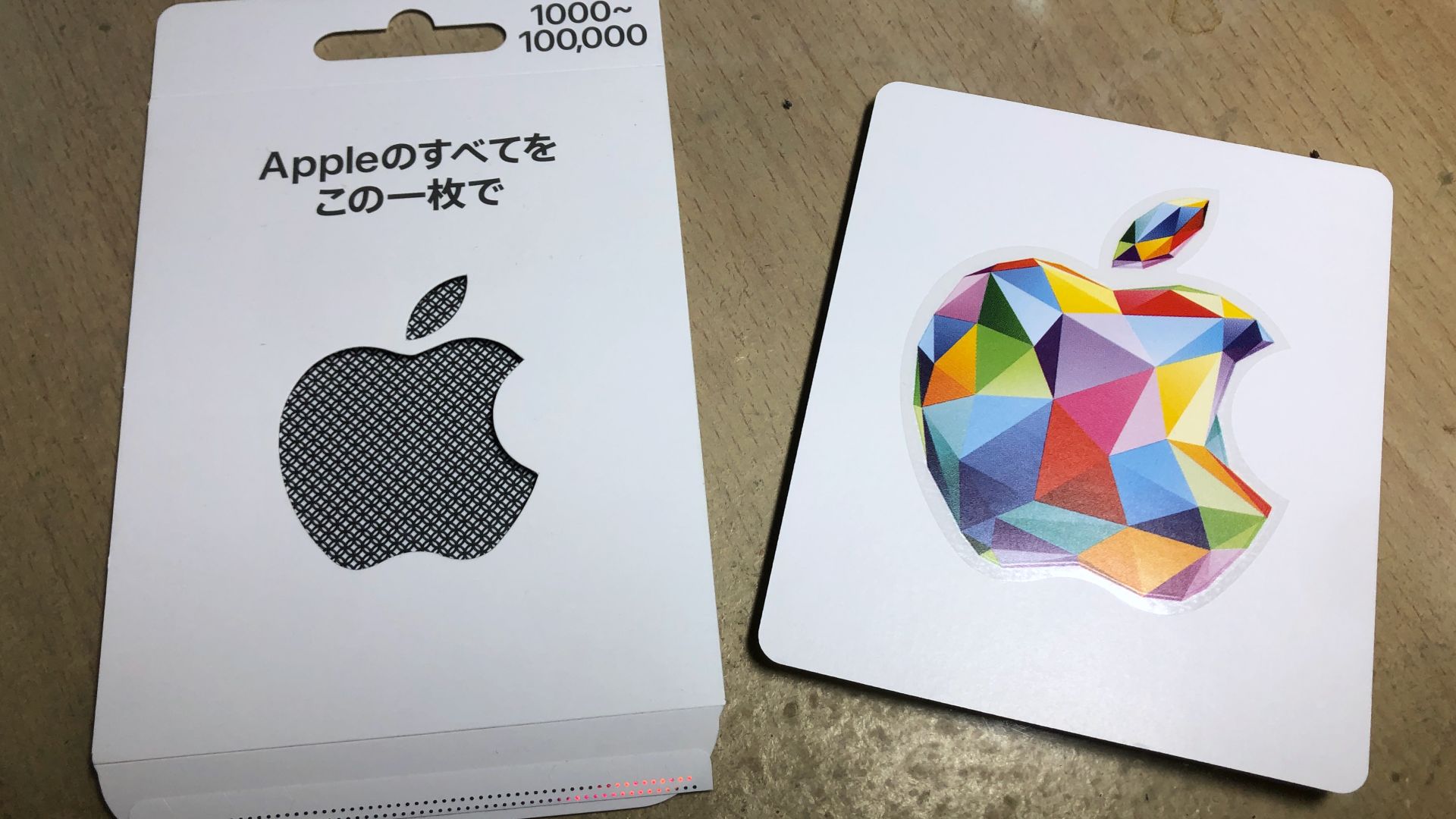
Consider Paying With A Credit Card
Using a credit card to buy a gift card may offer you some limited additional protection. While chargebacks aren’t always successful in these cases, some issuers allow disputes if fraud is suspected. That option doesn’t exist if you paid with cash or debit.
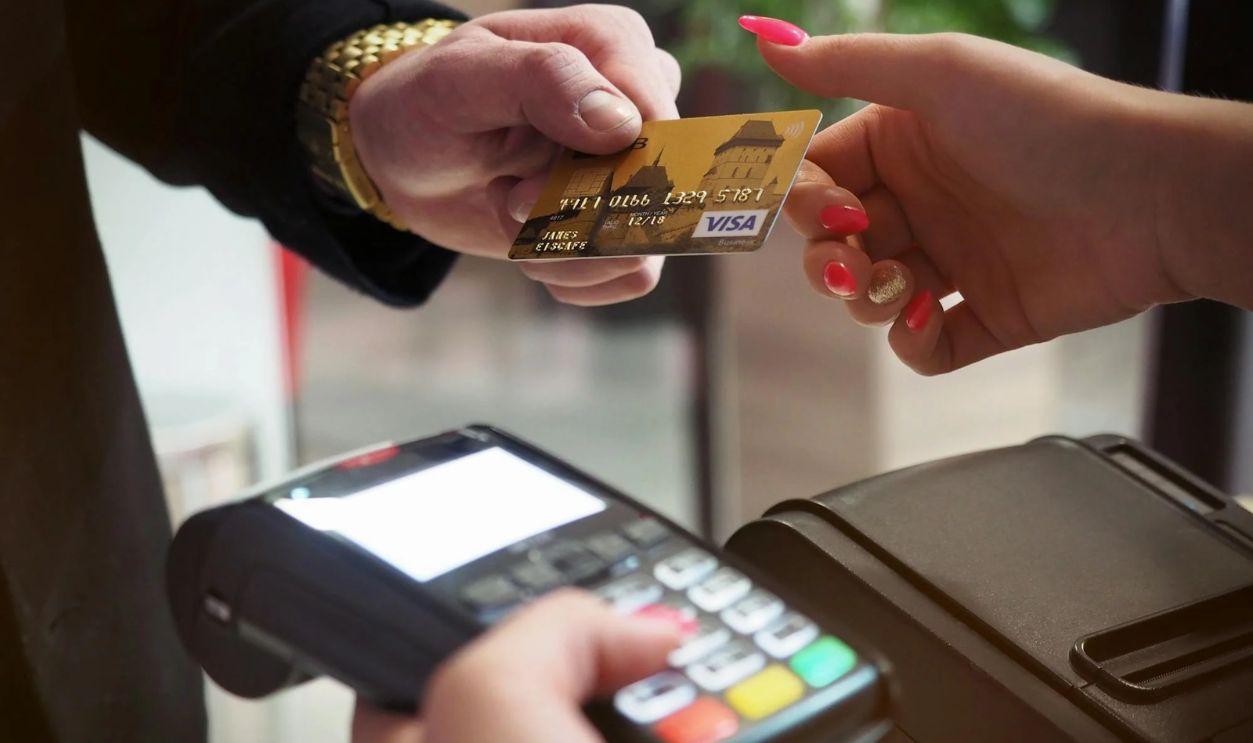
Register Cards When Possible
Some prepaid Visa and Mastercard gift cards allow online registration. Registering the card right after purchase can give you an added layer of tracking. If the funds disappear, having the card associated with your name may strengthen a fraud claim.

Talk To Your Recipient About Immediate Use
If you’re giving a physical card, consider encouraging the recipient to use it quickly. The longer that a card sits unused, the greater the window scammers have to monitor and drain the activated balances. Prompt redemption minimizes that risk.

Why The System Feels Unfair
From your point of view, you paid for value and got nothing in return. It feels like a faulty product because the outcome is the same. Legally and operationally, retailers categorize the situation as fraud committed by a third party. That classification shifts the burden away from automatic refunds.

Turn A Bad Experience Into A Smart Strategy
Gift cards are popular and convenient, but the risks are real. Protect yourself by inspecting the cards closely, keeping documentation, and buying from secure sources. If fraud occurs, act quickly and go beyond the local store. Understanding how the scam works is your best defense.

You May Also Like: