Store Brands Are Not A Magic Fix
Switching to private labels can lower the price of individual items without producing a dramatic change at checkout. Your total bill also reflects how much you buy, which categories you choose, and whether food prices are still rising. Store brands remain useful, but they work best as one part of a broader shopping strategy.
Grocery Inflation Is Still Working Against You
U.S. grocery prices were 2.7% higher in June 2026 than they were a year earlier, according to the Bureau of Labor Statistics. The USDA also forecasts food-at-home prices to rise 2.7% across 2026. A cheaper brand can therefore cost more than it did last year even when it remains less expensive than the national-brand alternative.
Some Aisles Rose Faster Than Others
Grocery inflation does not affect every department equally. In June 2026, fruit and vegetable prices were up 5.3% from a year earlier, while dairy prices were up only 0.4%. If your cart leans toward rapidly rising categories, brand switching may not be enough to offset the increase.
Private Labels Are Still Growing
Store-brand sales reached a record $282.8 billion across tracked U.S. retail outlets in 2025, according to Circana data reported by the Private Label Manufacturers Association. Their dollar sales rose 3.3%, compared with 1.2% for national brands. That growth suggests shoppers still see value in private labels.
 Joshua Rawson-Harris, Unsplash
Popularity Does Not Prove Savings
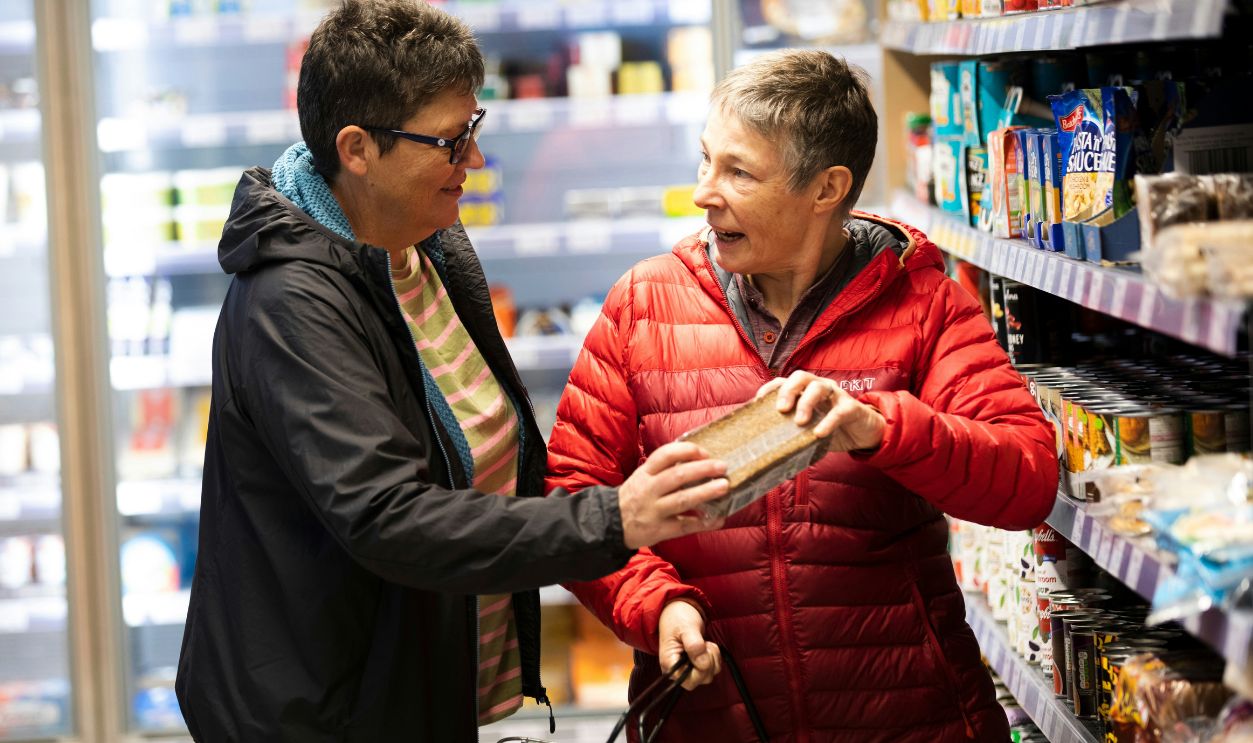
Rising sales do not automatically mean every store-brand product is cheaper. Private-label growth can also come from more products, premium options, inflation, or shoppers buying greater quantities. You still need to compare the products in front of you.
 Centre for Ageing Better, Unsplash
Compare Unit Prices First
The shelf price tells you what the package costs, but the unit price shows the cost per ounce, pound, or item. The Federal Trade Commission recommends unit prices as a way to compare products when package sizes differ. This is especially important when a cheaper-looking package contains less food.
Package Size Can Hide The Difference
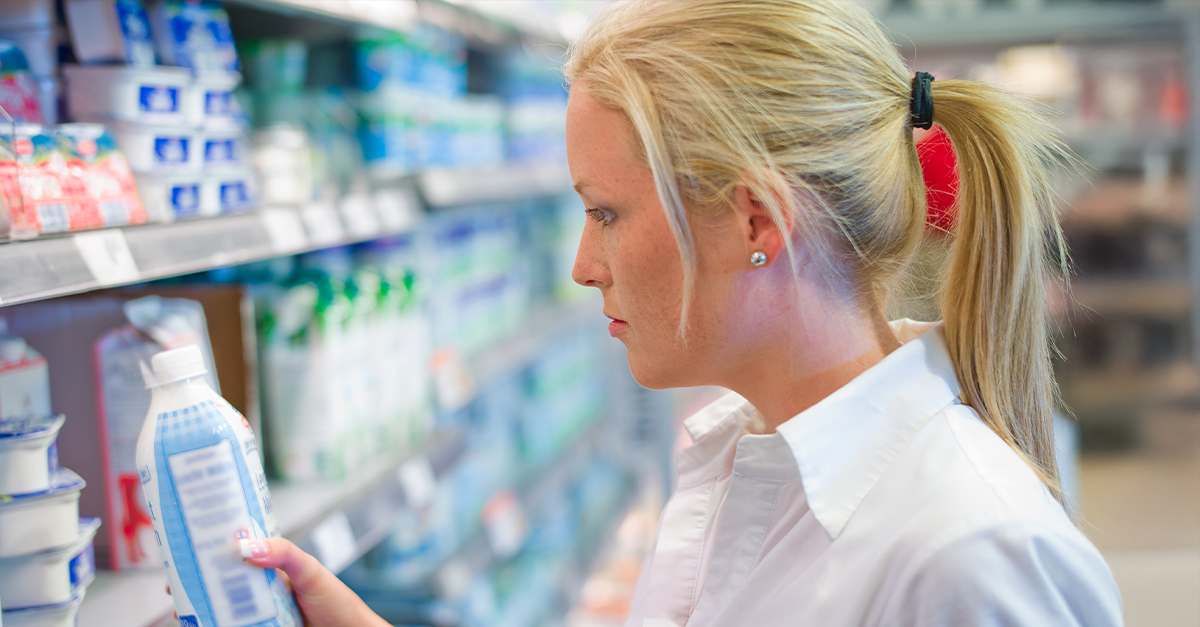
A store brand may have the lowest sticker price because its package is smaller. National Institute of Standards and Technology guidance says consistent unit pricing helps shoppers compare brands and package sizes. Check the unit price rather than assuming the larger-looking package is the better deal.
Shrinkflation Complicates Every Comparison
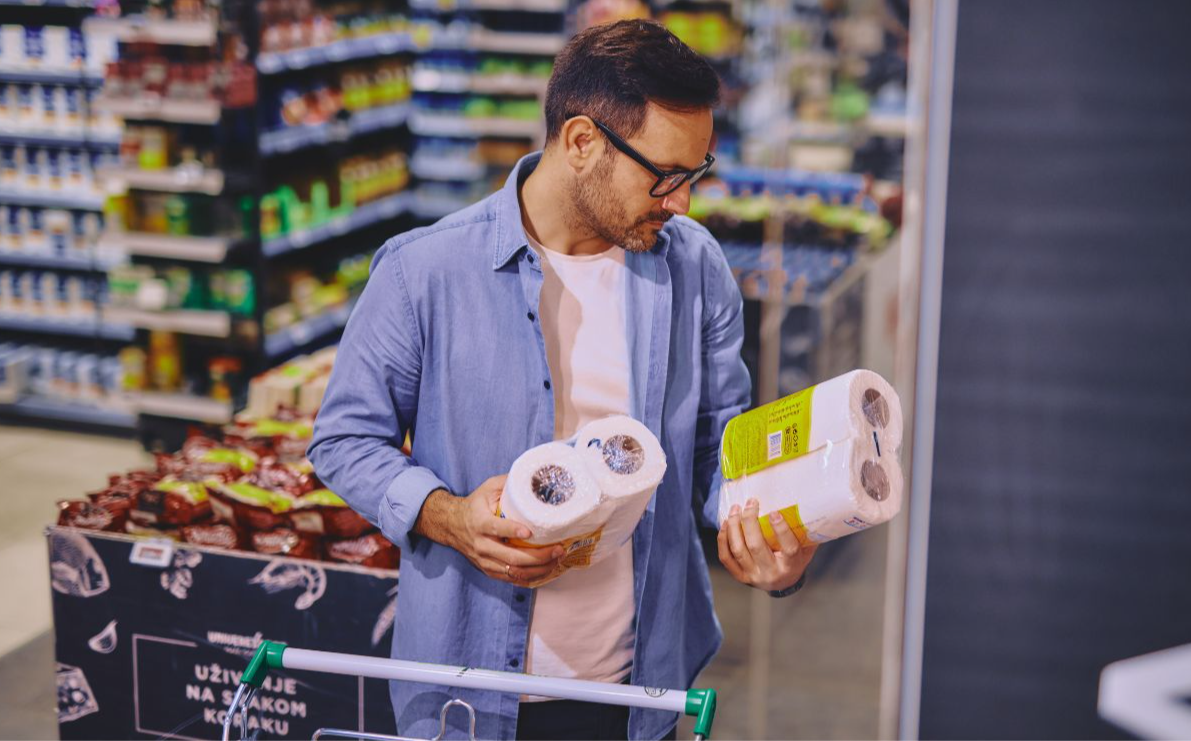
Manufacturers can reduce package sizes while leaving the shelf price unchanged. Research presented at an FTC conference found that downsizing was associated with higher unit prices in the products studied. Brand names and store brands can both use smaller packages, so compare net weight every time.
Sales Can Beat The Store Brand
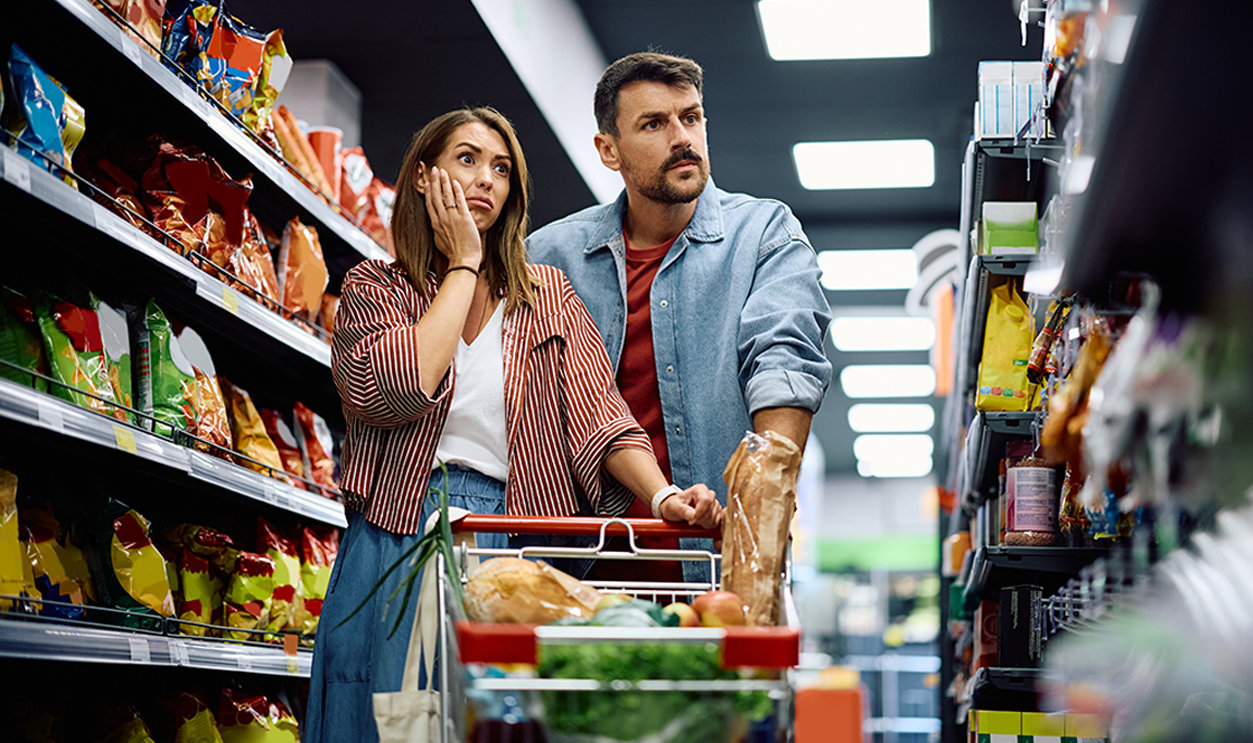
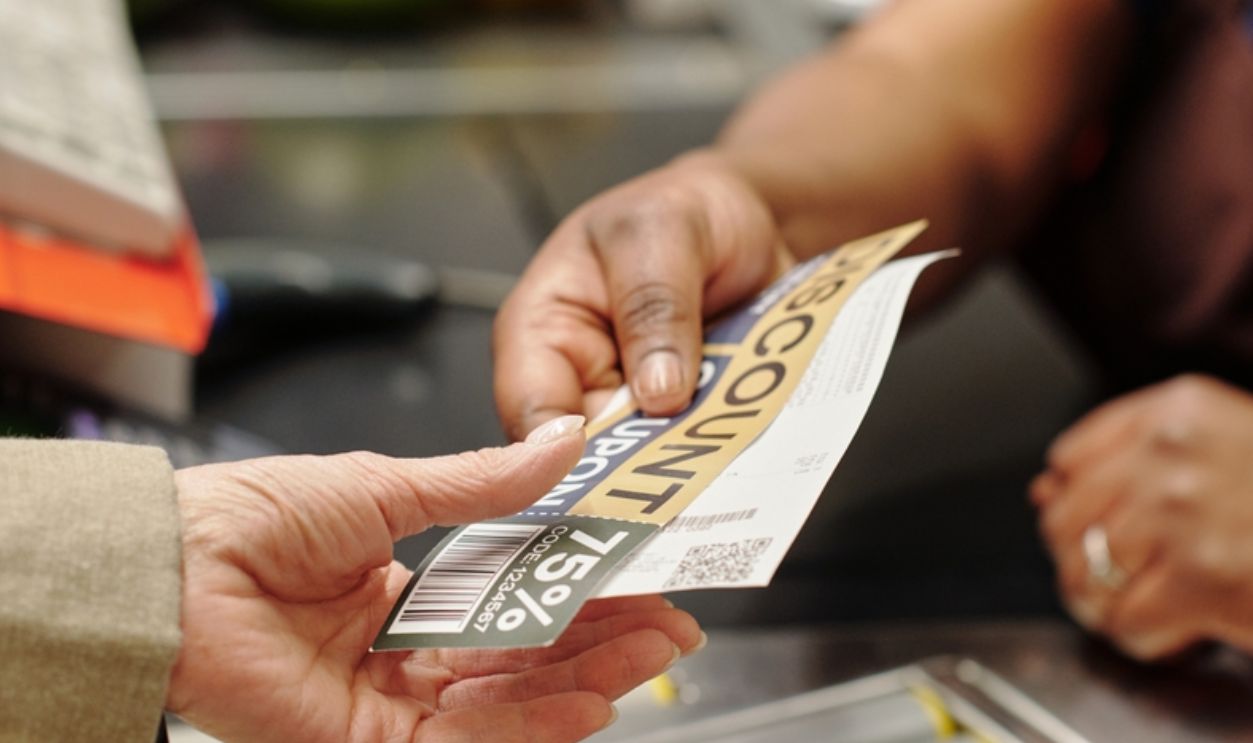
A private label may be cheaper at regular price but more expensive than a national brand during a promotion. Coupons, loyalty discounts, and multibuy offers can temporarily reverse the usual price ranking. Compare the final price you will actually pay rather than the regular shelf tags.
Premium Store Brands Cost More
Private labels now include basic, organic, specialty, and premium lines. Retailers are investing further in these products and expanding their online assortments, according to FMI industry research. A premium store-brand pasta sauce may be appealing, but it is not designed to deliver the lowest possible price.
Your Cart May Have Grown
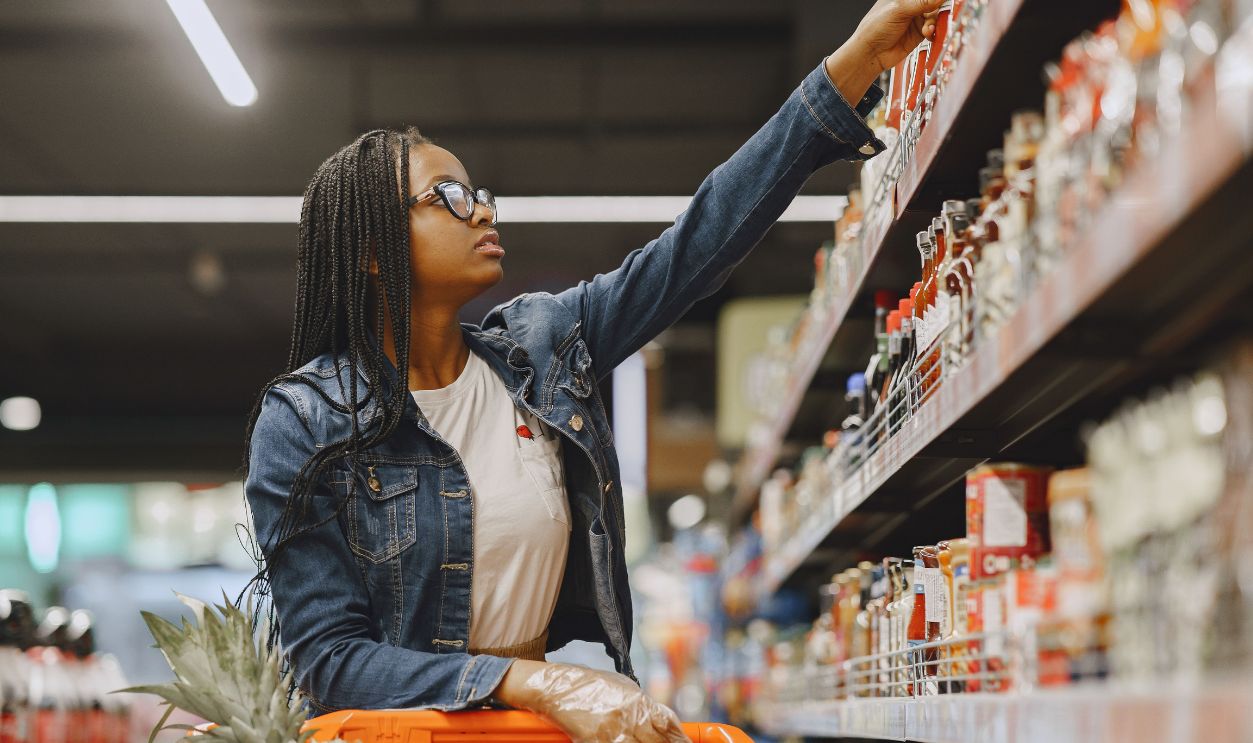
Saving a dollar on cereal does not help much if you add several unplanned items. A household can lower prices within categories while spending more because it buys greater quantities or more expensive foods overall. Compare receipts item by item instead of judging the strategy only by the final total.
Convenience Can Absorb The Savings
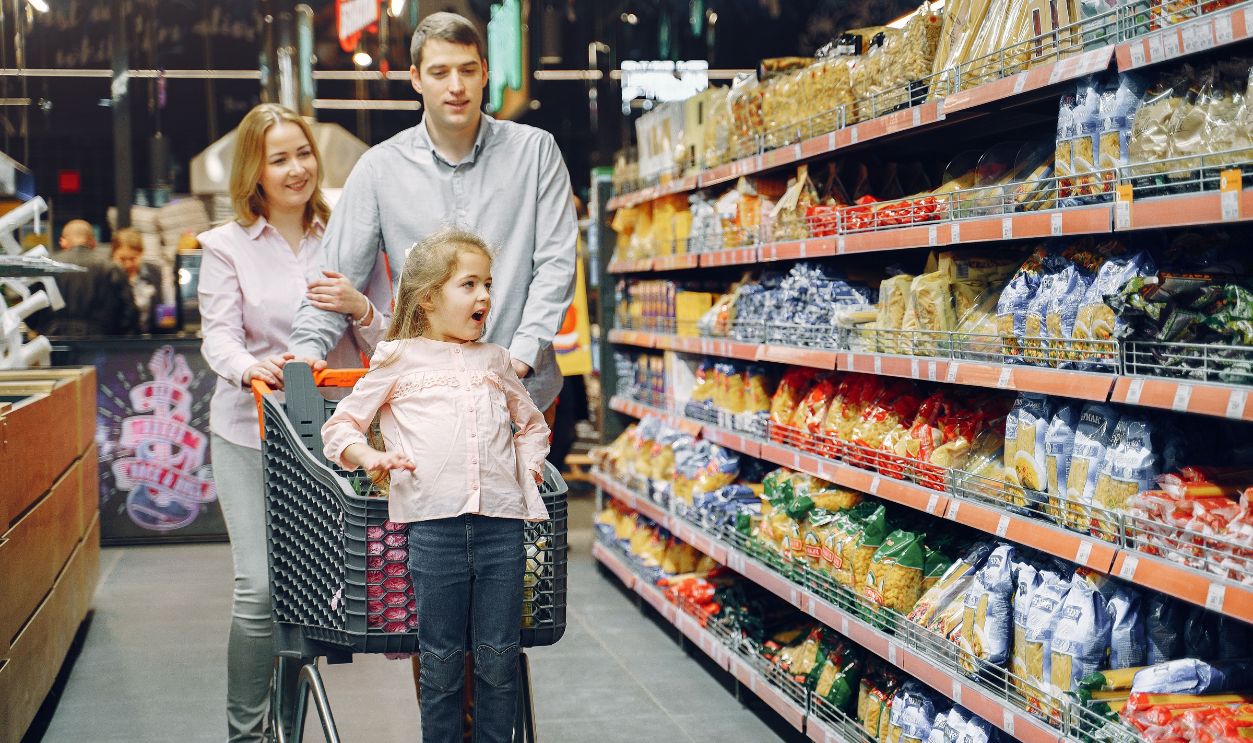
Prepared meals, precut produce, individual snack packs, and ready-to-eat foods often cost more for the convenience they provide. Switching those products to a store brand may produce only a modest discount. Buying less processed versions can sometimes matter more than changing the logo.
Online Prices May Be Different
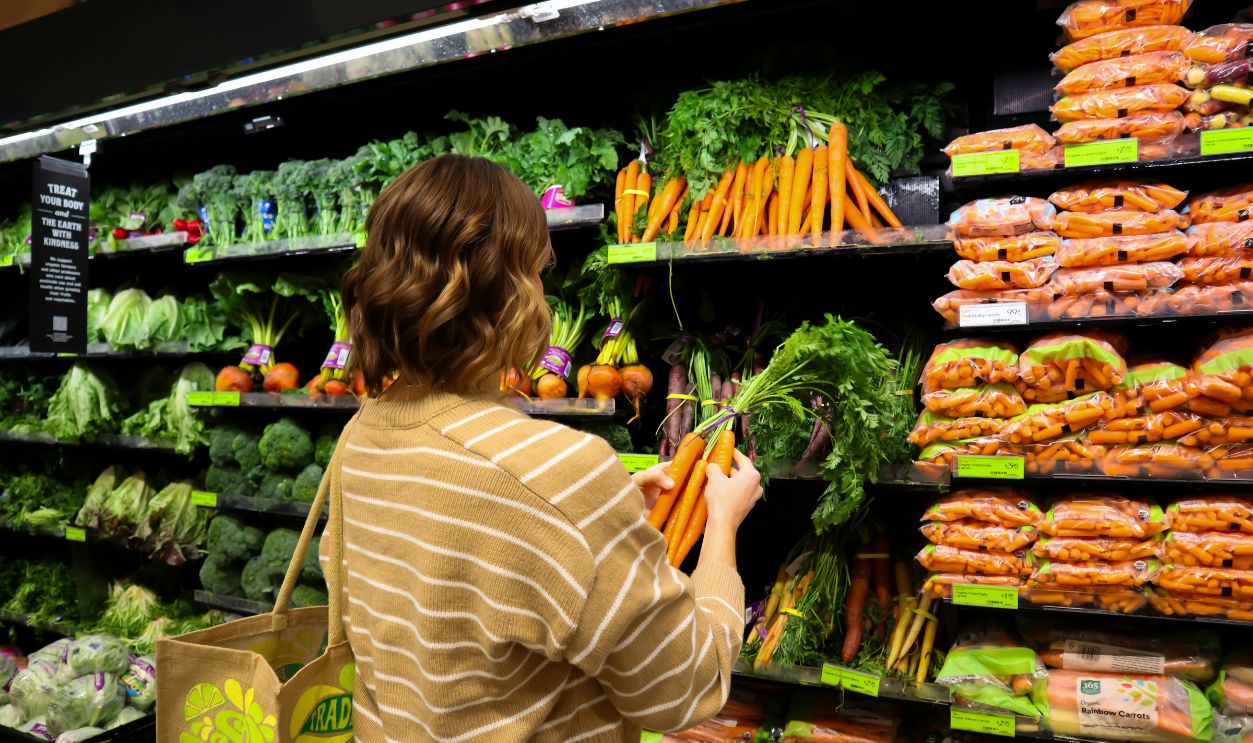
The FTC has asked consumers about grocery platforms that charge different online prices or add delivery and service fees. Those costs can erase savings from choosing private labels. Compare the in-store total with the complete pickup or delivery total before concluding that the products themselves failed to save money.

Waste Can Cancel A Bargain
A cheaper product saves nothing if your household dislikes it and throws it away. The Environmental Protection Agency says buying only what you need and eating what you purchase can reduce grocery spending. Test unfamiliar store-brand products in small quantities before stocking up.
Make A Plan Before Shopping
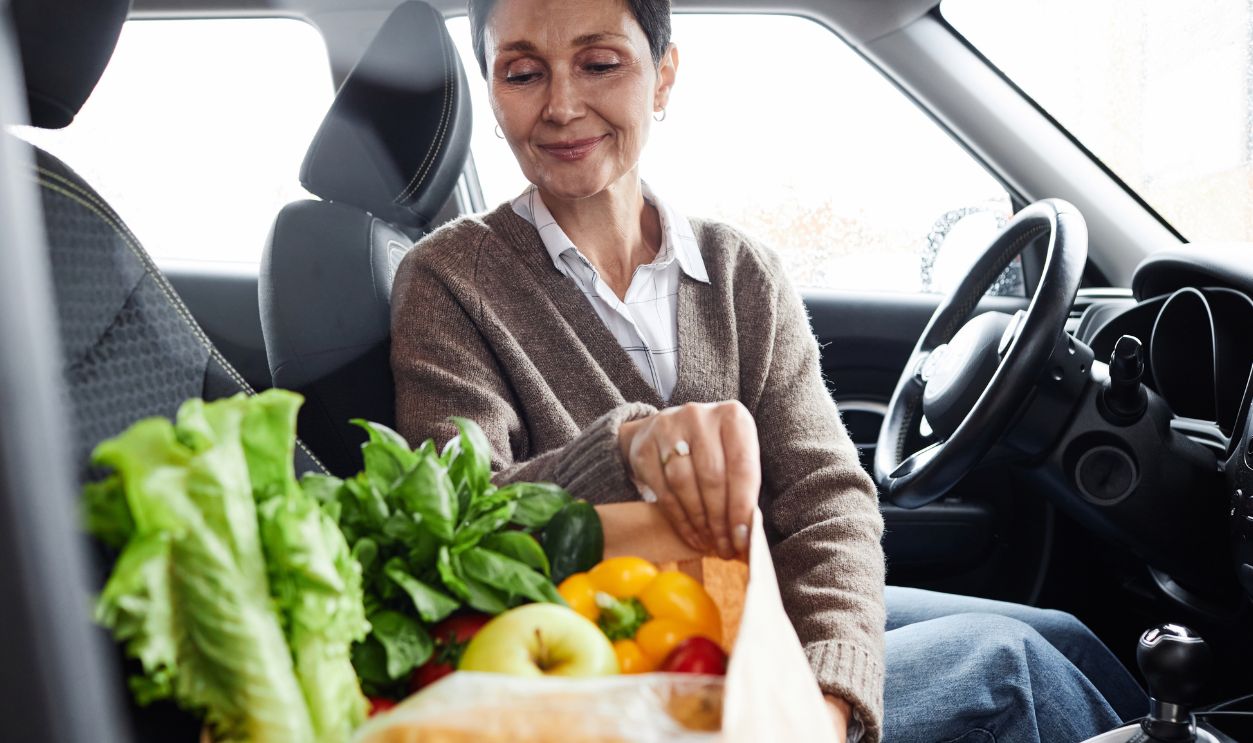
The EPA recommends checking existing supplies, planning meals, and making a grocery list to reduce wasted food. These habits can prevent duplicate purchases and impulse buys. Store-brand substitutions work better when they support a planned basket rather than an improvised one.

Compare Ingredients And Nutrition
A lower price does not guarantee that two products are nutritionally identical. FDA rules require covered packaged foods to carry information such as ingredient statements, net contents, and Nutrition Facts. Read both labels when sodium, added sugar, allergens, or serving size matter to you.

Quality Depends On The Product
There is no reliable rule that every private label tastes the same as the leading national brand. Recipes, ingredients, suppliers, and quality targets can vary by retailer and category. Keep the store-brand products your household enjoys and skip the ones that create waste or disappointment.

Staples Are A Strong Starting Point
Products with simple ingredient lists are often easy places to test private labels. Flour, sugar, canned vegetables, rice, basic spices, and cleaning supplies allow straightforward price and label comparisons. Start with products where branding matters least to your household.
Be More Selective With Favorites
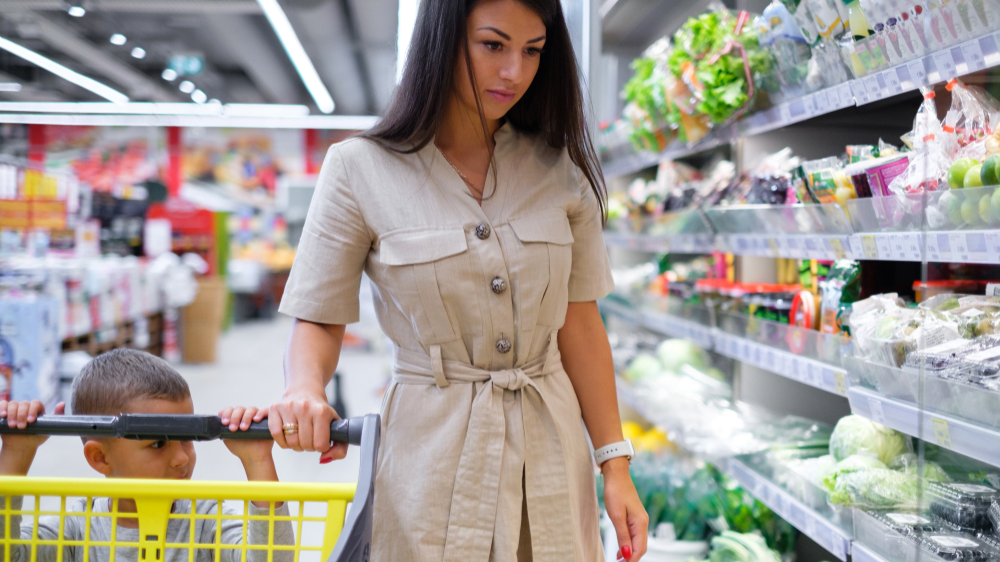
A disappointing replacement for a favorite coffee, snack, or condiment can lead to a second purchase. That turns an attempted saving into extra spending. Keep paying for the national-brand products that genuinely matter to you and target less important categories instead.

Track A Standard Basket
Choose 15 to 20 products your household buys regularly and record their unit prices. Compare the same basket across stores and over several shopping trips. This gives you a clearer picture than relying on one unusually expensive receipt.

Compare Stores As Well As Brands
A store brand at a high-priced supermarket can cost more than a national brand at a discount grocer. Retailer choice, loyalty pricing, and local competition can influence the bill alongside branding. Compare a few full baskets rather than assuming one chain is cheapest in every aisle.
Watch The Expensive Categories
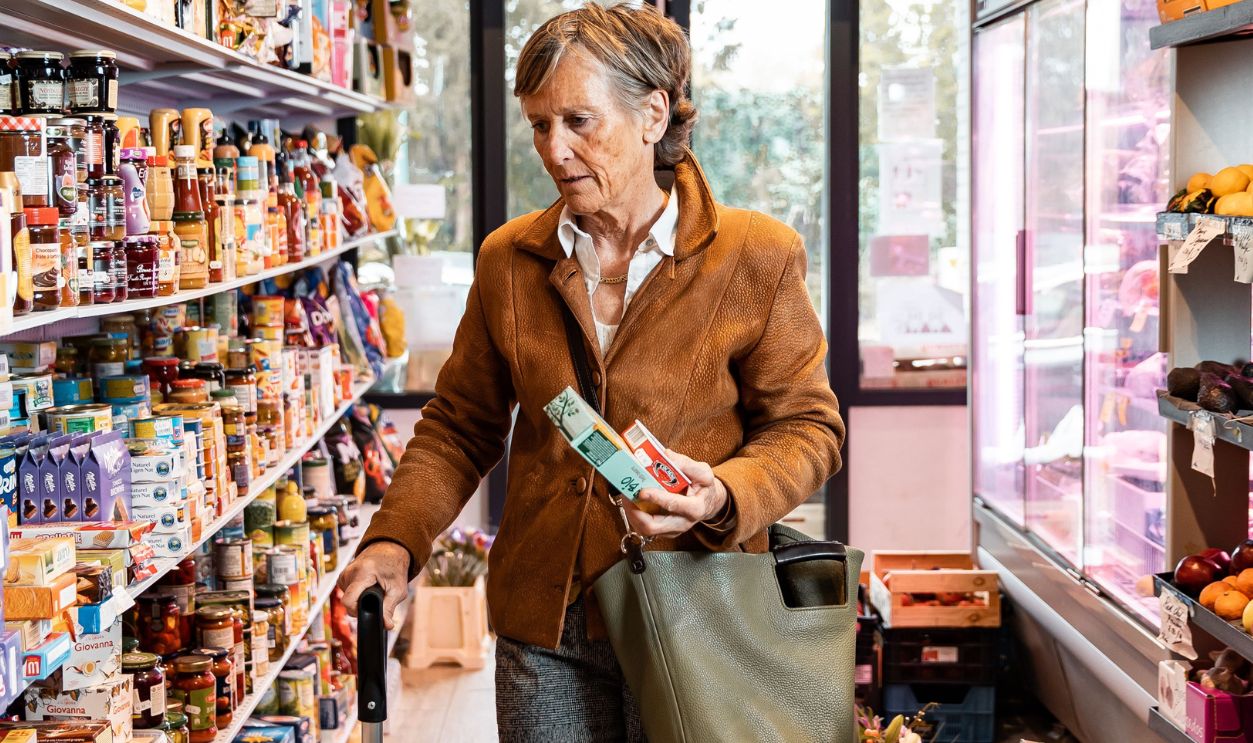
Meat, seafood, produce, beverages, and prepared foods can represent a large share of a grocery bill. Saving a few cents on canned goods may be overwhelmed by one expensive protein or several convenience drinks. Focus your comparison work on the categories that consume the most money.
Set A Basket Budget
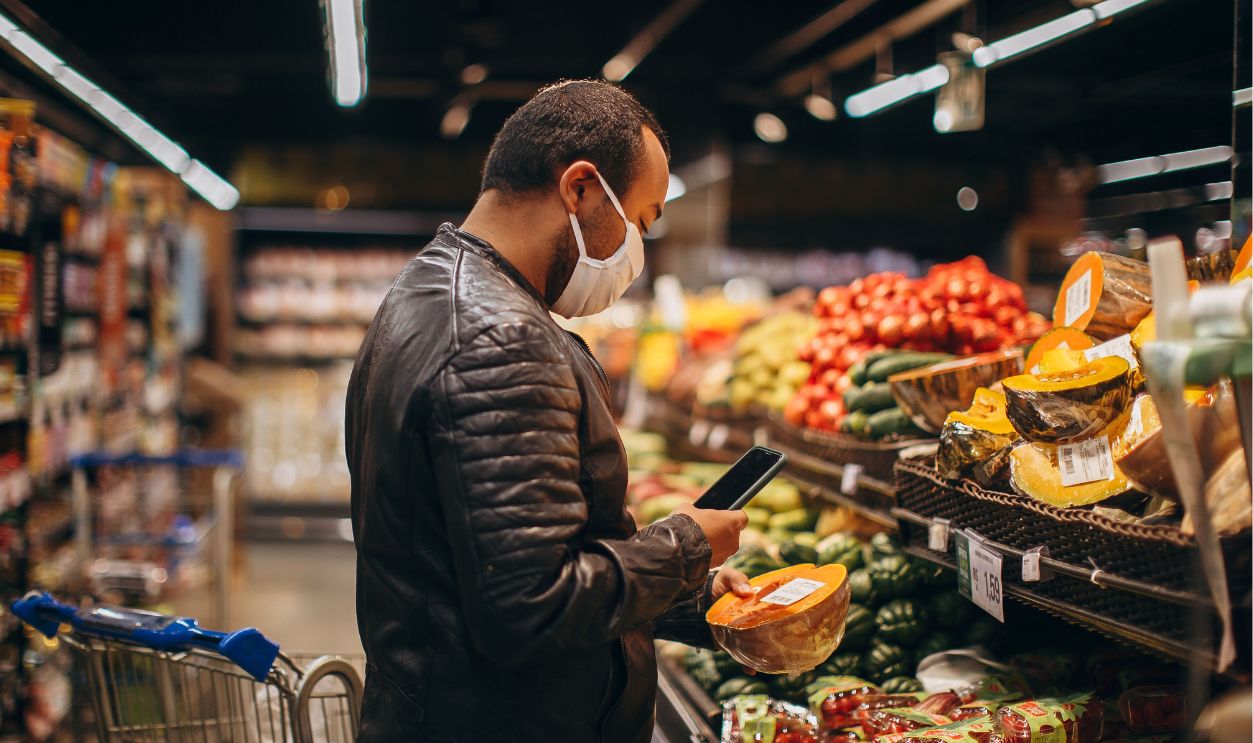
Choose a realistic spending limit before entering the store or opening the app. Build the cart around planned meals, then remove low-priority extras before checkout. A budget controls the total in a way that brand switching alone cannot.

Measure Savings Over A Month
One weekly bill can be distorted by pantry restocking, household supplies, celebrations, or bulk purchases. Review four or five weeks of receipts and separate food from nonfood products. Monthly tracking will show whether private labels are reducing your typical costs.

Store Brands Still Have A Role
Private labels are still a good deal when their unit prices are lower, the quality works for your household, and you use everything you buy. They cannot fully neutralize inflation, delivery fees, waste, premium upgrades, or an expanding cart. Keep the worthwhile swaps, compare the expensive categories carefully, and judge success by your monthly spending rather than one receipt.
You May Also Like:
Wellness Tips That Save You Money in the Long Run
5 Creative Ways To Save Money With Little Effort
Saving for a Rainy Day: How To Build An Emergency Fund
Sources: 1, 2, 3, 4, 5, 6, 7, 8, 9, 10, 11, 12, 13, 14, 15, 16, 17, 18