Since When Did Lunch Cost This Much?
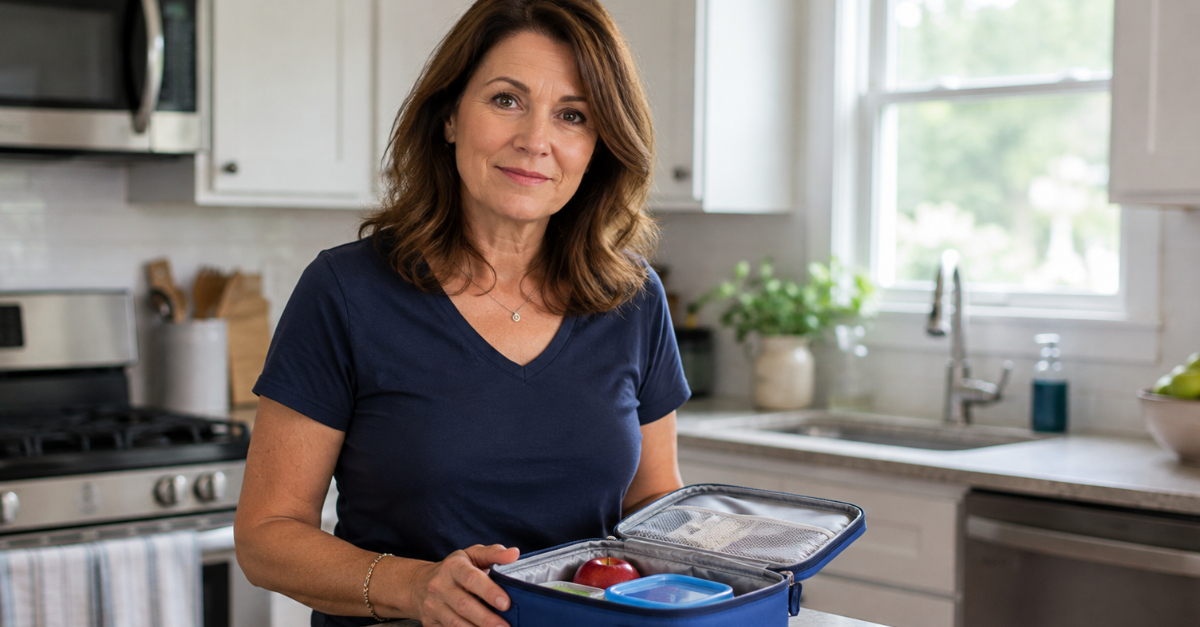
School lunch used to feel like one of those boring little expenses you barely noticed. Now, multiply it by five days a week, a couple of kids, and an entire school year, and suddenly it deserves its own line in the family budget. But before you start packing sandwiches every morning, you might want to check the math.
The Cafeteria Is Not Exactly Cheap
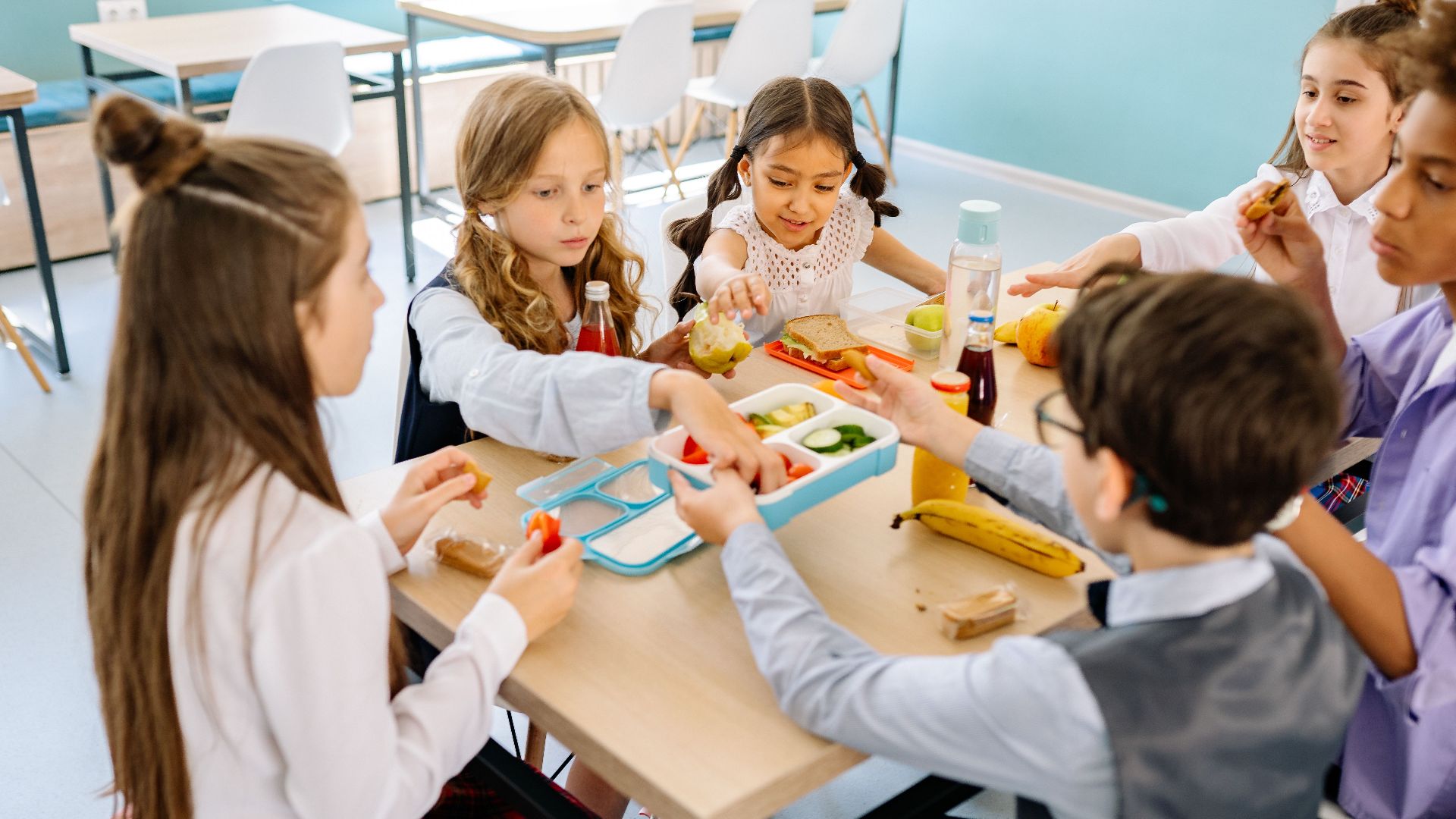
For the 2025–26 school year, a nationwide School Nutrition Association survey found typical paid lunch prices of $3.00 for elementary students, $3.20 for middle schoolers, and $3.25 for high schoolers. Individual districts set their own prices, so families may pay more or less, but those numbers give us a pretty useful national benchmark.
Now Multiply That By 180
Using 180 school days as a simple example, a $3 elementary lunch works out to about $540 for the year. At $3.20, you are at $576. For two kids, that lunch bill can easily cross $1,000 before anyone has even complained about what is being served on Tuesday.
Which Makes Packing Sound Brilliant
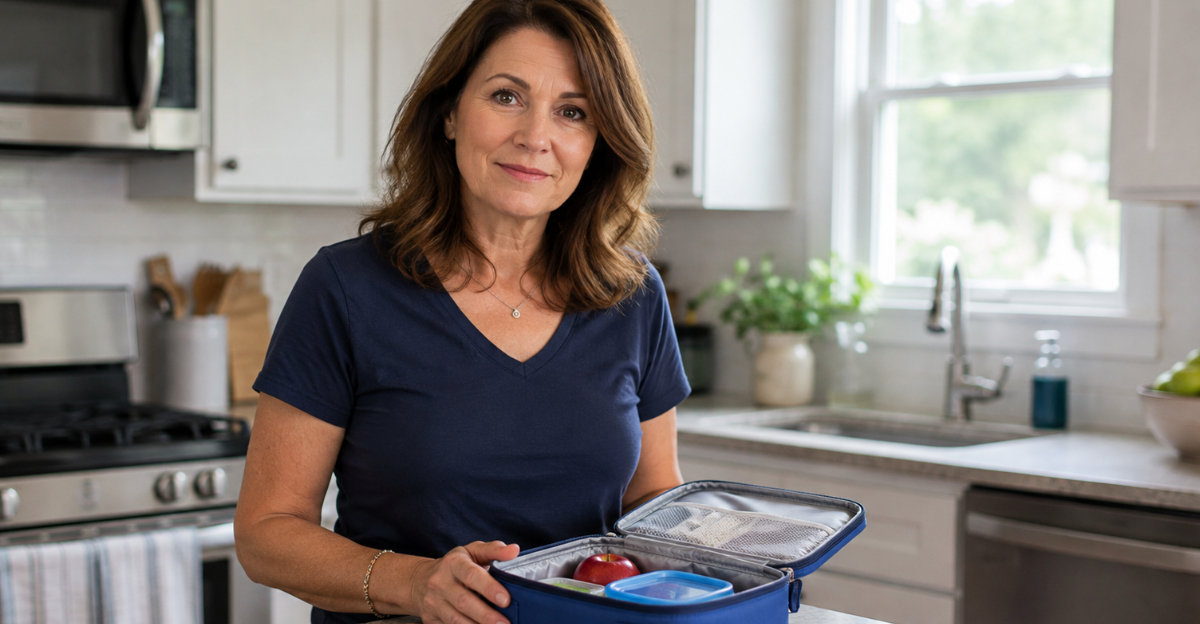
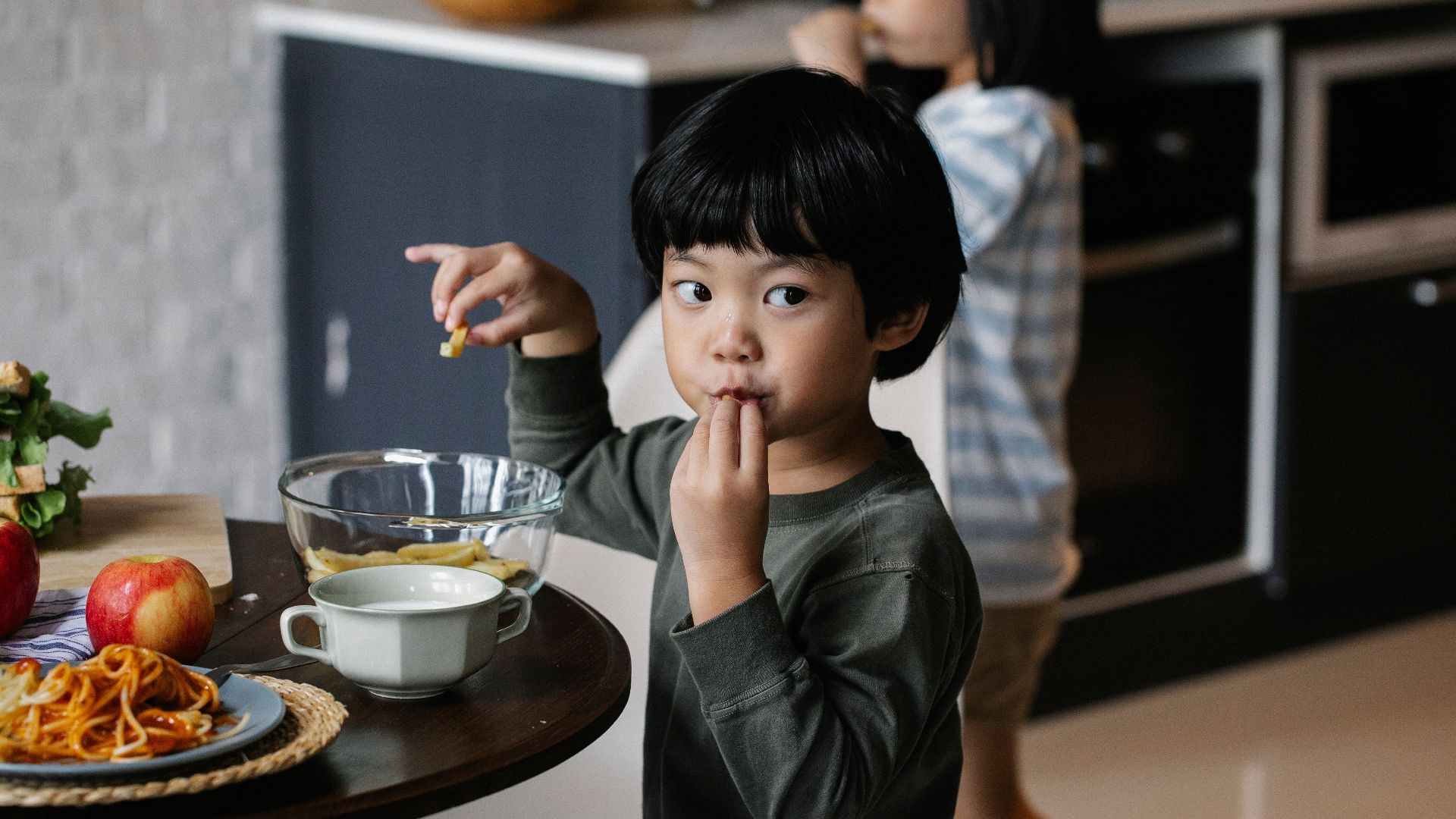
This is usually the moment a parent looks at a $3.20 cafeteria charge and thinks, “I can make a sandwich for less than that.” And you probably can. The problem is that most kids do not walk into school carrying one lonely sandwich in a brown paper bag anymore.

The Sandwich Is Only The Beginning
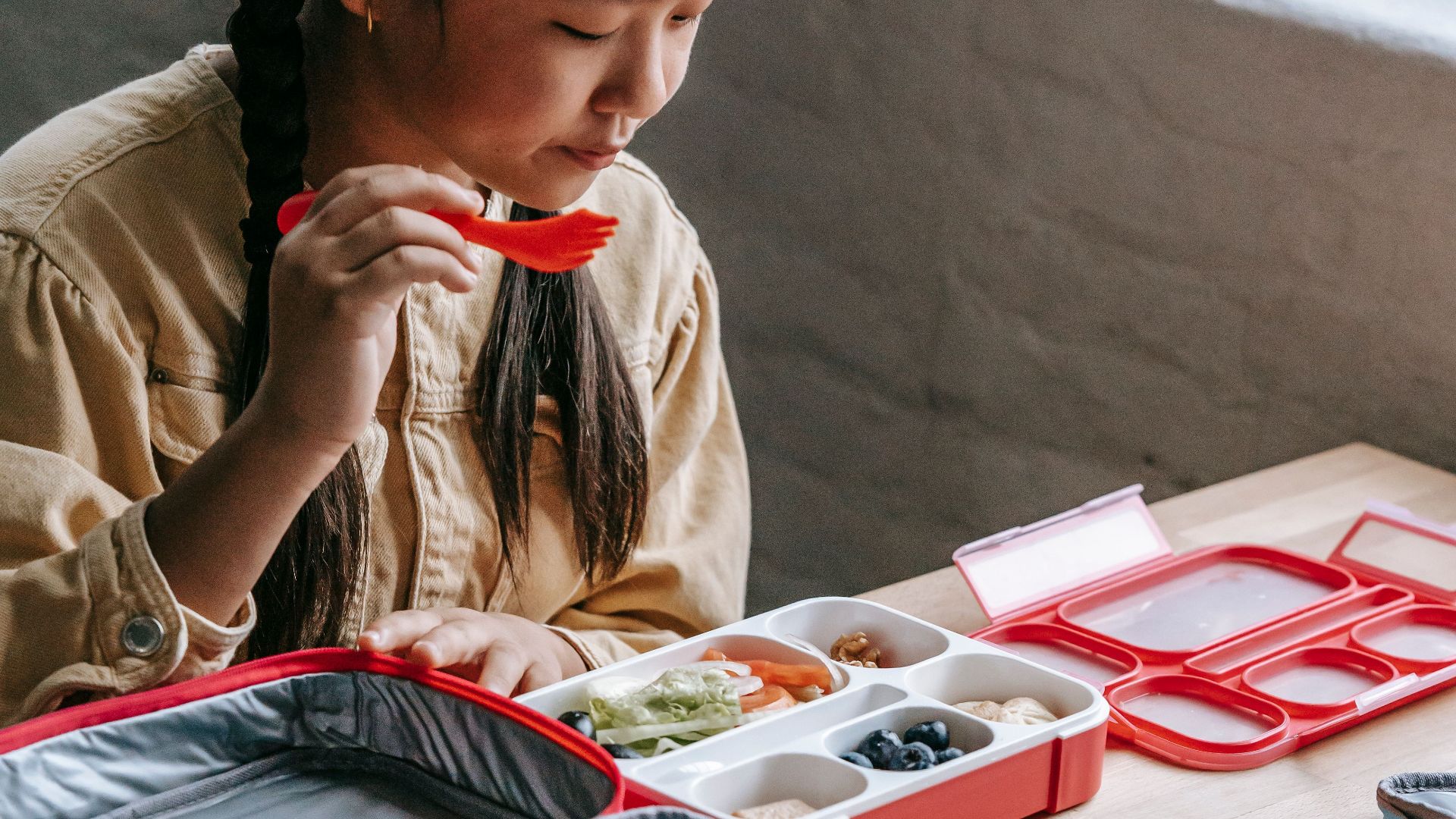
There is the fruit. The yogurt. The crackers. Maybe a cheese stick. Possibly a juice box. Then there is whatever little snack you bought because apparently eating lunch without something crunchy violates a section of the Constitution only children know about. That cheap sandwich can acquire some surprisingly expensive friends.
Deloitte Actually Did The Math
Deloitte priced four different packed-lunch combinations in 2025 and found that the average came to $6.15 per day. That included everything from a classic peanut butter and jelly-style lunch to more expensive options, so it absolutely does not mean every homemade lunch costs $6.15. Still, it shows how quickly things can add up.
$6.15 Adds Up Very Quickly
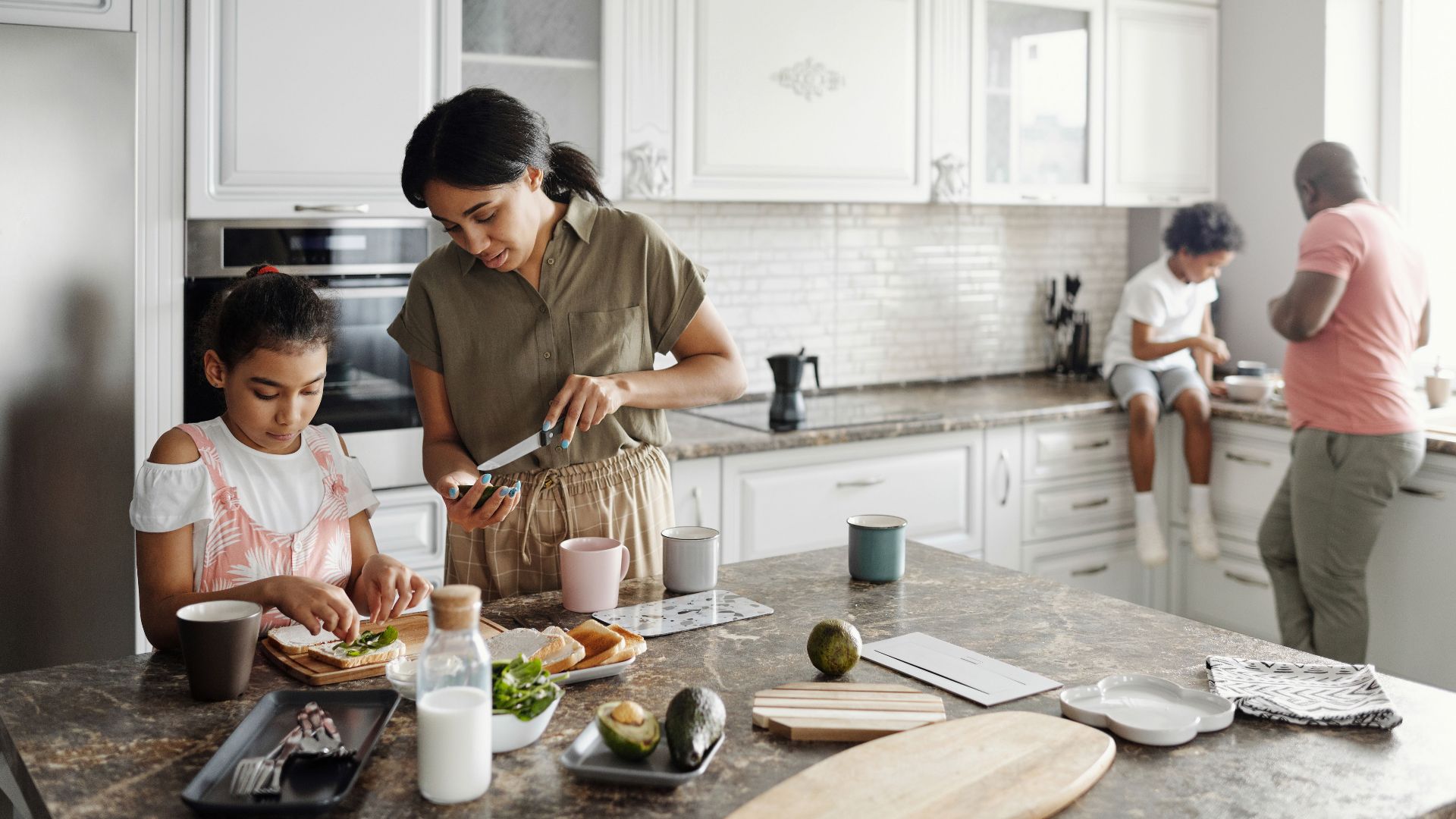
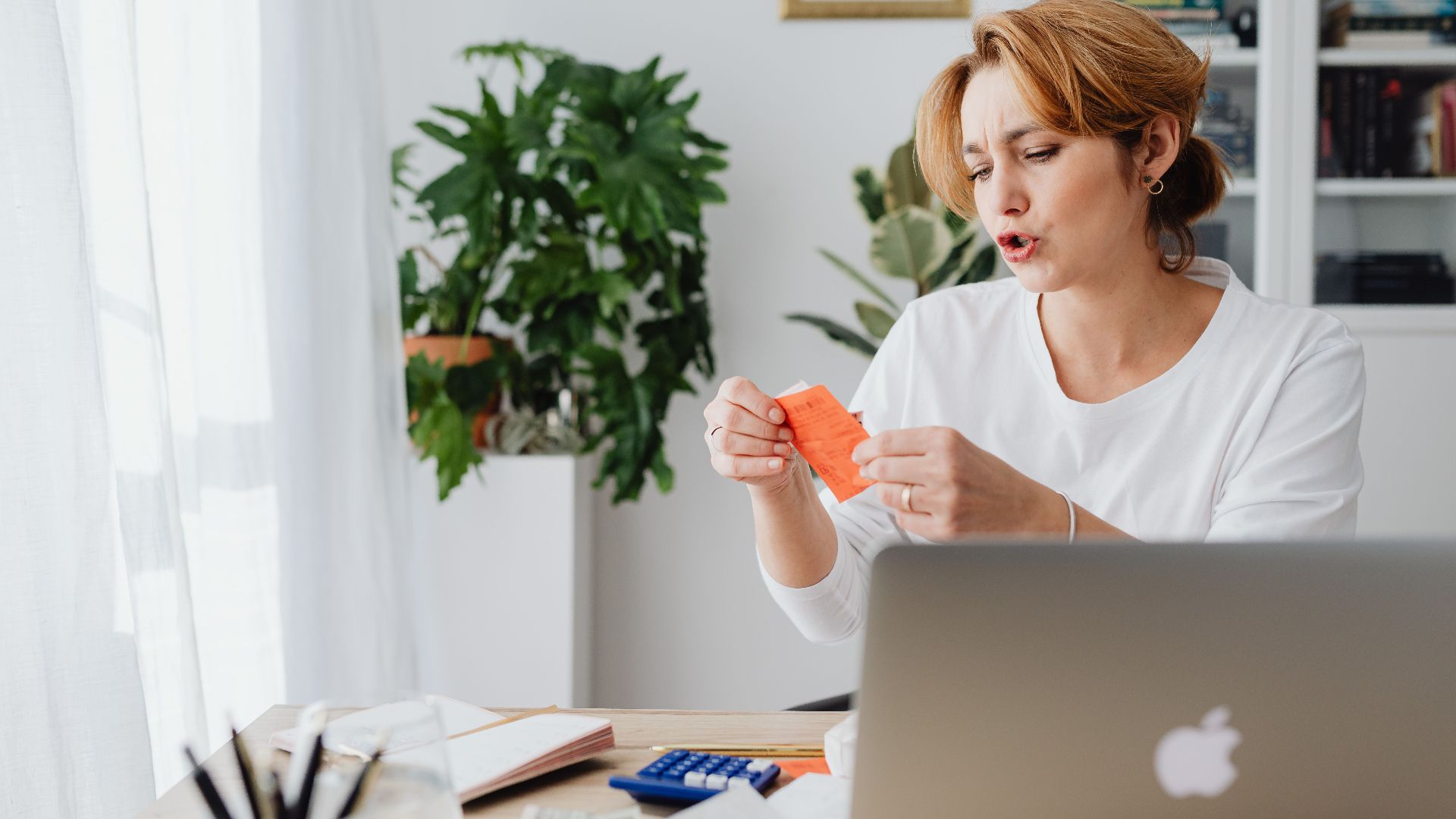
At $6.15 per day, 180 packed lunches would cost about $1,107 for one child. Compare that with $540 for 180 cafeteria lunches at $3 each.
That is a difference of $567—which is probably not what most parents imagine when they start packing lunches to save money.
 https://kaboompics.com/, Pexels
But Don't Throw Away The Lunchbox Yet
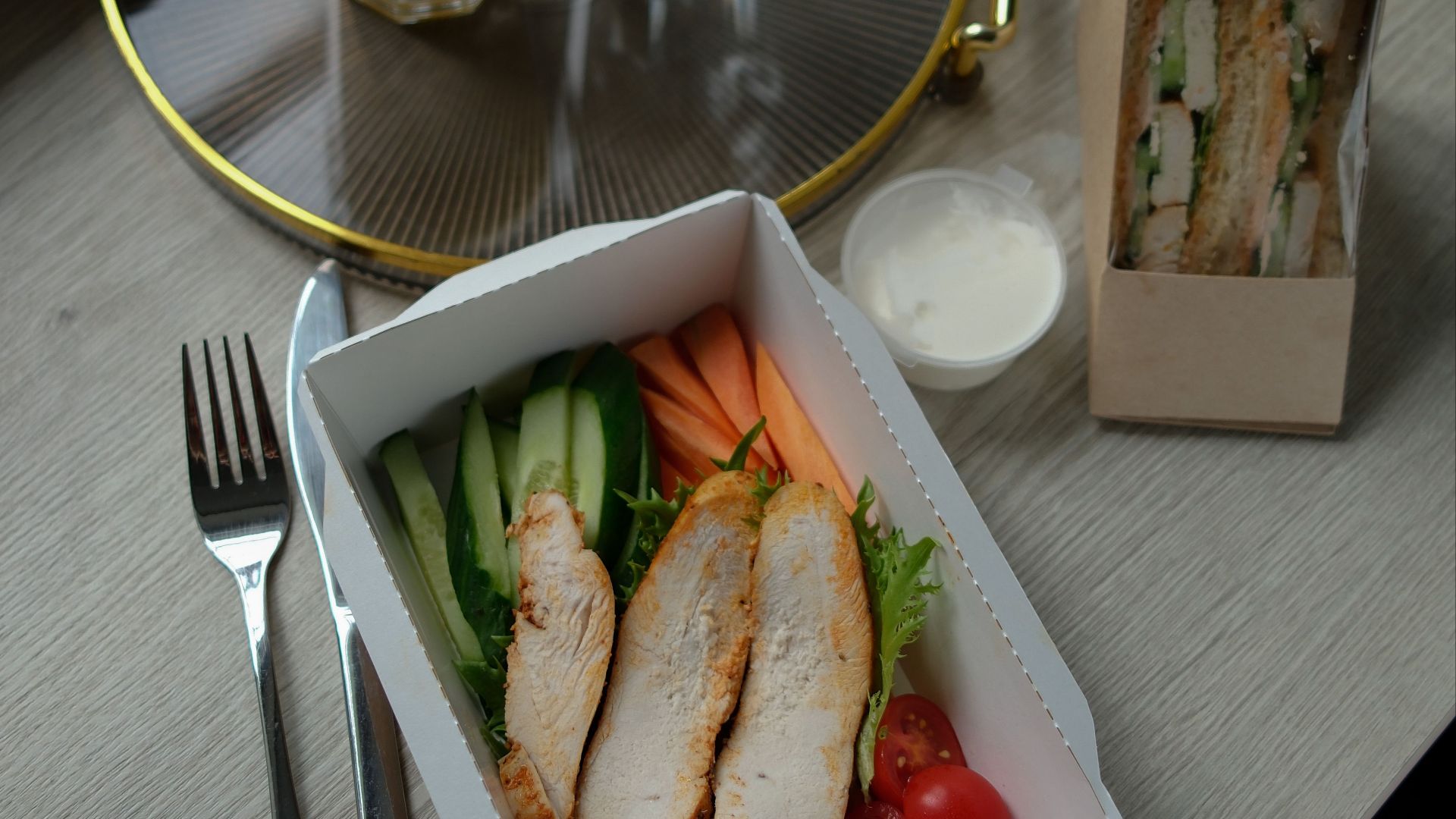
That $6.15 figure is an average of several specific lunch combinations, not some unavoidable price of admission. Deloitte’s cheapest option was its classic lunch, while its most expensive was a more contemporary lunch costing $7.30. In other words, what goes into the lunchbox matters enormously.
Convenience Is The Budget Killer
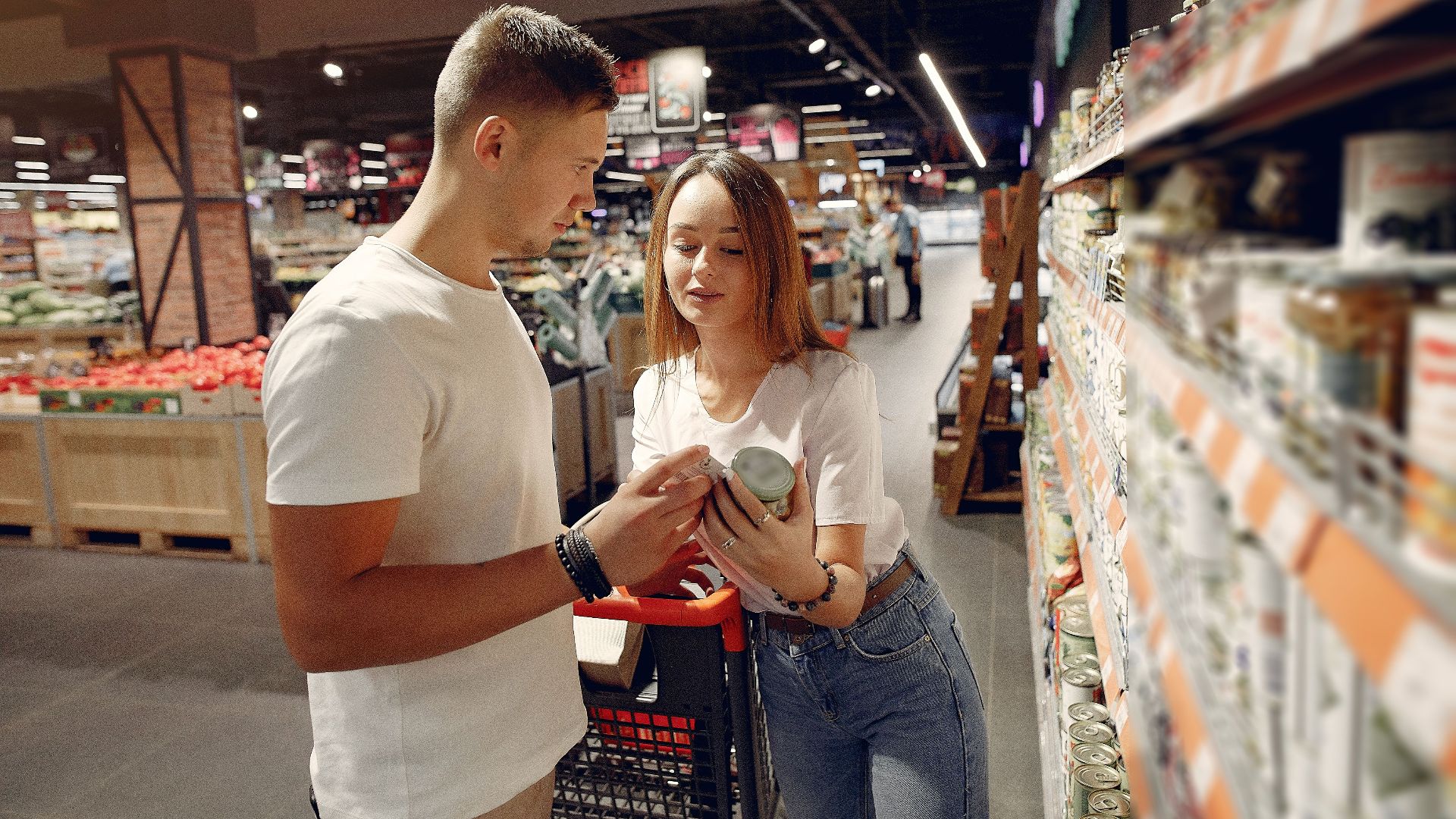
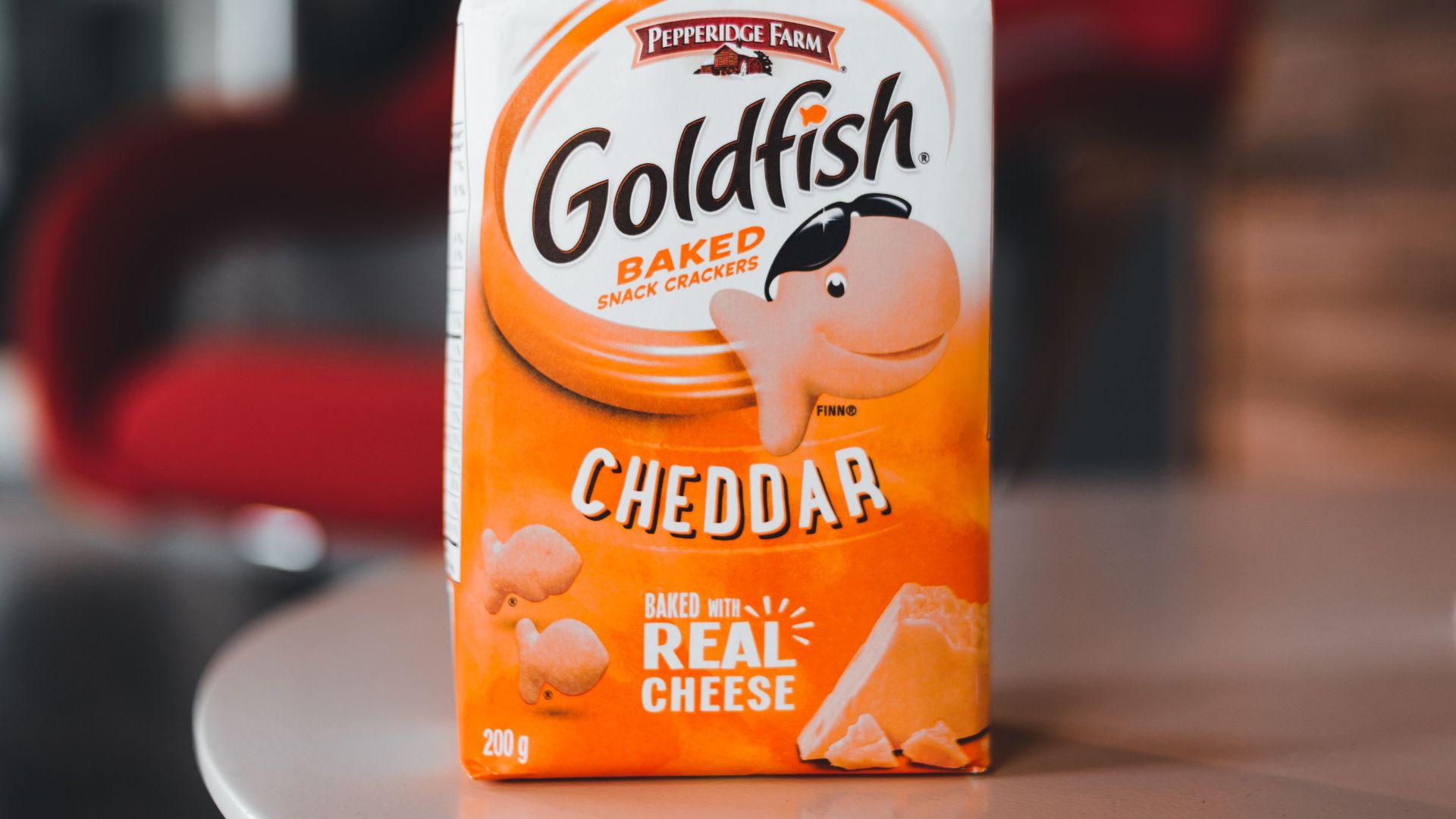
Single-serving crackers look cheap. So do individual yogurts, snack bars, fruit cups, cheese sticks, and juice boxes. The trouble starts when you put several of them together every day. You are not just buying food anymore. You are paying extra for somebody else to divide it into tiny packages.
The Big Box Has An Advantage
Buy one large package of crackers and portion it into reusable containers and the math starts moving in your favor. The same goes for pretzels, cereal, popcorn, grapes, carrots, cookies, and plenty of other lunchbox regulars. A little inconvenience at home can mean a lot less convenience pricing at the store.
Water Is The Easy Save
Juice boxes are another expense that barely registers until you realize you are buying them constantly. If your child is happy taking a reusable bottle of water, that is one entire part of the lunch you no longer have to purchase every week. The lunchbox just got cheaper without losing any food.
Then There Are Leftovers
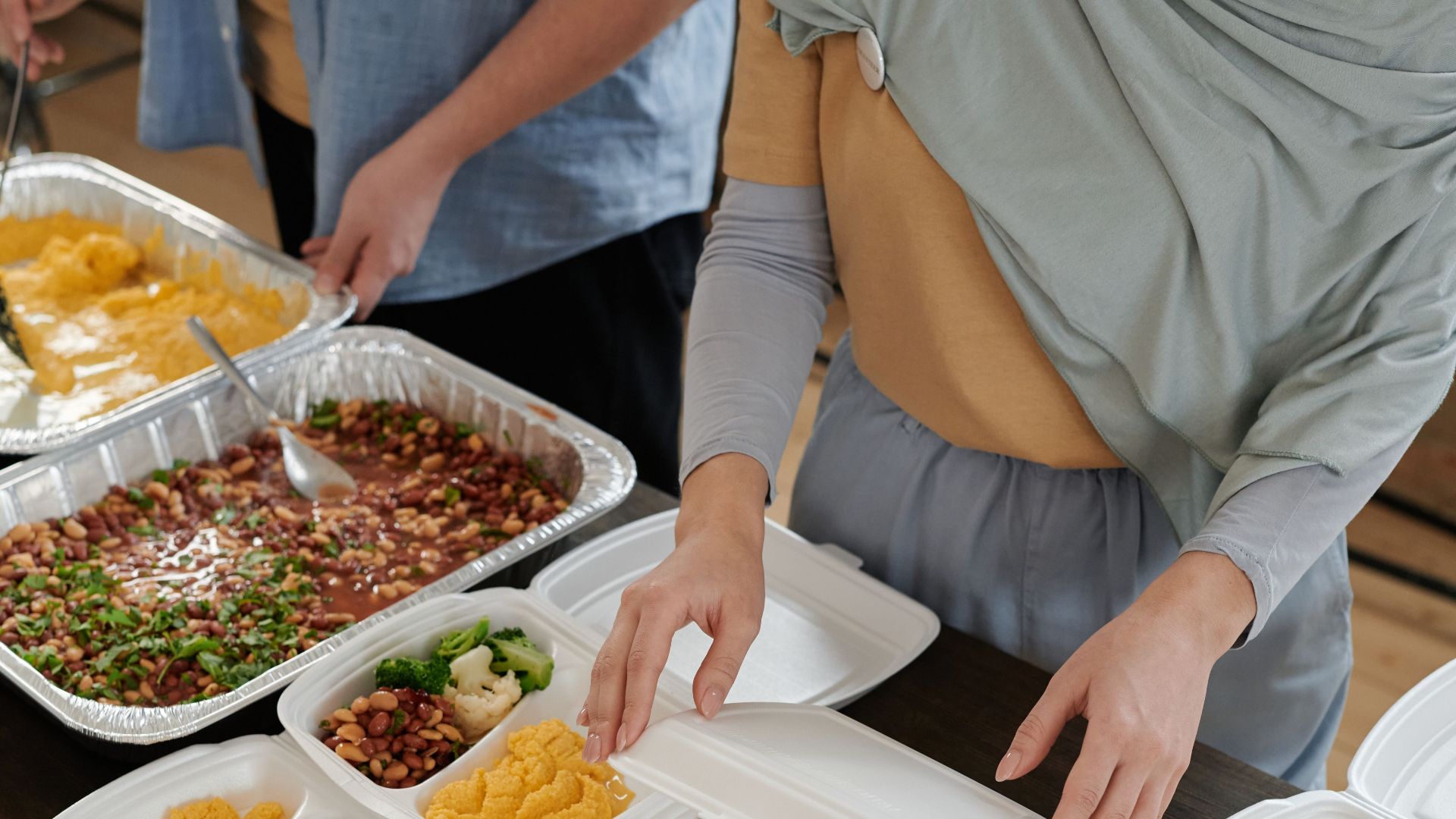
This is where packing lunch can suddenly become very difficult for the cafeteria to beat. Last night’s pasta, rice, chicken, pizza, or whatever else is already sitting in the refrigerator may cost very little extra to turn into tomorrow’s lunch. You are not buying a whole separate category of “lunch food” at all.
Leftovers Change The Question
There is a big difference between asking, “How cheaply can I pack a lunch?” and asking, “How cheaply can I use food I already bought?” The second question is where some families can really save. If those leftovers would otherwise go uneaten, turning them into tomorrow’s lunch can reduce waste and save you from buying separate lunch food.

PB&J Still Has A Job
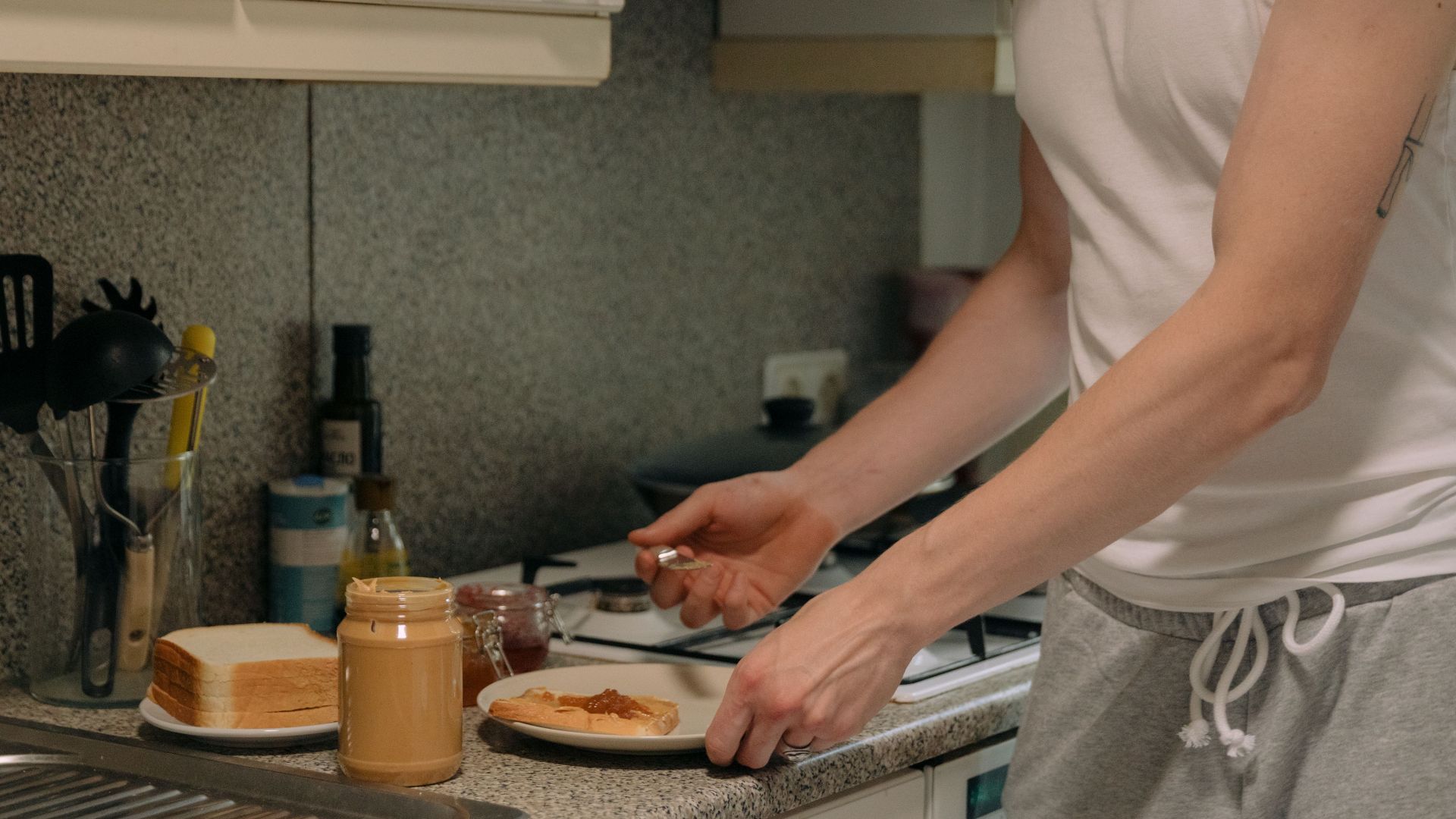
A simple peanut butter and jelly lunch remained the least expensive of Deloitte’s four examples, although its cost increased 6% from the previous year in the firm’s 2025 analysis. Higher prices for items including apples, jelly, and single-serve milk contributed to that increase. Apparently even PB&J has inflation now.
So Even The Cheap Lunch Got More Expensive
That is part of what makes this decision so frustrating. The cafeteria bill is visible. You see exactly what lunch costs. Packing is sneakier. Bread gets tossed into the normal grocery cart. So does fruit. So do snacks. Unless you actually separate those costs, homemade lunch can feel cheaper than it really is.

Your Grocery Receipt Knows The Answer
For two weeks, keep track of anything you buy specifically for school lunches. Then work out how many lunches those groceries actually produced. If you spent $70 on lunch food and got 20 lunches from it, you did not pack a $2 lunch. You packed a $3.50 lunch. Mystery solved.

Find Your Break-Even Number
If the cafeteria charges $3.20, your packed lunch needs to come in below $3.20 to save money. Pack it for $2.50 and you save 70 cents. Pack it for $4 and you are spending 80 cents more. It sounds ridiculously obvious, but grocery costs make this surprisingly easy to miss.
 https://kaboompics.com/, Pexels
One Kid Is Only The Beginning
Seventy cents of savings does not sound particularly exciting. For two children over 180 school days, though, that hypothetical 70-cent daily difference becomes $252. Reverse the numbers and overspend by 80 cents per lunch, and you are spending $288 more. Tiny lunchbox decisions get very large when you repeat them 360 times.
Food Waste Can Wreck Either Option
Of course, none of this math works if the food ends up in the trash. A $3 cafeteria lunch your child barely touches is expensive. So is the lovingly packed $2.50 lunch that returns home looking exactly as it did that morning, except slightly warmer and considerably less appetizing.
The cheapest lunch is one that actually gets eaten.
This Is One Advantage Packing Has
Deloitte found that parents whose children brought lunch from home were considerably more confident their kids would eat it, and taste was also a major reason families preferred packed lunches. That matters because throwing away food is a very efficient way to make both lunch options more expensive.
Don't Forget The Time Cost
There is also something spreadsheets rarely include: your morning. Saving 45 cents is less impressive if it requires cutting strawberries, making sandwiches, filling containers, locating the missing lunchbox lid, and discovering at 7:42 a.m. that somebody suddenly refuses to eat the turkey they loved yesterday. Convenience has value too.
The Cafeteria Has Something Your Grocery Cart Doesn't
A roughly $3 cafeteria price does not mean the school is producing the entire meal for $3. Schools participating in the National School Lunch Program receive federal reimbursement for reimbursable meals, along with other program support. So when we compare what comes out of a parent’s wallet, the cafeteria has some financial help the homemade lunch does not.
Free Lunch Changes Everything
Before doing any of this math, make sure you actually need to pay. USDA’s Community Eligibility Provision allows eligible schools and districts in high-poverty areas to serve breakfast and lunch at no cost to every enrolled student, without families having to submit individual meal applications.
And Some Families Qualify Individually
Families can also qualify individually for free or reduced-price meals based on income. And if a household receives SNAP benefits, children who attend school automatically qualify for free school meals. Families can apply during the school year, so a change in finances does not mean waiting until next September.

Free Is Pretty Difficult To Beat
If your child qualifies for lunch at no cost, this article becomes dramatically shorter.
Take the school lunch.
You can still pack something occasionally because your kid hates Wednesday’s entrée, but from a purely financial standpoint, no homemade sandwich is going to undercut zero dollars.

You Don't Have To Pick A Side
There is also no rule saying a child must permanently belong to Team Cafeteria or Team Lunchbox. Check the menu. Buy lunch on the days your kids like what is being served. Pack leftovers when you have them. Skip the expensive convenience-packed lunch whenever there is a cheaper option available.
Pizza Day May Be A Financial Strategy
If your kid loves Friday’s cafeteria pizza, paying $3.20 may make perfect sense. If Monday’s lunch is something they will stare at suspiciously for 25 minutes before throwing away, pack something. The cheapest system may be the one that changes from day to day instead of trying to win some imaginary lunchbox loyalty contest.
The Fancy Lunchbox Is Not Helping
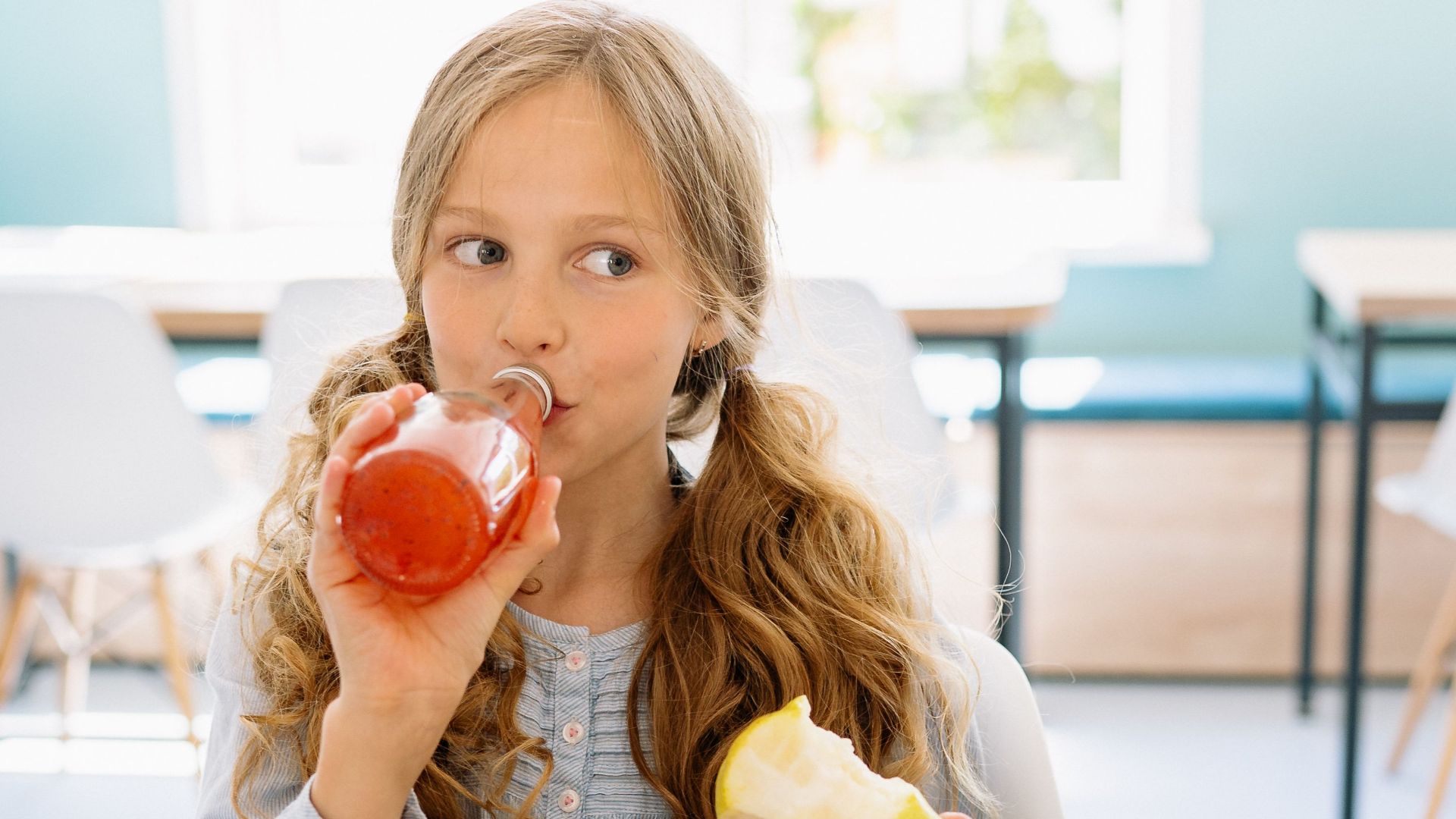
Social media has done something rather strange to school lunch. Suddenly there are six compartments, tiny cutters, decorative fruit, color-coordinated snacks, and foods shaped like woodland creatures. That is adorable. It is also completely unnecessary if the original objective was simply to stop spending so much money on lunch.
Bring Back The Boring Lunch
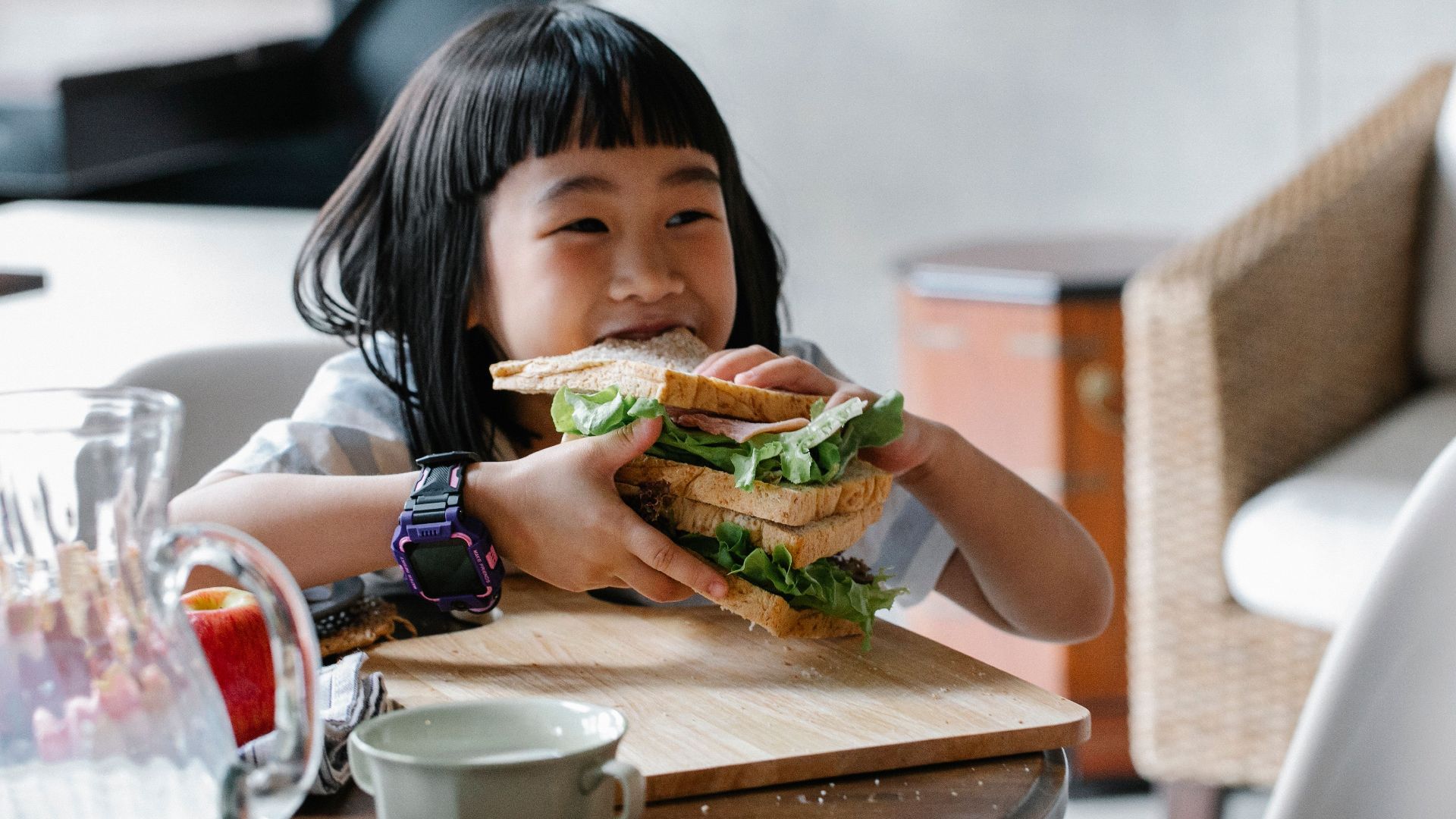
A sandwich. An inexpensive piece of fruit. Crackers portioned from a larger box. Water. That lunch is not going viral on Instagram, but it has a much better chance of costing less than the cafeteria than a lunchbox stuffed with five individually packaged foods bought specifically for school.
Sometimes boring is extremely good for a budget.
So Which One Actually Saves Money?
For parents paying full price, the cafeteria has a surprisingly strong case. Typical 2025–26 paid lunches are around $3 to $3.25, while Deloitte’s four packed-lunch examples averaged $6.15. A convenience-heavy packed lunch can therefore cost substantially more than buying lunch at school.

But Packing Can Still Win
The trick is that you have to pack lunch like you are actually trying to save money. Use leftovers. Buy larger packages instead of single servings. Skip packaged drinks. Keep the main meal simple. Buy things your kids will genuinely eat. Do that consistently, and getting below your school’s cafeteria price becomes much more realistic.
The Answer Is Annoyingly Unsatisfying
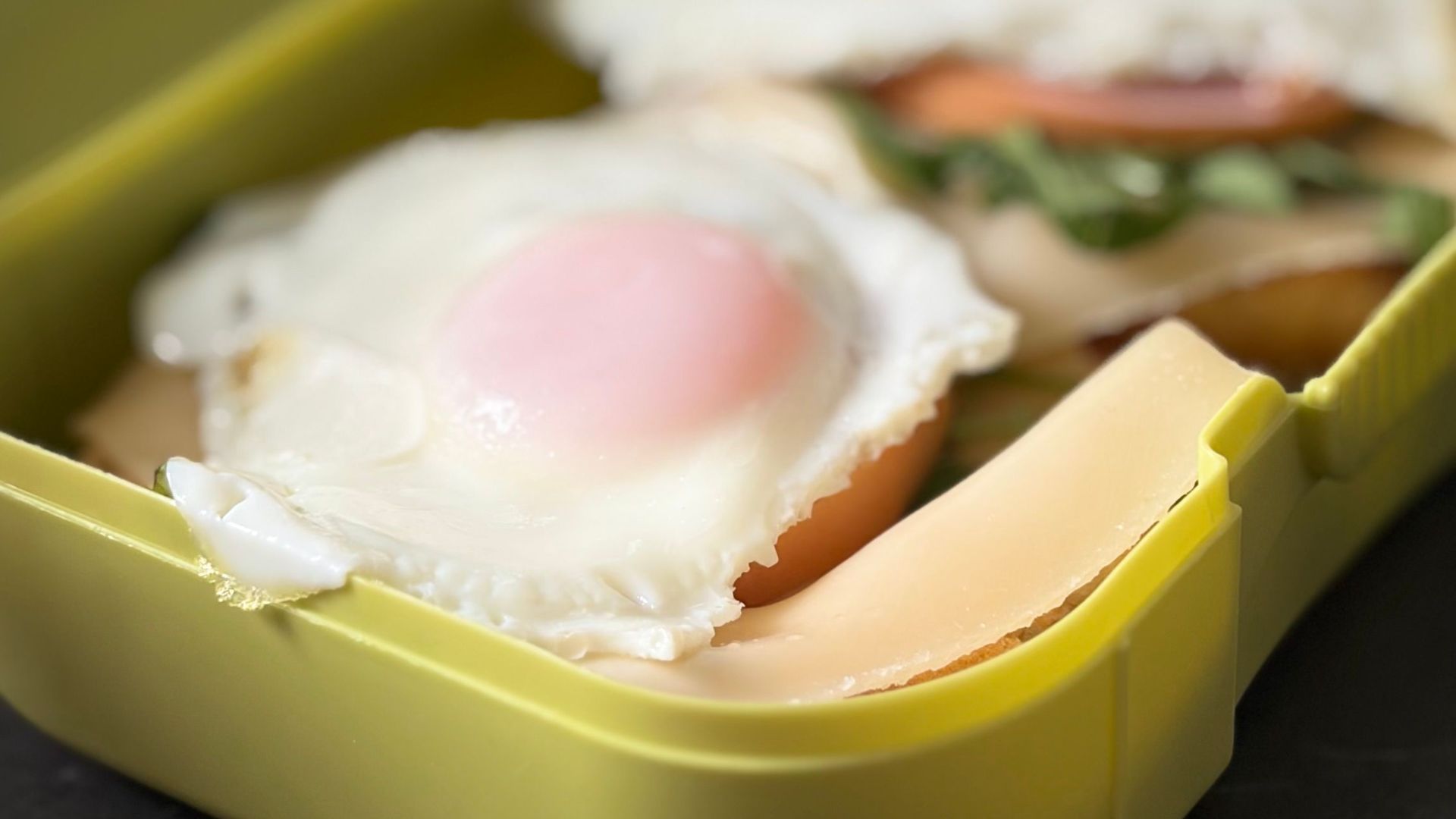
There is no universal winner. But there is a pretty clear rule: if your packed lunch is built around individually packaged convenience foods, school lunch may be cheaper. If it is built around bulk groceries and food you were already buying anyway, packing can win.
Apparently even sandwiches require a financial strategy now.
You Might Also Like: