
Storage Units Can Quietly Become Money Pits
A storage unit starts out sounding practical. “We’ll just keep these things somewhere safe for now.” Then “for now” becomes five years, the monthly bill keeps rolling in, and nobody has opened the unit except to feel guilty. At some point, it stops being storage and starts being a subscription to indecision.

Start By Treating It Like A Real Expense
Before anyone argues about Grandma’s dishes or old furniture, put the numbers on paper. How much is the unit each month? What is the yearly cost? How long has the family been paying? Seeing the total often changes the conversation from “these things might matter someday” to “this is costing real money right now".
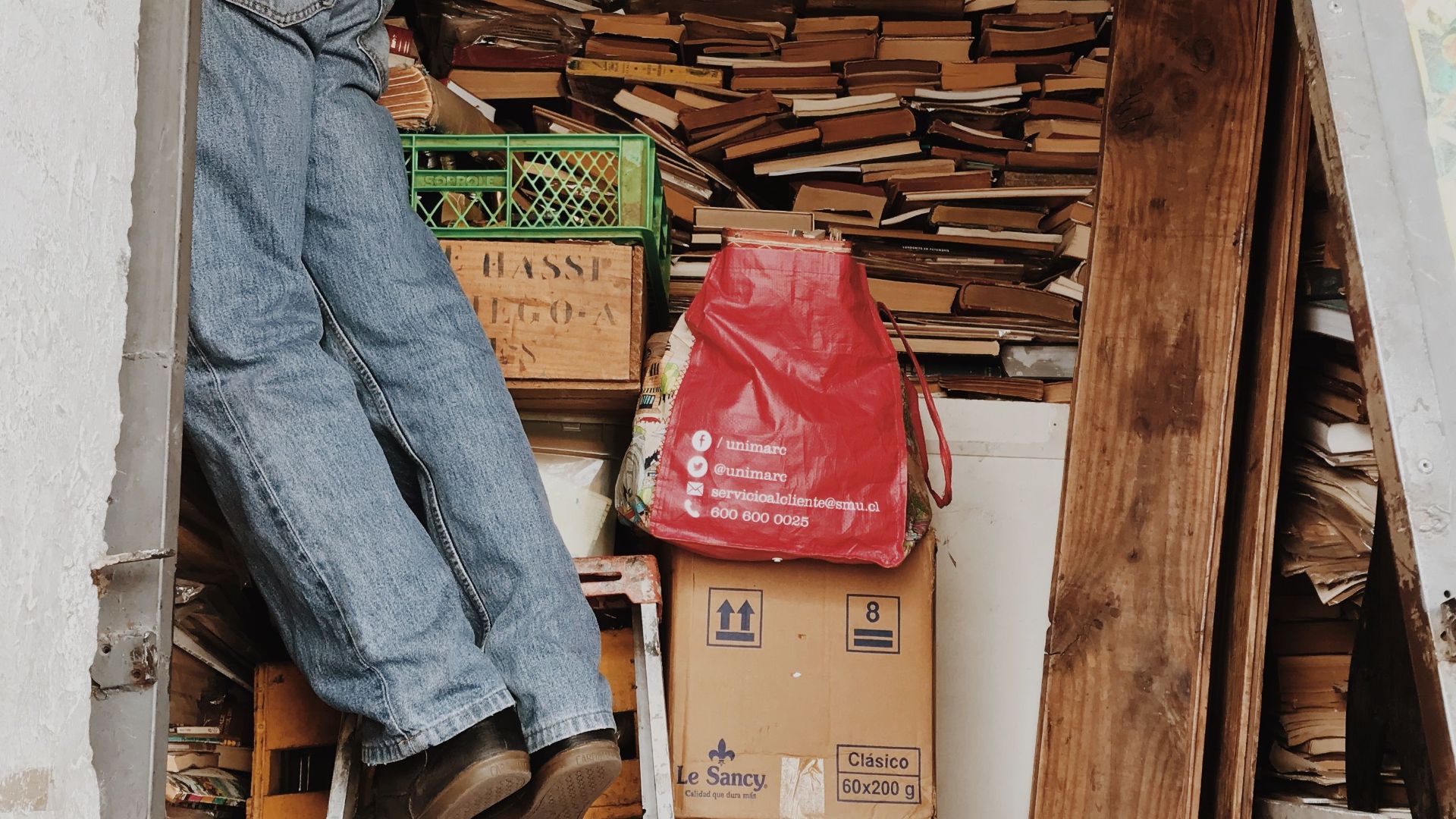
Do Not Open With “Nobody Wants This Junk”
Even if that is what everyone is thinking, do not lead with it. Your parents may hear “junk” as “your life does not matter". Start softer: “I know these things represent a lot of memories, but the storage bill is getting expensive. Can we make a plan together?” Same point, much less emotional damage.
 ElenaKaretnikova, Shutterstock
The Stuff Is Usually About More Than Stuff
Storage units are rarely filled with objects only. They are filled with memories, identity, grief, duty, and unfinished decisions. A box of dishes may represent a marriage. A chair may represent a childhood home. If you treat everything like clutter, your parents may dig in harder just to protect what those items mean.

Make The Goal Financial Relief, Not Emotional Erasure
The message should not be, “Get rid of your past". The message should be, “Let’s stop paying hundreds or thousands of dollars to store things no one is using". That framing matters. You are not asking your parents to erase their lives. You are helping them protect their money and reduce a burden.
 Inside Creative House, Shutterstock
Give Everyone A Chance To Claim Things
Asking family directly whether they want specific items is usually the best way forward, because the answer may be a clear “no". That sounds simple, but it prevents future accusations. Send photos or a shared list to siblings, grandchildren, and close relatives. Give people a deadline to claim items, then move on.

Deadlines Prevent The Unit From Living Forever
Open-ended offers create open-ended storage bills. Instead of saying, “Let us know if you want anything,” try, “Please choose anything you want by October 1". A deadline makes the process feel fair and manageable. It also keeps one hesitant relative from freezing the whole family in place indefinitely.

Use Photos To Lower The Emotional Temperature
Nobody needs to gather in a dusty unit and argue over every box in real time. Take photos, create categories, and share them digitally. This gives everyone space to think. It also helps older parents see the volume clearly, which can be very different from imagining “just a few important things".

Create Four Simple Categories
Do not make the system complicated. Use four categories: keep, give to family, sell or donate, and discard. That is enough. If an item cannot fit into one of those groups, it probably needs a short conversation, not a family debate that lasts three months.

Start With The Easy No Items
Begin with broken furniture, outdated electronics, duplicate kitchenware, damaged boxes, and things nobody can identify. Quick wins build momentum. If the first item you discuss is a wedding album or heirloom quilt, everyone may shut down. Start with the obviously unneeded things and save emotional items for later.

Ask The Brutal But Useful Question
Get you parents to ask themselves whether they would buy the item today. That question cuts through a lot of wishful thinking. If nobody would buy it, use it, display it, repair it, or pay to move it, why is the family still paying to store it every month?

Sentimental Items Deserve A Smaller Container
Not everything sentimental has to go. The trick is shrinking the footprint. Keep one box of meaningful letters, not twelve boxes of unsorted paper. Keep one special serving dish, not every dish from every holiday. You can preserve the memory without renting square footage for the entire past.

Selling Things May Not Be Worth The Work
Some families imagine the unit is full of hidden treasure. Usually, it is full of things that are emotionally valuable but hard to sell. Online selling can work, but they also create extra labor for families already under stress. Be realistic about what is worth the effort.
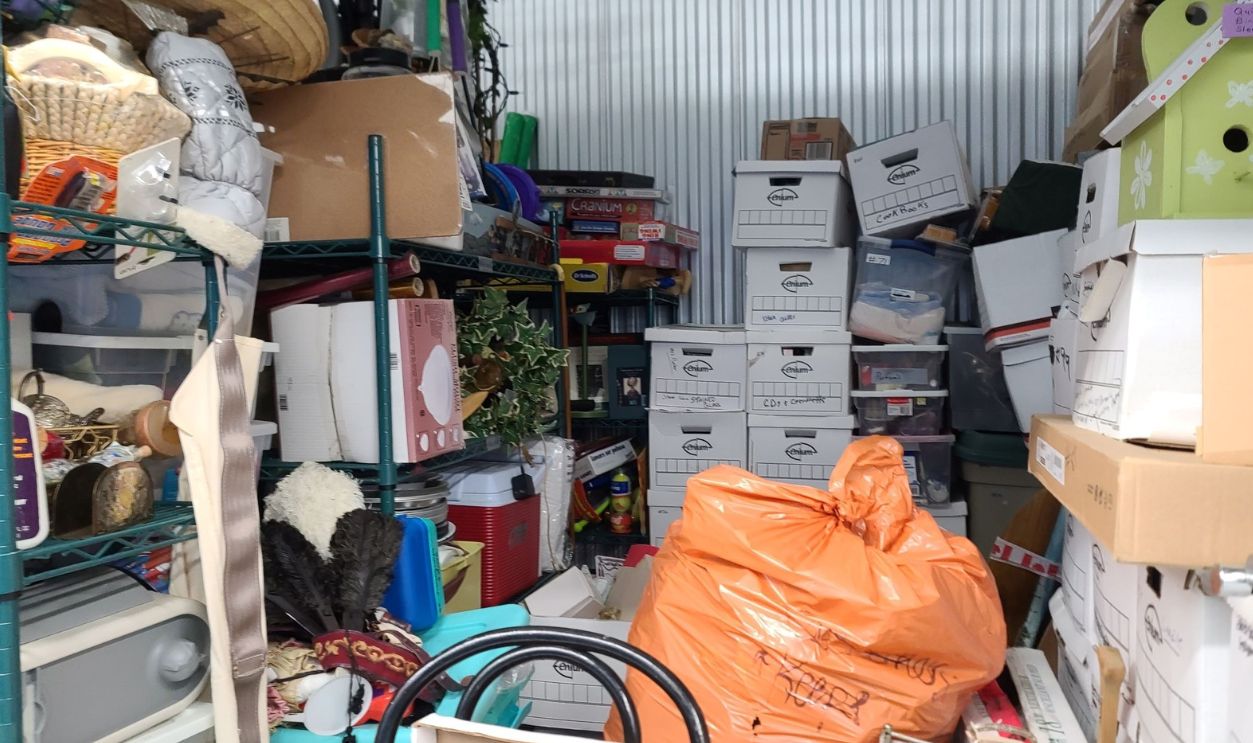
Decide Who Is Doing The Actual Labor
Decluttering sounds easy until someone has to rent the truck, sort the boxes, take photos, list items, schedule pickups, and haul donations. If one sibling is doing all the work, resentment will build fast. Split tasks clearly or agree to hire help from the start.

Hiring Help May Save Money
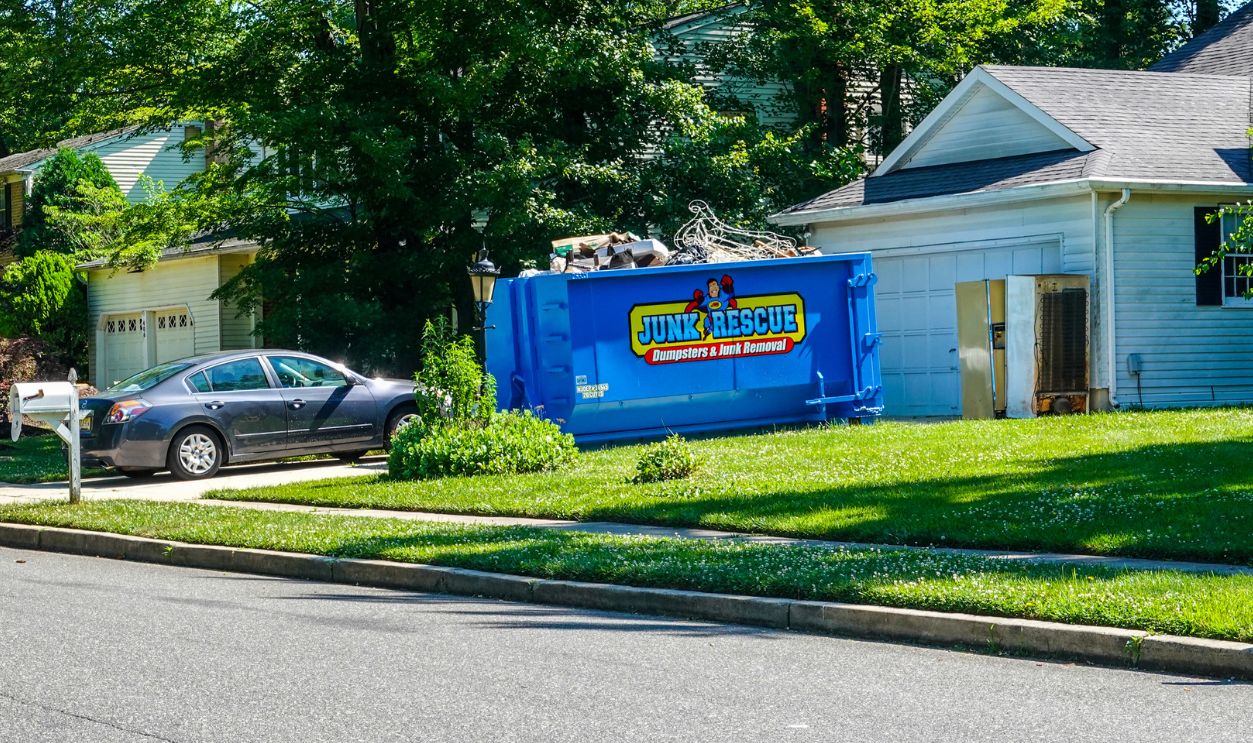
A professional organizer, estate-sale company, junk-removal service, or senior move manager may feel expensive, but compare that cost to another year of storage fees. Sometimes paying once to clear the unit is cheaper than paying forever to avoid the decision.
Protect Important Documents First
Before donating or tossing boxes, look for tax records, deeds, titles, birth certificates, military records, insurance papers, estate documents, old photos, and family history materials. These should be separated early. The goal is not to move quickly and regret it later. The goal is to be careful without staying stuck.

Do Not Let One Person Quietly Pay Forever
Sometimes one sibling or parent keeps paying because everyone else avoids the topic. That is not fair. If the unit benefits the whole family, the family should discuss it. If nobody wants the contents, then everyone should be honest about that instead of letting one person absorb the bill indefinitely.

Make The Cost Visible To Your Parents
Instead of saying, “This is a waste,” show the trade-off. “This unit costs $240 a month, which is $2,880 a year. Would you rather spend that on storage, home repairs, travel, medical costs, or savings?” That gives your parents control. You are helping them choose, not shaming them.

Keep A Few Treasures And Release The Rest
A good compromise is often a curated memory collection. Choose the best photos, most meaningful heirlooms, favorite holiday items, and truly useful pieces. Then let the rest go. This approach feels less like a purge and more like editing a life story down to its strongest chapters.

Watch Out For “Someday” Thinking
Someday the grandkids might want this. Someday we might use that table. Someday those boxes could matter. Maybe. But if years have passed and nobody has asked for the items, “someday” may be costing your parents real money every month. At some point, future possibility has to meet present reality.

Family Conflict Often Comes From Surprise
People get upset when they feel excluded. Before clearing the unit, tell relatives what is happening, give them a chance to claim items, and explain the deadline. You do not need unanimous approval forever, but you should avoid making sudden decisions that feel sneaky or dismissive.

Put The Plan In Writing
A simple written plan can prevent drama. List the deadline, who can claim items, who is handling donations, what will be sold, and when the unit will be closed. This does not need to be legalistic. It just needs to be clear enough that no one later says, “I didn’t know".
 Antoni Shkraba / AI25.studio, Pexels
Expect Some Grief To Surface
Sorting through a lifetime of possessions can be emotionally difficult. Old cards, photos, clothes, and household items can bring back powerful memories. If your parents get upset, that does not mean the plan is wrong. It means the process needs patience.

Do One Final Walkthrough
Before closing the unit, do one careful walkthrough. Check drawers, boxes, envelopes, file folders, and hidden compartments. Take photos of anything uncertain. This final pass helps everyone feel safer about the decision and reduces the chance of panic later.

The Kindest Plan Is Clear, Slow, And Firm
You can stop the financial drain without treating your parents’ belongings like trash. Lead with respect, show the real cost, invite family input, set deadlines, protect key documents, and keep only what genuinely matters. The goal is not to win a fight over stuff. It is to free your parents from paying for a burden nobody wants.

You May Also Like:
Why More People Are Opting for Take-Out
Frugal Habits That Actually Cost More In The Long Run
Never-Ending Payments: Why They're Bad And How To Sidestep Them